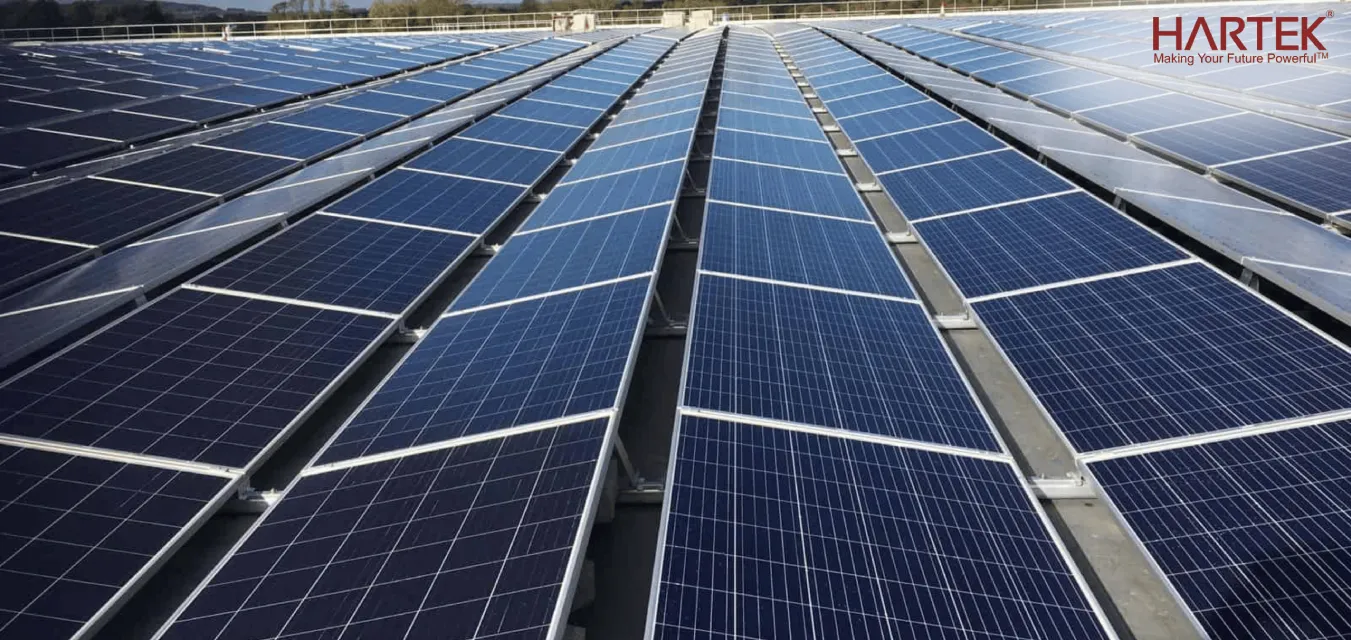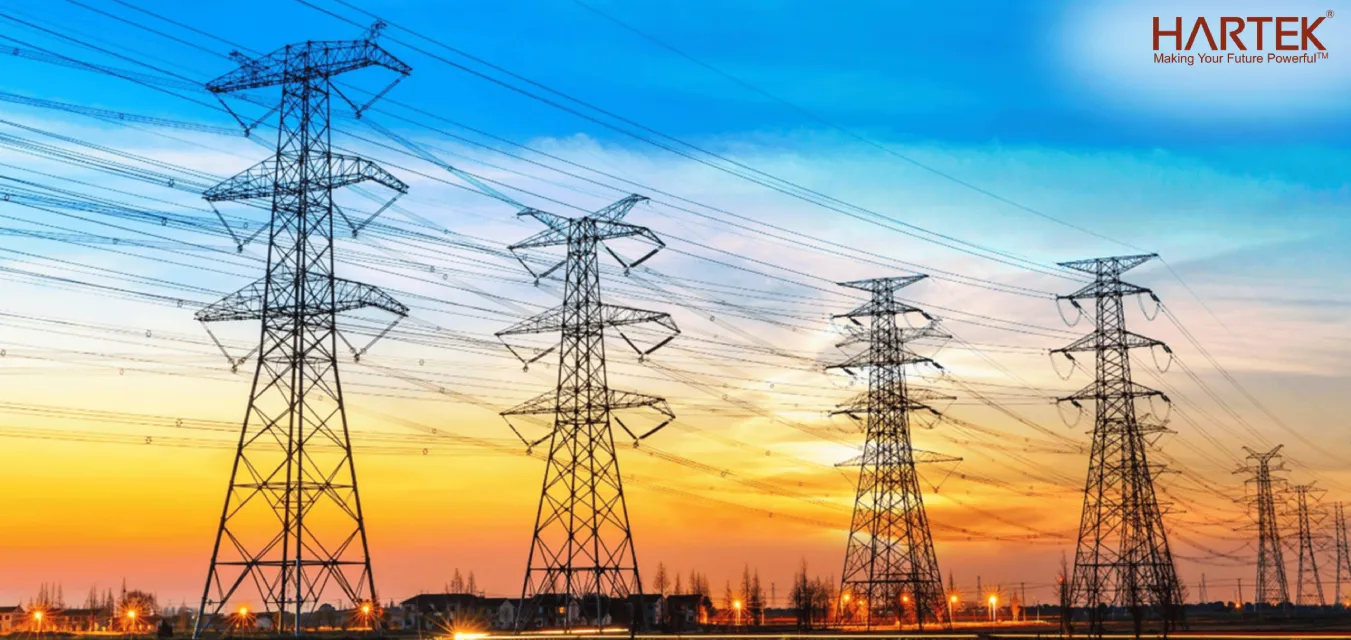
The Unsung Hero: Why a Robust Power Grid is India’s Core Investment for Accelerated Growth

India’s economic aspirations are soaring. From its burgeoning manufacturing sector and ambitious infrastructure projects to its rapidly expanding digital economy and agricultural advancements, the nation is brimming with potential. However, the engine that powers this multifaceted growth – the electricity grid – often remains an unsung hero, its critical importance sometimes overshadowed by the allure of generation capacity. To truly accelerate progress across all sectors, India’s core investment must be in fortifying its power grid infrastructure.

The need for a robust grid is paramount. As India aggressively pursues its renewable energy targets, aiming for a significant share of its power mix from solar and other renewables, the existing grid faces unprecedented challenges. Unlike traditional thermal power, renewable energy generation is inherently variable and geographically dispersed. Without a modern, interconnected, and intelligent grid, effectively harnessing this clean energy potential becomes a significant hurdle. Imagine the vast solar farms of Rajasthan unable to efficiently transmit their power to the industrial hubs of Maharashtra, or the coastal wind energy of Tamil Nadu struggling to reach homes in Uttar Pradesh. A weak grid acts as a bottleneck, hindering the very sectors poised to drive India’s future.

Investing in the grid is not merely about laying more transmission lines. It demands a holistic approach encompassing several key pillars: modernization, expansion, intelligence, and resilience.
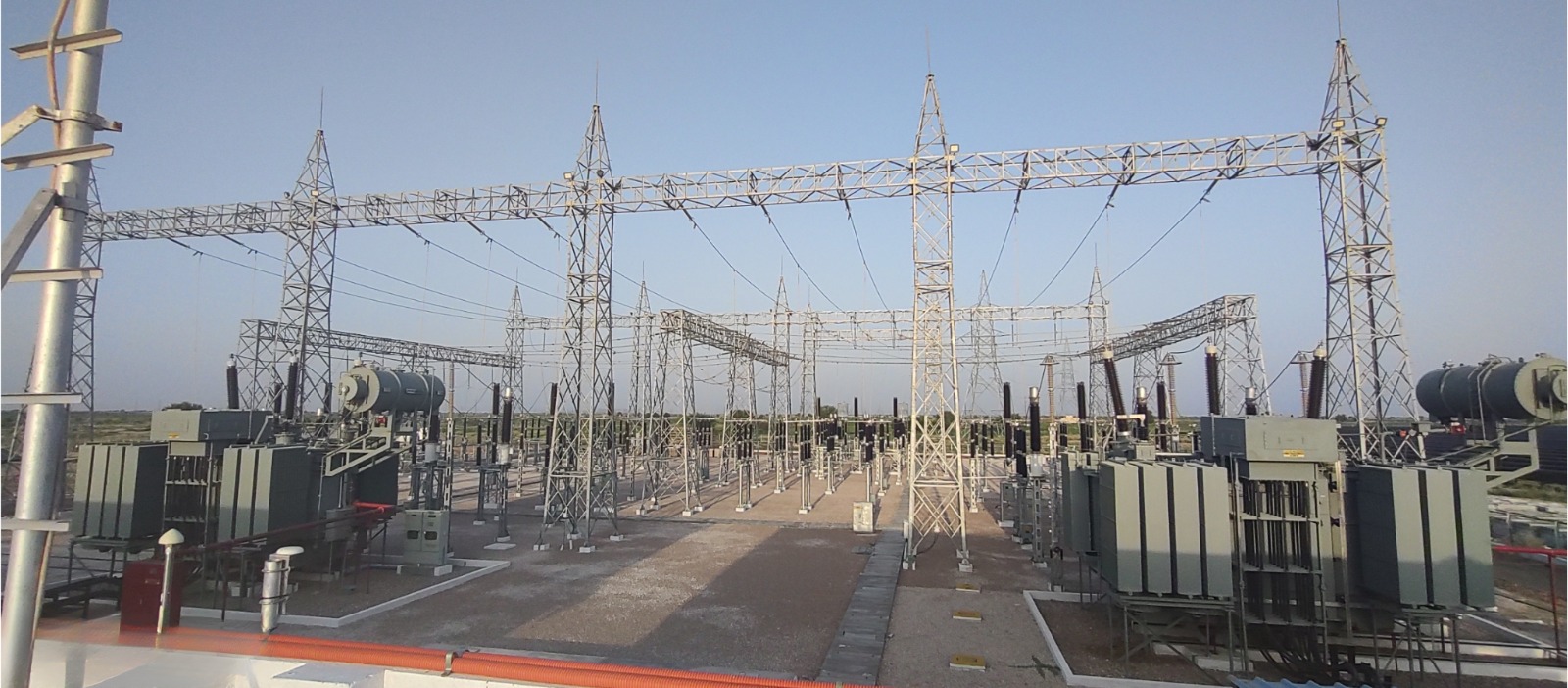
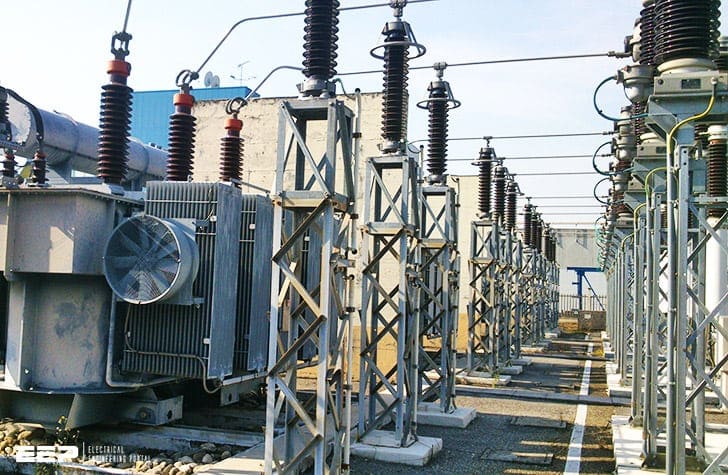
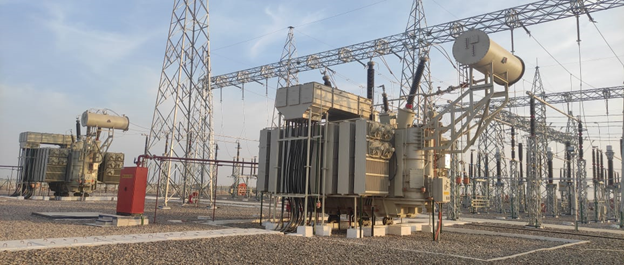
Power Grid Modernization India

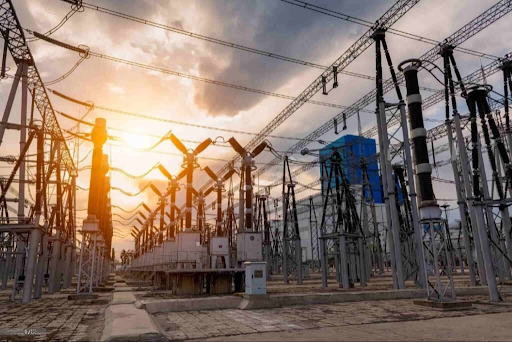
Modernization is crucial to handle the influx of intermittent renewable power. This involves upgrading existing substations with advanced equipment, deploying high-capacity transmission lines capable of carrying large volumes of electricity over long distances with minimal losses, and integrating technologies like High Voltage Direct Current (HVDC) for efficient bulk power transfer. Furthermore, modernizing the distribution network is vital to reduce transmission and distribution (T&D) losses, which remain a significant concern in many parts of India. Smart meters, advanced fault detection systems, and automated grid management tools are essential components of this modernization drive.

Expansion of the grid infrastructure is equally vital to connect new generation sources, particularly in remote renewable energy-rich regions, with demand centers. This requires strategic planning and execution of greenfield transmission and distribution projects, ensuring that the infrastructure keeps pace with the ambitious growth targets across various sectors. The development of inter-regional transmission corridors is particularly important to facilitate seamless power exchange between states, enhancing grid stability and optimizing the utilization of diverse energy resources.

Elevation of the grid’s intelligence is the cornerstone of a future-ready power system. This necessitates the deployment of smart grid technologies, including advanced sensors, communication networks, and sophisticated software platforms. These technologies enable real-time monitoring of grid conditions, dynamic load management, predictive maintenance, and seamless integration of distributed generation sources like rooftop solar. Artificial Intelligence (AI) and Machine Learning (ML) can play a transformative role in optimizing grid operations, predicting potential faults, and enhancing overall efficiency. A smarter grid empowers utilities to respond proactively to fluctuations in demand and supply, ensuring grid stability and minimizing disruptions.

Finally, effective management of the grid infrastructure is paramount for its long-term sustainability and reliability. This includes establishing robust regulatory frameworks that incentivize grid modernization and expansion, fostering efficient grid operation and maintenance practices, and promoting skilled workforce development within the power transmission and distribution sectors. Furthermore, ensuring cybersecurity of the grid is increasingly critical in an interconnected digital world. Robust management also involves fostering greater coordination between generation companies, transmission utilities, and distribution companies to ensure seamless power flow and efficient grid utilization.

The benefits of a robust power grid ripple across all sectors of the Indian economy. For manufacturing, a reliable and affordable power supply is fundamental to increasing productivity, reducing costs, and attracting investments. A modern grid can ensure consistent power, minimizing disruptions and enabling industries to operate at their full potential. In the agriculture sector, a stable power supply is crucial for irrigation, cold storage, and food processing, contributing to increased yields and reduced post-harvest losses. The burgeoning IT and services sector relies heavily on uninterrupted power for its operations and data centers. A resilient grid ensures business continuity and supports the growth of the digital economy. Even for households, a reliable power supply improves quality of life, enables access to education and healthcare, and fuels economic opportunities at the grassroots level.

Investing in the power grid is not just an energy sector imperative; it is a foundational investment for India’s overall economic and social progress. It is the backbone upon which all other sectors can thrive. By prioritizing the modernization, expansion, intelligence, and effective management of its power grid infrastructure, India can unlock its full potential, accelerate growth across all fronts, and ensure a sustainable and prosperous future for all its citizens. The time to truly empower India is to empower its power grid.

About Hartek Group:

Hartek Group has been a driving force in transforming India’s Energy sector, pioneering EPC solutions since 1991, leading the charge in Power Systems, Renewable Energy, and delivering advanced Power Distribution Products.

As a pioneer in India’s transition to renewable energy, we have connected over 10 GW of solar power to the national grid, significantly contributing to the reduction of 300 million tonnes of carbon emissions. In addition, we have successfully installed 200 MW of rooftop solar capacity across the country, offering turnkey solutions that cover everything from site assessment to project commissioning.

Driven by a commitment to creating smart cities and intelligent infrastructure, we stand true to our purpose of ‘Making your Future Powerful by building a brighter today.
Right of Way (RoW) Hurdles in EPC Projects: Unblocking India’s Renewable Future

India has set out on a new mission. This is to have 500 GW of renewable energy capacity achieved by 2030. Renewables like solar, wind, and others will help India achieve this. But there is one hindrance that continues to threaten this mission — Right of Way (RoW) challenges.

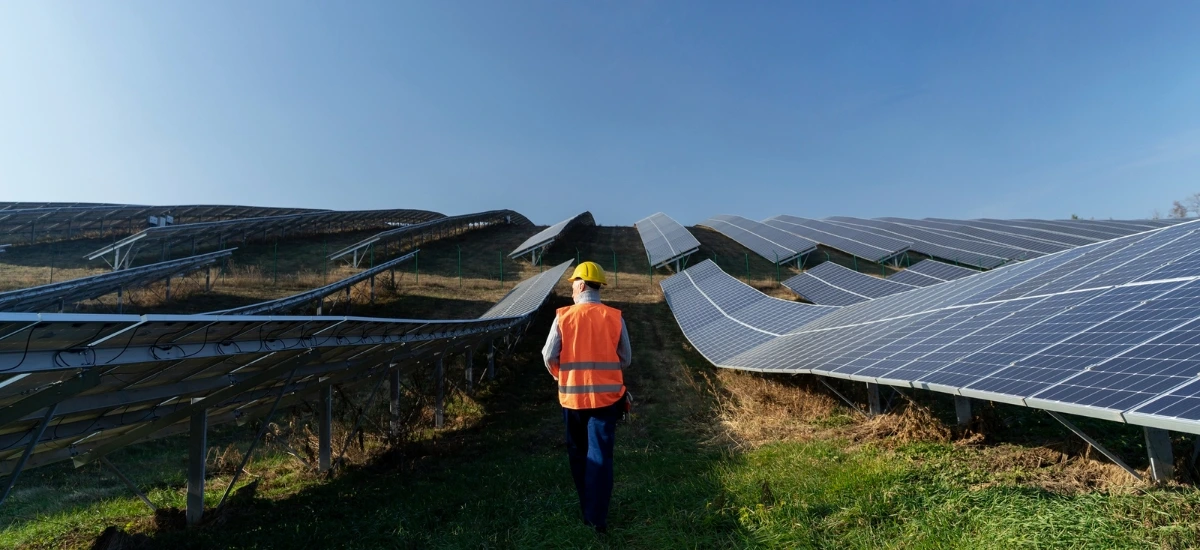
Every EPC project, be it for power transmission lines or large-scale solar EPC tenders, relies on land access. If the land is not available, slow progress or a complete standstill is inevitable, which is bad for the project. In brief, RoW is becoming one of the most critical challenges in renewable energy projects in India.

Did You Know? India stands to lose out on renewables projects by over 30,000 MW every decade due to legal issues, RoW conflicts, and land acquisition delays.

What is RoW & How is it an Integral Part of Any EPC Project?

RoW, or Right of Way, defines the legal entitlement of a company or a specific authority to use land owned by another party for the construction, operation, and maintenance of infrastructure. With regard to EPC Project Phases, RoW remains one of the most important factors, as nearly all infrastructure undertakings such as power transmission lines, oil & gas pipelines, highways, and even telecom networks require land access in various places. Without obtaining proper clearances for RoW, the physical execution of any given project would be rendered futile.  

Solar EPC Project

EPC projects are, by nature, expansive in scope and may even traverse several states, crossing through towns, private properties, wooded areas, and parks. They become RoW’s ultimate lifeline for solar EPC projects, allowing the construction of critical infrastructure without the necessity to own every land. However, gaining RoW is not simply a matter of corporeal access — it shapes the context of dealing with various laws, local government representatives, as well as ensuring the least possible impacts to communities. Not having RoW in a timely manner could create some serious timing issues and budget constraints which could lead to canceling the project altogether.

RoW Hurdles in the EPC Projects in India, and How is it Impacting Us

In India, the RoW issues face intricate challenges because of disparate land ownership systems, unclear legal status of land parcels, and governance blockages. One of the biggest challenges is the backlash from indigenous landowners and communities, which stems from underpayment or negative impacts on the ecological balance.

The EPC projects in the power transmission segment encounter issues when they are located in or near forests or agricultural land, taking many years to obtain necessary clearances. 

As per NITI Aayog’s latest report dealing with infrastructural hurdles in India, more than seventy percent of the nation’s infrastructure is at a basic development stage only because of land acquisition and route of the corridor issues. All these factors lead to the costs of national projects skyrocketing, reduced trust from investors, and a lack of systematic economic growth in the nation. Consequently, these challenges undermine the speed at which infrastructure is built, which drags down many industries and consumers who depend on these projects being finished on time.

Possible Measures to Overcome RoW Problem in EPC Power Projects

To resolve the RoW issue in India, a mix of regulatory changes, improved collaboration, and proactive outreach is needed. Clear distinctions of policies need to be delineated at the state level to resolve questions of ambiguity. Policies around electronic land registries, as well as quicker resolution of disputes, will help cut down on the time taken.

Trust building with local communities around compensation, environmental protection, and communication also needs to be given just as much focus. When the private sector works in tandem with government agencies in good faith, the RoW challenges will be systematically resolved, and EPC projects in the country will be easier to execute.

Driving Solutions Beyond RoW Challenges

At Hartek, we believe that RoW obstacles are real, but they aren’t insurmountable. With a proactive stance, community engagement, and actionable planning, we guarantee that speed and operational reliability are achieved in unison for the EPC project undertaken, enabling the unlock of India’s renewable energy potential.

FAQ’s:-

1. What is Right of Way (RoW) in EPC Projects?  
Consider the Right of Way (RoW) in a project as the legal access navigation grant for land needed to funnel construction work, such as vehicles for infrastructure, charging stations for transmission lines, and real estate solar plants.
2. What is the Importance of RoW in Solar EPC Projects?  
RoW is important in solar EPC projects as land access hindrances can derail timelines, escalate expenses, and foster legal or developer regulatory entanglements.
3. What are Common RoW Obstacles in EPC Power Projects?  
Significant RoW obstacles in power EPC projects include land ownership battles, localized defiance, ambiguous ownership records, compensation claims, greenhouse bans, and government-approved delays.
4. In what ways can EPC companies bypass RoW troubles?  
Overcoming RoW hurdles requires proactive stakeholder negotiation during project construction with framed generous compensation within legal boundaries sponsoring the local populace to document militia.

Sources:-
Economic Times-  RoW conflicts, and land acquisition delays
NITI Aayog, Report on Infrastructure Bottlenecks, 2022
Government of India: Ministry of Power on India’s 500GW Renewable Energy Goal


Mar 2025 | Hartek Group is Certified as the Great Place to Work for 6th Consecutive Year

March 2025 – Mohali: Hartek Group, one of the leading companies in Power Sector and Renewables, adds another feather to its cap with a Great Place to Work Certified Organization recognition in India for the sixth consecutive year. This prestigious certification reconfirms Hartek’s unmatched dedication to an encouraging, trust-based, all-inclusive, and growth-centric workplace culture.

As industries change and develop, expectations from workplaces also evolve. Employees in Hartek Group are encouraged to innovate, collaborate, and grow in a culture of trust, transparency, and continuous learning. The accolade from Great Place to Work highlights Hartek Group’s commitment towards employee satisfaction, career growth and a stimulating work environment.

Commenting on the achievement, Mr. Hartek Singh, Chairman and Managing Director, Hartek Group, “We are absolutely thrilled to mark our sixth consecutive Great Place to Work® accreditation. This certification attests to our commitment to developing an inspiring place to work where talent is fostered, ideas are conceived, and achievements are celebrated collectively. We are devoted to developing a culture of excellence and empowerment, so our people are always at the center of everything we do.” 

“At Hartek, we firmly believe that a strong workplace culture is the key to our success. This certification is a reflection of our commitment to diversity, teamwork, and employee well-being. We take pride in building a workplace where each individual is enabled to grow, innovate, and contribute to a shared vision of excellence.” said Suman Gupta, HR Head, Hartek Group. 

Hartek Group continues to be a leader in employee engagement, leadership development, and workplace diversity. This further supports the company’s vision of “Adding Value to the Lives We Touch” by making sure its employees, customers, and stakeholders are successful in an innovative and sustainable manner.

About Hartek Group:

Established in 1991, Hartek Group is a leading Engineering, Procurement, and Construction (EPC) company specializing in power transmission, renewable energy, solar solutions, and infrastructure development. With a strong portfolio of projects across India, Hartek is committed to driving innovation in the power sector while contributing to a sustainable energy future.

How India Is Leading the Way in Distributed Energy Through Policy Innovation 

With the rise of global warming, many countries are adopting renewable energy solutions. India is one of them. The country’s development is expected to embrace distributed energy systems to build a sustainable and resilient energy infrastructure. It is becoming an important cog in India’s energy machinery by allowing decentralized, efficient, and sustainable power generation. With its innovative national policies and targeted government schemes, India is making major strides towards the transparent integration of distributed energy into the national energy ecosystem. 

This blog explores how India is advancing its energy sector and the growing adoption of distributed energy system in India. 

What Is Distributed Energy and Why Is It Important for India? 

Electricity is produced locally by small-scale sources in a distributed energy system. Consider energy sources like solar, wind, and biomass that can operate independently or in conjunction with the main electrical grid. These solutions increase grid resilience, reduce transmission losses, and improve energy efficiency. 

With rapid economic growth and rising demand for electricity, conventional power systems are proving unable to keep up. Hence, it is the distributed energy system in India that comes into play. They provide flexibility, reducing dependence on fossil fuels, and helping the country achieve its sustainable goals. 

Key National Policies Supporting Distributed Energy 

Several policies are paving the way for the growth of the distributed energy system in India. 

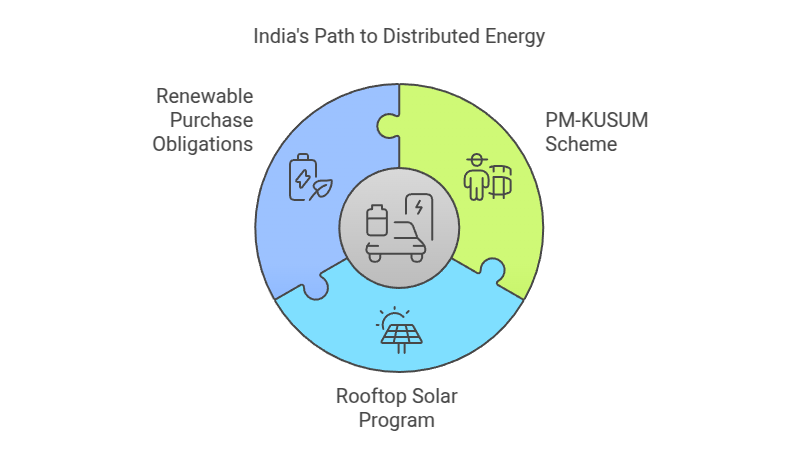
1. PM-KUSUM Scheme: Empowering Rural Areas 

The Pradhan Mantri Kisan Urja Suraksha evam Utthan Mahabhiyan (PM-KUSUM) scheme represents one of India’s largest initiatives to promote distributed energy systems. 

Key benefits of the PM-KUSUM scheme include: 

  • Providing solar energy options to farmers.  
  • Lowering irrigation’s reliance on fossil fuels.  
  • Improving the distribution of electricity in isolated locations through the decentralization of energy production. 

2. Rooftop Solar Program: Bringing Energy to Homes and Businesses 

The Rooftop Solar Program is another cornerstone of India’s strategy to promote distributed energy. Advantages of the Rooftop Solar Program include: 

  • Enabling companies and residences to produce their electricity. 
  • Reducing the pressure on centralized grids. 
  • Promoting the use of clean, renewable energy in urban areas. 

With a goal to achieve 40 GW of rooftop solar capacity, this program is pivotal in increasing the share of energy in distributed energy system in India. 

3. Renewable Purchase Obligations (RPO): Encouraging Utility Investments 

The Renewable Purchase Obligation (RPO) is a regulatory framework that mandates electricity distribution companies to procure a certain percentage of their power from renewable sources. This policy plays a vital role in: 

  • Driving the adoption of distributed energy across India’s electricity grid. 
  • Encouraging utilities to invest in small-scale, decentralized energy projects. 
  • Integrating more renewable energy into the national grid to support sustainability. 

Key National Policies Supporting Distributed Energy

Technological Innovation in Grid Distribution Systems 

The successful integration of distributed energy systems into India’s existing power grid requires advanced technology. 

Benefits of Smart Grids: 

  • Smart grids provide real-time data, enabling utilities to monitor energy consumption and supply. 
  • They allow for better integration by managing the intermittent nature of renewable energy generation. 
  • These grids improve electric power distribution, ensuring a reliable and efficient energy supply. 

Financing and Investment in Distributed Energy Systems 

The Indian government, alongside private sector players and international investors, has committed to funding distributed energy projects across the country. 

  • The government offers subsidies for rooftop solar installations and small-scale solar power projects. 
  • Public-private partnerships (PPPs) are being increasingly leveraged to fund large-scale renewable energy projects. 
  • International investors, such as the World Bank and Asian Development Bank (ADB), are funding renewable energy initiatives in India. 

Hartek Group: Transforming Distributed Energy in India 

As one of India’s leading Engineering, Procurement and Construction companies in the energy sector, Hartek Group plays a vital role in driving the adoption of distributed energy systems. 

Key Contributions: 

  • Solar Solutions: Hartek has installed over 120 MW of solar rooftop capacity throughout India, empowering businesses and households with clean energy.  
  • Grid Modernization: The company isupgrading India’s grid distribution system with state-of-the-art substations, ensuring grid stability and supporting renewable energy integration.  
  • Smart Cities: Hartek actively supports India’s smart city initiatives by integrating renewable energy into urban power grids. 

Commitment to Sustainability: 

  • Hartek Group focuses on delivering end-to-end solutions, from project design to execution, ensuring efficiency and reliability. 
  • Their expertise in renewable energy substations ensures seamless integration with India’s expanding renewable capacity. 

With such contributions, Hartek is not just a company; it’s a driving force for change in India’s energy landscape. 

Conclusion 

India’s commitment to a clean, decentralized energy future is evident in the national policies that are driving the widespread adoption of distributed energy systems. Programs like PM-KUSUM, Rooftop Solar Yojana, and RPO are not just encouraging the adoption of renewable energy but are also fostering innovation in grid distribution and power management. 

With continued policy support and technological advancements, companies like HARTEK ensure that the distribution energy system in India is set to lead the way, setting an example for the rest of the world to follow. 

Frequently Asked Questions:

  1. What is distributed energy, and why is it important for India?
    Distributed energy refers to locally produced power from sources like solar and wind. It improves grid resilience, reduces transmission losses, and supports sustainability.

  2. How does the PM-KUSUM scheme promote distributed energy?
    PM-KUSUM supports farmers with solar power solutions, reduces fossil fuel dependency for irrigation, and decentralizes electricity distribution in rural areas.

  3. What role does the Rooftop Solar Program play in India’s energy sector?
    The program allows homes and businesses to generate their own electricity, easing the load on centralized grids and increasing India’s renewable energy share.

  4. How do smart grids support this energy systems?
    Smart grids enable real-time energy monitoring, improve power distribution efficiency, and help integrate decentralized renewable energy into the main grid.

  5. How is Hartek Group contributing to India’s energy growth?
    Hartek Group develops solar solutions, modernizes grid distribution, and integrates renewable energy into India’s smart cities, ensuring a sustainable energy future.

India’s Solar Energy Future: Growth, Trends, and Technological Advances 

India is becoming a global leader in solar power adoption thanks to its dedication to renewable energy. The country is making quick progress towards a sustainable energy future thanks to a lot of sunshine and encouraging government regulations. This blog post examines how India is achieving its renewable energy targets by examining the development, trends, and technological advancements influencing the future of solar power in India. 

India’s Solar Growth Story 

The solar journey that India has on has been nothing short of revolutionary. Solar energy has evolved over the last ten years from a specialised power source to a key component of the nation’s renewable energy policy. 

Current Solar Energy Statistics in India 

As of October 31, 2024, India’s total installed renewable energy capacity, excluding hydropower, reached approximately 203.18 GW, with solar power contributing about 92.12 GW. This remarkable progress reflects the country’s dedication to expanding its renewable energy infrastructure. 

India’s Renewable Energy Targets 

The Indian government has set an ambitious target of achieving 500 GW of renewable energy capacity by 2030, with solar power playing a significant role. Achieving this milestone will place India among the top nations globally in renewable energy capacity. 

Important Trends Affecting India’s Solar Energy in Future 

The future of solar energy in India is influenced by multiple emerging trends that promise to revolutionise the energy sector. 

Expansion of Solar Parks and Grid Infrastructure 

India is leading the way in solar expansion with large-scale solar parks. These parks offer the necessary space and infrastructure for the establishment of several solar power plants, which lowers developer costs and increases efficiency. 

In the Solar Park Scheme, India aims to build 50 Solar Parks with a combined capacity of approximately 38 GW by 2025–2026, each measuring 500 MW or more. Building infrastructure to enable these advancements and guarantee the dependable transmission of solar power has been made possible in large part by businesses like Hartek Group. 

Decentralised Solar Solutions: Rooftop and Community Solar Programs 

Decentralised solar solutions, especially rooftop solar installations, are increasing in popularity among consumers in business settings. One of the leading rooftop solar installers in India, Hartek Solar is a part of the Hartek Group and assists homes and businesses in switching to cleaner energy sources. 

In addition to rooftop solutions, community solar programs are empowering rural areas to access affordable and sustainable electricity. 

Solar-Powered Agriculture Through PM-KUSUM 

The Pradhan Mantri Kisan Urja Suraksha evam Utthaan Mahabhiyan (PM-KUSUM) scheme has transformed the agricultural sector by promoting solar-powered irrigation. Farmers can install solar pumps and grid-connected solar power plants, reducing dependence on diesel pumps while earning income by selling surplus power. 

Technological Advances Driving the Future of Solar Power in India 

Technological innovation plays a crucial role in shaping the solar energy future in India, enabling greater efficiency and sustainability. 

High-Efficiency Solar Panels and Bifacial Technology 

Solar panels with high efficiency, such as those using bifacial technology, are revolutionary. These panels increase energy output and lower the cost per unit of electricity generated by capturing sunlight from both sides. Their use in rooftop installations and solar parks is growing faster. 

Energy Storage Innovations: Batteries and Hybrid Systems 

Energy storage solutions are vital for addressing the intermittent nature of solar power. Advanced battery systems and hybrid energy setups ensure a stable supply of electricity, even during periods of low sunlight. 

As part of their commitment to innovation, Indian companies are exploring cost-effective battery technologies that can be integrated into the India power grid, enabling better management of renewable energy resources. 

Integration of AI and IoT in Solar Grid Management 

The integration of Artificial Intelligence (AI) and the Internet of Things (IoT) in solar grid management enhances efficiency and reliability. These technologies facilitate real-time monitoring, predictive maintenance, and optimisation of energy production and distribution. 

Focus on Recycling and Sustainability 

As solar installations grow, so does the need for sustainable manufacturing and recycling of solar panels. Efforts to recycle end-of-life solar panels and minimise environmental impact are gaining momentum, aligning with global sustainability goals. 

Solar Energy in Future: Vision 2030 and Beyond 

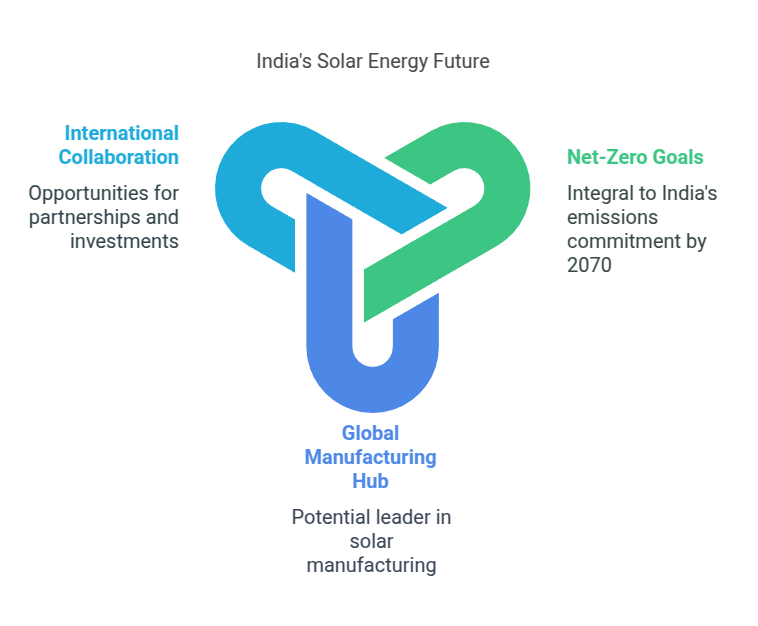
Alignment with Net-Zero Goals 

India’s solar energy sector is integral to its net-zero emissions commitment by 2070. Continued investment in solar infrastructure will drive the nation toward its environmental and energy goals. 

Emergence as a Global Solar Manufacturing Hub 

With supportive policies and growing demand, India has the potential to become a global leader in solar manufacturing. This shift will contribute to economic growth, job creation, and energy security. 

Opportunities for International Collaboration 

India’s solar sector offers opportunities for international partnerships, fostering technological exchange and attracting investments that will accelerate solar adoption across the country. 

Solar Energy in Future

Hartek: Pioneering India’s Solar Revolution 

Hartek Group has been at the forefront of India’s solar revolution, significantly contributing to the development of the renewable energy sector. As a leading EPC (Engineering, Procurement, and Construction) company, Hartek has successfully connected over 10 GW of solar power to the grid through its power system, transmission and distribution (T&D), and renewable EPC business units. 

Transformative Role in Solar Grid Infrastructure 

Hartek has been instrumental in building and maintaining robust solar grid infrastructure. The company has successfully commissioned over 7 GW of solar energy projects, enabling efficient power transmission and supporting India’s ambitious renewable energy goals. 

Rooftop Solar Expertise 

As one of India’s top rooftop solar EPC players, Hartek has installed over 100 MW of rooftop solar solutions across India. These projects cater to industries, commercial establishments, and residential consumers, empowering them to embrace clean energy while reducing their electricity costs. 

Commitment to Sustainability and Innovation 

Hartek’s focus on innovation extends to incorporating advanced technologies like smart grid solutions and energy storage systems. These initiatives not only enhance the efficiency of solar power projects but also ensure long-term sustainability. 

Hartek’s contributions demonstrate the vital role of private enterprises in realising the future of solar energy in India, complementing government efforts with cutting-edge solutions and expertise. 

Conclusion 

India’s solar energy journey is a testament to its commitment to sustainability and innovation. With the active participation of industry leaders like Hartek Group and supportive government policies, the future of solar power in India looks promising. By addressing challenges and leveraging technological advances, India is poised to become a global leader in renewable energy, setting an example for the world. 

Frequently Asked Questions

  1. Why is solar energy important for India’s future?
    Solar energy helps India achieve energy security, reduce carbon emissions, and meet its goal of 500 GW renewable capacity by 2030.

  2. What is India’s current solar energy capacity?
    As of October 2024, India has installed 92.12 GW of solar power, contributing significantly to its renewable energy expansion.

  3. How is technology improving solar energy efficiency?
    Innovations like bifacial solar panels, AI-based grid management, and battery storage improve efficiency and reliability in solar power generation.

  4. What role does the PM-KUSUM scheme play in solar adoption?
    PM-KUSUM promotes solar-powered irrigation, helping farmers reduce diesel dependence and earn by selling surplus solar power.

  5. How is Hartek Group contributing to India’s solar growth?
    Hartek has installed over 10 GW of solar power, developed solar grid infrastructure, and leads in rooftop solar EPC solutions across India.

List of Key Events that Boosted India’s Solar Sector

In the year 2024, India saw a huge transformation in the solar energy sector. Many key events and initiatives took place. Thanks to them, India’s renewable energy sector is reshaped. The nation puts great emphasis on achieving sustainability and enhancing energy security. As a result, India has made considerable progress in expanding its installed solar capacity. 

When you look at this growth, you can see the government’s constant support for sustainable energy. Let’s not forget the ultimate aim of reaching 500 GW of renewable energy capacity by 2030. 

In this blog, we’ve compiled a list of the most impactful developments that have kickstarted India’s solar sector to new heights in 2024. 

Record-Breaking Installed Solar Capacity 

As of November 2024, India has achieved a significant milestone in its clean energy journey, with a total installed solar capacity of 94.17 GW, because of: 

  • Supportive government policies that promote renewable energy. 
  • Substantial investments in solar projects. 
  • Technological innovations that reduce expenses and increase efficiency. 

In 2024, India installed a record 16.4 GW of solar capacity, setting a new high for the sector. This trend is expected to continue, with projections indicating that India will meet its renewable energy ambitions ahead of schedule. 

  • Installed solar capacity is currently a significant portion of India’s renewable energy capacity. 
  • This strengthens India’s status as the world leader in renewable energy. 

India’s solar business is rapidly expanding, paving the way for a cleaner, more sustainable future. 

PM Surya Ghar Program and Rooftop Solar Growth 

The PM Surya Ghar Program’s debut in February marked an important milestone in 2024. This ambitious effort attempts to increase solar installations on residential rooftops through financial incentives. The program aims to install solar systems in 1 crore houses, with a budget of ₹750 billion (~$9.04 billion). 

Key features of the program include: 

  • Subsidies will make rooftop solar systems more accessible for consumers. 
  • An objective of 1 crore residences for solar systems to increase solar adoption. 
  • High-quality criteria for manufacturers and installations to ensure long-term performance and dependability. 

The PM Surya Ghar Program is expected to increase significantly India’s renewable energy capacity by offering a beneficial platform for individuals and businesses to invest in solar solutions and contribute to the country’s sustainable energy goals. 

Reintroduction of ALMM Regulations 

The restoration of the Approved List of Models and Manufacturers (ALMM) restrictions in April 2024 was an important milestone for India’s solar industry. These laws require that only modules and equipment mentioned in the ALMM be utilized in solar installations, particularly rooftop systems. This assures that the components fulfill the highest quality and safety standards. 

Key impacts of the ALMM regulations include: 

  • Ensuring quality and safety by mandating the use of components that are approved by ALMM. 
  • Promoting durability of solar installations, ensuring long-term performance. 
  • Encouraging domestic manufacturing as more Indian manufacturers strive to meet ALMM standards. 

The reintroduction of ALMM regulations is a crucial move in India’s solar sector, ensuring the nation’s solar growth is both sustainable and high-quality. 

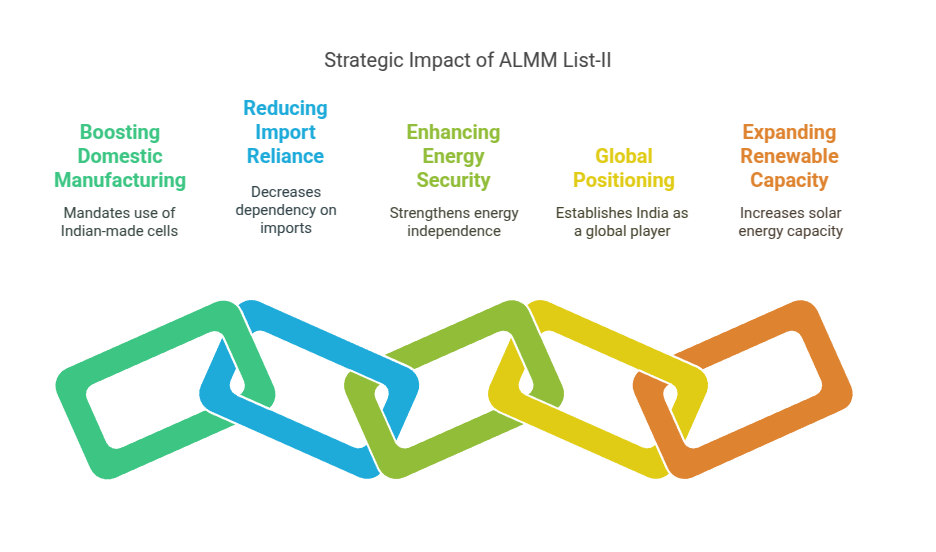
Inclusion of Solar Cells in ALMM List-II 

In June 2024, the Ministry of New and Renewable Energy (MNRE) took a bold step by including solar cells on the ALMM List-II, which will be implemented in June 2026. This inclusion is a significant achievement for India’s solar sector since it supports the domestic solar cell manufacturing industry, which has hitherto relied on imports. 

Key outcomes of this decision: 

  • Boosting domestic solar cell manufacturing by mandating the use of Indian-made cells in future solar projects. 
  • Reducing reliance on imports, enhancing energy security, and fostering local production capabilities. 
  • Positioning India as a major player in the global solar manufacturing sector. 

This action is consistent with India’s long-term objective of expanding its solar manufacturing capability. It is critical for lowering solar costs, enhancing energy security, and achieving India’s clean energy targets. The inclusion of solar cells in ALMM List-II would play an important role in increasing India’s renewable energy capacity and assisting the country in meeting its sustainability goals. 

Inclusion of Solar Cells in ALMM List-II for Solar Power

Anti-Dumping Duties to Protect Domestic Industry 

To preserve the domestic solar manufacturing sector, the Indian government imposed temporary anti-dumping duties on solar glass imported from China and Vietnam beginning in Dec 2024. This ruling will last for six months and intends to protect Indian firms from unfair competition caused by low-cost imports. 

Key points about this move: 

  • Protecting Indian manufacturers by preventing cheap imported solar products from undercutting local production. 
  • Strengthening the domestic solar supply chain, particularly in critical areas like solar glass. 
  • Encouraging competitive pricing and fostering innovation within India’s solar industry. 

Mandatory Verification of DCR Credentials 

Starting January 1, 2024, the Ministry of New and Renewable Energy (MNRE) mandated that solar manufacturers submit their Domestic Content Requirement (DCR) credentials via the DCR portal. This crucial step supports India’s Make in India initiative by ensuring solar projects use locally manufactured components, adhering to national standards. 

Key details of this regulation: 

  • Mandatory submission of DCR credentials for all solar manufacturers via the official portal. 
  • Transparency and accountability in government-sponsored solar projects by ensuring only Indian-manufactured components are used. 
  • Support for domestic manufacturing, promoting the use of locally produced materials in solar energy projects. 

Hartek Group’s Contributions to the Indian Solar Sector 2024 Achievements 

Hartek Group, a leading engineering, procurement, and construction (EPC) company, has made significant strides in India’s solar sector. With 34 years of experience, Hartek has connected more than 7 GW of renewable energy capacity to the national grid, contributing substantially to the nation’s clean energy goals. 

Key contributions of Hartek Group include: 

  • 10 GW Solar Capacity Milestone: In September 2024, Hartek Group surpassed 10 GW of solar power across its power systems, transmission and distribution (T&D), and renewable engineering, procurement, and construction (EPC) business units. 
  • Landmark Solar PV Project in Rajasthan: In April 2024, Hartek Group secured a landmark INR 474 crore contract for a 300 MW ground-mounted solar photovoltaic (PV) power plant in Rajasthan. 

    These initiatives contribute to India’s renewable energy capacity, positioning Hartek as a leader in driving the country’s transition to clean energy. 

    Conclusion 

    Indian solar sector, 2024, made great progress, with numerous key events and legislative developments fueling the growth of installed capacity of renewable energy in India.  As India ramps up its solar energy efforts, companies like Hartek Group are paving the road for the country’s sustainable energy future. 

    The future of India’s solar sector appears promising, with large contributions expected from both government programs and private sector innovation. By continuing to invest in solar technologies and domestic production, India is establishing itself as a global leader in renewable energy. 

    Frequently Asked Questions

    1. What was India’s total installed solar capacity in 2024?
      By November 2024, India achieved 94.17 GW of installed solar capacity, driven by government policies, investments, and technological advancements.

    2. How does the PM Surya Ghar Program promote rooftop solar adoption?
      Launched in 2024, the program offers financial incentives and aims to install rooftop solar in 1 crore homes, boosting solar adoption nationwide.

    3. What is the significance of ALMM regulations in the solar sector?
      ALMM regulations ensure that only high-quality, approved solar modules and components are used in installations, promoting durability and domestic manufacturing.

    4. How does Hartek Group contribute to India’s solar growth?
      Hartek has connected over 10 GW of renewable energy to the grid and executed major solar projects, including a 300 MW plant in Rajasthan and a floating solar project in Himachal Pradesh.

    5. What impact do anti-dumping duties have on India’s solar industry?
      Imposed in December 2024, these duties protect domestic manufacturers from cheap imports, strengthening India’s solar supply chain and promoting local production.

    What Factors Contributed to lndia’s 14.2% Increase in Renewable Energy and 30% Surge in Solar Power?

    India’s renewable energy sector is on track for growth, a steep trajectory, one can say. How? With a 14.2% increase in installed capacity of renewable energy in India and a significant 30% rise in solar power in the last year. 

    All these have been because of various factors such as government initiatives, technological advancements, private sector investments, and improvements in infrastructure. These driving forces are not only assisting India in getting closer to its renewable energy targets but also placing the country in a position of being a global leader in clean energy. 

    Let’s explore the exact key factors that had a huge part in India’s renewable energy success! 

    Government Support: A Driving Force Behind Renewable Energy Growth 

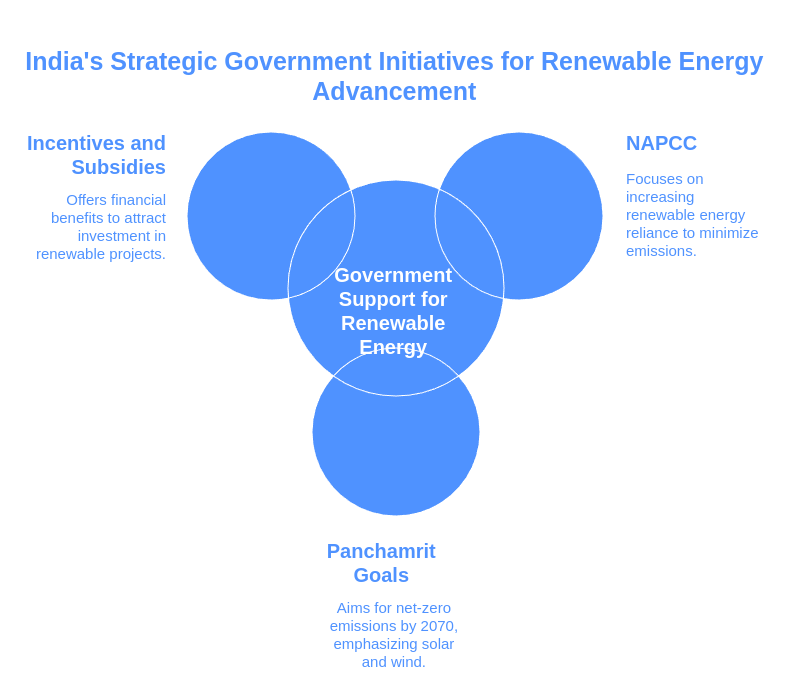
    The Indian government has played a pivotal role in pushing the renewable energy agenda forward. With ambitious renewable energy targets and strategic policies, India is making great strides toward achieving its clean energy goals. 

    • National Action Plan on Climate Change (NAPCC): This plan focuses more on increasing India’s reliance on renewable energy to minimize carbon emissions and enhance sustainability. 
    • Panchamrit Goals: The government’s commitment toward reaching net-zero emissions by 2070. Its primary emphasis will be on solar and wind energy. 
    • Attractive incentives and subsidies: India has lucrative incentives, subsidies, and attractive tariff schemes for domestic and international investors who invest in solar and wind power projects. 

    Government Support for Solar Power Surge

        Key policies include: 

        • Production-Linked Incentive (PLI) Scheme for solar equipment manufacturing. 
        • Renewable Purchase Obligations (RPO) requiring states and utilities to source a portion of energy from renewables. 
        • Special focus on solar power installations to boost clean energy capacity. 

            Technological Advancements: Fueling Solar and Wind Energy Expansion 

            India’s reliance on fossil fuels has decreased. Additionally, its solar power capacity has increased thanks to technological advancements. Solar energy has gained popularity in recent years due to its increased affordability and efficiency. 

            • Falling Solar Costs: The cost per watt of solar energy has dropped significantly, making it more affordable for both consumers and businesses. 
            • Improved Solar Panel Efficiency: New technologies have made solar panels more efficient, enabling better energy generation even under less-than-ideal weather conditions. 
            • Energy Storage Solutions: The development of battery storage technologies has allowed solar power to be stored and used during non-sunny hours, ensuring a more reliable energy supply. 

                Private Sector Investment: Powering the Renewable Energy Boom 

                Private sector investment has played a crucial role in India’s success in renewable energy. Several Indian and international companies are now investing in solar and wind energy projects that are resulting in an increasing the installed capacity of renewable energy in India. 

                • Key players in the market: Leading firms such as Hartek, Adani Green Energy, Tata Power, and ReNew Power have invested heavily in renewable energy projects across India. 
                • International Investments: Foreign companies are also contributing to India’s renewable energy boom, providing both capital and expertise. 
                • Green Bonds: These financial instruments are being used to raise funds for sustainable projects, including solar and wind energy installations. 

                    Infrastructure Development: Connecting Renewable Energy to the Grid 

                    Strong infrastructure is essential for harnessing renewable energy efficiently. For solar and wind energy to be successfully integrated into the grid, significant investment in transmission and distribution infrastructure is required. 

                    • Smart Grids: These ensure improved reliability of electricity supply and accommodate decentralized renewable sources. 
                    • Battery Storage Systems: These store the surplus daytime solar production during the day and supply to the system at low sun generation hours or at high demand times. 
                    • Grid Modernization: This facilitates integrating more seamlessly renewable sources onto the grid with upgraded power grids, minimizing energy loss while also raising power supply delivery efficiencies. 

                        Environmental and Economic Factors: Driving the Transition to Clean Energy 

                        India’s transition to renewable energy is driven not only by environmental concerns but also by economic factors. The growing demand for clean energy is partly a response to global climate change initiatives and India’s desire to reduce its carbon footprint. 

                        • Climate Change Mitigation: India’s commitment to the Paris Agreement drives its focus on increasing renewable energy sources. 
                        • Energy Security: Reducing dependence on imported fossil fuels is critical for India’s energy independence and long-term economic stability. 
                        • Job Creation: The renewable energy sector is rapidly expanding, creating thousands of jobs in the manufacturing, installation, and maintenance of solar and wind energy systems. 

                            Hartek’s Role in India’s Renewable Energy Growth 

                            As the renewable and solar energy uses in India continues to expand, companies like Hartek are playing a crucial role in enabling the country’s green energy transition. Hartek, a leading provider of end-to-end electrical engineering solutions, is actively contributing to the renewable energy sector through: 

                            • Comprehensive EPC Services: Hartek offers Engineering, Procurement, and Construction (EPC) services for both solar and wind energy projects, ensuring efficient and timely installation. 
                            • Solar Power Plant Solutions: Hartek has been involved in the construction of large-scale solar power plants, such as the INR 474 Crore solar energy project in Rajasthan, helping increase India’s solar power capacity. 
                            • Grid Integration: By providing advanced grid management solutions, Hartek is contributing to the seamless integration of renewable energy sources into India’s power grid. 
                            • Innovative Technological Solutions: Hartek leverages cutting-edge technologies to ensure that renewable energy projects are executed with high efficiency and minimal environmental impact. 

                                  Hartek’s expertise and commitment to the renewable energy sector are helping India meet its renewable energy targets and achieve a greener future. 

                                  Conclusion: A Green Future for India’s Energy Sector 

                                  The 14.2% increase in India’s renewable energy installed capacity and 30% surge in solar power are not just numbers—they represent the country’s growing commitment to clean, sustainable energy. 

                                  Companies like Hartek are integral to this transformation. With their expertise in EPC services, solar power plant solutions, and grid integration, Hartek is helping India move closer to its renewable energy targets. By continuing to innovate and support the renewable energy sector, Hartek is contributing to the country’s journey towards a cleaner, greener future. 

                                  Given the renewable energy potential in India, the nation is primed to expand its green energy capacity even further. India’s renewable energy journey has just begun, and with sustained effort, the nation is poised to lead the global transition to a sustainable energy future. 

                                  Frequently Asked Questions

                                  1. What is driving the growth of solar power in India?
                                    Government policies, private investments, and technological advancements have fueled a 30% rise in India’s solar power capacity in the past year.

                                  2. How is the Indian government supporting solar power expansion?
                                    India offers incentives, subsidies, and policies like the PLI scheme and Renewable Purchase Obligations (RPO) to boost solar power adoption.

                                  3. What role does Hartek play in India’s solar energy sector?
                                    Hartek provides EPC services, grid integration, and solar power plant solutions, contributing to India’s increasing solar energy capacity.

                                  4. How does solar power contribute to India’s energy security?
                                    By reducing dependence on fossil fuels and imports, solar power strengthens India’s energy independence and long-term sustainability.

                                  5. What are the economic benefits of investing in solar power?
                                    Solar energy investments create jobs, lower electricity costs, and support local industries, driving India’s transition to a green economy.

                                  Jan 2025 | HARTEK bags largest Solar Plant in J&K

                                  Delhi, January 2025: Hartek Group’s, C&I Rooftop solar business unit has won complete solar EPC contract of 8 MW from Kandhari Beverages Private Limited one of the largest bottling plant of Hindustan Coca Cola. This will become Jammu & Kashmir’s largest rooftop solar installation. The project is under execution and will be commissioned this quarter. The installation will improve the region’s renewable energy capability and drastically lower the facility’s energy expenses by producing a million units a year.

                                  “This remarkable 8 MW system is setting the standard for sustainable industrial development of solar plant in J&K, not merely powering a building. Our C&I roof top solar business unit will continue to partner with leading Industries to meet their sustainability & net zero goals,” stated Simarpreet Singh, Executive Director & CEO, Hartek Group.

                                  Notably, this is the third project awarded to Hartek by Kandhari Beverages in the past two years, bringing their total installations for the beverage company to 14 MW. The repeat partnership reflects customer satisfaction & strong execution capabilities.  The scope encompasses a comprehensive turnkey solution, including engineering and design, procurement of solar modules, inverters and associated equipment, testing & commissioning, and one year of operations and maintenance (O&M).

                                  Hartek continues to lead the way in the solar sector, delivering impactful projects that showcase the transformative potential of renewable energy. With a commitment to driving sustainable growth, the company is focused on expanding its presence in the clean energy market, contributing to India’s long-term vision for environmental and economic progress.

                                  About Hartek Group:

                                  Hartek Group is one of the fastest-growing companies in India, with offerings that span across Engineering, Construction, Renewables, Technology, Fuel, and Manufacturing. Founded in 1991, the group has grown to become one of the most admired Indian names in the power and infrastructure space, having business interests across the value chain. The group operates through six strategic business units, namely Power Systems, Solar Solutions, Power Distribution Products, Smart Cities/Smart Grids, Fuel Services, and Value Added Services, and is a Billion INR plus business.

                                  Jan 2025 | Hartek wins Rs 117 crore order from Power Grid Corporation (PGCIL)

                                  Chandigarh, 07 January 2025 – Hartek Group’s Power system business unit, has secured a ₹117 crore project in Gujarat from Power Grid Corporation of India Limited (PGCIL), India’s largest power distribution company. The project involves the extension of a 765kv AIS substation as well as 400/220kV substation work

                                  This milestone highlights Hartek’s commitment to further strengthen India’s grid infrastructure with reliable, high-quality power solutions while enhancing transmission efficiency and supporting renewable energy integration to meet the country’s growing energy demands

                                  Commenting on the milestone, Simarpreet Singh, Group Executive Director & CEO – Hartek Group, said, “Securing this critical project from PGCIL marks a significant achievement for us and highlights our leadership in the Extra High Voltage (EHV) segment. It demonstrates our ability to deliver complex, large-scale transmission solutions that are essential to India’s evolving energy infrastructure. This project is a vital addition to the nation’s grid expansion efforts, and we are proud to contribute to reliable power delivery and renewable energy integration. As we continue to grow, projects like these strengthen our market position and reinforce our commitment to excellence in the power sector.”

                                  765kV substations are instrumental in enhancing India’s power transmission capacity, thereby aligning with the Central Electricity Authority’s (CEA) projections of substantial grid expansion in the coming years. Such projects play a vital role in ensuring grid stability and meeting the country’s ambitious energy goals. Hartek continues to establish itself as a frontrunner in the EPC (Engineering. Procurement. and Construction) sector, with major high-voltage projects completed across India. This latest win not only strengthens Hartek’s position in the EHV segment but also underscores its ability to deliver large-scale, complex power transmission projects

                                  About Hartek Group:

                                  Hartek is one of the fastest-growing companies in India, with offerings that span across Engineering, Construction, Renewables, Technology, Fuel and Manufacturing. Founded in 1991, the group has grown to become one of the most admired Indian names in the power and infrastructure space, having business interests across the value chain. The group operates through three-strategic business units, namely Power- Systems, Renewables & Power Distribution Products and is a Billion INR plus business

                                  For more information, visit: www.hartek.com