
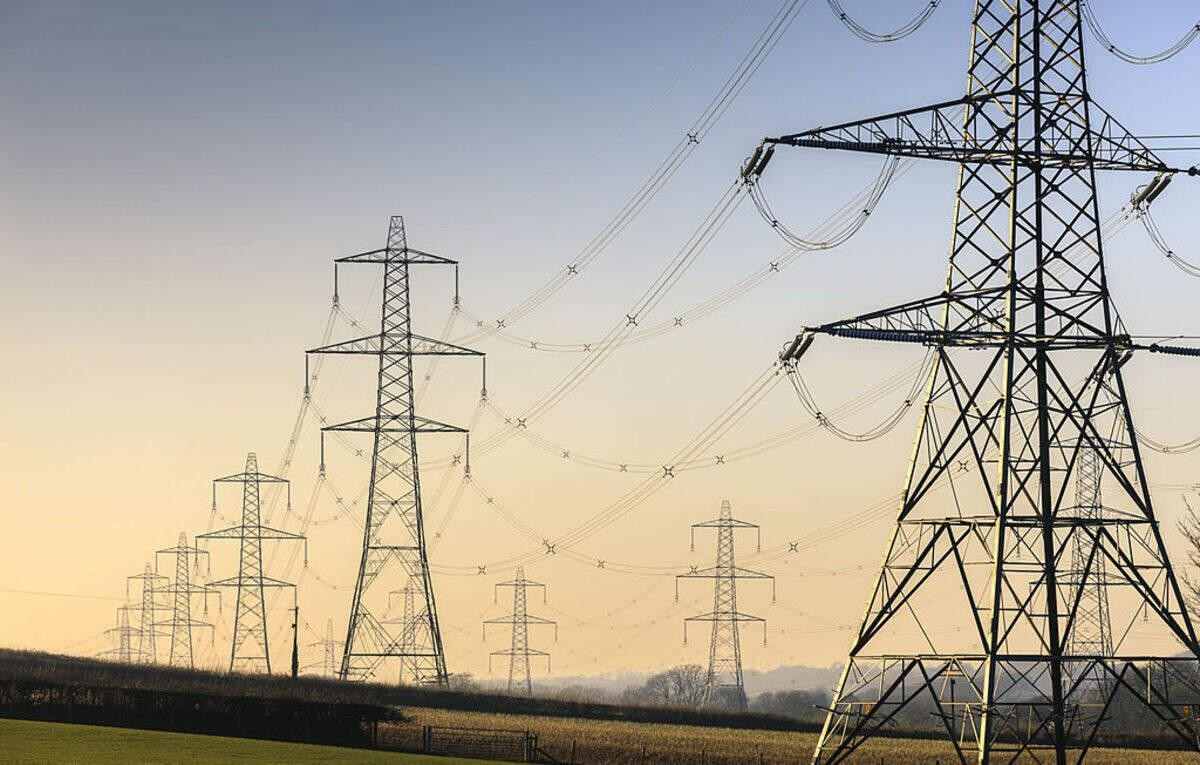
India is building clean power faster than almost anyone expected. Solar parks, 765 kV lines, battery storage, and rooftop arrays are going up in every region. But none of it runs itself. Someone has to design, install, test, and maintain each asset, which is why a capable energy workforce India can rely on matters as much as the megawatts.
Targets grab the headlines. Skills decide whether those targets turn into working plants. India wants 500 GW of non-fossil capacity by 2030, and getting there depends on technicians, linemen, engineers, and project managers who can handle high-voltage systems safely. So workforce development is not a side task. It sits at the center of the country’s energy plan.
Did You Know? A CEEW-NRDC study estimates that India’s clean energy push could create more than 44 lakh jobs by 2030. Between FY23 and FY26, the sector already added about 6.5 lakh workers, and rooftop solar accounted for 62% of them. That gives a clear picture of how big green jobs India can become.
Why Skilled Workers Will Shape India’s Energy Future
Hitting 500 GW will take hiring and training on a scale the sector has never tried. According to the IRENA and ILO annual review, more than a million Indians already work in renewables. The CEEW-NRDC study says roughly 13 lakh more jobs are needed in operations, maintenance, and manufacturing, and 60% to 90% of those call for skilled labor.
Nor is the demand limited to solar installers. One modern project pulls in many kinds of talent:
- Substation and transmission line technicians
- Solar installation and commissioning crews
- Battery storage and SCADA specialists
- Operations and maintenance engineers
- Project planners and site safety officers
India has a strong talent pool to support this transition. The opportunity now lies in equipping the workforce with the specialised skills required to meet the sector’s evolving needs. This makes skilling and capability development as important as recruitment.
Power Sector Skill Development in India Must Scale Faster
Some training programs are already working. The Skill Council for Green Jobs has certified over 5.5 lakh professionals, and the MNRE-NISE Suryamitra program has trained 57,000 solar technicians. Still, one estimate puts the shortfall at 1.2 million skilled professionals.
Speed is only half the story. Content is the other half. Plenty of older courses were built around thermal plants and skip battery storage, digital substations, and HVDC entirely. When training trails technology, project sites feel it fast:
- Delays and cost overruns
- Higher safety risks on live electrical sites
- Rework caused by poor commissioning
- Slower grid integration of new renewable capacity
- Weaker competitiveness for Indian EPC firms
How Technical Skilling in India Can Bridge the Energy Workforce Gap
Good technical skilling in India is hands-on, repeated, and tied to real projects. Four things make the difference.
Hands-On Field Training
You can’t fully prepare someone for a 400 kV substation in a classroom. Trainees need supervised time on site, practice with real equipment, and regular safety drills before they touch anything live.
Apprenticeships and Certifications
Apprenticeships let young engineers and ITI graduates learn alongside experienced crews. Industry-recognized certifications then give employers a dependable way to check what someone can actually do.
Digital and Grid Skills
Today’s technician reads SCADA screens, interprets sensor data, and works with predictive maintenance tools. Digital literacy has become part of the basic job description.
Reskilling Existing Workers
People from conventional power roles already know heavy equipment and site discipline. Retraining fossil fuel workers for similar clean energy jobs is one practical way to fill gaps.
Inclusion Widens the Talent Pool
Wider participation will also help the green jobs India creates reach more communities. Women make up only 11% of the solar and wind workforce, and most of them hold non-technical roles. Remote sites, limited access to technical training, and safety worries all play a part.
Companies can respond with safer site facilities, inclusive hiring targets, and recruitment drives in smaller towns and technical institutes, where good candidates often go unnoticed.
Building an Energy Transition Workforce Through Partnerships
Nobody can close this gap solo; it takes the whole ecosystem pulling together, and each player has a distinct role:
- Government: Sets the national skill standards, puts money behind training, and makes sure programs stay aligned with policy targets.
- Industry: Opens the door to live project exposure, provides mentors, and creates jobs that actually reward certification.
- Training institutes: Rework their curricula with direct input from employers — no guessing what the market needs.
- Utilities and EPC companies: Invest in structured learning for their own teams and contractors, not just the people on payroll.
When the energy transition workforce moves in the same direction, graduates show up on site ready to contribute from day one. And employers? They spend far less time and money patching gaps later.
Building Skills Alongside Infrastructure at Hartek
Hartek Group has worked in India’s power sector since 1991, as an EPC company across Power Systems, Renewables, and Power Distribution Products. It has connected more than 10 GW of solar to the grid, has over 400 EHV and HV substations to its name, and has delivered grid infrastructure up to 765 kV, with a footprint across 21+ states. Work at that scale needs an energy workforce in India that can trust on-site every single day.
The company’s career program reflects this. It offers technical training, support for industry certifications, leadership development workshops, and internships and trainee programs for students and recent graduates. A QHSE policy and regular safety drills help keep skills and site safety growing together.
Fueling India’s Clean Energy Workforce!
India’s clean energy plans will be delivered by people as much as by technology. Treating power sector skill development in India as a national priority will decide how smoothly projects move from plan to power. At Hartek Group, we’re committed to building infrastructure and the people who run it, because a strong energy workforce in India can count on is the base of a reliable, clean power future.
Key Takeaways
- India’s 500 GW non-fossil goal depends on skilled people who build, operate, and maintain projects.
- The real bottleneck is under-skilling, not worker shortage, so training must scale much faster today.
- Technical skilling India needs blends field training, apprenticeships, certifications, and digital skills for grid work.
- Welcoming more women and smaller-town talent widens the talent pool and strengthens project delivery nationwide.
- Partnerships between government, industry, and institutes keep training relevant, practical, and scalable across the sector.
FAQs
- What exactly is the energy transition workforce?
Picture the folks who roll up their sleeves and actually make clean power happen — the technicians climbing transmission lines, the engineers sketching out solar plants, the planners juggling project schedules, and the operators keeping the grid steady while the country gradually steps away from fossil fuels. That’s the workforce behind the energy transition.
- So why does workforce development matter so much for India’s green future?
Because building capacity is really just the starting line. Somebody still has to install, test, and maintain every single project. And when those people know what they’re doing, things get done on time, people stay safe on site, and the work actually lasts for years instead of falling apart.
- Which skills are employers actually looking for right now?
From what we’re seeing, companies want people comfortable working on substations and transmission lines, installing solar systems, handling battery storage, and making sense of SCADA and monitoring data. Honestly, solid safety habits on site count just as much as technical know-how.
- How can a young person get started in clean energy?
A sensible first step is an ITI course or an engineering degree. From there, certified training through the Skill Council for Green Jobs, plus internships or trainee roles at EPC firms, can really open doors.
- And how does Hartek Group fit into all this?
Hartek Group runs a careers program that includes technical training, help with industry certifications, and leadership workshops. Students and recent graduates can also get in through internships and trainee programs.
Share:


