
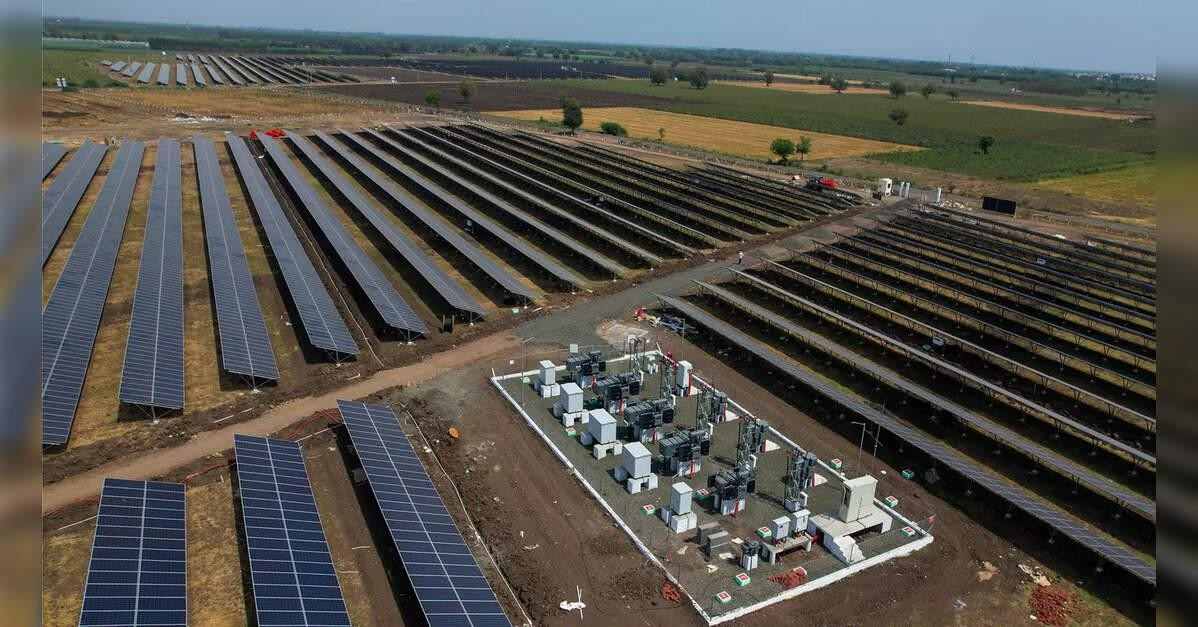
India has added solar and wind capacity at a pace few countries can match. But generating clean power is only half the job. That’s where a green energy corridor in India comes in. It is a dedicated network of high-voltage lines and substations that carries that power from resource-rich regions to the cities and factories that need it. Without that link, even the best renewable plants can sit underused. This blog explains what these corridors are, why they matter, and how they’re shaping the country’s energy future.
Did You Know? According to a report by Indicc Associates, about 9,136 circuit km of transmission lines and 21,413 MVA of substation capacity have been built under GEC-I. Phase II is designed for roughly 10,750 circuit km of lines and 27,500 MVA of substation capacity.
Understanding the Green Energy Corridor India Depends On
A green energy corridor is a planned set of transmission lines, substations, and grid-control systems built to move renewable electricity reliably. Old grids grew up around coal plants near cities or mines. Wind and solar don’t work that way. Rajasthan, Gujarat, Karnataka, and Tamil Nadu hold much of the potential, yet most of the demand sits somewhere else.
The Green Energy Corridor (GEC) program works at two levels. Interstate lines move bulk power between regions, and state networks collect output from plants and pass it on. You need both. A strong national backbone can’t help if power never reaches it, and local lines get stuck when the backbone is crowded.
Why Renewable Power Gets Stuck Without Transmission
A solar park can go up in under a year. The lines to serve it usually take longer. When generation outruns the network, operators have to hold plants back, and clean electricity goes to waste. Developers lose revenue, and lenders start to worry.
Variability adds another layer. Solar peaks at midday, and wind can swing within hours. The grid has to absorb those shifts and still keep voltage and frequency stable. That’s why transmission planning has to move alongside generation planning, not behind it.
India’s target is 500 GW of non-fossil fuel capacity by 2030. Reaching that number on paper means little if the power can’t reach consumers.
Building Renewable Energy Evacuation Infrastructure
Everything begins at the plant gate. Renewable energy evacuation infrastructure covers pooling substations, step-up transformers, switchyards, protection systems, and the lines that tie a project into the grid.
Solar evacuation is usually more decentralized than evacuation from a thermal plant. As one industry leader has noted, solar often relies on dedicated pooling substations and smaller corridors, and its variable output calls for flexible integration and real-time monitoring.
A well-designed system means steadier power flow, lower losses, faster fault isolation, and room to add capacity later. A weak one can limit what a plant delivers for decades, and that’s expensive to fix after the fact.
The Role of the Intra-State Transmission System in India
A lot of the work happens inside state borders. State Transmission Utilities (STUs) build and run the intra-state transmission system in India depends on, and they have to connect new renewable zones to their own networks before power can move onto the national grid.
Under Phase I, four of the eight participating states (Rajasthan, Karnataka, Madhya Pradesh, and Tamil Nadu) have completed all their projects. Phase II covers seven states: Gujarat, Himachal Pradesh, Karnataka, Kerala, Rajasthan, Tamil Nadu, and Uttar Pradesh. It aims to evacuate about 20 GW of renewable capacity. The Cabinet approved an estimated cost of Rs 12,031 crore, with the systems planned across FY 2021-22 to 2025-26.
Funding is a big part of this. Central assistance covers 33 percent of project cost, and the rest can come as loans from agencies like IREDA, REC, PFC, and KfW. The aim is to offset intra-state transmission charges and keep power costs down.
How Corridors Accelerate the Clean Energy Transition in India
Every gigawatt of new capacity needs a way to reach buyers. The clean energy transition in India pays off in a few clear ways:
- Less curtailment, so more of the clean power already generated gets used
- A steadier grid that can handle the daily swings of solar and wind
- Lower risk for lenders and developers, who can count on projects actually delivering
- Cheaper power at the point of use, because a well-built network wastes less along the way
- Better energy security, since a connected system doesn’t depend on any single source
States gain as well. Manufacturers and data centers want clean power around the clock, and only a strong grid can offer that promise.
Technologies Powering Modern Corridors
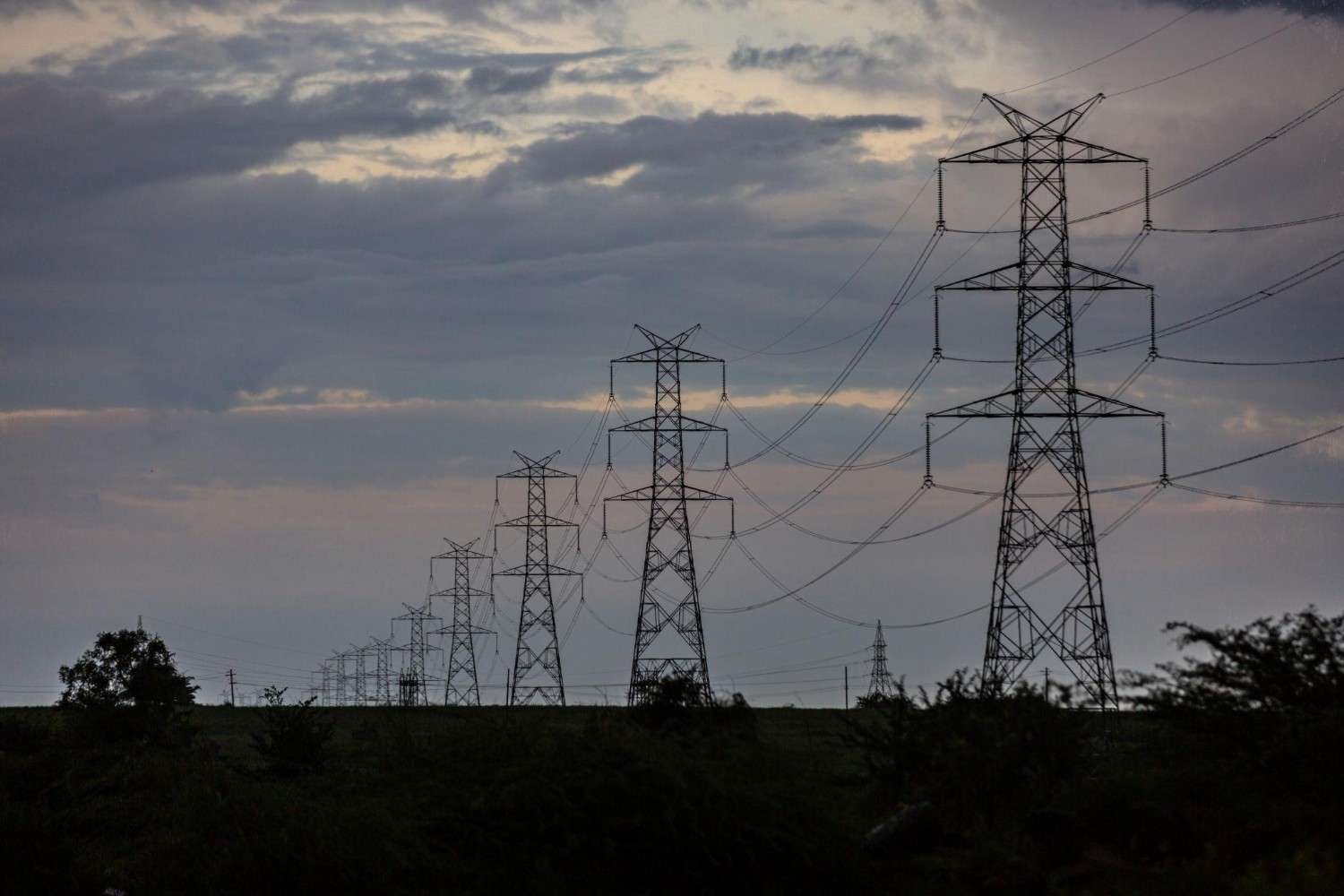
Today’s corridors involve a lot more than towers and conductors. Gas-insulated and digital substations save space and improve monitoring. FACTS devices help control voltage and power flow. HVDC links carry large volumes over long distances with lower losses. Battery storage smooths out variability and can delay some network upgrades, while modern protection and SCADA systems speed up fault response. Used together, they let operators get more out of every line before building new ones.
Challenges Slowing Progress
Momentum is strong, but real obstacles remain:
- Land and right-of-way: securing routes often takes longer than construction.
- Financing: state utilities work with tight budgets, which is why support still matters as the intra-state transmission system in India keeps growing.
- Execution delays: tendering, supply chains, and clearances push timelines out.
- Coordination: generation, transmission, and distribution need to be planned together.
- Skills and equipment: HVDC and high-voltage work calls for scarce expertise.
Solving these takes regulators, utilities, developers, and experienced EPC firms pulling in the same direction.
Where Hartek Fits In
Hartek has worked in this space since 1991, offering EPC solutions across the energy value chain. Its Power Systems business has delivered 400+ EHV and HV substations up to 765 kV, while its Renewables business has connected 10+ GW of solar capacity to the national grid.
Recent projects show how generation and evacuation come together. In July 2026, Hartek won a 400 MW solar EPC project in Rajasthan, made up of two 200 MW plants and a 220 kV pooling substation. It also secured a Rs 1.38 billion turnkey substation package from Powergrid to support renewable evacuation in Karnataka. Add orders spanning 66 kV up to 765 kV across several states, and it’s clear the group is deeply involved in renewable energy evacuation infrastructure nationwide.
Key Takeaways
- Corridors link renewable-rich regions with demand centers, so clean electricity actually gets used, not wasted.
- Pooling substations and evacuation lines matter as much as the solar and wind plants themselves.
- GEC-II central assistance helps states fund transmission networks they need without pushing power costs higher.
- HVDC, FACTS, and battery storage raise corridor capacity and keep grids steady as renewables grow.
- Experienced EPC partners help deliver high-voltage projects on time, on budget, and to quality standards.
Closing the Gap Between Generation and Delivery
India’s clean power story will be judged by how much electricity reaches consumers, not just how much gets generated. The green energy corridor in India completes installed capacity into usable power. Strong corridors, smarter technology, and committed engineering partners are what will keep the clean energy transition in India moving forward. At Hartek Group, we’re committed to building the grid infrastructure that makes it possible.
FAQs
- What is the Green Energy Corridor (GEC) program?
It’s a government effort to build lines and substations that let wind and solar power flow into the national grid.
- Why does evacuation infrastructure matter?
Without it, plants can’t send out all they produce. That means curtailed output, wasted clean energy, and lost developer income.
- Who builds state-level transmission under the GEC?
Mostly State Transmission Utilities, with some central funding behind them. EPC contractors then take care of the design, procurement, and actual construction work.
- How does HVDC help?
HVDC sends big volumes of power across long distances without losing much on the way, and operators can control it closely. That makes it a good fit for remote renewable zones.
- How does Hartek support renewable integration?
Hartek does EPC work on substations, switchyards, protection systems, and solar plants, so renewable projects can plug into the grid in several states.
Share:


