
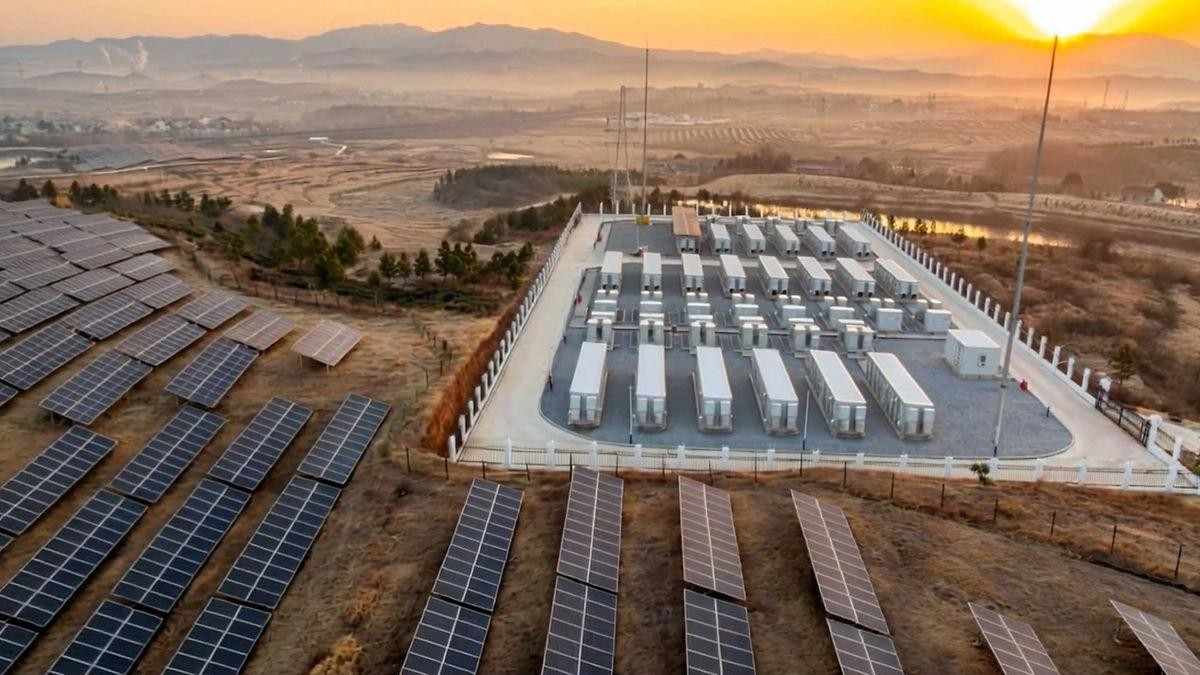
India has turned into one of the biggest solar markets on the planet. And yet, a solar panel can’t produce a single unit of power once the sun goes down. That gap between when clean electricity is made and when people actually use it is the real test of the energy transition. Delivering round-the-clock renewable energy isn’t only about adding more capacity anymore. It’s about catching the surplus and handing it back to the grid exactly when homes, factories, and data centers ask for it.
Did You Know? India’s energy storage sector is poised for rapid expansion, with the country’s energy storage system (ESS) requirement projected to increase from the current 1 GWh to 888 GWh by 2035-36, according to the India BESS Market Review released by the India Energy Storage Alliance (IESA) and Customized Energy Solutions (CES) during India Energy Storage Week 2026.
Why Generation Alone Isn’t Enough
Solar and wind have carried the first phase of India’s clean energy push, and they’ve done it well. Cumulative solar capacity hit roughly 164.59 GW by July 2026. The catch is timing. Most solar output shows up between mid-morning and late afternoon. Demand, on the other hand, often peaks well after dark, when people get home, switch on the air conditioning, and start cooking dinner.
That mismatch leaves grid operators juggling three headaches:
- Midday surplus that gets curtailed because lines or demand can’t absorb it
- Steep evening ramps that force utilities to fire up fossil plants on short notice
- Sudden frequency and voltage swings when clouds roll in, or the wind drops
How Storage Delivers Round-the-Clock Renewable Energy
At its simplest, energy storage soaks up electricity when it’s plentiful and cheap, then releases it when it’s scarce and valuable. Do that at scale, and intermittent sources start behaving like dependable, dispatchable power. The sun still sets. The grid just stops noticing.
Take a sunny afternoon. Solar plants are running flat out, and there’s more electricity than the grid can use. By 7 p.m. the sun is gone, and demand is surging. A battery that charges in the first window and discharges in the second earns its maintenance twice.
Here’s what storage actually does for the network:
- Time shifting: Moves midday solar into the evening peak
- Firming: Smooths out short dips in wind and solar output
- Frequency regulation: Reacts within milliseconds to keep supply and demand balanced
- Congestion relief: Parks power near constrained lines and lets it out later
- Backup power: Keeps hospitals, metro stations, and other critical loads running during outages
Understanding Renewable Energy Storage Systems
No single technology covers every need, so India’s renewable energy storage systems will end up blending a few of them.
Battery Energy Storage Systems (BESS): Lithium-ion batteries lead new installations because they react fast, go up quickly, and scale from a factory rooftop to a utility substation. They’re a natural fit for daily charge and discharge cycles lasting a few hours.
Pumped hydro storage: This is still India’s long-duration workhorse. Water gets pumped uphill when power is cheap and runs back down through turbines when it’s needed. Commissioned pumped hydro stands at about 7.4 GW and 36 GWh, compared with 2.9 GW and 8.3 GWh from batteries.
Green hydrogen: Hydrogen made through electrolysis can hold energy for long stretches and serve industries that are tough to electrify. Hartek’s New Energy business pairs BESS with energy management for green hydrogen production.
Solar Plus Storage Projects That India Can Rely On
The quickest route to dispatchable clean power is pairing generation with storage at the same site or grid node. Put a battery next to a solar park, and the plant can shift its output into the evening. It also uses the same evacuation line for more hours every day, which lifts transmission utilization and brings down the cost of each delivered unit.
The idea works on a smaller scale too. A factory with rooftop solar can add batteries to trim peak demand charges and keep machines running through an outage. Hartek has installed more than 200 MWp of rooftop solar across the country, including a 14 MW project for Kandhari Beverages (Coca-Cola) in Jammu and Kashmir.
When you evaluate a hybrid project, ask for the battery’s expected daily cycles and degradation curve. Nameplate capacity alone tells you very little.
Energy Storage Solutions in India Is Scaling Up
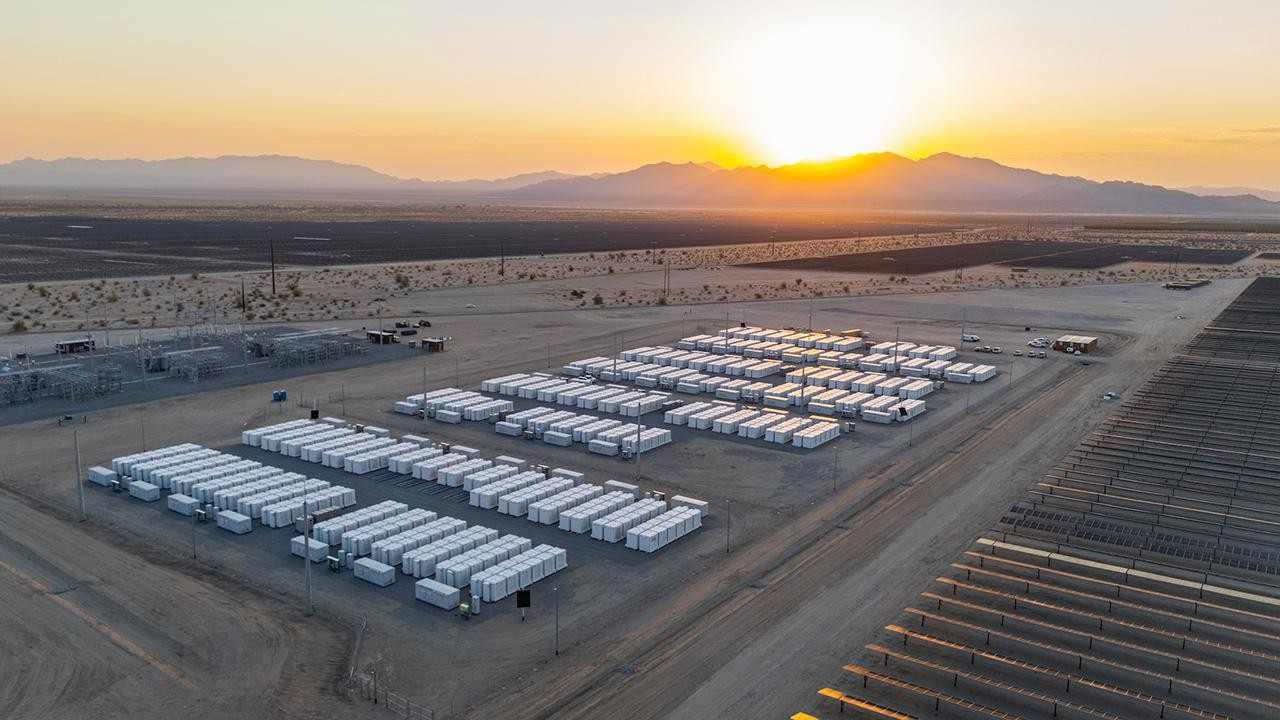
Policy support is moving the market from announcements to actual construction. The first viability gap funding tranche was expected to support 4 GWh, but it ended up backing 13.2 GWh as battery prices fell, and a separate 30 GWh scheme added to that total. Then in November 2026, the Union Cabinet approved a ₹14,500 crore scheme for 92 GWh of grid-scale storage over FY27 to FY31, split into 60 GWh of pumped hydro, 30 GWh of batteries, and 2 GWh of alternative technologies.
Why the rush? Because the need is huge. One industry estimate puts India’s requirement at 888 GWh by 2035-36. Every tender, every commissioned project, and every new grid connection moves the country a little closer. And developers who learn to execute energy storage solutions in India now will be well placed when the next round arrives.
Challenges Standing in the Way of 24×7 Clean Power in India
The progress is real, but anyone who’s watched an energy project for 24×7 clean power in India slip knows the hard part is delivery. A few risks stand out:
- Project delivery: India has tendered 281 GWh of storage, yet 53 GWh of those tenders were cancelled.
- Domestic manufacturing: Cell-level manufacturing is still at an early stage, and most first-round projects used imported cells.
- Grid connectivity: A battery without timely transmission access is just an expensive box.
- Financing and tariffs: Developers need revenue models that banks trust, especially as prices keep dropping.
- Skills and safety: Fire safety standards, trained operators, and recycling plans all need to keep up.
None of these is a showstopper. Together, though, they separate pilot projects from true round-the-clock renewable energy, and solving them will take coordination between developers, utilities, and regulators.
Engineering the Storage-Ready Grid
A battery is only as useful as the network that carries its power, and that’s where EPC experience counts. Hartek Group has been delivering EPC solutions in India’s energy sector since 1991. It has connected more than 10 GW of solar to the grid and delivered 400+ EHV and HV substations, with grid infrastructure going up to 765 kV. Through its New Energy business, the company applies BESS technology to improve efficiency and cut fossil fuel dependency.
Grid code compliance, protection systems, and careful commissioning sound dull, yet they decide whether stored power reaches customers on time. With a footprint across 21+ states, Hartek is well placed to support the next wave of solar plus storage projects that India is lining up.
Key Takeaways
- Storage bridges the gap between renewable generation and demand, keeping clean power available after sunset.
- Batteries handle fast daily balancing, while pumped hydro anchors the longer-duration needs of the grid.
- Funding schemes are speeding up the energy storage solutions needs in India for a reliable grid.
- Cancelled tenders, imported cells, and limited grid access are delivery risks developers must manage early.
- Strong transmission and substation infrastructure decides whether stored power reaches customers reliably and on time.
Connect With Experts Who Power India’s Energy Shift
India has shown it can build renewable capacity fast. The next chapter is making that power available on demand. Round-the-clock renewable energy depends on a balanced mix of batteries, pumped hydro, resilient transmission, and smart operations all working together. The developers, utilities, policymakers, and EPC partners who build storage into projects from day one will lead this shift. Everyone else will be retrofitting later.
At Hartek Group, we bring decades of power sector experience to this transition. From grid infrastructure to solar and BESS technology, we help clients plan projects that keep clean power flowing at every hour of the day.
FAQs
- Why does renewable energy need storage?
The sun sets and the wind comes and goes, so solar and wind can’t follow demand on their own. Output rises and falls with the weather and the time of day. Batteries and other storage hold the surplus, then feed it back when people switch on lights and appliances in the evening. Less power is wasted, and supply stays more even.
- What are renewable energy storage systems?
Think of them as ways to park electricity from solar or wind until it’s actually needed. Lithium-ion batteries and pumped hydro are the two most common. Green hydrogen is a newer entrant that’s still finding its place in the mix.
- How does a Battery Energy Storage System (BESS) work?
It’s basically a large bank of rechargeable batteries wired into the grid. When power is cheap and plentiful, whether from the grid or a solar plant, the system charges. When demand picks up, it discharges. Software and power electronics decide the timing and how quickly the energy flows.
- How is India backing grid-scale storage?
Mainly through viability gap funding. The Union Cabinet cleared a ₹14,500 crore scheme in November 2026 to develop 92 GWh of grid-scale storage by FY31.
- What will it take to reach the 24×7 clean power India is aiming for?
Several things have to move together: more storage, stronger transmission lines, hybrid projects, and quicker delivery of the capacity that’s already been tendered. India has made good headway. What happens next depends on how steadily projects actually get built.
Share:


