
The power sector in India is witnessing one of the biggest transformations of the last decade. This change is being driven by the rapid growth of the economy, rising electricity consumption, and the ambitious goals of the country’s renewable energy programme. The solar and wind energy sectors have continued to expand across the country, enabling India to move towards a cleaner, more sustainable energy future. However, more renewable electricity production means more uncertainty in the grid operation, because renewable energy sources are weather-dependent. Compared to traditional power plants which supply stable electricity for most of the time, wind or solar power generation is quite unpredictable and may fluctuate a lot from one moment to another.
Electricity distributors and grid operators are therefore shifting the way of thinking about electricity grid planning to suit the changing reality. A technological development that stands out among others is the Battery Energy Storage System (BESS). Initially considered as an option to add on a renewable energy project, batteries are now becoming an essential infrastructure element for the power sector. In recent years, a lot has been written on the advantages of integrating Battery Energy Storage Systems at the time of planning for the grid. Today, BESS in grid planning is no longer just about storing electricity, it is about improving grid flexibility, ensuring reliability, managing peak demand, and supporting the transition to a cleaner energy mix.
As India continues to modernize its power infrastructure, battery energy storage is moving from the sidelines to the center of long-term grid planning.
Why Traditional Grid Planning Needs to Change
For many years, electricity grids were built around conventional power plants such as coal, hydro, and natural gas. These types of plants produced energy in a very predictable manner, making it easier for electricity supply to align with demand. In such a context, utility companies and others who were responsible for grid development mainly concentrated on developing new sources of electricity and laying longer power lines that would deliver electricity effectively.
The energy landscape has changed dramatically in recent years. Solar energy produces the highest output during daylight hours, while electricity demand often peaks in the evening when solar generation declines. Wind energy also fluctuates depending on weather conditions and seasonal patterns. As renewable energy contributes a larger share of electricity generation, maintaining BESS grid stability becomes increasingly complex. BESS plays a critical role in balancing supply and demand, regulating frequency, and supporting a reliable power grid.
Utilities now face several operational challenges, including:
- Fluctuations in the volume of Renewable Power Generation
- Increased electricity Demand during High Periods
- Turbulent Voltages and Frequencies
- Traffic Clogging and Delays at the Grid
- Wind and Solar Electricity Cut-off Due to Low Grid Flexibility
Even if transmission network extension remains important, it is only one part of the solution and power lines alone won’t help here. Therefore, it is the development of flexible energy sources that can be used to store excess electricity and then make it available on demand that would support modern grid operation.
Why and How BESS Is Becoming the Backbone of Grid Planning
The role of battery storage has evolved significantly over the past few years. Instead of being considered only after renewable energy projects are completed, utilities and policymakers are now incorporating storage into the earliest stages of grid planning.
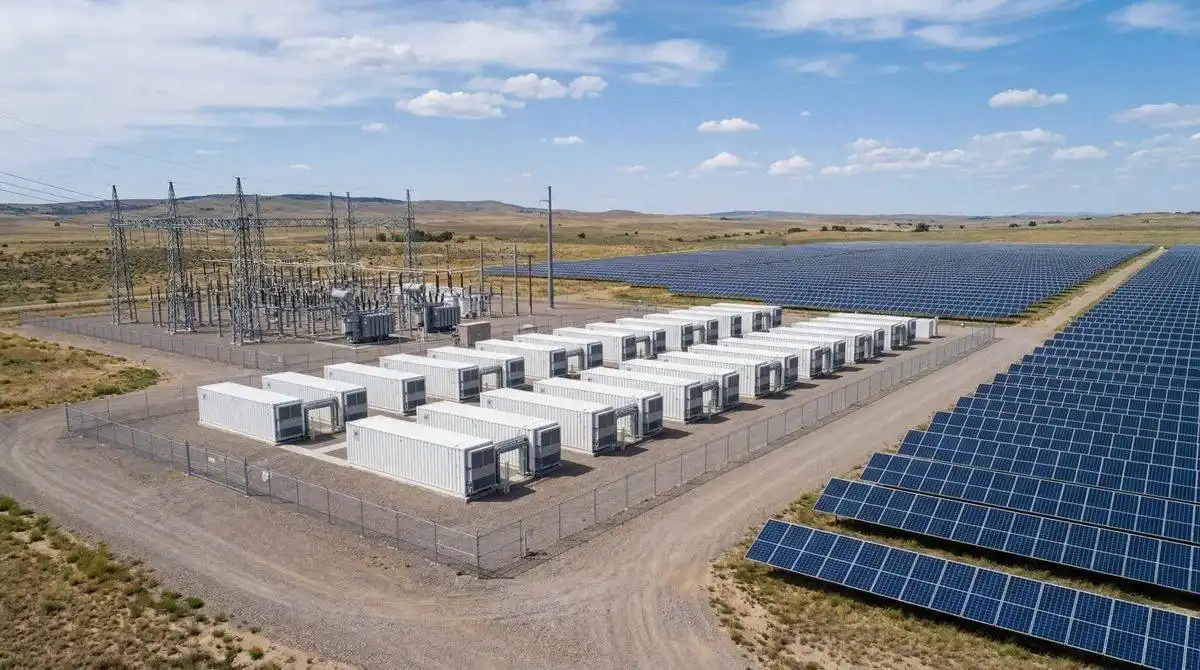
Battery Energy Storage Systems are much more than backup power solutions. They are intelligent grid assets capable of performing multiple functions simultaneously. Modern BESS installations can:
- Store excess renewable electricity
- Supply energy during periods of high demand
- Stabilize grid frequency
- Improve voltage regulation
- Provide spinning reserve services
- Support faster grid restoration after outages
Because a single battery system can perform multiple grid services, it provides greater value than many conventional infrastructure investments. This flexibility is making BESS an essential component of future-ready electricity networks.
Supporting Renewable Energy Integration
Indian solar and wind energy programs have enabled the country to reach the top of the world for renewable generation. However, there are still certain hours in the day when wind and solar produce more electricity than what is needed, and then during certain other hours when there is not enough electricity to meet the demand.
When storage is not enough, surplus electricity from Renewable sources may simply be lost, which results in curtailed renewables. At that time, utilities will probably revert to coal or other fossil-fuel-based power.
BESS for peak load management provides an alternative solution for this problem by storing surplus power during periods of high renewable generation and then discharging it when the demand peaks or the renewable output is low.
Certain significant advantages are thereby provided:
- Increasing the utilised portion of renewable electricity
- Keeping renewables curtailment to a minimum
- Being able to quickly adapt to changing demand
- Depending less on traditional gas or coal-based power plants
- Getting uninterrupted electricity supply from a reliable power company
With the continued expansion of renewable generation, incorporating battery storage into the grid planning efforts is going to be of the utmost importance in order to have a balanced and smooth power supply system.
Policy Support Is Accelerating BESS Adoption
India’s ambitious renewable energy targets have brought Battery Energy Storage Systems (BESS) into the spotlight. Policymakers now recognise that expanding renewable energy generation alone is not enough. To ensure a reliable and efficient electricity system, investments in flexible grid infrastructure are equally important.
As a result, energy storage projects, especially battery storage, are getting the attention they deserve from policy makers in various sectors like Renewable Energy, Transmission Planning, Grid Modernisation etc., and the focus on the need of Storage for Renewable Integration is getting stronger. It is the role of central as well as the states’ governments to facilitate the introduction and usage of battery storage for enhancing grid resilience, strengthening renewable integration, and improving energy security respectively.
The power companies in a number of the state governments are contemplating the installation of large battery projects as they will manage the daily load peaks; at the same time, they will prevent and reduce the congestion on transmission lines and also power quality. Meanwhile, the generators of renewable energy who have installed solar and wind power, are combining the generation from these two with battery systems so that the electricity they deliver to the power grid is more stable and can be easily dispatched.
Supportive government policies and declining battery costs are encouraging greater investment from utilities, EPC companies, independent power producers, and private investors. As the regulatory framework continues to evolve, battery storage is expected to become a standard component of future power infrastructure projects rather than an optional addition.
Looking Ahead: BESS Will Define the Future Grid
The electricity grid of the future will be quite different from that of conventionally based power systems. The main dependence for getting electricity will be through big thermal plants that were centralized in the past. Future grids, on the other hand, will mainly rely on a combination of Renewable Energy, Distributed Power Generation, Electric Vehicles, Smart Metering systems, digital solutions, and Intelligent Energy Storage.
Navigating such a diverse system will be very challenging in terms of flexibility, quick response time and making timely decisions, attributes which alone make Battery Energy Storage Systems the right solution of the type to offer. Their special characteristic is that apart from storing energy for a while, they can be dispatched at a moment’s notice. So the BESS can not only store and discharge energy during high demand but also can be dispatched rapidly during emergencies to maintain the grid frequency.
BESS is a tool that enables the reliable operation of a cleaner electricity network. It not only stores surplus renewable energy but also balances electricity supply and demand, improves grid stability, and facilitates smooth peak load management.
Renewable energy integration is happening at a fast pace in the world and therefore it is necessary that the storage planning and integration should be done at an early stage before the grids reach their limitations through renewable energy.
Towards this direction and for meeting the anticipated increase in electric demand with a dependable and sustainable power delivery the utilities and transmission planners who already take battery storage as a fundamental infrastructure asset will have a major advantage.Investing early in grid-scale battery storage will help utilities meet rising demand while keeping the grid resilient.
Battery Energy Storage Systems are no longer simply supporting technologies, they are becoming the foundation of tomorrow’s intelligent power grid.
Key Takeaways
- BESS in grid planning is evolving from an optional investment into a core component of modern electricity infrastructure.
- Battery storage enables higher renewable energy integration by storing excess solar and wind power and supplying electricity when generation declines.
- BESS grid stability is enhanced through rapid frequency regulation, voltage control, reserve capacity, and fast-response capabilities, enabling a more reliable, resilient, and efficient power grid.
- Battery storage supports peak load management by reducing transmission congestion, optimising existing infrastructure, and lowering operational costs.
- Digital technologies such as artificial intelligence, predictive analytics, and advanced energy management systems maximise battery performance and improve overall grid efficiency.
- Strong government policy support and declining battery costs are accelerating the deployment of Battery Energy Storage Systems across India’s power sector.
Frequently Asked Questions
1. What is BESS in grid planning?
Battery Energy Storage Systems (BESS) in grid planning means integrating these systems, the designing and the maintenance of the power networks are not limited. For example, these systems increase the stability of the supply of electricity in the grid by balancing the supply and demand of electricity besides offering storage for large quantities and hence being able to integrate more renewable energy into the grid.
2. Why is battery energy storage becoming essential for utilities?
Battery storage enables utilities to manage renewable energy variability, reduce transmission congestion, improve grid stability, meet peak electricity demand, and lower overall operating costs. Its ability to perform multiple grid services makes it a valuable infrastructure asset.
3. What does BESS mean by supporting renewable energy integration?
Battery Energy Storage Systems store excess electricity generated by solar and wind projects during periods of high production. The stored energy is then discharged when renewable generation decreases or electricity demand increases, reducing renewable energy curtailment and improving grid efficiency.
4. How does BESS improve grid stability?
BESS responds within milliseconds to changes in grid conditions. It provides frequency regulation, voltage support, reserve capacity, load balancing, and black start capability, helping maintain reliable and stable electricity supply.
5. Is battery storage a substitute for new transmission line construction?
No, it does not replace new transmission lines but works alongside them to ease network bottlenecks, make better use of transmission resources, support local needs and, in a number of situations, hold off the need for the construction of new transmission lines.
BESS Driving Grid Transformation
Battery Energy Storage Systems have evolved from being optional additions to renewable energy projects into essential components of modern electricity infrastructure. As India’s power sector continues its transition towards cleaner and more decentralised energy sources, BESS in grid planning will play a vital role in ensuring reliability, flexibility, and long-term sustainability.
Through backing RE integration, stabilising the grid, demand management at peak load times, and bettering the performance of transmission lines, battery storage allows the power utilities to lay down power grids that are intelligent and resistant. When added to digital technologies and policies which the government can provide, BESS is assisting in changing the face of the Indian electricity industry
At Hartek, we believe that building a resilient energy ecosystem requires more than expanding infrastructure, it requires intelligent, future-ready solutions. With expertise in power systems, substations, renewable energy integration, and advanced EPC solutions, Hartek is committed to supporting India’s energy transition by delivering reliable infrastructure that meets the evolving needs of tomorrow’s grid.
Share:


