
India’s energy journey is undergoing a fundamental transformation. For decades, energy security was largely defined by access to fuel, coal reserves, oil imports, and gas supply chains. Today, that narrative is evolving rapidly. The focus is no longer just about having fuel, but about ensuring reliable, uninterrupted electricity reaches every corner of the country.
At Hartek Group, we see this shift as a defining moment in India’s energy evolution. Power generation, transmission and distribution infrastructure, grid resilience, and execution excellence are now more critical than ever.
The change is purposeful and deliberate. It mirrors the transformation of India’s economy, widespread electrification, and heavier reliance on the digitized and industrial ecosystems which necessitate continuous power supply. As recently disclosed in various industry analyses and leadership talks, electrification is a key driver of energy policies in India whereas the reliability of electricity has been identified as the main pillar of energy security in India.
“Did You Know? India’s electricity demand is expected to grow at an average of around 6–6.5% annually through 2030, making it one of the fastest-growing power markets globally. At the same time, the country has already achieved over 44% of its installed power capacity from non-fossil sources, accelerating the shift toward clean energy and increasing the need for strong grid reliability.”
The Changing Meaning of Energy Security
Originally, energy security was about having enough fuel to operate industries and transport systems. But these days, its meaning has become much broader.
Energy security currently entails the following:
- Continuous electrification of industrial and household sectors
- Strengthening of power transmission and distribution
- Expansion of green energy generation and its connection to the grid
- Energy management through smart systems that handle supply and demand
Because of the significant progress India has made, the electricity sector is becoming the backbone of all economic activities. Manufacturing facilities, data centers, and smart cities are just a few examples that highlight the growing dependence on reliable power. Any disruption in electricity supply is no longer trivial, it directly impacts productivity and growth.
Why Electricity is the New Energy Currency
1. Electrification is Accelerating Across Sectors
Wherever you look in India, electrification is taking place on a huge scale. Physical transport modes like EVs and railways along with industry and rural infrastructure are increasingly powered by electricity. It results not only in higher electricity consumption but also in greater criticality.
2. Renewable Energy is Reshaping Supply
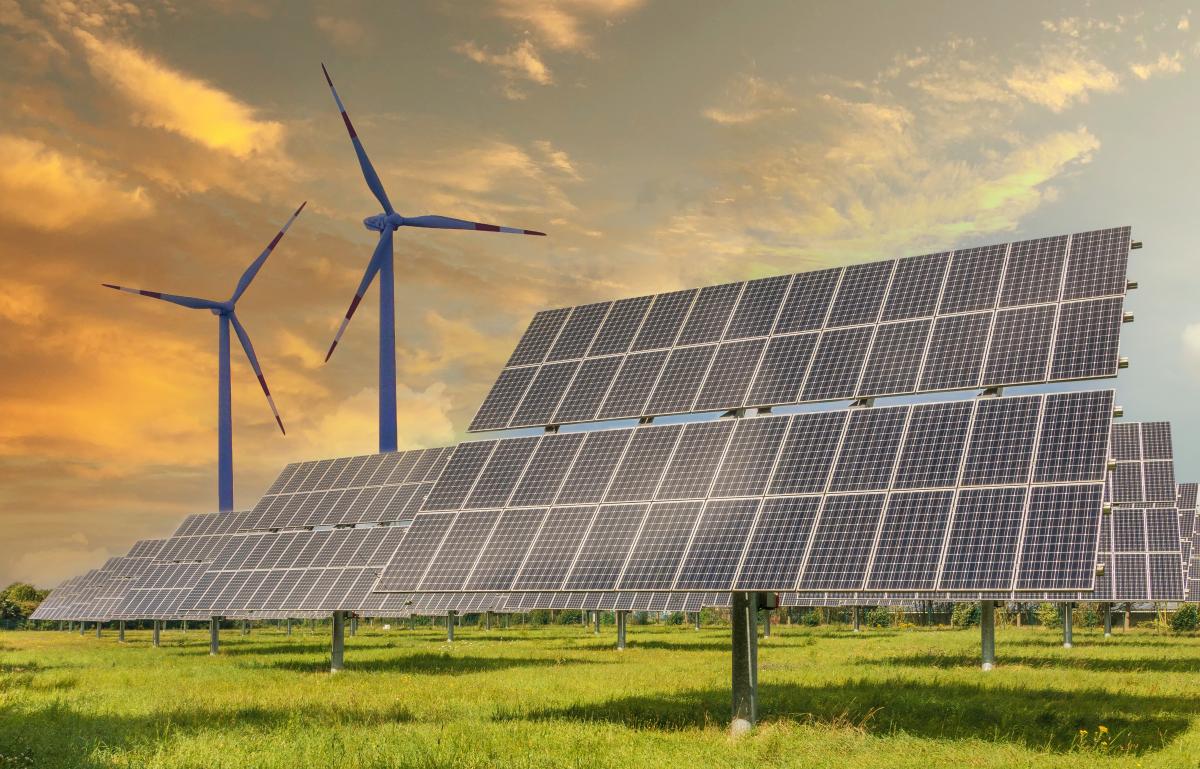
The expansion of solar power projects in India is redefining how energy is generated. In effect, renewables, being weather-dependent, create a need for a strong, stable grid. Apart from this, another system, BESS (Battery energy storage systems), is playing a key role in the energy transition, with a range of applications and benefits for the economy, society, and the environment. BESS uses batteries to store the electricity produced by generation plants and make it available when required.
3. Digital Economy Demands Reliability
Power is indispensable for the operation of data centers, telecommunication, and IT services. Even power outages of short duration can lead to financial losses that further illustrate the need for a grid that is always up.
4. Decentralized Energy Systems Are Growing
The proliferation of rooftop solar, microgrids, and distributed energy resources create new complexities. Managing these requires advanced smart grid energy management solutions.
The Role of Power Transmission & Distribution
If electricity generation is the source, then power transmission and distribution serve as the channel to supply the energy to the final point of use with minimum loss. A strong grid is the platform on which electricity-centric energy security stands.
Strengthening the Grid
India is investing heavily in transmission corridors to move electricity from renewable-rich regions to demand centres. This reduces bottlenecks and improves efficiency.
Reducing Losses
Modernization of the distribution network will minimize technical and commercial losses and at the same time ensure reliable electricity supply, focusing especially on densely populated and industrially active areas.
Enabling Renewable Integration
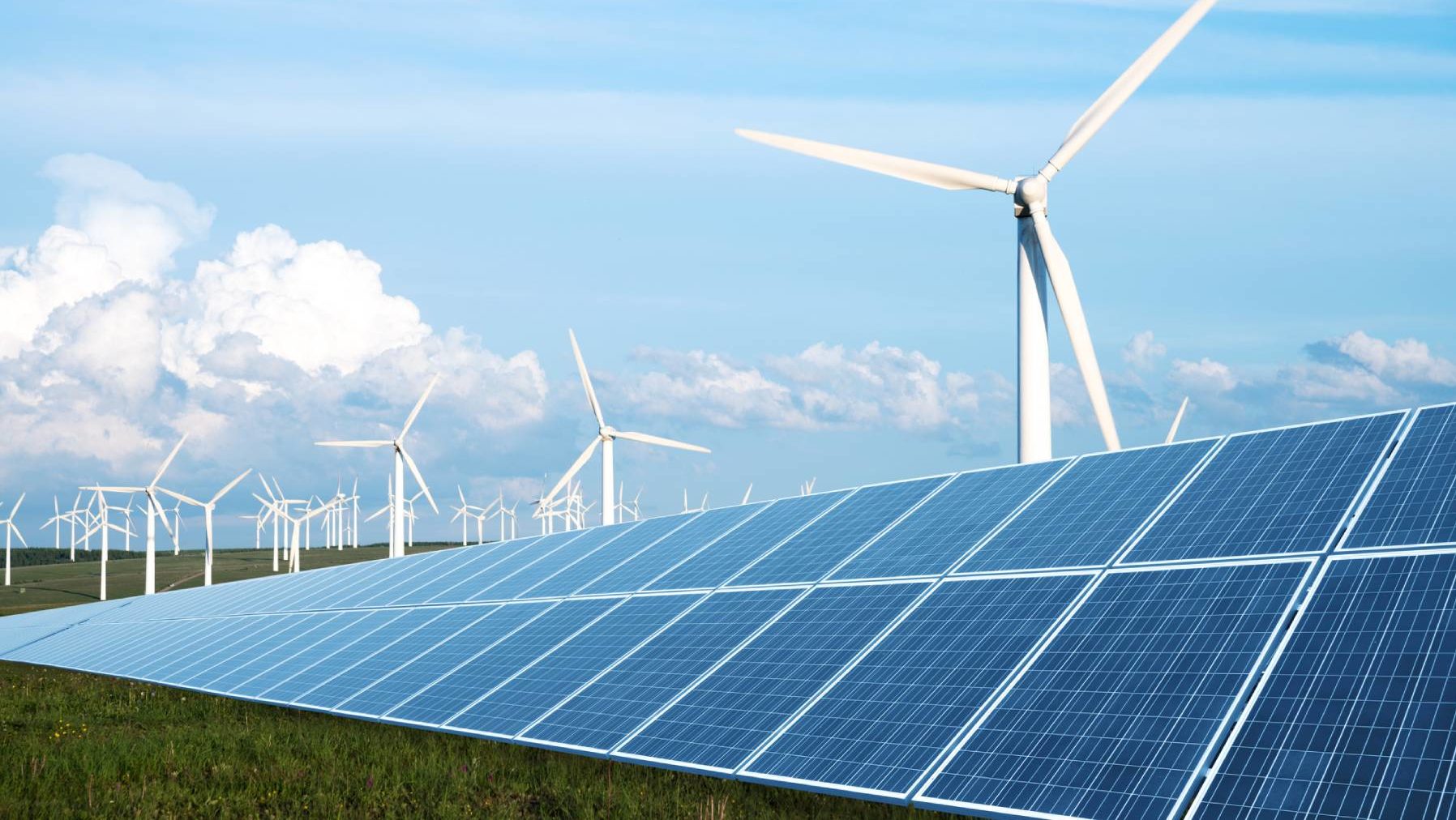
Grid modernization is perhaps the most important element of enabling a system whereby variable renewable energy sources including solar and wind can be integrated with the grid without impacting the stability of the power system.
Smart Grids: The Intelligence Behind Energy Security
Due to a complex and ever-changing energy landscape, conventional power grids are inadequate to meet the requirements. The compounding of a smart grid energy management system is therefore necessary.
Smart grids offer:
- Continuous real-time tracing of electricity
- Rapid automatic fault notification and resolution
- Maintenance based on forecasting to prevent disruptions
- Efficient load balancing during peak demand
A Smart Grid System transforms electricity networks into intelligent systems that can adapt dynamically, ensuring stability even with fluctuating renewable inputs.
Execution Matters: The Role of EPC Players
It is true that strategies and plans guide us towards the target but actual doing leads to the realization. The greater number of infrastructure projects has served to emphasize the value of knowledgeable epc contractors in India.
Hartek Group, with its keen understanding of the power systems and processes for installing renewables, is one of the leading contributors to India’s changing energy environment in India.
The scope of work of EPC contractors which includes being:
- On schedule delivery of projects
- Quality assurance, health, safety, environment (QHSE)
- Infrastructure development for scalability
Today, the top solar epc companies in India are not just building projects, they are shaping the future of energy reliability by enabling seamless integration of generation and grid systems.
Solar Power Projects and Energy Independence
The significant proliferation of solar power projects in India has become the mainstay for the reduction of the country’s fuel import dependence. Solar energy being a clean and infinitely available source of energy, can address the supply deficit problem brought about by rising demand.
Energy security as such is not ensured by solar generation alone. Abundant solar resources without a stable grid and storage system will fail to offer uninterrupted supply.
This is why the focus is shifting: From “how much energy we generate” to “how reliably we deliver electricity.”
Challenges in the Transition
Changing the focal point of energy security and tilting towards electricity is full of promises on one hand but also presents some problems on the other:
Intermittency of Renewables
As the input in terms of solar and wind is not steady, grid management will have to incorporate storage solutions and take up the challenge of unpredictability.
Infrastructure Gaps
Parts of India’s distribution grid are still to be modernized to a large extent.
Rising Demand
Continuous migration of population to urban areas and the rising level of industrial production have pushed demand for electricity to unprecedented levels.
Need for Skilled Execution
Large-scale infrastructure requires specialized knowledge, which enhances even more the pivotal roles of EPC contractors.
How India is Responding
India is bravely confronting these problems by:
- Making investment in transmission and distribution sector
- Promotion of smart grid technologies
- Increasing renewable energy capacity
- Policy focus on electrification and self-reliance
It is obvious that the focus is becoming a reliable electricity supply being the foundation of energy security India.
Building a Resilient and Future-Ready Power Ecosystem
Enhancing the development of energy security will imply the creation of a resilient power system that is widely available and technologically advanced. Among the steps to consider are that of:
- Development of transmission network to a high degree
- Smart grids empowered by digital technology
- Green energy integration effortlessly
- Accelerated and effective project execution
At Hartek Group, we are making a significant contribution by delivering advanced power solutions that are not only efficient but also environmentally responsible, while actively promoting the green energy sector through robust infrastructure development.
Key Takeaways
- Energy security is shifting from fuel availability to electricity reliability.
- Strong Power transmission & distribution is essential for uninterrupted supply.
- Smart grid energy management is key to handling modern energy demands.
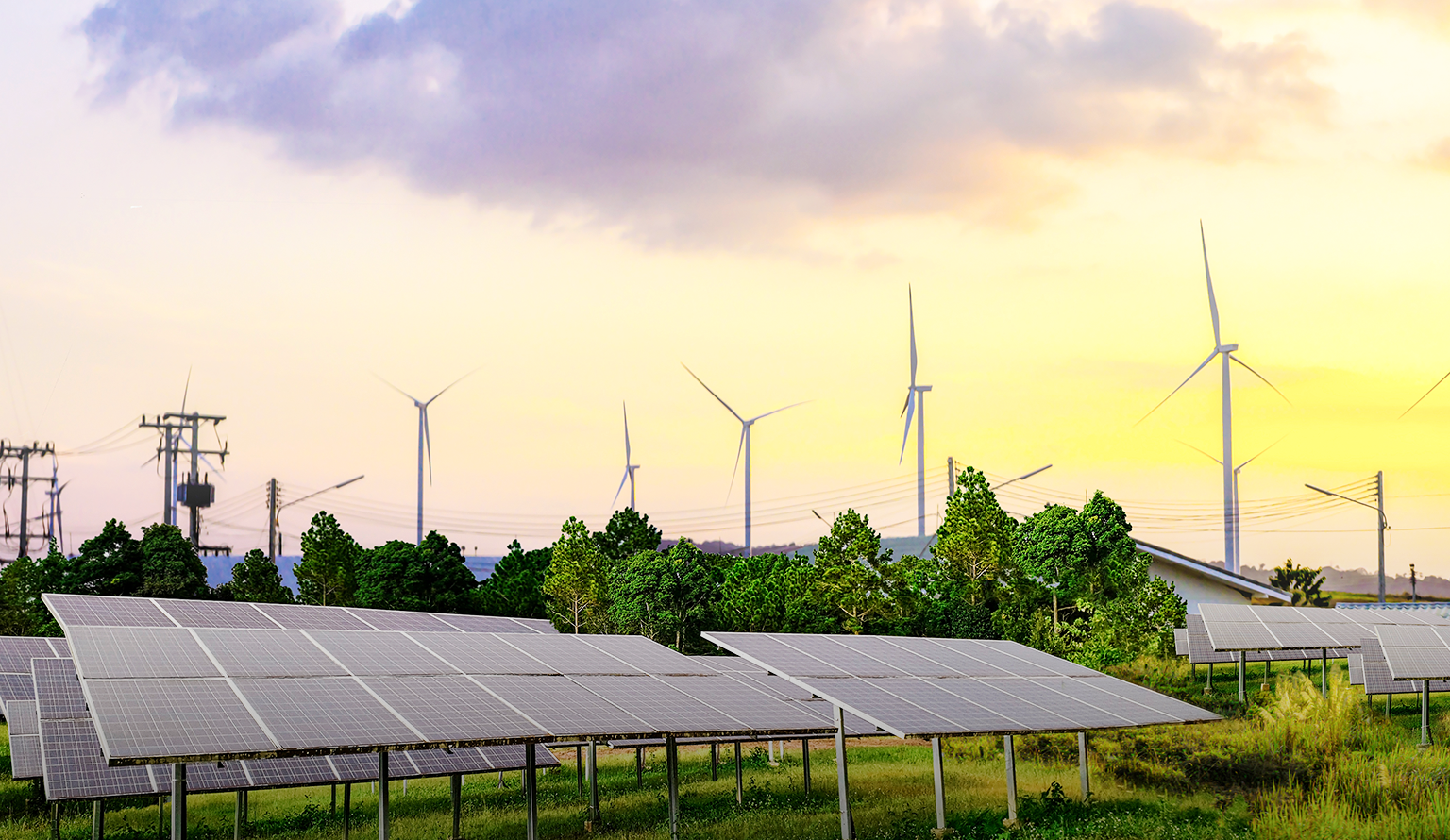
- Solar power projects in India are driving sustainability but need grid support.
- Execution excellence by EPC players ensures timely and efficient infrastructure development.
Conclusion
India’s energy story is entering a new phase, one where electricity, not fuel, defines security. The shift reflects a deeper transformation driven by electrification, renewable growth, and digitalization.
At Hartek Group, we believe ensuring reliable electricity is not just a technical goal, it is a national priority. With continued investment in infrastructure, adoption of smart technologies, and strong execution capabilities, India is well-positioned to build a future where energy security is defined by resilience, reliability, and sustainability.
FAQs about Energy security in India
1. What does energy security mean today?
Energy security today revolves around ensuring that electricity supply is secure, reliable, and uninterrupted rather than just focusing on securing fuel resources.
2. Why is electricity becoming central to energy security in India?
As more and more sectors such as industry, transport, and the digital economy get electrified, the reliability of electricity becomes a direct factor for economic growth.
3. How do smart grids improve energy security?
Smart grids use digital technologies for monitoring and managing electricity flow. This leads to reduced power outages and improved operational efficiency.
4. What role do EPC contractors play in the energy sector?
EPC contractors are responsible for the complete execution of projects thereby ensuring that build of the infrastructure is done efficiently and on time.
5. How do solar power projects contribute to energy security?
Solar projects reduce dependence on fossil fuels and imports; however, they need strong grid systems to provide stable power delivery.
Share:


