
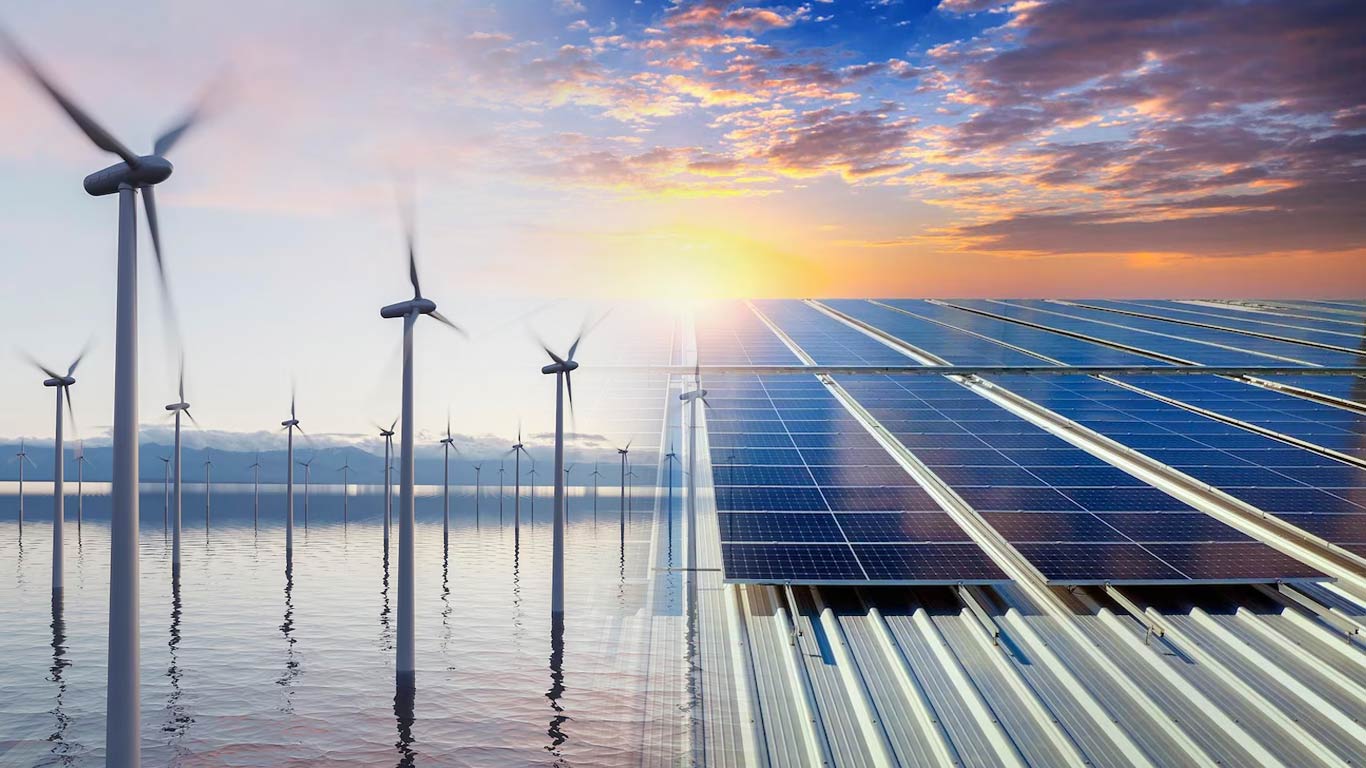
India’s energy ecosystem is closely linked to global trends, making it highly sensitive to geopolitical developments. In recent years, rising global tensions, ranging from wars and trade disputes to regional conflicts, have significantly impacted energy markets worldwide. These disruptions are not limited to oil and natural gas supplies but extend across the entire value chain, influencing logistics, pricing, and infrastructure development. As a result, the energy sector in India is facing increasing pressure to adapt to these global uncertainties. For a country that depends heavily on energy imports, such shifts present both challenges and opportunities.
In this blog, we explore how global conflicts are impacting energy markets worldwide and what this means for India’s power ecosystem. We examine the effects on infrastructure, shifting investment patterns, and grid resilience, while highlighting how we, at Hartek Group, are strengthening and future-proofing the industry.
“Did you know? According to the International Energy Agency (IEA), emerging and developing economies account for over 80% of global energy demand growth, with India recording the second-largest increase in energy demand globally in 2024, exceeding the total increase of all advanced economies combined.”
Source: https://www.iea.org/reports/global-energy-review-2025/key-findings
Understanding the Impact of Conflicts on Global Energy Systems
Global wars have bred volatility in various sectors, and energy is no exception. Large-scale hostilities in energy regions can impede oil and gas production, shipments, and can lead to price volatility.
Such as strain in oil-rich areas or sanctions on an exporting country triggering an abrupt supply deficit. This compels the importing nations to find other suppliers, most of the times they come at higher expenses. And similarly, the interruption of shipping lanes, such as critical maritime chokepoints, can hold up deliveries of fuel and drive up the costs of transportation.
Beyond fossil fuels, conflicts also affect the supply chains of critical components used in renewable energy systems, such as solar panels, wind turbines, and battery storage technologies. While some of these technologies depend on rare earth materials and globally concentrated manufacturing hubs, others rely more on widely available resources. Nevertheless, trade restrictions and political instability can disrupt supply chains across the renewable energy sector.
Energy Price Spikes in an Unstable Global Supply Network
Among the most immediate effects of global wars, is the increase in cost of fuel. Prices of crude oil, natural gas, and coal are prone to geopolitical-driven spikes, and these have a direct effect on the cost of electricity generation.
For India, this means:
- Higher import bills
- Increased cost of power generation
- Pressure on tariffs and subsidies
Power-sector companies also are having their equipment supplies disrupted, which is hindering infrastructure projects and raising capital expenditures. This can delay the growth of the power transmission system, which is essential to keep the lights on across the country.
India’s Energy Reality in a Volatile Global Environment
India’s energy landscape is deeply connected to global markets, which means international conflicts can quickly influence domestic conditions. As supply chains tighten and fuel prices fluctuate, the energy sector in India is being forced to adapt at a faster pace than ever before.
1. Rising Uncertainty in the Availability of Energy
India, which imports a significant portion of its oil and gas, has been vulnerable to disruptions in global supply chains. Conflicts can delay shipments, limit exports, or reroute trade flows, resulting in less predictable access to fuel.
2. Cost Pressure on Power Generation
An abrupt rise in fuel prices raises the cost of electricity generation. This leaves power sector companies, particularly those reliant on traditional sources of energy, under pressure when their financial viability and route to pricing is challenged.
3. Push Towards Energy Independence
So we can see the global turmoil and India therefore focusing on them to build home capabilities. Increasingly attention is turning to energy-self sufficiency through renewable energy which is more sustainable and non polluting energy.
4. Enhancing Power Flow Across Areas
Effective power delivery is essential in uncertain times. A good transmission system will guarantee a reliable electricity flow even when the sources of generation are unstable.
5. Rapid Development Availability of Clean Energy Solutions
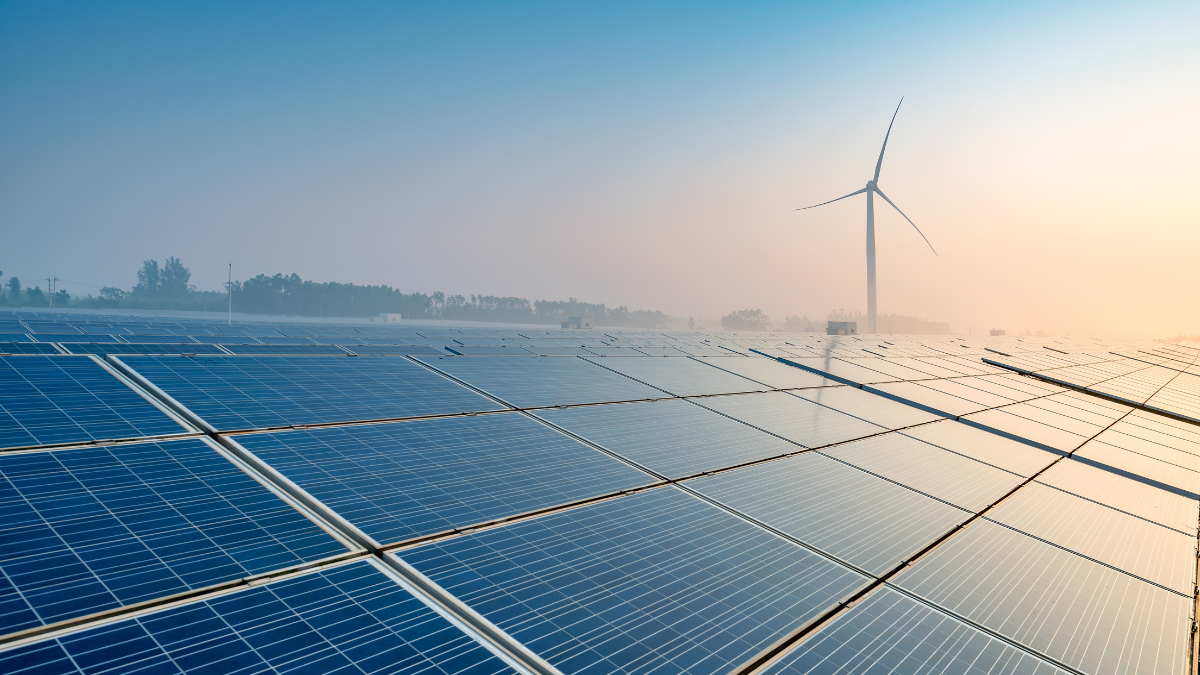
India, in a bid to insulate itself from global fuel vagaries, is deploying more of renewable energy systems and less of coal-fired power. Solar and wind power are now emerging as the key to the nation’s strategy for long-term security.
Building a Future-Ready Power Ecosystem
Infrastructure has a critical role in energy security in an era of unpredictable global dynamics. Reinforcing the infrastructure of the power grid is vital for the growth of energy sector in India.
Scaling Up Grid Capacity and Market Reach
An efficient and robust interconnected grid facilitates regional movement of electricity. Increasing transmission capacity minimizes losses and guarantees constant supply.
Enhancing Vital Power Nodes
Modern substations with digital technologies enable higher operational efficiency and least downtime. These upgrades are critical for stability in the power distribution.
Seamless Smart Energy Management
Smart grid applications deliver real-time information about energy consumption and the performance of the system. They also facilitate more informed decisions and allow for the inclusion of renewable energy technologies within the grid.
Ensuring Timely Infrastructure Rollout
In the energy industry, it’s all about speed. The quicker completion of projects allows for the building of infrastructure to keep up with demand, making the system less susceptible to shocks delivered from abroad.
Driving Impact Through Infrastructure Excellence
As India’s energy sector evolves, we are playing a crucial role in shaping its future. At Hartek Group, we are driving this transformation through our strong emphasis on quality, innovation, and timely delivery.
Delivering Advanced Power Solutions
At Hartek Group, we develop and install reliable power solutions to meet the rapidly evolving needs of industry, commerce, and utilities.
Strengthening Transmission and Distribution System
Through the enhancement of the power transmission system, the firm is building a more stable, efficient electricity grid.
Backing Clean Energy Growth
Making sustainable power more attainable Hartek is active in providing solutions for the integration of renewable energy systems.
Ensuring Execution Efficiency
The pace of project delivery is another focal point to ensure the timely development of critical infrastructure.
Preparing India’s Energy Sector for the Future
To navigate ongoing global challenges, India must focus on long-term resilience and strategic growth. The future of the energy sector will depend on proactive planning and continuous innovation.
Strengthening Core Infrastructure
A strong transmission and distribution network investment will certainly pave the way for future expansion.
Broadening the Renewable Energy Base
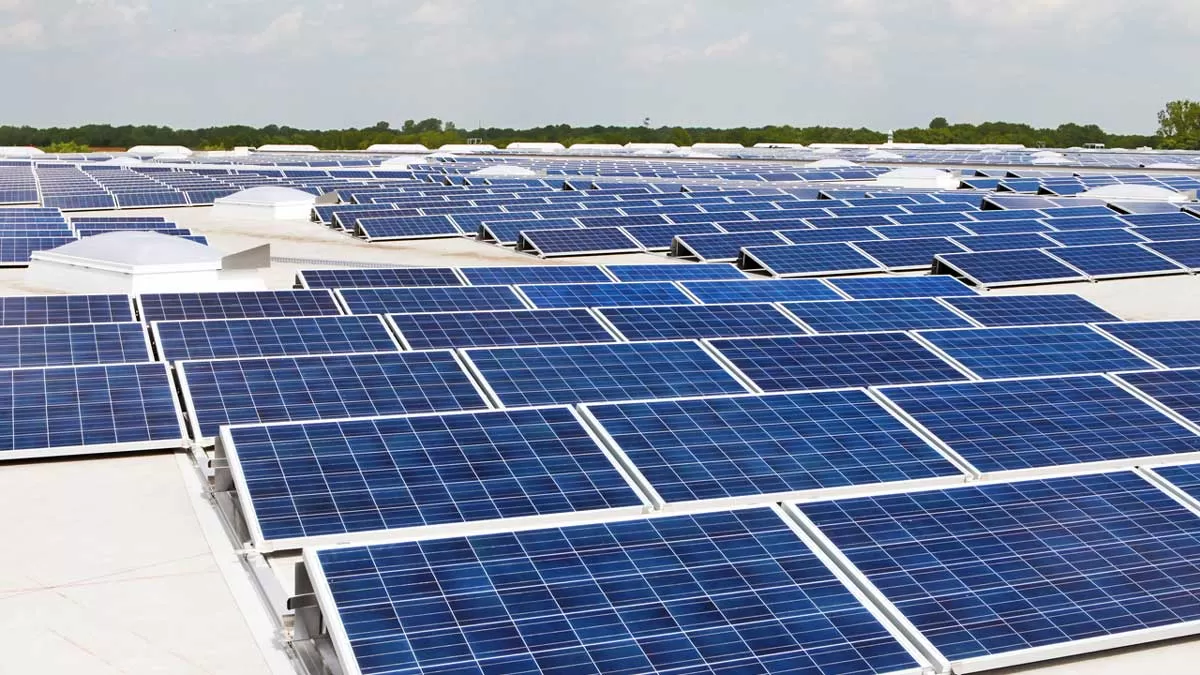
A greater adoption of renewable energy systems will also reduce import reliance and it will align with the environmental targets.
Developing Resilient Energy Systems
A complex and reliable power transmission system will allow India to hedge these risks and ensure the stability of supply.
Promoting Innovation and Technology Uptake
An energy storage, digital grid,and automation revolution could improve efficiency and reliability within every segment of the industry.
Developing Enabling Policy Environments
Transparent and comprehensive policies will help to bring a continuous flow of investment and growth into the Indian energy sector.
Key Takeaways
- Global geopolitical tensions cause severe interruptions in the supply chain for energy and the prices of fuel across the globe.
- India’s reliance on imports renders its energy sector vulnerable to geopolitical changes.
- Reinforcing the power transmission system is an imperative for energy stability.
- Renewable energy systems play a major role in reducing dependence on imported fuels.
- Smart infrastructure, and execution that is efficient are needed for a resilient energy future.
In conclusion, global conflicts are reshaping the energy landscape in unprecedented ways. For India, these challenges underscore the importance of resilience, innovation, and strategic planning. By strengthening infrastructure, accelerating the adoption of renewable energy, and empowering power sector companies like ours, India can transform these challenges into opportunities and move toward a secure, sustainable energy future.
FAQs about Energy Sector in India
1. Does Indian energy sector feel squeeze from geopolitical tensions?
Supply disruptions and increases in fuel prices emanating from global tension risk impacting India immediately through energy imports and power costs.
2. Why is India focusing on renewable energy systems?
Renewable energy promotes energy security as it mitigates reliance on imports.
3. What contributions do power sector firms make under such extreme global conditions?
They keep the lights on, they control costs, and they invest to make the system stable.
4. It is power transmission system have much important to this respect?
Strong transmission ensures an effective distribution of electricity and mitigates the impact of any potential disruption in supply.
5. What should India do to bring its energy sector together?
Changes in policy and planning India’s changes might be in the direction of more energy infrastructure, more renewables, more smart grid technology, more energy policy.
Share:


