
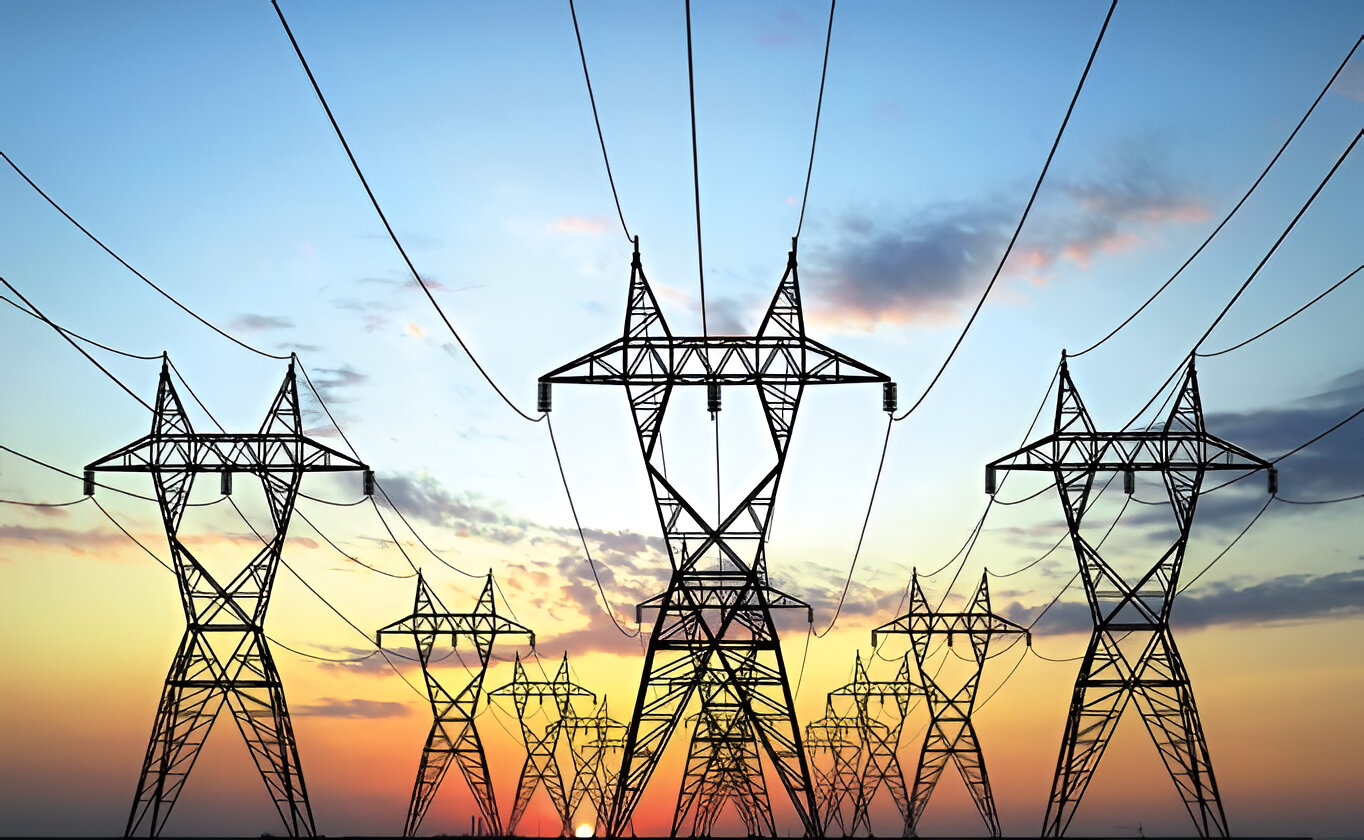
India’s renewable energy capacity scales up, organisations like Hartek, which are deeply involved in power infrastructure and grid modernisation, are playing a key role in enabling smarter, more efficient transmission solutions that deliver long-term smart grids benefits for the future.
“Did You Know? High Voltage Direct Current (HVDC) transmission can carry electricity over 3,000 km with losses as low as 3% per 1,000 km, compared to much higher losses in conventional AC systems.(Source)”
Key Takeaways
- HVDC networks minimise losses and make long-distance renewable power transmission viable.
- It is a must for removal of energy deficit in urban demand centres by telecom solar hubs.
- HVDC boosts smart grid energy management and grid stability.
- Working with a Smart Grid System helps ensure consistent and adaptable power flow, unlocking long-term smart grids benefits.
- HVDC is a key player in India’s clean energy and smart grid future.
Growing Gap Between Power Generation and Consumption
The renewable energy process in India is growing at an alarming rate. Solar parks are taking shape in some areas of Rajasthan and Gujarat and Ladakh, where the sun radiates abundantly, but is not very close to such large cities as Delhi, Mumbai, and Bengaluru.
This poses a pretty big question: How do we move clean energy efficiently from remote solar hubs to high-demand urban centres?
Some of the major limitations of conventional AC transmission systems over long distances include:
- Heavy transmission losses.
- Power factor (or reactive power) problems.
- Hardly any controllability.
HVDC networks can hence be considered a major step forward in this context.
Why Are HVDC Networks So Efficient?
HVDC (High Voltage Direct Current) networks use direct current instead of alternating current to convey power. AC might be preferable to DC for short distances but DC is undoubtedly the best choice for long-haul, high power transfer.
” HVDC networks will be crucial as they can deliver enormous amounts of electricity with very low loss over long distances, thus, they are perfectly suited for linking renewable energy production areas with highly populated regions.”
In addition, HVDC enables precise control of power flows, minimizes transmission congestion, and enhances grid stability, especially critical when integrating variable renewable energy. This inherent efficiency allows better utilization of existing corridors while reducing land requirements and environmental impact. This feature of HVDC networks fits like a glove with the smart grids benefits India is relying on to meet its net-zero and energy security ambitions.
Solving the Solar-to-City Distance Problem
1. Lower Transmission Losses Over Long Distances
HVDC technology limits the power losses to such an extent that almost the entire quantity of solar power generated can be actually used in the cities, increasing the overall efficiency of the system and, thus, lowering the energy cost of a unit.
2. Smart Grid Systems Integration
HVDC works seamlessly with a smart grid system, enabling real-time monitoring, automated control, and better demand-supply balancing. To manage solar power, which is a variable energy source, this is a must.
3. Enhanced Grid Security and Power Flow Management
HVDC gives you the opportunity to decide exactly how much power to send down a particular line. This is a big plus since grid stability is one of the most important things when integrating renewables inside a Smart Grid Power System.
4. Asynchronous Grids Connection
HVDC can provide a link between two grids that are operating with different frequencies or that have different levels of stability; this is a nice feature for a large country like India with its very fragmented grid structure.
HVDC and Smart Grid Energy Management: A Perfect Match
The basic traits of a modern smart grid energy management system are flexibility, making decisions based on data, and coming to the right conclusion very quickly after demand and generation changes have occurred.
HVDC extends the above:
- Provide an escape route for large renewables run.
- Faults get isolated and recovery is fast.
- Transmission corridors see lesser congestion.
- Reliable power urban supply gets a boost.
So, HVDC and smart grids together are the power infrastructure of the future, resilient, efficient and sustainable.
Why HVDC Matters for India’s Energy Transition
With ambitious targets of 500 GW of non-fossil fuel capacity, India needs transmission systems that are as advanced as its generation assets.
HVDC networks:
- Enable large solar and wind zones.
- Reduce dependency on fossil fuel-based peaking power.
- Facilitate cross-state and inter-regional power transfer.
- Strengthen national energy security.
In addition to the benefits, HVDC is also important in dealing with renewable variability, enabling 24/7 renewable energy (RTC) and hybrid systems. This power flow management capability exactly contributes to the resilience of the grids and reduces the number of congestion, thus it is a good fit to the emerging Smart Grid architecture in India. These are fundamental Smart Grids Benefits that go beyond technology, which will promote the growth of the economy, de-carbonization, and a cleaner and more sustainable future of the Indian energy world.
HVDC Powering India Forward
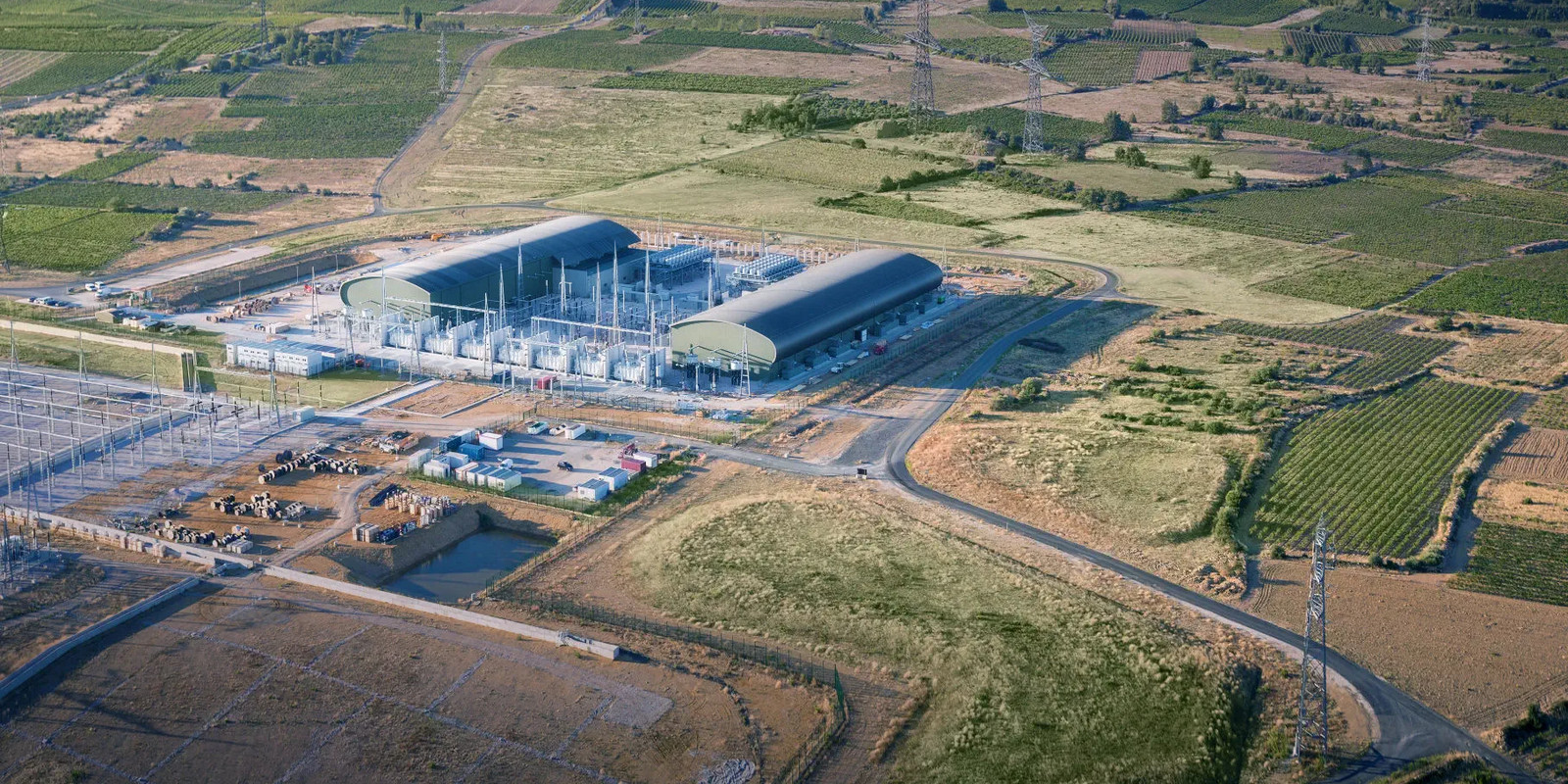
As India accelerates towards a renewable-led power sector, the question is no longer whether we need HVDC, but how fast we can deploy it. The question rather is how soon can we install them? We can hardly overestimate the importance of HVDC networks, which, by bridging the distance between solar-rich regions and energy-hungry cities, form the backbone of a modern Smart Grid Power System.
Hartek Group with its extensive knowledge of power infrastructure, grid integration, and renewable energy solutions stands ready to help pave the way for the future by continually offering reliable transmission systems that support India’s smart grid and clean energy goals.
FAQs about HVDC Networks
1. Why is HVDC preferred for long-distance renewable power transmission in India?
HVDC enables bulk power transfer over thousands of kilometres with minimal losses, making it ideal for transmitting solar and wind energy from remote hubs to urban demand centres.
2. How does HVDC support Smart Grid systems?
HVDC integrates seamlessly with Smart Grid systems by enabling real-time control, precise power flow management, and enhanced grid stability, key smart grids benefits.
3. Can HVDC help manage renewable energy variability?
Yes, HVDC provides better controllability and flexibility, allowing grids to balance fluctuating solar and wind generation more effectively.
4. Does HVDC improve national grid reliability?
By reducing congestion, isolating faults quickly, and connecting asynchronous grids, HVDC significantly strengthens overall grid security and resilience.
5. What role does HVDC play in India’s clean energy goals?
HVDC forms the backbone of India’s renewable energy expansion, supporting large-scale integration, cross-regional power transfer, and long-term grid benefits.
Share:


