
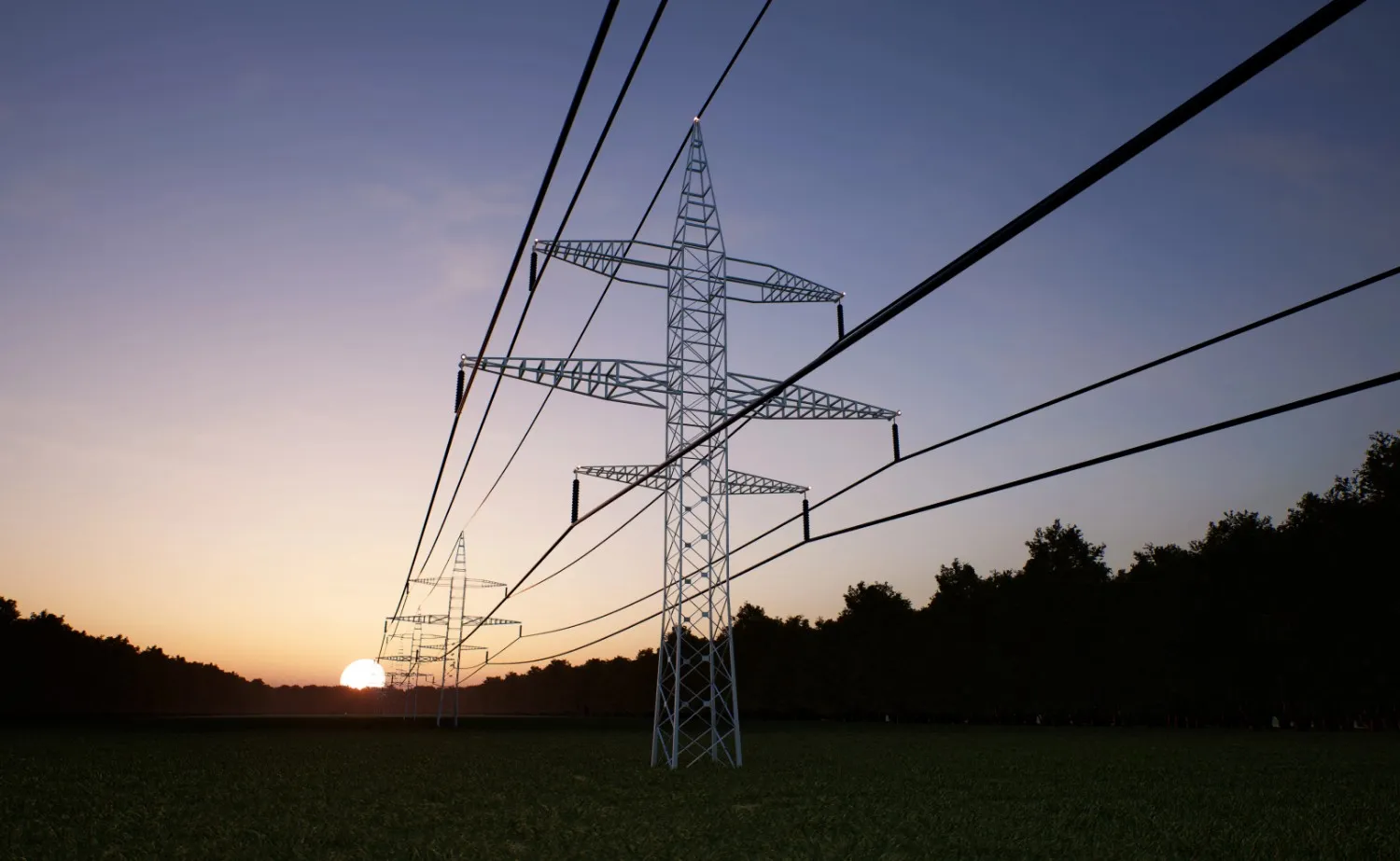
India is one of the fastest transitioning countries in the energy sector. With more and more people moving into cities, industries growing, electric mobility becoming a new wave, smart cities and cities being connected in such a way with the digital world that it’s possible for a person to switch on an electrical appliance just by tapping on a mobile phone. And at the same time India is also raising her aspirations about renewable sources of energy. These are all contributing to an ever-changing power scenario. As power demand grows, there is a parallel rise in the challenges that threaten the continuity and stability of the power availability.
This is where Grid resilience India becomes a national priority. A power grid that can withstand various kinds of disruptions and quickly return to normal functioning is not only about keeping the lights switched on but also about protecting the economy from shocks, safeguarding life, enabling the creation of a digital economy, and backing up the goals related to clean energy for India.
Weather-related shocks like extreme weather events, breakdown of the old facilities due to age and wear, cyber intrusions, and an increased reliance on renewable energy sources are some of the key reasons why one needs a robust and flexible electricity transmission network. It should be able to warn, respond to, and be quick to recover from disruptions caused to it. That means, building a grid that cannot be broken or destroyed becomes more than an engineering problem; it is a basic requirement for the country’s economic and energy security for the long term.
Understanding Grid Resilience
The concept of grid resilience is about an ability of the electricity network to prepare, absorb and respond, and return to normal as soon as possible when an event such as a disruption or a disaster occurs while it is still doing its job, i.e. delivering power reliably. Contrary to the idea of grid reliability which is about the grid doing the task as long as it is not disrupted or broken, the focus of grid resilience is on the minimization of the impact of any unexpected event and not just the prevention of such events.
Whether the power outage is a result of a cyclone, waterlogging, a heatwave, the malfunctioning of equipment or even the sudden spike in demand, the ripple effects from it can be far-reaching ones. It is the life of a human being, the working of various transportation modes, the production lines, financial operations, the functioning of communication networks, etc., all these things which one takes for granted are actually power-dependent ones.
As India’s energy system gets more integrated and digitized, Grid resilience India is one of the most important components of future national infrastructure that should be planned and executed accordingly.
The Growing Challenges Facing India’s Power Grid
India’s power infrastructure is evolving rapidly, but it also faces several emerging challenges that demand smarter planning and investment.
Increasing Electricity Demand
A growing population, the rapid expansion of industry, the setting up of more and more computer centers, and the increasing purchase of vehicles that run on electricity, these factors are together leading to an energy consumption rate that has never been higher.
Climate Change and Extreme Weather
Cyclones, floods, heavy rainfall, and prolonged heatwaves are becoming more frequent. These events place enormous stress on transmission lines, substations, and distribution systems, increasing the likelihood of outages.
Integration of Renewable Energy
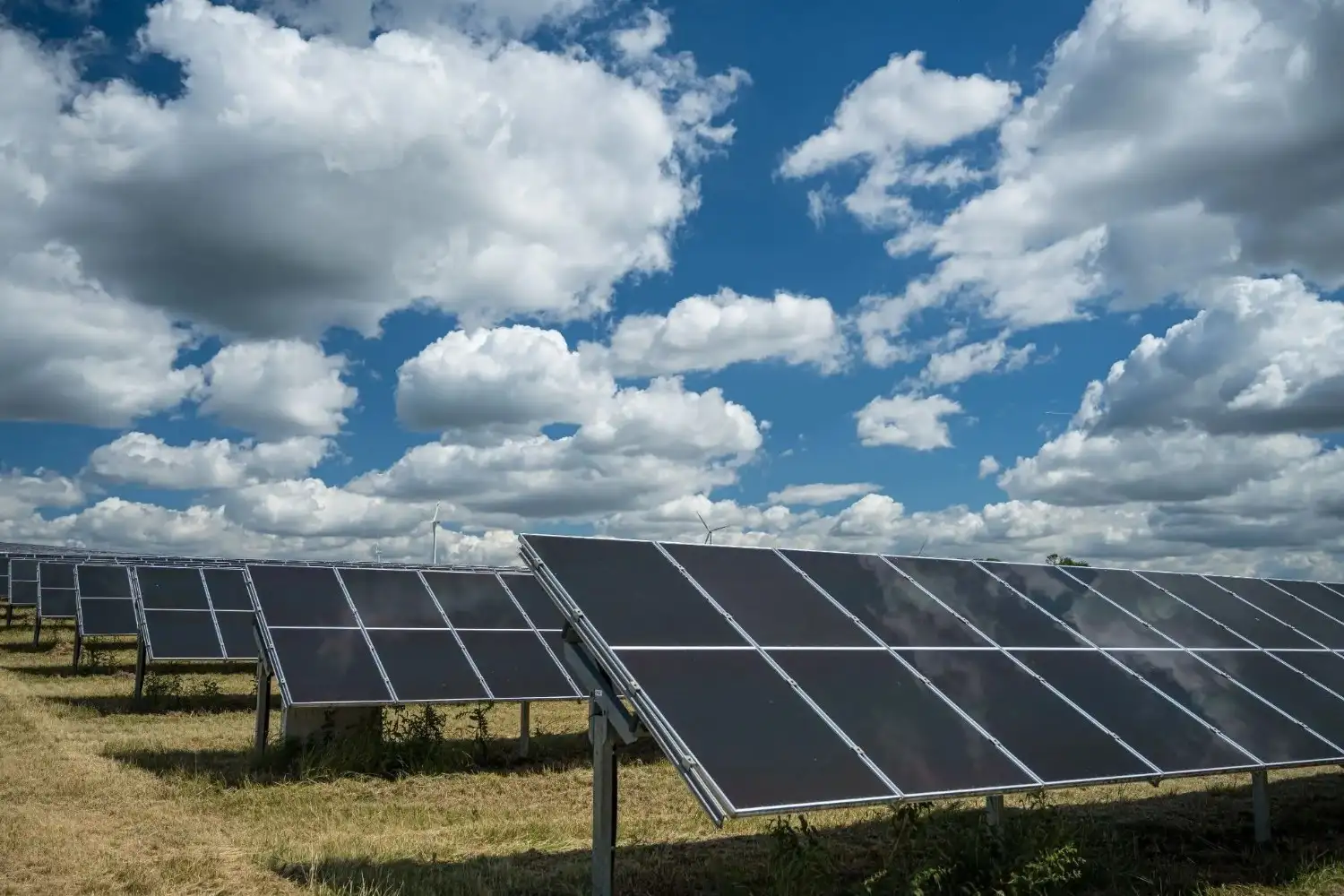
All these efforts by India to increase its renewable energy capacity through solar and wind power have been quite successful. However, the variable nature of solar and wind power makes grid integration challenging. Meeting this challenge will require adding over 50,000 circuit-kilometres (ckt-km) of high-voltage transmission lines to reduce congestion, prevent renewable energy curtailment, and ensure reliable power delivery.
Ageing Infrastructure
Many parts of the existing transmission and distribution network were designed decades ago. Modern energy demands require upgraded infrastructure capable of supporting higher loads and advanced digital technologies.
Building the Blueprint for an Unbreakable Grid
Designing a power network that can survive different types of shocks and threats and quickly get back to normal requires a coordinated effort in investment in technology, engineering, planning and also in operations.
1. Upgrading the Transmission Network
Transmission network is the major artery through which power flows on a national scale. When the capacity of the transmission corridor is increased one will be able to send power across different states much more effortlessly besides minimizing congestion and thereby reducing transmission losses.
Ongoing power grid infrastructure development allows operators to meet the rising electricity demand and incorporate renewable energy projects far away into the national grid.
At the same time, the new generation of transmission infrastructure offers more flexibility during emergency operations and major disturbances of the system.
2. Smart Digital Substations
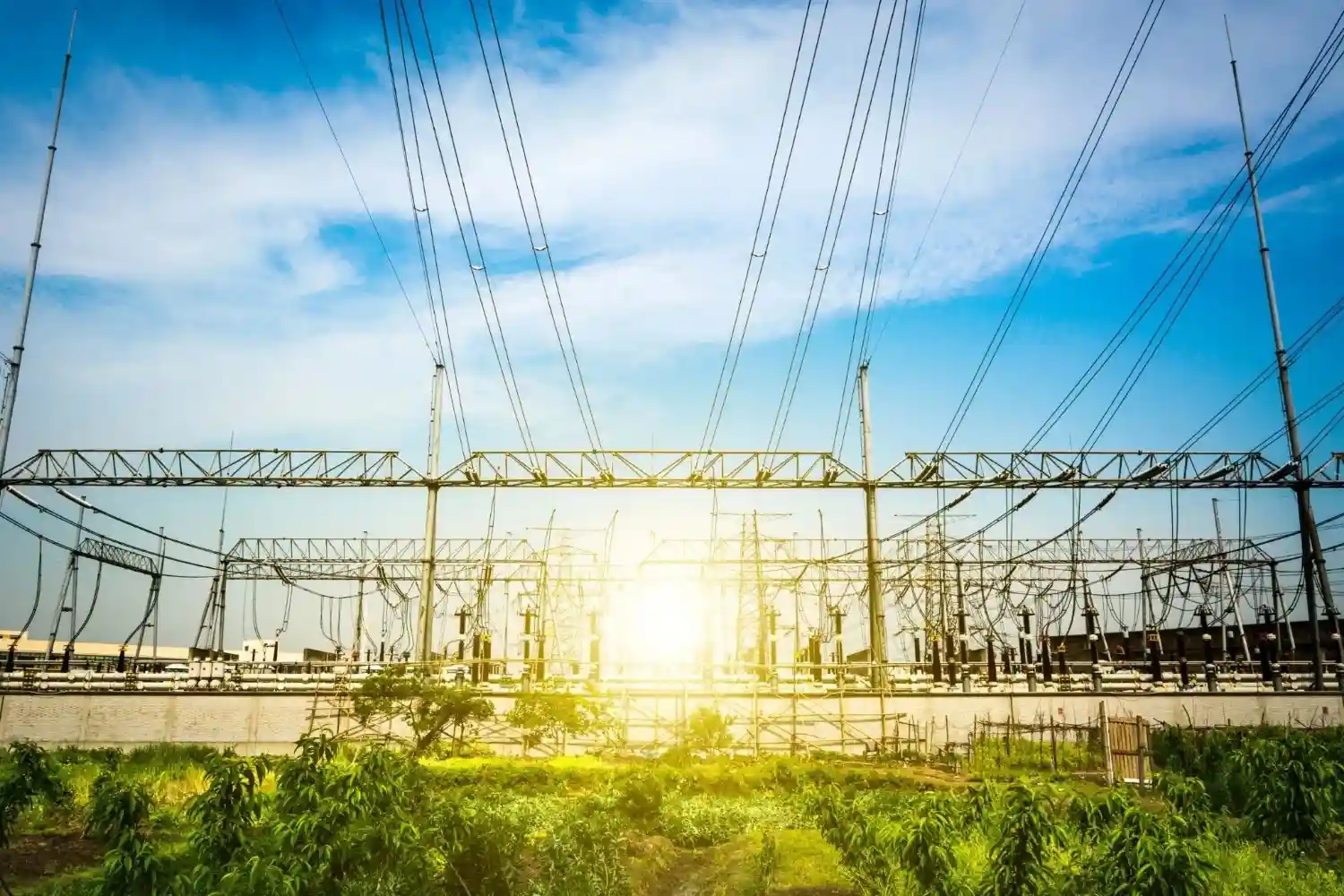
Manual-style substations are quickly being replaced with automated, high-tech, protected intelligent digital substations that also have the ability to be remotely monitored.
Digital substations increase operational efficiency by:
- Monitoring the state of equipment in real time
- Detecting faults more rapidly
- Providing the capability of diagnostics without the need for field engineer on site
- Cutting the cost of maintenance
- Leveraging assets properly
These technologies strengthen Grid resilience India by enabling utilities to detect and respond to potential failures before they escalate into large-scale outages.
3. AI and Predictive Maintenance
Use of AI, IoT sensors, and predictive analytics is reshaping the power assets management for the grid.
Instead of using a time-based strategy or just responding after a failure occurs, grid operators are using continuous equipment health monitoring and finding possible faults at an early stage.
Predictive maintenance features:
- Downtime reduction (less production halts)
- Maintenance cost reduction
- Lifetime extension of equipment
- Operational cost improvement
- Safety improvement
Such proactive action not only enhances grid resilience but also optimizes infrastructure performance in the long run.
4. Energy Storage Solution
Power supply through Battery Energy Storage System (BESS) is quickly becoming a must-have item in every modern electricity network.
Energy storage helps match the variation of renewable generation by charging the battery whenever there is an excess of production and discharging it during the peak of demand or when generation is insufficient.
Solar and wind farms have high intermittency. So, energy storage systems have to be able to support the system with:
- Synchronization of power output
- Management of peak demand
- Backup power capability
- Energy source that is clean
- Fast restoration of grid
As renewable energy adoption accelerates, energy storage will become a key contributor to Grid resilience India.
5. Protection System Evolution
To function reliably in the presence of a high degree of renewable generations and distributed generations, the power grids must have fault-detection and isolation abilities that are fast and automated.
Some of the features of the protection technologies that have been developed are:
- Relays automation
- Protection systems that respond and change
- Monitoring that is carried out globally
- Analysis of faults that is done while the power is still running
- Self-healing grid technologies
Solutions of this type decrease the length of the outages and increase the reliability of the entire system.
Renewable Energy Demands a Smarter Grid
In order to achieve its transition to cleaner electricity, India does not have to focus solely on the production of renewable energy. Power must also be transmitted reliably through modernized power systems.
For instance, solar farms and wind plants are most of the time located hundreds of kilometers away from the demand centers. So, the power generated from these sources has to be transmitted safely which can only be achieved by modernization of transmission lines that are capable of managing variable power flow directions.
This is where electricity grid modernization becomes essential.
Smart grids that include digital sensing, automated control, and energy storage can be the tools with which power companies would be able to:
- Balance renewable generation
- Curtailment
- Voltage stability
- Control of frequency
- Operational flexibility
In the absence of a wide-scale power grid modernization, the expansion of renewable energies could hit obstacles.
Strengthening Critical Infrastructure Through Engineering Excellence
To create robust electric power systems, engineering is the mainstay. Modern infrastructure planning is done using up-to-date equipment, international standards, and the highest-quality technical knowledge, which will result in a system that can perform very well from inception to decommissioning.
As it will be shown, the role of power system reliability engineering is growing rapidly and becoming crucial.
Power system reliability engineering deals primarily with:
- Assessing risk
- Preventing failure
- Operating asset lifecycle
- Checking performance
- Cascading redundancy
- Reliability-based maintenance
Through the integration of power system reliability from start to finish in infrastructure development, utilities can cut down on the risk of operations along with maximizing the efficiency and performance of operations over the long haul.
Grid Hardening: Preparing for the Unexpected
Sudden weather events are among the major global threats to power infrastructure. Utilities are increasingly investing in grid hardening solutions that strengthen infrastructure against environmental and operational risks. Grid hardening has become the main way of investment for the companies who are looking to improve the resilience of their assets.
Such grid hardening measures can be:
- Disaster-proof substations
- Transmission cables laying underground
- Flood-proof electrical equipment
- Reinforced transmission towers
- Redundant communication systems
- Climate-proven engineering designs
The provision of grid hardening services will assist the utility companies in keeping the disruptions to a minimum and ensuring the restoration to the system as soon as possible after a natural disaster.
Collaboration Will Shape India’s Energy Future
The development of a national grid that can withstand any kind of disruption is possible only through the cooperation of all the parties involved.
It is the responsibility of government agencies, utility companies, EPC firms, technology vendors, banks, regulators, and engineers to speed up the development of the power infrastructure by strengthening collaboration between them.
The Government of India is supporting this transformation through initiatives such as the Green Energy Corridor Programme, the National Electricity Plan (Transmission), the PM Gati Shakti National Master Plan, and the Revamped Distribution Sector Scheme (RDSS). These initiatives are helping modernize transmission and distribution networks, improve grid reliability, and encourage greater private sector participation in power infrastructure development.
If you are going for public-private partnerships, you get the advantage of the government’s funding, which opens up opportunities for technology providers and drives innovation.
With transmission infrastructure being planned to integrate over 500 GW of non-fossil fuel capacity by 2030 and more than 600 GW by 2032, continued investment and collaboration across the power sector will strengthen India’s energy security while supporting industrial growth and long-term sustainable development.
Long-Term Planning for Sustainable Growth
Megaprojects related to power infrastructure will usually be kept in functioning condition for tens of years.
Infrastructure that is able to cope with the future must have the following characteristics:
- Extension of city areas
- Expanding populations
- Introduction of vehicles running only on electric power
- Production of green hydrogen
- Creation of smart cities in urban areas
- Combining renewable energy with main grid supply
- Shifting the focus in all sectors to the digital space
- Demonstrating resistance to climate change
By developing long-term strategy it is also guaranteed that current investments still provide returns for generations to come in terms of benefits for human kind and the environment.
A strategic plan for the expansion of the infrastructure can decrease the cost in the whole life cycle, enhance efficiency and offer better flexibility.
Key Takeaways
- Grid resilience India is essential for ensuring uninterrupted electricity supply and long-term economic growth.
- Smart transmission systems and digital substations improve operational efficiency and reduce outages.
- Renewable energy integration requires intelligent grid management and advanced storage technologies.
- Grid hardening solutions help utilities prepare for climate-related disruptions and natural disasters.
- Power grid infrastructure development strengthens national energy security while supporting industrial expansion.
- Power system reliability engineering enhances asset performance, minimizes failures, and extends infrastructure life.
- Electricity grid modernization enables India to build a flexible, sustainable, and future-ready power ecosystem.
Frequently Asked Questions (FAQs)
Q1. What is grid resilience?
The grid’s resilience is how it responds, recovers, and adapts to disruptions, without breaking the power supply continuity.
2. Why is Grid resilience India important?
India’s growing electricity demand, renewable energy expansion, and increasing climate risks make resilient power infrastructure essential for ensuring uninterrupted electricity and economic stability.
3. How does electricity grid modernization improve resilience?
Modernized grids use digital monitoring, automation, smart substations, and energy storage systems to improve reliability, reduce outages, and enhance operational efficiency.
4. What are grid hardening solutions?
Grid hardening solutions include engineering upgrades and advanced technologies designed to protect power infrastructure against extreme weather, equipment failures, and other disruptions.
Q5. What is the function of power system reliability engineering?
Through the development of the infrastructure, the use of power system reliability engineering, one can ensure its smooth operation, failure prevention, cost-effective maintenance, and continuous availability for years to come.
6. How does renewable energy affect grid resilience?
Renewable energy introduces variability into electricity generation. Smart grids, digital technologies, and energy storage systems help maintain stability while integrating renewable power efficiently.
Conclusion
India investing in the development of a resilient power grid is vital, not just for its present but also for the long term future. As electricity demand escalates and renewable energy is increasingly being adopted as the main power source in the country, the availability of resilient infrastructure will be the key factor in how well the country is able to support economic development, industrial progress, and sustainable development.
Everything from the modernization of power grids and the implementation of grid-hardening solutions to advanced digital substations and the field of power systems reliability engineering will ensure the continuous strengthening of India in its ability to provide energy that is reliable, safe, and environmentally friendly, both for now and in the coming decades.
At Hartek, we are committed to supporting India’s energy transition by delivering innovative EPC solutions, advanced substations, transmission infrastructure, and renewable energy integration projects. Through engineering excellence and cutting-edge technologies, we continue to contribute to building a smarter, stronger, and more resilient power ecosystem for the nation.
Share:


