
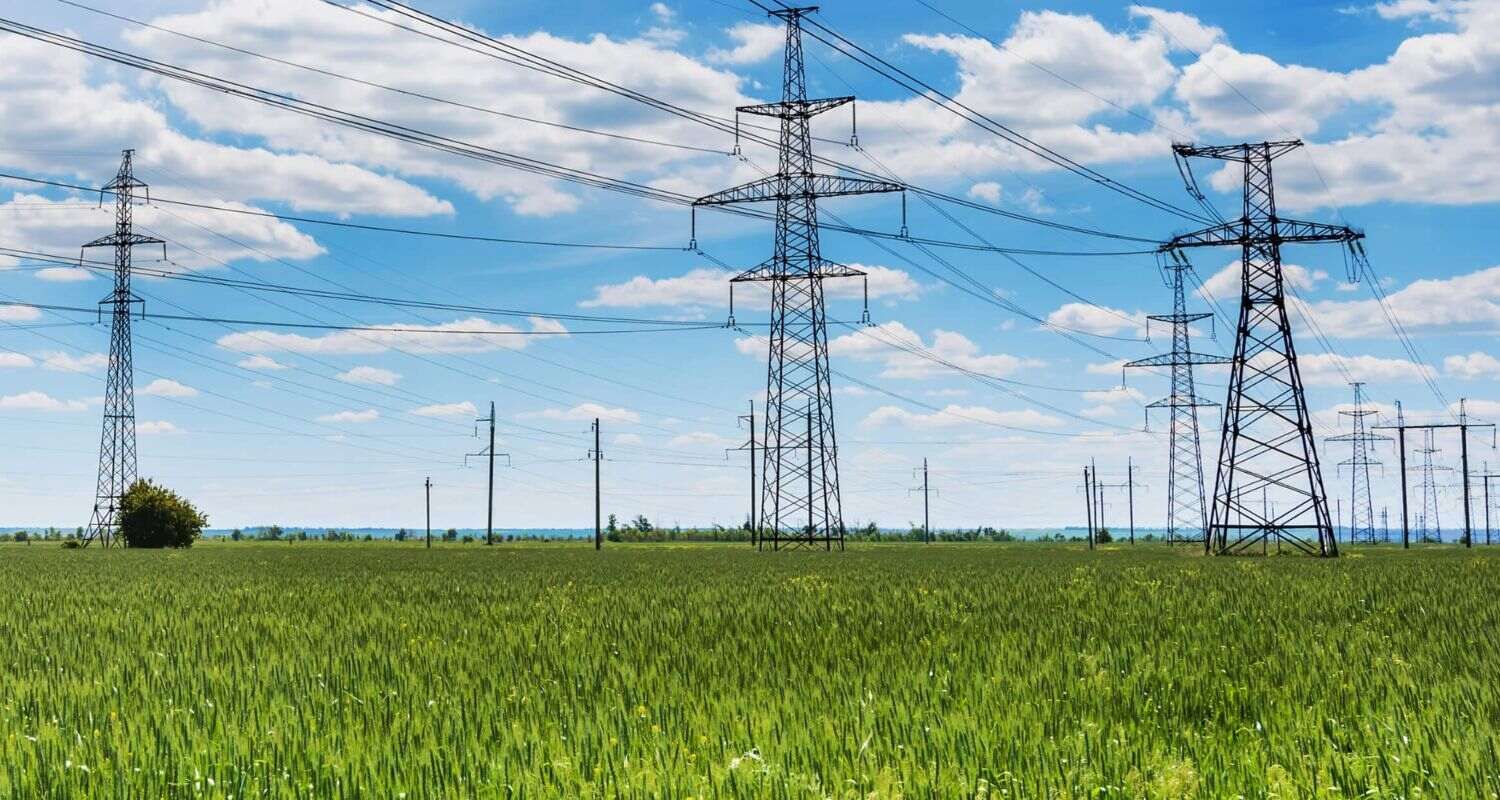
India is undergoing a major transformation in the way electric power is generated, transmitted, and consumed. As the country changes rapidly towards urbanisation, renewable energy, electric mobility, and digitalisation, the key element of this change, the electric power distribution system, has to change as well, in fact, at the same speed. Traditionally, power flowed only one way, from generation plants to consumers. But today, with renewable energy generators, prosumers, and distributed energy resources coming into the picture, the grid must be far more flexible, intelligent, and resilient.
The future of electric power distribution extends beyond the reliable delivery of energy; it involves building a digital, environmentally friendly, and interconnected system. The transition is indispensable for India to meet the increasing energy demand while complying with environmental agreements.
“Did you know? Smart grid technologies can significantly reduce transmission and distribution (T&D) losses – studies suggest smart grids could cut energy losses by up to 20% by optimizing real-time monitoring, load management, and automated controls compared to traditional grids.(Source)”
In this transformation, leading Power Transmission & Distribution players and major power transmission companies in India are adopting modern technologies, reimagining business models, and creating frameworks for more efficient energy delivery. Hartek Group, as one of the key innovators in this space, continues to contribute to this evolution through advanced engineering and future-ready solutions.
Let’s explore how the future grid is being shaped and what it means for India’s smarter and greener tomorrow.
Transition from Traditional Grids to Smart Distribution Networks
Electric distribution networks have been designed for predictability for a long time. However, the present grid is met with a fluctuating supply of renewables, multifaceted consumer loads and variable energy patterns. The situation is pushing utilities and power transmission companies to accept the idea of smart grids.
A smart electric power distribution system embraces the use of digital technologies, real-time monitoring instruments, and automated controls. The devices installed in the systems can help utilities to decrease energy theft, improve load management and even predict faults. As India has a target to cut transmission and distribution losses drastically, smart grids will be an essential factor in achieving overall energy efficiency.
Integration of Renewable Energy and Distributed Generation
India’s mission for renewable energy is scaling up fast making solar and wind major contributors of the energy mix. Nonetheless, renewable energy sources cause power supply to be more inconsistent. Therefore, distribution networks have to be very flexible in order to adjust to this transition.
Modern electric power distribution systems integrate distributed energy resources (DERs) such as rooftop solar, small wind turbines, battery storage, and microgrids. These DERs not only assist the grid to remain stable but also alleviate the peak load problem and decentralize the power generation process. Power distribution companies are gradually taking digital platforms as their new investment which makes energy flow visible in real-time and thus easy renewable integration.
Automation and Digitalisation: The Backbone of Future Distribution
Automation is turning into one of the essential elements of the smarter grid revolution. The core infrastructure in both power transmission and distribution networks is being upgraded through cutting-edge electronic equipment like SCADA, IoT sensors, AI-driven analytics, and an automated fault detection system.
The primary digital innovations that pave the way for the future include:
-
Advanced Metering Infrastructure (AMI)
Smart meters are able to give real-time information, they improve the accuracy of billing, and also allow the users to better control their consumption.
-
Internet of Things (IoT) elements
IoT sensors that are appropriately fitted on transformers, lines, and substations enable the prediction of maintenance thereby reducing the time when the system is down and improving the reliability of the system.
-
AI and machine learning
Predictive analytics provide utilities with the ability to anticipate demand, locate anomalies, and intervene before serious problems occur.
All these strides equip the Indian power grid with more transparency, reliability and make it future-ready.
Strengthening Grid Resilience and Reliability
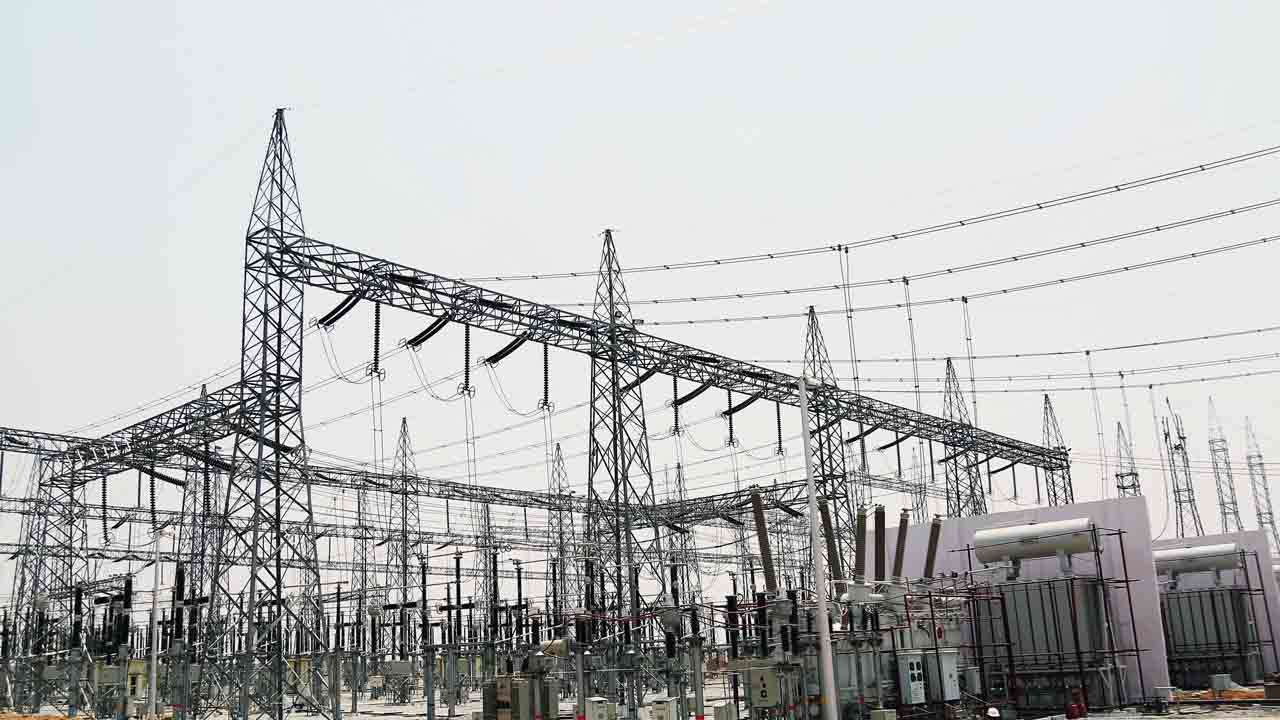
Grid resilience becomes even more important taking into account the varying climate conditions in India – cyclones, extreme heat, and torrential rains. Contemporary power transmission companies in India are heavily investing in disaster-resilient infrastructures that guarantee the supply of power even during calamities.
Methods like laying cables underground, using digital relays, redundant power paths and advanced protection systems are collectively working to raise the level of reliability. Furthermore, rapid fault identification together with self-healing networks greatly shorten the time during which the consumer experiences a power outage thus increasing the client base satisfaction equally from beautifying the industrial and residential sectors.
The Growing Role of Energy Storage
Energy storage will be the foundation of the next-generation electric power distribution to be turned into reality. As more and more renewable energy sources are being installed, we need storage to buffer the fluctuations in the energy market. Simply put, storage devices like lithium-ion batteries, pumped storage, and big battery banks are the answer to the balancing act.
Battery energy storage systems (BESS):
- Enable the provision of power in the times of blackouts
- Keep excess renewable energy
- Make CO2 emitting peaker plants less usable, thus aiding in carbon emissions reduction
- Give utilities the opportunity to solve the peak demand problem in an efficient manner
When integrated with energy storage, power distribution grids become a strong force in the promotion of clean, reliable, and efficient power use.
Empowering Consumers Through Smart Technologies
The energy of the future is not just a story about energy companies; rather, it is the story of consumers who are empowered and willing to take part in the energy ecosystem. The emergence of prosumers, who both produce and consume energy, is fundamentally changing the way distribution systems work.
By means of features such as energy consumption in real time, smart appliances, home automation, and electric vehicle (EV) charging integration, consumers will become more energy-aware and more environmentally-friendly. On top of that, smart tariffs and demand response programmes will help energy-saving approaches to be adopted more widely as well as the grid being more lightly loaded.
The Contribution of Leading Power Transmission Companies
Top-notch power transmission companies in India are the leaders setting the pace for this change by working on state-of-the-art infrastructures, substation automation, renewable integration projects, and building the grid for the next level of cross-country power evacuation. Their combined effort is providing a reliable delivery of electricity from the source of production to the final users.
The innovation and expertise of the leading power transmission companies in India are playing a vital role in shaping the Indian energy future as the demand for high-quality, uninterrupted power grows rapidly across industries, commercial establishments, and households.
Towards a Greener and More Sustainable Power Landscape
One of the major reasons for the massive energy-transformation in India is the concern for sustainability. In addition to carbon emission reduction and promotion of green technologies, electric power distribution systems have to be compatible with global best practices.
Some of the key sustainability points are:
- Increasing the proportion of energy from renewable sources.
- Supporting the widespread use of electric vehicles (EVs).
- Enhancing energy efficiency in transmission and distribution.
- Using digital tools to save energy and to make the user more aware of his/her energy consumption.
- Building carbon-neutral substations.
A sustainable distribution network guarantees that India’s growing needs will be met in an environmentally friendly way and are in line with global climate commitments.
Choosing the Right Partner for India’s Solar Future
Reshaping electric power distribution is a must if we want to have a cleaner, smarter, and more resilient energy future. To answer the challenges brought by rapid urbanisation, a rising electricity demand and the need for clean energy, India is in dire need of an advanced distribution infrastructure that is powered by automation, renewable integration, digital technologies, and is robust.
As leading Power Transmission & Distribution players and advanced power transmission companies in India continue to innovate, the country is well on its way to creating a future-ready power ecosystem that is efficient, sustainable, and consumer-centric.
India’s energy journey is evolving, and the next decade will redefine how power is delivered to millions across the nation. With committed industry leaders such as HARTEK GROUP driving innovation and strengthening the grid, the nation is poised to achieve a smarter and more resilient power landscape.
Frequently Asked Questions (FAQs)
1. What is electric power distribution?
Electric power distribution is the last stage of the whole power delivery system when the electricity is delivered from substations to end-users such as households, industries, and commercial establishments.
2. Why is smart grid technology important for India?
Smart grids are very efficient, have fewer losses, and are friendly to renewables integration, and more reliable as they operate automatically and are monitored in real-time.
3. How do power transmission companies support modern distribution networks?
The top power transmission companies in India energize the entire system by erecting a strong network, introducing digital technologies, and facilitating renewable energy evacuation thereby stabilizing the grid as a whole.
4. What is the role of renewable energy in future power distribution?
Renewables are a real green solution as they reduce CO2 emissions and call for more advanced distribution systems for the smooth integration.
5. How can consumers benefit from smart meters?
Smart meters provide real-time usage insights, accurate billing, and help consumers manage their energy consumption efficiently.
Share:


