
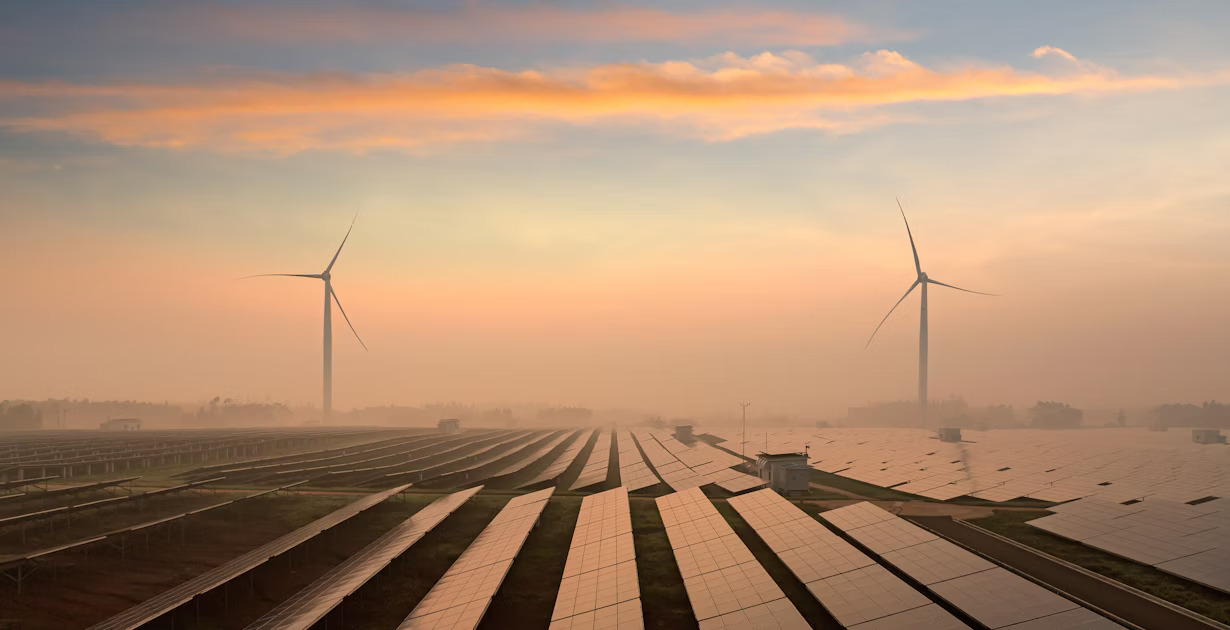
India’s energy sector is changing in a big way, mainly because of the need to reduce carbon emissions and improve energy security. The demand for electricity is steadily rising, and the penetration of solar and wind power is becoming a reality across many states, reflecting the broader renewable energy trends 2025 shaping the nation’s power landscape.
This momentum is evident from a series of ambitious national plans, including the 500 GW renewable energy capacity target, which clearly signals a shift toward smart renewable energy systems. India is now moving toward advanced smart energy systems powered by digitalisation, automation, data intelligence, and modern grid technologies, all of which are shaping a more resilient, efficient, and flexible energy framework for the country.
“Did you know? India’s smart grid and digital energy initiatives could help integrate over 450 GW of renewable energy into the national grid by enabling real-time monitoring, advanced forecasting, and automated grid balancing – making large-scale solar and wind deployment both reliable and cost-effective.”(Source)
The spreading of renewable energy projects has been quite the trend in the different states, so attention now is more on the efficient usage and intelligent management of the generated energy. Smart systems are the ones that fill the gap between unstable sources of energy and the request for a continuous and reliable supply of energy. Hartek Group, being a major player in India’s renewable and grid infrastructure sector, is still entering the picture to warm up this transition by delivering intelligent, future-ready renewable energy solutions that raise the level of reliability, efficiency, and grid stability.
India’s Renewables Boom: Why Smart Systems Are Becoming Essential
Throughout the past 10 years, India has positioned itself as one of the leaders worldwide in the adoption of renewable energy solutions. The growth of solar parks, wind farms, hybrid projects, and green hydrogen facilities is very rapid. Nevertheless, large-scale deployment brings about issues such as fluctuating power generation, grid overcrowding, forecasting uncertainties, and the requirement of advanced protection systems.
To overcome these complexities, developers, utilities, and EPC companies are now embracing smart Renewable Energy SCADA, automation tools, and AI-driven technologies that enable:
- Higher efficiency and improved energy output
- Better grid stability and synchronisation
- Real-time monitoring and automated controls
- Faster response during faults or fluctuations
- Reduced operational costs and human dependency
Basically, smart systems are converting renewable power plants into intelligent energy ecosystems that can dynamically interact with the rest of the system.
Key Components Driving the Shift Towards Smart Renewable Energy Systems
1. Intelligent Monitoring & SCADA Integration
Digital SCADA (Supervisory Control and Data Acquisition) systems have become the nerve centers for the control of modern renewable energy projects. These platforms provide:
- On-the-spot monitoring of generation and performance
- Automated alerts in case of faults or errors
- Remote operations and control
- Decisions based on data
Whether it is a solar plant, wind farm, or hybrid installation, SCADA ensures seamless operations by giving operators full visibility of plant behaviour.
2. Smart Inverters and Digital Switchgear
The once conventionally used inverters and switchgear are being overhauled by the newer intelligent variations which can offer advanced functions such as:
- Grid-support capabilities
- Voltage and frequency regulation
- Fault ride-through features
- Automated fault isolation
These innovations improve plant performance and ensure smoother integration with national grids, especially as Smart Grid Solutions India gains prominence.
3. Energy Storage and Hybrid Controls
Battery Energy Storage Systems (BESS) are gradually becoming the most indispensable component in the green transition of India. The role of smart controllers in this is to help the storage be in sync with the solar and wind generation, thus making it possible to:
- Peak load shifting
- Emission of pure power in uncertain periods
- Provision of electricity during power cuts
- Energy dispatch being planned more efficiently
As hybrid solar-wind-storage systems grow, Energy Storage Systems (BESS) will play an increasingly critical role in grid reliability and renewable integration.
4. Predictive Analytics and AI-Based Forecasting
Intelligent renewable energy systems employ technologies such as artificial intelligence, IoT sensors, and machine learning, to achieve the following:
- Predicting the efficiency of a power plant
- Estimating solar irradiation and wind speeds
- Creating a schedule for maintenance to reduce downtime
- Setting the highest output possible according to the needs of the grid
Therefore, this leads to a more stable power supply with far fewer operational losses.
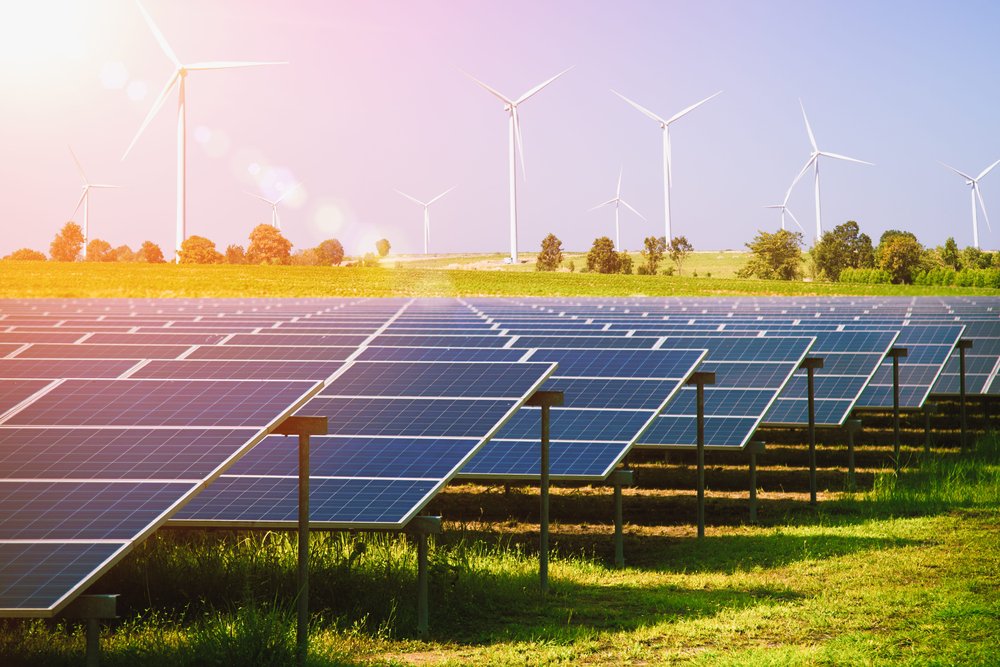
Smart Renewable Energy Systems and India’s Grid Modernisation
As India’s renewable energy portfolio expands at a breakneck pace, grid synchronization management has simultaneously become a more intricate issue. The grid, therefore, has to be endowed with a higher degree of flexibility and intelligence as a result of the unpredictable nature of solar and wind generation.
Smart Renewable Energy systems improve the power grid through the following measures:
1. Enhancing Grid Resilience
Mechanised relay panels, smart substations, as well as digital guard systems, are the main things, which among other functions that they perform, also bring about prompt location of faults in the electric grid, their fast isolation, and subsequent restoration.
2. Supporting Renewable Energy Scheduling
Advanced forecasting and scheduling tools help utilities maintain grid discipline and avoid penalties, while aligning with emerging Renewable energy trends 2025.
3. Facilitating Distributed Energy Resources (DER)
Things like small-scale (or residential) solar photovoltaic systems, battery-powered vehicles, and self-sufficient solar setups are the ones, which through the means of the advanced grid technology can be very effectively managed.
4. Strengthening Renewable Grid Integration
Smart transformers, digital CRPs, and automation tools help manage variable power flows without compromising stability. These technologies also complement modern Power Distribution Solutions adopted across India.
Role of Solar Installation Companies in India in Advancing Smart Systems
A modern Solar installation company in India no longer limits itself to deploying panels and inverters. Today’s leading players manage:
- Smart SCADA-enabled solar plants
- Advanced grid-synchronisation
- Digital substation design
- Energy storage integration
- Real-time plant performance optimisation
As more and more people demand long-term and trustworthy solutions, companies that are strong in engineering and have good digital skills are the ones that will have the most competitive advantage.
Smart Renewable Energy Systems: The Future of India’s Energy Security
The success of the Indian initiative toward energy self-reliance by 2047 largely depends on how well the solar, wind, and hybrid projects are managed. Smart Renewable Energy solutions will keep on being the agents of change to this end by:
- Allowing the green energy share to reach extremely high levels.
- Helping to keep the plants in good working order and increasing uptime.
- Reducing the risks involved in daily activities.
- Giving the assurance of cost savings over a long period.
- Contributing to the future-readiness of energy infrastructure.
India’s transition to a cleaner energy future is closely linked to the country’s adoption of smart technologies, from advanced substations to AI-enabled forecasting.
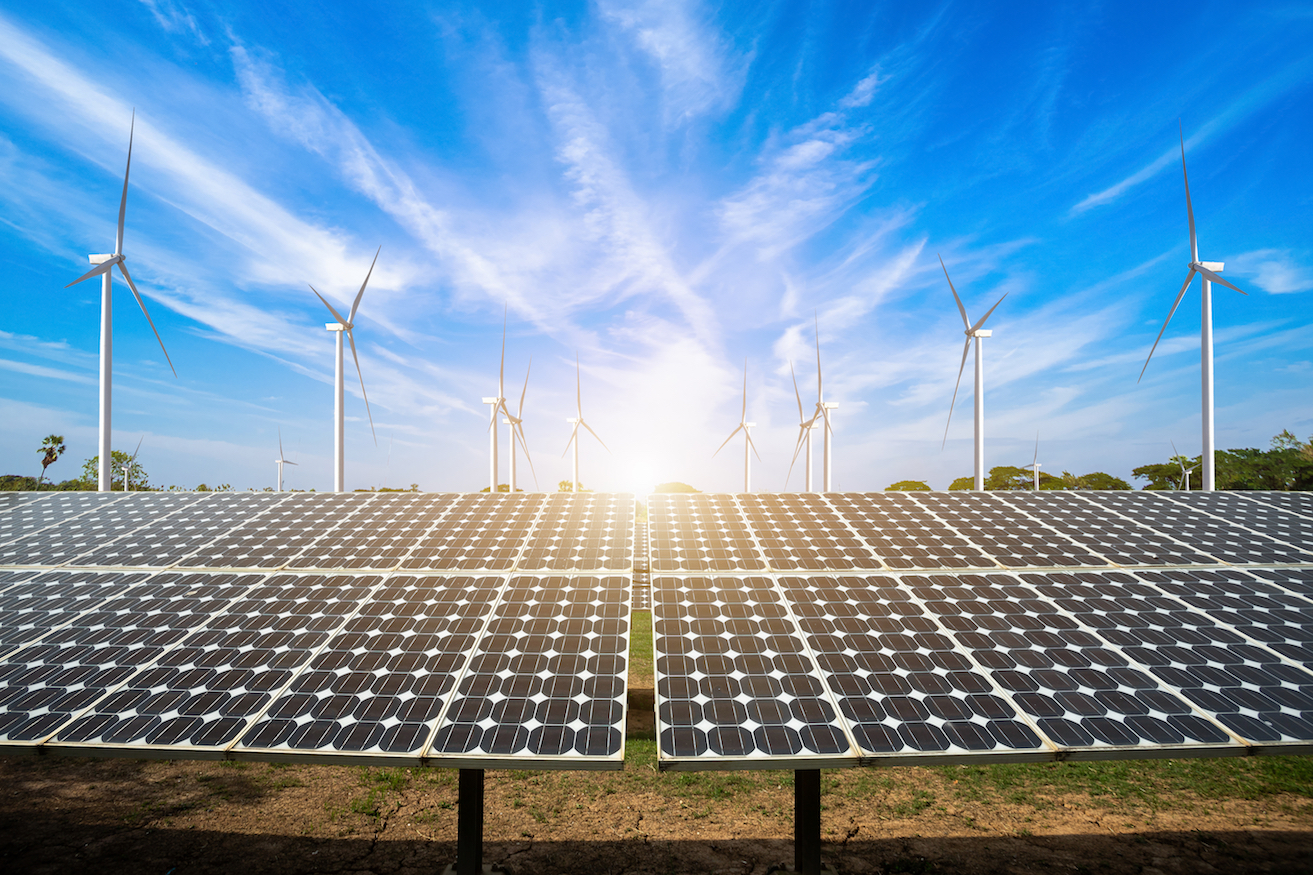
Conclusion
The rise of smart renewable energy systems is a turning point for India’s power industry. India is shifting its focus from merely establishing renewable energy projects to creating smarter, interconnected, digitally-advanced systems that make power delivery stable, reliable, and efficient. India is on the right track to building a strong and intelligent energy ecosystem with the help of robust policy initiatives, technological innovations, and the advent of capable EPC and solar engineering companies.
As demand grows for automation, grid stability, and intelligent control, the future belongs to smart renewable solutions that combine sustainability with technological excellence. By driving this shift with cutting-edge capabilities and domain expertise, Hartek Group continues to support India’s renewable transition and contribute to a cleaner, smarter, and more resilient power future.
Frequently Asked Questions (FAQ)
1. What are smart renewable energy systems?
These are the advanced energy solutions that integrate renewables with digital monitoring, automation, smart controls, and data analytics to enhance efficiency and reliability.
2. Why are smart systems necessary for solar and wind projects?
They help manage power fluctuations, optimise generation, reduce downtime, and improve grid synchronisation, making renewable energy more dependable.
3. How does SCADA enhance the efficiency of renewable plants?
SCADA is offering real-time tracking, automated alerts, remote control, and data-driven decision-making, which is leading to enhanced operational efficiency.
4. Are energy storage systems indispensable to renewable sources?
Certainly, as storage units remove the barrier of intermittency, allow the peak-load management, and guarantee the continued supply of electricity during the low-generation periods.
5. How are Solar installation companies in India implementing smart technologies?
Modern solar companies now deploy intelligent monitoring, hybrid controls, automation-enabled substations, and grid-synchronisation solutions to make projects more efficient and future-ready.
Share:


