
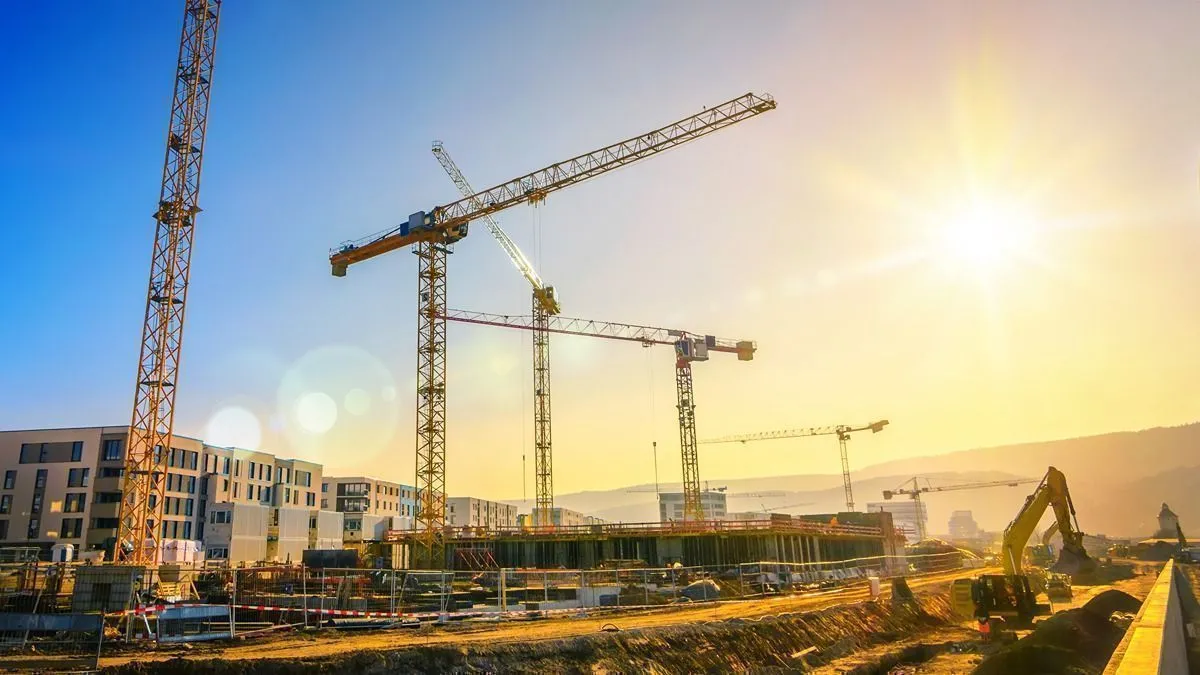
India’s growing economy, expanding cities, and rising energy demand are accelerating the development of power infrastructure. Projects such as substations, transmission corridors, and renewable energy integration are becoming larger and more complex. These initiatives are vital for strengthening power transmission and distribution, ensuring reliable electricity for industries, businesses, and households.
While advanced technology, engineering expertise, and modern equipment are essential, another key factor often determines the success of large-scale infrastructure projects: people and organisational culture.
At Hartek Group, we believe infrastructure is not built by machines alone. It is delivered by dedicated teams, strong leadership, safety-focused practices, and a collaborative culture that ensures projects are executed efficiently and responsibly.
“Did You Know? India’s transmission network has grown to over 4,94,732 circuit kilometres as of April 2025, with inter-regional capacity rising 230% since 2014 — and further large-scale expansion is underway to support 500 GW of renewable energy by 2030. (Source)”
Why People Matter in Large-Scale Power Infrastructure Projects
Energy infrastructure projects rank among the most complicated in the world. They entail a multitude of professionals such as engineers, designers, project managers, procurement teams, vendors, regulatory bodies, and execution teams on-site to be all in harmony.
A single project in the transmission and distribution of electrical power may involve:
- Comprehensive engineering and grid planning
- Installation of high-voltage equipment
- following stringent safety standards and conducting quality checks
- Organizing vendors and logistics
- Obtaining environmental and regulatory permits
- Carrying out advanced testing and commissioning
These days, technologies are highly advanced, but if these technologies are not supported by a team of competent experts working cohesively towards the same objectives, project delivery might still pose a challenge.
A strong workforce ensures that every stage, from design to commissioning, supports reliable electric power distribution and strengthens the nation’s power infrastructure.
Building a Culture of Safety and Accountability
Safety is one of the most critical aspects of large-scale infrastructure execution. High-voltage equipment, heavy machinery, and complex site conditions require teams to operate with strict adherence to safety protocols.
Organizations that foster a strong safety culture see better outcomes in terms of project efficiency, quality, and workforce confidence.
Some of the characteristics of a safety-focused culture include:
- Safety training and certification delivered regularly
- Procedures for on-site risk assessment
- Open communication between different teams
- Leadership team accountability
- Continuous upgrading of safety standards
When employees feel secure and supported, they perform with greater focus and responsibility. This ultimately ensures smoother project execution and more reliable transmission and distribution of electrical power.
Collaboration Across Multiple Disciplines
Large infrastructure projects require collaboration between multiple departments and stakeholders. For example, engineering teams need to coordinate their efforts with procurement specialists, and the project managers will have to liaise with the vendors, contractors, and the government agencies.
Successful companies are those that:
- Multi-disciplinary teamwork
- Open communication
- Fast and effective decision-making processes
- Common project goals and shared responsibility
A conducive co-working environment alleviates problems such as slowdowns, ensures effective coordination and fine-tunes the delivery of the development of infrastructure for electric power distribution to the highest standards.
If power sector companies are to succeed in their endeavors of managing intricate grid projects and delivering the same within the set timeframe, they have to be internally very well aligned.
Talent Development and Skill Enhancement
The power sector is evolving rapidly with the adoption of smart grids, digital substations, and advanced monitoring systems. To keep pace with these technological changes, organizations must continuously invest in their workforce.
Some of the skill development activities that programs may offer to employees include:
- High-voltage systems technical training
- Courses on digital tools and automation
- Leadership training and coaching sessions
- Certificate programs in project management
- Studies on renewable energy technology
When employees are well-equipped with the right knowledge and skills, companies see an increase in the overall efficiency of their projects and, at the same time, are able to build power infrastructure that is future-proof.
As India is making the transition to an advanced renewable energy system, which is predominantly based on grid flexibility and digital intelligence, such investments are extremely valuable.
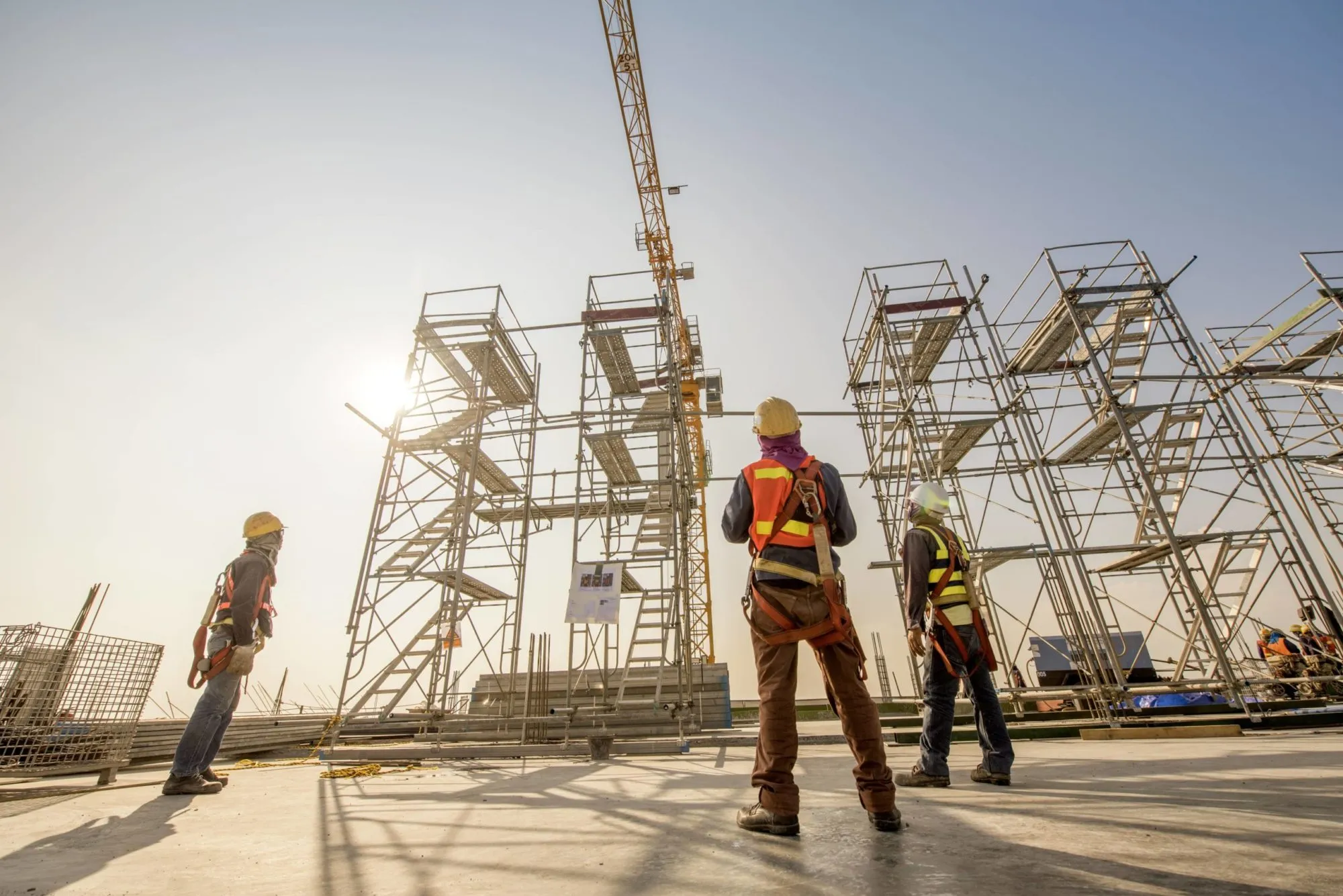
The Role of Leadership in Infrastructure Delivery
Strong leadership is essential for guiding teams through the challenges of large-scale infrastructure projects. Leaders set the tone for organizational culture and ensure that teams remain aligned with the company’s vision and values.
Effective leadership in infrastructure projects focuses on:
- Clear communication of project goals
- Promote creativity and problem-solving
- Ensure the implementation of high safety and quality standards
- Focus on employees’ wellbeing
- Foster an environment where teams take ownership of their tasks
In situations where leaders actively work at building trust and enhancing cooperation, team members usually raise their performance to a higher level, and the execution of infrastructure projects speeds up.
Culture as a Competitive Advantage
In today’s infrastructure sector, companies are not only evaluated by their technical capabilities but also by how effectively they manage people and culture.
Organizations with a strong culture often demonstrate:
- Higher employee engagement
- Better safety performance
- Improved project efficiency
- Lower operational risks
- Greater innovation and adaptability
Such elements, among others, unquestionably go a long way to assisting the development of modern power infrastructure systems that support the enjoyable experience of reliable electric power distribution.
At Hartek Group, the focus on people-first values has helped build a motivated workforce capable of executing complex infrastructure projects across the power sector.
Supporting the Renewable Energy Transition
India’s shift toward clean energy is transforming the power ecosystem. Solar parks, wind farms, and hybrid projects are becoming increasingly common as the country adopts a more sustainable renewable energy model.
However, integrating renewable energy into the grid requires advanced infrastructure and highly skilled professionals who can manage new technologies and operational challenges.
The critical areas of focus are:
- Smart grid management systems
- Digital monitoring and automation
- Flexible grid infrastructure
- Efficient transmission networks
The design, installation, operation, and maintenance of the grid and auxiliary equipment, without which the system would not function, are dependent on the people.
Therefore, a highly skilled workforce and a collaborative culture are two of the most important requisites for the dual-energy system facility.
Strengthening India’s Power Infrastructure for the Future
India’s electricity demand is expected to grow significantly in the coming decades due to:
- Rapid urbanisation
- Developing industrial sectors
- Electric mobility penetration
- Digital infrastructure growth
- Renewable energy capacity increase
To meet these demands, the country must continue strengthening its power infrastructure, improving the transmission and distribution of electrical power, and modernising grid systems.
Infrastructure companies that prioritise both technology and human capital will be best positioned to deliver reliable and future-ready energy solutions.
At Hartek Group, the commitment to strong workplace culture, employee engagement, and continuous skill development enables teams to execute large-scale infrastructure projects that contribute to India’s energy transformation.

Key Takeaways
- Strong power infrastructure is essential for meeting India’s growing energy demand.
- Successful infrastructure projects depend on skilled teams and a collaborative workplace culture.
- Safety-focused environments improve efficiency and reliability in the transmission and distribution of electrical power.
- Continuous workforce training supports technological advancements in electric power distribution.
- A strong people-first culture helps organizations deliver projects that support India’s evolving renewable energy model.
Frequently Asked Questions (FAQs)
1. Why are people important in infrastructure projects?
Infrastructure projects involve multiple technical and operational processes. Skilled professionals ensure that engineering, safety, and project management activities are executed efficiently.
2. What role does culture play in infrastructure delivery?
A positive organizational culture encourages collaboration, innovation, and safety compliance, which are critical for successfully completing large-scale projects.
3. How does workforce training benefit the power sector?
Training helps employees adapt to new technologies, improves project efficiency, and supports modern systems used in electric power distribution.
4. Why is infrastructure important for renewable energy integration?
A strong power infrastructure allows renewable sources such as solar and wind to connect to the grid efficiently, enabling the adoption of a sustainable renewable energy model.
5. How do infrastructure companies ensure reliable power delivery?
They combine advanced engineering solutions, modern grid technologies, and skilled workforce management to strengthen the transmission and distribution of electrical power across the network.
Share:


