
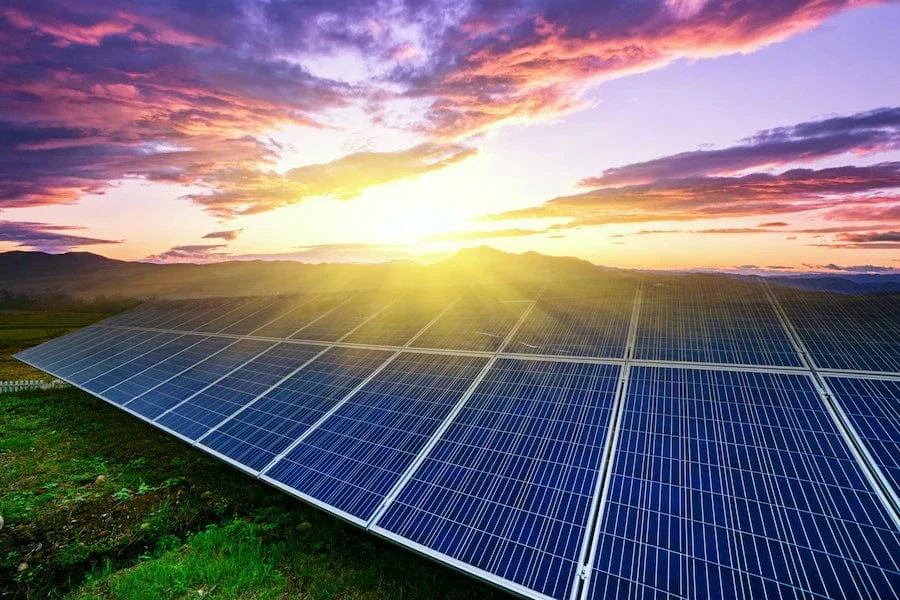
In 2026, clean energy development in India has reached a critical crossroads. The combination of ambitious national targets, rapid technological advancements, and increased corporate participation has pushed clean energy companies to redefine their role in the energy sector. They are no longer just power producers but have evolved into innovation drivers and ecosystem developers. As organisations, industries, and governments increasingly demand clean power, the gap between average players and the leading renewable energy companies in India has become more visible than ever before.
Hartek leads the way in renewable energy solutions that not only produce power but also develop infrastructure, empower industries, and are important constituents of the sustainability agendas of various states in India. The capacity numbers by themselves are not a real indicator of leaders in 2026, but rather their overall understanding of technology, its implementation, and their ability to generate value over time.
“Did You Know? India is among the world’s top three countries in renewable energy capacity additions, and by 2026, over 50% of new power installations are coming from renewable energy sources.(Source)”
Key Takeaways
- In 2026, the characteristics of renewable energy companies are integration, innovation, and excellent execution.
- Technology, digitalisation, and a diversified renewable energy portfolio are among the major differentiators.
- The top renewable energy companies in India focus on sustainability, partnerships, and skilled talent.
- Engineering, financial viability, and regulatory know-how are some of the keys to successful large-scale renewable energy projects.
- The companies that are ready for the future are already committing resources to development areas such as storage, green hydrogen, and smart energy systems.
So, what truly sets leading renewable energy companies apart in 2026? Let’s explore.
Solid Emphasis on Integrated Renewable Energy Solutions
The most successful renewable energy companies in 2026 are no longer limited to a single service or technology. Instead, they offer end-to-end renewable energy solutions, covering:
- Solar and wind power generation.
- EPC services (Engineering, Procurement, and Construction).
- Grid integration and substations.
- Operations and maintenance (O&M).
- Energy storage systems.
This combination of services not only gives them control over the project but also makes them faster in the project execution thus keeping the going and coming of the construction quite smooth over time – very critical factors when doing large-scale renewable energy projects.
Advanced Technology Adoption and Digitalisation
Among top renewable energy companies in India technology is a big differentiator now. The industry leaders are making big investments in:
- AI-powered energy forecasting.
- Solar and wind power plant digital twin models.
- Smart SCADA and advanced monitoring systems.
- Failure prevention through data-driven predictive maintenance.
They have been able to enhance the running times of the solar, wind, and hybrid plants thus significantly impressing their customers by employing very clever digital tools such as analytics, machine learning, and IoT huge data mat.
Deep Knowledge in a Range of Renewable Energy Sources
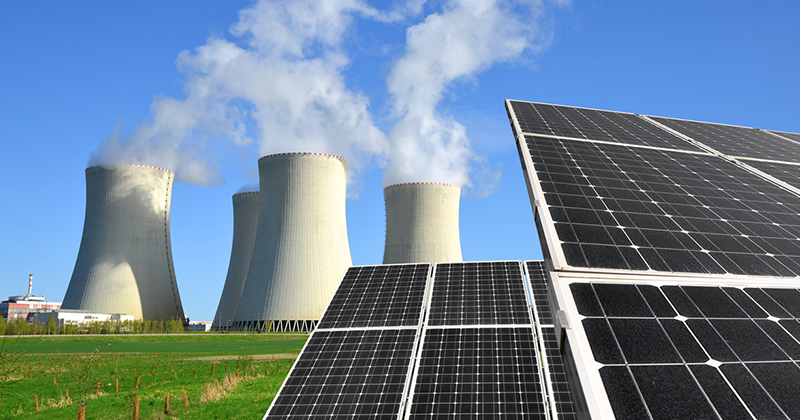
The year 2026 is all about diversification. So the leading companies are not just concentrated on one renewable energy source for their business with the adoption of a “multi-disciplinary” mindset, they explore different sources and build the necessary expertise in all of them:
- Solar power (utility-scale and rooftop).
- Wind energy.
- Hybrid renewable systems.
- Energy storage and green hydrogen integration.
This flexibility allows them to design resilient energy solutions that perform consistently despite seasonal or climatic variations, something clients increasingly demand.
Demonstrated Mastery in Large Renewable Energy Projects
It is really capability at the point of the execution that distinguishes the leaders from the followers.
Some of the things that high-performing solar and wind power companies accomplish regularly are:
- Utility-scale solar and wind farms.
- High-voltage substations and transmission infrastructure.
- Large-scale industrial and commercial renewable installations.
They are very good at managing projects, adhering to regulations, observing safety, and delivering on time. In 2026, clients will only go for companies which have a track record of successfully handling tough renewable energy projects under difficult conditions.
Commitment to Sustainability Beyond Power Generation
While all renewable energy companies talk about sustainability, leaders live it.
Leaders can be separated from the rest by their:
- Efforts of reducing carbon footprint throughout operations.
- Responsible sourcing and supply chains.
- Community development near project sites.
- Compliance with Environmental, Social, and Governance (ESG).
The 2026 concept of sustainability goes beyond clean energy generation, it is about environmentally and socially making long-term value.
Strong Financial and Strategic Partnerships
The renewable energy sector is capital-intensive to a very high degree. The main players wind up standing out because of their knack for constructing:
- Long-term relationships with investors and lenders.
- Strategic partnerships with global technology providers.
- Alliances with government and public-sector bodies.
Through these partnerships the companies are able to expand very quickly, get the newest technologies on the block, and manage risks better, factors that are very crucial in a market like India which is so dynamic.
Skilled Workforce and Engineering Excellence
Every successful renewable energy company backs it with a strong team.
The leaders have made huge investments in these areas:
- Continuous skill development.
- Safety training and certifications.
- Cross-functional engineering expertise.
Well-trained employees mean that the renewable energy projects will be done in the most productive, safest way possible, and they will meet quality standards recognised internationally.
Customer-Centric and Customised Energy Solutions
The old way of one-size-fits-all approach just does not work anymore.
Leading renewable energy companies develop tailored solutions based on:
- Client energy use patterns.
- Site-specific permittivity.
- Regulatory requirements.
- Long-term sustainability goals.
As a result of this consulting method, the company can maintain trust and long-term cooperation with the industrial and commercial clients for whom a reliable renewable energy source is the priority.
Flexibility in Response to Policy and Regulatory Changes
The renewable energy situation in India continues to evolve at a very rapid pace, as not only policies are being modified, but regulations are also being changed quite often.
This is the reason why the leading renewable energy firms in India:
- Be proactive in terms of the government policies.
- Enhance proper grid and safety compliance.
- Leverage incentives and emerging market opportunities.
Their ability to be adaptable has provided them with a competitive edge in 2026 in the rapidly evolving world.
Vision for the Future of Clean Energy
In the end, what really distinguishes the leaders is their far-reaching vision.
What is happening now is that the companies that have the biggest positive impact with their renewable energy work are the ones who are preparing for:
- Large-scale energy storage.
- Green hydrogen ecosystems.
- Smart grids and decentralised power systems.
- Net-zero and carbon-neutral infrastructure.
They don’t just respond to today’s needs, they shape the future of renewable energy in India.
Shaping India’s Energy Future
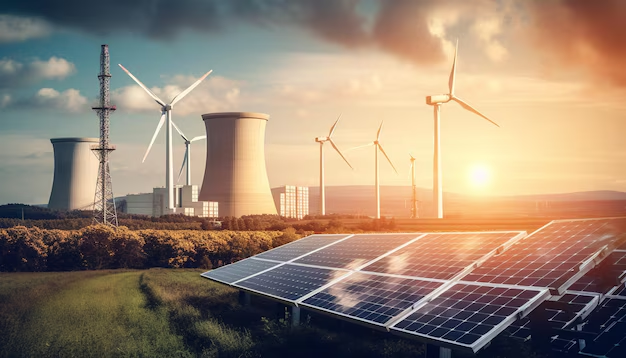
India is rapidly moving towards a cleaner and more sustainable energy future, and the role of renewable energy companies that think ahead is becoming more and more critical. In 2026, leadership will not be just about capacity but also about innovation, reliability, and impact. Those companies that bring together flawless engineering, cutting-edge technology, and a highly developed sustainability vision will be the ones to keep leading the energy sector.
Hartek Group recognizes its role in India’s clean energy transition and is committed to delivering high-quality, future-ready energy solutions that support sustainable growth for industries and communities.
Frequently Asked Questions (FAQs)
1. What makes leading renewable energy companies different in 2026?
Leading companies distinguish themselves through integrated solutions, technology leadership, strong execution capability, and sustainability-oriented long-term vision.
2. Why are renewable energy sources important for India’s future?
Renewable energy sources reduce dependence on fossil fuels, lower carbon emissions, enhance energy security, and support India’s climate commitments.
3. Which are considered the top renewable energy companies in India?
The leading companies are the ones who have successfully handled even the most complex projects, have diversified portfolios, are financially sound, and are committed to continuous innovation and sustainability.
4. How do renewable energy projects benefit industries?
The green energy initiatives undertaken by industries among other benefits help them to improve their cost competitiveness by significantly cutting down their energy expense, attain the set sustainability goals, be in line with the ESG regulations, and power their operations in the long run.
5. What role will technology play in renewable energy in the coming years?
In the next few years technology will ramp up efficiency through AI, automation, smart grids, energy storage, and advanced monitoring systems, making renewable energy more reliable and scalable.
Share:


