
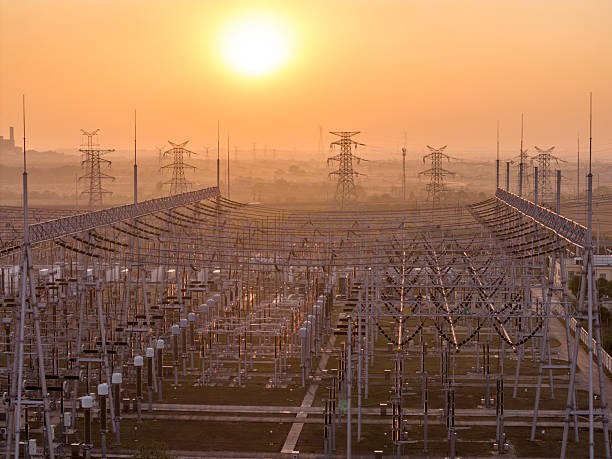
India is adding solar and wind capacity faster than it’s adding the wires to carry that power. Electricity made in sun-rich and wind-rich regions has to pass through state networks before it reaches factories, homes, and cities, and that’s where things get stuck. This is why India power grid strengthening is now a national priority rather than just a utility problem. The PM-DHARA scheme, cleared by the Union Cabinet, goes after the gap by combining new state-level transmission with large-scale battery storage.
Did You Know? PM-DHARA aims to evacuate up to 135 GW of renewable energy and deploy 50 GWh of battery storage. The total outlay is Rs 1,86,405 crore, and the target date is FY 2032-33.
What Is the PM-DHARA Scheme?
PM-DHARA stands for PM-Developing Harmonized and Accelerated Renewable-energy Access. The scheme has two linked parts:
- Rs 1,36,378 crore for building out the Intra-State Transmission System (InSTS) under Green Energy Corridor Phase III (GEC-III)
- Rs 50,000 crore for installing 50 GWh of Battery Energy Storage Systems (BESS)
On top of this, Central Financial Support of Rs 54,082 crore will offset intra-state transmission charges, which should help keep consumer power costs down. State Transmission Utilities will lead implementation. Transmission Service Providers can come in through Tariff Based Competitive Bidding (TBCB) under a Build-Own-Operate-Maintain (BOOM) model.
Why India Power Grid Strengthening Is a National Priority
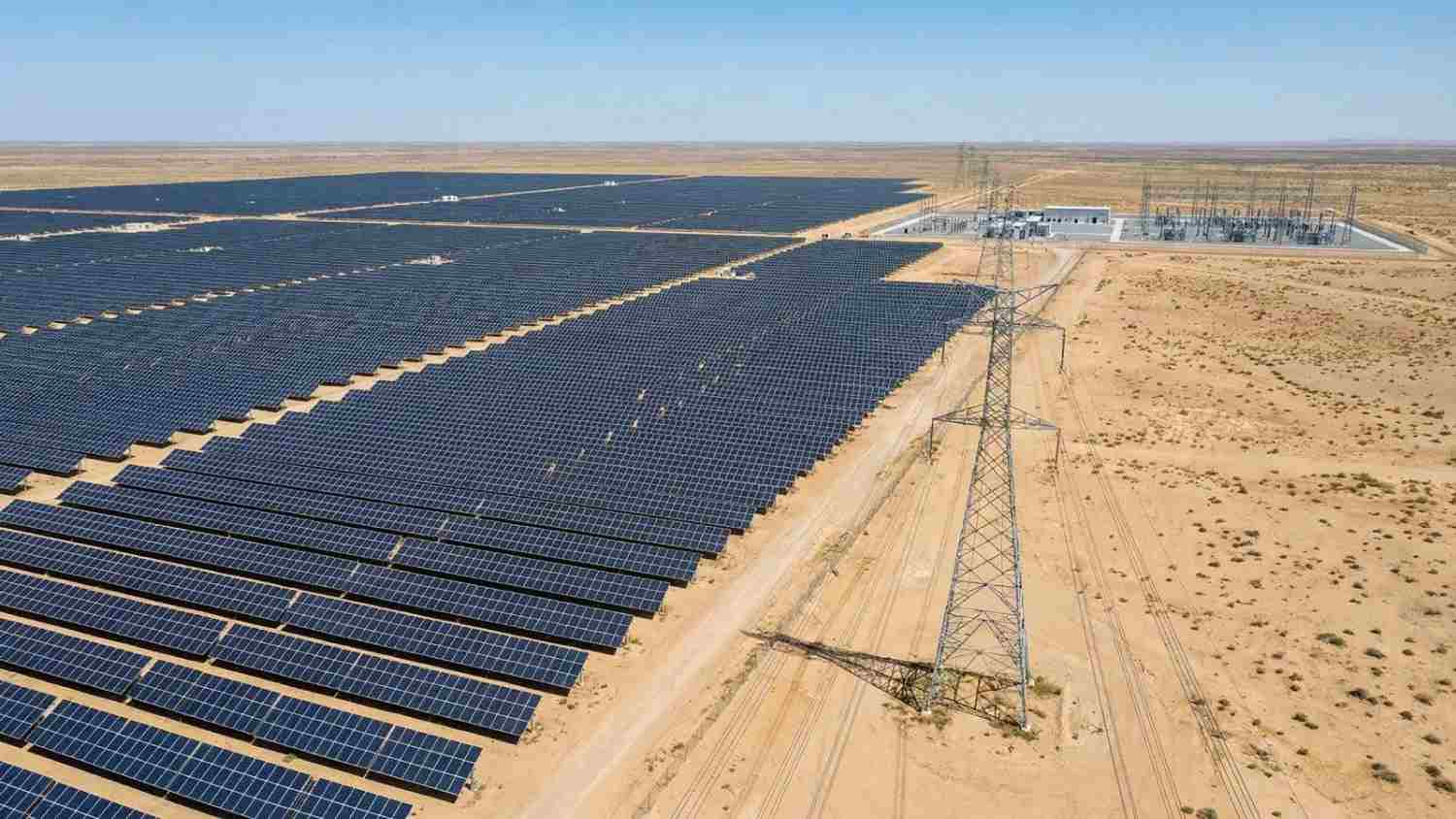
Some of the country’s best renewable resources, like the deserts of Rajasthan and Ladakh, sit a long way from the biggest demand centers. Sunshine and wind also don’t care when people need power. Solar peaks around noon, but household demand tends to jump after dark.
Without a stronger network, the country could face:
- Congested lines that can’t handle output from new plants
- Curtailment, where clean power goes to waste at peak generation
- Voltage and frequency swings as variable generation grows
- Finished renewable projects waiting for a grid connection
Today’s grid does more than deliver electricity. It decides how much of the clean energy being built actually gets used.
How PM-DHARA Intra-State Transmission Expands Evacuation Capacity
Most renewable plants connect to the state network first, not the national one. When state-level lines and substations are weak, power gets stranded even if inter-state corridors have room to spare. PM-DHARA intra-state transmission is aimed squarely at that bottleneck.
The scheme builds on earlier Green Energy Corridor phases and concentrates on state networks across States and Union Territories. The goal is enough evacuation capacity for up to 135 GW of renewable energy. Coverage of the Cabinet decision also mentions upgrades to grid infrastructure and load dispatch centers, which help operators match supply with demand more accurately.
Greenfield lines will be awarded through competitive bidding. That brings in private capital and faster delivery, while the bidding pressure helps keep tariffs reasonable.
PM-DHARA Battery Energy Storage: Adding Flexibility to the Grid
Lines move power, but they can’t hold onto it. That’s the job of PM-DHARA battery energy storage. The scheme plans 50 GWh of BESS at generator ends and other spots that matter for grid flexibility.
Here’s what storage does for the grid:
- Shifting energy: Extra solar or wind power is saved and released when demand climbs
- Peak shaving: Stored electricity takes the pressure off during high-demand hours
- Frequency support: Batteries react in moments when supply suddenly changes
- Less curtailment: Surplus generation gets captured instead of wasted
Putting storage close to generation also eases congestion on lines at peak output. Put simply, batteries make every kilometer of new line work harder.
Green Energy Corridors and Storage Working Together
Transmission and storage solve different problems, and neither does its best work alone. A new corridor with no storage still deals with midday surges and evening shortfalls. Storage with weak evacuation lines can leave charged batteries with nowhere to send their power.
Together, these power transmission and storage schemes India has launched under one umbrella give the system better balance. Corridors widen the road for renewable power, and batteries smooth out how it arrives. The grid can then take in more variable generation with fewer disruptions.
Benefits Across the Power Ecosystem
If PM-DHARA gets delivered in full, several groups stand to benefit:
- States: More seamlessly integrated grids that position clean energy at the core of where customers live.
- Developers: Added assurance that completed plants will actually be able to push their electricity out.
- Industry: A more reliable supply of power for factories, data centers, and other digital infrastructure.
- Consumers: Some amount of relief on bills as the transmission charges will be partially reimbursed.
- Climate goals: More of the clean power being generated gets used, so fossil fuel backup is needed less often
Challenges That Need Careful Planning
A scheme this big will test how well it’s executed. Right-of-way approvals, land acquisition, and coordination between state utilities can all slow things down. The FY 2032-33 target also means projects must be sequenced carefully, so transmission and storage arrive in step with new renewable capacity.
Supply chains matter too. Rolling out 50 GWh of batteries takes dependable procurement, safe installation, and a solid long-term operations plan. Delivering PM-DHARA intra-state transmission projects well will also depend on standard designs, quality checks, and skilled engineering teams in every state.
Then there’s cybersecurity. As networks get smarter, protecting grid data and control systems becomes part of resilience planning.
Key Takeaways
- PM-DHARA sets aside Rs 1,86,405 crore to build the grid needed to carry up to 135 GW of clean power across India
- GEC-III transmission upgrades and 50 GWh of battery storage work together for a flexible grid.
- Rs 54,082 crore in central support will offset transmission charges, helping keep electricity costs down.
- Competitive bidding under the BOOM model should help new state transmission projects reach completion faster.
- Experienced EPC companies with solid substation expertise will be key to delivering projects on time.
How Experienced EPC Partners Strengthen India’s Power Grid
Policy only works when engineering teams turn it into real infrastructure. Hartek Group’s Power Systems business ranks among India’s top three EPC companies in high and extra-high voltage substations, backed by more than three decades of experience. The team has completed 400+ EHV and HV substation and turnkey projects across 21+ states and can work at voltages up to 765 kV. It has also connected over 10 GW of solar capacity to the grid.
Our client list includes utilities like PGCIL and PSTCL, and its portfolio features a 765 kV project in Andhra Pradesh. Hartek Group covers the full chain, from design and consultancy to equipment supply, construction, testing, and commissioning. That end-to-end capability is what large India power grid strengthening programs call for, since substations and evacuation infrastructure sit at the heart of every renewable project.
Powering the Next Phase of Clean Energy!
PM-DHARA shows where the power sector is heading. Renewable capacity only helps when strong networks and storage are there to carry it. With 135 GW of evacuation capacity and 50 GWh of batteries on the table, the next few years will be busy for substations, transmission lines, and storage integration. How fast India turns clean energy potential into dependable power will depend on steady India power grid strengthening.
At Hartek Group, we bring over three decades of EPC experience, 400+ EHV and HV substation projects, and more than 10 GW of solar connected to the grid. We are proud to help build the infrastructure that keeps India’s power flowing, from design and engineering to construction and commissioning.
FAQs
- What does PM-DHARA stand for?
PM-DHARA stands for PM-Developing Harmonized and Accelerated Renewable-energy Access. It is a scheme designed to strengthen state transmission networks and add battery storage so more renewable power can reach consumers.
- What is the total outlay of the scheme?
Total outlay is Rs 1,86,405 crore. Of this, Rs 1,36,378 crore goes to intra-state transmission under GEC-III, while Rs 50,000 crore is set aside for 50 GWh of battery storage.
- How does PM-DHARA battery energy storage help the grid?
Batteries store surplus solar and wind power and release it when demand peaks. This reduces curtailment, supports frequency stability, and eases congestion on transmission lines, making the grid more flexible.
- Who will implement the scheme?
State Transmission Utilities will act as the overall implementing agency. Selected Transmission Service Providers will join through competitive bidding, building, owning, operating, and maintaining greenfield projects under the BOOM model.
- When is the scheme expected to be completed?
The scheme is targeted for implementation by FY 2032-33. Reaching that goal will demand careful, coordinated sequencing so transmission lines and storage systems come online together with new renewable capacity.
Share:


