
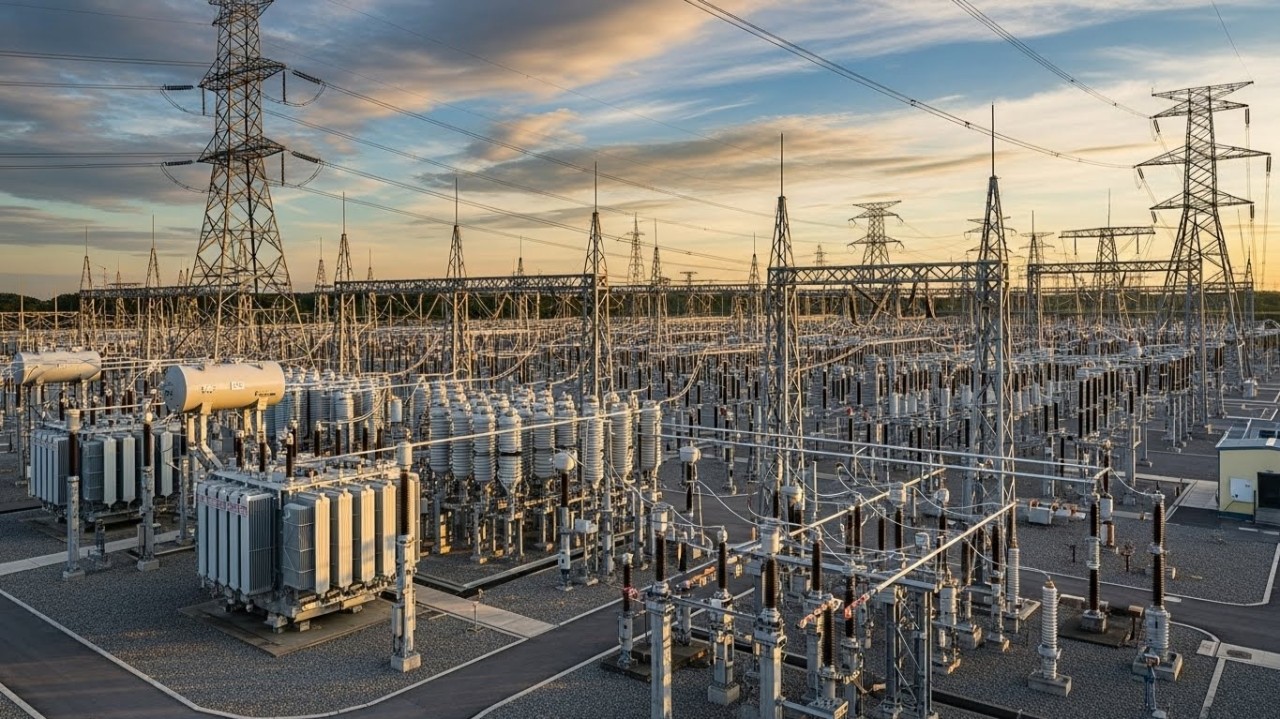
India’s rapid economic growth, expanding cities, and accelerating industrial development are placing unprecedented pressure on the country’s power grid infrastructure. As the nation advances toward its clean energy ambitions and large-scale industrial corridors, the need for a stronger, smarter, and more resilient grid has never been greater.
While power generation often receives the spotlight, we at Hartek Group believe substations are the true backbone of India’s energy ecosystem. They ensure that electricity flows safely, efficiently, and reliably from generation sources to end consumers, enabling stable electric power distribution across the country.
“Did you know? India has set a target to achieve 500 GW of non-fossil fuel-based energy capacity by 2030, which will significantly increase the demand for grid upgrades and substation infrastructure. (Source)”
Why Substations Matter More Than Ever
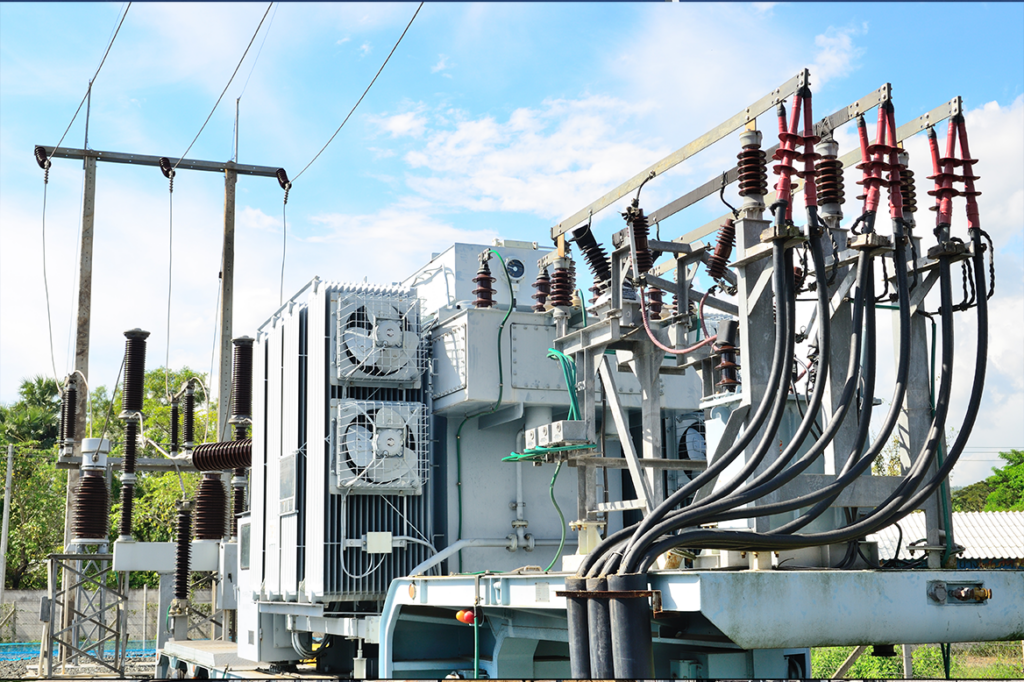
Substations are critical nodes in the power grid. They step up voltage for long-distance transmission and step it down for safe use in homes, industries, and commercial facilities. Beyond voltage transformation, modern substations regulate frequency, manage power flow, and protect the grid from faults.
With India targeting 500 GW of non-fossil fuel capacity by 2030, the demand for grid upgrades and substation infrastructure is rising sharply. Without robust substation networks:
- Renewable energy curtailment increases
- Transmission bottlenecks become common
- Grid instability risks grow
- Distribution losses rise
A strong power grid infrastructure depends on modern, well-engineered substations that can support large-scale clean energy integration.
Enabling Renewable Energy Integration
India’s clean energy transition is transforming the grid landscape. Events like the Renewable Energy India Expo reflect the country’s strong push toward innovation in renewable technologies and smart grid solutions.
However, the success of solar parks, wind farms, and hybrid projects depends on grid-ready substations. Variable generation from solar and wind requires intelligent systems that can manage fluctuations and maintain balance.
Modern substations support Renewable Energy systems by:
- Managing reactive power and load balancing
- Enabling seamless grid synchronisation
- Integrating digital monitoring and automation
- Strengthening protection and fault detection systems
- Supporting smart grids and remote operations
Advanced technologies such as SCADA, real-time monitoring, and automation-driven control systems allow faster response to disturbances, improving overall grid resilience.
The Complexity Behind Substation Projects
Substation development goes far beyond physical construction. It is a highly integrated process that demands:
- Detailed engineering and system studies
- Advanced protection and control systems
- Strict safety and regulatory compliance
- Precise installation of high-voltage equipment (33kV to 765kV and above)
- Seamless SCADA integration and relay testing
- Efficient procurement and vendor coordination
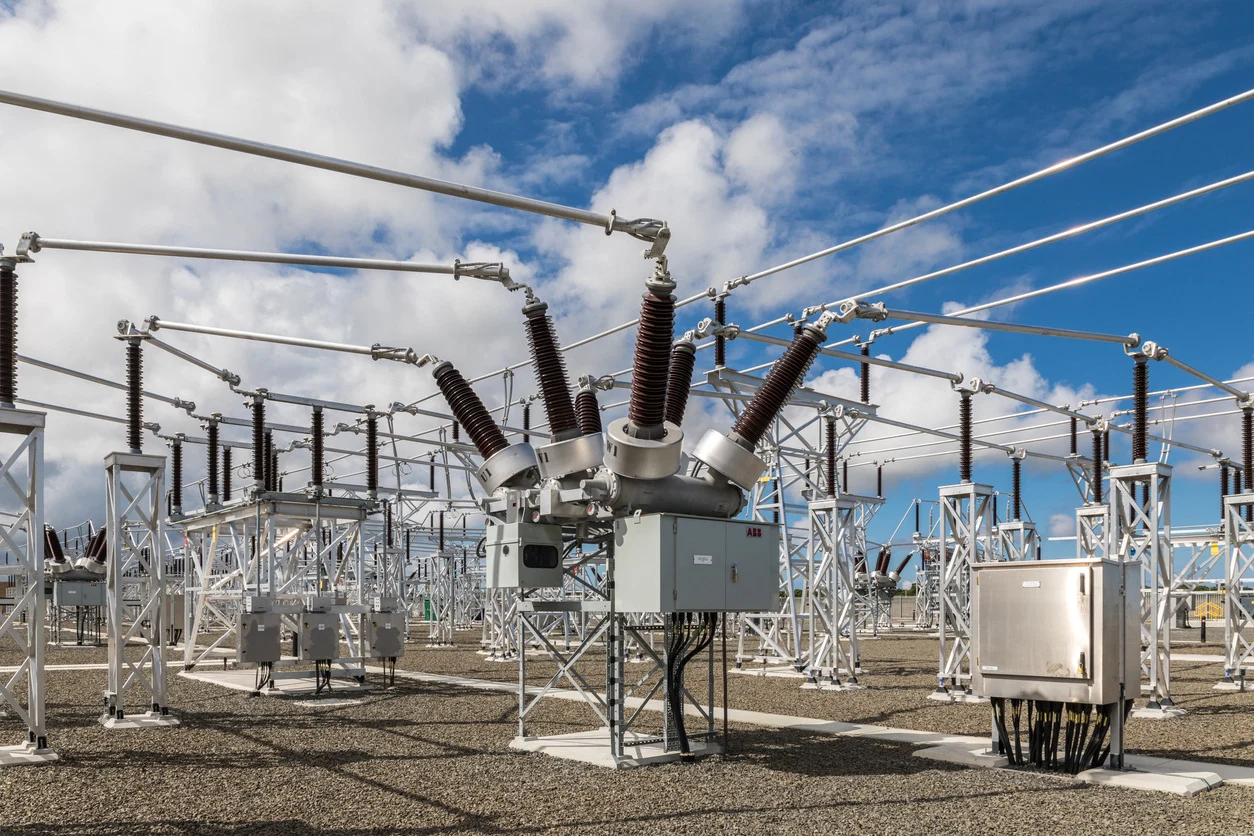
Today’s projects include GIS (Gas Insulated Substations), AIS (Air Insulated Substations), hybrid configurations, and digital substations. Each requires technical expertise, real-time project management, and flawless coordination across teams.
The Human Factor Behind Grid Reliability
Reliable electric power distribution is not built by technology alone. It is driven by skilled professionals who prioritise safety, quality, and precision at every stage.
At Hartek Group, we strongly believe that a people-first culture directly strengthens project outcomes. Our consistent recognition as a Great Place To Work for seven consecutive years reflects our commitment to employee engagement, safety standards, and collaborative execution.
When teams are empowered, safety-trained, and aligned with a shared purpose, substation projects achieve operational excellence. From design and engineering to commissioning, workforce excellence plays a defining role in strengthening India’s power grid infrastructure.
Preparing India’s Grid for the Future
India’s power demand will continue to grow, driven by:
- Rapid urbanisation
- Industrial expansion
- Transport electrification
- Digital infrastructure growth
- Accelerated renewable energy adoption
To meet these demands, the country requires modern substations that enhance reliability, reduce transmission and distribution losses, and support large-scale renewable integration.
Our Commitment to Grid Transformation
At Hartek Group, we are proud to contribute to India’s evolving power grid infrastructure through advanced substation solutions and strong execution capabilities. Our focus on precision engineering, strict safety standards, digital innovation, and workforce engagement enables us to deliver projects that strengthen the nation’s energy backbone.
Key Takeaways
- Substations are the foundation of India’s power grid infrastructure.
- Reliable electric power distribution depends on well-designed and efficiently executed substation projects.
- Renewable Energy systems require modern substations for seamless integration.
- Digital automation, smart monitoring, and protection systems enhance grid stability.
- Skilled workforce engagement ensures safety, quality, and timely delivery.
India’s energy future depends not just on generating more power – but on building the strong grid infrastructure that carries it forward.
Frequently Asked Questions (FAQs)
1. What is power grid infrastructure?
Power grid infrastructure is the network that transmits and distributes electricity from generation sources to consumers safely and efficiently.
2. Why are substations important in electric power distribution?
Substations regulate voltage, control power flow, and protect the grid, ensuring stable and reliable electric power distribution.
3. How do substations support Renewable Energy systems?
They help integrate solar and wind power by balancing load, managing fluctuations, and maintaining grid stability.
4. Why is grid modernisation important for India?
It strengthens power grid infrastructure, reduces losses, and supports growing renewable energy capacity.
5. What technologies improve modern substation performance?
Digital automation, SCADA systems, and advanced protection equipment enhance reliability and grid resilience.
Share:


