
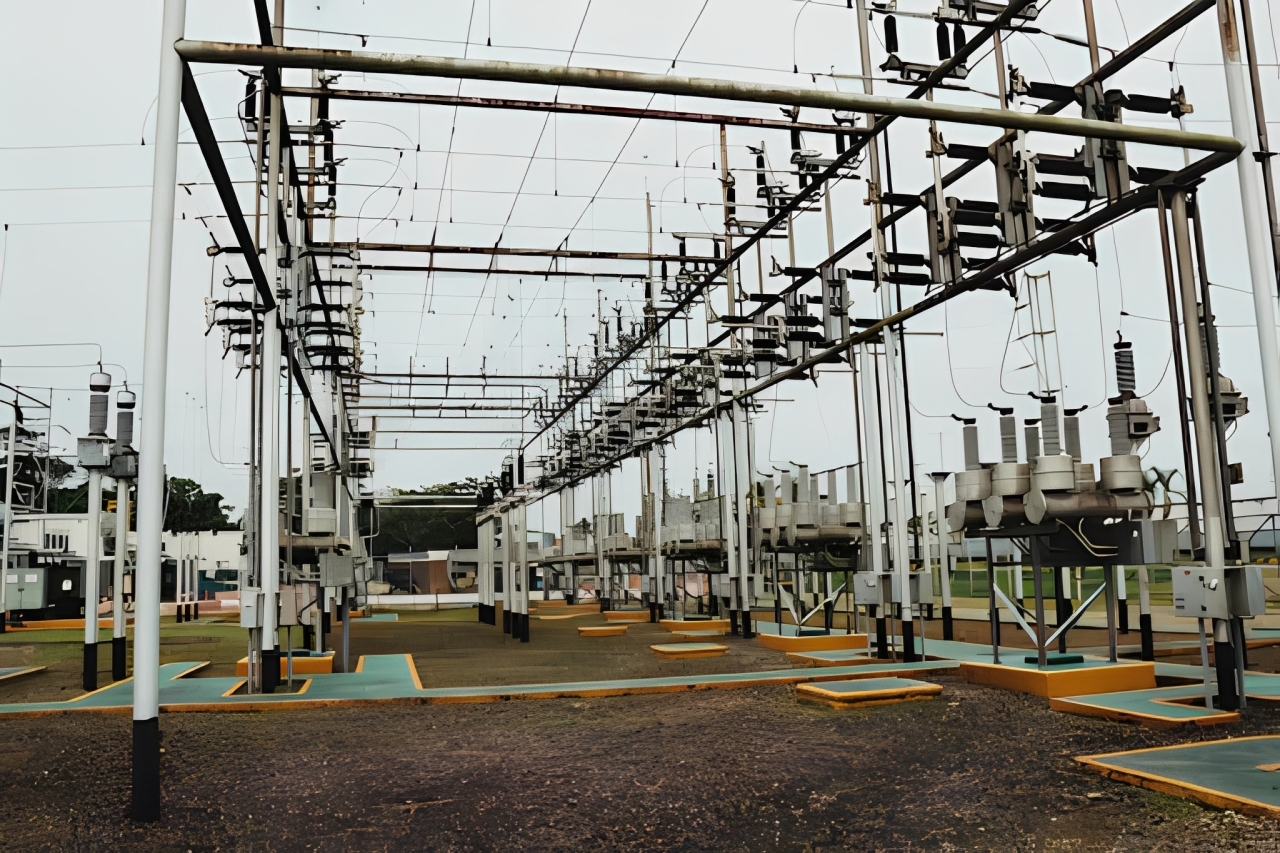
India’s rapid economic growth, expanding industries, and clean energy ambitions demand infrastructure built for the future, not just today’s needs. Power Infrastructure has become the backbone of national development, enabling reliable electricity, supporting industrial growth, and strengthening energy security in India. Building resilient systems today is essential to ensure sustainable progress and long-term economic stability.
The coming years demand nothing but robust infrastructure that will be capable, for both the present period and a long period after that, of meeting all the energy requirements in a way that does not negatively impact the climate. By enhancing grid resilience, we will be able to integrate renewables more effectively while at the same time, meeting India’s Nationally Determined Contribution (NDC) targets. This would allow India to transition towards a more sustainable system of production through long-term planning rather than a series of short-term patches.
Strong Systems Create Strong Nations
History has shown that nations thrive when they invest in systems built to last. Roads, railways, telecommunications, and energy networks become catalysts for long-term development only when they are designed with future demands in mind. The same principle applies to grid infrastructure.
Traditional infrastructure planning often focused on expanding capacity as demand increased. While expansion remains important, today’s energy landscape requires something more sophisticated. Modern energy systems must be flexible enough to integrate renewable energy, intelligent enough to respond to disruptions, and robust enough to withstand environmental and operational challenges.
This is where grid resilience becomes a strategic priority. Rather than simply restoring electricity after disruptions, resilient systems anticipate risks, minimize failures, and recover quickly while maintaining service continuity. Designing resilience into infrastructure from the outset reduces long-term operational costs, improves reliability, and protects national productivity.
Building resilient systems also strengthens energy security in India. Reliable electricity is the backbone of manufacturing, healthcare, transportation, digital services, and national defence. As electricity becomes central to every sector of the economy, resilient infrastructure becomes essential to protecting national interests.
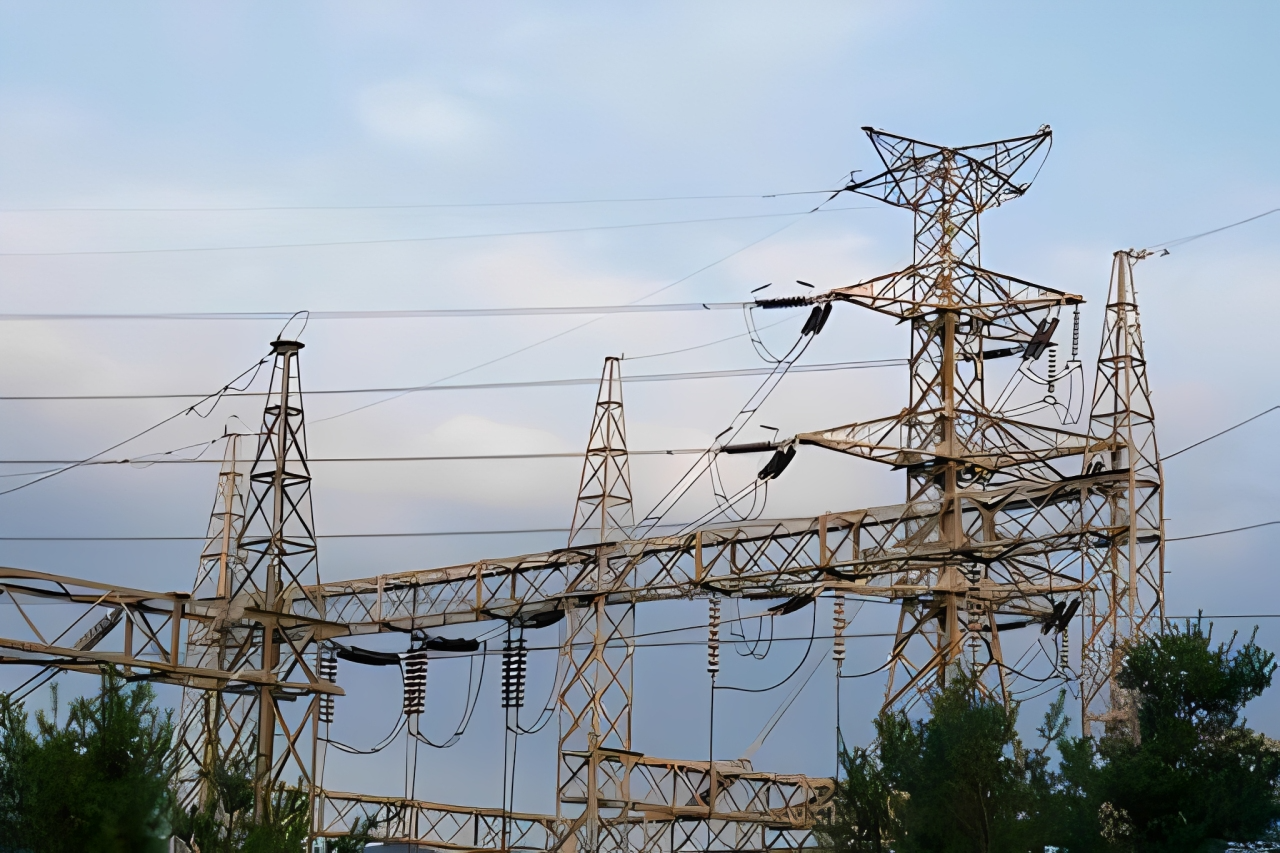
Designing for the Next Three Decades, Not the Next Three Years
Infrastructure decisions made today will shape India’s energy landscape for generations. Transmission corridors, substations, digital control systems, and renewable integration projects are long-term investments expected to operate for decades.
Thinking and acting ahead when designing energy infrastructure is the real key. Reactive approach to planning does not take into consideration the changes that the future may be bringing along.
Thus, today’s infrastructure leaders should not focus only on immediate electricity deficits, but also they should prepare for future electricity demand, climate risks, technological progress, and changing patterns of consumption, etc.
As India is expanding the usage of electric vehicular transport, data centers, green hydrogen, and distributed energy production, power grids themselves will experience a radical change in their nature. Infrastructure built only according to current needs is likely to become obsolete much earlier than planned.
Infrastructure built with future considerations, such as scalability, digital intelligence, automation, and flexibility, will be future-ready. This approach enables utilities to adapt to evolving needs while minimizing costly and unnecessary upgrades. Gas Insulated Substations (GIS) are also becoming an essential part of future-ready infrastructure, particularly in densely populated urban areas where space is limited. Their compact design, high reliability, and lower maintenance requirements make them well-suited for supporting growing electricity demand while enhancing grid resilience and long-term operational efficiency.
This long-term mindset also directly supports India’s Nationally Determined Contribution by enabling greater renewable energy integration, improving energy efficiency, and reducing transmission losses. Infrastructure built with sustainability at its core creates lasting environmental and economic value.
Leadership Means Building Systems, Not Temporary Fixes
The real measure of being a successful infrastructure leader is not being able to solve the problems at hand quickly but in ensuring that future problems never become ones.
Admittedly, short-term fixes may quickly make operations resume, but rarely do they address the underlying issues related to network performance.
Progress of the society is ensured by investments into good planning, strong engineering standards, clever technologies, and asset management.
The transformation in the leadership approach in India’s power infrastructure has clearly reflected this change. Present day planners and engineers are more concerned with overall performance during the project lifespan. Moreover, they have come to the realization that even a little change in design specifications could result in a big difference in maintenance and operations in the long run.
Embedding grid resilience into every stage of planning creates infrastructure capable of adapting to uncertainty without compromising performance. Whether facing extreme weather events, rising electricity demand, or renewable energy variability, resilient systems continue to deliver reliable power with minimal disruption.
Equally important is strengthening energy security in India through diversified energy sources, intelligent transmission networks, and digitally connected infrastructure. Together, these investments create a power ecosystem capable of supporting economic growth while enhancing national resilience.
Why Power Infrastructure Is Becoming a Strategic National Asset
Our modern ways of life totally depend on continuous supply of electricity. Manufacturing sites, hospitals and healthcare departments, airports, financial centers, mass transport, communication, and computerized infrastructure are all operating based on this power supply.
As the share of electricity used in India’s economy is growing, electrical infrastructure is turning out to be the new key asset of the country’s economic strength. The quality of a grid system directly has a bearing on the levels of investment and production in the industry.
This is a huge development in fact, not only in the economy but also for climate change mitigation. For example, with the help of robust infrastructure, renewable energy integration and, therefore, the ability to move along the Nationally Determined Contribution path can be accelerated. Efficient transmission systems are the key to achieving reduced transmission losses, better utilization of the energy being supplied from renewable sources, and overall making the electricity supply process more sustainable.
At the same time, investments in grid resilience enhance the ability of power networks to withstand operational disruptions, making it possible to deliver the electricity reliably even during adverse conditions. When this is done in tandem with policies that promote energy security in India, we end up having the stability foundation necessary for long-term national growth.
Ultimately, nations are not defined by how quickly they build infrastructure, but by how well that infrastructure continues to perform over time. Designing systems that endure is what transforms infrastructure into lasting national strength.
Building Resilience Through Smarter Infrastructure
The development of resilient power infrastructure isn’t just about equipping facilities with stronger, better materials, you also need system solutions to deal with ever-changing and unpredictable changes. India’s increasingly complex energy scene will demand that the country’s infrastructure can, without losing reliability, accommodate an increase in the amount of variable renewable energy that will come into its generation mix.
Therefore, besides more advanced grid infrastructure, there is a growing need for digital substations, monitoring devices, predictive maintenance techniques, and Battery Energy Storage Systems (BESS) integration. BESS enables excess renewable energy to be stored and dispatched during periods of high demand or generation variability, improving grid stability and reducing the risk of disruptions. The combination of these technologies helps grids become more reliable, less prone to sudden interruptions, and faster to recover when disruptions occur.
They also increase the energy security of the country through the fact that critical sectors, such as public services, industry and households, remain in operation despite extreme events.
Aligning Infrastructure with India’s Energy Vision
The clean energy agenda of India is about more than simply adding renewable capacity. To arrive at a future of sustainability, one has to construct grid infrastructure that is suitable and well planned enough for the transmission of clean electricity throughout the country while also keeping the balance of the system.
This is the reason why the Nationally Determined Contribution of the country which is all about lowering emissions level, increasing the share of renewable energy and promoting energy efficiency, and modern transmission, smart grid technologies, along with resilient infrastructure is an absolute necessity for the accomplishment of these national goals.
If India continues to do capital outlay on short-term capacity instead of investing for the long-term period, the country’s energy system will be stuck in the past. By the way, this type of infrastructure will never be supportive of sustainable growth as the technology and climate factors continue to evolve.
Leading Infrastructure: A Mandate
Beyond the technical details, it is important to have the right kind of leadership and vision in the area of infrastructure to make decisions that have consequences for decades, not only at present. The construction of robust and durable systems that meet the needs of the country in the long-term can be achieved only when the key players such as planners and policymakers, industry, engineering firms, and technology providers unite in the interest of a national vision.
The best infrastructure projects are the ones that manage to strike a balance between efficiency and performance on one hand and resilience, sustainability, and adaptability on the other.
All future-oriented infrastructure investments should aim at making Power Infrastructure stronger, grid resilience better, and energy security in India more guaranteed for our grandchildren and great-grandchildren.
The Future of Energy
Strong nations are built on strong systems. As India accelerates its energy transition and economic growth, the focus must shift from short-term fixes to designing infrastructure that remains reliable, efficient, and future-ready. Investing in a resilient energy system is not simply an engineering decision, it is a strategic commitment to national progress.
By embracing innovation, strengthening grid resilience, and supporting the country’s Nationally Determined Contribution, India can create an electricity ecosystem capable of meeting tomorrow’s challenges with confidence.
Organizations with deep expertise in engineering, transmission, substations, and sustainable energy solutions will play a vital role in this transformation. Hartek Group continues to contribute to India’s evolving energy landscape by delivering advanced Power Infrastructure solutions that enhance reliability, enable clean energy integration, and help build a stronger, more resilient future.
Key Takeaways
- Designing resilience-oriented power infrastructure ensures long-term performance, efficiency, and robustness of the national system.
- A strong, resilient grid minimizes power interruptions, supports cleaner energy systems, and improves overall power quality.
- Future-oriented infrastructure development guarantees India a reliable and continuous energy supply, promoting both economic growth and sustainable development.
- A forward-thinking and modern electrical infrastructure is not only one of many important factors, but probably the most decisive one in ensuring that India’s NDC targets and clean energy goals are successfully met.
- Long-term planning and not short-term patching-up is the way to go for a resilient and adaptive power sector.
Frequently Asked Questions
1. Why is Power Infrastructure critical to national resilience?
Reliable Power Infrastructure ensures that essential manufacturing and services industries, as well as the overall economy, operate during and after natural or man-made disasters without electricity supply cuts.
2. What is grid resilience?
Grid resilience is the system’s capability of enduring, adapting to, and recovering rapidly from failures and disruptions while maintaining the quality of the electricity supply, i.e., not cutting out the supply too much, but rather minimizing and distributing the impacts.
3. In what ways does the Power Infrastructure assist in energy security in India?
It is precisely by way of the Power Infrastructure that a country like India can secure its energy supply, which means the country would not get stuck at the mercy of the supply chain at all, but it can still ensure that its industries and services run at the highest level.
4. What does India’s Nationally Determined Contribution (NDC) mean?
India’s NDC is a public declaration stating what the country will do at home in order to implement the global goal for the reduction of climate change emissions. This is part of the Paris Agreement.
5. Why should planning of the infrastructure be long-term in nature?
A long-term planning perspective of infrastructure enables not only reduced maintenance costs and operational expenses but also higher productivity levels, more energy resilience, and greater reliability from the supply side to match evolving consumer needs.
Share:


