
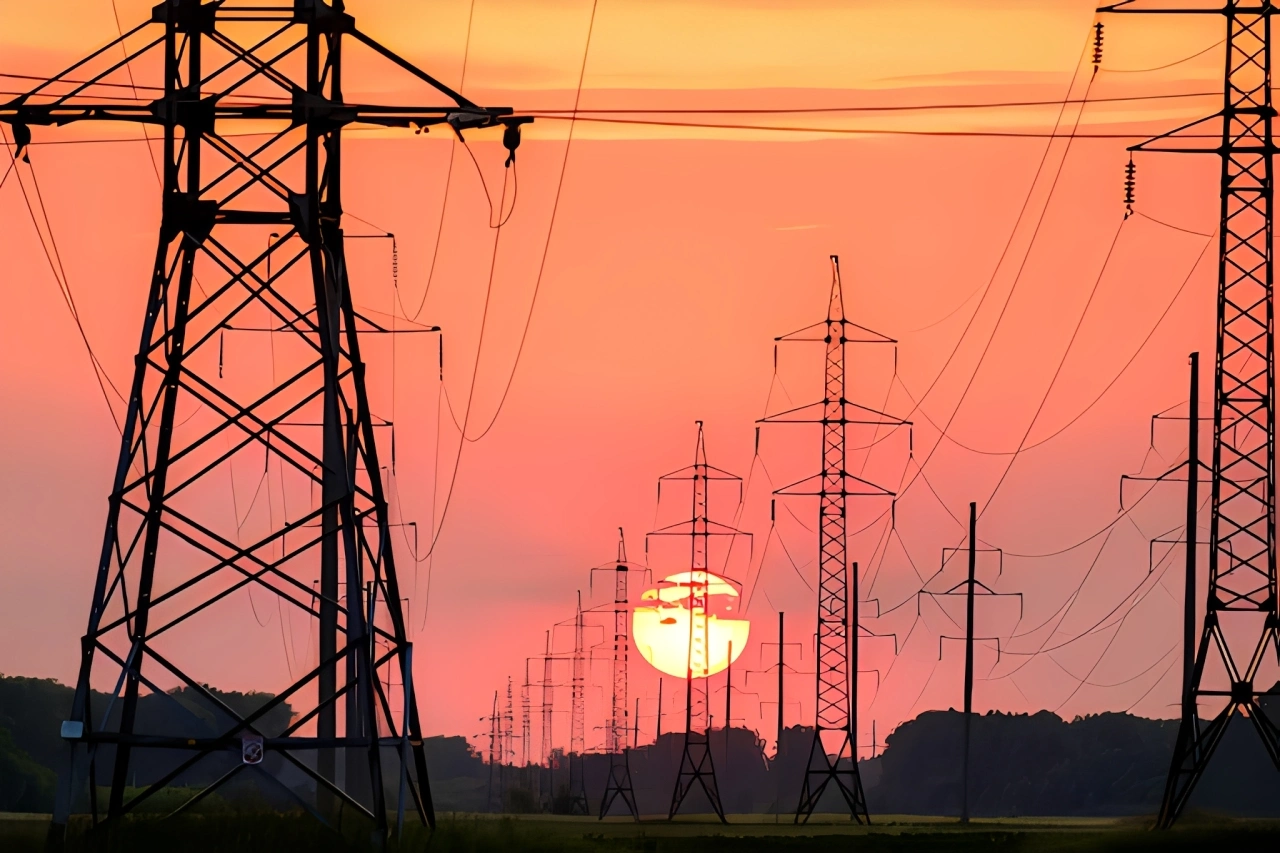
India is expanding its energy horizon at a remarkable speed. Growing urbanization, industrial expansion, digitalization, and ambitious renewable energy targets are taking the demand for electricity to record levels. Although most of the discussions revolve around increasing solar parks, wind turbines, and battery storage capacity, one important aspect often overlooked is the reliability of the electric power grid.
Grid resilience is now not only a technical goal for utilities but has become a strategic priority for a nation’s economic development as well as energy security. A resilient grid is one that delivers electrical power even in the presence of weather-related disruptions, cyber-attacks, equipment breakdown, or abrupt changes in demand. In the context of India’s ambition to become a global manufacturing and clean energy hub, an upgraded power grid is indispensable for providing an uninterrupted power supply in industries, commercial establishments, and homes.
Did You Know? India’s peak power demand crossed 270 GW in 2025, highlighting the need for a stronger and more resilient electricity network. To support rising renewable energy capacity, the country is expanding Green Energy Corridors, deploying smart meters under the RDSS, and adopting AI-powered grid monitoring. These initiatives are accelerating grid modernization while improving reliability, efficiency, and energy security in India.
Understanding Grid Resilience
Resilient power grids can predict, absorb, mitigate, and adapt to the effects of a disruptive event while maintaining the continuity of the electricity supply with minimal downtime. Resilience is different from the traditional notion of grid reliability, as it focuses more on the adaptability of the system to external shocks and the efficient restoration of the system to its normal state.
The latest power grids face a wide variety of problems to tackle. The changing nature of renewables generation, the intermittency of electricity usage during the day, and more extreme weather due to climate change are just some of the challenges. To meet these changes, the grid has to be versatile, smart, and equipped with decision-making abilities for real-time operations.
For India, strengthening energy security in India begins with building resilient transmission and distribution infrastructure capable of supporting both today’s demand and tomorrow’s clean energy ambitions.
Why Grid Resilience Has Become a National Priority
India’s electricity sector is among the fastest-expanding ones in the world. The setting up of new industrial corridors, smart cities, electric vehicles, digital infrastructure, and data center developments are putting unprecedented loads on the national grid.
On the other hand, renewable energy generation is ramping up significantly. Large solar and wind projects are usually located at quite a distance from the major demand centers. Thus, to efficiently transmit this power while still keeping the system stable requires a state-of-the-art and resilient transmission grid network.
Without proper resilience, power systems can encounter the following problems:
- Greater possibility of major blackouts
- Sudden voltage and frequency variations
- Congested transmission corridors
- Hindered progress of renewable energy integration
- Increased operation and maintenance expenses
Having a highly resilient grid significantly reduces these hazards and at the same time makes sure the power is delivered to consumers in a safe, efficient, and reliable manner.
The Growing Role of Renewable Energy
It is not enough for India to simply increase renewable electricity generation for it to be considered a successful clean energy transition. The nation also needs a way of moving that power from the generation locations to consumption centers without causing disruptions in the grid.
Solar photovoltaic systems produce electricity at their peak capacity only when there is solar radiation, and wind turbines’ energy generation depends on whether the condition of the wind is adequate. Maintaining grid balance is a must because these two types of energy generation cause fluctuations in frequency and voltage.
This is where grid modernization and Battery Energy Storage Systems (BESS) can make a significant difference. BESS stores surplus electricity generated during periods of high renewable output and releases it when generation declines or demand increases. By providing fast-response energy balancing, frequency regulation, peak shaving, and backup power, BESS enhances grid flexibility and reliability while enabling greater integration of variable renewable energy sources.
Furthermore, a strong transmission network, together with well-placed BESS, helps reduce renewable energy curtailment. Instead of allowing excess renewable electricity to go unused due to grid constraints or temporary oversupply, stored energy can be dispatched when required. This maximizes the utilization of clean energy, reduces wastage, and ensures that a greater share of renewable electricity reaches industries and households, accelerating India’s transition to a reliable, low-carbon energy future.
Climate Change Is Reshaping Power Infrastructure
Based on the utilities’ point of view, global warming and climate change have become a major source of concern and challenge. More electricity consumption derives from heat waves, rainfall disrupting the equipment, substation floods through transmission lines along corridors, and cyclones attacking infrastructures all these significantly cause changes to the availability of power.
The design of old power grids that have been in operation for several decades no longer fits the increased levels and more intense extent of extreme weather events.
To deal with these new situations, the utilities are turning towards investing in grid facilities that combine the following:
- Transmission equipment capable of withstanding extreme weather
- Substations designed to be impervious to floods
- Fault detection systems enhanced by latest technologies
- The ability to restore faults through automation
- Maintenance carried out using a predictive methodology
Resilience-building is a long-term investment that results in effectively shortened restoration time and fewer industrial and community disruptions during emergencies.
Digital Technologies Are Transforming Grid Operations
Digital and smart technologies are the future of the Indian electricity grid.
A smart grid power system essentially consists of a blend of advanced communication technologies, sensors, automated control, and machine learning that allow continuous scrutiny of the power network’s condition.
While smart grids can do much more than just detect faults, conventional grids are largely reactive and lack the same level of functionality. Apart from instantly identifying faults, smart grids can automatically isolate the damaged areas after which power restoration can follow quickly; these are just some of the features of these new-age grids.
The newest grid resilience is being reinforced by the following sorts of technologies:
Advanced Monitoring Systems
Being able to monitor grid conditions in real-time allows the power utilities to promptly detect signs of the equipment becoming overstressed and out of order. They are placed in the best possible position to monitor voltage irregularities, transmission line load exceedances, and other changes in the system that could potentially lead to issues.
Artificial Intelligence and Predictive Maintenance
AI-powered analytics help utilities forecast equipment failures based on historical performance, weather conditions, and operational data. Instead of relying on scheduled maintenance, assets can be serviced proactively, reducing unexpected outages and maintenance costs.
Digital Substations
These new substations use data and communications technologies to better integrate, monitor, and control the different pieces of electric power equipment. They also typically introduce greater agility through decentralization, quicker fault identification, and heightened cyber security compared to traditional substations.
Wide-Area Measurement Systems
Modern transmission networks use synchronized measurements across multiple locations to monitor grid stability continuously. These systems help operators make faster decisions during disturbances and prevent cascading failures.
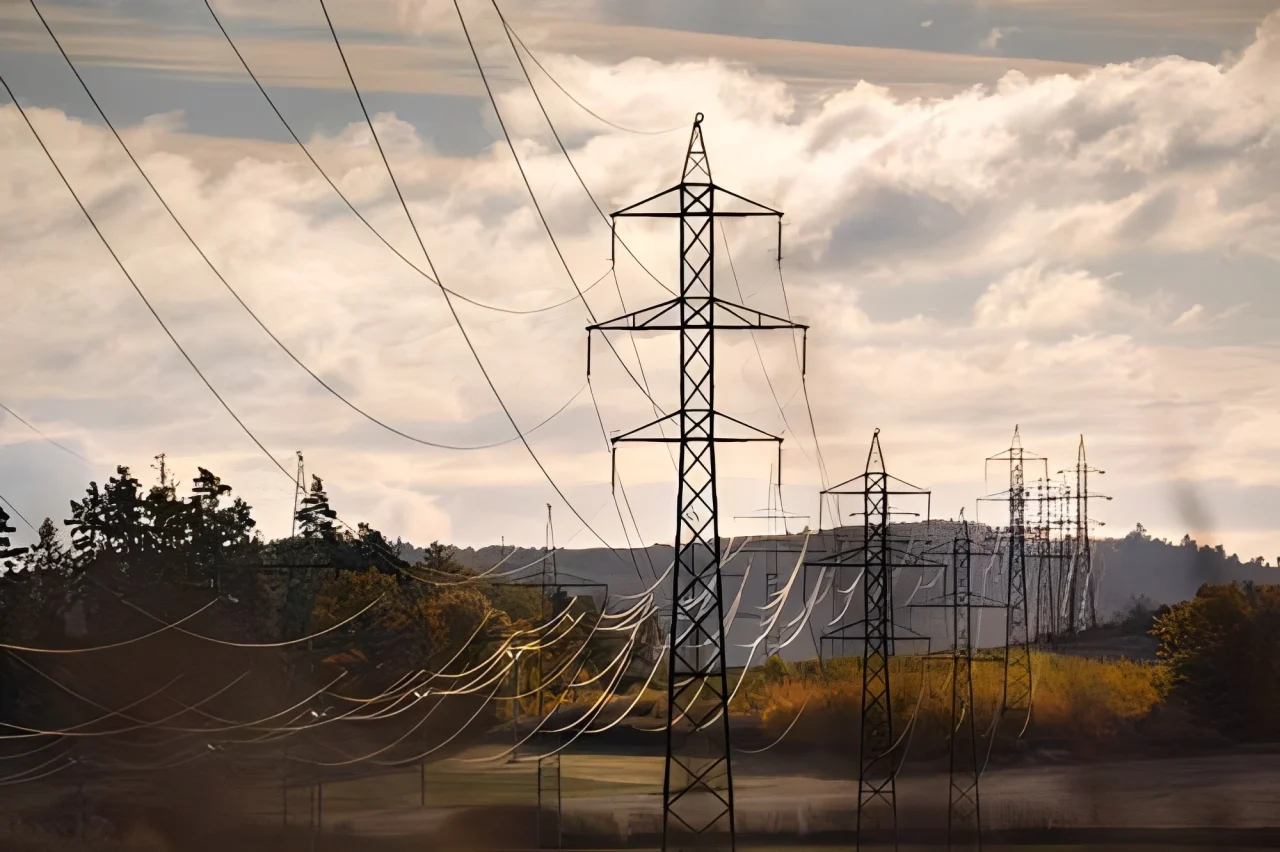
Grid Resilience and India’s Economic Growth
A steady power supply is the basic requirement for the growth of the economy. Steel mills, metro rails stations, airports, hospitals, banks, communication networks, and data centers all rely on an uninterrupted supply of electricity.
Even when power is lost for just a short while, several adverse effects such as production stoppage, equipment damage, and operational loss might run up to millions.
As India positions itself as a global manufacturing destination, resilient power infrastructure becomes a competitive advantage. Investors increasingly evaluate infrastructure reliability before establishing large industrial facilities.
Some of the ways a resilient grid will support economic development are:
- Driving up output levels in industries
- Enhancing the faith of investors
- Allowing higher reliance on renewable energy sources
- Improving accessibility to electricity
- Ensuring a more sustainable economy over the long run
Therefore, investing in grid resilience means equally investing in the competitiveness of the nation.
Engineering Tomorrow’s Power Grid
The future power network will be significantly more dynamic than today’s grid. Instead of relying solely on centralized power generation, electricity will increasingly come from distributed renewable energy sources, battery storage systems, electric vehicles, and microgrids.
Managing this complex ecosystem requires continuous modernization of transmission and distribution infrastructure.
Utilities, policymakers, and engineering companies are collaborating to deploy advanced technologies that improve system flexibility, cybersecurity, operational efficiency, and resilience. Investments in high-capacity transmission corridors, intelligent substations, and digital grid management platforms are laying the foundation for a more secure and sustainable electricity ecosystem.
As India’s energy transition accelerates, grid resilience will remain at the center of every successful infrastructure project, ensuring the nation can deliver reliable, affordable, and clean electricity for decades to come.
Challenges to Building a Resilient Grid
Significant advancements have been made, however, developing a future-proof grid still involves addressing several technical as well as operational hurdles.
Aging Infrastructure
Due to the availability of funds and other such factors, many segments of the transmission and distribution networks that are being used today are those that were installed decades ago. With the increasing usage of electricity, the introduction of renewable energies, and the arrival of digital technologies, these facilities need to be upgraded on a regular basis to keep them efficient and dependable.
Integration of Renewable Energy
The fact that there are fluctuations in the weather conditions is at the root of the production of renewable energy being quite erratic. In order to ensure the stability of the grid while simultaneously balancing the solar and wind power, it becomes necessary to have a system of forecasting, automation, and flexible transmission at one’s disposal.
The Risks of Cybersecurity
Digital and smart grids come with a totally new set of challenges, especially with respect to their security vulnerability and cyber risks. A modern grid cannot be complete without one or more highly secure cyber systems, which is exactly why cybersecurity is now considered to be an indispensable element of grid resilience measures.
Rising Electricity Demand
India’s growing population, expanding industries, electric mobility, and digital economy continue to increase electricity consumption. Meeting this demand without compromising reliability requires substantial investments in grid modernization and intelligent power infrastructure.
Building a Smarter and More Resilient Grid
Power systems of the future should be able to adapt to whatever changes might happen in the physical environment and at the same time be resilient over a period of time. Both aspects can be explicitly supported by digital technologies and smart grids in a number of ways.
Indeed, utilities are already reaping benefits from improved operations and reduced costs thanks to a number of innovative technological advances getting rolled out across the grid:
- Machine-learning tools to anticipate problems and detect impending power outages
- IOT-based sensors for a full-fledged substation operation and asset monitoring
- Digital replicas of the grid for assessment and forecasting computational capabilities
- Decentralised battery Energy Storage Systems (BESS) for grid stabilisation and expansion
- Flexible AC Transmission Systems (FACTS) and High Voltage Direct Current (HVDC) technologies for enhancing long-distance power transmission and stabilization of the power network.
Collectively, these innovative tools and technologies can be used by power systems to create a grid that is smarter, faster, and better capable of adapting to fluctuations in energy demand.
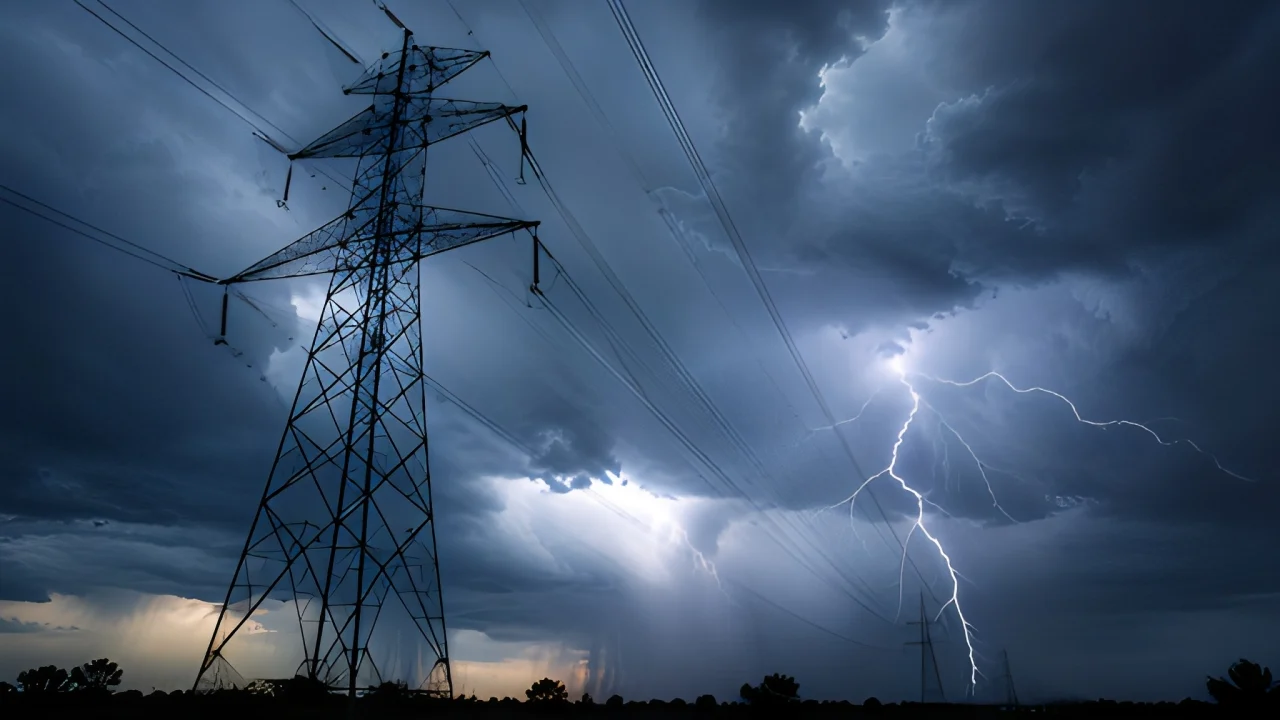
Driving Power Innovation
A resilient electricity grid is far more than an engineering achievement, it is a strategic national asset that supports economic growth, renewable energy integration, industrial development, and energy independence. As India’s power ecosystem becomes increasingly complex, strengthening transmission and distribution infrastructure will be essential to delivering reliable electricity under all operating conditions.
Organizations with deep expertise in power infrastructure, engineering excellence, and advanced grid technologies will play a significant role in this transformation. At Hartek Group , we continue to contribute to India’s evolving power landscape by delivering innovative solutions that strengthen grid resilience, enable renewable energy integration, and support the development of a smarter, more reliable, and future-ready electricity network.
Keytakeways
- Grid resilience is essential for ensuring reliable electricity supply amid rising demand, renewable energy integration, and climate-related challenges.
- A modern smart grid power system improves visibility, fault detection, operational efficiency, and faster power restoration.
- Continuous grid modernization strengthens transmission infrastructure while supporting India’s long-term clean energy goals.
- Investing in resilient infrastructure directly enhances energy security in India, industrial productivity, and economic growth.
- Collaboration between policymakers, utilities, and experienced engineering companies is critical to building a future-ready national power grid.
Frequently Asked Questions
1. What is grid resilience?
Grid resilience is basically the power system’s capacity to continue working, deal with problems quickly, and get the power back to customers while minimizing the inconvenience to them.
2. Why is grid resilience important for India?
Adequate power is only one part of the equation. You also need to align it with reliable operations so that the use of renewables is enhanced, the critical power infrastructure is strengthened, hitting the point of energy security becomes easier, etc.
3. What is a smart grid power system?
A smart grid power system uses digital communication, automation, sensors, and AI to monitor, manage, and optimize electricity generation, transmission, and distribution in real time.
4. How does grid modernization improve power reliability?
With grid modernization making use of intelligent technologies, advanced monitoring, automation, and digital substations, outage occurrences are lowered, efficiency is improved, and recovery from interruptions is enabled further while becoming faster.
5. How does grid resilience support renewable energy?
A resilient grid effectively manages fluctuations from solar and wind power, ensuring clean energy is transmitted efficiently while maintaining system stability and reliability.
Share:


