
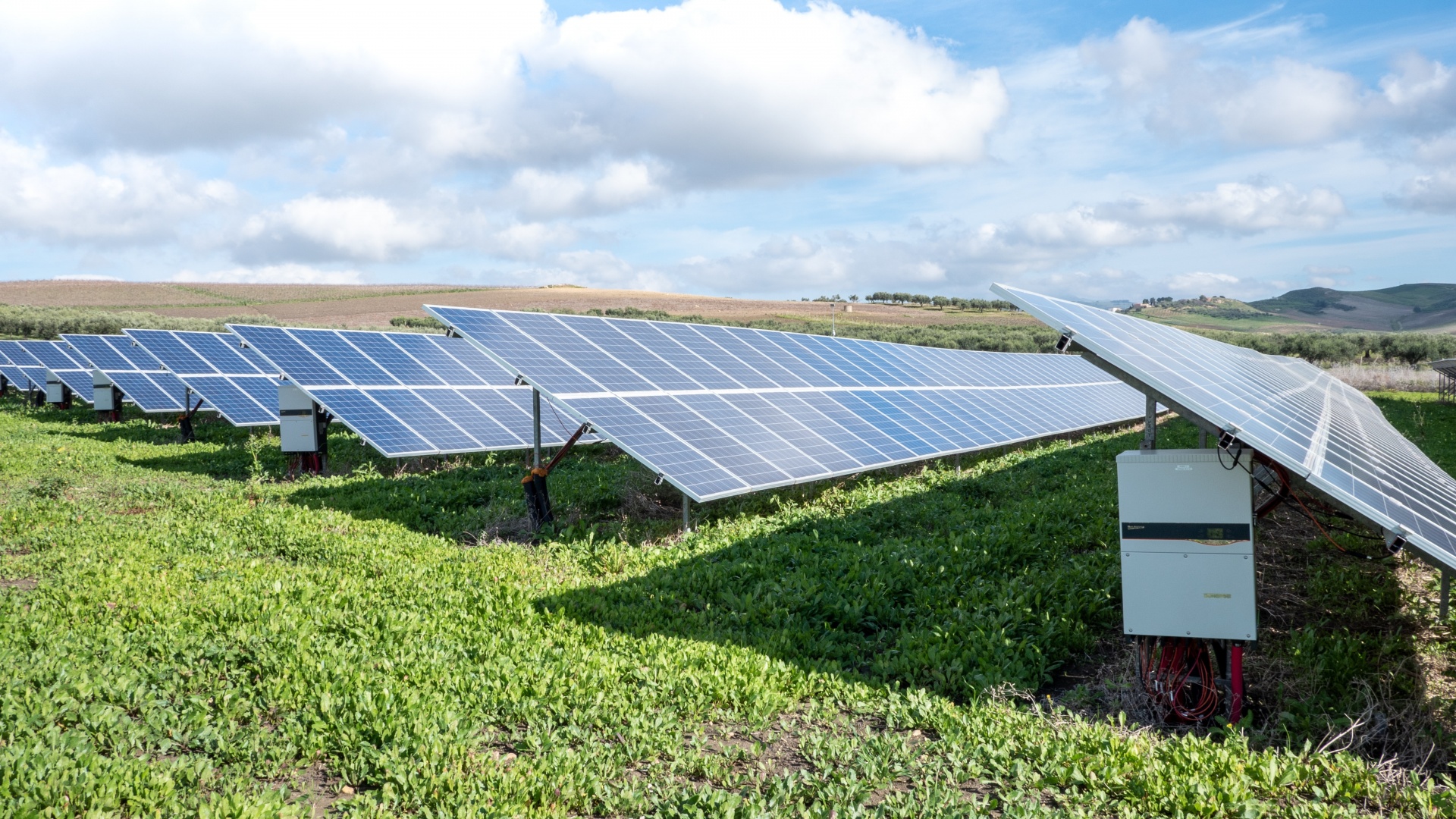
India’s energy story is no longer just about adding megawatts, it is about ensuring those megawatts translate into consistent, reliable power. As the country accelerates its energy transition in India, the spotlight is shifting from generation capacity to the strength and intelligence of its energy infrastructure.
For a nation targeting ambitious 2030 clean energy goals, we believe the real benchmark of success will not be how much power is produced, but how effectively it is delivered. This is where grid readiness, backed by robust power grid substation networks and continuous grid modernization, becomes the defining factor. At Hartek Group, we see this transformation as central to building a resilient and future-ready energy ecosystem, where efficient delivery is just as critical as generation.
“DID YOU KNOW? India aims to integrate over 500 GW of renewable energy by 2030, and the grid is being redesigned with storage systems like 47 GW of battery storage and pumped hydro to ensure reliability.”
The Shift from Capacity to Reliability
India has been focusing and has made good progress toward solar and wind energy as sources of renewable energy. And it is a known fact that renewables are prone to intermittency. And therefore, in the absence of a reliable grid, even a high amount of generation capacity may not be able to consistently meet the demand.
Reliability today means:
- It is well able to accommodate renewable energy
- The level of transmission losses is low
- It is possible to react in real-time to the grid
- The incidences of outages have been brought down and the quality of supply has been enhanced
The above transition signifies a change in our thinking: from “how much we generate” to “how well we deliver.”
Why Grid Readiness Defines the Energy Transition
The speed and scale of the energy transition depend on how effectively the grid can absorb and manage variable renewable energy. A strong and flexible energy infrastructure ensures that renewable energy is not wasted and is efficiently delivered to industries, cities, and rural areas. This becomes even more important with green hydrogen integration, which adds new demand for clean electricity while also enabling better storage, grid balancing, and linkage between power, industry, and transport systems.
1. Renewable Energy Needs a Smarter Grid
While solar energy is produced at its maximum level during the day, wind power varies depending on the weather conditions. managing these changes will require new technologies such as advanced forecasting, grid automation and features that facilitate communication between grid components.
2. Electrification is Expanding Rapidly
Along with the spread of electric vehicles and their recharging points, consumer demand for electricity is continuously changing especially because of the emergence of digital technologies. Therefore, grid systems need to be able to make a change or adapt to such variations in demand on an ongoing basis.
3. Industrial Growth Depends on Reliability
Sectors like manufacturing and the one that are datacentric require electricity for their operations; they cannot afford interruptions. Thus reliable supply is now a unique positive differentiator.
Power Grid Substations: The Core of Reliability
One of the major factors for a grid system being ready for the future is a type of power grid substation that has features for transformation, regulation, and distribution of electricity.
Today, substations do not act as mere passive elements. They have been equipped with advanced capabilities that enable them to:
- Controlling voltage and balancing the load
- Supporting the integration of renewables
- Quickly detecting and isolating faults
- Contributing to higher level of grid stability
Located in a central position within the power grid infrastructure, substations have now become digital, automated, and very responsive systems.
Grid Modernization: Building a Future-Ready Network
Grid modernization plays a major role in the conversion of India’s old power grid into a modern, smart, and flexible grid system that can meet tomorrow`s energy requirements.
Key elements include:
Digital Substations
Deployment of automation together with sensors and use of systems for real-time monitoring will ensure improvements in operational efficiency as well as reduction of downtime.
Smart Grid Technologies
Using advanced technologies such as analytics and AI, it would be possible to have predictive maintenance and demand forecasting.
Energy Storage Integration
Battery Energy Storage Systems (BESS) play an important role in stabilising supply at times when the output of renewables goes up and down.
Flexible Transmission Systems
Transmission technologies like High Voltage Direct Current (HVDC) and other more advanced ones are helping in making power flow over long distances more efficient.
Challenges in Achieving Grid Reliability
Strong progress has been made, yet, a number of challenges still exist:
- Infrastructure Gaps: Some areas are less developed than others
- Integration Complexity: It is not easy to merge old and new technologies
- Land and Regulatory Constraints: Delays happen in transmission and substation projects
- Skill Requirements: There is a need for experts in the areas of digital and high-voltage systems freely
It is very important to work on these challenges to make sure that the energy infrastructure keeps up with generation capacity.
The Road to 2030: Reliability as the True Metric
The 2030 energy goals set by India are very ambitious and one single key factor reliability determines their success. A modernized grid accompanied by powerful power grid substations and continuous grid modernization will effectively enable the country to switch to clean energy.
Adding gigawatts is not going to be the measure of the next stage of growth but it will be:
- Supply stability
- Transmission efficiency
- Smartness of infrastructure
- Grid resilience
A Stronger Grid, A Stronger Economy
We understand that daily lives and businesses in all sectors including manufacturing, IT, healthcare, and urban development are supported by reliable electricity. Thus, strengthening energy infrastructure is not only a technical demand but it is also a major economic drive.
As India advances in its energy transition, we believe the focus must remain clear: building a grid that is not only larger but smarter, stronger, and more dependable. At Hartek Group, we are committed to enabling this progress by reinforcing grid resilience and supporting the nation’s journey toward a future-ready power ecosystem.
Key Takeaways
- The success of the energy transition in India depends on grid reliability, not just generation capacity.
- Traditionally the power grid substation functions are being enhanced with modern capabilities.
- Grid modernization is important for the integration and smooth functioning of renewable energy as well as the regulation of load changes.
- Robust energy infrastructure is highly supportive of economic development and industrial growth.
Frequently Asked Questions (FAQs)
Q1. What does energy transition in India mean?
It refers to shifting from fossil fuels to renewable energy sources while ensuring reliable and sustainable power delivery through strong infrastructure.
Q2. Why is grid modernization important?
Grid modernization provides for real-time monitoring, automation, and the seamless integration of renewables, significantly enhancing reliability and performance.
Q3. What role does a power grid substation play?
The primary function of a power grid substation is to ensure proper voltage strength for the network, direct the flow of energy, and geographically distribute it in a safe and efficient manner.
Q4. How does energy infrastructure impact reliability?
It greatly contributes by limiting losses during transmission, preventing equipment or system failures and ensuring power supply remains uninterrupted over large areas.
Q5. What is the biggest challenge in India’s energy transition?
Closely matching the rapid growth of renewable energy generation with readiness and upgrading of the grid remains the most pressing issue.
Share:


