
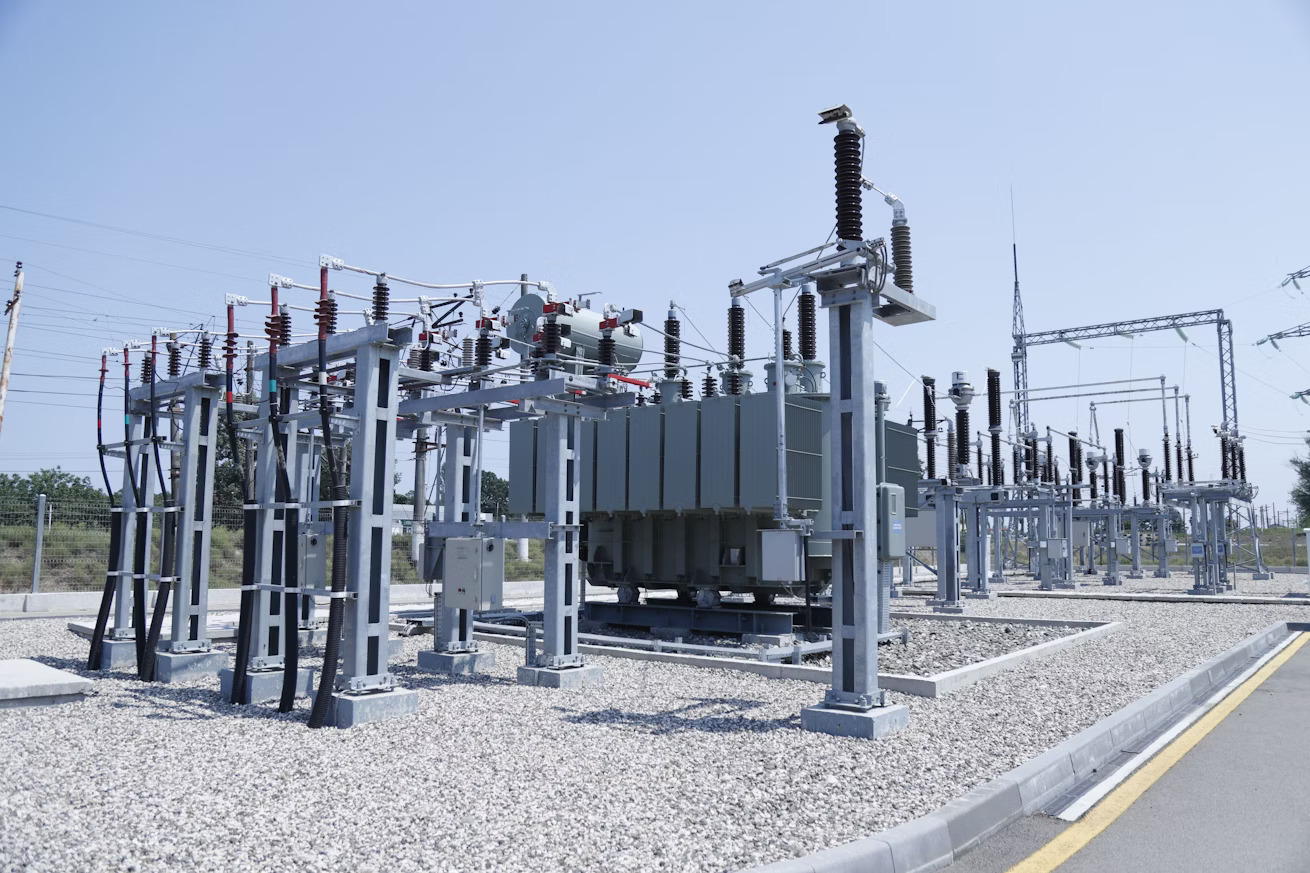
Infrastructure in India is no longer just about developing roads, ports, and railways; it is increasingly being powered by electricity. Power substations, a critical and often ignored element, are at the heart of this transformation. As India races towards becoming a $5 trillion economy, power substations are emerging as silent growth facilitators, forming the nucleus of power grid infrastructure, enabling efficient power transmission, and fortifying the overall power infrastructure.
At Hartek Group, we’ve spent years delivering some of the most complex substation projects across India. Through this journey, one thing has become increasingly clear to us: substations are no longer just equipment yards, they have evolved into the true backbone of national growth. As highlighted in a recent ET Infra feature on India’s power sector, substations have quietly become a cornerstone of the nation’s grid, playing a vital role in strengthening power infrastructure in India.
“DID YOU KNOW? India is expected to add around 1.9 lakh circuit kilometres of transmission lines and substantial new substation capacity by 2031–32, highlighting the central role of transmission infrastructure in supporting its growing renewable energy capacity and electricity demand.”
The Strategic Importance of Power Substations
Besides a point in the grid, a power substation is an important node where changes are made to electricity: converting, controlling, and distributing it. Without substations, the path of electricity, from its generation to the consumption by end users, would be very inefficient, unstable, and unreliable.
Substations may have the following roles as per the Indian scenario where demand is continuously increasing in the urban, industrial, and rural sectors:
- Voltage stabilization for long-distance transmission
- Uneven load distribution among different regions
- Grid’s operational stability and fault location
- Renewable energy sources integration
As the national expansion of power grid infrastructure continues, for example, the development of EHV substations is one among many factors leading to a rise in their level of sophistication.
Why Substations Are the New Backbone of Infrastructure
Turning substations into the backbone of infrastructure is more than just a buzz phrase. It is actually a reflection of what happens structurally. Let us list some of our points:
1. Rising Demand Requires Stronger Nodes
Electrical power consumption in India is on the rise, notably due to industrialisation, import and use of digital devices and general electrification. A powerful network of properly functioning power substations allows handling of this ever-increasing demand without interruptions in supply.
2. Renewable Energy Integration
Meeting India’s clean energy target of solar and wind would imply changing the grid depending on the output of the power source, which can vary. Substations are the key in incorporating these energy sources while making power transmission adaptable and reliable.
3. Urbanisation and Smart Cities
The supply of electricity gets highly demanding when urban areas and smart cities expand. One of the most essential infrastructures that guarantees that power is supplied without breaks, even in the highest density areas, is substations.
4. Grid Modernisation
Modern substations not only perform their function but have become digitized and automated. This transformation is a necessity if we are to have power infrastructures that are capable of handling the future.
The Role of EHV Substations in National Growth
Extra High Voltage (EHV) substations are playing a huge role in India’s infrastructure development. Handling of large power capacity and long-distance transmission are their key functions.
Nevertheless, carrying out EHV projects entails quite a few things. Some of them are:
- Cutting-edge engineering expertise
- Accurate execution
- Closely following the safety and quality regulations
- Thorough knowledge of grid behaviour
At Hartek Group, our strength lies in executing complex EHV substation projects with efficiency and reliability. This capability is not just about building infrastructure, it is about enabling growth, powering industries, and supporting national ambitions.
Execution Excellence: The Real Differentiator
Apart from being merely directives and blueprints, infrastructural maps and policies are those which if executed in a timely manner can move economic progress towards the desired end. The case of substations, however, has execution as a principle cornerstone given the technical intricacies and the large-scale nature of the work involved.
A major part of execution success are as follows:
Punctuality in Project Completion
Postponement of substation projects is capable of resulting in the interference with whole transmission networks. Handling of a project in an on-time manner should be capable of ensuring that the substation can easily be integrated into the grid.
Quality and Safety
Regulatory measures in the high-voltage zone have to be resulting in one of the strictest enforcement of the global safety standards.
Scalability
Substations have to be fit to structurally support the growth of demand and the supply of new technologies on the planet.
At Hartek Group, we focus on delivering projects that are not only technically sound but also aligned with long-term infrastructure goals.
Reinforcing India’s Power Grid Infrastructure
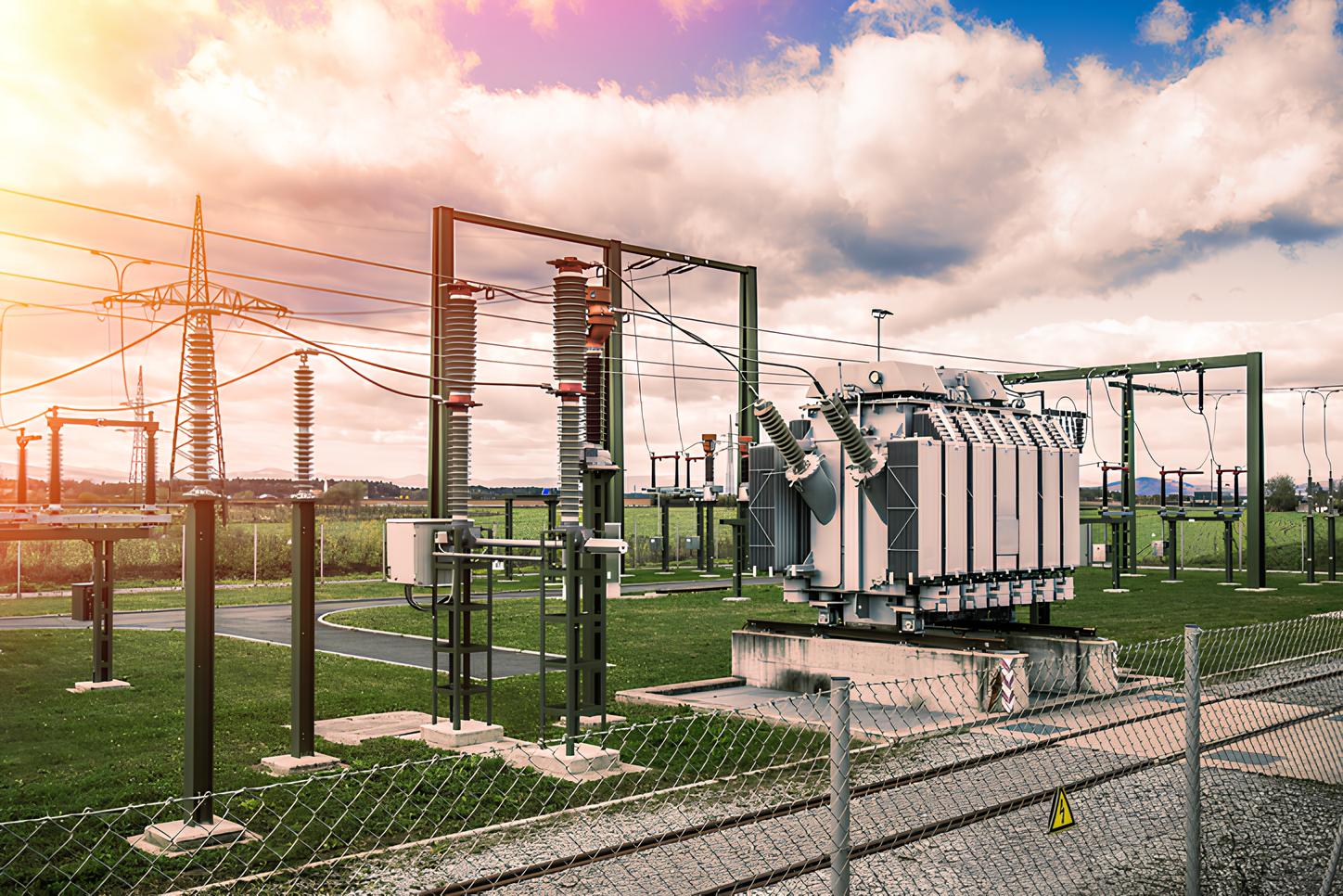
Power infrastructure in India is evolving rapidly to keep pace with the country’s growth and changing energy demands. Substations serve as critical nodes that seamlessly connect generation, transmission, and distribution, linking all three segments of the power system.
Enhancing Reliability
If the network of substations is well-lined all over, the chances of power failures will be lower, and continuous power supply will be maintained.
Minimizing Transmission Losses
Substations with optimal performance will allow power transmission losses to be kept at a minimum level, thereby enhancing overall system efficiency.
Backing Renewable Energy Corridors
Specially designed substations are being developed to support renewable energy corridors, enabling large-scale integration of clean power. Increasingly, these are complemented by Battery Energy Storage Systems (BESS) to enhance grid stability and ensure reliable energy flow.
How Substations Are Linked to Economic Growth
Electricity supply with no outage allowed is the basic infrastructure in order for any type of economic development to take place. From factories to data centers, every sector depends on electricity supply without any interruptions.
A solid power substation network is a key part of:
- Manufacturing output
- Expansion of IT infrastructure
- Enhancing the appeal of investments
- Regional development
Thus, substations can be regarded as more than just electrical properties, they are nevertheless economic facilitators.
Challenges in Substation Development
Despite their critical role, the development of substations faces the following challenges:
Land Acquisition
Land acquisition for large substations particularly in highly populated areas can be complex.
Technical Complexity
EHV substations need very specialised skills and the latest technology is a must.
Integration with Legacy Systems
Modern substations must seamlessly integrate with existing grid infrastructure.
Skilled Workforce
Execution demands highly skilled engineers and technicians.
Combining innovation, familiarity with the local context, and skillful execution are the prerequisites for success in overcoming the challenges, where the Hartek Group has continued to provide substantial contributions.
India’s Substations: The Road Ahead
The future of power infrastructure in India will be defined by how effectively substations evolve. Key trends include:
Digital Substations
Automation and real-time monitoring will enhance efficiency and reliability.
Smart Grid Integration
Substations will play a central role in enabling smart grid technologies.
Green Substations
Sustainability will drive eco-friendly designs and technologies. Gas Insulated Substations (GIS) are gaining importance for their compact size and strong resistance to environmental conditions, supporting greener infrastructure.
Decentralized Energy Systems
With the rise of distributed energy resources, substations will need to handle more complex energy flows.
A Connected Vision for India’s Growth
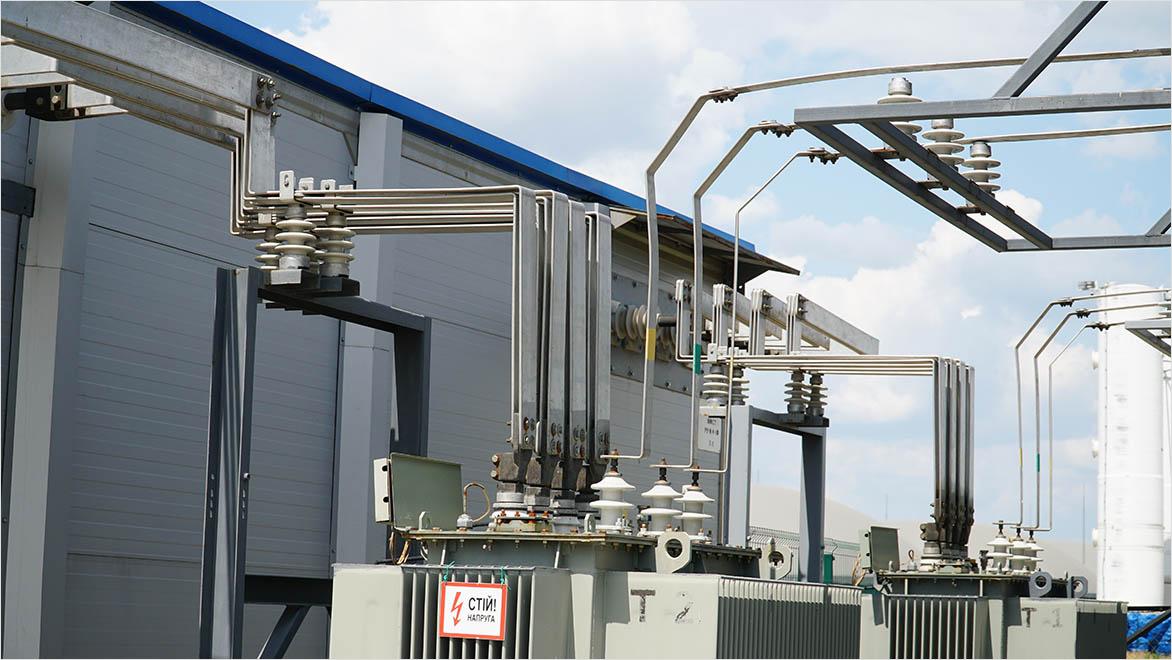
The story of India’s rise is fundamentally tied to its ability to supply uninterrupted electricity. Substations as the backbone of power grid infrastructure hold the key to this dream
At Hartek Group, our belief is that establishing strong, efficient, and future-ready substations is not merely about the infrastructure; it is about building the nation. Our commitment and track record in implementing complex EHV projects put us among the important contributors to India’s infrastructure success story.
Keytakeways
- Power substations are gradually becoming the backbone of India’s infrastructure growth.
- Strong power grid infrastructure is a must for reliable power transmission.
- EHV substations support the transfer of large volumes of energy and enhance grid stability.
- Execution excellence plays a pivotal role in infrastructure development.
- Power substations directly influence and support economic growth and industrial expansion.
Frequently Asked Questions
Q.1. Why are power substations important in India?
Power substations are responsible for efficient transmission and distribution of electricity. They are vital in maintaining grid stability and meeting the rising energy demand.
Q.2. How do substations support renewable energy?
Substations enable the integration of solar and wind energy into the grid. They help manage variability and ensure consistent power supply.
Q.3. What is an EHV substation?
An EHV substation operates at very high voltage levels for long-distance transmission. It plays a critical role in handling large-scale power loads.
Q.4. How does power grid infrastructure impact economic growth?
The presence of solid and reliable power infrastructure forms the basic support and enables various sectors including industrial, digital services, and urban development to carry out their activities smoothly. Such infrastructure has a direct relation with productivity and investment.
Q.5. What role does Hartek Group play in this sector?
Hartek Group is known for its proficiency in carrying out substation projects, especially in EHV environments. It plays a role in strengthening India’s power infrastructure and supporting national growth.
Share:


