
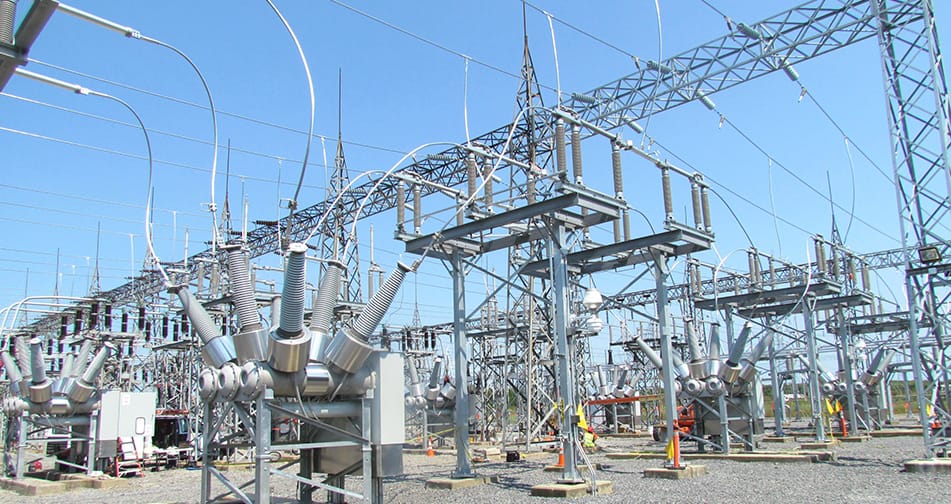
India’s clean energy narrative is often framed around giant solar parks, wind farms and ambitious renewable energy targets. However, the transmission infrastructure that supports this transition is often invisible. It’s a time of great expansion in solar capacity, businesses are turning to green power, and the nation is making a gradual transition to a cleaner-energy future. In this transformation, one important part of the power infrastructure often goes unnoticed, substations. They play a key role in ensuring reliable and efficient power distribution.
The reality is straightforward: producing clean energy is just the beginning of the work. Clean energy is of no use if that electricity cannot be converted, stabilized, and effectively transmitted into the grid for delivery to homes, industries, and cities. That’s where substations become the real backbone of the clean energy transition.
As India’s energy demand increases, it’s our belief at Hartek Group that the substation marks the basis for reliable power delivery, grid stability, and sustainable energy growth. With the apparatus of substations reinforcing grid infrastructure and power delivery efficiency, they are enabling India’s evolution to a smarter, more resilient energy future.
“Did You Know? According to industry reports and Central Electricity Authority (CEA) data, India’s transmission transformation capacity has crossed 12 lakh MVA, with 765kV substations playing a major role in enabling long-distance renewable power transfer and improving grid stability.”
The Real Challenge: Grid Integration, Not Just Power Generation
India has made ambitious plans for clean energy, and one of the means is to inject massive amounts of solar and wind into the energy pool. However, with one major defect, renewable power generation has a “variability”.
Solar energy is produced only in the light hours. Wind power production varies with the weather. Demand for electricity, on the other hand, differs completely in that respect. This disparity, of course, puts pressure on the grid, and a very responsive transmission infrastructure is required.
Unless there are able and resilient substations
- Clean energy will be stranded in the source
- There will be increase in the fluctuations of voltage
- Grid congestion will increase
- Transmission losses rise
- Regional power imbalances worsen
Simply put, renewable power with little transformation capacity is useless.
Therefore, substations are not only by far the largest single source of energy supply in the country but also the key enablers of India’s clean energy path. They make sure that the power from renewable plants is carried around in a safe and efficient manner.
Why Substations are More Significant Than Before
A substation is far more than a collection of transformers and switchgear. It acts as a control center within the power network.
Some of its main operations are:
- Changing voltage levels for transmission and distribution
- Power flow stabilization
- Load management
- Prevention of faults and outages
- Renewable support
- Grid resilience enhancing
As renewables penetrate deeper into areas like desert and coastal regions, substations are the ones connecting those generation centers with the demand hubs i.e. urban and industrial areas.
Power from the solar parks in Rajasthan or renewable energy zones of Gujarat has to travel long distances to reach the consumers. Substations with capable power handling operation ensures that this power moves with the least loss.
This shift from a “generation- focused infrastructure” to a “grid integration-focused infrastructure”is redefining India’s energy sector.
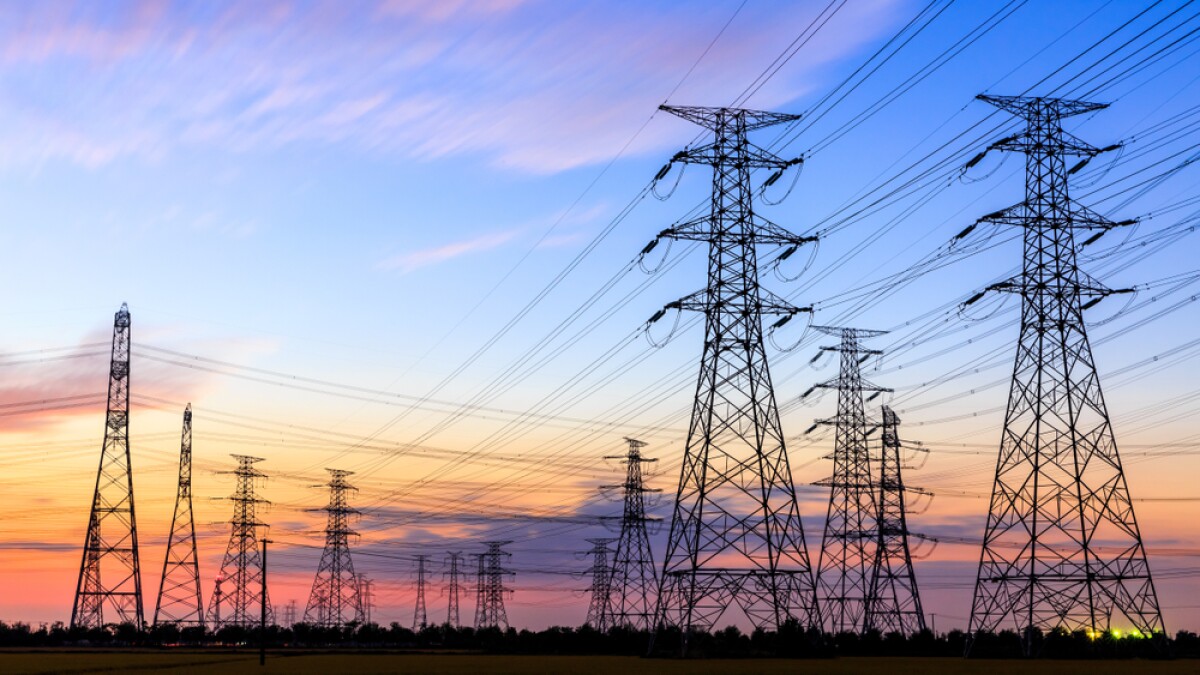
Why Transformation Capacity Matters More Than Ever
India’s energy demand is growing rapidly. The expansion of cities, wider EV utilization, industrial growth and digitization are all having major changes on the power demand curve.
Also, the times of peak demand are getting sharper and less predictable. According to recent power sector trends, India recorded new peaks in electricity demand during summer months driven mostly by cooling needs and industrial activity.
The new demand curve means the grid is expected to be:
- More versatile
- Semi-instantaneous
- Better at interconnection
- More stress resilient
Substations enable such flexibility.
High-capacity transformers and high-voltage substations make it possible for surplus renewable power at one location to be sent to another place where there is a demand peak. This way power grid resilience is increased while cases of overloads and blackouts are minimized.
Even the grandest renewable projects would be unable to contribute effectively to the national grid if there was no transformation infrastructure.
Case Study on the Bhuj 500 MVA ICT:
Enhancing Grid Integration Through a Physical Example of The ICT Building Project
The high capacity ICT infrastructure development in Bhuj of Gujarat is a foremost example of grid integration.
Owing to the tremendous growth of renewable energy in western part of India, Bhuj has become a very significant transmission hub. The region’s ability to evacuate power and transmit has been strengthened with multiple deployments of 500 MVA and 765/400 kV ICT units.
Hartek’s involvement in strengthening high-voltage grid infrastructure reflects the growing industry focus on enabling renewable integration through advanced substations and transmission systems. The company has also secured multiple Extra High Voltage (EHV) projects, including 765kV substation expansions and renewable integration infrastructure across India.
The Bhuj 500 MVA ICT infrastructure demonstrates an important reality: Renewable energy growth is impossible without matching transmission and transformation capacity.
Renewable energy systems alone would not be adequate to supply the grid. The ICTs and substations ensure that the electricity generated can be brought to the end-user in large quantities and hence the Indian electricity sector is undergoing this transition from “generation to grid integration”.
Substations and Electric Grid Resilience
Energy infrastructures are being globally pressed by the changing climate, temperature rise, and an increasing number of extreme weather events.
India too is in this situation of heatwaves, demand surges and power fluctuations in renewables which together are limiting the grid’s capacity and now resilience of the electric grid needs to be built.
Modern substations are now designed with:
- Advanced automation systems
- Digital monitoring
- Intelligent protection mechanisms
- Real-time diagnostics
- Smart communication technologies
During grid disturbance, these features expedite fault response and utilities have greater capability to supply the needs of their customers even in cases of increased demand.
With their power to measure, control, and analyze electrical distribution and transmission networks, substations will be the foundation upon which the future grids will come to life.
Substations are the centre of this revolution.
The Growing Importance of Resilient Infrastructure
The energy transition in India is about sustainability, of course, but also reliability. As renewable penetration increases, the need for resilient infrastructure becomes more urgent.
Infrastructure must withstand:
- Climate-related disturbances
- Very high demand
- Equipment failures
- Voltage instabilities
- Cyber and operational risks
Substations are the ones supporting grids with resilient infrastructures by enhancing grid stability and at the same time ensuring uninterrupted supply even in challenging conditions.
This is a critical support especially for:
- Industrial corridors
- Data centers
- Metro cities
- Manufacturing clusters
- Renewable energy zones
The risk to the economy of a power outage has become very high. Well designed power substations can help reduce these risks.
Smart Substations: The Future of Energy Networks
Traditional substations are gradually becoming smart substations.
Digital tools such as:
- AI-based monitoring systems
- IoT-enabled sensors
- Predictive maintenance equipment
- Remote diagnostics facilities
- Automated load balance systems
are drastically changing the manner in which substations operate.
Thanks to these technologies utilities are able to:
- Spot equipment failures even before they happen
- Enhance asset life
- Schedule maintenance so as to minimize downtime
- Distribute energy optimally
- Enhance electric grid resilience
As India upgrades its transmission system, smart substations will be the basis of the clean energy transition.
Why Grid Integration is the Real Energy Transition
Renewable energy went through a stage where everyone was talking about how much one can produce. And the industry now recognizes a more important truth: Generation without integration has limited value.
India’s green energy targets can only come to fruition if the power system is capable of:
- Dealing with the fact that renewables produce power only when the sun is shining or the wind is blowing
- Balancing the differences in supply and demand in different regions
- Handling the increase in overall consumption
- Maintain stability during peak loads
Substations are making this possible every day.
Unlike solar and wind parks which are very visible, substations are not seen, yet they are quietly ensuring that renewable electricity is reaching you in a safe and trustworthy manner.
That is why substations truly are the “unsung heroes” of the energy transition.
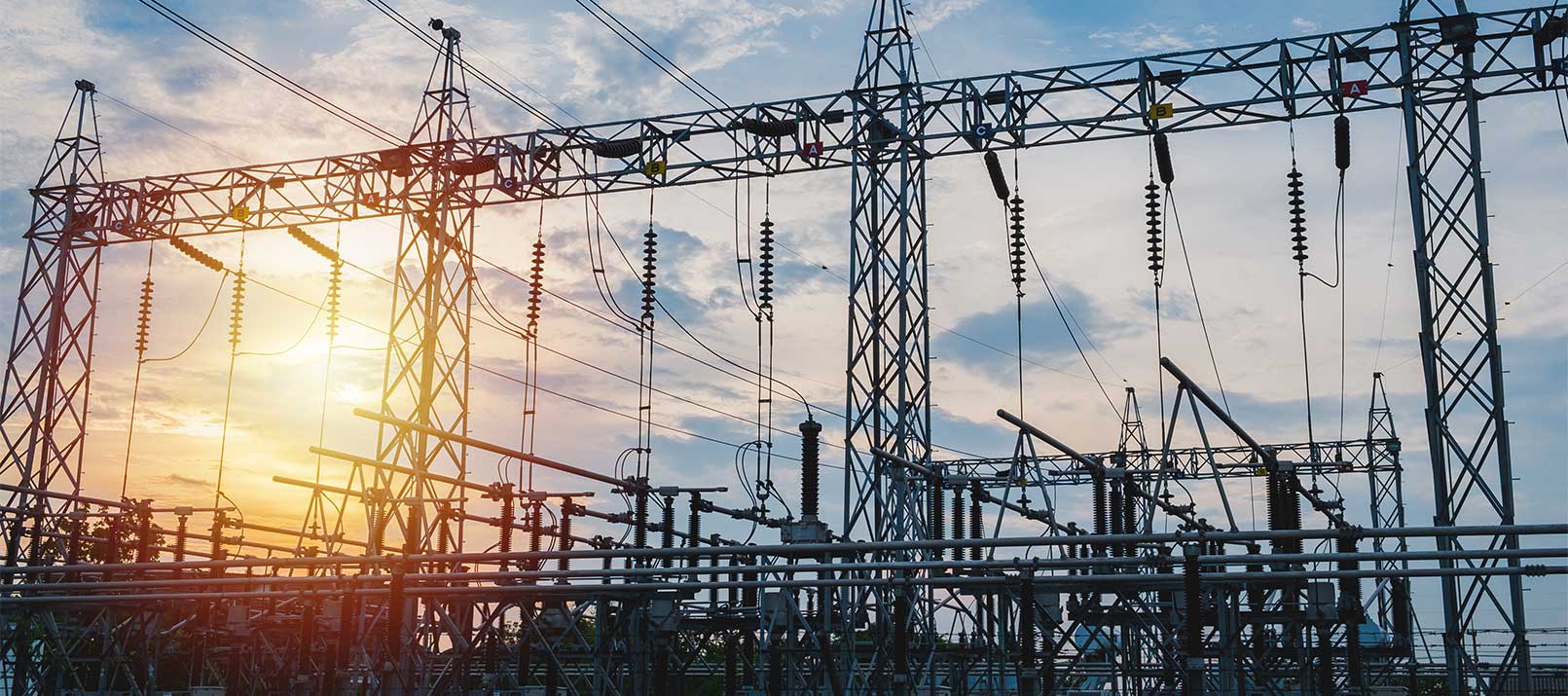
Key Takeaways
- Substations are critical to enabling India’s clean energy transition beyond mere renewable generation.
- Robust transformation capacity is vital for integrating renewable power efficiently into the grid.
- India’s escalating power demand scenario is necessitating the development of advanced transmission networks.
- State-of-the-art substations contribute to grid resilience by integrating automation and smart monitoring.
- Investment in resilient infrastructure will define the success of India’s future energy ecosystem.
Summary
For India’s clean energy transition to be successful, it cannot rely solely on renewable power generation, but on a grid system that is sufficiently strong, smart, and resilient to deliver power where it is most needed. Through enabling efficient renewable integration, grid stabilization and meeting rising electricity demand, substations are at the heart of this transformation. As the nation moves rapidly towards a more sustainable future, the need for investment in advanced transmission and transformation infrastructure will be a key factor. Smart substations, digital monitoring, and the high-capacity ICT systems are not only empowering the energy transition but also actively shaping it. Hartek Group, through its work in high-voltage infrastructure, renewable integration, and resilient power systems throughout India, continues to be a key player in this emerging energy landscape. The future of clean energy will depend not only on how much power India generates, but also on how effectively that power is integrated, managed, and delivered.
Frequently Asked Questions (FAQs)
1. Why are substations a big help in renewable energy integration?
Substations support changing and efficiently transmitting renewable electricity into the grid. They help maintain voltage stability, ensure reliable power distribution, and facilitate smooth evacuation of power.
2. What is transformation capacity and why is it so important to the electric power supply sector?
Transformation capacity is the extent to which the substations and ICTs are able to transform electric power from and to different voltage levels for transmission and distribution purposes.
3. What role do substations play in electric grid resilience?
Substations play a part in making the power flow more stable, lessening the chances of overloads, and perfecting the handling of faults, thus aiding the grids to run seamlessly even during high demands and disturbances.
4. Why is the power demand curve presenting so many challenges?
As cities grow faster, electric vehicles get more popular, industries shoot, and also people want more and more air conditioning, so the patterns of using electricity keep on changing and become more difficult to forecast.
5. What role does resilient infrastructure play in energy transition?
Resilient infrastructure ensures reliable power delivery despite climate stress, rising demand, and renewable variability, supporting long-term energy security.
Share:


