
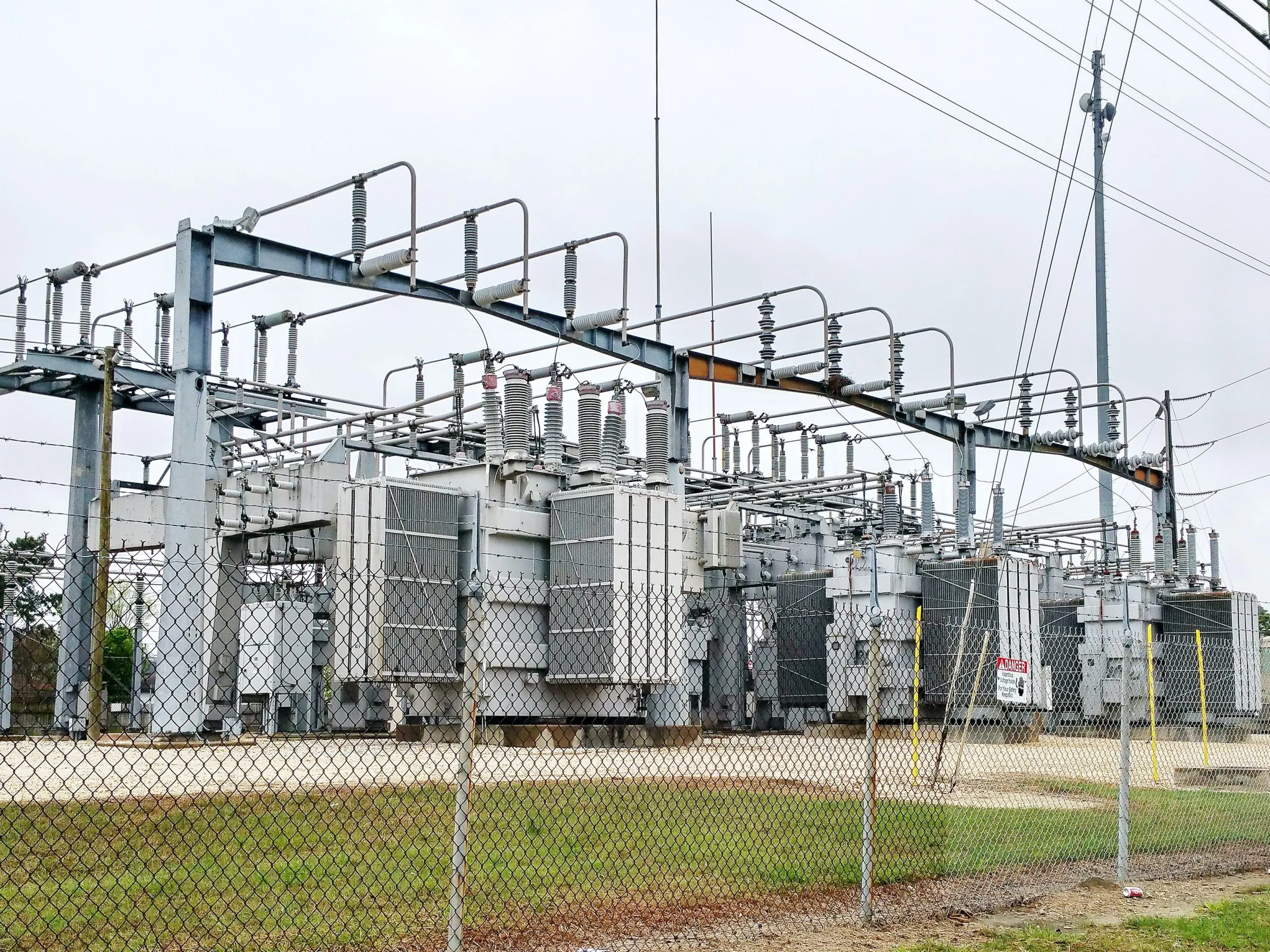
India’s energy transition is generally evaluated through the lens of the country’s renewable energy targets, solar power installations, battery storage systems, and green hydrogen ambitions. However, moving power effectively and reliably to industries, cities and consumers, which is the primary challenge behind every megawatt of clean energy produced, is not always a visible issue.
While India sets a path toward net-zero and pushing growth at the same time, the transmission network is undergoing an unprecedented change. A 765 kV substation forms the foundation of the modern grid infrastructure, and is an essential component of this change that not only supports bulk power transfer but also improves grid stability and assists in the integration of renewable energy on a large scale.
Building a 765kV network is not merely an engineering achievement. It is a national imperative that will determine how effectively India can meet rising electricity demand while maintaining reliability, affordability, and sustainability.
“Did You Know? India’s transmission sector is entering one of its largest expansion phases ever. According to recent industry projections, the country plans to add thousands of circuit kilometers of new interstate transmission capacity by the end of the decade to support renewable energy integration and rising electricity demand.”
The National Electricity Plan also highlights significant investments in high-capacity corridors, with the 765 kV substation in India network expected to play a central role in evacuating renewable power and strengthening grid reliability. As India moves toward its clean energy targets, ultra-high-voltage infrastructure is becoming one of the most strategic components of the country’s energy infrastructure in India.
Why 765kV Infrastructure Matters More Than Ever
India’s power demand continues to grow alongside industrial expansion, urbanization, electrification of transport, and the rapid rise of digital infrastructure. Data centers, manufacturing hubs, metro networks, EV charging corridors, and renewable energy projects all require a stronger transmission backbone.
We cannot rely on traditional transmission systems which were designed when generation sources were concentrated near demand centers. In the new energy landscape, which is a fundamental departure from the past, renewable energy resources are frequently located at a considerable distance from the main consumption areas, thereby creating the need for high-capacity power transfer over long distances.
This is where the 765 kV transmission line becomes essential. By working at such ultra-high voltage levels, power utilities are able to transmit huge quantities of electricity over long distances while the electrical energy losses due to transmission are kept to the minimum. This leads to higher efficiency, better reliability, and lower overall system costs.
For a country planning large increments in renewable energy over the coming decade, physically such infrastructure is not merely optional it forms the very basis of everything.
The Engineering Complexity Behind a 765kV Nation
Using ultra-high-voltage transmission has definite advantages, but the process of bringing these projects to fruition poses the greatest puzzles for the power engineering discipline.
A 765 kV substation today is a complex system in each and every respect as compared with a conventional substation. Design, procurement, construction and commissioning phases all necessitate highly trained personnel and adherence to very strict quality norms.
Some of the main engineering issues are:
1. Advanced System Design
At 765kV, the minimum air distances between live and grounded conductive parts, insulation design and coordination, fault detection and clearance as well as handling of the exposure to the alternating electromagnetic field will need to be considered. It will be necessary to design for:
- Extremely high fault currents
- Dynamic grid conditions
- Renewable energy intermittency
- Voltage fluctuations
- Reactive power management
Faults in design can lead to long-term system reliability problems.
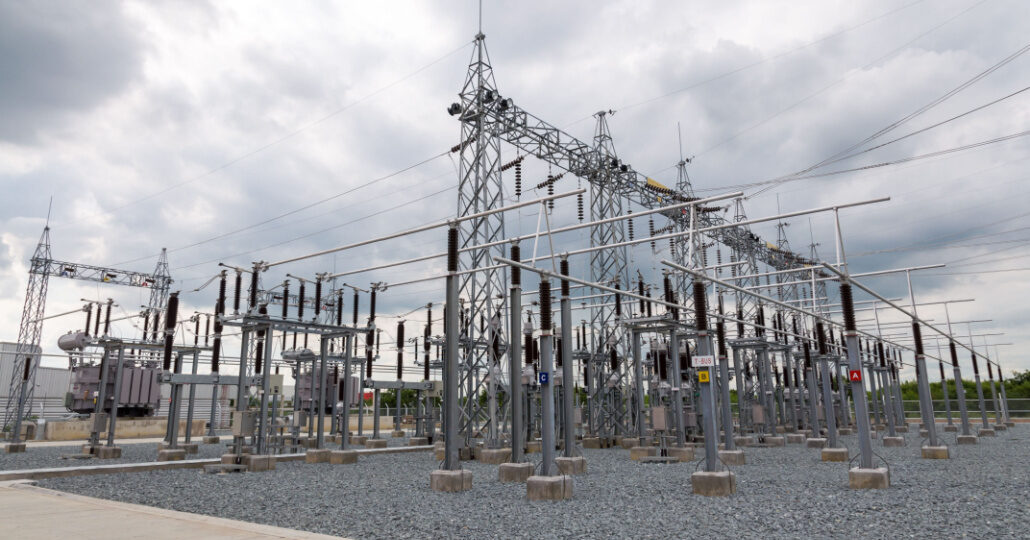
2. Large-Scale Equipment Integration
Status of 765kV stocks is very advanced and sophisticated level equipment such as:
- Power transformers
- Gas-insulated switchgear
- Circuit breakers
- Protection systems
- Control and automation systems
- Reactive compensation equipment
It requires a focused understanding of the underlying principles of each type of equipment and comprehensive project management skills to ensure seamless integration.
3. Execution Across Challenging Terrains
The construction of a 765 kV transmission line frequently involves traversing forests, mountains, rivers, agricultural land, and densely populated regions.
It is vital that teams handle:
- Right-of-way issues
- Environmental approvals
- Land acquisition challenges
- Heavy equipment transportation logistics
- Rigorous safety standards
While actually implementing the projects, the staff should have a very high level of proficiency so as to not disrupt the project timelines.
The Critical Role of 765kV Infrastructure in Renewable Energy Integration
India’s clean energy drive very much hinges on the readiness of transmission.
Mostly, large-scale solar and wind projects are set up where natural resources are abundant and not near consumption centers. Power sources like those in Rajasthan, Gujarat, Ladakh, or offshore wind, will have to be efficiently transmitted to industrial and urban areas.
The three-phase 765 kV transmission line network is the backbone that connects renewable energy hubs with the national grid.
The lack of sufficient transmission capabilities will lead to:
- Renewable energy being forced to go unused.
- Grid congestions showing up more often.
- Power evacuation problems arising.
- The cost of energy is increasing.
As renewables installations keep increasing, the requirement for a powerful 765 kV substation in India continues to grow tremendously.
Building Grid Resilience for the Next Decade
The power grid of the future will undergo drastic changes and become more and more complex.
While conventional power systems depended on stable and predictable generation, modern power grids would have to be resilient to changes due to fluctuating renewable energy sources and at the same time remain capable of 24/7 power supply.
Some of the new-age transmission infrastructure features are as follows:
- Digital substations
- Real-time monitoring systems
- Predictive maintenance technologies
- Advanced protection schemes
- AI-enabled grid analytics
- Remote asset management platforms
The evolution of the 765 kV substation in India is therefore not limited to physical infrastructure alone. It increasingly involves intelligent systems that improve visibility, reliability, and operational efficiency.
With these new developments, India is on the path of establishing a network that is not only smarter, but also more resilient and well-equipped to facilitate long-term energy goals.
Why Only a Few Players Can Execute 765kV Projects at Scale
There are quite a number of companies taking part in power infrastructure projects but only a handful of companies can claim that they have the technical prowess, vast execution experience and end-to-end capability to undertake 765kV projects.
Delivery requires deep skills in:
- Engineering and design
- Procurement management
- High-voltage testing
- Grid integration
- Automation systems
- Safety compliance
- Project execution
The heavy scale and complexity present big challenges even for the most capable EPCs.
Therefore, major EPC contracting organizations with proven track records in delivering largescale transmission and substation projects continue to play a key role in evolving energy infrastructure in India.
As demand for power expands and renewable energy gets integrated more and more, engineering capability will become the main factor in project delivery results.
Building the Blueprint for a Net-Zero Future
Net zero path is often thought of as one involving renewable generation capacity, yet generation alone is not likely to transform the energy landscape.
Transmission networks that are reliable, resilient and ready for the future are equally important.
Every solar park, wind power installation, battery storage plant, industrial corridor and smart city relies on the seamless movement of electricity. The success of India’s energy transition depends substantially on the ability to move power across different regions both safely and efficiently.
Supported by top-notch 765 kV transmission line network and substation infrastructure, the country is laying the groundwork for growth and sustainable development.
At Hartek Group, our expertise in power systems, transmission infrastructure, and grid connectivity enables us to contribute to this transformation. Through advanced engineering, quality execution, and a commitment to innovation, we continue supporting the development of modern energy infrastructure in India that powers industries, communities, and future generations.
As India moves toward becoming a global economic and energy powerhouse, the journey to a net-zero future will increasingly depend on the strength of the networks built today.
Key Takeaways
- 765 kV substation is a vital element for India to support power demand and renewable energy growth ambitions simultaneously.
- An efficient and robust long distance power transfer through 765 kV transmission line network is essential to reduce power lost in transmission.
- Widening and deepening of the 765 kV substation in India landscape are crucial steps to keep the grid reliable and integrate more renewable energy.
- Modern ultra-high-voltage infrastructures, on the other hand, are becoming a significant part of India’s future power infrastructure.
- Engineering prowess and Execution efficiency will be the main determinants of project outcomes especially in case of complex 765kV projects carried out at a national scale.
FAQs about 765kV Substation
1. What is a 765kV substation?
A 765 kV substation is a high voltage electrical plant that is meant to transmit and distribute large quantities of power efficiently across long distances and at the same time support grid stability and reliability.
2. Why is a 765 kV transmission line regarded as important?
The 765 kV transmission line enables significant bulk power transfer but its main virtue is that it permits power transport over long distances with minimum transmission losses. It is best suited for the supply of electricity to remotely located areas as well as the generation of renewable energy.
3. How does 765 kV substation in India promote the use of renewable energy?
A 765 kV substation in India is where power generated from large solar and wind projects is evacuated and integrated into the national grid. This assists energy delivery to demand centers efficiently and economically.
4. What are the biggest challenges in building 765kV infrastructure?
Design complexity, the challenge of integrating high-voltage equipment, land and environmental clearance issues, managing logistics, safety standards all of these are major challenges in building 765kV substation and transmission lines.
5. Why is energy infrastructure in India becoming more and more important?
As industrialization, urbanization, electrification, and digitalization accelerate, robust infrastructure is essential to ensure reliable power supply, economic growth, and the successful achievement of net-zero goals.
Share:


