
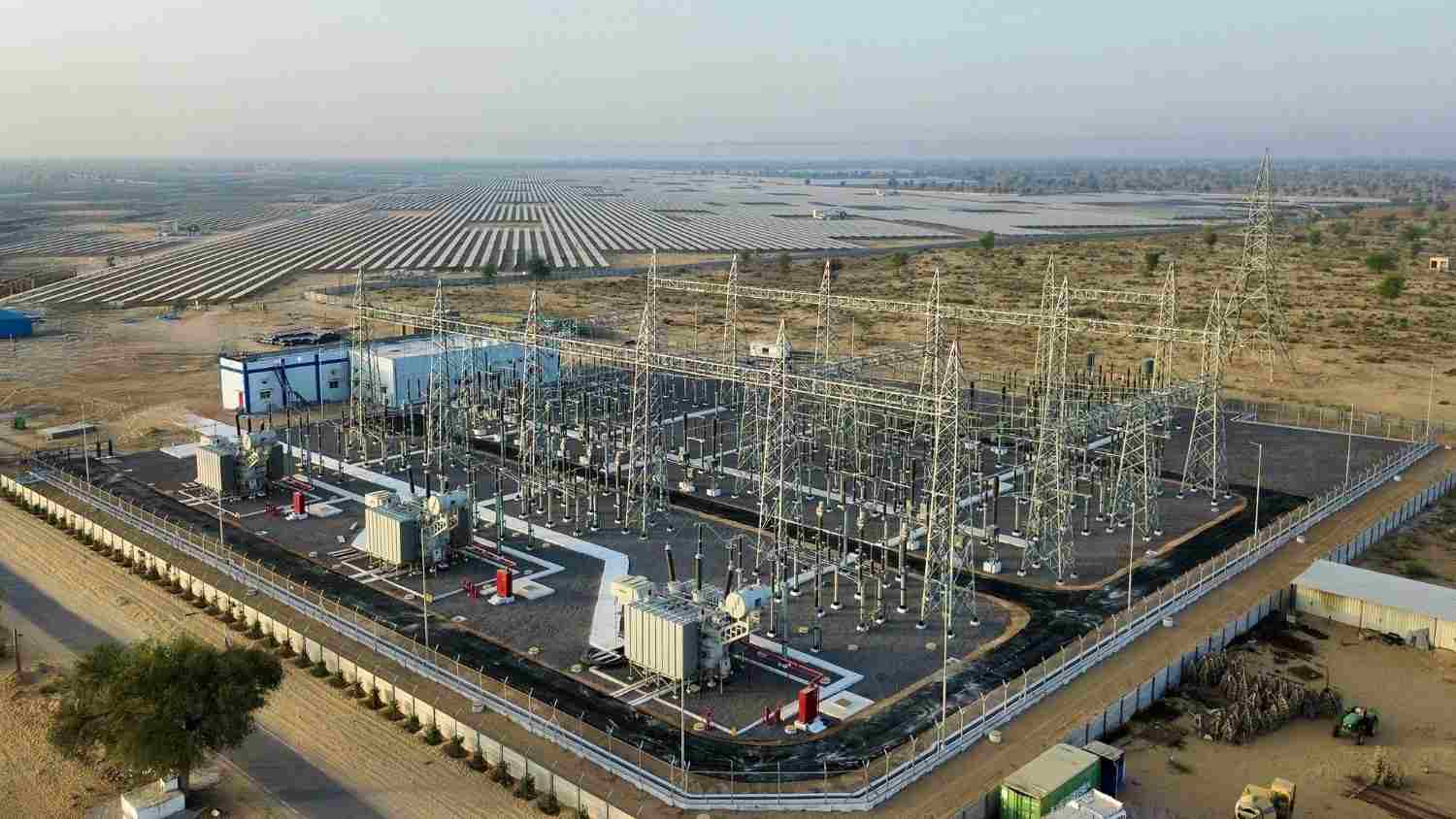
India is building one of the largest clean energy programs in the world. The India clean energy roadmap commits the country to 500 GW of non-fossil fuel capacity by 2030 and net-zero emissions by 2070. But adding solar and wind capacity is only the first step. Electricity has to travel from resource-rich regions to demand centers, and it has to be available when people need it, not only when the sun shines or the wind blows.
That is why generation, transmission, and storage can no longer be planned in separate silos. A solar park without a grid connection sits idle, and a grid without balancing resources struggles to absorb variable power. The next phase of the energy transition depends on how well these three pillars work together.
Did You Know? India reached 300.50 GW of non-fossil capacity as of July 31, 2026, about 60% of its 500 GW target for 2030. That is more than 54% of the country’s roughly 552 GW of total installed capacity.
Why the India Clean Energy Roadmap Needs a Systems Approach
For years, clean energy progress was measured mainly in installed megawatts. Today, that number tells only part of the story. A successful India clean energy roadmap must also measure how much renewable electricity actually reaches consumers, how reliably it arrives, and what it costs the system.
Aligning the three pillars means:
- Siting generation with transmission availability in mind
- Building transmission corridors ahead of, or alongside, new renewable projects
- Placing storage where it can relieve congestion and balance supply
- Equipping grid operators with real-time visibility and control
When planning happens in sequence rather than together, a delay in one area ripples through the others. Projects wait for evacuation lines, power gets curtailed, and investor confidence weakens.
Generation: Scaling Solar and Wind Where the Resources Are
India’s strongest solar and wind resources are concentrated in states such as Rajasthan, Gujarat, and Tamil Nadu, often far from the industrial and urban centers that consume the most electricity. Utility-scale solar is expanding quickly, while commercial and industrial rooftop and floating solar projects are bringing generation closer to the point of use.
Delivery matters as much as development. Hartek, for example, has connected more than 10 GW of solar to the grid and installed over 200 MW of rooftop capacity nationwide. That execution depends on early engineering decisions about interconnection, evacuation voltage levels, and grid compliance.
Power Transmission and Energy Storage India Needs to Scale Together
Transmission: The Backbone of Clean Power Delivery
High-capacity transmission turns remote renewable output into usable power. Extra-high-voltage lines and substations move electricity over long distances with lower losses, and they let regions with surplus generation support regions with deficits. Hartek’s Power Systems business builds grid infrastructure up to 765 kV, including a 765 kV project for PGCIL in Andhra Pradesh. Capabilities like these keep corridors from becoming the bottleneck for renewable growth.
Storage: The Flexibility Layer
Solar output peaks at midday, while demand often peaks in the evening. Battery Energy Storage Systems (BESS) shift surplus generation into those later hours, provide fast frequency response, and reduce curtailment when the grid is congested. Placed at substations or alongside solar plants, storage can also ease local bottlenecks and delay some grid upgrades. Hartek’s New Energy business works on BESS and on energy management systems for green hydrogen production.
Treating power transmission and energy storage India is building as complementary assets, rather than competing options, lowers the total cost of integrating variable power.
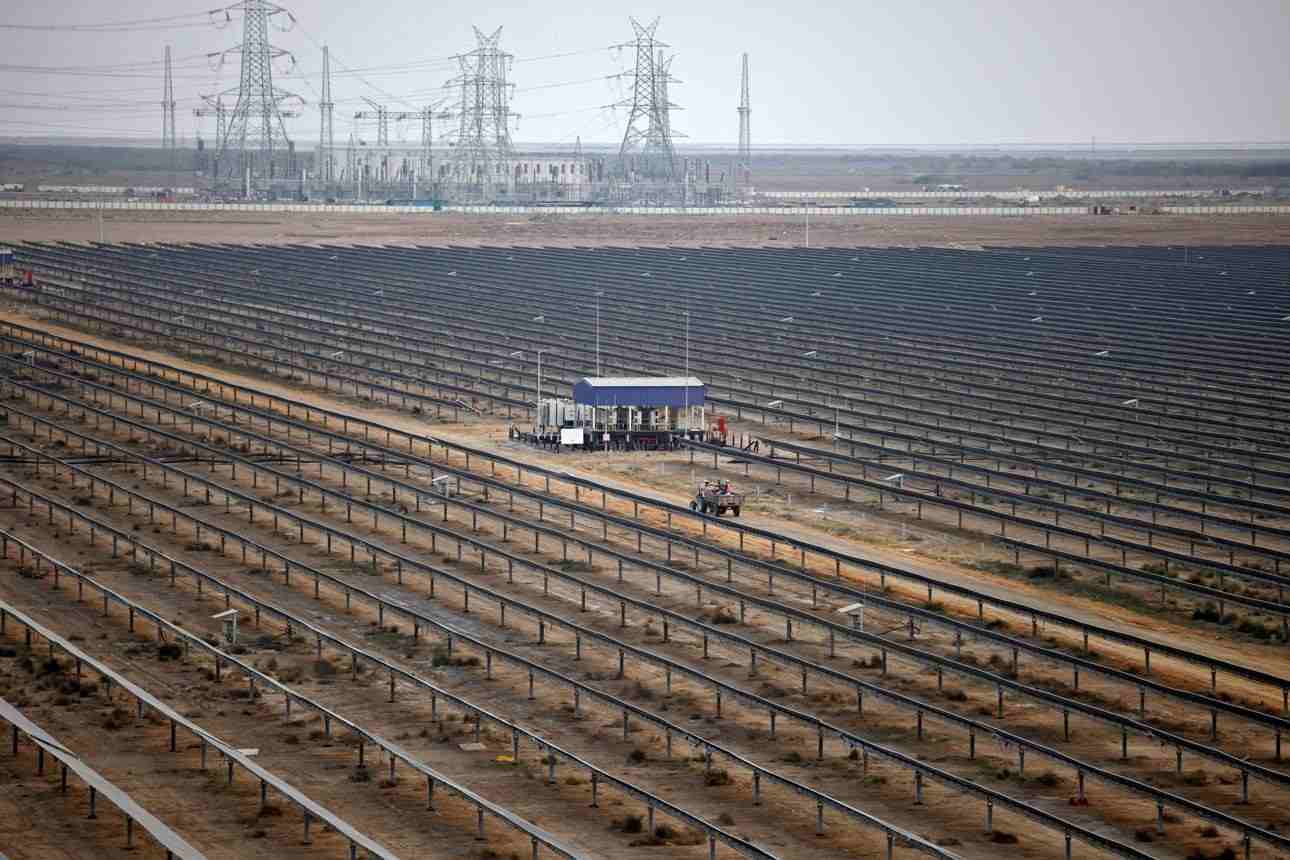
The Case for Integrated Renewable Energy Planning India Can Rely On
Integrated planning begins with shared assumptions. Developers, transmission utilities, load dispatch centers, and storage providers need to work from the same demand forecasts and the same view of future congestion. In practice, that means:
- Co-locating solar, wind, and storage where transmission capacity exists or can be added quickly
- Sizing evacuation infrastructure for future expansion, not just the first phase
- Using storage to firm up output before it enters the grid
- Coordinating state and central agencies on approvals, land, and timelines
The benefits of integrated renewable energy planning India can adopt include shorter project timelines, fewer stranded assets, and lower curtailment.
Building India Energy Transition Infrastructure for the Long Term
Substations, transmission lines, and storage plants last for decades, so they must be designed for a grid that will look very different in 2035. India’s energy transition infrastructure has to handle two-way power flows from rooftop solar, higher loads from electric vehicles and data centers, and more frequent extreme weather. Digital substations, wide-area monitoring, and automated protection schemes are becoming standard features rather than premium options.
Engineering, procurement, and construction (EPC) partners with experience across solar, substations, and power distribution products also shorten delivery time. They manage the interfaces that would otherwise sit between separate contractors.
Key Takeaways
- Reaching clean energy targets hinges on coordinating generation, grid, and storage. Adding capacity alone won’t get it done.
- High-voltage transmission is what moves renewable power from resource-rich areas to the places where demand actually sits.
- BESS brings flexibility to the system, curtails less power, and helps keep the grid stable.
- When agencies and developers plan together, delays shrink, and fewer assets end up stranded.
- Teaming up with an experienced EPC partner makes it easier to deliver projects that are connected and built for the future.
Challenges on the Road Ahead
Turning the India clean energy roadmap into reality means solving several practical problems:
- Right-of-way and land: Acquiring land for transmission corridors can take longer than building the lines.
- Congestion and curtailment: Generation can outpace evacuation capacity in high-resource regions.
- Storage economics: Long-duration storage needs clear market signals and financing structures.
- Skilled workforce: Specialized engineers and technicians are needed for EHV and digital grid assets.
- Cybersecurity: A more connected grid must be protected at every layer.
Powering the Next Phase!
Success will not be measured by capacity targets alone. It will show up as clean power reaching homes and industries reliably, with minimal curtailment and a grid ready for the load of tomorrow. The India clean energy roadmap will be judged on that alignment of generation, transmission, and storage.
Hartek Group has been part of India’s power sector since 1991 and now works across power systems, renewables, and power distribution products, with a footprint across more than 21 states. By delivering solar, substation, and grid projects end-to-end, Hartek supports the transition to a reliable, low-carbon energy future.
FAQs
- Why does generation, transmission, and storage need to be planned as a package?
Renewable plants can’t deliver power without grid access, and the grid relies on storage to smooth out variable output. Plan them in silos, and you get delays and curtailment.
- What part does transmission play in the clean energy shift?
It carries power from solar and wind regions to cities and industries efficiently, and with fewer losses along the way.
- How does BESS help renewable energy?
BESS captures surplus power and releases it when demand climbs or generation drops, which helps with frequency regulation and peak shaving.
- What stands in the way of grid expansion the most?
The usual suspects: land acquisition, congestion, financing, workforce availability, and cybersecurity.
- Where does Hartek fit in?
Hartek handles solar EPC, grid infrastructure up to 765 kV, power distribution products, and newer energy solutions like BESS.
Share:


