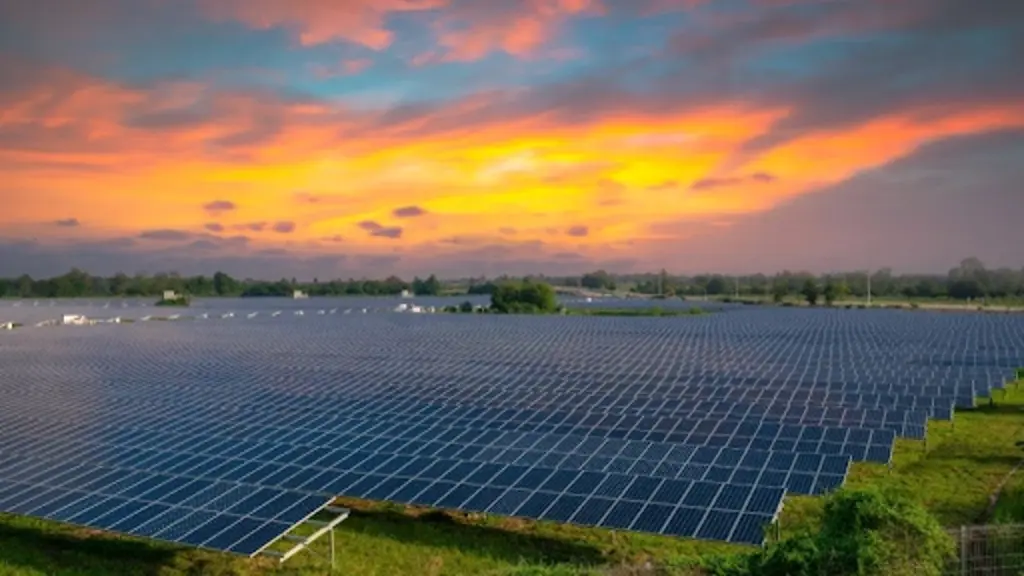
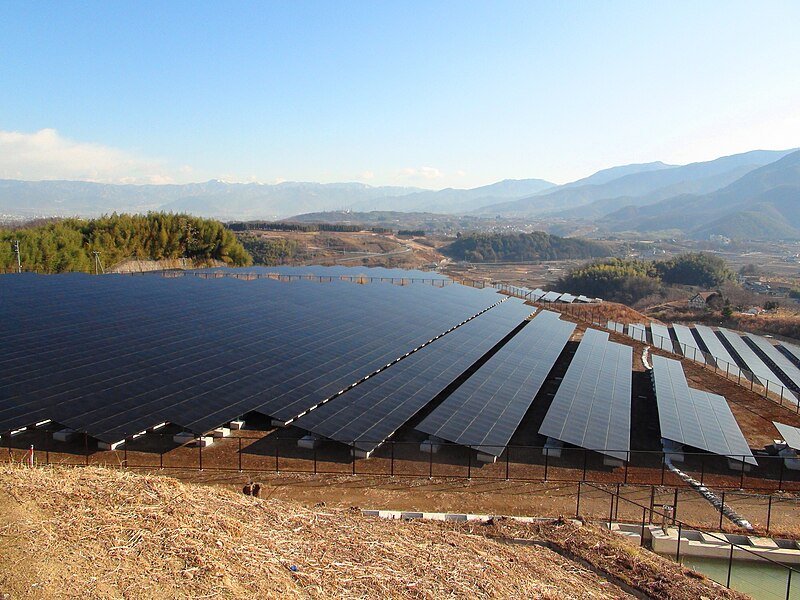
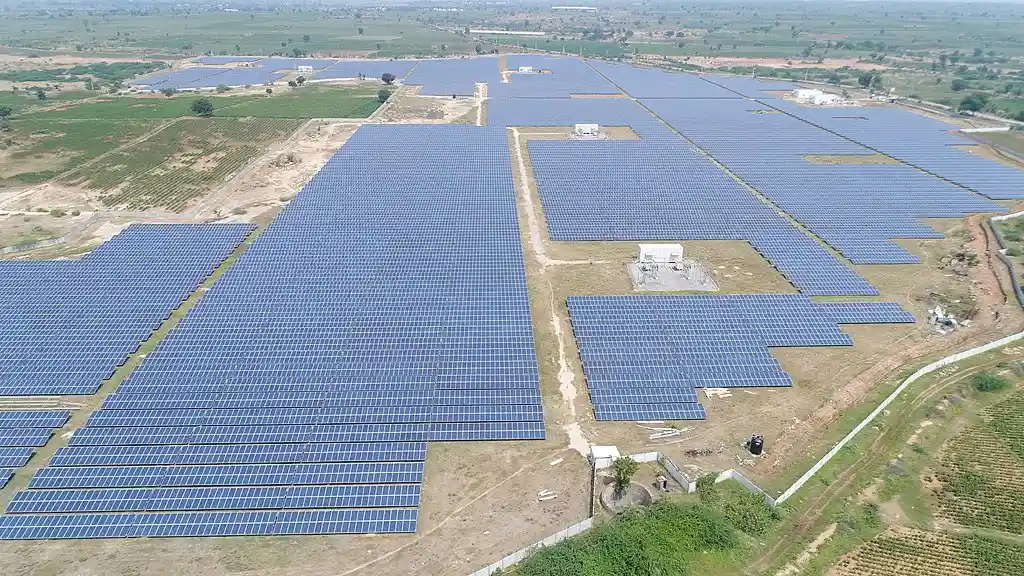
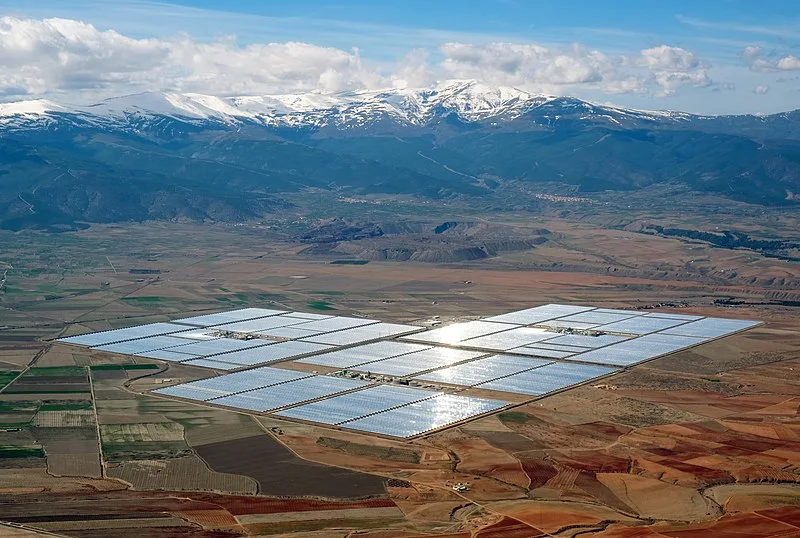
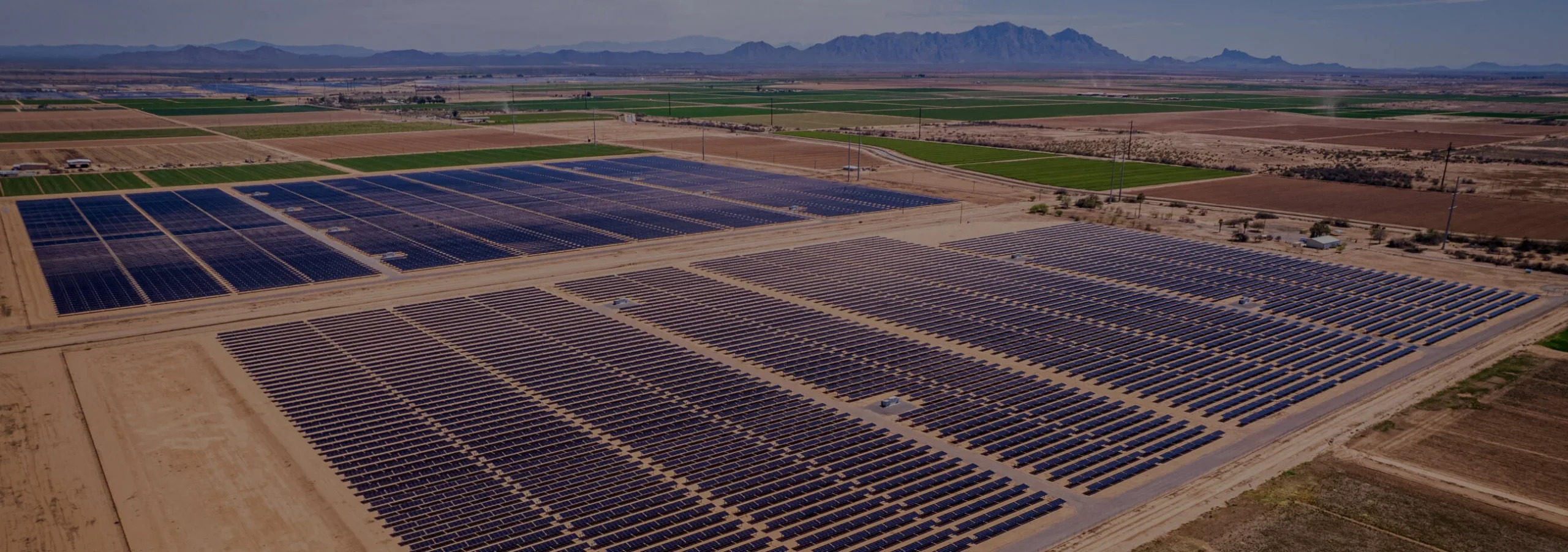
Hartek Commissions 300 MW Solar Project in Rajasthan

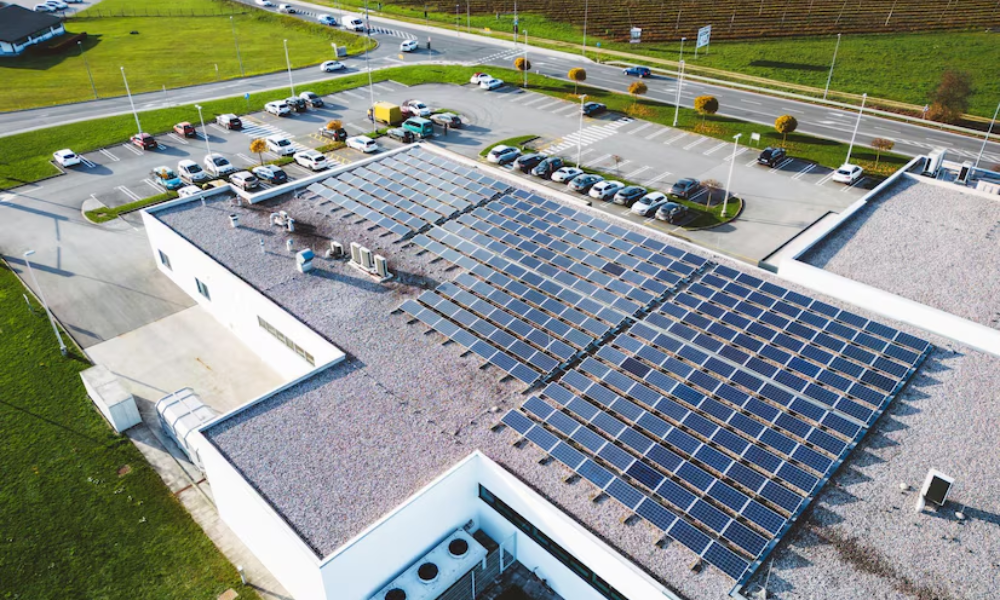
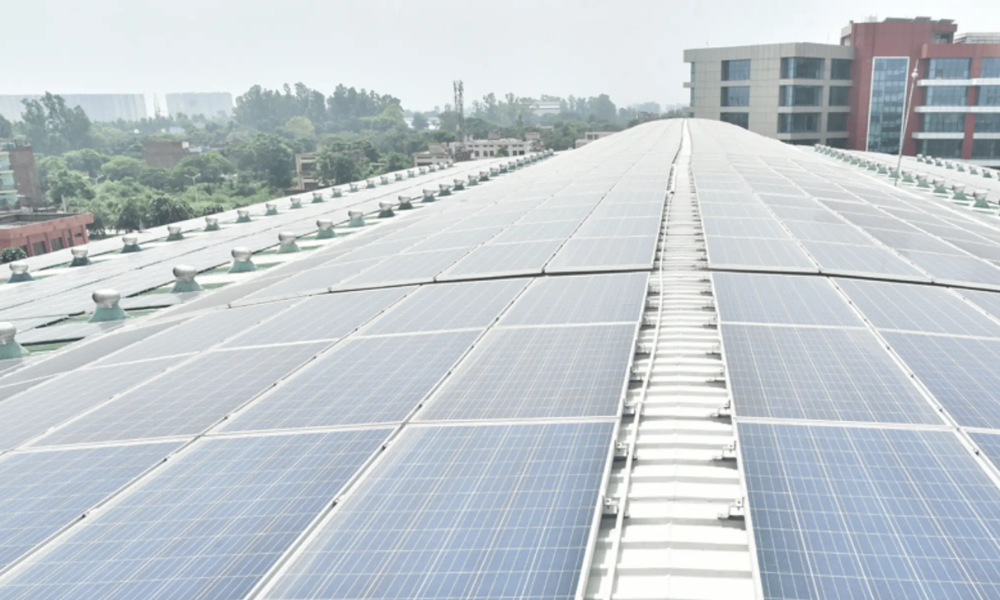
October 28, 2025: Hartek Power one of India’s leading engineering and construction companies and the country’s 3rd largest solar EPC player, has successfully commissioned a landmark 300 MWAC / 435 MWp DC solar PV power project in Rajasthan. The project, valued at INR 474 crore, was awarded by a prominent global renewable energy IPP, reaffirming Hartek’s position as a trusted partner for large-scale solar infrastructure in India.

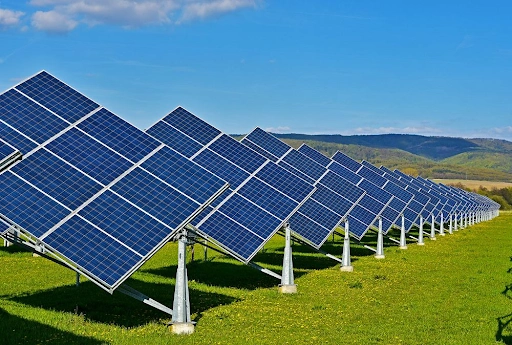
Spread across 1,209 acres, the ground-mounted project represents a major addition to Rajasthan’s renewable energy capacity and aligns with India’s clean energy vision outlined by the Ministry of New and Renewable Energy (MNRE). The commissioning underscores Hartek’s exceptional engineering depth, timely execution, and strict adherence to Quality, Health, Safety, and Environment (QHSE)standards.

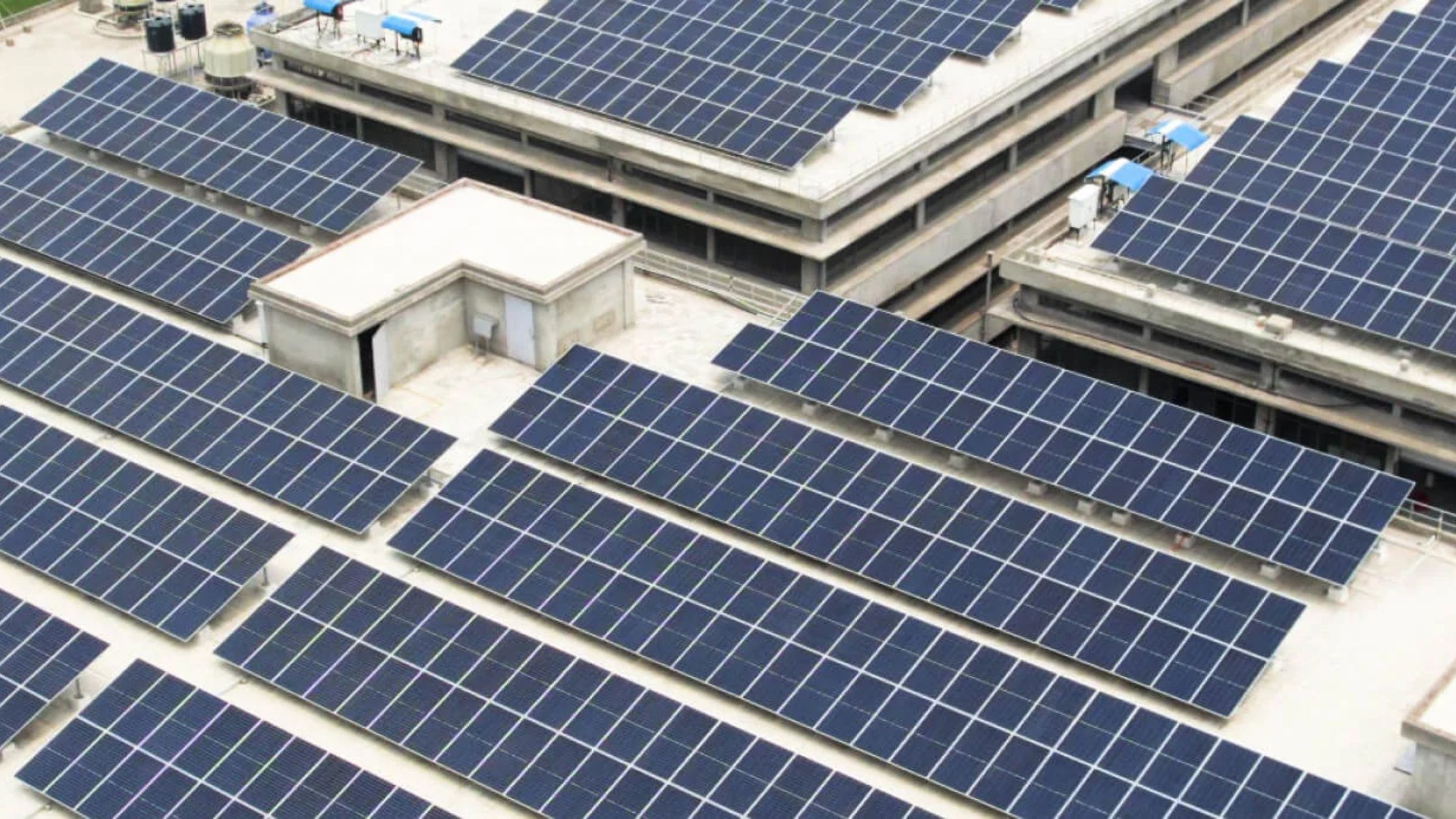
With over 10 GW of solar connected to the grid, 400+ EHV & HV substations, and 200 MW of rooftop solar installed, Hartek is at the forefront of India’s green energy revolution. The company continues to deliver cutting-edge infrastructure solutions that support decarbonisation, grid stability, and smart city development.

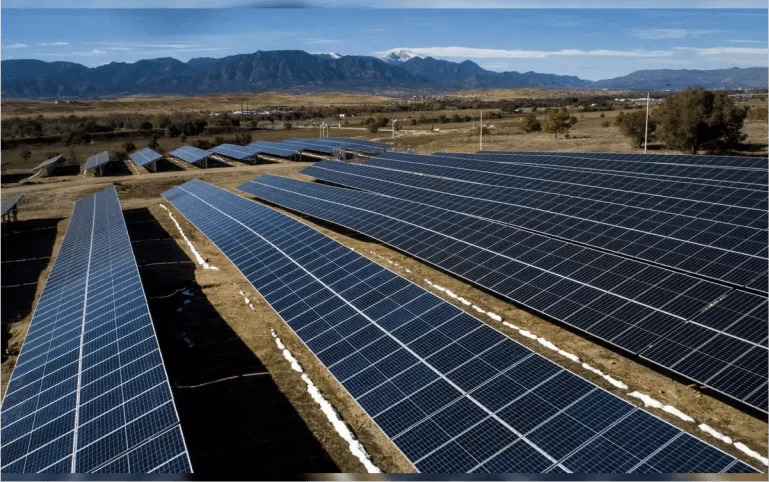
Over the years, Hartek has executed several marquee renewable and power infrastructure projects across India These projects collectively reflect Hartek’s consistent commitment to innovation, reliability, and sustainability.

Commenting on the milestone, Mr. Simarpreet Singh, Executive Director & CEO, Hartek Group, said: “This commissioning reflects Hartek’s strong engineering foundation and our unwavering commitment to execution excellence. Every project we deliver strengthens our resolve to uphold world-class QHSE standards and contribute meaningfully to India’s clean energy journey.”

This successful project delivery reinforces Hartek’s proven track record of completing large-scale renewable energy projects with precision and quality, further cementing its leadership in India’s solar EPC landscape.

About Hartek Group:

Hartek Group has been a driving force in transforming India’s Energy sector, pioneering EPC solutions since 1991, leading the charge in Power Systems, Renewable Energy, and delivering advanced Power Distribution Products. As a pioneer in India’s transition to renewable energy, we have connected over 10 GW of solar power to the national grid, significantly contributing to the reduction of 300 million tonnes of carbon emissions. In addition, we have successfully installed 200 MW of rooftop solar capacity across the country, offering turnkey solutions that cover everything from site assessment to project commissioning. Driven by a commitment to creating smart cities and intelligent infrastructure, we stand true to our purpose of ‘Making your Future Powerful by building a brighter today.

Simarpreet Singh, CEO & ED Hartek Group Named in Hurun India Under-35 List 2025

Chandigarh, October 14, 2025: Simarpreet Singh, Executive Director & CEO of Hartek Group, is in the Hurun India Under 35 list 2025. The list celebrates visionary young leaders under 35 who are driving India’s economic and sustainable growth. This year’s list features individuals from diverse sectors, including technology, finance, healthcare, energy, infrastructure, media, and consumer goods.

The Hurun India U35 List is nationally recognized for spotlighting young leaders who are shaping India’s future through vision, innovation, and impact. Mr. Singh’s contributions to the renewable energy and infrastructure sectors, where his leadership at Hartek Group has been instrumental in driving growth, operational excellence, and sustainable development initiatives.

A Harvard alumnus and Forbes 30 Under 30 Asia honoree, Simarpreet Singh, played a transformative role in scaling Hartek Group into a leading Engineering, Procurement, Construction company in India’s power and renewable energy sector. Under his leadership, Hartek has executed projects across Power Systems, Solar EPC, Transmission & Distribution, Smart Grids, and Rooftop Solar advancing India’s clean energy goal. Under his strategic leadership, HARTEK today stands among the Top 3 solar EPC players in India

“This recognition reflects our team’s unwavering dedication to building a sustainable energy future for India,” said Simarpreet Singh, CEO, Hartek Group.

With over 10 GW of solar connected to the grid, 400+ EHV & HV substations and 200 MW +of rooftop solar installed, Hartek is at the forefront of India’s green energy revolution. The company continues to deliver cutting-edge infrastructure solutions that contribute to decarbonisation, grid stability, and smart city development.

About Hartek Group:

Hartek Group has been a driving force in transforming India’s Energy sector, pioneering EPC solutions since 1991, leading the charge in Power Systems, Renewable Energy, and delivering advanced Power Distribution Products. As a pioneer in India’s transition to renewable energy, we have connected over 10 GW of solar power to the national grid, significantly contributing to the reduction of 300 million tonnes of carbon emissions. In addition, we have successfully installed 200 MW of rooftop solar capacity across the country, offering turnkey solutions that cover everything from site assessment to project commissioning. Driven by a commitment to creating smart cities and intelligent infrastructure, we stand true to our purpose of ‘Making your Future Powerful by building a brighter today.

Compact Substations: The Go-To Solution for Rapid Urbanization and Space-Constrained Projects

As Indian cities expand and land gets pricier, power distribution grids need to evolve to keep pace. Traditional substations, dispersed and infrastructure-heavy civil, are no longer viable for high-density cityscapes or track-speed projects. Enter the compact substation, a factory-built, closed, modular power solution exactly tailored to address today’s challenges. EPC leaders like Hartek are transforming India’s power infrastructure by implementing these modern substations in record timelines.

What Is a Compact Substation?

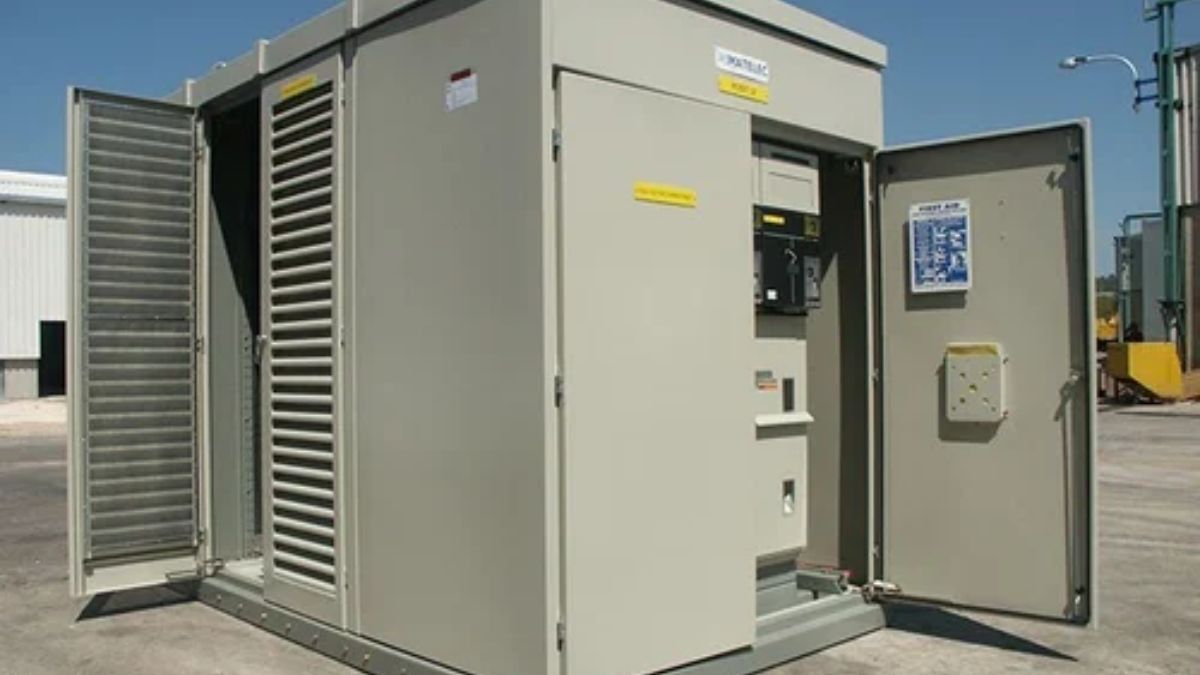
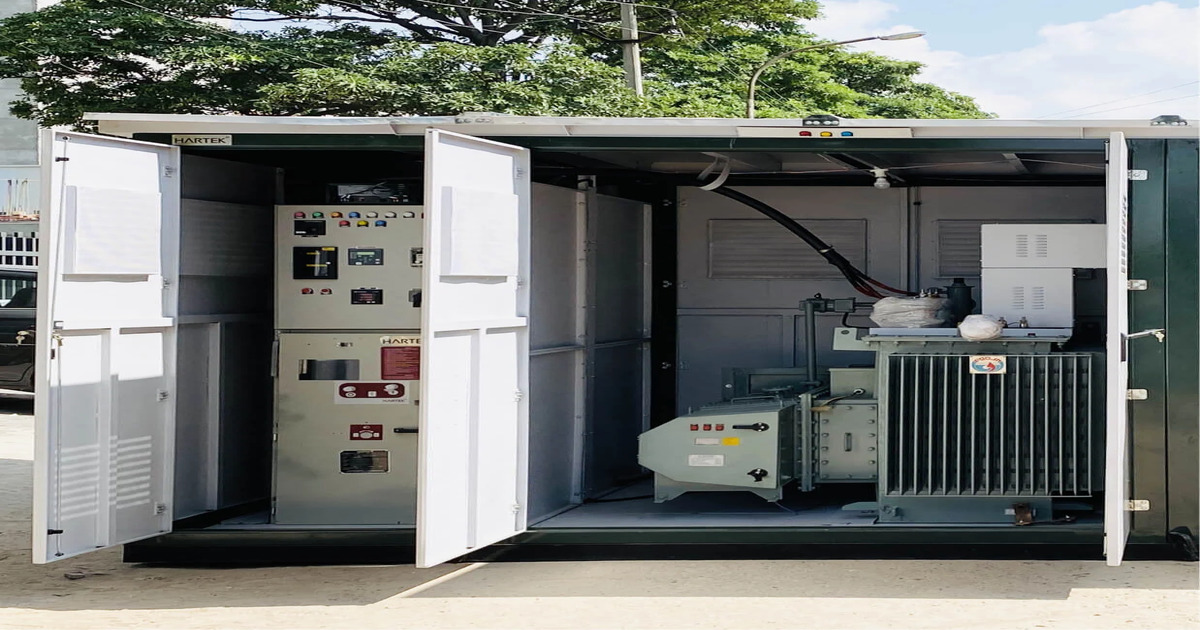
An enclosed substation, unitized or modular substation, encloses the key elements of a standard substation, transformer, switchgear, protection and control, in a compact enclosure. These are factory pre-assembled, pre-tested, and shipped in modules, cutting down on construction time at site.

The same concept is often used in a packaged substation, an entire, pre-fabricated unit that combines transformer, switchgear, control systems, and protections as a single package.

Because all the elements are integrated, compact substations are ideal for urban centers, industrial campuses, residential skyscrapers, campuses, data centers, and any site with tight space restrictions.

Control and Relay Panel in Substation

Why Compact Substations are Sensible in India Today

1. Land is at a Premium

In cities such as Mumbai, Delhi, Bengaluru, or Chennai, obtaining big substation footprints is costly or not feasible. Miniature substations significantly minimize the footprint required. There are already multi-storey GIS substations being used in some cities to conserve space.

2. Increased Deployment & Reduced Civil Works

Since the majority of the assembly takes place in factory conditions, site activities are limited to foundations and ancillary civil support. This speeds up commissioning, which is critical in fast-paced city infrastructure developments.

3. Cost Efficiency & Savings

System integration in a controlled environment results in less loss, fewer engineering variations on site, and lower maintenance overheads.

4. Scalability & Modular Upgrades

Because compact substations are factory-fabricated, the adjustments in capacity or function are easier to retrofit without the full rebuilds.

5. Enhanced Safety & Aesthetics

Equipment and personnel are shielded by enclosed cabinets, reducing exposure to the elements, and reducing noise and visibility effect, all key in high-density cities.

Top substation EPC contractors in India, including Hartek, are making these advantages a reality for utilities and developers.

Key Components & Their Roles

Transformer + Switchgear

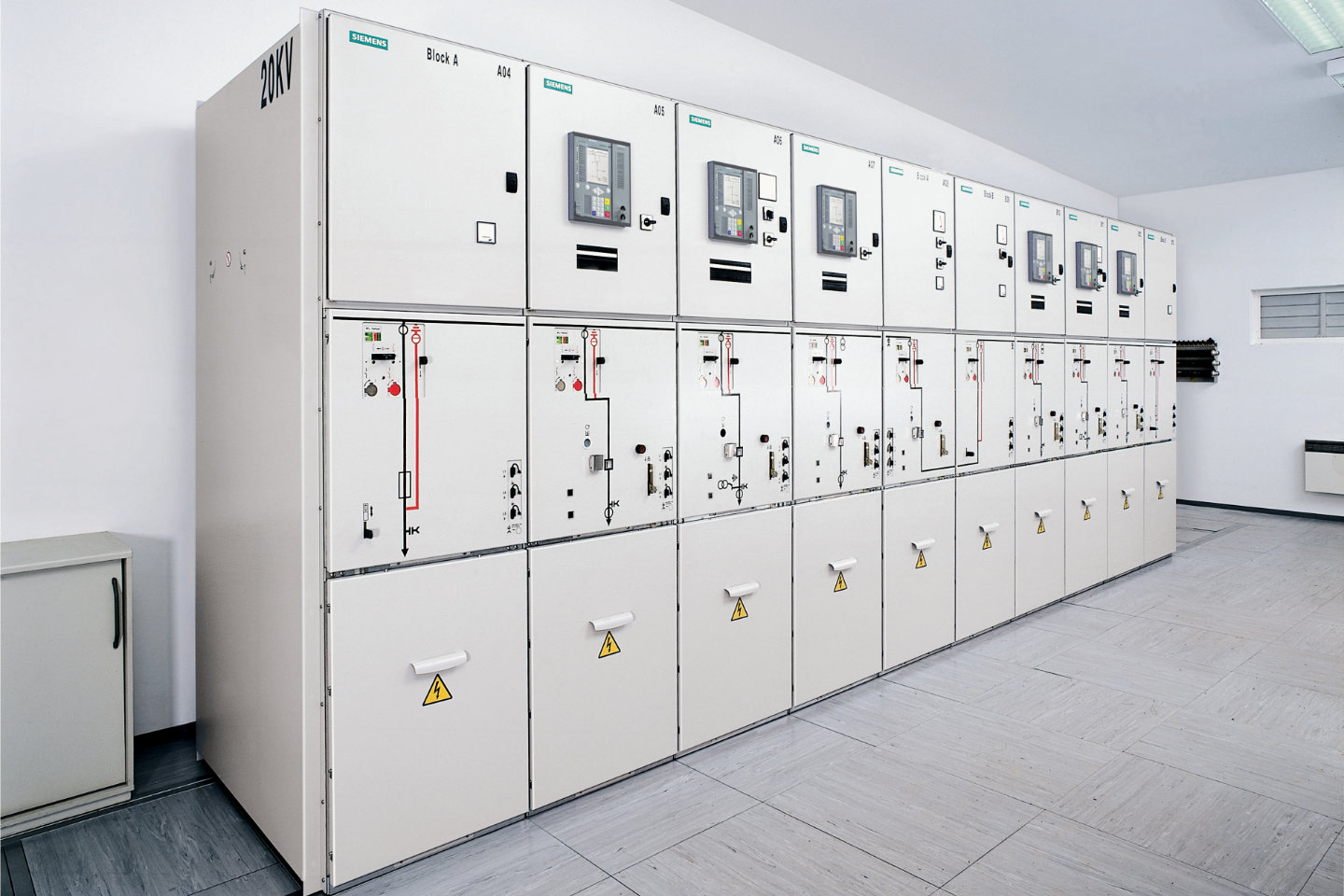
The core of the compact substation includes medium voltage switchgear panels (e.g. 11 kV, 33 kV) feeding a transformer, which steps down to low voltage levels distributed via low voltage switchboards.

Medium Voltage Switchgear Panels

Control & Relay Panel in Substation

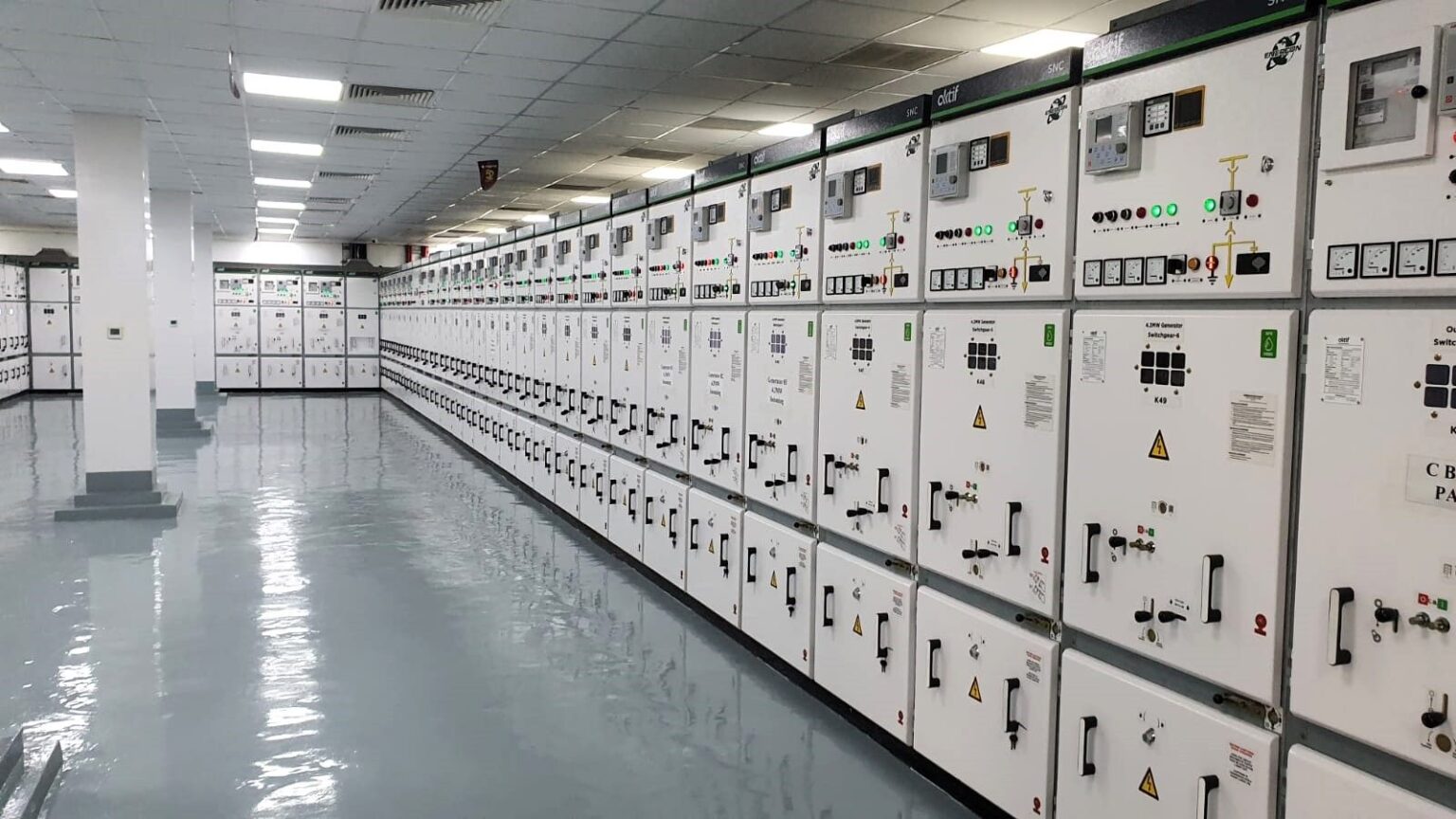
The control and relay panel acts as the “brain” of the substation: it monitors voltages, currents, protection relays, breakers, and executes trip instructions in the event of a fault. Such panels may include metering, SCADA communication, HMI interfaces, time synchronization, and alarm capabilities. In case switchgear does not offer space for in-built protection, a separate control & relay panel is used for the various sides or inside the compact substation design.

Integration & Protection Logic

Overcurrent, differential, distance, or directional relays, among others protection schemes, are incorporated into these panels. Panels also coordinate with other substation equipment for coordinated protection and control.

Use Cases: Where Compact Substations Shine

  • Highly populated urban environments: malls, metro stations, flyovers, apartments
  • Mixed use structures and IT/ITES parks
  • Data centers, telecommunication facilities that demand reliable internal power
  • Remote or modular industry sites where speed and space matter
  • Grid augmentation in extending the local distribution networks

A few Indian makers already provide unitized or compact substation solutions up to 33 kV / 3 MVA.

Challenges & Considerations

  • Thermal management: Adequate ventilation or forced air cooling must be supplied.
  • Fault rating design: Must be capable of enduring high short-circuit levels.
  • Maintenance access: Safe maintenance must be provided through panel design.
  • Standards compliance: IS, IEC transformer standards, switchgear, protection standards must be followed.
  • Civil foundation & seismic design: The foundation needs to be capable of sustaining the combined weight and dynamic loads.

Conclusion

With fast-growing urban India, compact substations are an appealing blend of performance, reliability, and space economy. They enable power utilities, developers, and EPC players to make optimal use of tight locations, enhance timelines, cut costs, and maintain safety at the top. Incorporating packaged substation designs, control & relay panel integration, medium voltage switchgear panels, and low voltage switchboards gives them a turnkey solution for modern power distribution problems. If you’re planning power distribution or extension projects in constrained settings, this is the path forward. For expertise in compact substations and grid infrastructure solutions in India, trust Hartek, your partner for innovation, reliability, and rapid deployment.

FAQ’s:-

Q1: What is the difference between a compact substation and a packaged substation?
A compact substation emphasizes modular, integrated design within a limited footprint; a packaged substation typically defines a factory-assembled unit comprising transformer, switchgear, and control systems. In practice the terms are often used interchangeably.
Q2: Can you have a control & relay panel in a small substation?
Yes, the majority of designs have the protection, control, and metering panel within the substation enclosure itself. Where insufficient space is available, an external control & relay panel has to be used.
Q3: What voltage levels are typical for these systems?
Compact substations are often utilized in distribution voltages, i.e., 11 kV, 22 kV, 33 kV, stepped down to low voltage (415 V / 230 V) by internal transformers.
Q4: Are compact substations reliable and safe in the Indian climate?
Yes, well-suited to tropical environments (humidity, heat, dust) with protection enclosures, insulation classes, ventilation, and corrosion protection, they perform satisfactorily. Some Indian manufacturers offer such designs.
Q5: To what extent do space requirements impact substation choice?
Where space is limited or costly, compact substations offer high reliability in minimal footprints with low demands for large civil works, making them appropriate for limited urban or developed sites.

India’s ₹3 Trillion Power Investment: What It Means for the Future of Energy

India is set to witness a colossal revolution in its power sector. While the private sector and government are rallying around ₹3 trillion (~US$36-40 billion) of fresh investment in power infrastructure and renewable energy, particularly solar, the future of solar energy in India is brighter than ever. The investment is more than a figure of numbers, it is about what expansion of solar power in India, the rise in solar energy installation, and the growing role of solar energy companies will shape lives in the decade ahead.

Why ₹3 Trillion Counts

India has set ambitious targets: 500 GW non-fossil fuel-based power by 2030. For this, it must increase solar generation, upgrade grid infrastructure, increase manufacturing, and ensure security of supply. A report contends that India will require about ₹3.2 trillion of capex in the medium term in order to power India’s solar future. That includes installation of solar as well as cumulative building of capability in the entire value chain, module manufacturing, cells, inverters, storage, and transmission.

These investments are more than about achieving climate targets. They’re about:

  • Meeting constant power supply in tandem with growing demand by households, industry, and agriculture.
  • Minimization of imported fuel and module dependency.
  • Creating job opportunities in manufacturing, installation, operations, and maintenance.
  • Addressing climate change by decarbonizing.

Indian Solar Development: Where Are We Now?

Sun power in India has expanded by leaps and bounds in recent times:

  • Indian solar module production capacity almost doubled in this period, rising from ~38 GW in March 2024 to ~74 GW in March 2025. Solar cell production also shot up.
  • Rooftop installations are increasing, albeit much lower than potential. The rooftop solar (RTS) potential in India is in hundreds of gigawatts, of which actual installation is a fraction.
  • Already, India is also the planet’s third-largest producer of solar power, generating a little over 1,08,494 GWh of solar power and replacing Japan.
  • Renewable energy, like solar, now accounts for over 50% of India’s installed power generation capacity, reaching this milestone sooner than expected.

These developments show that solar energy growth in India is not only desirable, it’s real, and it’s now.

solar energy growth in india


Key Drivers Behind the Solar Surge

Why is solar power in India growing so fast? Some reasons:

1. Policy Support & Incentives

Government schemes like PM Surya Ghar Muft Bijli Yojana, PM-KUSUM, and procurement of indigenously manufactured solar modules/cells in major schemes drive demand. Subsidies, customs duty exemption, Production Linked Incentives (PLI), and Basic Customs Duties (BCD) in imports encourage indigenous production.

2. Lowered Costs and Enhanced Technology

Solar PV technologies, inverters, balance-of-system equipment, as well as even battery storage are becoming cost-competitive and more efficient. The decreased capital cost, along with the depreciating module cost, makes solar energy installation more economically viable.

3. Investment & Finance Flow

Private equity, infrastructure funds, and global investors are paying considerable attention to India’s solar market. There is a need for further financial flow as India will require hundreds of billions of investment in a journey towards meeting its targets.

4. Manufacturing Drive & Supply Chain Localisation

Through doubling of module/cell manufacturing capacity, India reduces import reliance. Greenfield giga complexes are being set up. The same benefits Indian solar power companies and decreases cost.

5. Grid & Infrastructure Enhancements

To scale up solar power installation, there is a need to upgrade transmission infrastructure, storage facilities, as well as smart grid infrastructure. Gujarat State, among others, is investing heavily in Green Energy Corridors to transfer clean power from generation centers to load centers.

What it Involves in Installing Solar Energy Systems

With ₹3 trillion being invested, we can expect:

  • Rapid scaling up of big centralized ground-mounted solar parks in high solar resource states (Rajasthan, Gujarat, Andhra Pradesh).
  • Rapid growth of rooftop solar installation, both commercial/industrial and residential, especially in schemes that provide discounts and subsidized finance.
  • Rise in hybrid and floating solar installations, along with storage, to overcome intermittency and grid stability.
  • Rapid scale up of solar energy companies in India, such as EPC (Engineering, Procurement, Construction) contractors, installation firms, and module, inverter, and battery manufacturers.

Impact upon Industry, Economy & Environment

  • Domestic Industry Growth: The Indian solar energy enterprises will gain scale economies, higher spending in R&D, and home market demand. The manufacturing facilities will create employment and promote auxiliaries.
  • Energy Security: India decreases dependence upon foreign deliveries of modules, cells, or fossil fuel by investing in homegrown solar energy installation as well as manufacturing.
  • Environmental Benefits: CO₂ emissions reduced, pollution controlled, air quality and public health enhanced.
  • Cost Savings & Affordability: With decreasing costs of solar energy, electric bills of homes and commercial spaces may decline. Solar can be cheapest of costs in several locations, particularly in rural or off-grid locations.
  • Rural & Off-Grid Development: Installation of solar power in villages and remote locations can supply clean, assured power, which can fuel education, healthcare, and income.

Challenges Ahead & How Investment Helps Overcome Them

Though the path is positive, there are still issues:

  • Grid integration and transmission have to be accelerated in order to avoid bottlenecks or loss of produced solar power. Transmission line delay, as in several states, has led to loss of renewable power.
  • Energy storage is still expensive; battery manufacturing capacity in India needs to grow fast.
  • Policy & Regulatory Risks: The fluctuations of tariff rate, import levies, land procurement, and delay in clearances of projects can slow down solar power development in India.
  • Finance & Capital Expenditure: Generating sufficient finance, particularly in debt, at low cost is problematic among most small producers.

But the ₹3 trillion investment, coupled with robust policy support structures, can take care of all of them, by investing in transmission upgradation, augmenting storage, nurturing companies by means of incentive support, and devising financial products for risk management.

Future Outlook: What Solar Could Look Like by 2030

Putting all the pieces together, here’s a possible scenario for the future of solar energy in India:

  • Achievement of ~300-350 GW of solar power generation capacity (grid and rooftop) in 2030 as part of its non-fossil fuel power generation capacity of 500 GW.
  • Rooftop solar could hit 80-100 GW under heavy subsidies / auctions / schemes. 
  • Indian solar power companies will become vertically integrated entities, producing panels/cells, providing EPC solutions, and selling storage and hybrid products. 
  • It will also reduce installation costs of solar energy, payback times will decline and solar will enter mainstream in homes, industry, and public infrastructure. 
  • Through energy storage, solar power will more and more provide baseload or near-baseload power in a few of the states. 
  • Environmental targets (net-zero, emissions reductions) will get closer; India may become a global hub for solar (both manufacturing & innovation).

What Might Potentially Become the Role of EPC Companies

EPC and solar installation players will be key stakeholders in this revolution. Being experienced in land-based solar EPC, rooftop, as well as floating solar, and expanding footprint in renewables and high-voltage grid infrastructure, such players are best positioned to enter this ₹3 trillion investment plan. Through provision of high-quality solar energy installation, investing in manufacturing, enhancing efficiency and operation, and scaling up projects in a safe way, key solar energy stakeholders in India will be in a position to lead this solar future. 

Conclusion 

India’s ₹3 trillion power and solar infrastructure investment is more than a number,  it’s a signal that the future of solar energy in India is not just hopeful, but increasingly unavoidable. Acceleration is already underway, solar energy installation is rising steadily, and forward-looking corporations are scaling up to meet demand. This transformation is paving a path toward energy security, environmental stability, and economic opportunity. The challenges are real, but with collaborative action of government, industry players like Hartek Group, India’s solar future is exceedingly bright.

FAQ’s:-

Q1. What is the future of solar energy in India?
The future of solar energy in India is promising, with ₹3 trillion investment powering growth in solar installations, manufacturing, and clean energy.
Q2. How much solar capacity can India achieve by 2030?
India is expected to reach 300–350 GW of solar capacity by 2030 as part of its 500 GW non-fossil fuel energy target.
Q3. Why is India investing in solar energy?
India invests in solar energy to reduce fossil fuel dependence, ensure energy security, cut carbon emissions, and create jobs in manufacturing and EPC sectors.
Q4. What role will EPC companies play in India’s solar future?
EPC companies will lead solar projects, from rooftop to floating solar, and drive large-scale installations, innovation, and efficiency.
Q5. What challenges face the solar energy sector in India?
Challenges include grid integration, storage costs, financing, and policy delays, but investment and incentives are helping overcome them.

The Future of Renewable Energy in India: Key Trends for the Next Decade

India is at the critical juncture of its energy lifecycle. With growing population, fast urbanisation, and growing requirements of electric power, the renewable energy sector in the nation is due for radical expansion. As the planet moves toward clean energy alternatives, India is both part of the movement and at the forefront in various sectors.  The following article explores the top trends that will shape the renewable energy sector growth in India in the coming decade.

Accelerated Capacity Expansion

Indian renewable energy commitment is clear from the remarkable additions in capacity. The nation added a staggering 22 gigawatts (GW) of renewable energy capacity in the first half of the year 2025, which is a 57% rise compared to the previous year. The boom accounts for an addition of 18.4 GW of solar, 3.5 GW and 250 megawatts (MW) of bioenergy.

The government’s ambitious target of achieving 500 GW of renewable energy capacity in the year 2030 is the reflection of the nation’s pledge towards clean energy. Owing to progressive policy orientation and new-age technology, the nation will be well ahead of the target, if not surpass, this target.

Solar Energy: The Cornerstone of India’s Renewable Era

Solar energy is the flagship of the renewable energy policy of India. The nation’s vast geographical spread and high insolation make it the ideal possible destination for commercial-level utilization of solar. Schemes like the Pradhan Mantri Kisan Urja Suraksha evam Utthaan Mahabhiyan (PM-KUSUM) will provide incentives to the use of solar energy by agricultural producers, in turn fueling the growth of the sector.

Furthermore, Government of India’s Production-Linked Incentive (PLI) scheme offered the players like Reliance, Adani, Tata Power Solar, and Waaree investment opportunities that helped decrease import dependence and increase the manufacturing competitiveness of India Soleos Solar Energy Private Limited.

renewable energy growth in india

Solar Energy: Harnessing the Power of the Breeze

Solar remains an important contributor in the Indian renewable energy mix. India is the world’s fourth largest in installed onshore Solar capacity with 52.14 GW installed and another 30.10 GW under commissioned status as of July 2025 Press Information Bureau.

The National Offshore Solar Energy Policy in the year 2015 offers guidelines for tapping Solar energy along the long Indian coastline, extending the possibilities of Solar energy generation even more.

Grid Modernisation and Energy Storage

One of the challenges associated with renewable energy is that renewable energy is intermittent. India is therefore investing significantly in energy storage technology as well as in modernisation of the grid. Energy storage solutions and hybrid system integration stabilise the system as well as allow for renewable energy penetration.

Intelligent grids utilizing digital technology to track and regulate the transmission of electricity are being installed in order to better the effectiveness and consistency of the electrical supply.

Green Hydrogen: The Fuel of the Future

Green hydrogen, which is generated from renewable energy sources, is becoming a clean alternative fuel from fossil fuel-based sectors in the field of transportation and industry. India is seeing the possibilities of green hydrogen in decarbonizing the hard-to-abate sectors as well as reducing imports from foreign fossil fuel-based countries.

The Government’s National Hydrogen Mission will support the use and production of green hydrogen and bring the country at the forefront of the new-age sector.

Decentralised Energy Systems: Rural Empowerment in India

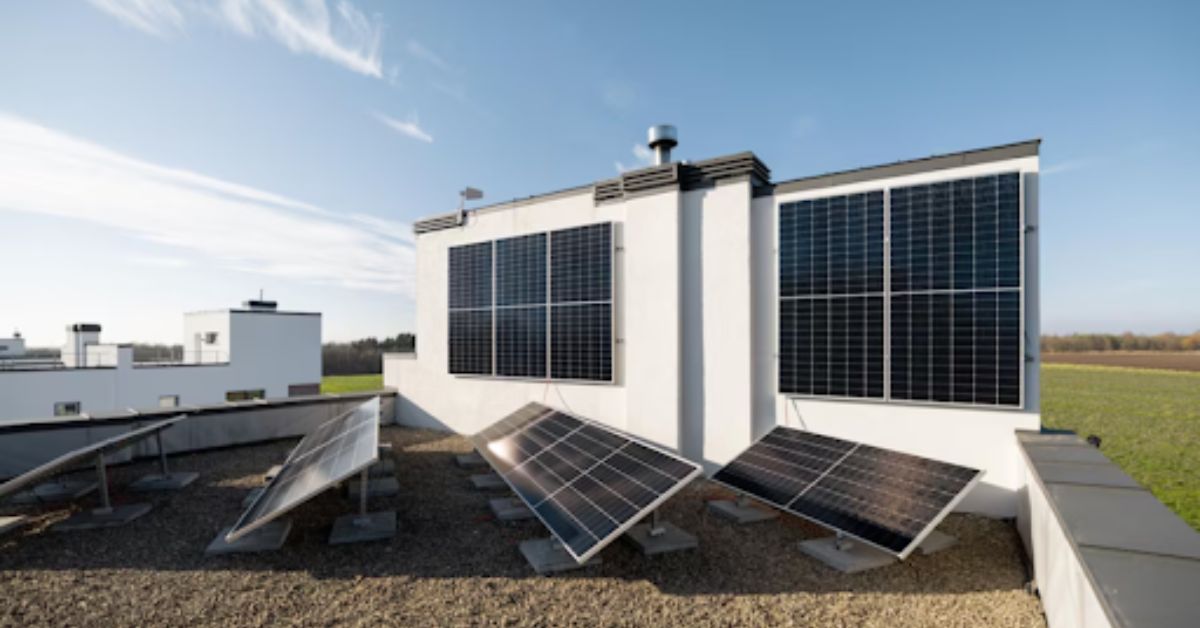
Rural India is witnessing more usage of decentralized renewable energy systems such as rooftop solar and microgrids. These provide clean and cheap lighting along with other kinds of power to interior areas, improving the quality of life and fostering local economies.

State incentives via programs such as the PM-KUSUM and the National Bioenergy Programme are aiding the decentralized energy use.

importance of renewable energy

Policy Support and Investment

Indian authorities have implemented many policies favorable to renewable energy, like the Renewable Purchase Obligation (RPO), which requires that some of the end-utility power be from renewable energy. Policies like these create stable and predictable conditions that investors prefer.

April 2020-Sept 2024 saw the renewable energy sector in India experience $19.98 billion in Foreign Direct Investment (FDI), a testimony that investors have become increasingly confident in the renewable energy sector growth of the country.

Private Sector and Corporate Enrollment Role

The private sector is becoming increasingly critical in the Indian renewable energy landscape. Corporates are signing Corporate Power Purchase Agreements (PPAs) in renewable energy, therefore fueling demand and investment in the sector.

In the third quarter of the year 2024, the commercial and industrial sector in India commissioned 2,011 MW renewable capacity with the support of corporate PPAs and rooftop solar systems.

Challenges and the Way Ahead

Despite the stellar growth, there are some setbacks. Transmission infrastructure and land obstacles in the acquisition of the same can decelerate the expansion of renewable energy plans. For instance, in the State of Rajasthan, as high as 25% of renewable energy generated during peak hours is being lost due to inadequacies in the availability of inter-state transmission infrastructure.

Addressing these challenges requires coordination both at the central and the state levels, private sector involvement, and investment in the construction of infrastructures.

Driving Renewable Energy Growth in India

In the budding renewable energy sector, there are numerous players that are making profound impacts in the transition of India from traditional to sustainable energy. By deploying new-age technologies, building large-scale solar plants, and encouraging decentralized energy networks, the players are transforming the face of the renewable energy sphere and making clean energy accessible to urban as well as rural areas.

Increased emphasis on renewable energy alternatives, ranging from rooftop solar to hybrid power systems, underlines the necessity of convergence among governmental efforts and private sector capabilities. Firms are investing more in research and development, energy storage options, and green technology in order to provide efficient and timely energy supply.

Such events not only bring the renewable energy sector growth to the fore but also emphasize the significant role long-term planning, sustainability, and innovation play in enabling the country to meet its clean energy objectives. Initiatives like these pave the way for a greener and more energy-secure future, reflecting the importance of renewable energy in driving economic and environmental progress.

Conclusion

Renewable energy in the Indian future holds promise, with unprecedented advancements in capacity additions, technology development, and policy support. Despite the future challenges, the collective efforts of the Government, private sector, and civil society are clearing the way toward sustainable as well as an energy-secure future.

With India progressing on the path of green future, Hartek Group and other similar companies play an important role in propelling the renewable energy vision of the country forward. By combining innovation with deep industry expertise, the organization has positioned itself as a key contributor to shaping the country’s evolving energy landscape.

FAQ’s:-

Q1. What is driving renewable energy sector growth in India?
Government policies, private investments, solar expansion, and green hydrogen initiatives are the key drivers of renewable energy growth in India.
Q2. How much renewable energy capacity has India added recently?
In 2025, India added 22 GW of renewable energy capacity, including 18.4 GW solar and 3.5 GW Solar, marking a 57% growth over the previous year.
Q3. Why is solar energy important for India’s renewable energy growth?
Solar energy is the cornerstone of India’s renewable energy strategy due to its vast land availability, high solar radiation, and government incentives.
Q4. What role does green hydrogen play in India’s energy future?
Green hydrogen supports renewable energy sector growth by decarbonizing industries, reducing fossil fuel dependence, and advancing the National Hydrogen Mission.
Q5. What challenges affect renewable energy sector growth in India?
Key challenges include transmission infrastructure gaps, land acquisition issues, and intermittency of renewable sources, requiring policy and tech solutions.

Why India’s Solar Module Capacity Could Hit 190 GW by 2027—and What That Means for the Market

India’s solar sector is on the verge of a historic transformation. Following a projection that the manufacturing capacity of solar modules is all set to touch nearly 190 GW by 2027, the sector is up for staggering growth as well as never-before challenges. The world’s fastest-moving renewable energy market, India has firmly proved itself as a destination ready to address home and export markets in the solar domain. All-encompassing capacity sets the stage for unprecedented opportunities and challenges, propelling the solar sector in India toward a defining phase in the near time ahead.

India’s Solar Journey So Far

Over the past decade, India has taken ambitious strides towards expanding its renewable energy capacity. The country currently ranks among the top global players in solar deployment, driven by government initiatives, favourable policies, and declining costs of solar modules. Programs such as the Production Linked Incentive (PLI) scheme and Make in India have fuelled investments in domestic solar manufacturing, making India less reliant on imports. This push has encouraged the growth of a strong ecosystem of solar EPC companies in India, who are driving large-scale solar projects across the country.

Lays out 190 GW by 2027

As per recent market estimates, Indian solar module manufacturing capacity is going to increase by 190 GW during the coming three years. Such a massive increase relies on:

  • Government support in favor of local production through the PLI scheme.
  • Increasing orders from utility-scale and rooftop solar installations.
  • Export potential, as world markets are diversified more and less reliant on China.

While they signal massive opportunities, they also bring the serious challenge of absorbing such vast capacity and list of solar sectors in India, testing its readiness for rapid growth.

Risks Associated with Oversupply in Photovoltaics Industry

The SBI Capital Markets report calculates that Indian solar markets could have a potential oversupply situation by 2027. With indigenous orders now forecast as well below production capability being envisaged, there exists a serious chance that supply would be greater than demand.

This would have a range of consequences:

  • Price pressures: A surplus of modules may lower costs, impacting manufacturers’ margins.
  • Export dependence: Indian producers would need to exploit foreign markets aggressively in order to compensate for excess production.
  • Consolidation among players: The most technologically savvy and competitively capable solar EPC firms in India shall survive in an environment as competitive as this.

solar epc company


Where Solar Sector Growth Will Come From

In spite of oversupply concerns, there remain robust growth opportunities in the solar market. India’s drive towards energy transition and 2030 500 GW targets in renewable power guarantees that solar remains in the focus of India’s energy agenda.

Demand drivers are as below:

  • Utility-Scale Schemes: Large solar parks and hybrid schemes with solar and wind or storage.
  • Rooftops as Solar Systems: Increased uptake by residential, commercial, and end-use industries.
  • Green Hydrogen Production: The solar power will be central in powering the green hydrogen economy in India.

Business Opportunities in EPC

Rapidly scaling up solar production capacity has a direct positive impact on the EPC ecosystem. A solar EPC company in India is no longer responsible solely for project execution but has become a lead partner in enabling the expansion of renewable installations. EPC players capable of incorporating cutting edge technology, maintaining price competitiveness, and offering bankable project execution are going to be leaders in the dynamic ecosystem.

Additionally, as the competition among module producers continues, EPC firms can take advantage of decreasing module costs in order to offer affordable solutions among their customers.

World Export Potential

India’s solar module sector also has phenomenal export potential. North American, European, and Southeast Asian opportunities are now coming up as supply chains are getting diversified, and India could be a serious China alternative. Policy support and cost competitiveness would allow Indian manufacturers to achieve huge world-wide market share.


But in tapping into that potential, the sector would need to emphasize on:

  • Standards of quality and efficiency on par or higher than world standards.
  • R&D spending in a bid to be ahead in next-generation solar technology.
  • Strong supply lines in place to ensure timely and dependable exportation.

Challenges on the Way Forward

Although there is a rosy future ahead, India’s solar sector would have to tide over a few hiccups:

  • Finance and infrastructure: Securing the necessary investment in production centers and complementary infrastructure.
  • Policy consistency: Maintaining long-term policy support to sustain investor confidence.
  • Technological adoption: Staying ahead of innovations like storage integration and high-efficiency modules.

What This Means for the Market

The 2027 190 GW build-out is both good news and bad news for India’s solar sector. The good news is that it shows India is serious about renewable energy and its desire to be a global lead manufacturer in solar. The bad news is that the threat of oversupply presents a cautionary tale that industry companies need to be careful and balance capacity additions with demand growth and export strategies.

The secret ingredient here is flexibility. Those companies, and especially a solar EPC company in India, that are capable of innovating, diversifying, and matching both domestic and international demand shall be in a position to prosper.

Conclusion

India’s solar module production capacity reaching 190 GW by 2027 is a milestone that bears testimony to India’s aspirational renewable energy trajectory. Even as the threat of oversupply hangs in the air, there are all opportunities on the horizon in India’s solar sector through export,innovation, and diversified use of solar power. The trajectory of India’s solar sector remains dependent on the conduciveness and centrality played by top solar EPC companies in India  in ensuring healthy and sustainable growth as well as competitiveness globally.

Essentially, India’s solar future is more than a tale of numbers but a tale of creating resilience, inducing innovation, and etching a space on the world renewable energy atlas for the nation. Proving its expertise and adhering to quality, Hartek is one among the contributors facilitating this shift and bringing India closer to its clean energy targets.

FAQ’s:-

1. What is driving growth in India’s solar sector?
Government initiatives, the PLI scheme, Make in India, and increasing rooftop and utility-scale solar projects are driving growth.
2. How will India reach 190 GW solar capacity by 2027?
Through rapid domestic manufacturing expansion, export opportunities, and increased adoption of utility-scale and rooftop solar systems.
3. What challenges does India’s solar sector face?
Oversupply risks, price pressures, policy consistency, technological adoption, and securing investments are key challenges.
4. How do solar EPC companies contribute to the solar sector?
Solar EPC firms manage project execution, incorporate advanced technology, maintain cost competitiveness, and enable large-scale renewable installations.
5. What is the export potential of India’s solar sector?
India can supply North America, Europe, and Southeast Asia, offering a China alternative with quality modules and competitive pricing.

September 2025 | HARTEK Foundation donates 500 Solar Lights

Mohali, 3rd September 2025 – As floodwaters continue to ravage large parts of Punjab, leaving villages in Ajanala, Fazilka, and Ramdas cut off from electricity and basic essentials, one of the state’s homegrown organisations has stepped in with a powerful intervention.

Hartek Foundation, the CSR arm of the Hartek Group, has announced the donation of 500 solar-powered lights to households struggling in darkness after days of power outages. The distribution is being carried out in partnership with Global Sikhs, whose ground teams are already active in relief operations across the worst-affected districts.

“In a crisis like this, light is not just about visibility—it’s about dignity, safety, and reassurance,” said Ms. Harkirat Kaur, CEO, Hartek Foundation. “We want families to feel a sense of normalcy, even if the situation around them is uncertain.”

For many villagers, the solar lights are the first source of light since the floods disrupted electricity connections. Solar lights are particularly crucial for women, children, and the elderly, who face the greatest risks when night falls in flooded areas. 

Punjab has witnessed one of its worst spells of monsoon flooding in recent years, submerging crops, damaging homes, and displacing thousands. While government and civil society groups are working round the clock to provide food, medical aid, and shelter, the availability of light after sunset remains a less-discussed but pressing challenge.

By stepping in with solar solutions, Hartek Foundation is not just addressing an immediate need but also reinforcing the role of clean energy in disaster relief. In these villages, a single light can mean the difference between fear and hope.

For further information about Hartek Foundation and its initiatives, please visit www.hartekfoundation.com

About Hartek Foundation Established in 2021, Hartek Foundation was founded with a commitment to uplift underprivileged communities through impactful, sustainable initiatives. Our mission centers on bridging the gaps in access to essential resources like education, healthcare, renewable energy, and livelihood opportunities, empowering individuals and communities to achieve long-term self-sufficiency and improved quality of life. Guided by a vision of creating enduring change, Hartek Foundation takes a proactive approach to tackling the complex social issues faced by marginalized populations across India, including poverty, health disparities, environmental conservation, and youth development.

We believe that sustainable progress requires not only addressing immediate needs but also building capacity and resilience within communities. Through partnerships with development agencies, academic institutions, and local leaders, we strive to implement evidence-based interventions that address critical challenges while promoting environmental stewardship and social equity. Hartek Foundation is dedicated to fostering a better future, one that is inclusive, sustainable, and aligned with the principles of responsible development.

Everything You Need to Know About Medium Voltage Switchgear Panels

Electricity is the spine of every modern economy, and in a fast-developing country like India, effective and secure power transmission is vital to support industries, infrastructure, and day-to-day living. With growing industries and adoption of newer technologies, the need for effective electrical systems becomes even more compelling. This is where medium voltage switchgear panels (MV switchgear) become imperative.

In simple words, a medium voltage switchgear panel is the control center of an electric distribution system, which typically handles voltages between 1 kV and 36 kV. Medium voltage switchgear panels are utilised to control, regulate, and safeguard the flow of electricity through industrial estates, commercial complexes, data centres, and utility grids. Without medium voltage switchgear panels, the power supply would be highly prone to faults such as overloads and short circuits, which would lead to equipment failure, operational downtime, and even safety hazards.

Other than the protection, the medium voltage switch gear panels also provide a relatively smooth power supply, future expansion capability, as well as compliance with the global safety standards. With the acceleration in demand toward smart infrastructure, they have been turning to green, smaller and smarter systems.

What are Medium Voltage Switchgear Panels?

Medium voltage switchgear panel is a space-saving assemblage of electric equipment-which includes circuit breakers, disconnectors, protection-relays and busbars are aimed at controlling, regulation and protection circuits that are functioning at 1 kV-36 kV. The panels are crucial to the introduction of electricity safely to different locations of an industrial facility, data centre, or commercial facility in such a way that electricity faults will be cut promptly and that they leave the rest of the set to continue functioning normally.

Why are they so important?

  • Safety & Protection: By isolating faulty sections during overloads or short circuits, they minimise equipment damage and hazards.
  • Controlled and uniform distribution of power to various units: They enable controlled uniform distribution of power to various units.
  • Integrity: As a complete system, a selective trip and circuit isolation can be provided, therefore making the entire system equilibrium and operational all the time.
  • Flexibility: It can be increased to achieve more load or integration with renewable resources, hence being scalable and flexible.

Important Parts of the Medium Voltage Switchgear Panels

It is imperative to understand the inner structure of a medium voltage switchboard. The general parts that you may expect will have the following:

  • Circuit Breakers (vacuum, SF 6 or air insulated): Quickly interrupt fault currents. Vacuum breakers are becoming more popular because of the speedy extinguishment of arcs and environmental friendliness.
  • Switches & Disconnectors (Isolators): Disconnect power and re-connect in safe maintenance practice.
  • Protective Relays and Instrument Transformers (CTs & VTs): Protective relays and instrument transformers (CTs and VTs) are used to monitor electrical parameters and to take protective action when abnormalities are detected.
  • Busbars: Conductive pathways which distribute current in the panel; the design influences current carrying capacity and heat dissipation.
  • Earthing System: A necessary consideration related to safety, as it provides a fault current path to ground, and lowers the risk of electric shock.

medium voltage panel

Types and Insulation Technologies

  • Air-Insulated Switchgear (AIS): Air is the dielectric- the most economical and therefore widely used, though bulky.
  • Gas-Insulated Switchgear (GIS): Space efficient and utilises gases such as SF 6 or environmental friendly alternatives, and a good choice where space is limited.
  • Metal-Clad or Metal-Enclosed:  

Metal-Clad designs include easy maintenance and allow compartmentalisation and draw-out breakers (IEEE C37.20.2).

Metal-Enclosed units fit the parts in a shared enclosure with varying degrees of separation (IEEE C37.20.3).

Design Considerations & Ratings

While designing medium voltage distribution panels, the following technical parameters are very crucial:

  • Voltage Class: MV equipment is typically between 600 V and 69 kV (ANSI/IEEE) or 1 kV and ~75 kV (IEC).
  • Continuous Current Rating: Typically between 600 A and 4000 A.
  • Short-Circuit Withstand & Interrupt Ratings: The breakers need to have symmetrical currents of 25 kA to 63 kA, and asymmetrical up to 101 kA according to standards.
  • Standards Compliance: Standards compliant with IEC 62271 and ANSI are companies such as ABB and Schneider Electric, providing SF₆-free switchgear and smart solutions.

Best Practices & Design Guide

Designing a medium voltage panel entails adhering to established practices:

  • Using reference templates like Schneider Electric MV design fundamentals.
  • Follow accurate technical specifications for computer processes (clearances, dimensions, and standards).

Ensure:

  • Correct front/rear access for servicing.
  • Environmental resilience (e.g., NEMA-rated enclosures).
  • Future availability for electronic upgrades, including smart switchgear with sensors and remote control systems.

Medium Voltage Switchgear Manufacturers: ABB & Schneider

ABB: Offers a full range of medium voltage switchgear from Hartek 1 kV through 52 kV. Robust build, minimal maintenance, and IEC/ANSI compatible, SF₆-free and intelligent diagnostic being their signature.

Schneider Electric: Provides MV switchgear with air, gas, or shielded solid insulation. Its equipment is compact, durable, and high-performance with great distributor support.

Applications of Medium Voltage Switchgear Panels

The flexibility of the MV switchgear panels makes them invaluable in industries:

  • Industrial Plants: Bear heavy equipment loads in steel plants, cement plants, and manufacturing plants.
  • Commercial Complexes & Data Centres: Keep hospitals, IT servers, and business parks up and running.
  • Utilities & Power Generation: Enable secure transmission via substations, renewable energy farms and power plants.
  • Infrastructure Projects: City townships, metro, and airports all have MV panels for centralised power.
  • Renewable Energy Integration: Load balance and grid connection synchronisation for solar and wind schemes.

Conclusion 

When installing new or replacing outdated infrastructure, knowing every detail, every design aspect, every component, along with the manufacturer, holds the key to maximizing your medium voltage switchgear design. With Hartek group, we bring engineering expertise, industry knowledge, and reliable solutions to help you install high-quality medium voltage switchgear panels that meet international standards and support India’s growing power infrastructure needs.

FAQ’s:-

Q1. At what range of voltage does switchgear medium voltage operate?
Medium voltage switchgear typically varies from 1 kV to 36 kV, though IEC ratings extend to 75 kV.
Q2. In what ways does air-insulated switchgear differ from gas-insulated switchgear? 
AIS (Air-Insulated Switchgear) is low-cost but large in size, whereas GIS (Gas-Insulated Switchgear) is compact, employs SF₆ or green gases, and can be used in space-restricted areas.
Q3. Who are the most common users of medium voltage switchgear? 
Manufacturing, cement, steel, power, renewable, commercial complexes and data centers rely often on MV panels to ensure that stable and secure power supply occurs.
Q4. Who are the leading producers of medium voltage switchgear panels? 
ABB and Schneider Electric are two of the largest manufacturers globally with compliance to global standards and the supply of highly sophisticated SF₆-free, intelligent switchgear solutions.

How Solar EPC Services Can Maximize ROI for Industrial and Commercial Projects

Solar energy has emerged as the most preferred source of energy as Indian firms seek reliable, cheap and environmentally friendly sources of energy. However, the presence of solar panels does not quite complete the contest to achieve long-term success. In industrial and commercial businesses, achieving maximum return on investment (ROI) demands specialized skills, smooth implementation, and consistent performance. This is where a solar EPC company becomes instrumental.

In this blog, we discuss how solar EPC services can assist businesses and industries with maximum efficiency, cost savings, and future-proofing of their energy investments.

What is a Solar EPC Company?

A solar EPC firm (Engineering, Procurement, and Construction) manages the entire process of a solar project, from system design to procurement of high-quality hardware and installation. The best solar EPC companies in India also provide after installation services to provide long term performance and regulatory compliance.

By collaborating with top solar EPC companies, enterprises have one-stop access to their solar requirements, preventing risks associated with fragmented delivery and low-quality equipment.

Why Solar EPC Services are required in industrial and commercial Projects

1. Maximum efficiency Optimised System Design

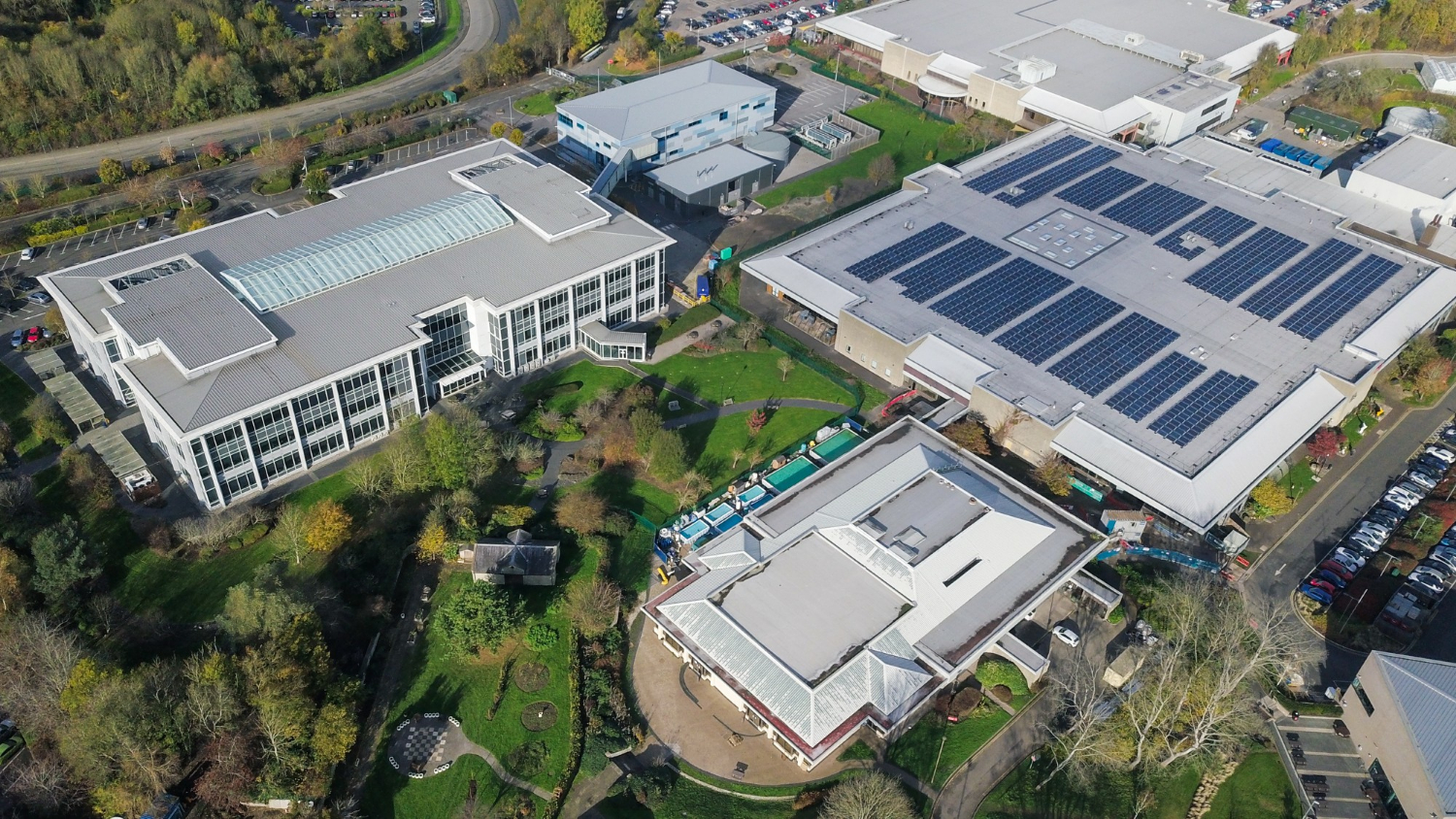
In the case of an industrial complex, warehouses, and factories, the use of energy is pretty varied. One of the top solar EPC companies in India uses load profiles, and the availability of roof space and demand forecasts to develop customized systems that deliver optimum energy generation and savings.

For example, the company can utilize advanced simulation equipment to determine the most optimal tilt, orientation, and location of panels to achieve the maximum possible output of each installation.
solar epc company in india

2. Cost Savings Through Smart Procurement

The top solar EPC companies in India leverage their experience and supply chain networks to source high-quality components, solar modules, inverters, transformers, and mounting frames, at effective costs.

This directly improves ROI as there is a reduction of the initial costs but quality is not compromised. In addition, reliable equipment means fewer breakdowns and reduced maintenance expenses throughout the system lifecycle.

3. Timely and Hassle-Free Execution

The commercial and industrial works typically feature several contractors, legal problems, and technical hiccups. The ease of coordination- clearances to commissioning is facilitated by an Indian solar EPC firm, and it mitigates project delays.

To business, time is money. Faster project realizations mean the realization of clean power faster and faster ROI realization.

4. Regulatory Compliance and Risk Management

Indian solar plants must comply with requirements at both the state level and the central level, grid codes, and safety requirements. Leading solar EPC companies in Delhi and beyond handle permits, grid connectivity approvals, and environmental clearances within a breeze.

This reduces the risk of compliance and ensures that projects benefit: government incentives, net metering, and tax benefits, in fact increasing the dollar returns.

5. Long-Term Operations and Maintenance (O&M)

The actual ROI of a solar plant materializes after 20–25 years of commercial operation. A solar EPC firm offering O&M ensures that the system operates at its highest efficiency.

By way of real-time monitoring, preventive maintenance, and periodical servicing, energy losses are avoided to the maximum, and companies reap continuous savings over a period of decades.

Monetary Advantages of Selecting the Top Solar EPC Company

Collaborating with the top solar EPC company in India ensures maximized ROI by several monetary advantages:

  • Reduced Energy Expenses: Companies can reduce electricity expenses by 60–70% based on their load pattern.
  • Government Rebates: Faster depreciation, GST advantage, and state subsidies boost ROI.
  • Better Tariff Management: With increasing electricity tariff in India, solar power ensures a predictable, stable cost of energy.
  • Cross-Subsidisation relief: Companies forced to pay higher tariff to cross-subsidise agriculture or domestic consumers can reduce grid power dependence through adoption of solar.

By integrating solar into its current electric power supply infrastructure, the businesses cushion themselves against further tariff rise in the future.

Solar EPC and Changes in the Energy Sector in India

The energy sector in India is undergoing change at a rapid rate with energy sector reforms in India helping to facilitate renewables. Nevertheless, fragmented regulation and unstable tariffs of electricity are influencing the industrial consumers.

The energy sector of India is undergoing a rapid shift, and energy sector reforms in India facilitated the growth of renewables. Nonetheless, fragmented regulations on industrial consumers and fluctuating electricity tariffs are causing some effect among the industrial consumers.

A trusted solar EPC firm in India such as Hartek brings extensive insight into such challenges and aligns solar projects with rolling reforms, be it open access models, renewable purchase obligations (RPOs), or net metering policies.

This regulation-first strategy allows businesses to reap uninterrupted benefits without the obstacles of regulators.

Why Hartek is One of the Top Solar EPC Firms in India

Our company has consistently been one of the top solar EPC companies in India, executing projects across industries with innovation, quality, and timely completion. We are more than installers. We integrate solar energy applications and power distribution systems into the electricity supply grid, to make the best use of energy.

Why our company is amongst the top solar EPC companies in India:

  • Personalised Solar Solutions: Designed to the individualised industrial and business energy needs.
  • Regulatory Knowledge: Handling intricate state-by-state licensing and tariffs seamlessly.
  • Proven Record: Mega projects completed throughout India on schedule.
  • End-to-End Support: Design to long-term O&M.

Conclusion: Maximising ROI with the Right Solar EPC Partner

Solar energy does not only make business sense to commercial or industrial based enterprises as a green initiative but also as a good financial decision. However, in order to maximize ROI, companies must seek the input of a solar EPC company with both technical capabilities, superior buying power as well as regulatory knowledge.

As electricity prices continue to rise in India, and the energy revolution reinvents the landscape, the choice of the best solar EPC company in India translates to long-term stability, savings, and regulatory certainty.

We are not only solar projects providing experts at Hartek but we also offer solutions that are future proof in nature.  In case you are looking to find a quality partner to transform your energy market, look no further, just call us now.

FAQ’s:-

1. What is the function of a solar EPC company in India?
A solar EPC firm assumes responsibility for solar project engineering, procurement, construction and maintenance to achieve maximum performance and ROI.
2. How can solar EPC services enable the industrial projects to be cost-effective?
Solar EPC services reduce initial costs and operating expenses by developing optimised systems, procuring quality equipment in large quantities and greater shorter delivery-execution.
3. Why should solar EPC projects be solar EPC project compliant?
Compliance ensures that the government is able to access incentives, net metering and tariff benefits, and drastically reduces the risks of penalty or delay.
4. What happens to ROI when electricity tariffs increase in India?
As the tariffs are rising, solar energy gives businesses certain and cheaper electricity benefits, which enhances its profitability.
5. What are the reasons to select Hartek as a solar EPC partner?
Our company encompasses technical excellence, regulatory prowess and a demonstrated track record of successful implementation to provide solar solutions to its industrial and commercial clients that bring maximum ROI.

The Rise of FDRE (Firm and Dispatchable Renewable Energy)

The energy transformation of India is at a crossroad. The desire to achieve renewable energy ambitions, changing renewable energy guidelines, and the need to support the stability of the grid are compelling policymakers and other stakeholders in the industry to think outside the box. This is where Firm and Dispatchable Renewable Energy (FDRE) has so far been a game-changer.

Unlike traditional solar or wind power plants that capitalize on the intermittency of solar and wind energy resources, FDRE provides firm power generation, i.e., the power that can be provided on demand, at the scheduled time and with a very high variability. Given modernising the grid and the growing economy in India FDRE can restructure the renewable energy model in the decades to come.

Knowing FDRE and How It Affects India

FDRE is a revolutionary approach to renewable generation where power plants integrate renewable energy with backup facilities, hybrid power plants, or flexible reserve capacity. This allows them to generate power when needed, not just when sunshine is available or wind blows.

In India’s case, FDRE is especially applicable for the following three reasons:

  • Grid Stability India’s power grid is experiencing high volatility with rising levels of renewable penetration. FDRE reduces these fluctuations.
  • Demand-Supply Matching Industrial, commercial, and urban peak loads do not always overlap with the hours of renewable generation.
  • Policy Guidance– Sustainable energy technologies and assessments are increasingly being incorporated into tenders and policy guidance, favoring firm and dispatchable supply over volatile generation.

Renewable Energy Guidelines: The Path to Firm Power

The Ministry of Power and the Central Electricity Regulatory Commission (CERC) are already recognizing the need for stability. New guidelines for utility-scale renewable energy procurement include performance targets, availability assurances, and requirements for integrating storage.

These guidelines represent a change from the early stage of renewable policies that were capacity addition-focused. The second stage is supply quality and reliability.

For developers, this includes:

  • Instances of energy storage facilities such as batteries or pumped hydro.
  • Developing hybrid energy systems combining solar, wind, and even biomass energy for diversified power generation.
  • Compliance with more stringent dispatchability requirements that align with grid operator needs.

FDRE Contracts vs. Traditional Solar PPAs

renewable energy model

In order to see why FDRE is a leap forward, we should compare it to a traditional solar Power Purchase Agreements (PPAs).

Feature Traditional Solar PPA FDRE Contract
Nature of Supply Variable, dependent on sunlight Firm, dispatchable, available on demand
Grid Impact Requires backup from thermal or hydro Self-sufficient through storage/hybridisation
Revenue Model Payment for total generation Payment linked to availability and reliability
Policy Compliance Meets renewable capacity targets Meets renewable targets and reliability needs
Investor Appeal Low risk but variable output Higher capital cost but premium tariffs possible


Concisely, with FDRE contracts, the industry is shifted to energy-as-committed. This is consistent with the practicalities of the operation of power systems whose reliability is as imperative as sustainability.

Why FDR is necessary to Enhance Grid Reliability

It has among the greatest synchronous power grids around the globe and in 2030, it will exceed 180 GW of renewable capacity which implies that there will be reliability issues.

The issue is straightforward: even though solar and wind power can deliver sky-high quantities of clean energy, their intermittency requires that grid managers have large quantities of thermal reserves standing by, used infrequently but costly to stand ready.

FDRE reverses this balance:

  • Enhanced Frequency Regulation – Storage projects can inject or draw power at high rates.
  • Peak Demand Coverage – FDRE can provide during the evening peaks when solar generation dips.
  • Decreased Curtailment – Instead of losing surplus generation, FDRE can save and release it at the right moment.

Technically, FDRE increases the energy technology impact factor​, which is a measure of the extent to which the new energy technologies stabilize the overall system.

Problems with Implementing FDRE

Although FDRE is promising, the path to its implementation is fraught with challenges:

  • Higher Capital Cost– Hybrid and storage arrays deployments increase upfront costs.
  • Contract Structuring– Incentives within procurement contracts must be capacity, availability, and performance-based.
  • Technology Maturity– Pumped hydro and bulk battery storage technologies are yet to mature in India.

But pilot schemes in the early years and abroad show that policy incentives and economies of scale can easily cover the cost gap.

The Policy Push for FDRE

India’s renewable auction also is shifting from lowest-cost bidding to value-based bidding. Recent auctions have included:

  • Guaranteed Availability Clauses– Sanctions for failure to supply contracted power at contracted times.
  • Hybrid Energy System Needs– Encouraging solar, wind, and storage combinations.
  • Long-Term Dispatch Commitments– reconciling renewable generation with state load dispatch centres’ requirements.

This is consistent with international practice where there is consideration of environmental and performance benefits by sustainable energy technologies and evaluations.

FDRE in Practice: Lessons for Developers and EPC Players

For EPC firms, FDRE is a strategic turnaround. The keys to success will be:

  • System Integration Skills – Designing integrated control and storage systems for renewable power plants.
  • Data-Driven Planning– Using forecasting tools to align renewable generation with demand profiles.
  • State-Specific Strategies– Just like in other infrastructure projects, the deployment of renewable energy in India is governed by state-level regulatory variation.

Hartek’s technical expertise in power distribution products and grid integration makes it capable of executing FDRE projects that are technically as well as policy-sound.

The Future Outlook of FDRE in India

FDRE’s development is also aligned with the energy sector reforms in India, including the shift towards market-linked tariffs, competitive bidding, and increased renewable integration. In the future, FDRE can:

  • Reduce plant dependence on thermal peaking.
  • Facilitate increased penetration of renewables without sacrificing reliability.
  • Instantiate high end markets of clean and secure energy.

In some respects, FDRE is the second-stage renewable energy transition of India, the shift in capability range to robust, dispatchable clean energy.

Conclusion:

The future of India in the power sector is quality and sustainability. Clean power at scale has been proven many times by conventional renewables projects. FDRE will now illustrate that this is now possible even without compromising the reliability that modern economies require.

With the right renewable energy guidelines, policy incentives, and industry readiness, FDRE can support India in meeting its renewable targets while ensuring the stability of the grid.

For companies in the renewable energy and power infrastructure sector, this is not only a technology revolution, it’s an opportunity to revolutionise the way clean energy becomes the lifeblood of the nation. 

Get in Touch with Hartek to Learn More

FAQ’s:-

1. What is FDRE in renewable energy?
Renewable Energy that is Firm and Dispatchable ensures that renewable power plants supply electricity as needed by tying storage or hybrids together.
2. How are FDRE contracts different from solar PPAs?
Solar PPAs are intermittent and FDRE improved grid reliability contracts are on a periodical basis.
3. Why is FDRE of value to India?
The potential of renewables to penetrate high without destabilizing the grid is made possible by FDRE, decreasing the dependence on the fossil based back-up.
4. What are the main elements of FDRE projects?
They typically consist of renewable generation, storage facilities, advanced controls, and flexible backup capacity.
5. Does India have policies that are pro-FDRE?
Yes, emerging renewable procurement requirements refer to availability, hybridisation, and dispatchability.