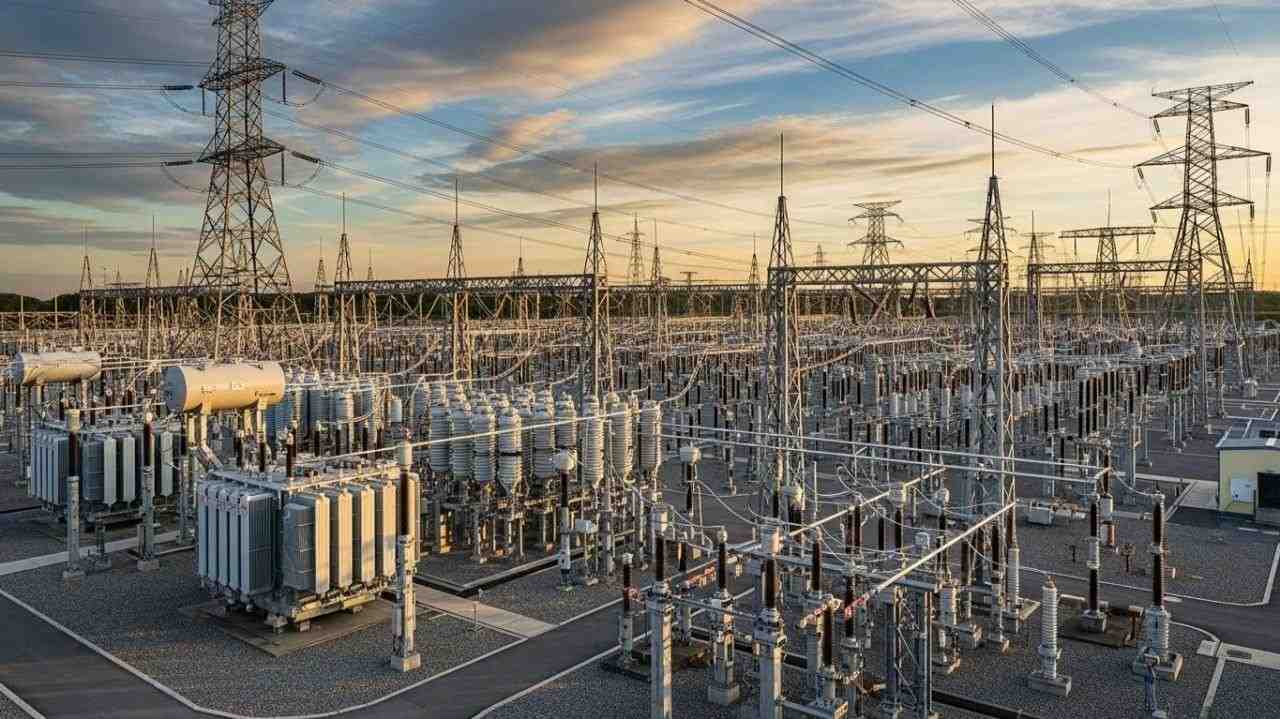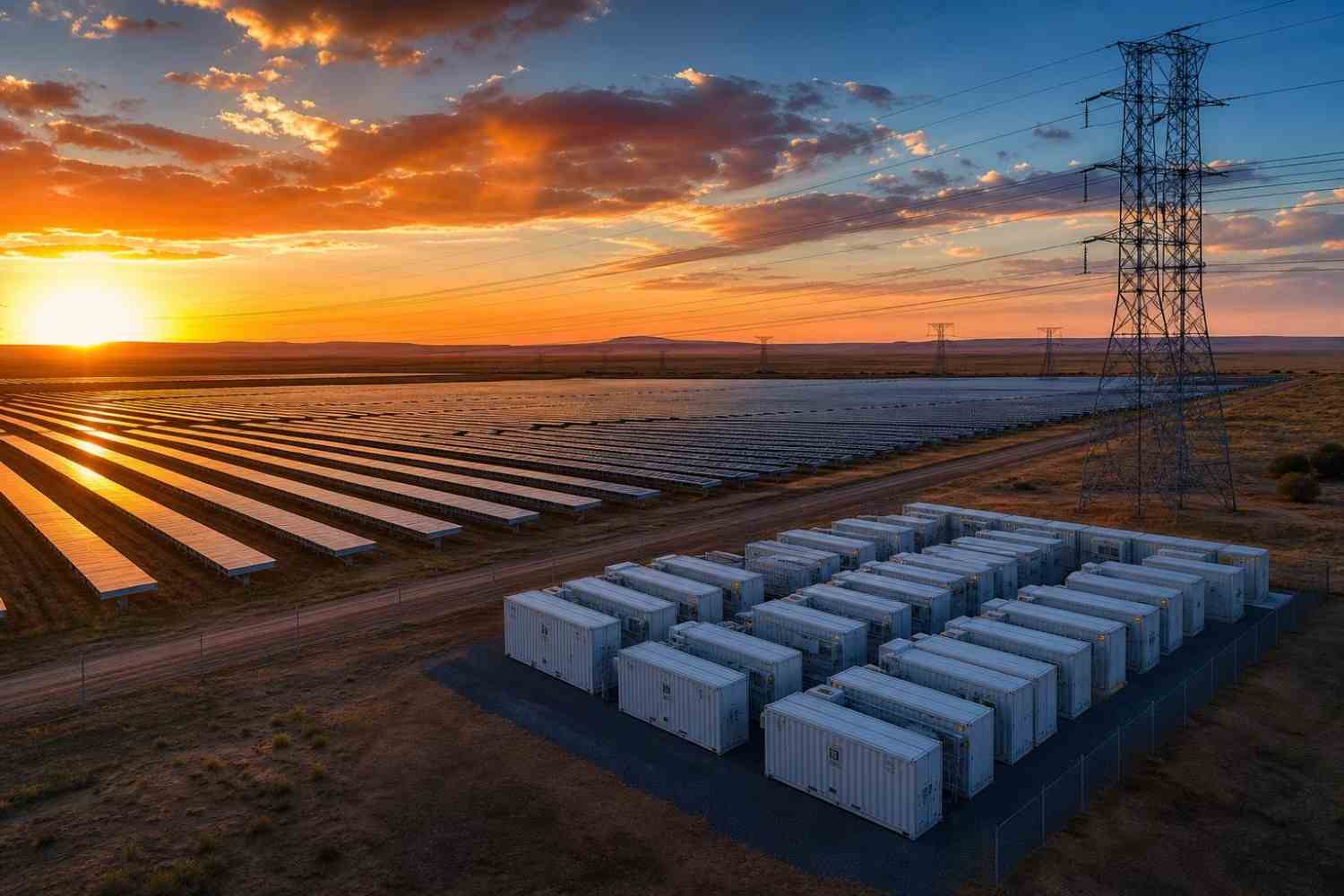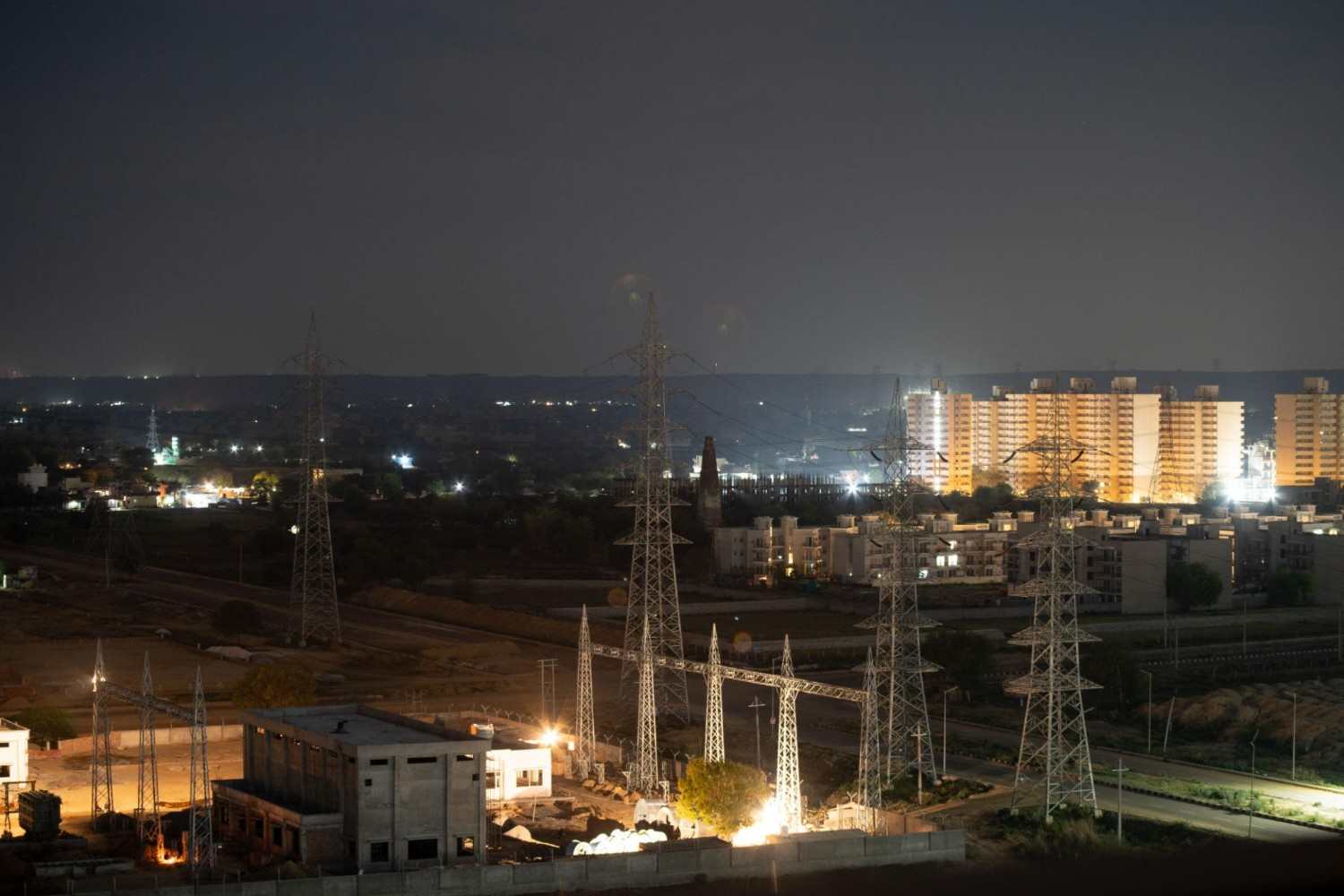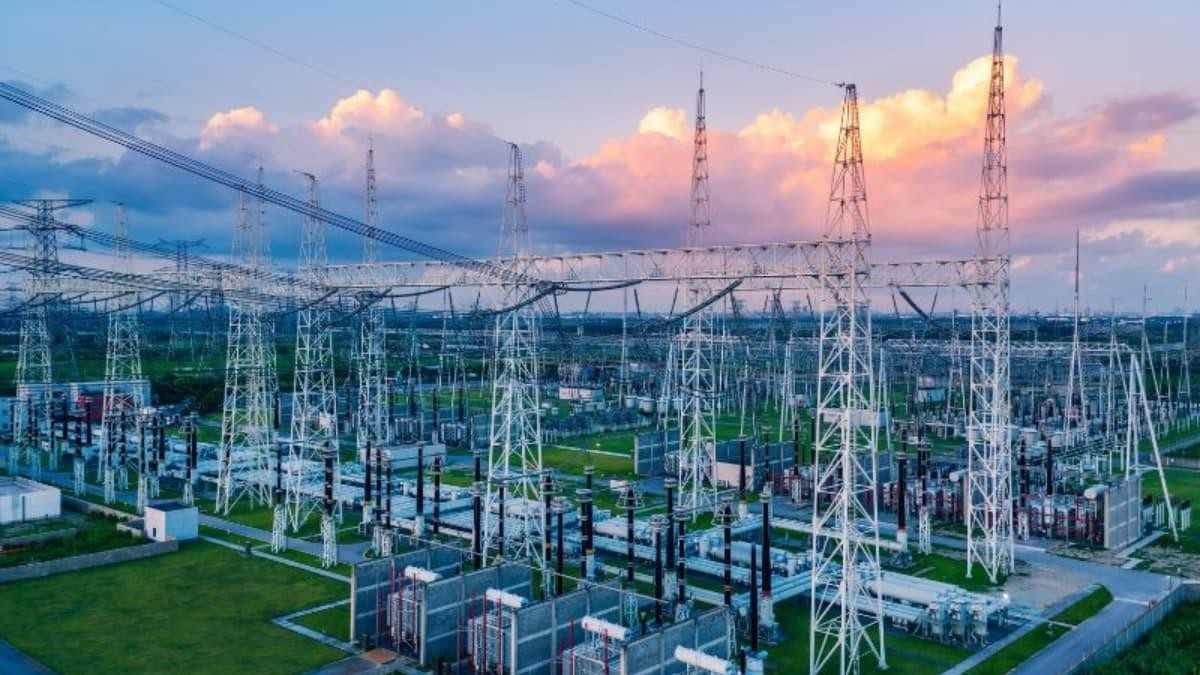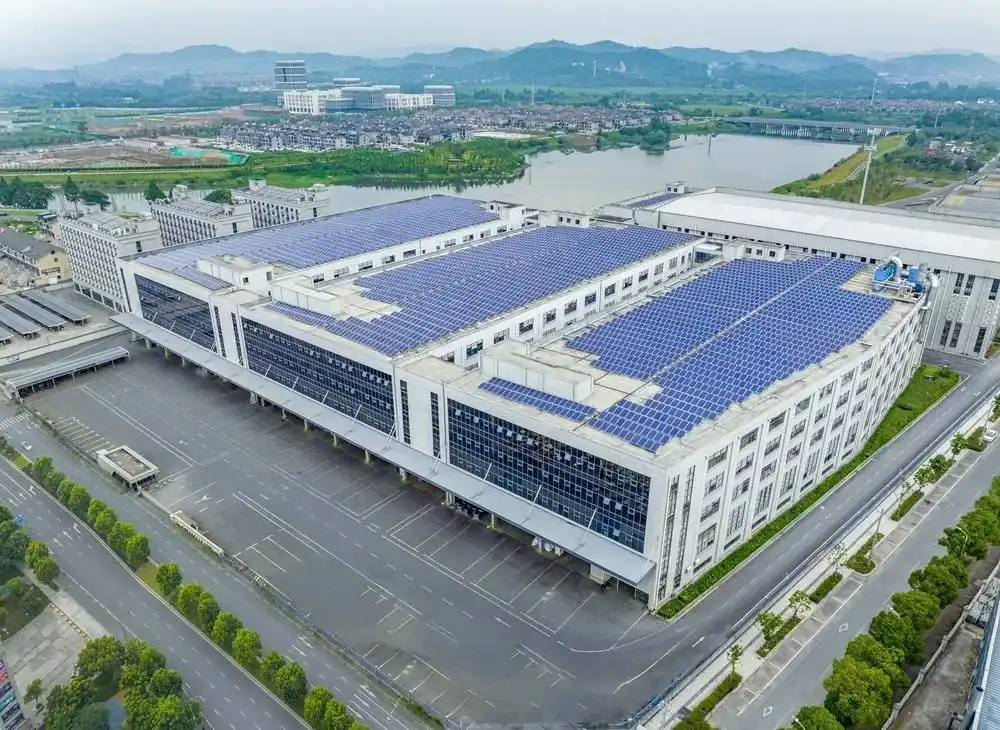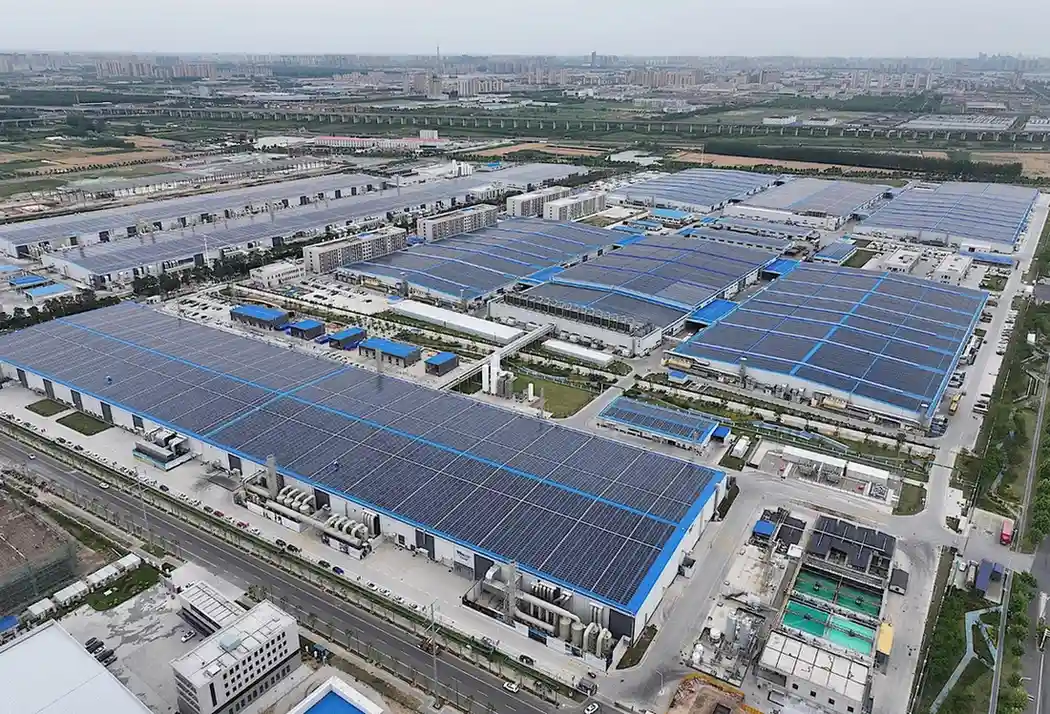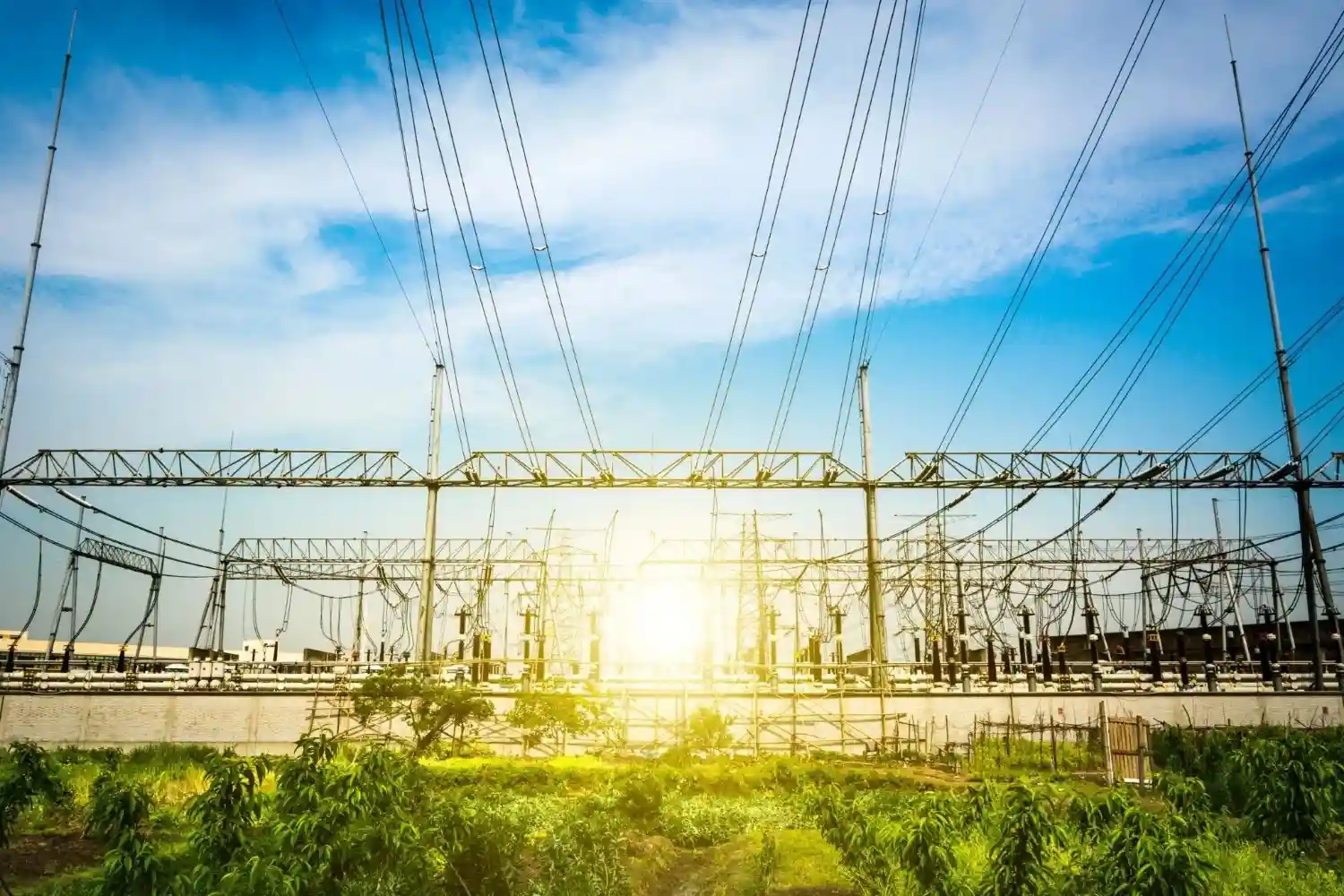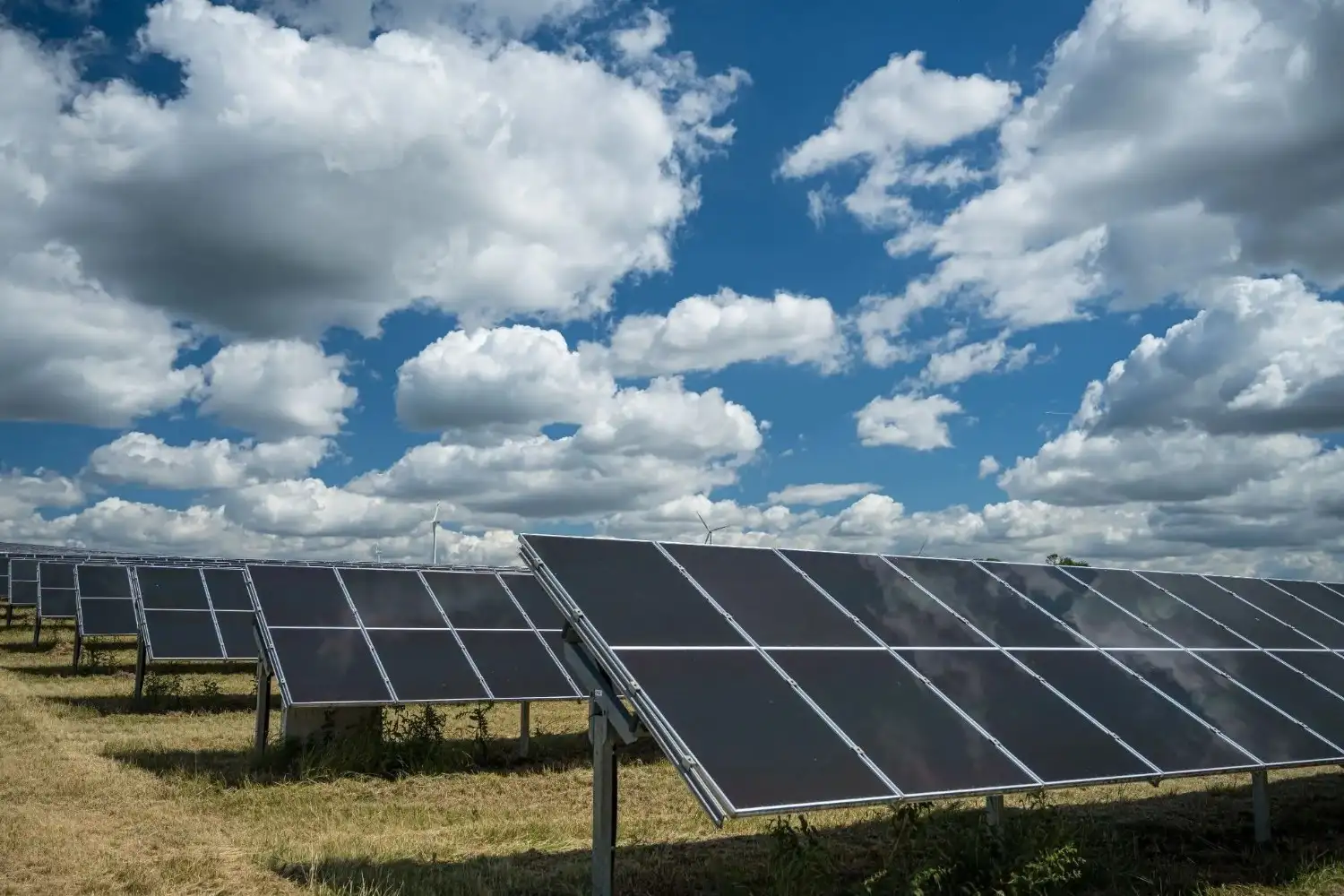
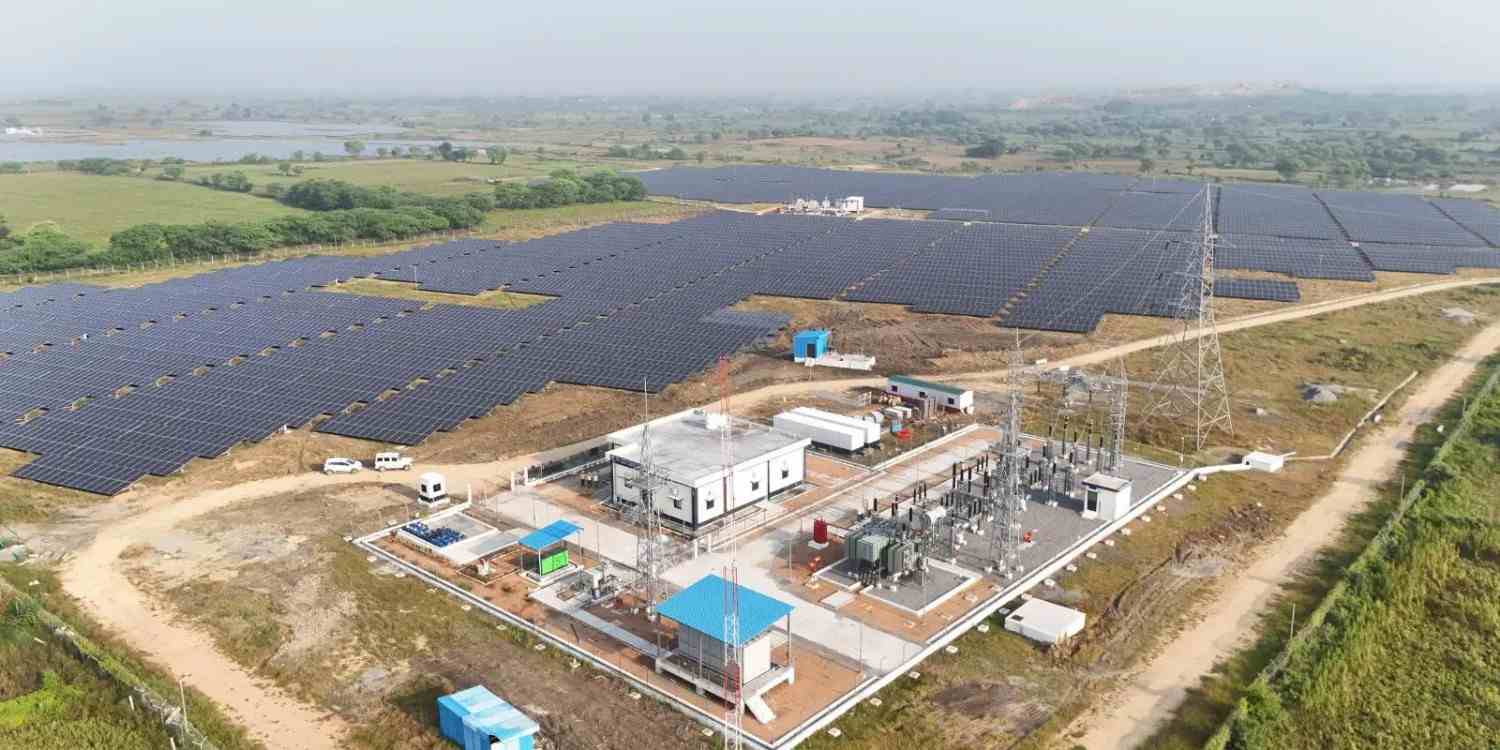
India is adding solar and wind capacity at a pace few countries can match. But generating clean power is only half the job. It also has to travel from remote plants to cities and factories, and it has to be there after the sun goes down. The Union Cabinet’s approval of Green Energy Corridor Phase-III (GEC-III) on September 30, 2026, tackles both problems. By pairing grid expansion with large-scale batteries in one scheme, it puts BESS renewable energy transmission India at the center of national planning.
Did You Know? GEC-III aims to enable evacuation of up to 135 GW of renewable energy across States and Union Territories. It also covers 50 GWh of battery storage, backed by a total outlay of Rs 1,86,405 crore, with completion targeted for FY 2032-33.
What Is GEC Phase-III?
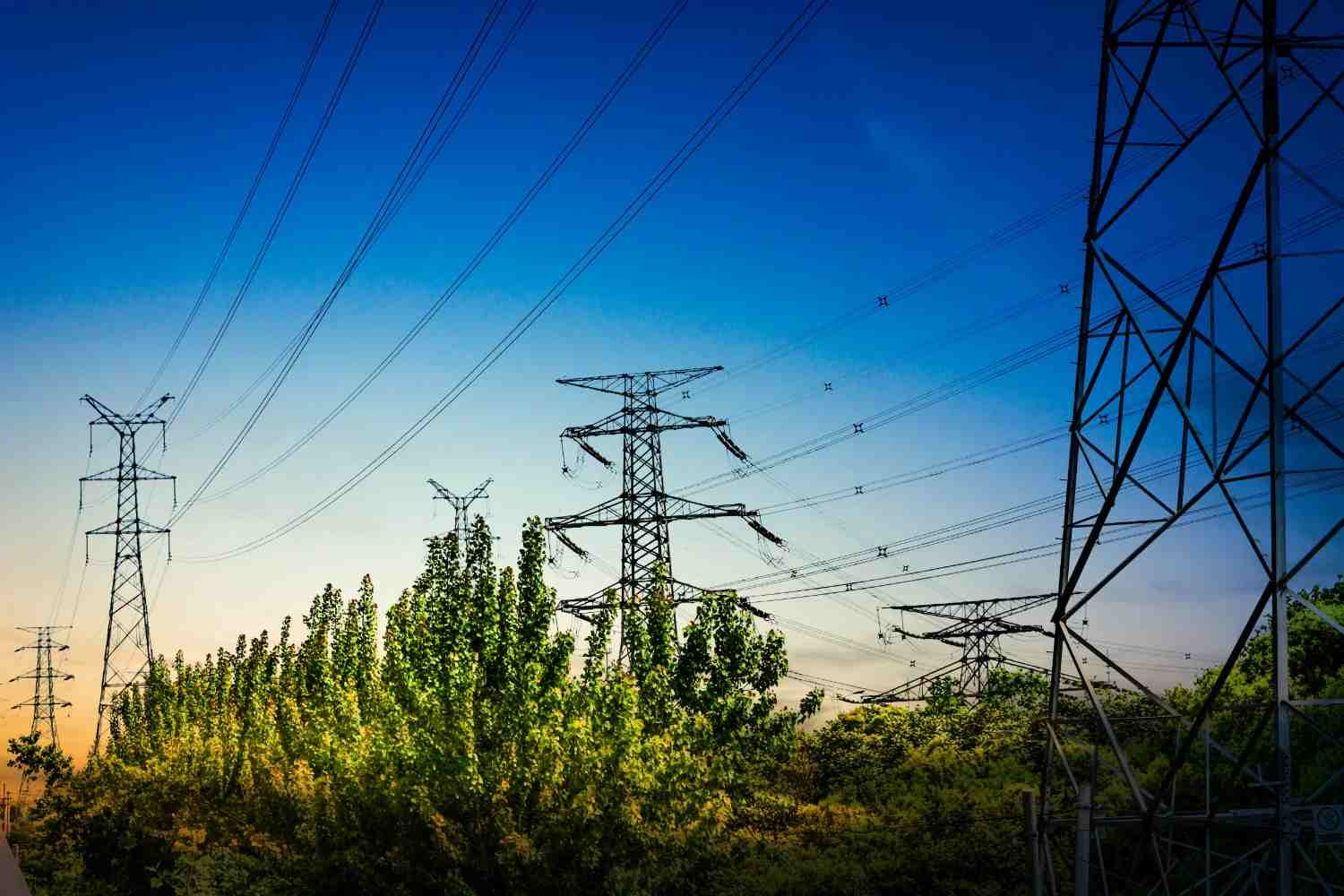
Think of GEC-III as an upgrade for the state-level grids that sit between renewable plants and consumers. Its goal is simple: make sure clean electricity does not get stuck on the way. The scheme has two parts, one for transmission and one for storage.
The key figures are:
- Evacuation of up to 135 GW of renewable energy
- 50 GWh of Battery Energy Storage Systems (BESS)
- Rs 1,36,378 crore for transmission and Rs 50,000 crore for storage
- Central Financial Support of Rs 54,082 crore
- Target completion by FY 2032-33
The scheme also backs India’s aim of reaching 900 GW of non-fossil installed capacity by 2035. Central assistance will help offset intra-state transmission charges, which should keep power costs in check for ordinary consumers.
Why the Intra-State Transmission System in India Relies On Needs a Major Upgrade
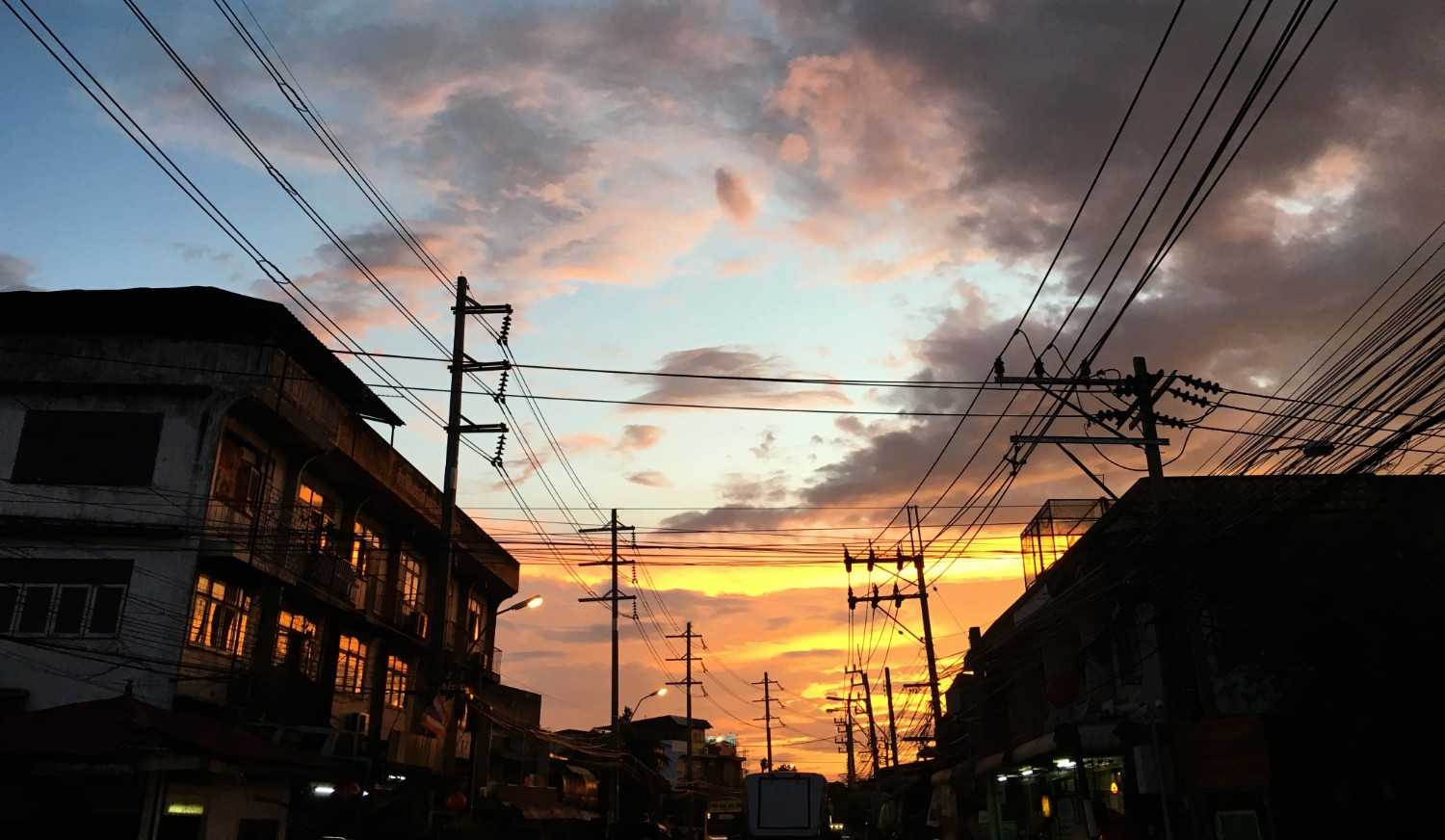
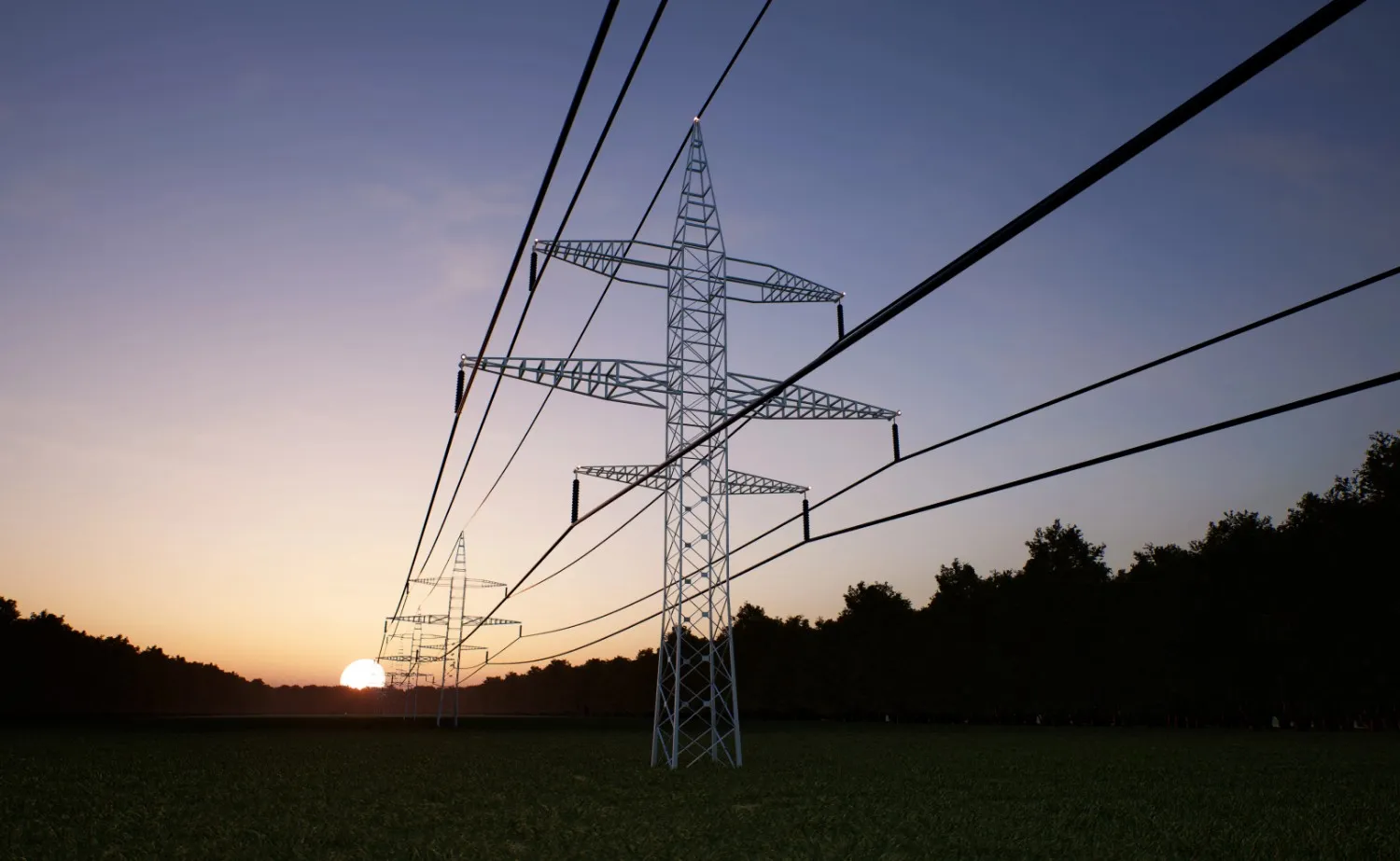
A national highway is of little use if the roads leading to it are jammed. Electricity works the same way. Most large solar and wind plants plug into state networks first, so a weak state grid can hold back clean power long before it reaches a city.
That makes state networks the first and last mile of the energy transition. Overloaded lines, crowded substations, and limited evacuation capacity can force plants to cut output even when the sun is shining and the wind is blowing. GEC-III goes after these choke points by adding new lines and substations and by reinforcing existing ones.
State Transmission Utilities will lead implementation. That keeps decisions close to the ground, where officials understand local resources, land availability, and demand patterns best. A stronger intra-state transmission system India can count on will also steady voltages and trim losses inside each state grid.
How Battery Energy Storage 50 GWh in India Can Strengthen the Grid
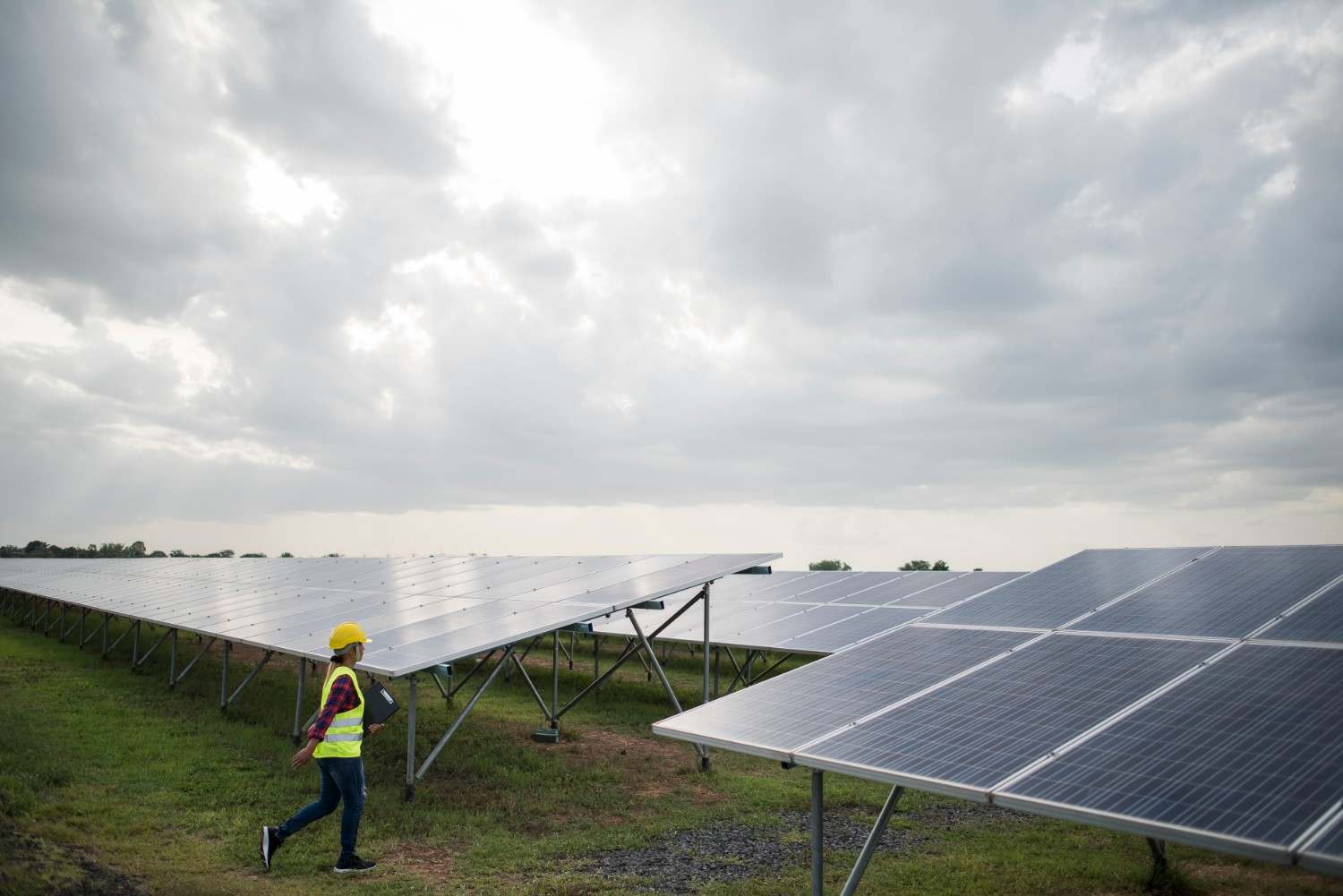
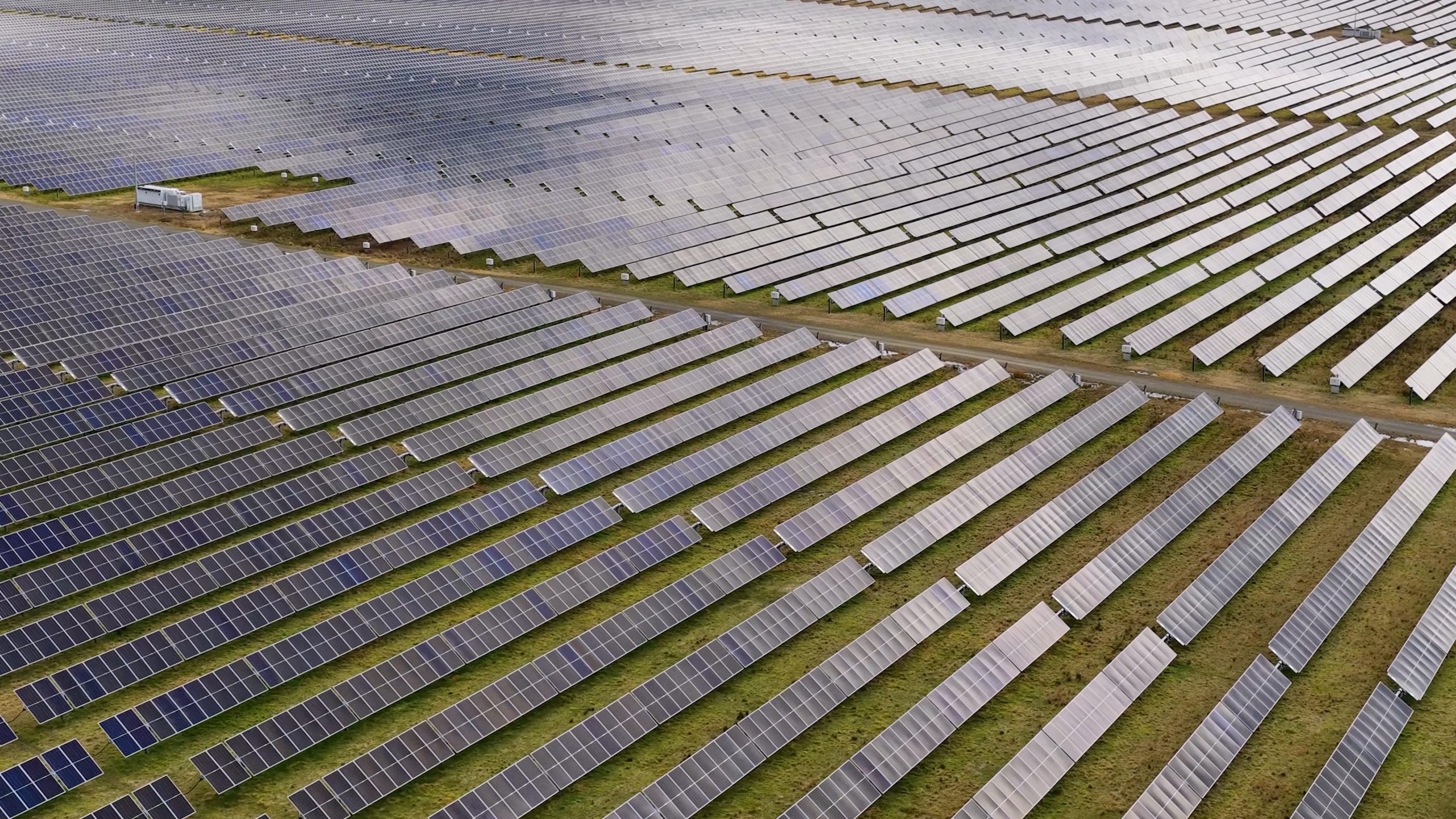
Solar output peaks around noon, but household demand often climbs in the evening. Wind can swing sharply from one hour to the next. This mismatch leads to intermittency, congestion, and curtailment during peak generation.
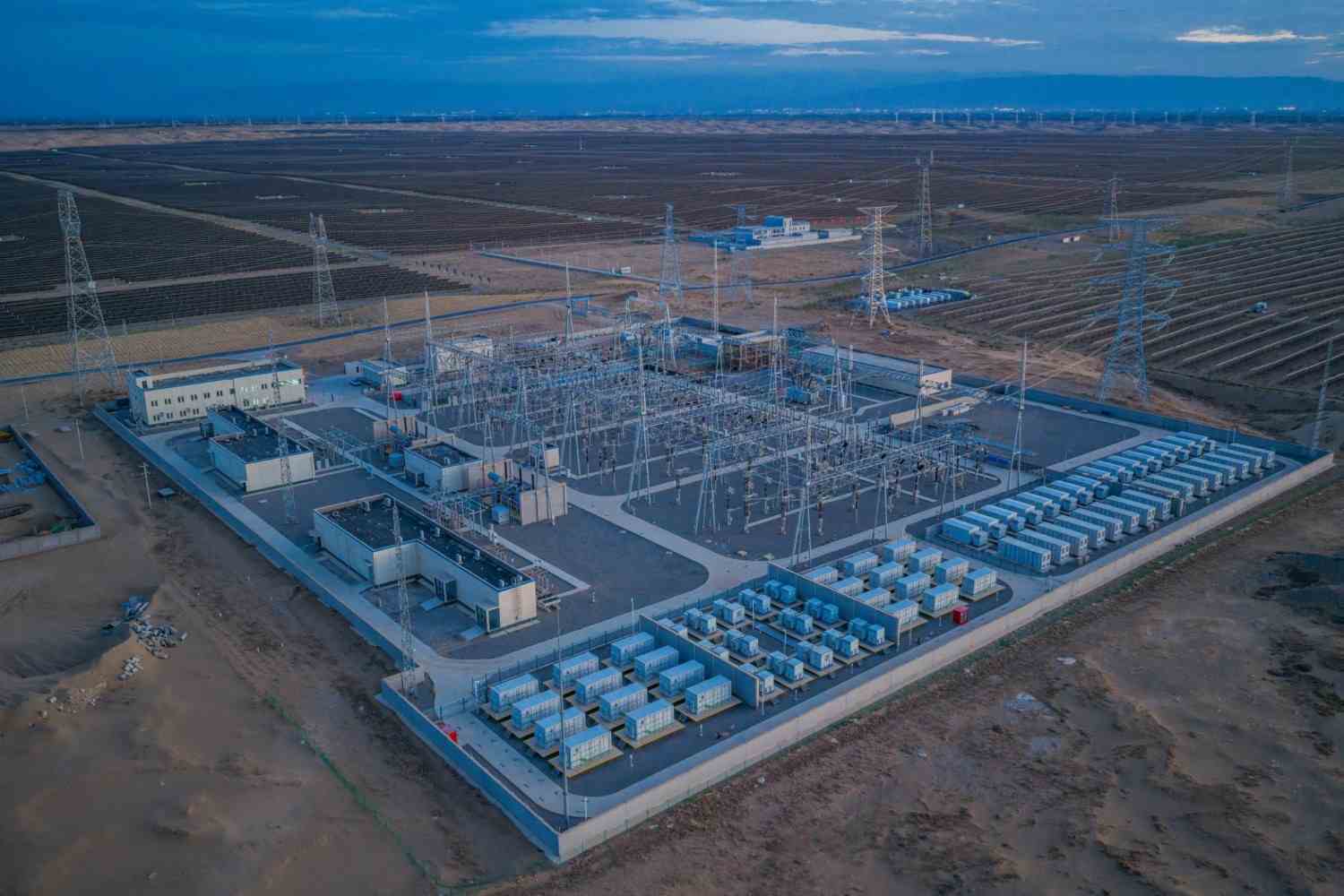
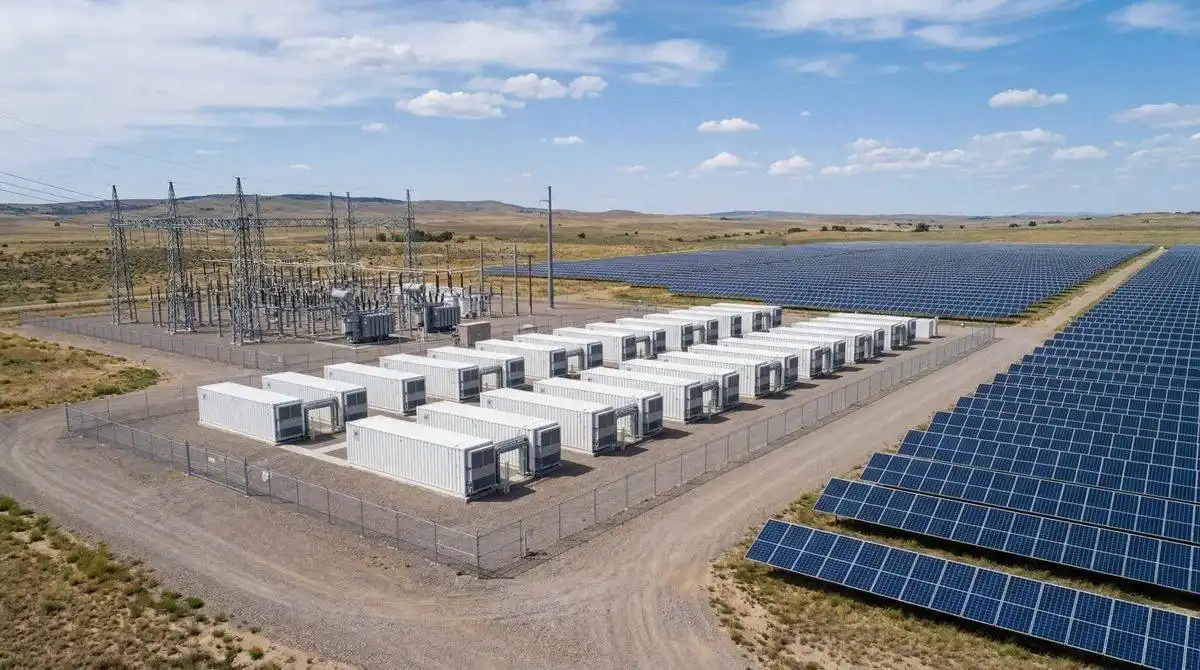
GEC-III answers with a planned 50 GWh of batteries, installed at renewable developer or generator sites and at other locations that matter for grid flexibility. The planned battery energy storage 50 GWh India can help balance renewable generation with changing electricity demand. Storage placed strategically can:
- Soak up surplus solar power at midday
- Release energy during non-solar hours
- Relieve pressure on busy transmission corridors
- Cut the curtailment of clean power
- Offer quick frequency and voltage support
This is where BESS renewable energy transmission India efforts pay off most. Batteries reduce the need to build lines for rare peak flows, while stronger lines let stored energy reach the places that need it. Each makes the other more useful, and every renewable megawatt gets used better.
How TBCB Transmission Projects India Needs Will Be Delivered
Whether GEC-III hits its targets will come down to execution. The scheme uses two delivery routes:
- Greenfield projects: All new intra-state transmission projects will go through Tariff Based Competitive Bidding (TBCB).
- Brownfield upgrades: Network strengthening and upgrades will follow a Cost Plus Basis (CPB).
Under TBCB, Transmission Service Providers (TSPs) build, own, operate, and maintain the assets under the BOOM model. Because bidders compete on the tariff they will charge over the asset’s life, the approach tends to reward cost discipline and on-time delivery.
TBCB transmission projects in India have already shown how private capital and engineering skill can speed up grid building. Bringing the same model to state networks opens a large pipeline for developers, EPC firms, equipment makers, and financiers.
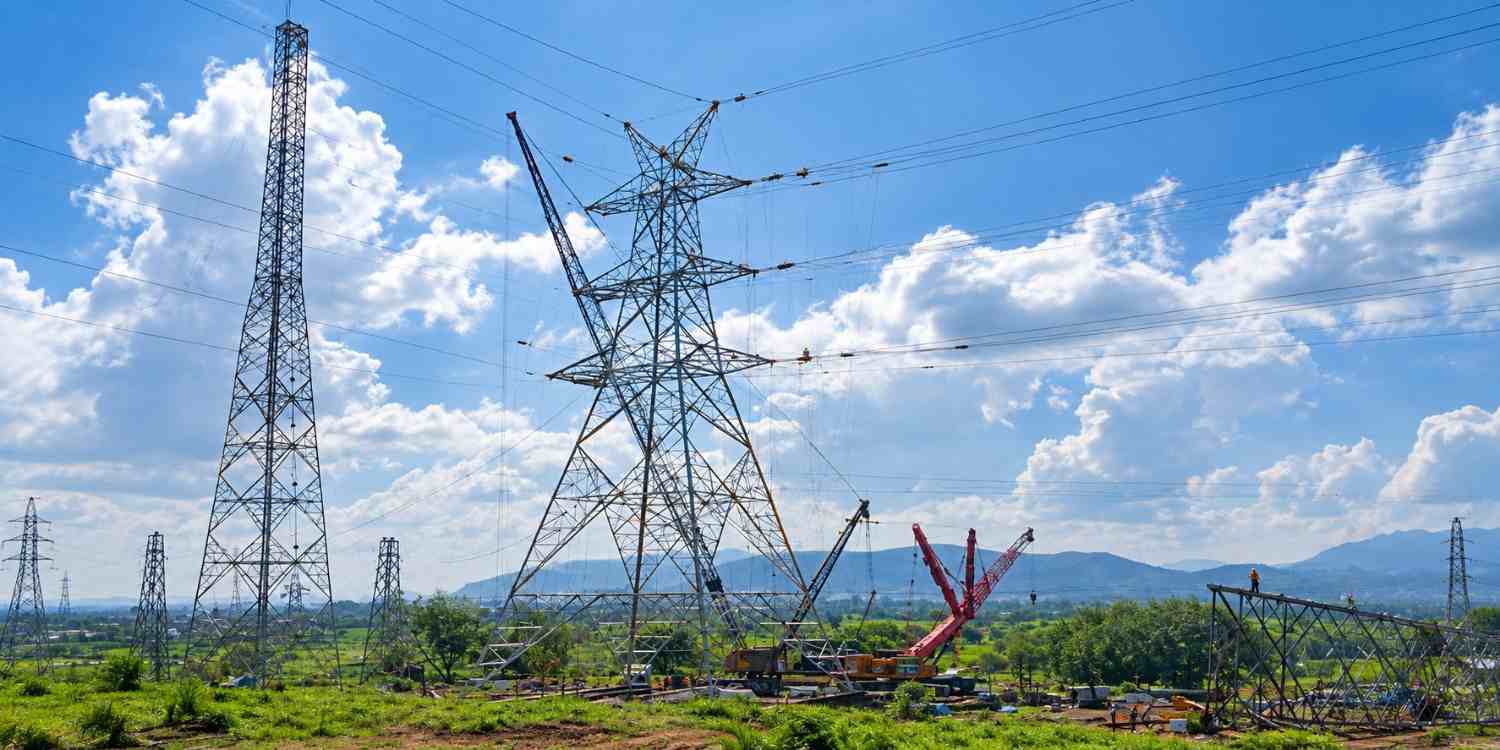
Economic and Employment Benefits
GEC-III is not only an energy program. It is an industrial one too. Building lines, substations, and storage plants will generate direct and indirect jobs across power, manufacturing, and construction. Domestic BESS manufacturing and deployment will add roles in the energy storage industry, and states will need skilled people for operations, maintenance, and grid management over the long run.
Reliable evacuation also reduces risk for investors. When developers are confident their power can reach buyers, they commit money sooner, and the clean energy transition moves faster.
Challenges to Watch
A program this size will meet real obstacles. Four stand out:
- Right-of-way and land access: Transmission lines need timely clearances across very different terrain.
- Supply chains: Batteries, transformers, conductors, and switchgear must be available in large volumes.
- Grid integration: Storage has to be coordinated with grid operators so it dispatches efficiently.
- Skilled workforce: Engineers and technicians are needed to design, commission, and maintain advanced assets.
Early planning, standardized designs, and experienced delivery partners can soften these risks.
Key Takeaways
- GEC-III will promote evacuation of up to 135 GW renewable energy across States/UTs by 2032-33.
- Battery energy storage of 50 GWh in India plan helps manage intermittency, congestion, and curtailment.
- New projects will be auctioned via TBCB, and brownfield upgrades will be done on Cost Plus Basis.
- The scheme supports the 900 GW non-fossil capacity goal for 2035 and creates jobs through the entire power sector.
- Experienced EPC partners are essential for delivering substations and grid assets at scale.
The Role of Experienced EPC Partners
Policy sets the direction, but engineers and construction crews turn it into working infrastructure. Substations are at the heart of this effort, since every renewable plant and storage system reaches the grid through one.
Hartek Group brings more than three decades of experience to this space. Its Power Systems business has executed 400+ EHV and HV substation projects across 21+ Indian states and works at voltages up to 765 kV. The group has also connected over 10 GW of solar to the grid, and its clients include utilities such as PGCIL and PSTCL. That track record spans design, procurement, construction, testing, and commissioning, which are exactly the skills GEC-III will demand in volume.
Strengthening India’s Grid for a Renewable Future!
GEC-III suggests that India is planning for the grid, not only generation. More resilient state networks, project economics, market contestability and high-volume storage can transform installed capacity into reliable supply. The next few years will show how fast states can specify projects, clear sites and commission assets.
Getting from policy to power will take teamwork among utilities, developers, manufacturers, and engineering firms. Companies like Hartek Group, with a track record of winning grid contracts, can steer the rhythm on the backbone construction with speed and quality. If it all comes together, this scheme could make BESS renewable energy transmission India-wide a model for clean energy integration.
Frequently Asked Questions
- What is Green Energy Corridor Phase-III?
It is a Cabinet-approved scheme that strengthens state-level transmission networks and adds battery storage, enabling evacuation of up to 135 GW of renewable energy.
- How much will GEC-III cost?
The total outlay is Rs 1,86,405 crore, split between Rs 1,36,378 crore for transmission and Rs 50,000 crore for storage. Central Financial Support is Rs 54,082 crore.
- How will new transmission lines be built?
Greenfield projects will be awarded through competitive bidding. Under TBCB transmission projects India developers build, own, operate, and maintain the assets, while brownfield works follow a cost-plus basis.
- Why does the scheme include storage?
Batteries absorb surplus renewable power and release it during non-solar hours, which eases congestion and reduces curtailment.
- Who will implement GEC-III?
State Transmission Utilities are the implementing agencies, and Transmission Service Providers take part through the bidding process.