The Backbone of Growth: Why Substations Define India’s Infra Success

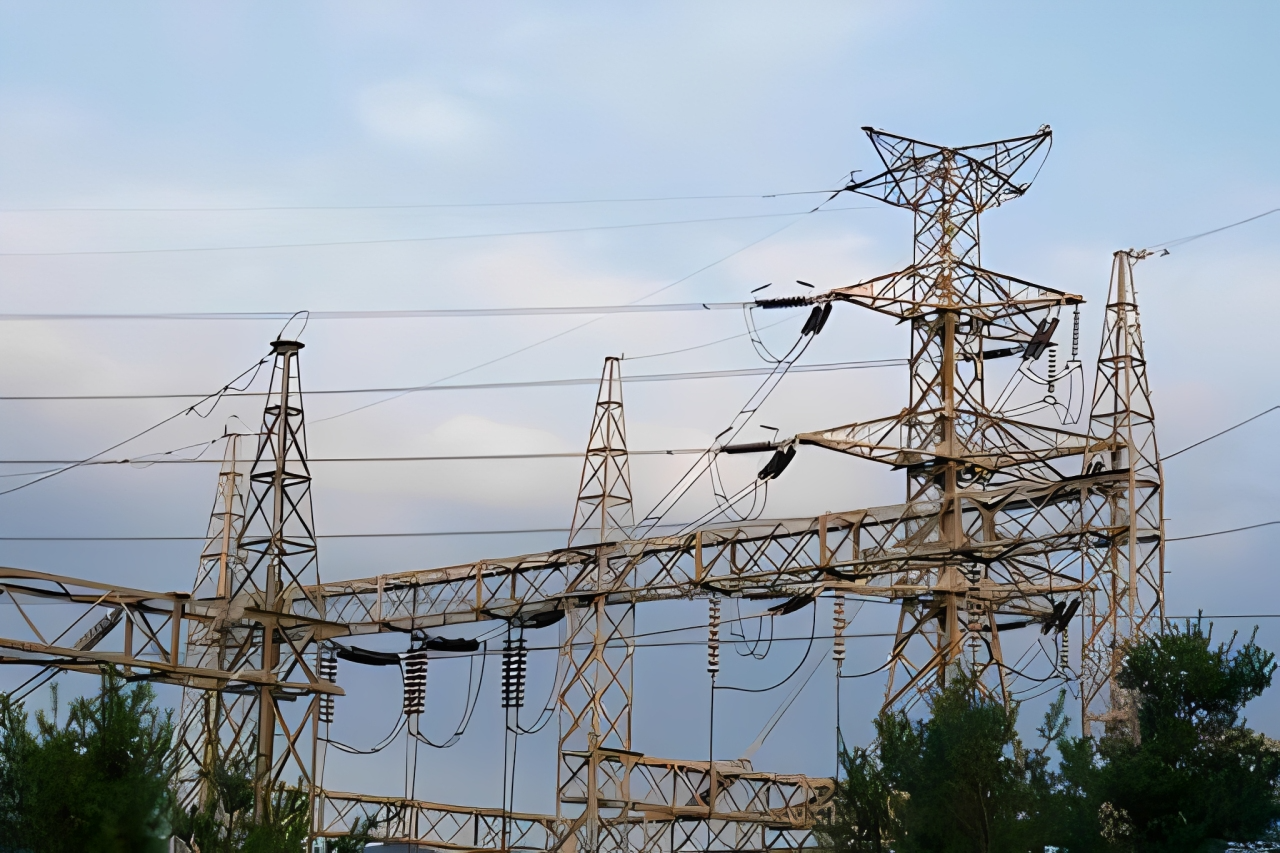
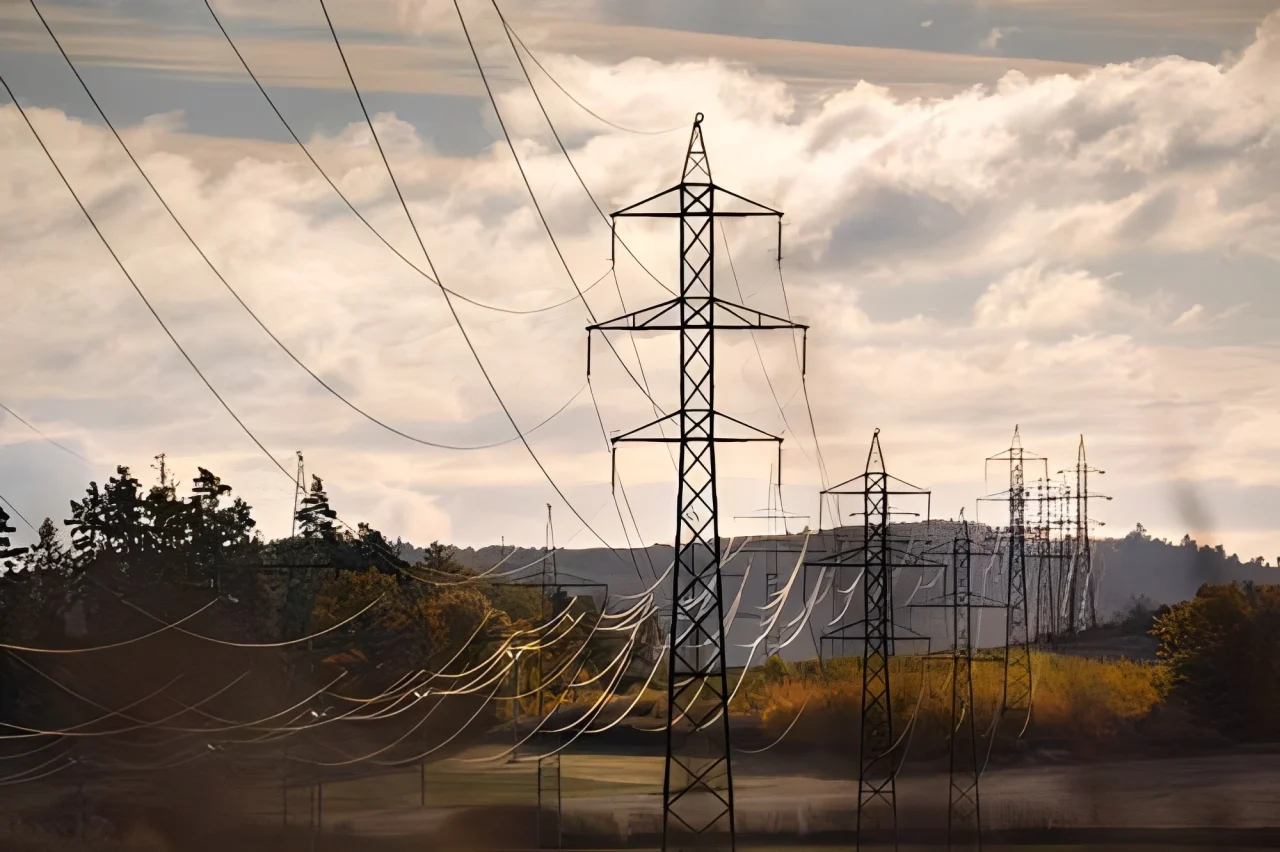
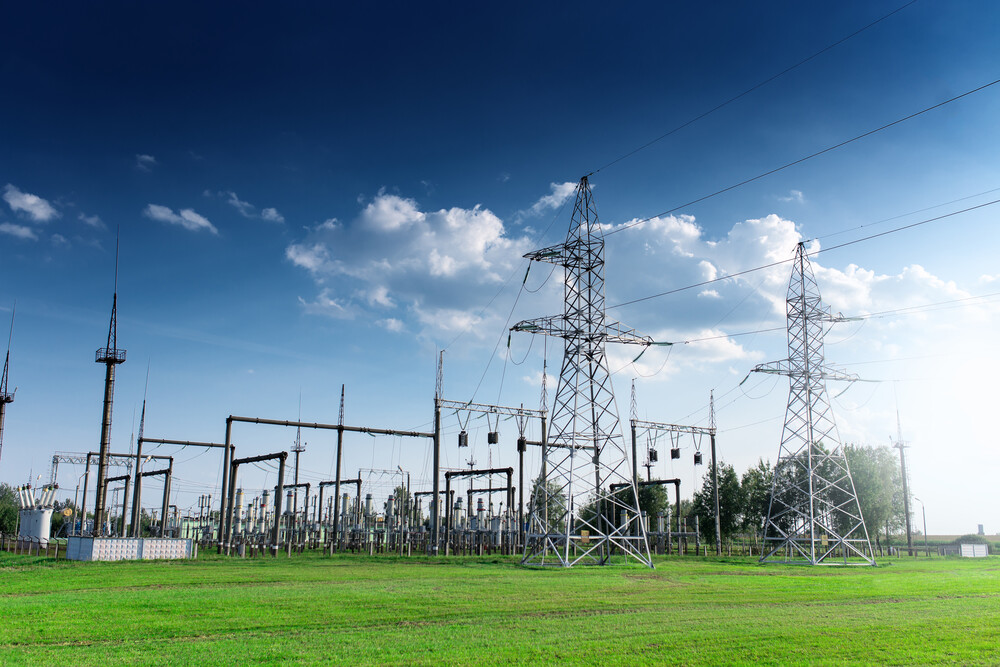
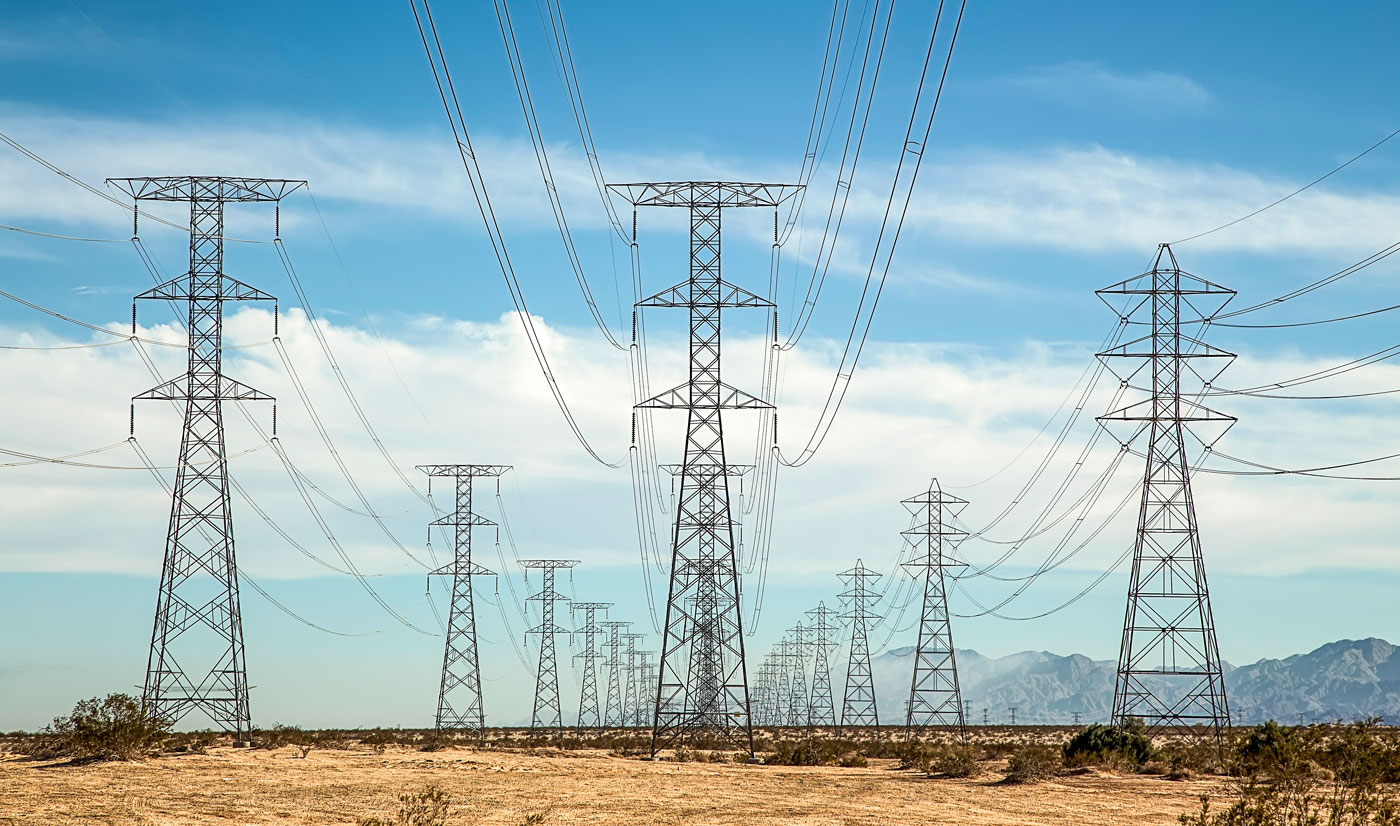
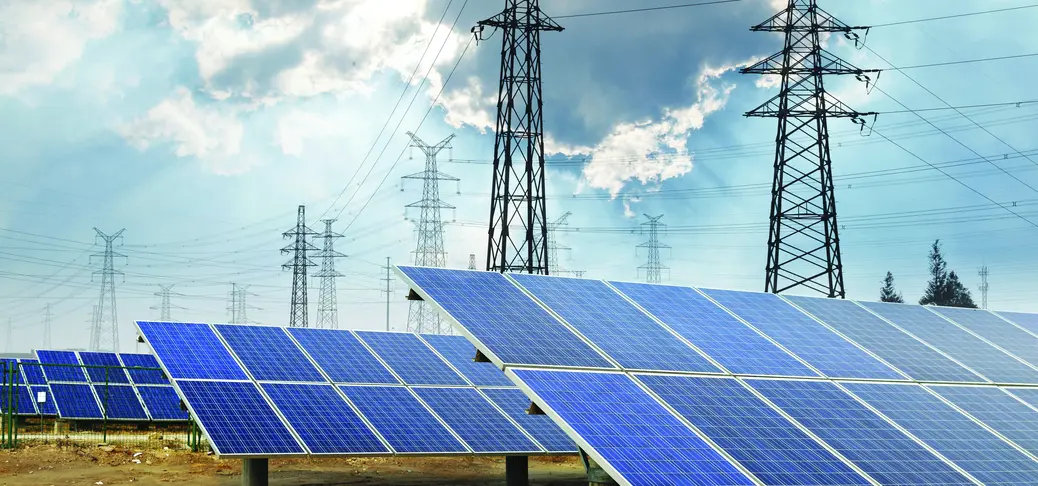
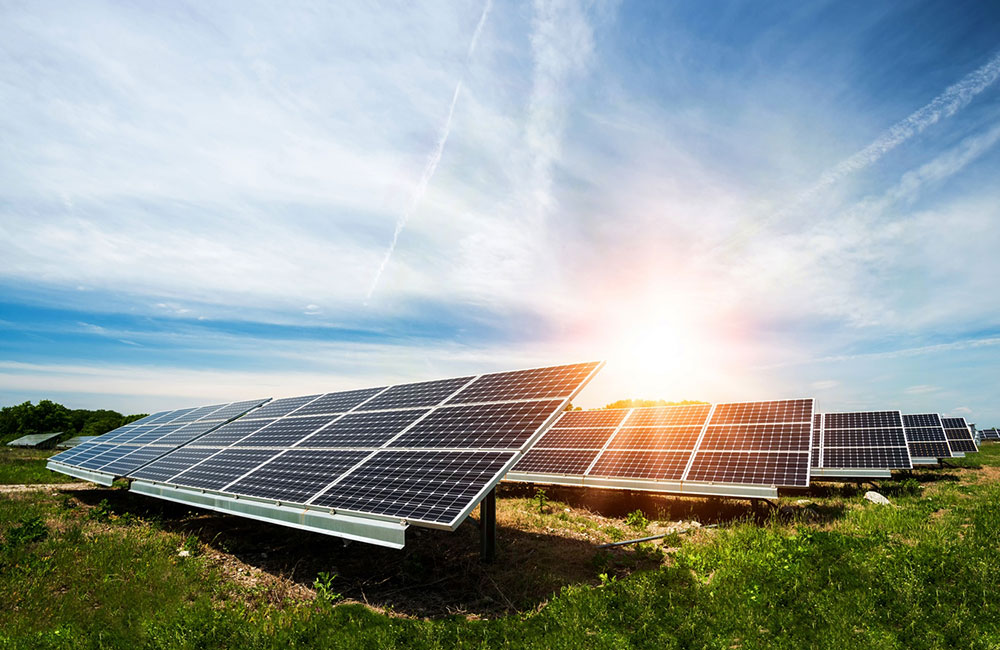
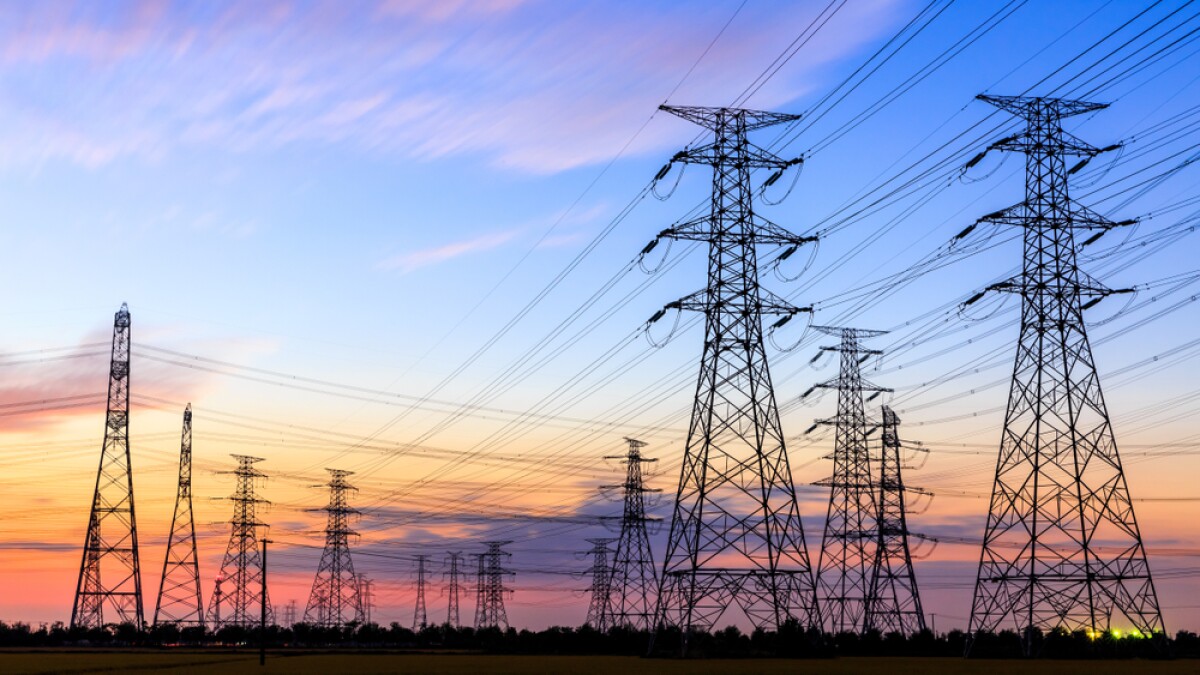
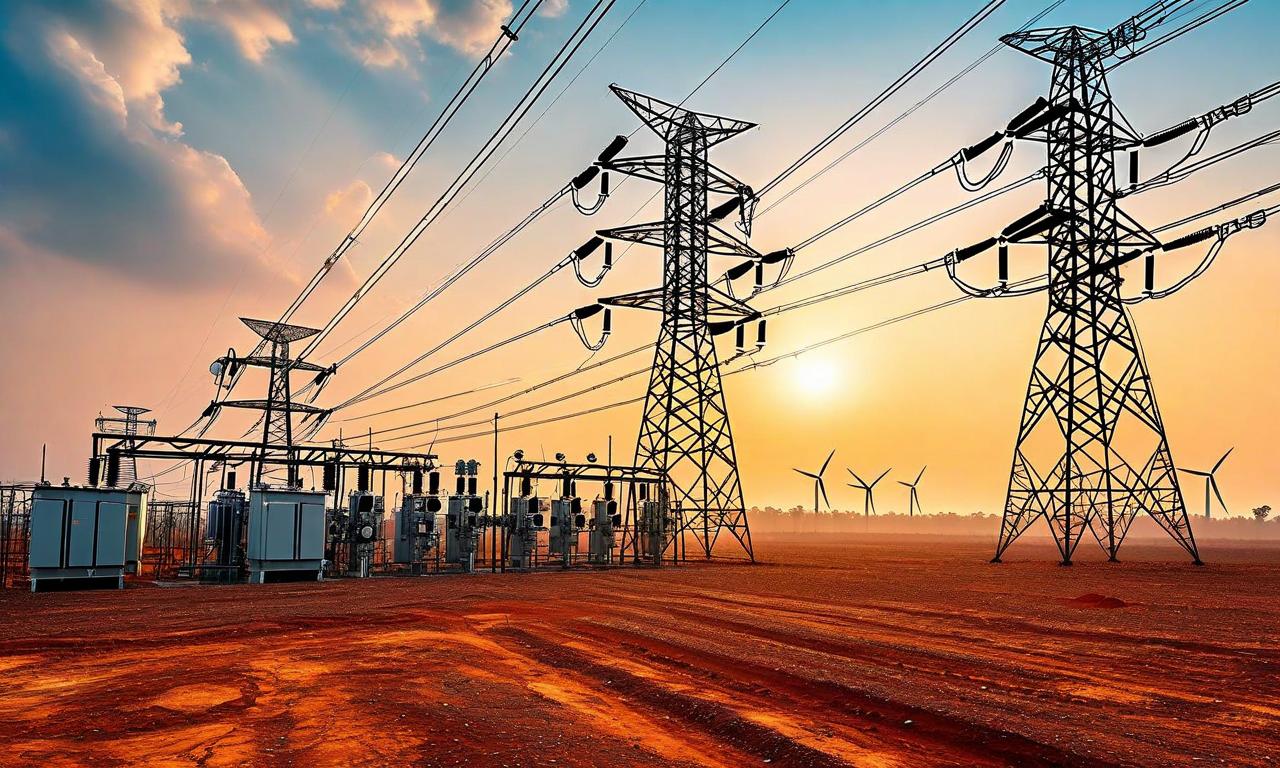
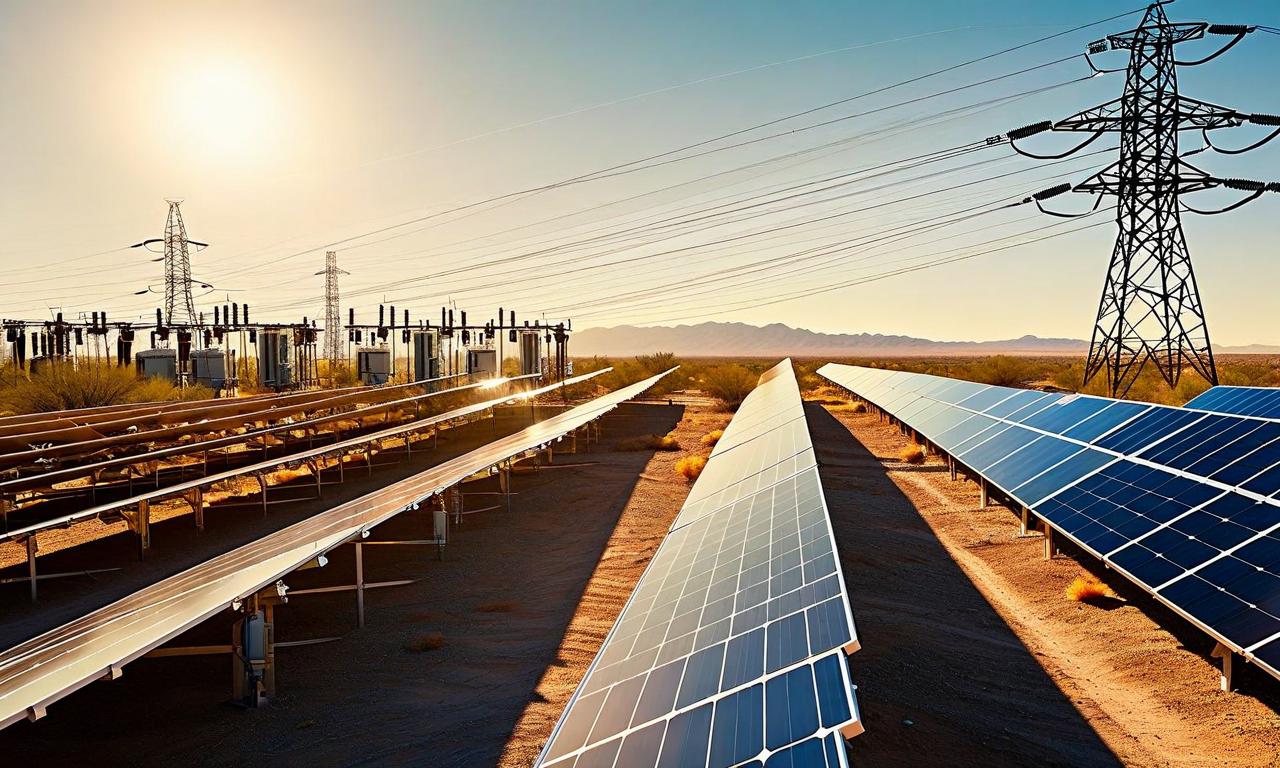
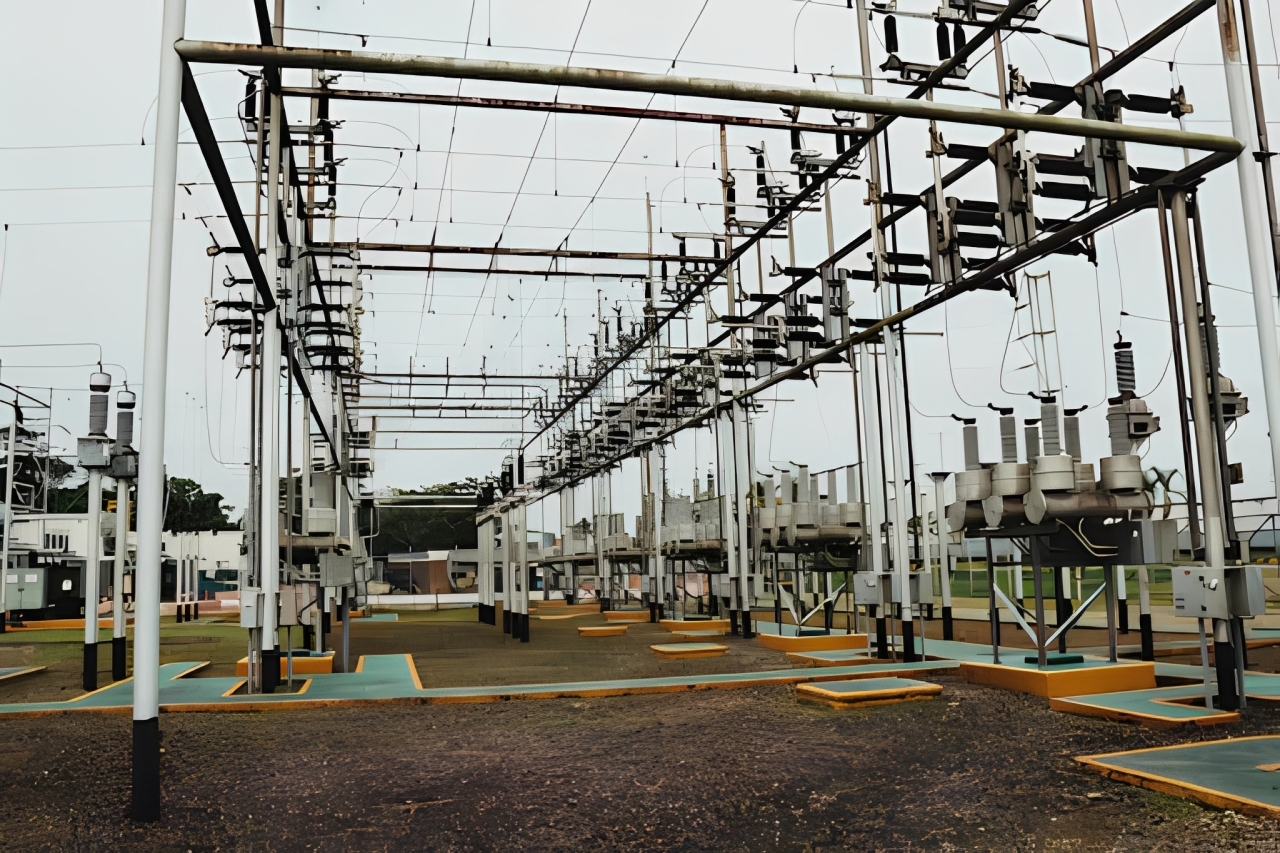
Infrastructure in India is no longer just about developing roads, ports, and railways; it is increasingly being powered by electricity. Power substations, a critical and often ignored element, are at the heart of this transformation. As India races towards becoming a $5 trillion economy, power substations are emerging as silent growth facilitators, forming the nucleus of power grid infrastructure, enabling efficient power transmission, and fortifying the overall power infrastructure.

At Hartek Group, we’ve spent years delivering some of the most complex substation projects across India. Through this journey, one thing has become increasingly clear to us: substations are no longer just equipment yards, they have evolved into the true backbone of national growth. As highlighted in a recent ET Infra feature on India’s power sector, substations have quietly become a cornerstone of the nation’s grid, playing a vital role in strengthening power infrastructure in India.

DID YOU KNOW? India is expected to add around 1.9 lakh circuit kilometres of transmission lines and substantial new substation capacity by 2031–32, highlighting the central role of transmission infrastructure in supporting its growing renewable energy capacity and electricity demand.”

The Strategic Importance of Power Substations

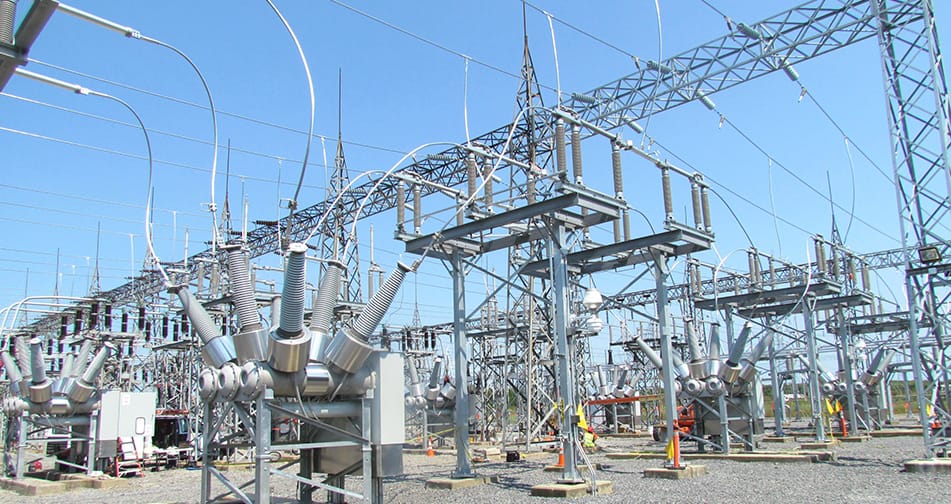
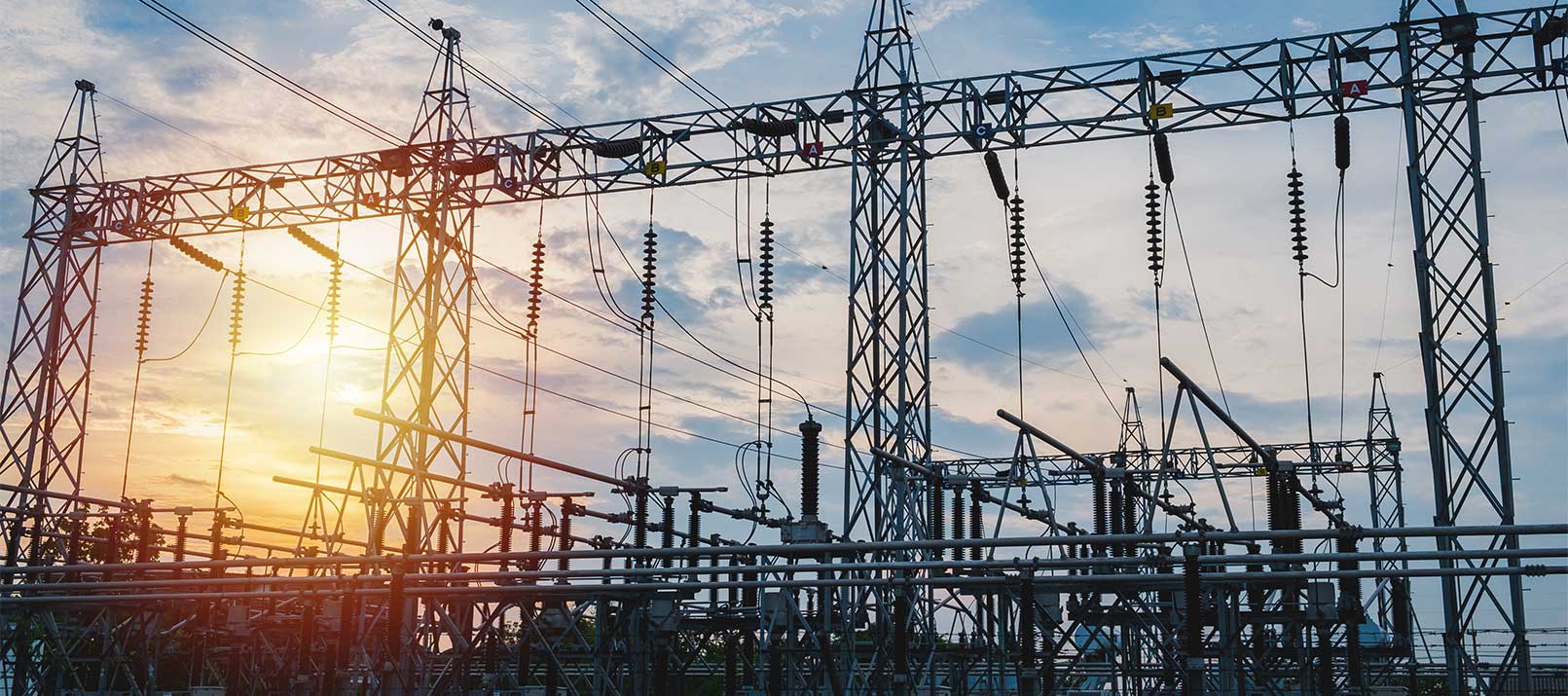
Besides a point in the grid, a power substation is an important node where changes are made to electricity: converting, controlling, and distributing it. Without substations, the path of electricity, from its generation to the consumption by end users, would be very inefficient, unstable, and unreliable.

Substations may have the following roles as per the Indian scenario where demand is continuously increasing in the urban, industrial, and rural sectors:

  • Voltage stabilization for long-distance transmission
  • Uneven load distribution among different regions
  • Grid’s operational stability and fault location
  • Renewable energy sources integration

As the national expansion of power grid infrastructure continues, for example, the development of EHV substations is one among many factors leading to a rise in their level of sophistication.

Why Substations Are the New Backbone of Infrastructure

Turning substations into the backbone of infrastructure is more than just a buzz phrase. It is actually a reflection of what happens structurally. Let us list some of our points:

1. Rising Demand Requires Stronger Nodes

Electrical power consumption in India is on the rise, notably due to industrialisation, import and use of digital devices and general electrification. A powerful network of properly functioning power substations allows handling of this ever-increasing demand without interruptions in supply.

2. Renewable Energy Integration

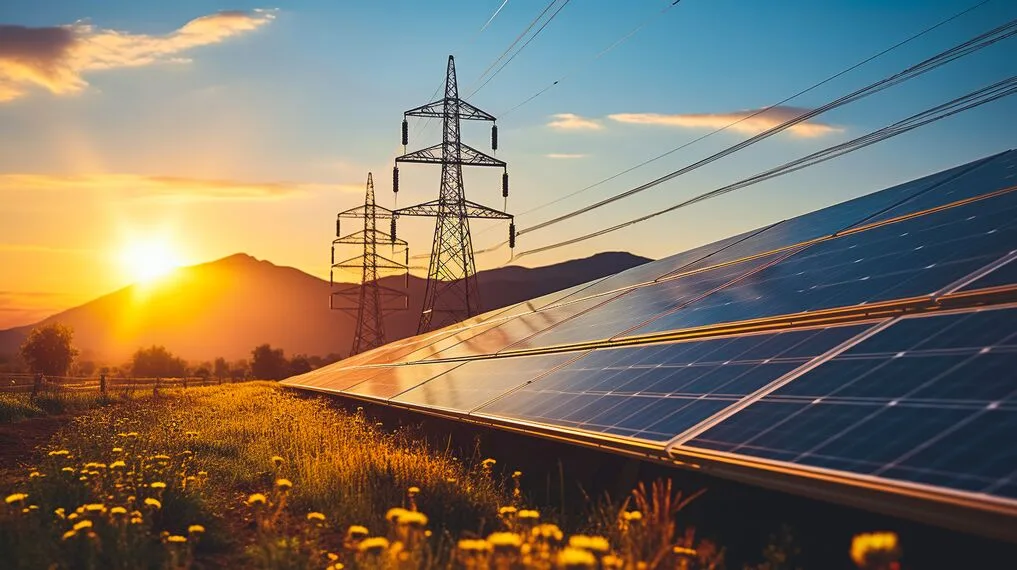
Meeting India’s clean energy target of solar and wind would imply changing the grid depending on the output of the power source, which can vary. Substations are the key in incorporating these energy sources while making power transmission adaptable and reliable.

3. Urbanisation and Smart Cities

The supply of electricity gets highly demanding when urban areas and smart cities expand. One of the most essential infrastructures that guarantees that power is supplied without breaks, even in the highest density areas, is substations.

4. Grid Modernisation

Modern substations not only perform their function but have become digitized and automated. This transformation is a necessity if we are to have power infrastructures that are capable of handling the future.

The Role of EHV Substations in National Growth

Extra High Voltage (EHV) substations are playing a huge role in India’s infrastructure development. Handling of large power capacity and long-distance transmission are their key functions.

Nevertheless, carrying out EHV projects entails quite a few things. Some of them are:

  • Cutting-edge engineering expertise
  • Accurate execution
  • Closely following the safety and quality regulations
  • Thorough knowledge of grid behaviour

At Hartek Group, our strength lies in executing complex EHV substation projects with efficiency and reliability. This capability is not just about building infrastructure, it is about enabling growth, powering industries, and supporting national ambitions.

Execution Excellence: The Real Differentiator

Apart from being merely directives and blueprints, infrastructural maps and policies are those which if executed in a timely manner can move economic progress towards the desired end. The case of substations, however, has execution as a principle cornerstone given the technical intricacies and the large-scale nature of the work involved.

A major part of execution success are as follows:

Punctuality in Project Completion

Postponement of substation projects is capable of resulting in the interference with whole transmission networks. Handling of a project in an on-time manner should be capable of ensuring that the substation can easily be integrated into the grid.

Quality and Safety

Regulatory measures in the high-voltage zone have to be resulting in one of the strictest enforcement of the global safety standards.

Scalability

Substations have to be fit to structurally support the growth of demand and the supply of new technologies on the planet.

At Hartek Group, we focus on delivering projects that are not only technically sound but also aligned with long-term infrastructure goals.

engineering procurement and construction company

Reinforcing India’s Power Grid Infrastructure

Power infrastructure in India is evolving rapidly to keep pace with the country’s growth and changing energy demands. Substations serve as critical nodes that seamlessly connect generation, transmission, and distribution, linking all three segments of the power system.

Enhancing Reliability

If the network of substations is well-lined all over, the chances of power failures will be lower, and continuous power supply will be maintained.

Minimizing Transmission Losses

Substations with optimal performance will allow power transmission losses to be kept at a minimum level, thereby enhancing overall system efficiency.

Backing Renewable Energy Corridors

Specially designed substations are being developed to support renewable energy corridors, enabling large-scale integration of clean power. Increasingly, these are complemented by Battery Energy Storage Systems (BESS) to enhance grid stability and ensure reliable energy flow.

How Substations Are Linked to Economic Growth

Electricity supply with no outage allowed is the basic infrastructure in order for any type of economic development to take place. From factories to data centers, every sector depends on electricity supply without any interruptions.

A solid power substation network is a key part of:

  • Manufacturing output
  • Expansion of IT infrastructure
  • Enhancing the appeal of investments
  • Regional development

Thus, substations can be regarded as more than just electrical properties, they are nevertheless economic facilitators.

Challenges in Substation Development

Despite their critical role, the development of substations faces the following challenges:

Land Acquisition

Land acquisition for large substations particularly in highly populated areas can be complex.

Technical Complexity

EHV substations need very specialised skills and the latest technology is a must.

Integration with Legacy Systems

Modern substations must seamlessly integrate with existing grid infrastructure.

Skilled Workforce

Execution demands highly skilled engineers and technicians.

Combining innovation, familiarity with the local context, and skillful execution are the prerequisites for success in overcoming the challenges, where the Hartek Group has continued to provide substantial contributions.

India’s Substations: The Road Ahead

The future of power infrastructure in India will be defined by how effectively substations evolve. Key trends include:

Digital Substations

Automation and real-time monitoring will enhance efficiency and reliability.

Smart Grid Integration

Substations will play a central role in enabling smart grid technologies.

Green Substations

Sustainability will drive eco-friendly designs and technologies. Gas Insulated Substations (GIS) are gaining importance for their compact size and strong resistance to environmental conditions, supporting greener infrastructure.

Decentralized Energy Systems

With the rise of distributed energy resources, substations will need to handle more complex energy flows.

top solar epc companies in india

A Connected Vision for India’s Growth

The story of India’s rise is fundamentally tied to its ability to supply uninterrupted electricity. Substations as the backbone of power grid infrastructure hold the key to this dream

At Hartek Group, our belief is that establishing strong, efficient, and future-ready substations is not merely about the infrastructure; it is about building the nation. Our commitment and track record in implementing complex EHV projects put us among the important contributors to India’s infrastructure success story.

Keytakeways

  • Power substations are gradually becoming the backbone of India’s infrastructure growth.
  • Strong power grid infrastructure is a must for reliable power transmission.
  • EHV substations support the transfer of large volumes of energy and enhance grid stability.
  • Execution excellence plays a pivotal role in infrastructure development.
  • Power substations directly influence and support economic growth and industrial expansion.

Frequently Asked Questions

Q.1. Why are power substations important in India?

Power substations are responsible for efficient transmission and distribution of electricity. They are vital in maintaining grid stability and meeting the rising energy demand.

Q.2. How do substations support renewable energy?

Substations enable the integration of solar and wind energy into the grid. They help manage variability and ensure consistent power supply.

Q.3. What is an EHV substation?

An EHV substation operates at very high voltage levels for long-distance transmission. It plays a critical role in handling large-scale power loads.

Q.4. How does power grid infrastructure impact economic growth?

The presence of solid and reliable power infrastructure forms the basic support and enables various sectors including industrial, digital services, and urban development to carry out their activities smoothly. Such infrastructure has a direct relation with productivity and investment.

Q.5. What role does Hartek Group play in this sector?

Hartek Group is known for its proficiency in carrying out substation projects, especially in EHV environments. It plays a role in strengthening India’s power infrastructure and supporting national growth.

Energy Security: Why the Narrative is Shifting from Fuel to Electricity

India’s energy journey is undergoing a fundamental transformation.  For decades, energy security was largely defined by access to fuel, coal reserves, oil imports, and gas supply chains. Today, that narrative is evolving rapidly. The focus is no longer just about having fuel, but about ensuring reliable, uninterrupted electricity reaches every corner of the country.

At Hartek Group, we see this shift as a defining moment in India’s energy evolution. Power generation, transmission and distribution infrastructure, grid resilience, and execution excellence are now more critical than ever.

The change is purposeful and deliberate. It mirrors the transformation of India’s economy, widespread electrification, and heavier reliance on the digitized and industrial ecosystems which necessitate continuous power supply. As recently disclosed in various industry analyses and leadership talks, electrification is a key driver of energy policies in India whereas the reliability of electricity has been identified as the main pillar of energy security in India.

“Did You Know? India’s electricity demand is expected to grow at an average of around 6–6.5% annually through 2030, making it one of the fastest-growing power markets globally. At the same time, the country has already achieved over 44% of its installed power capacity from non-fossil sources, accelerating the shift toward clean energy and increasing the need for strong grid reliability.”

The Changing Meaning of Energy Security

Originally, energy security was about having enough fuel to operate industries and transport systems. But these days, its meaning has become much broader.

Energy security currently entails the following:

  • Continuous electrification of industrial and household sectors
  • Strengthening of power transmission and distribution
  • Expansion of green energy generation and its connection to the grid
  • Energy management through smart systems that handle supply and demand

Because of the significant progress India has made, the electricity sector is becoming the backbone of all economic activities. Manufacturing facilities, data centers, and smart cities are just a few examples that highlight the growing dependence on reliable power. Any disruption in electricity supply is no longer trivial, it directly impacts productivity and growth.

Why Electricity is the New Energy Currency

1. Electrification is Accelerating Across Sectors

Wherever you look in India, electrification is taking place on a huge scale. Physical transport modes like EVs and railways along with industry and rural infrastructure are increasingly powered by electricity. It results not only in higher electricity consumption but also in greater criticality.

2. Renewable Energy is Reshaping Supply

The expansion of solar power projects in India is redefining how energy is generated. In effect, renewables, being weather-dependent, create a need for a strong, stable grid. Apart from this, another system, BESS (Battery energy storage systems), is playing a key role in the energy transition, with a range of applications and benefits for the economy, society, and the environment. BESS uses batteries to store the electricity produced by generation plants and make it available when required. 

3. Digital Economy Demands Reliability

Power is indispensable for the operation of data centers, telecommunication, and IT services. Even power outages of short duration can lead to financial losses that further illustrate the need for a grid that is always up.

4. Decentralized Energy Systems Are Growing

The proliferation of rooftop solar, microgrids, and distributed energy resources create new complexities. Managing these requires advanced smart grid energy management solutions.

control and relay panel in substation

The Role of Power Transmission & Distribution

If electricity generation is the source, then power transmission and distribution serve as the channel to supply the energy to the final point of use with minimum loss. A strong grid is the platform on which electricity-centric energy security stands.

Strengthening the Grid

India is investing heavily in transmission corridors to move electricity from renewable-rich regions to demand centres. This reduces bottlenecks and improves efficiency.

Reducing Losses

Modernization of the distribution network will minimize technical and commercial losses and at the same time ensure reliable electricity supply, focusing especially on densely populated and industrially active areas.

Enabling Renewable Integration

Grid modernization is perhaps the most important element of enabling a system whereby variable renewable energy sources including solar and wind can be integrated with the grid without impacting the stability of the power system.

Smart Grids: The Intelligence Behind Energy Security

Due to a complex and ever-changing energy landscape, conventional power grids are inadequate to meet the requirements. The compounding of a smart grid energy management system is therefore necessary.

Smart grids offer:

  • Continuous real-time tracing of electricity
  • Rapid automatic fault notification and resolution
  • Maintenance based on forecasting to prevent disruptions
  • Efficient load balancing during peak demand

A Smart Grid System transforms electricity networks into intelligent systems that can adapt dynamically, ensuring stability even with fluctuating renewable inputs.

Execution Matters: The Role of EPC Players

It is true that strategies and plans guide us towards the target but actual doing leads to the realization. The greater number of infrastructure projects has served to emphasize the value of knowledgeable epc contractors in India.

Hartek Group, with its keen understanding of the power systems and processes for installing renewables, is one of the leading contributors to India’s changing energy environment in India.

The scope of work of EPC contractors which includes being:

  • On schedule delivery of projects
  • Quality assurance, health, safety, environment (QHSE)
  • Infrastructure development for scalability

Today, the top solar epc companies in India are not just building projects, they are shaping the future of energy reliability by enabling seamless integration of generation and grid systems.

Solar Power Projects and Energy Independence

The significant proliferation of solar power projects in India has become the mainstay for the reduction of the country’s fuel import dependence. Solar energy being a clean and infinitely available source of energy, can address the supply deficit problem brought about by rising demand.

Energy security as such is not ensured by solar generation alone. Abundant solar resources without a stable grid and storage system will fail to offer uninterrupted supply.

This is why the focus is shifting: From “how much energy we generate” to “how reliably we deliver electricity.”

Challenges in the Transition

Changing the focal point of energy security and tilting towards electricity is full of promises on one hand but also presents some problems on the other:

Intermittency of Renewables

As the input in terms of solar and wind is not steady, grid management will have to incorporate storage solutions and take up the challenge of unpredictability.

Infrastructure Gaps

Parts of India’s distribution grid are still to be modernized to a large extent.

Rising Demand

Continuous migration of population to urban areas and the rising level of industrial production have pushed demand for electricity to unprecedented levels.

Need for Skilled Execution

Large-scale infrastructure requires specialized knowledge, which enhances even more the pivotal roles of EPC contractors.

How India is Responding

India is bravely confronting these problems by:

  • Making investment in transmission and distribution sector
  • Promotion of smart grid technologies
  • Increasing renewable energy capacity
  • Policy focus on electrification and self-reliance

It is obvious that the focus is becoming a reliable electricity supply being the foundation of energy security India.

Building a Resilient and Future-Ready Power Ecosystem

Enhancing the development of energy security will imply the creation of a resilient power system that is widely available and technologically advanced. Among the steps to consider are that of:

  • Development of transmission network to a high degree
  • Smart grids empowered by digital technology
  • Green energy integration effortlessly
  • Accelerated and effective project execution

At Hartek Group, we are making a significant contribution by delivering advanced power solutions that are not only efficient but also environmentally responsible, while actively promoting the green energy sector through robust infrastructure development.

EPC companies in India

Key Takeaways

  • Energy security is shifting from fuel availability to electricity reliability.
  • Strong Power transmission & distribution is essential for uninterrupted supply.
  • Smart grid energy management is key to handling modern energy demands.
  • Solar power projects in India are driving sustainability but need grid support.
  • Execution excellence by EPC players ensures timely and efficient infrastructure development.

Conclusion

India’s energy story is entering a new phase, one where electricity, not fuel, defines security. The shift reflects a deeper transformation driven by electrification, renewable growth, and digitalization.

At Hartek Group, we believe ensuring reliable electricity is not just a technical goal, it is a national priority. With continued investment in infrastructure, adoption of smart technologies, and strong execution capabilities, India is well-positioned to build a future where energy security is defined by resilience, reliability, and sustainability.

FAQs about Energy security in India

1. What does energy security mean today?

Energy security today revolves around ensuring that electricity supply is secure, reliable, and uninterrupted rather than just focusing on securing fuel resources.

2. Why is electricity becoming central to energy security in India?

As more and more sectors such as industry, transport, and the digital economy get electrified, the reliability of electricity becomes a direct factor for economic growth.

3. How do smart grids improve energy security?

Smart grids use digital technologies for monitoring and managing electricity flow. This leads to reduced power outages and improved operational efficiency.

4. What role do EPC contractors play in the energy sector?

EPC contractors are responsible for the complete execution of projects thereby ensuring that build of the infrastructure is done efficiently and on time.

5. How do solar power projects contribute to energy security?

Solar projects reduce dependence on fossil fuels and imports; however, they need strong grid systems to provide stable power delivery.

How Global Conflicts Are Impacting the Energy Sector And What It Means for India

India’s energy ecosystem is closely linked to global trends, making it highly sensitive to geopolitical developments. In recent years, rising global tensions, ranging from wars and trade disputes to regional conflicts, have significantly impacted energy markets worldwide. These disruptions are not limited to oil and natural gas supplies but extend across the entire value chain, influencing logistics, pricing, and infrastructure development. As a result, the energy sector in India is facing increasing pressure to adapt to these global uncertainties. For a country that depends heavily on energy imports, such shifts present both challenges and opportunities.

In this blog, we explore how global conflicts are impacting energy markets worldwide and what this means for India’s power ecosystem. We examine the effects on infrastructure, shifting investment patterns, and grid resilience, while highlighting how we, at Hartek Group, are strengthening and future-proofing the industry.

Did you know? According to the International Energy Agency (IEA), emerging and developing economies account for over 80% of global energy demand growth, with India recording the second-largest increase in energy demand globally in 2024, exceeding the total increase of all advanced economies combined.” 

Source: https://www.iea.org/reports/global-energy-review-2025/key-findings

Understanding the Impact of Conflicts on Global Energy Systems

Global wars have bred volatility in various sectors, and energy is no exception. Large-scale hostilities in energy regions can impede oil and gas production, shipments, and can lead to price volatility.

Such as strain in oil-rich areas or sanctions on an exporting country triggering an abrupt supply deficit. This compels the importing nations to find other suppliers, most of the times they come at higher expenses. And similarly, the interruption of shipping lanes, such as critical maritime chokepoints, can hold up deliveries of fuel and drive up the costs of transportation.

Beyond fossil fuels, conflicts also affect the supply chains of critical components used in renewable energy systems, such as solar panels, wind turbines, and battery storage technologies. While some of these technologies depend on rare earth materials and globally concentrated manufacturing hubs, others rely more on widely available resources. Nevertheless, trade restrictions and political instability can disrupt supply chains across the renewable energy sector.

Energy Price Spikes in an Unstable Global Supply Network

Among the most immediate effects of global wars, is the increase in cost of fuel. Prices of crude oil, natural gas, and coal are prone to geopolitical-driven spikes, and these have a direct effect on the cost of electricity generation.

For India, this means:

  • Higher import bills
  • Increased cost of power generation
  • Pressure on tariffs and subsidies

Power-sector companies also are having their equipment supplies disrupted, which is hindering infrastructure projects and raising capital expenditures. This can delay the growth of the power transmission system, which is essential to keep the lights on across the country. 

India’s Energy Reality in a Volatile Global Environment

India’s energy landscape is deeply connected to global markets, which means international conflicts can quickly influence domestic conditions. As supply chains tighten and fuel prices fluctuate, the energy sector in India is being forced to adapt at a faster pace than ever before.

top solar epc companies in india

1. Rising Uncertainty in the Availability of Energy

India, which imports a significant portion of its oil and gas, has been vulnerable to disruptions in global supply chains. Conflicts can delay shipments, limit exports, or reroute trade flows, resulting in less predictable access to fuel.

2. Cost Pressure on Power Generation

An abrupt rise in fuel prices raises the cost of electricity generation. This leaves power sector companies, particularly those reliant on traditional sources of energy, under pressure when their financial viability and route to pricing is challenged.

3. Push Towards Energy Independence

So we can see the global turmoil and India therefore focusing on them to build home capabilities. Increasingly attention is turning to energy-self sufficiency through renewable energy which is more sustainable and non polluting energy.

4. Enhancing Power Flow Across Areas

Effective power delivery is essential in uncertain times. A good transmission system will guarantee a reliable electricity flow even when the sources of generation are unstable.

5. Rapid Development Availability of Clean Energy Solutions

India, in a bid to insulate itself from global fuel vagaries, is deploying more of renewable energy systems and less of coal-fired power. Solar and wind power are now emerging as the key to the nation’s strategy for long-term security. 

Building a Future-Ready Power Ecosystem

Infrastructure has a critical role in energy security in an era of unpredictable global dynamics. Reinforcing the infrastructure of the power grid is vital for the growth of energy sector in India.

Scaling Up Grid Capacity and Market Reach

An efficient and robust interconnected grid facilitates regional movement of electricity. Increasing transmission capacity minimizes losses and guarantees constant supply.

Enhancing Vital Power Nodes

Modern substations with digital technologies enable higher operational efficiency and least downtime. These upgrades are critical for stability in the power distribution.

Seamless Smart Energy Management

Smart grid applications deliver real-time information about energy consumption and the performance of the system. They also facilitate more informed decisions and allow for the inclusion of renewable energy technologies within the grid.

Ensuring Timely Infrastructure Rollout

In the energy industry, it’s all about speed. The quicker completion of projects allows for the building of infrastructure to keep up with demand, making the system less susceptible to shocks delivered from abroad. 

Driving Impact Through Infrastructure Excellence

As India’s energy sector evolves, we are playing a crucial role in shaping its future. At Hartek Group, we are driving this transformation through our strong emphasis on quality, innovation, and timely delivery.

Delivering Advanced Power Solutions

At Hartek Group, we develop and install reliable power solutions to meet the rapidly evolving needs of industry, commerce, and utilities.

Strengthening Transmission and Distribution System

Through the enhancement of the power transmission system, the firm is building a more stable, efficient electricity grid.

Backing Clean Energy Growth

Making sustainable power more attainable Hartek is active in providing solutions for the integration of renewable energy systems.

Ensuring Execution Efficiency

The pace of project delivery is another focal point to ensure the timely development of critical infrastructure. 

Preparing India’s Energy Sector for the Future

To navigate ongoing global challenges, India must focus on long-term resilience and strategic growth. The future of the energy sector will depend on proactive planning and continuous innovation.

Strengthening Core Infrastructure

A strong transmission and distribution network investment will certainly pave the way for future expansion.

medium voltage panel

Broadening the Renewable Energy Base

A greater adoption of renewable energy systems will also reduce import reliance and it will align with the environmental targets.

Developing Resilient Energy Systems

A complex and reliable power transmission system will allow India to hedge these risks and ensure the stability of supply.

Promoting Innovation and Technology Uptake

An energy storage, digital grid,and automation revolution could improve efficiency and reliability within every segment of the industry.

Developing Enabling Policy Environments

Transparent and comprehensive policies will help to bring a continuous flow of investment and growth into the Indian energy sector. 

Key Takeaways

  • Global geopolitical tensions cause severe interruptions in the supply chain for energy and the prices of fuel across the globe.
  • India’s reliance on imports renders its energy sector vulnerable to geopolitical changes.
  • Reinforcing the power transmission system is an imperative for energy stability.
  • Renewable energy systems play a major role in reducing dependence on imported fuels.
  • Smart infrastructure, and execution that is efficient are needed for a resilient energy future. 

In conclusion, global conflicts are reshaping the energy landscape in unprecedented ways. For India, these challenges underscore the importance of resilience, innovation, and strategic planning. By strengthening infrastructure, accelerating the adoption of renewable energy, and empowering power sector companies like ours, India can transform these challenges into opportunities and move toward a secure, sustainable energy future.

FAQs about Energy Sector in India​

1. Does Indian energy sector feel squeeze from geopolitical tensions?

Supply disruptions and increases in fuel prices emanating from global tension risk impacting India immediately through energy imports and power costs.

2. Why is India focusing on renewable energy systems?

Renewable energy promotes energy security as it mitigates reliance on imports.

3. What contributions do power sector firms make under such extreme global conditions?

They keep the lights on, they control costs, and they invest to make the system stable.

4. It is power transmission system have much important to this respect?

Strong transmission ensures an effective distribution of electricity and mitigates the impact of any potential disruption in supply.

5. What should India do to bring its energy sector together?

Changes in policy and planning India’s changes might be in the direction of more energy infrastructure, more renewables, more smart grid technology, more energy policy. 

How Infrastructure Projects in India Enable Social and Economic Growth

India is witnessing a rapid transformation driven by expanding cities, industrial development, and increasing energy demand. At the heart of this transformation are infrastructure projects in India, which play a vital role in supporting economic growth, improving connectivity, and strengthening the nation’s energy ecosystem.

From highways and metro systems to power infrastructure and renewable installations, these projects shape the foundation of a modern economy. Large-scale infrastructure initiatives also support industries, create employment opportunities, and improve the quality of life for millions of people.

An important contributor to these developments is the role played by EPC companies in India, which design, procure, and construct complex infrastructure and power systems. Along with the expansion of solar power projects and other renewable energy projects, these companies are helping India transition toward a sustainable and resilient energy future.

“Did You Know? India aims to achieve 500 GW of non-fossil fuel power capacity by 2030, making it one of the world’s fastest-growing renewable energy markets. Source: https://powermin.gov.in”

The Growing Importance of Infrastructure in India

Infrastructure is simply the lifeline of any economy. Without roads, railways, ports, airports, and energy distribution networks, it would be difficult for businesses and industries to function efficiently, and the movement of goods and people would be extremely slow.

Modern infrastructure projects in India are designed to support the needs of a growing population and an expanding economy. Apart from helping to decrease transportation costs, these projects also enhance the productivity of the workforce and strengthen various supply chains.

Good, reliable infrastructure is also the key to accessing education and healthcare as well as finding jobs, especially in rural and semi-urban areas.

Infrastructure as a Driver of Economic Growth

Infrastructure development affects the economy not only directly but also indirectly. The effects are multiplied when there is the injection of funds to build new infrastructure.

New infrastructure brings about the need for building materials, engineering services, new technologies, and construction workers. Employment leads to consumption and investment in the locality around the construction site which results in further job creation.

Through examples such as industrial corridors, logistics hubs, and infrastructure for electrical supply, it can be seen how businesses are able to rely on the availability of essential resources and transportation networks. With this, industries can expand their operations and contribute to the growth of the national GDP.

There are many EPC companies in India which take part in such infrastructure projects, making sure that the systems are designed, installed, and commissioned without delay and with maximum efficiency.

Supporting Energy Security and Power Distribution

For the economy to grow and develop, it is very important to have a robust energy infrastructure because all sectors such as industries, homes, and commercial units need power supply that is both adequate and reliable.

Modern infrastructure projects in India increasingly focus on strengthening power infrastructure through:

  • Advanced substations
  • Transmission networks
  • Smart grid systems
  • Digital monitoring technologies

These advancements will facilitate smooth and effective power transmission and distribution throughout the country.

Considering the rise in electrical power requirements, the emphasis on an efficient power infrastructure is gaining momentum to the point that power system EPC contractors have become foremost in the construction of substations, integration of renewable energy, and maintenance of grid stability.

With this, there will be no hiccups in power supply to homes, offices, and industrial units.

renewable energy companies

Renewable Energy Infrastructure and Sustainability

The Indian energy sector is going through changes at a very fast pace with the advent of renewables. Large-scale solar power plants and other renewable energy projects are becoming major elements of the country’s infrastructure system.

These kinds of projects are in line with India’s commitment to a climate-friendly path and help in getting away from fossil fuels.

Solar parks, wind power generating stations, and hybrid renewable energy setups have been installed across a number of states. However, the successful integration of renewable energy into the country’s electricity grid calls for an advanced infrastructure, including:

  • High-voltage transmission lines
  • Modernized substations
  • Grid management through automation
  • Interactive monitoring platforms

An experienced EPC company in India is crucial in the design and setting up of these systems, thus ensuring that renewable energy projects are effectively connected to the power grid.

These measures are speeding up the transition of India toward a cleaner and more sustainable energy system.

Infrastructure and Social Development

Infrastructure projects are not only about making economic data look good, they also are crucial for social development.

Better infrastructure leads to the provision of basic services such as healthcare, education, and public transport. For instance:

  • Roads and railways facilitate connection between villages and cities.
  • Power systems bring electricity even to the remotest areas.
  • Renewable energy solutions enable the delivery of clean energy in accused communities.

Large-scale infrastructure projects in India help reduce regional disparities and support inclusive growth.

By enhancing accessibility and connectivity these projects break social isolation thereby fostering community empowerment and enabling economic participation.

Role of EPC Companies in Infrastructure Development

Development of infrastructure is a roll-up-your-sleeves venture that requires specialized engineering, procurement, construction, and commissioning efforts. Here is where the expertise of EPC companies in India come into the forefront.

EPC companies together as a team handle everything from:

  • System engineering and detailed design
  • Acquiring necessary equipment and materials
  • Building and installation
  • Final checks and start-up

The task of coordinating design, engineering, procurement, construction, and commissioning is handled by them efficiently.

In the energy domain, they are known for carrying out solar power projects, making substations, and integrating renewable energy into the national grid.

Their profound and diverse technical knowledge has also enabled the physical growth of India’s infrastructure while at the same time upholding the high standards of safety and quality.

Infrastructure and Job Creation

Among the many advantages of infrastructure development is that it works toward employment generation.

Besides engineers, project managers, safety inspectors, logistics personnel etc., qualified tradesperson, skilled workers, and laborers are also needed for construction, installation, and maintenance. All this creates direct and indirect job opportunities.

This creates both direct and indirect employment opportunities. For example, a large solar power project may involve:

  • The manufacture of solar panels
  • Supply chain-related equipment sale
  • Engineering services to cater to the design work
  • Construction site and installation activities

Today, after the seed of renewable energy projects have been planted across India, they will mature and provide ample job opportunities in the clean energy sector.

Infrastructure development has thus become one of the main pillars of the support system for economic stability and workforce enhancement.

The Future of Infrastructure Development in India

With the present momentum gained, India’s infrastructure sector looks set for great heights in the years ahead. Growth of the sector will be fueled by:

  • Rapid urbanisation
  • Rising electricity demand
  • Industry expansion
  • Growth of digital infrastructure
  • Increasing reliance on renewable energy

These changing needs will require infrastructure projects in India to primarily work on the development of transportation systems, modernization of power infrastructure, and promotion of renewable energy sources.

We will see how digital substations, smart grids, automation systems, and energy storage solutions become increasingly important parts of future-built infrastructure.

As India slowly changes its stance from being a fossil fuel-dependent nation to a green energy one, these infrastructure projects, particularly solar power plants, will be the mainstay of the efforts.

Power transmission and distribution companies in india

Key Takeaways

  • The role of infrastructure projects in India is pivotal in economic growth and industrial development.
  • By and large, EPC companies in India help in the present and future execution of infrastructure and power projects efficiently and effectively.
  • Solar power projects not only help energy conservation but also form the transition powerplan for India’s energy sector.
  • Advanced power infrastructure is essential for the integration of renewable energy projects.
  • Infrastructure development leads to job creation, social progress, and better connectivity.

Frequently Asked Questions

1. Why are infrastructure projects important for India’s growth?

Infrastructure projects help to improve transportation, energy access, and connectivity, all of which lead to the growth of industries and boost economic development.

2. What role does an EPC company in India play in infrastructure projects?

EPC companies in India take care of engineering, procurement, and construction activities, thereby ensuring that infrastructure projects are delivered efficiently and safely.

3. How do solar power projects support India’s energy transition?

Solar power projects provide clean electricity and reduce India’s dependence on fossil fuels, which is the key to leaving behind a sustainable energy system.

4. What are renewable energy projects?

Renewable energy projects are based on the generation of power from sources that can be renewed naturally such as solar, wind, and hydro.

5. How do infrastructure projects benefit society?

Infrastructure projects such as the supply of electricity, transportation, healthcare, and education services lead to the overall development of society.

The Role of People and Culture in Delivering Large-scale Infrastructure Projects

India’s growing economy, expanding cities, and rising energy demand are accelerating the development of power infrastructure. Projects such as substations, transmission corridors, and renewable energy integration are becoming larger and more complex. These initiatives are vital for strengthening power transmission and distribution, ensuring reliable electricity for industries, businesses, and households.

While advanced technology, engineering expertise, and modern equipment are essential, another key factor often determines the success of large-scale infrastructure projects: people and organisational culture.

At Hartek Group, we believe infrastructure is not built by machines alone. It is delivered by dedicated teams, strong leadership, safety-focused practices, and a collaborative culture that ensures projects are executed efficiently and responsibly.

“Did You Know? India’s transmission network has grown to over 4,94,732 circuit kilometres as of April 2025, with inter-regional capacity rising 230% since 2014 — and further large-scale expansion is underway to support 500 GW of renewable energy by 2030.  (Source)

Why People Matter in Large-Scale Power Infrastructure Projects

Energy infrastructure projects rank among the most complicated in the world. They entail a multitude of professionals such as engineers, designers, project managers, procurement teams, vendors, regulatory bodies, and execution teams on-site to be all in harmony.

A single project in the transmission and distribution of electrical power may involve:

  • Comprehensive engineering and grid planning
  • Installation of high-voltage equipment
  • following stringent safety standards and conducting quality checks
  • Organizing vendors and logistics
  • Obtaining environmental and regulatory permits
  • Carrying out advanced testing and commissioning

These days, technologies are highly advanced, but if these technologies are not supported by a team of competent experts working cohesively towards the same objectives, project delivery might still pose a challenge.

A strong workforce ensures that every stage, from design to commissioning, supports reliable electric power distribution and strengthens the nation’s power infrastructure.

Building a Culture of Safety and Accountability

Safety is one of the most critical aspects of large-scale infrastructure execution. High-voltage equipment, heavy machinery, and complex site conditions require teams to operate with strict adherence to safety protocols.

Organizations that foster a strong safety culture see better outcomes in terms of project efficiency, quality, and workforce confidence.

Some of the characteristics of a safety-focused culture include:

  • Safety training and certification delivered regularly
  • Procedures for on-site risk assessment
  • Open communication between different teams
  • Leadership team accountability
  • Continuous upgrading of safety standards

When employees feel secure and supported, they perform with greater focus and responsibility. This ultimately ensures smoother project execution and more reliable transmission and distribution of electrical power.

Collaboration Across Multiple Disciplines

Large infrastructure projects require collaboration between multiple departments and stakeholders. For example, engineering teams need to coordinate their efforts with procurement specialists, and the project managers will have to liaise with the vendors, contractors, and the government agencies.

Successful companies are those that:

  • Multi-disciplinary teamwork
  • Open communication
  • Fast and effective decision-making processes
  • Common project goals and shared responsibility

A conducive co-working environment alleviates problems such as slowdowns, ensures effective coordination and fine-tunes the delivery of the development of infrastructure for electric power distribution to the highest standards.

If power sector companies are to succeed in their endeavors of managing intricate grid projects and delivering the same within the set timeframe, they have to be internally very well aligned.

Talent Development and Skill Enhancement

The power sector is evolving rapidly with the adoption of smart grids, digital substations, and advanced monitoring systems. To keep pace with these technological changes, organizations must continuously invest in their workforce.

Some of the skill development activities that programs may offer to employees include:

  • High-voltage systems technical training
  • Courses on digital tools and automation
  • Leadership training and coaching sessions
  • Certificate programs in project management
  • Studies on renewable energy technology

When employees are well-equipped with the right knowledge and skills, companies see an increase in the overall efficiency of their projects and, at the same time, are able to build power infrastructure that is future-proof.

As India is making the transition to an advanced renewable energy system, which is predominantly based on grid flexibility and digital intelligence, such investments are extremely valuable.

best solar epc company

The Role of Leadership in Infrastructure Delivery

Strong leadership is essential for guiding teams through the challenges of large-scale infrastructure projects. Leaders set the tone for organizational culture and ensure that teams remain aligned with the company’s vision and values.

Effective leadership in infrastructure projects focuses on:

  • Clear communication of project goals
  • Promote creativity and problem-solving
  • Ensure the implementation of high safety and quality standards
  • Focus on employees’ wellbeing
  • Foster an environment where teams take ownership of their tasks

In situations where leaders actively work at building trust and enhancing cooperation, team members usually raise their performance to a higher level, and the execution of infrastructure projects speeds up.

Culture as a Competitive Advantage

In today’s infrastructure sector, companies are not only evaluated by their technical capabilities but also by how effectively they manage people and culture.

Organizations with a strong culture often demonstrate:

  • Higher employee engagement
  • Better safety performance
  • Improved project efficiency
  • Lower operational risks
  • Greater innovation and adaptability

Such elements, among others, unquestionably go a long way to assisting the development of modern power infrastructure systems that support the enjoyable experience of reliable electric power distribution.

At Hartek Group, the focus on people-first values has helped build a motivated workforce capable of executing complex infrastructure projects across the power sector.

Supporting the Renewable Energy Transition

India’s shift toward clean energy is transforming the power ecosystem. Solar parks, wind farms, and hybrid projects are becoming increasingly common as the country adopts a more sustainable renewable energy model.

However, integrating renewable energy into the grid requires advanced infrastructure and highly skilled professionals who can manage new technologies and operational challenges.

The critical areas of focus are:

  • Smart grid management systems
  • Digital monitoring and automation
  • Flexible grid infrastructure
  • Efficient transmission networks

The design, installation, operation, and maintenance of the grid and auxiliary equipment, without which the system would not function, are dependent on the people.

Therefore, a highly skilled workforce and a collaborative culture are two of the most important requisites for the dual-energy system facility.

Strengthening India’s Power Infrastructure for the Future

India’s electricity demand is expected to grow significantly in the coming decades due to:

  • Rapid urbanisation
  • Developing industrial sectors
  • Electric mobility penetration
  • Digital infrastructure growth
  • Renewable energy capacity increase

To meet these demands, the country must continue strengthening its power infrastructure, improving the transmission and distribution of electrical power, and modernising grid systems.

Infrastructure companies that prioritise both technology and human capital will be best positioned to deliver reliable and future-ready energy solutions.

At Hartek Group, the commitment to strong workplace culture, employee engagement, and continuous skill development enables teams to execute large-scale infrastructure projects that contribute to India’s energy transformation.

Electric power distribution

Key Takeaways

  • Strong power infrastructure is essential for meeting India’s growing energy demand.
  • Successful infrastructure projects depend on skilled teams and a collaborative workplace culture.
  • Safety-focused environments improve efficiency and reliability in the transmission and distribution of electrical power.
  • Continuous workforce training supports technological advancements in electric power distribution.
  • A strong people-first culture helps organizations deliver projects that support India’s evolving renewable energy model.

Frequently Asked Questions (FAQs)

1. Why are people important in infrastructure projects?

Infrastructure projects involve multiple technical and operational processes. Skilled professionals ensure that engineering, safety, and project management activities are executed efficiently.

2. What role does culture play in infrastructure delivery?

A positive organizational culture encourages collaboration, innovation, and safety compliance, which are critical for successfully completing large-scale projects.

3. How does workforce training benefit the power sector?

Training helps employees adapt to new technologies, improves project efficiency, and supports modern systems used in electric power distribution.

4. Why is infrastructure important for renewable energy integration?

A strong power infrastructure allows renewable sources such as solar and wind to connect to the grid efficiently, enabling the adoption of a sustainable renewable energy model.

5. How do infrastructure companies ensure reliable power delivery?

They combine advanced engineering solutions, modern grid technologies, and skilled workforce management to strengthen the transmission and distribution of electrical power across the network.

Why Substation Projects Are the Backbone of India’s Power Grid Infrastructure

India’s rapid economic growth, expanding cities, and accelerating industrial development are placing unprecedented pressure on the country’s power grid infrastructure. As the nation advances toward its clean energy ambitions and large-scale industrial corridors, the need for a stronger, smarter, and more resilient grid has never been greater.

While power generation often receives the spotlight, we at Hartek Group believe substations are the true backbone of India’s energy ecosystem. They ensure that electricity flows safely, efficiently, and reliably from generation sources to end consumers, enabling stable electric power distribution across the country.

“Did you know? India has set a target to achieve 500 GW of non-fossil fuel-based energy capacity by 2030, which will significantly increase the demand for grid upgrades and substation infrastructure. (Source)”

Why Substations Matter More Than Ever

Substations are critical nodes in the power grid. They step up voltage for long-distance transmission and step it down for safe use in homes, industries, and commercial facilities. Beyond voltage transformation, modern substations regulate frequency, manage power flow, and protect the grid from faults.

With India targeting 500 GW of non-fossil fuel capacity by 2030, the demand for grid upgrades and substation infrastructure is rising sharply. Without robust substation networks:

  • Renewable energy curtailment increases
  • Transmission bottlenecks become common
  • Grid instability risks grow
  • Distribution losses rise

A strong power grid infrastructure depends on modern, well-engineered substations that can support large-scale clean energy integration.

Enabling Renewable Energy Integration

India’s clean energy transition is transforming the grid landscape. Events like the Renewable Energy India Expo reflect the country’s strong push toward innovation in renewable technologies and smart grid solutions.

However, the success of solar parks, wind farms, and hybrid projects depends on grid-ready substations. Variable generation from solar and wind requires intelligent systems that can manage fluctuations and maintain balance.

Modern substations support Renewable Energy systems by:

  • Managing reactive power and load balancing
  • Enabling seamless grid synchronisation
  • Integrating digital monitoring and automation
  • Strengthening protection and fault detection systems
  • Supporting smart grids and remote operations

Advanced technologies such as SCADA, real-time monitoring, and automation-driven control systems allow faster response to disturbances, improving overall grid resilience.

The Complexity Behind Substation Projects

Substation development goes far beyond physical construction. It is a highly integrated process that demands:

  • Detailed engineering and system studies
  • Advanced protection and control systems
  • Strict safety and regulatory compliance
  • Precise installation of high-voltage equipment (33kV to 765kV and above)
  • Seamless SCADA integration and relay testing
  • Efficient procurement and vendor coordination

Renewable Energy systems

Today’s projects include GIS (Gas Insulated Substations), AIS (Air Insulated Substations), hybrid configurations, and digital substations. Each requires technical expertise, real-time project management, and flawless coordination across teams.

The Human Factor Behind Grid Reliability

Reliable electric power distribution is not built by technology alone. It is driven by skilled professionals who prioritise safety, quality, and precision at every stage.

At Hartek Group, we strongly believe that a people-first culture directly strengthens project outcomes. Our consistent recognition as a Great Place To Work for seven consecutive years reflects our commitment to employee engagement, safety standards, and collaborative execution.

When teams are empowered, safety-trained, and aligned with a shared purpose, substation projects achieve operational excellence. From design and engineering to commissioning, workforce excellence plays a defining role in strengthening India’s power grid infrastructure.

Preparing India’s Grid for the Future

India’s power demand will continue to grow, driven by:

  • Rapid urbanisation
  • Industrial expansion
  • Transport electrification
  • Digital infrastructure growth
  • Accelerated renewable energy adoption

To meet these demands, the country requires modern substations that enhance reliability, reduce transmission and distribution losses, and support large-scale renewable integration.

Our Commitment to Grid Transformation

At Hartek Group, we are proud to contribute to India’s evolving power grid infrastructure through advanced substation solutions and strong execution capabilities. Our focus on precision engineering, strict safety standards, digital innovation, and workforce engagement enables us to deliver projects that strengthen the nation’s energy backbone.

renewable energy projects

Key Takeaways

  • Substations are the foundation of India’s power grid infrastructure.
  • Reliable electric power distribution depends on well-designed and efficiently executed substation projects.
  • Renewable Energy systems require modern substations for seamless integration.
  • Digital automation, smart monitoring, and protection systems enhance grid stability.
  • Skilled workforce engagement ensures safety, quality, and timely delivery.

India’s energy future depends not just on generating more power – but on building the strong grid infrastructure that carries it forward.

Frequently Asked Questions (FAQs)

1. What is power grid infrastructure?

Power grid infrastructure is the network that transmits and distributes electricity from generation sources to consumers safely and efficiently.

2. Why are substations important in electric power distribution?

Substations regulate voltage, control power flow, and protect the grid, ensuring stable and reliable electric power distribution.

3. How do substations support Renewable Energy systems?

They help integrate solar and wind power by balancing load, managing fluctuations, and maintaining grid stability.

4. Why is grid modernisation important for India?

It strengthens power grid infrastructure, reduces losses, and supports growing renewable energy capacity.

5. What technologies improve modern substation performance?

Digital automation, SCADA systems, and advanced protection equipment enhance reliability and grid resilience.

What Sets Leading Renewable Energy Companies Apart in 2026

In 2026, clean energy development in India has reached a critical crossroads. The combination of ambitious national targets, rapid technological advancements, and increased corporate participation has pushed clean energy companies to redefine their role in the energy sector. They are no longer just power producers but have evolved into innovation drivers and ecosystem developers. As organisations, industries, and governments increasingly demand clean power, the gap between average players and the leading renewable energy companies in India has become more visible than ever before.

Hartek leads the way in renewable energy solutions that not only produce power but also develop infrastructure, empower industries, and are important constituents of the sustainability agendas of various states in India. The capacity numbers by themselves are not a real indicator of leaders in 2026, but rather their overall understanding of technology, its implementation, and their ability to generate value over time.

“Did You Know? India is among the world’s top three countries in renewable energy capacity additions, and by 2026, over 50% of new power installations are coming from renewable energy sources.(Source)

Key Takeaways

  • In 2026, the characteristics of renewable energy companies are integration, innovation, and excellent execution.
  • Technology, digitalisation, and a diversified renewable energy portfolio are among the major differentiators.
  • The top renewable energy companies in India focus on sustainability, partnerships, and skilled talent.
  • Engineering, financial viability, and regulatory know-how are some of the keys to successful large-scale renewable energy projects.
  • The companies that are ready for the future are already committing resources to development areas such as storage, green hydrogen, and smart energy systems.

So, what truly sets leading renewable energy companies apart in 2026? Let’s explore.

Solid Emphasis on Integrated Renewable Energy Solutions

The most successful renewable energy companies in 2026 are no longer limited to a single service or technology. Instead, they offer end-to-end renewable energy solutions, covering:

  • Solar and wind power generation.
  • EPC services (Engineering, Procurement, and Construction).
  • Grid integration and substations.
  • Operations and maintenance (O&M).
  • Energy storage systems.

This combination of services not only gives them control over the project but also makes them faster in the project execution thus keeping the going and coming of the construction quite smooth over time – very critical factors when doing large-scale renewable energy projects.

Advanced Technology Adoption and Digitalisation

Among top renewable energy companies in India technology is a big differentiator now. The industry leaders are making big investments in:

  • AI-powered energy forecasting.
  • Solar and wind power plant digital twin models.
  • Smart SCADA and advanced monitoring systems.
  • Failure prevention through data-driven predictive maintenance.

They have been able to enhance the running times of the solar, wind, and hybrid plants thus significantly impressing their customers by employing very clever digital tools such as analytics, machine learning, and IoT huge data mat.

renewable energy companies

Deep Knowledge in a Range of Renewable Energy Sources

The year 2026 is all about diversification. So the leading companies are not just concentrated on one renewable energy source for their business with the adoption of a “multi-disciplinary” mindset, they explore different sources and build the necessary expertise in all of them:

  • Solar power (utility-scale and rooftop).
  • Wind energy.
  • Hybrid renewable systems.
  • Energy storage and green hydrogen integration.

This flexibility allows them to design resilient energy solutions that perform consistently despite seasonal or climatic variations, something clients increasingly demand.

Demonstrated Mastery in Large Renewable Energy Projects

It is really capability at the point of the execution that distinguishes the leaders from the followers.

Some of the things that high-performing solar and wind power companies accomplish regularly are:

  • Utility-scale solar and wind farms.
  • High-voltage substations and transmission infrastructure.
  • Large-scale industrial and commercial renewable installations.

They are very good at managing projects, adhering to regulations, observing safety, and delivering on time. In 2026, clients will only go for companies which have a track record of successfully handling tough renewable energy projects under difficult conditions.

Commitment to Sustainability Beyond Power Generation

While all renewable energy companies talk about sustainability, leaders live it.

Leaders can be separated from the rest by their:

  • Efforts of reducing carbon footprint throughout operations.
  • Responsible sourcing and supply chains.
  • Community development near project sites.
  • Compliance with Environmental, Social, and Governance (ESG).

The 2026 concept of sustainability goes beyond clean energy generation, it is about environmentally and socially making long-term value.

Strong Financial and Strategic Partnerships

The renewable energy sector is capital-intensive to a very high degree. The main players wind up standing out because of their knack for constructing:

  • Long-term relationships with investors and lenders.
  • Strategic partnerships with global technology providers.
  • Alliances with government and public-sector bodies.

Through these partnerships the companies are able to expand very quickly, get the newest technologies on the block, and manage risks better, factors that are very crucial in a market like India which is so dynamic.

Skilled Workforce and Engineering Excellence

Every successful renewable energy company backs it with a strong team.

The leaders have made huge investments in these areas:

  • Continuous skill development.
  • Safety training and certifications.
  • Cross-functional engineering expertise.

Well-trained employees mean that the renewable energy projects will be done in the most productive, safest way possible, and they will meet quality standards recognised internationally.

Customer-Centric and Customised Energy Solutions

The old way of one-size-fits-all approach just does not work anymore.

Leading renewable energy companies develop tailored solutions based on:

  • Client energy use patterns.
  • Site-specific permittivity.
  • Regulatory requirements.
  • Long-term sustainability goals.

As a result of this consulting method, the company can maintain trust and long-term cooperation with the industrial and commercial clients for whom a reliable renewable energy source is the priority.

Flexibility in Response to Policy and Regulatory Changes

The renewable energy situation in India continues to evolve at a very rapid pace, as not only policies are being modified, but regulations are also being changed quite often.

This is the reason why the leading renewable energy firms in India:

  • Be proactive in terms of the government policies.
  • Enhance proper grid and safety compliance.
  • Leverage incentives and emerging market opportunities.

Their ability to be adaptable has provided them with a competitive edge in 2026 in the rapidly evolving world.

Vision for the Future of Clean Energy

In the end, what really distinguishes the leaders is their far-reaching vision.

What is happening now is that the companies that have the biggest positive impact with their renewable energy work are the ones who are preparing for:

  • Large-scale energy storage.
  • Green hydrogen ecosystems.
  • Smart grids and decentralised power systems.
  • Net-zero and carbon-neutral infrastructure.

They don’t just respond to today’s needs, they shape the future of renewable energy in India.

control and relay panel in substation

Shaping India’s Energy Future

India is rapidly moving towards a cleaner and more sustainable energy future, and the role of renewable energy companies that think ahead is becoming more and more critical. In 2026, leadership will not be just about capacity but also about innovation, reliability, and impact. Those companies that bring together flawless engineering, cutting-edge technology, and a highly developed sustainability vision will be the ones to keep leading the energy sector.

Hartek Group recognizes its role in India’s clean energy transition and is committed to delivering high-quality, future-ready energy solutions that support sustainable growth for industries and communities.

Frequently Asked Questions (FAQs)

1. What makes leading renewable energy companies different in 2026?

Leading companies distinguish themselves through integrated solutions, technology leadership, strong execution capability, and sustainability-oriented long-term vision.

2. Why are renewable energy sources important for India’s future?

Renewable energy sources reduce dependence on fossil fuels, lower carbon emissions, enhance energy security, and support India’s climate commitments.

3. Which are considered the top renewable energy companies in India?

The leading companies are the ones who have successfully handled even the most complex projects, have diversified portfolios, are financially sound, and are committed to continuous innovation and sustainability.

4. How do renewable energy projects benefit industries?

The green energy initiatives undertaken by industries among other benefits help them to improve their cost competitiveness by significantly cutting down their energy expense, attain the set sustainability goals, be in line with the ESG regulations, and power their operations in the long run.

5. What role will technology play in renewable energy in the coming years?

In the next few years technology will ramp up efficiency through AI, automation, smart grids, energy storage, and advanced monitoring systems, making renewable energy more reliable and scalable.

How HVDC Networks Solve the Distance Problem Between Solar Hubs and Cities

India’s renewable energy capacity scales up, organisations like Hartek, which are deeply involved in power infrastructure and grid modernisation, are playing a key role in enabling smarter, more efficient transmission solutions that deliver long-term smart grids benefits for the future.

“Did You Know? High Voltage Direct Current (HVDC) transmission can carry electricity over 3,000 km with losses as low as 3% per 1,000 km, compared to much higher losses in conventional AC systems.(Source)”

Key Takeaways

  • HVDC networks minimise losses and make long-distance renewable power transmission viable.
  • It is a must for removal of energy deficit in urban demand centres by telecom solar hubs.
  • HVDC boosts smart grid energy management and grid stability.
  • Working with a Smart Grid System helps ensure consistent and adaptable power flow, unlocking long-term smart grids benefits.
  • HVDC is a key player in India’s clean energy and smart grid future.

Growing Gap Between Power Generation and Consumption

The renewable energy process in India is growing at an alarming rate. Solar parks are taking shape in some areas of Rajasthan and Gujarat and Ladakh, where the sun radiates abundantly, but is not very close to such large cities as Delhi, Mumbai, and Bengaluru.

This poses a pretty big question: How do we move clean energy efficiently from remote solar hubs to high-demand urban centres?

Some of the major limitations of conventional AC transmission systems over long distances include:

  • Heavy transmission losses.
  • Power factor (or reactive power) problems.
  • Hardly any controllability.

HVDC networks can hence be considered a major step forward in this context.

Why Are HVDC Networks So Efficient?

HVDC (High Voltage Direct Current) networks use direct current instead of alternating current to convey power. AC might be preferable to DC for short distances but DC is undoubtedly the best choice for long-haul, high power transfer.

” HVDC networks will be crucial as they can deliver enormous amounts of electricity with very low loss over long distances, thus, they are perfectly suited for linking renewable energy production areas with highly populated regions.”

In addition, HVDC enables precise control of power flows, minimizes transmission congestion, and enhances grid stability, especially critical when integrating variable renewable energy. This inherent efficiency allows better utilization of existing corridors while reducing land requirements and environmental impact. This feature of HVDC networks fits like a glove with the smart grids benefits India is relying on to meet its net-zero and energy security ambitions.

Solar rooftop EPC companies in India

Solving the Solar-to-City Distance Problem

1. Lower Transmission Losses Over Long Distances

HVDC technology limits the power losses to such an extent that almost the entire quantity of solar power generated can be actually used in the cities, increasing the overall efficiency of the system and, thus, lowering the energy cost of a unit.

2. Smart Grid Systems Integration

HVDC works seamlessly with a smart grid system, enabling real-time monitoring, automated control, and better demand-supply balancing. To manage solar power, which is a variable energy source, this is a must.

3. Enhanced Grid Security and Power Flow Management

HVDC gives you the opportunity to decide exactly how much power to send down a particular line. This is a big plus since grid stability is one of the most important things when integrating renewables inside a Smart Grid Power System.

4. Asynchronous Grids Connection

HVDC can provide a link between two grids that are operating with different frequencies or that have different levels of stability; this is a nice feature for a large country like India with its very fragmented grid structure.

HVDC and Smart Grid Energy Management: A Perfect Match

The basic traits of a modern smart grid energy management system are flexibility, making decisions based on data, and coming to the right conclusion very quickly after demand and generation changes have occurred.

HVDC extends the above:

  • Provide an escape route for large renewables run.
  • Faults get isolated and recovery is fast.
  • Transmission corridors see lesser congestion.
  • Reliable power urban supply gets a boost.

So, HVDC and smart grids together are the power infrastructure of the future, resilient, efficient and sustainable.

Why HVDC Matters for India’s Energy Transition

With ambitious targets of 500 GW of non-fossil fuel capacity, India needs transmission systems that are as advanced as its generation assets.

HVDC networks:

  • Enable large solar and wind zones.
  • Reduce dependency on fossil fuel-based peaking power.
  • Facilitate cross-state and inter-regional power transfer.
  • Strengthen national energy security.

In addition to the benefits, HVDC is also important in dealing with renewable variability, enabling 24/7 renewable energy (RTC) and hybrid systems. This power flow management capability exactly contributes to the resilience of the grids and reduces the number of congestion, thus it is a good fit to the emerging Smart Grid architecture in India. These are fundamental Smart Grids Benefits that go beyond technology, which will promote the growth of the economy, de-carbonization, and a cleaner and more sustainable future of the Indian energy world.

renewable energy in india

HVDC Powering India Forward

As India accelerates towards a renewable-led power sector, the question is no longer whether we need HVDC, but how fast we can deploy it. The question rather is how soon can we install them? We can hardly overestimate the importance of HVDC networks, which, by bridging the distance between solar-rich regions and energy-hungry cities, form the backbone of a modern Smart Grid Power System.

Hartek Group with its extensive knowledge of power infrastructure, grid integration, and renewable energy solutions stands ready to help pave the way for the future by continually offering reliable transmission systems that support India’s smart grid and clean energy goals.

FAQs about HVDC Networks

1. Why is HVDC preferred for long-distance renewable power transmission in India?

HVDC enables bulk power transfer over thousands of kilometres with minimal losses, making it ideal for transmitting solar and wind energy from remote hubs to urban demand centres.

2. How does HVDC support Smart Grid systems?

HVDC integrates seamlessly with Smart Grid systems by enabling real-time control, precise power flow management, and enhanced grid stability, key smart grids benefits.

3. Can HVDC help manage renewable energy variability?

Yes, HVDC provides better controllability and flexibility, allowing grids to balance fluctuating solar and wind generation more effectively.

4. Does HVDC improve national grid reliability?

By reducing congestion, isolating faults quickly, and connecting asynchronous grids, HVDC significantly strengthens overall grid security and resilience.

5. What role does HVDC play in India’s clean energy goals?

HVDC forms the backbone of India’s renewable energy expansion, supporting large-scale integration, cross-regional power transfer, and long-term grid benefits.

Reimagining​‍​‌‍​‍‌ Electric Power Distribution for a Smarter, Greener Future

India is undergoing a major transformation in the way electric power is generated, transmitted, and consumed. As the country changes rapidly towards urbanisation, renewable energy, electric mobility, and digitalisation, the key element of this change, the electric power distribution system, has to change as well, in fact, at the same speed. Traditionally, power flowed only one way, from generation plants to consumers. But today, with renewable energy generators, prosumers, and distributed energy resources coming into the picture, the grid must be far more flexible, intelligent, and resilient.

The future of electric power distribution extends beyond the reliable delivery of energy; it involves building a digital, environmentally friendly, and interconnected system. The transition is indispensable for India to meet the increasing energy demand while complying with environmental agreements.

“Did you know? Smart grid technologies can significantly reduce transmission and distribution (T&D) losses – studies suggest smart grids could cut energy losses by up to 20% by optimizing real-time monitoring, load management, and automated controls compared to traditional grids.(Source)”

In this transformation, leading Power Transmission & Distribution players and major power transmission companies in India are adopting modern technologies, reimagining business models, and creating frameworks for more efficient energy delivery. Hartek Group, as one of the key innovators in this space, continues to contribute to this evolution through advanced engineering and future-ready solutions. 

Let’s explore how the future grid is being shaped and what it means for India’s smarter and greener tomorrow.

Transition from Traditional Grids to Smart Distribution Networks

Electric distribution networks have been designed for predictability for a long time. However, the present grid is met with a fluctuating supply of renewables, multifaceted consumer loads and variable energy patterns. The situation is pushing utilities and power transmission companies to accept the idea of smart grids.

A smart electric power distribution system embraces the use of digital technologies, real-time monitoring instruments, and automated controls. The devices installed in the systems can help utilities to decrease energy theft, improve load management and even predict faults. As India has a target to cut transmission and distribution losses drastically, smart grids will be an essential factor in achieving overall energy efficiency.

Integration of Renewable Energy and Distributed Generation

India’s mission for renewable energy is scaling up fast making solar and wind major contributors of the energy mix. Nonetheless, renewable energy sources cause power supply to be more inconsistent. Therefore, distribution networks have to be very flexible in order to adjust to this transition.

Modern electric power distribution systems integrate distributed energy resources (DERs) such as rooftop solar, small wind turbines, battery storage, and microgrids. These DERs not only assist the grid to remain stable but also alleviate the peak load problem and decentralize the power generation process. Power distribution companies are gradually taking digital platforms as their new investment which makes energy flow visible in real-time and thus easy renewable integration.

Automation and Digitalisation: The Backbone of Future Distribution

Automation is turning into one of the essential elements of the smarter grid revolution. The core infrastructure in both power transmission and distribution networks is being upgraded through cutting-edge electronic equipment like SCADA, IoT sensors, AI-driven analytics, and an automated fault detection system.

The primary digital innovations that pave the way for the future include:

  • Advanced Metering Infrastructure (AMI) 

Smart meters are able to give real-time information, they improve the accuracy of billing, and also allow the users to better control their consumption.

  • Internet of Things (IoT) elements 

IoT sensors that are appropriately fitted on transformers, lines, and substations enable the prediction of maintenance thereby reducing the time when the system is down and improving the reliability of the system.

  • AI and machine learning 

Predictive analytics provide utilities with the ability to anticipate demand, locate anomalies, and intervene before serious problems occur.

All these strides equip the Indian power grid with more transparency, reliability and make it future-ready.

Top Rooftop Solar EPC companies in India

Strengthening Grid Resilience and Reliability

Grid resilience becomes even more important taking into account the varying climate conditions in India – cyclones, extreme heat, and torrential rains. Contemporary power transmission companies in India are heavily investing in disaster-resilient infrastructures that guarantee the supply of power even during calamities.

Methods like laying cables underground, using digital relays, redundant power paths and advanced protection systems are collectively working to raise the level of reliability. Furthermore, rapid fault identification together with self-healing networks greatly shorten the time during which the consumer experiences a power outage thus increasing the client base satisfaction equally from beautifying the industrial and residential sectors.

The Growing Role of Energy Storage

Energy storage will be the foundation of the next-generation electric power distribution to be turned into reality. As more and more renewable energy sources are being installed, we need storage to buffer the fluctuations in the energy market. Simply put, storage devices like lithium-ion batteries, pumped storage, and big battery banks are the answer to the balancing act.

Battery energy storage systems (BESS):

  • Enable the provision of power in the times of blackouts
  • Keep excess renewable energy
  • Make CO2 emitting peaker plants less usable, thus aiding in carbon emissions reduction
  • Give utilities the opportunity to solve the peak demand problem in an efficient manner

When integrated with energy storage, power distribution grids become a strong force in the promotion of clean, reliable, and efficient power use.

Empowering Consumers Through Smart Technologies

The energy of the future is not just a story about energy companies; rather, it is the story of consumers who are empowered and willing to take part in the energy ecosystem. The emergence of prosumers, who both produce and consume energy, is fundamentally changing the way distribution systems work.

By means of features such as energy consumption in real time, smart appliances, home automation, and electric vehicle (EV) charging integration, consumers will become more energy-aware and more environmentally-friendly. On top of that, smart tariffs and demand response programmes will help energy-saving approaches to be adopted more widely as well as the grid being more lightly loaded.

The Contribution of Leading Power Transmission Companies

Top-notch power transmission companies in India are the leaders setting the pace for this change by working on state-of-the-art infrastructures, substation automation, renewable integration projects, and building the grid for the next level of cross-country power evacuation. Their combined effort is providing a reliable delivery of electricity from the source of production to the final users.

The innovation and expertise of the leading power transmission companies in India are playing a vital role in shaping the Indian energy future as the demand for high-quality, uninterrupted power grows rapidly across industries, commercial establishments, and households.

Towards a Greener and More Sustainable Power Landscape

One of the major reasons for the massive energy-transformation in India is the concern for sustainability. In addition to carbon emission reduction and promotion of green technologies, electric power distribution systems have to be compatible with global best practices.

installing rooftop solar panels

Some of the key sustainability points are:

  • Increasing the proportion of energy from renewable sources.
  • Supporting the widespread use of electric vehicles (EVs).
  • Enhancing energy efficiency in transmission and distribution.
  • Using digital tools to save energy and to make the user more aware of his/her energy consumption.
  • Building carbon-neutral substations.

A sustainable distribution network guarantees that India’s growing needs will be met in an environmentally friendly way and are in line with global climate commitments.

Choosing the Right Partner for India’s Solar Future

Reshaping electric power distribution is a must if we want to have a cleaner, smarter, and more resilient energy future. To answer the challenges brought by rapid urbanisation, a rising electricity demand and the need for clean energy, India is in dire need of an advanced distribution infrastructure that is powered by automation, renewable integration, digital technologies, and is robust.

As leading Power Transmission & Distribution players and advanced power transmission companies in India continue to innovate, the country is well on its way to creating a future-ready power ecosystem that is efficient, sustainable, and consumer-centric.

India’s energy journey is evolving, and the next decade will redefine how power is delivered to millions across the nation. With committed industry leaders such as HARTEK GROUP driving innovation and strengthening the grid, the nation is poised to achieve a smarter and more resilient power landscape.

Frequently Asked Questions (FAQs)

1. What is electric power distribution?

Electric power distribution is the last stage of the whole power delivery system when the electricity is delivered from substations to end-users such as households, industries, and commercial establishments.

2. Why is smart grid technology important for India?

Smart grids are very efficient, have fewer losses, and are friendly to renewables integration, and more reliable as they operate automatically and are monitored in real-time.

3. How do power transmission companies support modern distribution networks?

The top power transmission companies in India energize the entire system by erecting a strong network, introducing digital technologies, and facilitating renewable energy evacuation thereby stabilizing the grid as a whole.

4. What is the role of renewable energy in future power distribution?

Renewables are a real green solution as they reduce CO2 emissions and call for more advanced distribution systems for the smooth integration.

5. How can consumers benefit from smart meters?

Smart meters provide real-time usage insights, accurate billing, and help consumers manage their energy consumption efficiently.

Best Solar EPC Company in India: Key Qualities That Define True Expertise

The renewable energy landscape in India is changing rapidly with a lot of innovations. With the whole world watching, India is moving towards a goal of generating 500 GW of energy from renewable sources by 2030. As a result, the demand for Solar EPC companies in India has skyrocketed. The question of who is the best solar EPC company is therefore vital for the success of projects, the long-term performance and achieving the maximum return on investment.

There are hundreds of solar EPC contractors in the market from which one can choose. However, what really distinguishes a leading solar EPC company is this. This article digs into the attributes, resources, and skills that set the best EPC providers apart, like the Hartek Group, and how those factors are instrumental in shaping the future of clean energy in India.

“Did you know? India’s installed renewable energy capacity has tripled over the last decade and reached over 230 GW, with solar power leading the growth. The country is firmly on track to achieve its ambitious goal of 500 GW of renewable capacity by 2030, highlighting why capable Solar EPC companies are critical for delivery, execution, and long-term performance. (Source)”

What Does an EPC Company Do? A Quick Overview

It is necessary to understand the EPC model before recognizing the best players in the game.

Solar EPC (Engineering, Procurement, and Construction) company is the one that:

  • Engineers & designs the solar plant
  • Procures the high-quality components
  • Constructs & commissions
  • Maintains, monitors, and performance optimises

With a good EPC partner, the plant will be able to deliver the expected production of energy throughout its lifespan which is usually 25 years or more. An EPC partner thus is the main factor that directly influences project efficiency, safety, and long-term financial savings in the case of heavy solar investments by businesses and utilities.

Key Qualities That Define the Best Solar EPC Company in India

1. Proven Expertise Across Utility-Scale and Industrial Projects

Experience is the first and most critical differentiator.
The best solar EPC companies in India bring:

  • An extensive portfolio of Utility-Scale Solar Projects
  • Proven experience in rooftop, ground-mounted, and hybrid systems
  • Facility expertise in high-capacity substations and grid integration
  • In-depth knowledge of regulatory compliance

Technical accuracy, on-ground realization ability, and strong vendor relations are what the handling of multi-megawatt projects call for. The companies which are able to consistently accomplish these projects timely and within budget deserve to be recognized as leaders of the sector.

2. Solid Engineering and Design Skill

The engineering stage is mostly responsible for the solar plant’s efficiency for its whole life. First-rate EPC companies commit to:

  • Quite accurate site evaluation through modern surveying instruments
  • Fully functional plant layout for optimum generation
  • Usage of most efficient solar modules and inverters
  • Top-notch SCADA and monitoring systems
  • Structural design that is sturdy against wind, corrosion, and temperature changes

Technically advanced design means more output, less degradation, and greater asset performance, which are the main reasons enterprises choose experienced EPC partners.

3. Transparent and Quality-Focused Procurement

Procurement is the main factor that determines project cost and quality in the long term. The best solar EPC companies commit to:

  • Long-term relationships with bankable module, inverter, and BOS manufacturers
  • Strict quality control during production and delivery
  • Transparency in procurement to prevent hidden costs
  • Selection of components that meet Indian and international quality standards

On the condition of the use of A-grade components with authentic certification in a project, the plant will be functioning optimally for decades, which will not only reduce the breakdowns but also increase the returns.

4. Excellence of Execution and On-Site Safety

To build a solar plant will require large-scale civil, mechanical, and electrical works. The proficiency of an EPC company on-site is shown through:

  • Project management processes that are well planned out
  • Manpower that is skilled and execution teams that are trained
  • Following national and international safety standards
  • Commissioning on time without quality being compromised

In particular, a truly leading solar EPC company has the capacity to handle difficult terrains, tight schedules, and large-capacity installations simultaneously with the observance of strict safety measures.

Solar installation company in India

5. Performance Guarantees and Long-Term O&M Support

Solar energy is a long-term investment that spans over 25 years and thus the decision of choosing an EPC provider offering a performance guarantee over a long period becomes an absolute must.

Some of the main expectations will be:

  • Specified generation levels
  • State-of-the-art monitoring systems allowing real-time performance data updates
  • Preventive maintenance and prompt repairs
  • Quick fault detection and resolution
  • Regular inspections and cleaning routines

The companies giving reliable O&M support are the ones that let the plant perform at its peak capacity for a long time and thus assure better returns for the customer.

6. Experience with Solar PPA in India

Nowadays many commercial and industrial consumers would rather go for the Solar PPA (Power Purchase Agreement) model than capital expenditure upfront. The best EPC companies can be:

  • Corporate PPA facilitators
  • Group captive model providers
  • Third-party open-access solar project developers
  • Structured finance solution providers

In order to facilitate easy PPA transactions, one needs to be thoroughly knowledgeable about policy frameworks, DISCOM regulations, and open-access rules that vary from state to state. An EPC company with specialised PPA expertise is a great help for customers looking for a solar solution without CAPEX.

7. Cost Transparency and Familiarity with Solar Installation Costs in India

Solar installation cost in India is dependent on several factors such as project size, technology choice, site conditions, and the quality of components. Top EPC companies keep transparency in:

  • Material costs and details
  • Construction and structural needs
  • Electrical design and BoS components
  • Installation, testing, and commissioning fees

They help the clients understand the cost breakdowns without additional charges that are kept secret, thus decision-making is facilitated and financial planning becomes more efficient.

8. Following India’s Renewable Energy Goals

By the year 2030, India intends to have a total renewable energy capacity of 500 GW. Accordingly, top EPC companies are:

  • Implementing projects that are ready to be connected to the grid and meet the requirements of recent policies.
  • Complying with ALMM (Approved List of Models and Manufacturers) where necessary.
  • Facilitating the addition of solar capacity in utilities.
  • Encouraging the adoption of solar for the C & I sector through next-gen solutions.

Companies that are actively involved in making India’s renewable energy vision come true gain industry credibility by default.

Why the Right EPC Partner Is So Important

The choice of the best solar EPC company in India has a direct influence on the following:

Project Timelines

Delays in projects bring in losses financially and energy-saving opportunities that could have been missed.

Plant Performance

An EPC of high quality is a guarantee for increased generation and stable output over the years.

Compliance and Safety

Top companies strictly follow safety, quality, and regulatory requirements with no compromise.

Cost Efficiency

Well-organized design and procurement lead to the lowering of the cost per unit of energy (LCOE).

Ease of Ownership

A well-established O&M support system offers the plant owner comfort throughout the plant’s life cycle.

leading solar epc company

How Leading Solar EPC Companies Support India’s Renewable Future

There is rapid growth in the Indian solar market in the following segments:

  • Industrial and commercial rooftop solar
  • Utility-scale solar parks
  • Hybrid solar + storage projects
  • Green hydrogen-ready infrastructure
  • High-voltage substations and grid connectivity

India’s journey to the 500 GW target is therefore highly dependent on EPC companies that not only have engineering accuracy but also have the skills for execution. Their role is beyond mere installation, they are the ones who help in policy-making, technology innovating, and safety and quality standard-setting.

Final Thoughts

In a competitive and rapidly evolving market, choosing the best solar EPC company is a decision that impacts your project’s financial, technical, and operational success for decades. A company that brings engineering strength, transparent procurement, robust execution, and long-term reliability truly qualifies as a leading solar EPC company.

Whether you are looking to set up a rooftop solar system, ground-mounted plant, or develop Utility-Scale Solar Projects, partnering with a trusted and experienced Solar EPC company in India ensures maximum value, superior plant performance, and uninterrupted clean energy for years to come.

As the need for automation, grid stability, and intelligent control increases, the future will be smart renewable solutions that are sustainable and technologically excellent at the same time. By being the one to lead this change with state-of-the-art capabilities and domain expertise, Hartek Group continues to support India’s renewable transition and contribute to a cleaner, smarter, and more resilient power future.

FAQs

1. What is the best solar EPC company in India?

Companies with strong engineering, quality procurement, and reliable execution, such as Hartek Group, are often considered among the top choices.

2. What is a Solar PPA and how does it benefit companies?

A Solar PPA is a model under which consumers purchase solar power at a fixed tariff without having to invest in the plant. This makes the cost per unit of power cheaper for industries.

3. What causes the overall cost of a solar plant?

The total cost would depend on the capacity of the plant, the conditions of the site, the selection of components, and the requirements for the electrical infrastructure.

4. How do leading EPC companies maintain long-term performance?

By providing strong O&M support, continuous monitoring, preventive maintenance, and guaranteed performance, they ensure performance in the long run.

5. What are the reasons that make utility-scale projects important for India’s renewable growth?

They enable rapid capacity addition, support grid stability, and play a major role in meeting national clean energy goals.