The Rise of “Smart” GIS: Why Gujarat is Leading the Way

India’s electricity sector is moving to a new era where the importance of speed, reliability, and smart infrastructure will match that of power generation itself. With the rapid addition of renewable energy capacity and the rapid pace of industrial development, updating substation facilities through modern technology cannot be postponed any longer. Among the technologies driving this transition, GIS substation infrastructure is emerging as one of the most significant solutions for India’s future grid.

Because of its massive renewable energy ambitions,  development of industrial corridors, and transmission needs along the coast, Gujarat is showing how installing smart grid infrastructure can help in changing the ways energy is delivered. The state’s recent transmission expansion programs, especially around Kansari and Bhuj, are good examples of the bigger nationwide trend of moving towards smarter and more resilient power systems.

More importantly, these projects represent a growing move toward scalable infrastructure capable of supporting India’s long-term energy transition.

“Did You Know? Gujarat is becoming a major hub for smart GIS substation infrastructure due to rapid solar and wind expansion in regions like Bhuj and Kutch. With rising infrastructure demand, the state is accelerating investments in smart and scalable infrastructure to strengthen India’s electrical power transmission system and support renewable energy integration.”

Why Gujarat is Emerging as a Smart GIS Hub

Positioned strategically in the Indian energy map, Gujarat is home to large zones of renewable energy production, a rapidly growing industrial sector, significant ports, and urban areas that keep on expanding. These factors are driving unprecedented infrastructure demand across the state.

On the other hand, from the transmission point of view, Gujarat also presents certain difficulties:

  • High moisture and salt level in the atmosphere near the coast
  • Very limited land availability close to industrial areas
  • Increase in power demand
  • Transmission of renewable energy over long distances
  • Exposure to tough environmental conditions

In such situations, space requirements, maintenance, and environmental exposure for traditional substations prove to be a struggle. A GIS substation totally changes the game.

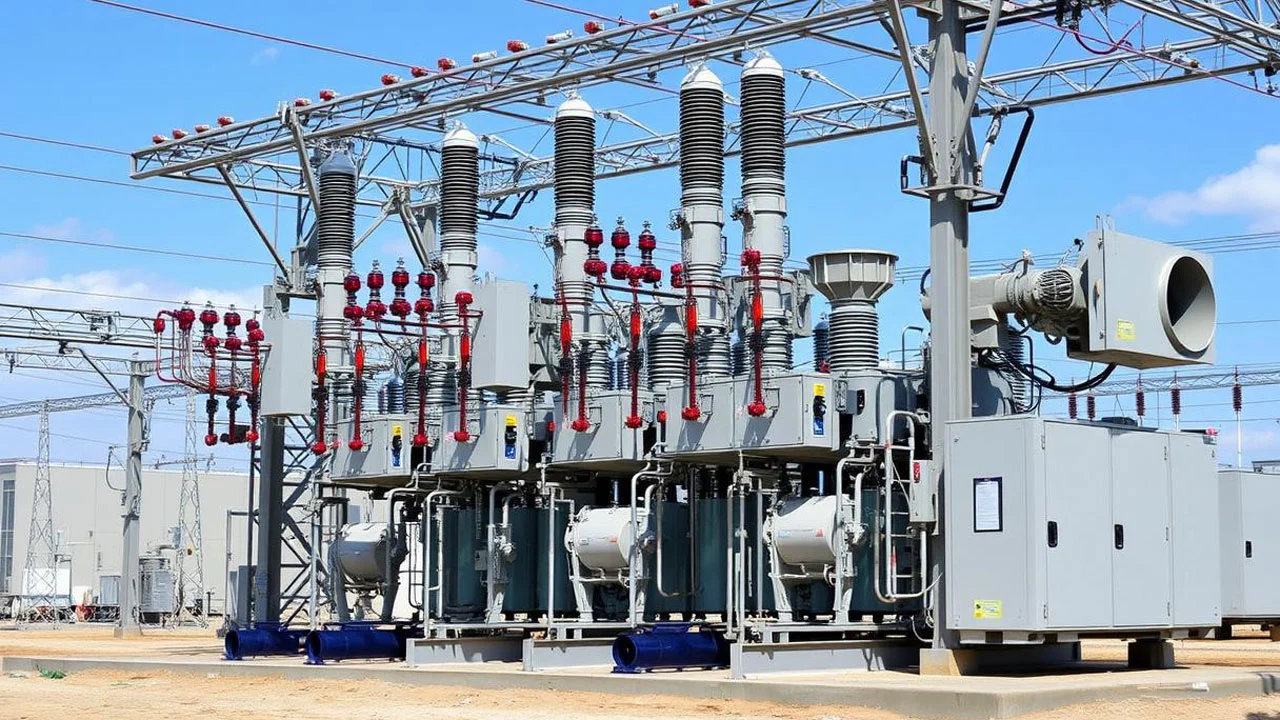
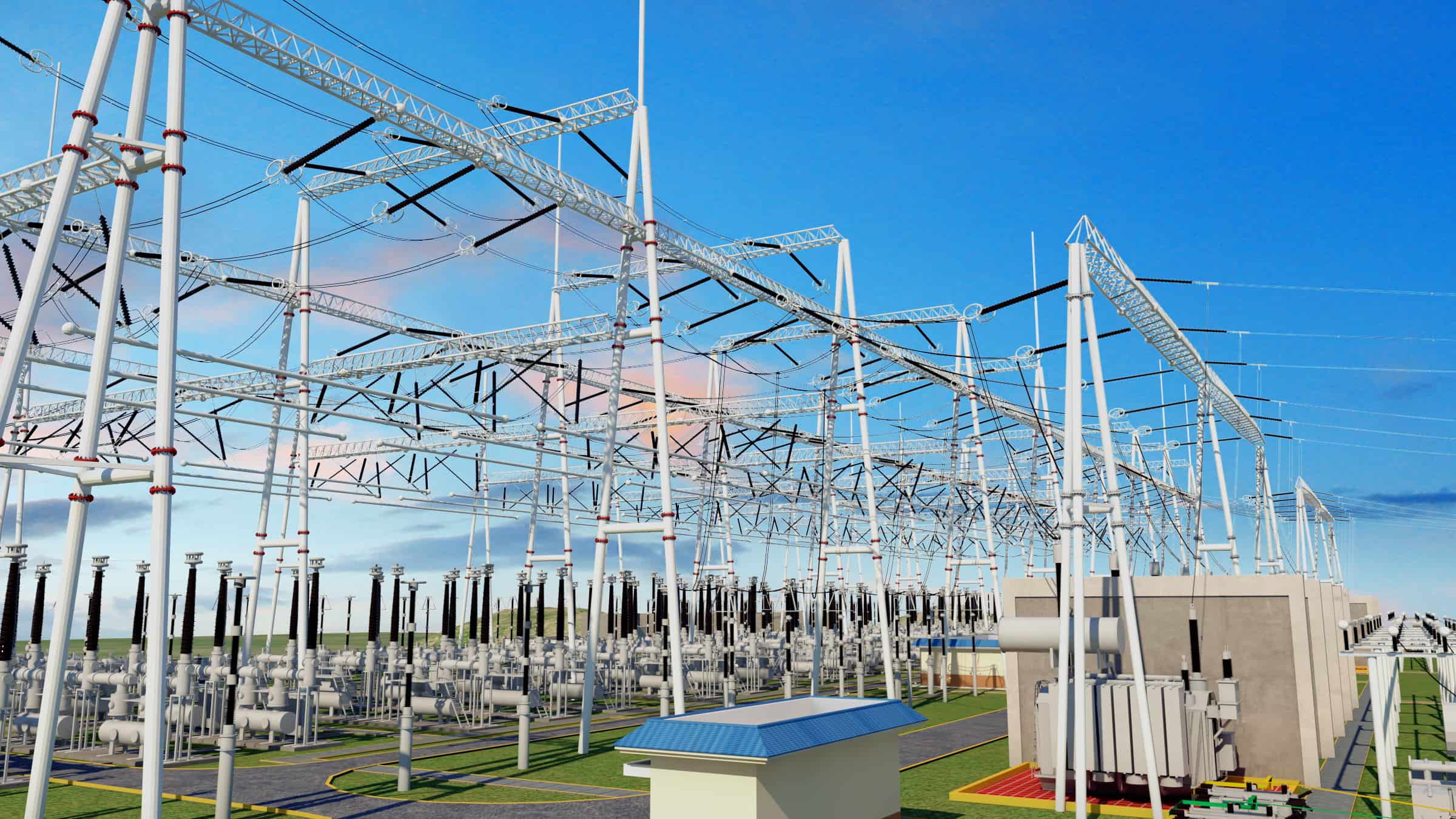
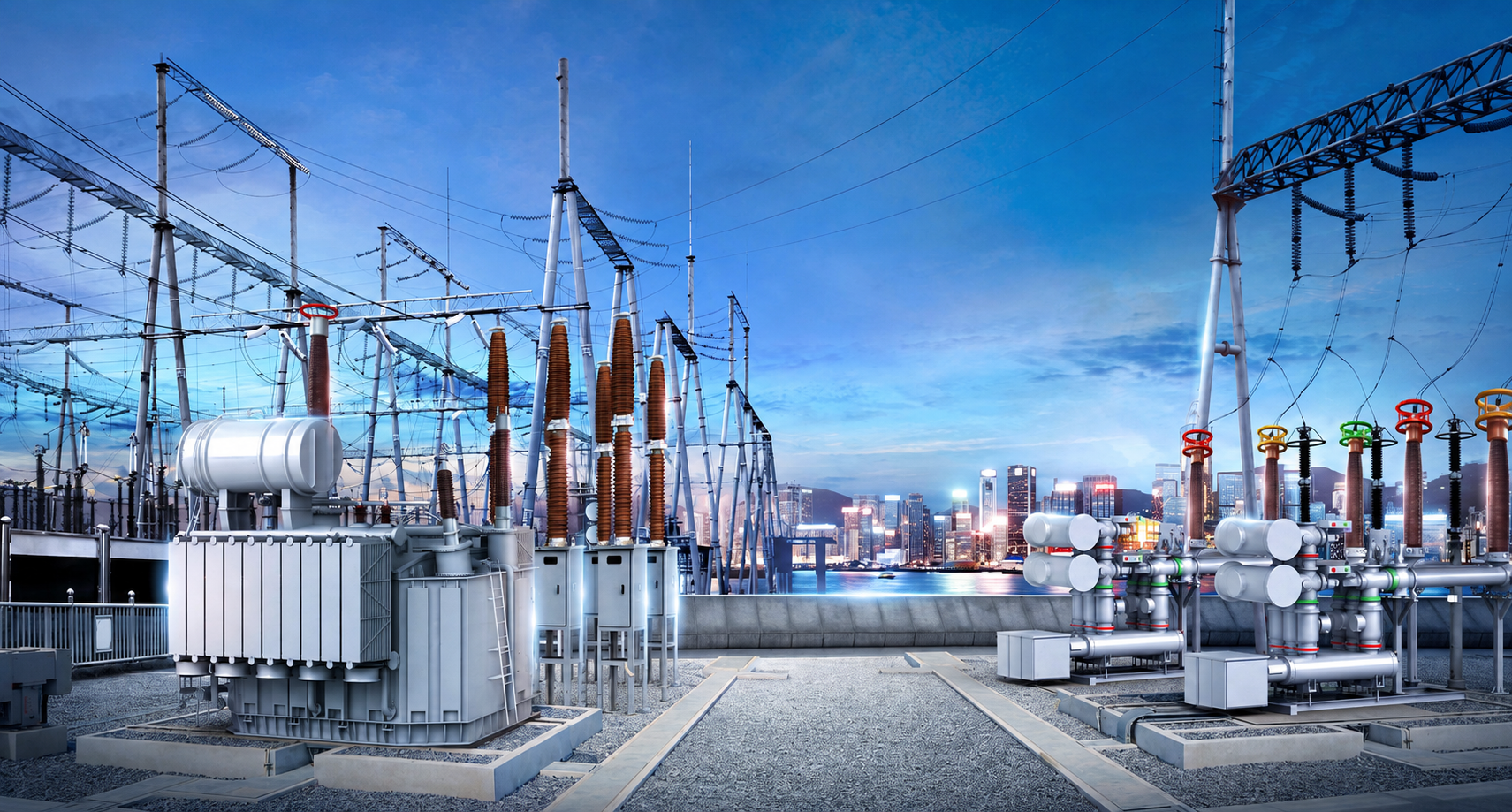
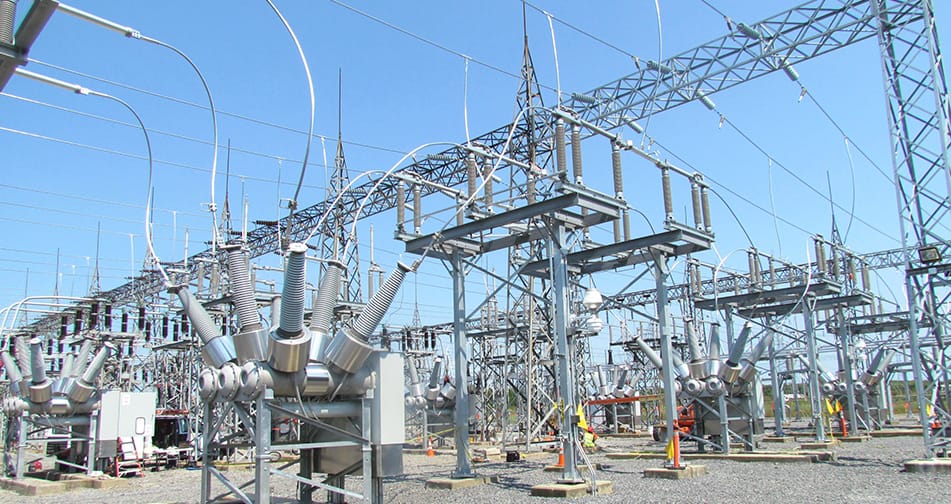
Where normal Air Insulated Substations (AIS) have their equipment open to the air, GIS uses sulfur hexafluoride (SF6) gas insulated gear housed inside small metal boxes. This not only shrinks the size of the installation but also enhances its reliability and makes it safer to operate.

Regions like Gujarat, where industrial and clean energy developments happen side by side, now see the need for GIS technology as a must, not a choice.

The Strategic Shift Toward Smart GIS Infrastructure

The new transmission works in Gujarat are actually part of the bigger picture of technological evolution in India’s power sector.

Projects around Bhuj and Kansari are especially important because they support renewable integration while strengthening the overall electrical power transmission system. Bhuj, in particular, has become one of India’s key renewable evacuation hubs due to the rapid growth of solar and wind energy projects in western India.

Through the construction of substations at Extra High Voltage (EHV) levels as well as their respective transmission system expansions, the Grid is being strengthened to handle fluctuating levels of renewable power while also enhancing its overall stability. (Energetica India)

Switching isn’t just sufficient anymore. The real direction is toward smart, interconnected, and ready-for-the-future power infrastructures.

Hartek Group’s Contribution to Gujarat’s High-Voltage Infrastructure

Gujarat’s transition toward a smarter and more resilient transmission network is being accelerated by strategic high-voltage infrastructure projects that support large-scale renewable energy integration. A notable example is Hartek Group’s 400 kV substation project for SPRNG Energy in Banaskantha, Gujarat. Under this project, Hartek is establishing a 33kV/400kV Pooling Substation to support a 300 MW solar power plant at Ramsan Village, Taluka Deesa, enabling efficient evacuation of renewable energy and seamless integration with the grid. This critical infrastructure strengthens Gujarat’s transmission capacity while supporting the state’s clean energy ambitions.

Projects such as these highlight the growing importance of GIS substations, Extra High Voltage (EHV) networks, and smart transmission systems in meeting rising infrastructure demand and building scalable infrastructure capable of supporting India’s long-term energy transition.

Why GIS Substations are Ideal for Coastal Regions

Geography is one of the strongest reasons that explains why Gujarat is leading the way in the adoption of GIS.

The installation of transmission lines in coastal zones faces high challenge levels. Salt in the air, humidity, corrosion, and general weathering through exposure are some of the factors that cause a substation’s performance to deteriorate over time when it is based on traditional designs. With the consequence of rising costs for repair and maintenance, it also becomes more difficult to continue with the preferred level of reliability.

A GIS substation addresses many of these concerns directly.

1. Space Efficient Feature

Locations near for example, industrial zones, ports, and urban areas are not only quite costly but the availability is very limited. With GIS substations, the space needed is approximately 35% less than that of an average traditional setting based on AIS.

Due to this well thought out compactness, utilities will be able to:

  • Build substations closer to load centers
  • Encounter less challenges when it comes to land acquisition
  • Have better optimised urban infrastructure plans
  • Enlarge transmission network at a more rapid pace

In case of Gujarat’s rapidly expanding industrial sectors, such space effectiveness is transforming into a very important factor.

infrastructure demand​

2. Minimal Maintenance Needs

Substations of traditional design that get affected by coastal conditions are normally in need of frequent cleaning, inspection, and maintenance.

On the flip side, a GIS is a closed system that operates within a sealed enclosure, which has the effect of keeping kicker:

  • Dust
  • Humidity
  • Salt
  • Pollution
  • Corrosion

As a matter of fact, utilities are experiencing:

  • Less upkeep expenditures
  • Less unscheduled shutdowns
  • Breaking equipment less frequently
  • Greater operational effectiveness

This also makes GIS very appropriate for the coastal transmission routes of Gujarat.

3. Reliable Infrastructure and Less Grid Failure

Renewable energy penetration can destabilise the power grid, which in turn leads to the need for quick-response systems and highly reliable operations.

GIS equipment is equipped with:

  • Smart monitoring
  • On-the-spot diagnostics
  • Protection systems at a very advanced level
  • Automation based on digital technology
  • Fault isolation skills

The aforementioned capabilities lead to the strengthening of the grid’s resilience as a whole and make power outages far less likely.

Areas where industries rely on power continuity may thus view the presence of dependable substations as a hallmark of economic progress.

The Emergence of Smart GIS Technology

The rise of next-gen GIS infrastructure goes well beyond just the compact nature of hardware. Instead, it is becoming smarter.

Current smart GIS substations combine

  • IoT-enabled systems used for monitoring
  • AI-driven maintenance forecasting
  • Remote troubleshooting
  • Automated circuit breaker operations
  • Digitally-operated protection relays
  • Continuous monitoring of asset condition

These features convert regular substations to hubs of data-driven power management.

Utilities gain the ability to:

  • Detect faults before failures occur.
  • Keep track of equipment performance remotely.
  • Enhance operation efficacy.
  • Minimize human participation.
  • Extend the working life of the equipment.
  • Get back to normal faster after disturbances.

This shift toward digital substations is helping create a more responsive and resilient electrical power transmission system across India.

How GIS Supports Renewable Energy Integration

Renewable power generation is variable by nature.

Solar plants work better when the sun is out, and wind turbines generate more when the wind blows. Such variations put great pressure on the power grid.

Without able transmission infrastructure:

  • It becomes impossible to use renewable energy efficiently
  • Voltage fluctuations go up
  • Grid congestion becomes worse
  • Transmission losses increase

Smart GIS substations provide solutions for these problems primarily by enabling:

  • Higher speed of operations
  • Improved voltage regulation
  • Stable power supply
  • Efficient renewable energy integration
  • Greater grid flexibility

This aspect for example is very relevant to Gujarat considering that its renewable zones are continuously expanding at a rapid pace. As India will keep adding more renewable capacity, smart GIS infrastructure will become a very important element in ensuring grid stability.

The Growing Role of BESS in Smart Grid Infrastructure

As renewable energy capacity continues to expand across Gujarat, the focus is no longer limited to power generation and transmission alone. Battery Energy Storage Systems (BESS) are becoming an essential component of modern grid infrastructure, helping utilities manage variability in solar and wind generation while enhancing grid reliability.

When integrated with a GIS substation and advanced transmission network, BESS offers several advantages:

  • Stores excess renewable energy during periods of high generation
  • Supplies stored energy during peak demand periods
  • Improves grid stability and frequency regulation
  • Reduces renewable energy curtailment
  • Supports faster restoration during grid disturbances
  • Enhances flexibility within the electrical power transmission system

For renewable-rich regions such as Gujarat, where solar and wind generation capacities are expanding rapidly, BESS acts as a bridge between renewable generation and reliable power delivery. Combined with smart GIS infrastructure, energy storage systems are enabling utilities to build more resilient, flexible, and future-ready grids capable of supporting India’s evolving energy landscape.

Smart Infrastructure is the Foundation of Economic Growth

Digital lines of business, manufacturing environments, data centers, and electrically powered transportation are all substantially increasing the demand for electricity.

This growing infrastructure demand requires utilities to build systems that are:

  • Scalable
  • Finitely intelligent
  • Not prone to failures
  • Environmentally friendly
  • Capable of meeting future requirements

Old infrastructure can hardly sustain such a transition.

In addition, a smart GIS substation enables one to:

  • Industrial corridors
  • Smart cities
  • Ports and logistics hubs
  • Renewable energy parks
  • Urban electrification
  • EV charging infrastructure

This is the reason why the transmission vision of Gujarat is now more focused on high-level and scalable infrastructure.

Gujarat’s GIS Expansion Reflects a National Trend

The projects undertaken around Kansari and Bhuj are just the tip of the iceberg structured in the context of the major transformation of India’s power sector.

Currently, utilities are not only concerned with increasing capacity but rather the shift is towards:

  • Digitalization
  • Automation
  • Smart monitoring
  • Predictive maintenance
  • High-reliability infrastructure

Not merely a power transmission grid, the future one will be a power management grid, and intelligence will be a key feature.

With challenges of climate change, increased demand, and difficulties arising from integrating renewables, smart GIS is bound to be a major character in the scene of continuous power and efficient delivery.

Key Takeaways

  • GIS substations are becoming essential for Gujarat’s rapidly growing energy ecosystem.
  • Coastal regions benefit significantly from GIS due to high reliability and low maintenance.
  • Smart GIS technology supports renewable integration and grid stability.
  • Gujarat’s transmission expansion reflects rising infrastructure demand across India.
  • Scalable infrastructure will define the future of India’s electrical power transmission system.

electrical power transmission system​

Conclusion

India’s energy transition is no longer only about generating clean energy. It is equally about creating intelligent transmission infrastructure capable of managing that energy efficiently.

Gujarat is emerging as a national leader in this transformation because of its proactive investments in smart substations, renewable integration, and digital transmission systems. The growing adoption of GIS substation technology in coastal and industrial regions highlights how utilities are preparing for the future with resilient and scalable infrastructure.

As grid modernization accelerates, smart GIS solutions will continue to strengthen the reliability, efficiency, and flexibility of the country’s evolving electrical power transmission system. With its growing expertise in Extra High Voltage projects, renewable integration, and advanced transmission infrastructure, Hartek Group continues to contribute toward building smarter and future-ready power networks across India.

Frequently Asked Questions (FAQs)

1. Why is a GIS substation important for coastal regions?

Coastal regions with their changing weather conditions and high salinity level put a strain on the equipment which is in regular/substandard substations. A GIS substation performs efficiently in coastal conditions because its sealed design protects equipment from humidity, salt, dust, and corrosion. This leads to better performance reliability and lesser maintenance.

2. How does GIS technology help save space?

GIS substations use compact gas-insulated equipment that occupies much less land compared to conventional substations. This makes them ideal for urban, industrial, and high-density infrastructure projects.

3. Why is Gujarat investing heavily in smart transmission infrastructure?

Gujarat has rapidly growing renewable energy projects, industries, ports, and urban development. This rising infrastructure demand requires reliable and scalable infrastructure solutions for efficient power delivery.

4. How do smart GIS substations improve grid reliability?

Smart GIS systems use digital monitoring, automation, and predictive diagnostics to identify issues early and minimize outages. This helps utilities maintain stable grid operations.

5. What role does GIS play in renewable energy integration?

GIS substations enable smooth evacuation and transmission of renewable power by improving voltage control, reducing losses, and enhancing overall grid flexibility.

Why Substations are the “Unsung Heroes” of Energy Transition

India’s clean energy narrative is often framed around giant solar parks, wind farms and ambitious renewable energy targets. However, the transmission infrastructure that supports this transition is often invisible. It’s a time of great expansion in solar capacity, businesses are turning to green power, and the nation is making a gradual transition to a cleaner-energy future. In this transformation, one important part of the power infrastructure often goes unnoticed, substations. They play a key role in ensuring reliable and efficient power distribution.

The reality is straightforward: producing clean energy is just the beginning of the work. Clean energy is of no use if that electricity cannot be converted, stabilized, and effectively transmitted into the grid for delivery to homes, industries, and cities. That’s where substations become the real backbone of the clean energy transition.

As India’s energy demand increases, it’s our belief at Hartek Group that the substation marks the basis for reliable power delivery, grid stability, and sustainable energy growth. With the apparatus of substations reinforcing grid infrastructure and power delivery efficiency, they are enabling India’s evolution to a smarter, more resilient energy future. 

“Did You Know? According to industry reports and Central Electricity Authority (CEA) data, India’s transmission transformation capacity has crossed 12 lakh MVA, with 765kV substations playing a major role in enabling long-distance renewable power transfer and improving grid stability.

The Real Challenge: Grid Integration, Not Just Power Generation

India has made ambitious plans for clean energy, and one of the means is to inject massive amounts of solar and wind into the energy pool. However, with one major defect, renewable power generation has a “variability”.

Solar energy is produced only in the light hours. Wind power production varies with the weather. Demand for electricity, on the other hand, differs completely in that respect. This disparity, of course, puts pressure on the grid, and a very responsive transmission infrastructure is required.

Unless there are able and resilient substations

  • Clean energy will be stranded in the source
  • There will be increase in the fluctuations of voltage
  • Grid congestion will increase
  • Transmission losses rise
  • Regional power imbalances worsen

Simply put, renewable power with little transformation capacity is useless.

Therefore, substations are not only by far the largest single source of energy supply in the country but also the key enablers of India’s clean energy path. They make sure that the power from renewable plants is carried around in a safe and efficient manner.

Why Substations are More Significant Than Before

A substation is far more than a collection of transformers and switchgear. It acts as a control center within the power network.

Some of its main operations are:

  • Changing voltage levels for transmission and distribution
  • Power flow stabilization
  • Load management
  • Prevention of faults and outages
  • Renewable support
  • Grid resilience enhancing

As renewables penetrate deeper into areas like desert and coastal regions, substations are the ones connecting those generation centers with the demand hubs i.e. urban and industrial areas.

Power from the solar parks in Rajasthan or renewable energy zones of Gujarat has to travel long distances to reach the consumers. Substations with capable power handling operation ensures that this power moves with the least loss.

This shift from a “generation- focused infrastructure” to a “grid integration-focused infrastructure”is redefining India’s energy sector.

clean energy transition​

Why Transformation Capacity Matters More Than Ever

India’s energy demand is growing rapidly. The expansion of cities, wider EV utilization, industrial growth and digitization are all having major changes on the power demand curve.

Also, the times of peak demand are getting sharper and less predictable. According to recent power sector trends, India recorded new peaks in electricity demand during summer months driven mostly by cooling needs and industrial activity.

The new demand curve means the grid is expected to be:

  • More versatile
  • Semi-instantaneous
  • Better at interconnection
  • More stress resilient

Substations enable such flexibility.

High-capacity transformers and high-voltage substations make it possible for surplus renewable power at one location to be sent to another place where there is a demand peak. This way power grid resilience is increased while cases of overloads and blackouts are minimized.

Even the grandest renewable projects would be unable to contribute effectively to the national grid if there was no transformation infrastructure.

Case Study on the Bhuj 500 MVA ICT:

Enhancing Grid Integration Through a Physical Example of The ICT Building Project

The high capacity ICT infrastructure development in Bhuj of Gujarat is a foremost example of grid integration.

Owing to the tremendous growth of renewable energy in western part of India, Bhuj has become a very significant transmission hub. The region’s ability to evacuate power and transmit has been strengthened with multiple deployments of 500 MVA and 765/400 kV ICT units.

Hartek’s involvement in strengthening high-voltage grid infrastructure reflects the growing industry focus on enabling renewable integration through advanced substations and transmission systems. The company has also secured multiple Extra High Voltage (EHV) projects, including 765kV substation expansions and renewable integration infrastructure across India.

The Bhuj 500 MVA ICT infrastructure demonstrates an important reality: Renewable energy growth is impossible without matching transmission and transformation capacity.

Renewable energy systems alone would not be adequate to supply the grid. The ICTs and substations ensure that the electricity generated can be brought to the end-user in large quantities and hence the Indian electricity sector is undergoing this transition from “generation to grid integration”.

Substations and Electric Grid Resilience

Energy infrastructures are being globally pressed by the changing climate, temperature rise, and an increasing number of extreme weather events.

India too is in this situation of heatwaves, demand surges and power fluctuations in renewables which together are limiting the grid’s capacity and now resilience of the electric grid needs to be built.

Modern substations are now designed with:

  • Advanced automation systems
  • Digital monitoring
  • Intelligent protection mechanisms
  • Real-time diagnostics
  • Smart communication technologies

During grid disturbance, these features expedite fault response and utilities have greater capability to supply the needs of their customers even in cases of increased demand.

With their power to measure, control, and analyze electrical distribution and transmission networks, substations will be the foundation upon which the future grids will come to life.

Substations are the centre of this revolution.

The Growing Importance of Resilient Infrastructure

The energy transition in India is about sustainability, of course, but also reliability. As renewable penetration increases, the need for resilient infrastructure becomes more urgent. 

Infrastructure must withstand:

  • Climate-related disturbances
  • Very high demand
  • Equipment failures
  • Voltage instabilities
  • Cyber and operational risks

Substations are the ones supporting grids with resilient infrastructures by enhancing grid stability and at the same time ensuring uninterrupted supply even in challenging conditions.

This is a critical support especially for:

  • Industrial corridors
  • Data centers
  • Metro cities
  • Manufacturing clusters
  • Renewable energy zones

The risk to the economy of a power outage has become very high. Well designed power substations can help reduce these risks.

Smart Substations: The Future of Energy Networks

Traditional substations are gradually becoming smart substations.

Digital tools such as:

  • AI-based monitoring systems
  • IoT-enabled sensors
  • Predictive maintenance equipment
  • Remote diagnostics facilities
  • Automated load balance systems

are drastically changing the manner in which substations operate.

Thanks to these technologies utilities are able to:

  • Spot equipment failures even before they happen
  • Enhance asset life
  • Schedule maintenance so as to minimize downtime
  • Distribute energy optimally
  • Enhance electric grid resilience

As India upgrades its transmission system, smart substations will be the basis of the clean energy transition.

Why Grid Integration is the Real Energy Transition

Renewable energy went through a stage where everyone was talking about how much one can produce. And the industry now recognizes a more important truth: Generation without integration has limited value.

India’s green energy targets can only come to fruition if the power system is capable of:

  • Dealing with the fact that renewables produce power only when the sun is shining or the wind is blowing
  • Balancing the differences in supply and demand in different regions
  • Handling the increase in overall consumption
  • Maintain stability during peak loads

Substations are making this possible every day.

Unlike solar and wind parks which are very visible, substations are not seen, yet they are quietly ensuring that renewable electricity is reaching you in a safe and trustworthy manner.

That is why substations truly are the “unsung heroes” of the energy transition.

resilient infrastructure​

Key Takeaways

  • Substations are critical to enabling India’s clean energy transition beyond mere renewable generation.
  • Robust transformation capacity is vital for integrating renewable power efficiently into the grid.
  • India’s escalating power demand scenario is necessitating the development of advanced transmission networks.
  • State-of-the-art substations contribute to grid resilience by integrating automation and smart monitoring.
  • Investment in resilient infrastructure will define the success of India’s future energy ecosystem.

Summary

For India’s clean energy transition to be successful, it cannot rely solely on renewable power generation, but on a grid system that is sufficiently strong, smart, and resilient to deliver power where it is most needed. Through enabling efficient renewable integration, grid stabilization and meeting rising electricity demand, substations are at the heart of this transformation. As the nation moves rapidly towards a more sustainable future, the need for investment in advanced transmission and transformation infrastructure will be a key factor. Smart substations, digital monitoring, and the high-capacity ICT systems are not only empowering the energy transition but also actively shaping it. Hartek Group, through its work in high-voltage infrastructure, renewable integration, and resilient power systems throughout India, continues to be a key player in this emerging energy landscape. The future of clean energy will depend not only on how much power India generates, but also on how effectively that power is integrated, managed, and delivered.

Frequently Asked Questions (FAQs)

1. Why are substations a big help in renewable energy integration?

Substations support changing and efficiently transmitting renewable electricity into the grid. They help maintain voltage stability, ensure reliable power distribution, and facilitate smooth evacuation of power.

2. What is transformation capacity and why is it so important to the electric power supply sector?

Transformation capacity is the extent to which the substations and ICTs are able to transform electric power from and to different voltage levels for transmission and distribution purposes.

3. What role do substations play in electric grid resilience?

Substations play a part in making the power flow more stable, lessening the chances of overloads, and perfecting the handling of faults, thus aiding the grids to run seamlessly even during high demands and disturbances.

4. Why is the power demand curve presenting so many challenges?

As cities grow faster, electric vehicles get more popular, industries shoot, and also people want more and more air conditioning, so the patterns of using electricity keep on changing and become more difficult to forecast.

5. What role does resilient infrastructure play in energy transition?

Resilient infrastructure ensures reliable power delivery despite climate stress, rising demand, and renewable variability, supporting long-term energy security.

The El Niño Impact on India’s Power Grid: Lessons for 2026

India’s power grid infrastructure is entering a defining decade. As climate change intensifies, extreme weather events like El Niño are no longer temporary disruptions but increasingly structural stress tests for the nation’s energy system. The 2023–2024 El Niño cycle, one of the strongest in recent years, brought prolonged heatwaves, below-normal rainfall, and a sharp surge in electricity demand, placing significant pressure on the power grid. As India prepares for 2026, the lessons from recent El Niño cycles are shaping how we design sustainable and resilient infrastructure that can withstand extreme climatic shocks while meeting rising energy demand.

In this blog post, we take a closer look at how the El Niño affects India’s electricity scenario and what it means for the country’s power matrix. We discuss the importance of 765kV substations, the dynamic demand for grid resilience in times of peak grid stress, and how we, at Hartek Group, are enabling stability and future-proofing the sector against climate-driven disruptions.

“Did You Know? According to the India Meteorological Department (IMD), El Niño years are often associated with above-normal temperatures across India. This leads to a sharp rise in electricity consumption, particularly due to increased use of air conditioning and cooling systems, putting additional stress on the country’s power grid infrastructure.”

Understanding El Niño and Its Energy Implications

El Niño is a pattern in the climate system that describes the warming of surface waters of the central and eastern Pacific Ocean. Although it forms a decades-scale oscillation far away from India, its whiplash effect influences monsoons, temperature spikes, and rain patterns in India. 

For India’s power grid system, this means:

  • Prolonged heatwaves, increased cooling demand
  • Weaker monsoons lead to reduced hydroelectric power
  • More dependence on thermal plants and renewables for balancing
  • Peak load strain on the transmission system.

The difficulty isn’t only producing enough power; it’s delivering that power reliably across regions and through all manner of extreme conditions. 

Rising Power Demand During Heatwaves

Summers influenced by El Niño trigger sharp rises in power usage. The combined effect of air conditioning, refrigeration, and use of water pumps in agriculture raises the demand to previously unchallenged levels. India has, in fact, experienced peak demands exceeding 240 GW during recent heat waves.

This surge places immense pressure on the power grid system, especially during afternoon peak hours when solar output begins to fluctuate while demand continues to rise simultaneously.

Utilities today must balance not only domestic consumption spikes but also the broader context of global power demand, which influences fuel availability, pricing, and energy security.

Transmission Infrastructure: The Backbone

Grid strengthening mainly means upgrading transmission infrastructure.

Why 765 kV Substations are Important

High voltage substations, especially those that operate at 765kV, are indispensable for a stable power grid even when the demand is at its peak. Key features of such substations are:

  • They make it possible to transport power over long distances with just very little loss
  • Help in keeping voltage stable during demand surges
  • Prevent grid congestion by redistributing electricity efficiently
  • Support integration of renewable energy into the grid

In the case of El Niño related heatwaves which cause power demand to rise and become uneven across the areas, such installations allow the transfer of excess power very smoothly from one area to another.

Without this, power cuts could become a reality making it impossible to have a continuous supply.

packaged transformer substation​

Strengthening Sustainable and Resilient Infrastructure

India’s response to climate-driven grid stress is rooted in building sustainable and resilient infrastructure. These include:

1. Grid Modernization

A smart grid powered by AI, IoT, and digital monitoring systems is transforming India’s power grid system, and Hartek is helping in that. We have a smart grid with technology that enables real-time tracking of grid performance, predictive maintenance, and faster response to fluctuations in electricity demand. 

2. Renewable Energy Integration

Renewables depend on strong power grids for efficient distribution, as their output is variable. A robust grid helps balance fluctuations and ensures a stable power supply.

3. Flexible Power Systems

Ways to ensure power is available when needed at peak times are the use of battery storage and hybrid systems.

4. Climate-Resilient Design

Currently, technologies are being focused on the ability to survive physical shocks and stresses due to extreme temperatures and weather.

These efforts are crucial as both domestic needs and global power demand continue to rise, putting additional pressure on energy systems worldwide.

Points learnt from recent El Niño Cycles

India’s exposure to the recent phenomena has highlighted several aspects worth considering:

1. Demand Forecasting Needs Enhancement

This tool is vital to the utility players so that they can remain prepared for unexpected consumption highs.

2. Transmission is Just as Necessary as Production

There may be a lot of power available but without solid transmission, it will lead to isolated outages.

3. Regional Interconnectivity is Vital

With a unified grid, it is very easy to share electricity across the different states of the country.

4. Renewable Integration Needs Strong Backbone

The expansion of wind and solar must be upheld by transmission with a high degree of reliability and robustness.

5. Speed of Execution Matters

Infrastructure projects should not be delayed since the demand is continually increasing.

Meeting the Challenge of India’s Energy Requirements

India stands out as a top energy market with rapid growth. Apart from increasing urban population, industrial development, and digitization will be key factors in the steady rise in power needs till 2030.

However, don’t forget that climate variability effects, such as El Niño, will keep pushing the boundaries of existing systems.

In light of the above, India’s paths for 2026 must include:

  • Expand transmission capacity
  • Upgrade substations
  • Invest in smart grid technologies
  • Build climate-resilient infrastructure

Preventing Brownouts: A Strategic Priority

Brownouts are not only technical failures, they have an impact on the industrial sector, healthcare, and general public. Hence, their prevention is a result of several strategies implemented at once:

  • A robust network of high voltage power lines
  • The bigger the substation, the better the capacity
  • Grid management and flexibility is always improved
  • Ensuring always real-time load management

Among all, 765kV substations are the major contributors to this strategy. Not only do they stabilize the voltage but also they continue to do so even when the load changes suddenly and significantly.

The Way Forward for 2026

Looking toward the future, India’s power grid infrastructure needs to be prepared for two challenges happening at the same time:

  • Rising electricity demand
  • Increasing climate unpredictability

The focus must remain on building a power grid system that is not just efficient but also adaptive.

Areas of concern:

  • Increasing high voltage transmission capacity
  • More renewable integration
  • Installing smart grid and communication technologies
  • Resilience to climate variability in infrastructure

Key Takeaways

  • El Niño significantly increases electricity demand due to extreme heatwaves.
  • Strong power grid infrastructure is essential to prevent brownouts.
  • 765kV substations enable efficient long-distance power transmission.
  • Sustainable and resilient infrastructure is key to handling climate variability.
  • India must prioritize transmission upgrades alongside generation growth.

control relay panel manufacturers in india​

Final Thoughts

El Niño has become a regular feature of the dialogue about India’s energy system. It is a serious test for power grid infrastructure​ as demand grows with temperature extremes.

By investing in high-capacity transmission networks, modern substations, and sustainable, resilient infrastructure, India can ensure a reliable electricity supply even under the most challenging conditions. We, at Hartek Group, are enabling stability and future-proofing the sector against climate-driven disruptions.

As we move toward 2026, the focus must shift from reactive measures to proactive planning, building a grid that is ready not just for today, but for the uncertainties of tomorrow.

FAQs about India’s Power Grid

1. What impact does El Niño have on India’s power grid? 

Temperatures and El Niño-Weakened monsoons are warm, so the demand for electricity is rising, and hydroelectric production is falling. This adds stress to the grid.

2. What are brownouts and why do they occur?

Reduced voltage Brownouts occur as a result of high demand, or within peak periods when transmission capacity is limited.

3. Why are 765kV substations so important? 

They facilitate long distance power flow with less losses, thus ensuring Grid stability under heavy load conditions.

4. How can India build a resilient power grid system?

In advanced transmission networks, smart grids, renewable energy integration all built on strong infrastructure.

5. How does the sustainable infrastructure link to energy security? 

It ensures long-term reliability, reduces environmental impact, and helps the grid adapt to climate-driven disruptions like El Niño.