Building the Unbreakable Grid: The Blueprint for True National Resilience

India is one of the fastest transitioning countries in the energy sector. With more and more people moving into cities, industries growing, electric mobility becoming a new wave, smart cities and cities being connected in such a way with the digital world that it’s possible for a person to switch on an electrical appliance just by tapping on a mobile phone. And at the same time India is also raising her aspirations about renewable sources of energy. These are all contributing to an ever-changing power scenario. As power demand grows, there is a parallel rise in the challenges that threaten the continuity and stability of the power availability.

This is where Grid resilience India becomes a national priority. A power grid that can withstand various kinds of disruptions and quickly return to normal functioning is not only about keeping the lights switched on but also about protecting the economy from shocks, safeguarding life, enabling the creation of a digital economy, and backing up the goals related to clean energy for India.

Weather-related shocks like extreme weather events, breakdown of the old facilities due to age and wear, cyber intrusions, and an increased reliance on renewable energy sources are some of the key reasons why one needs a robust and flexible electricity transmission network. It should be able to warn, respond to, and be quick to recover from disruptions caused to it. That means, building a grid that cannot be broken or destroyed becomes more than an engineering problem; it is a basic requirement for the country’s economic and energy security for the long term.
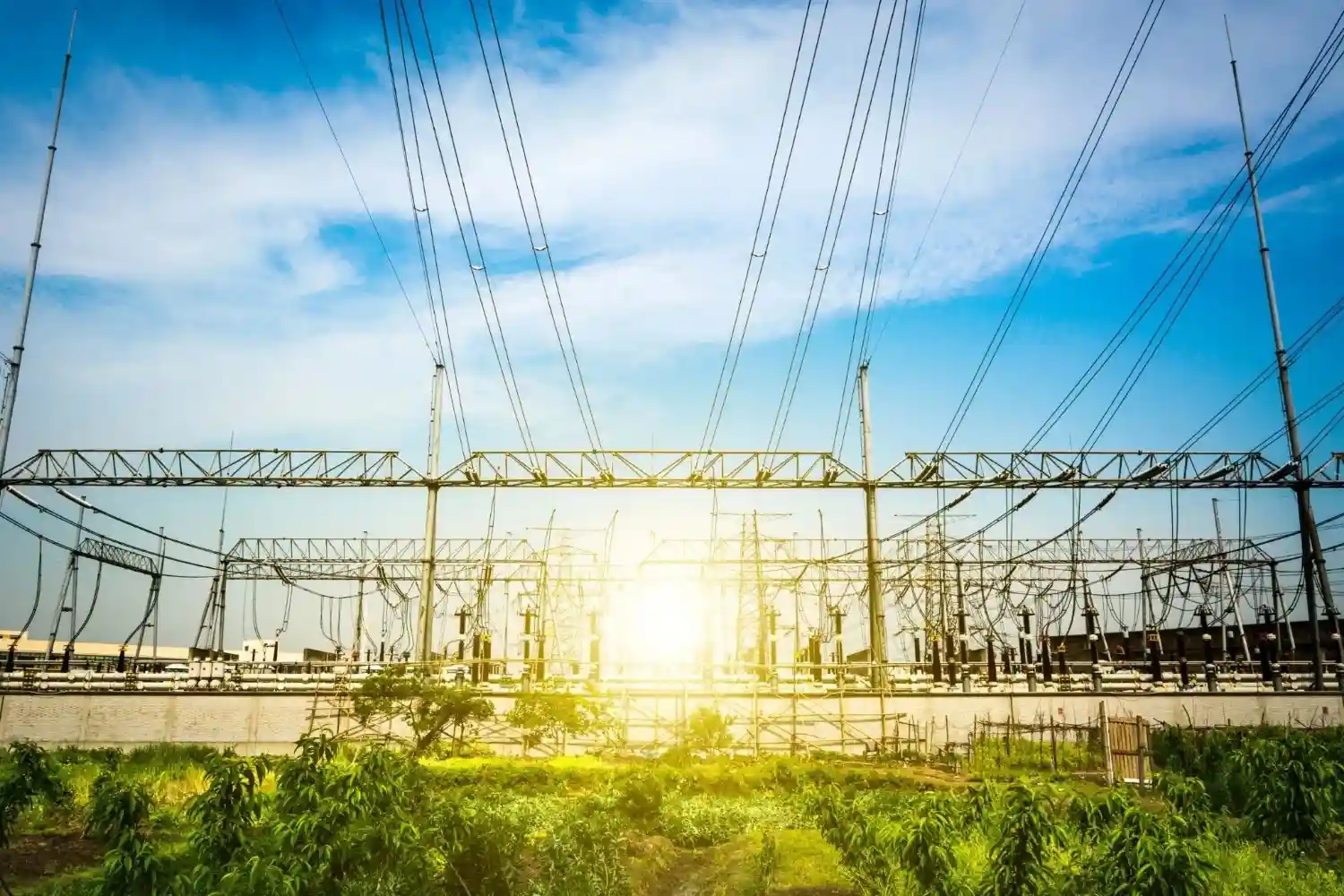
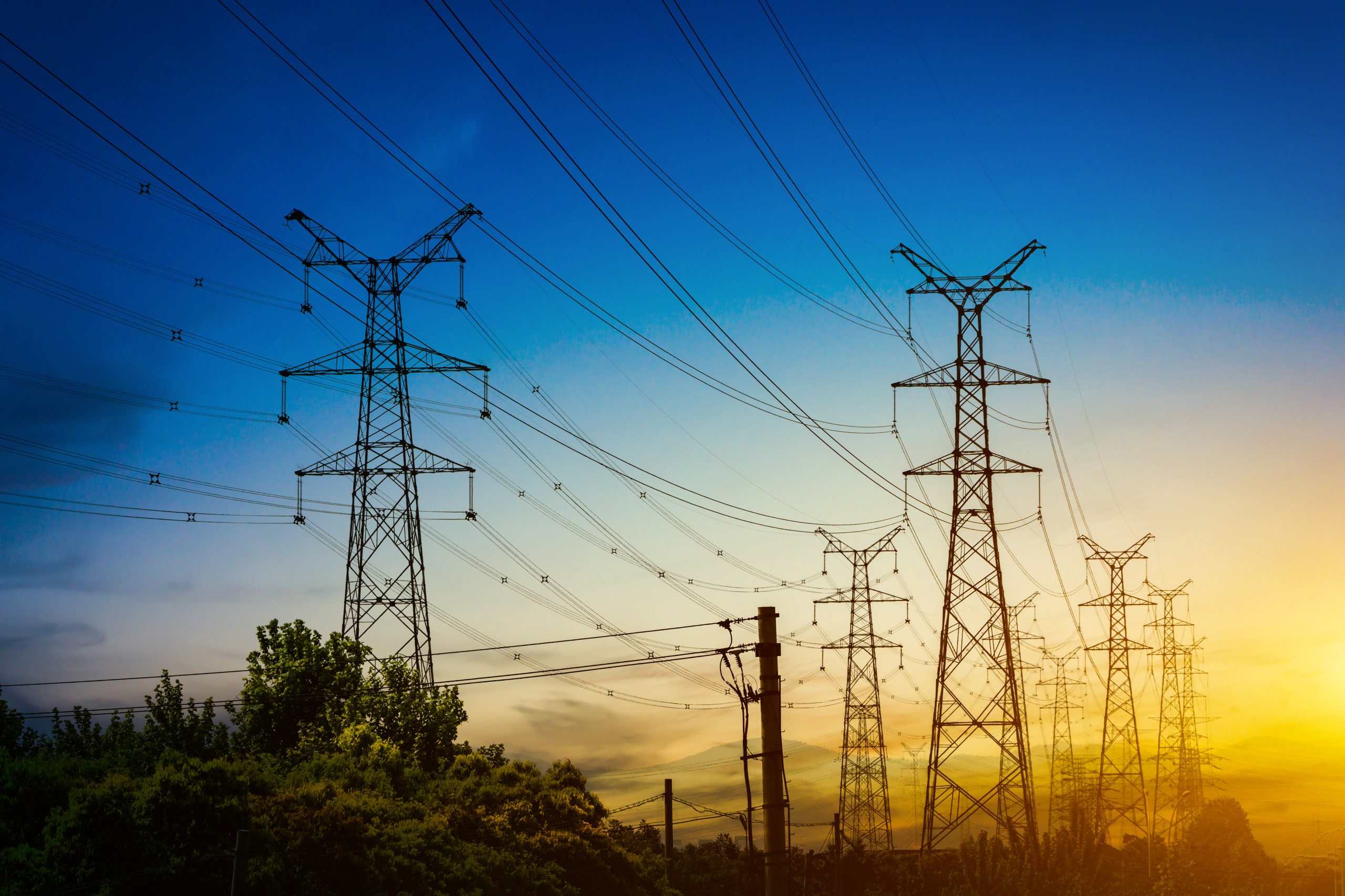
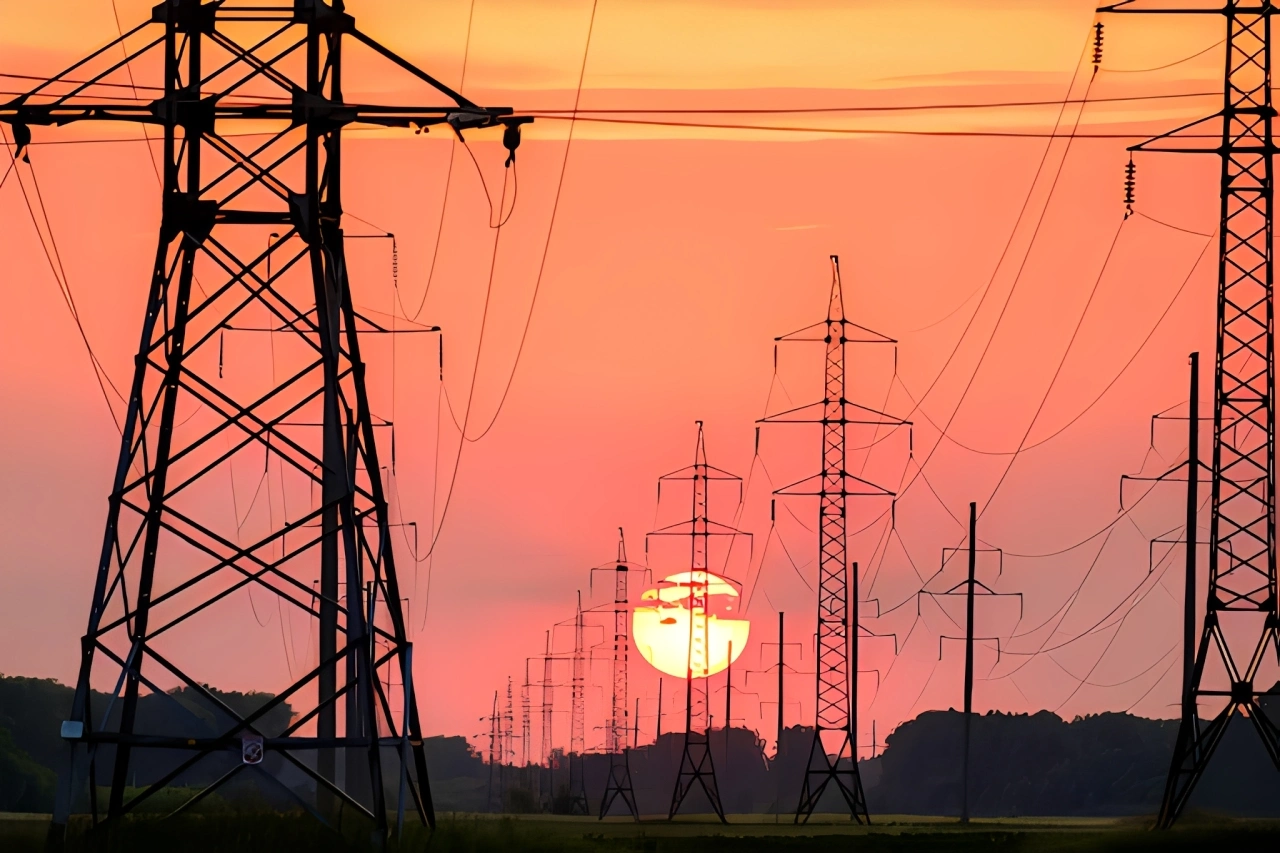
power-house

Understanding Grid Resilience

The concept of grid resilience is about an ability of the electricity network to prepare, absorb and respond, and return to normal as soon as possible when an event such as a disruption or a disaster occurs while it is still doing its job, i.e. delivering power reliably. Contrary to the idea of grid reliability which is about the grid doing the task as long as it is not disrupted or broken, the focus of grid resilience is on the minimization of the impact of any unexpected event and not just the prevention of such events.

Whether the power outage is a result of a cyclone, waterlogging, a heatwave, the malfunctioning of equipment or even the sudden spike in demand, the ripple effects from it can be far-reaching ones. It is the life of a human being, the working of various transportation modes, the production lines, financial operations, the functioning of communication networks, etc., all these things which one takes for granted are actually power-dependent ones.

As India’s energy system gets more integrated and digitized, Grid resilience India is one of the most important components of future national infrastructure that should be planned and executed accordingly.

The Growing Challenges Facing India’s Power Grid

India’s power infrastructure is evolving rapidly, but it also faces several emerging challenges that demand smarter planning and investment.

Increasing Electricity Demand

A growing population, the rapid expansion of industry, the setting up of more and more computer centers, and the increasing purchase of vehicles that run on electricity, these factors are together leading to an energy consumption rate that has never been higher. 

Climate Change and Extreme Weather

Cyclones, floods, heavy rainfall, and prolonged heatwaves are becoming more frequent. These events place enormous stress on transmission lines, substations, and distribution systems, increasing the likelihood of outages.

Integration of Renewable Energy

All these efforts by India to increase its renewable energy capacity through solar and wind power have been quite successful. However, the variable nature of solar and wind power makes grid integration challenging. Meeting this challenge will require adding over 50,000 circuit-kilometres (ckt-km) of high-voltage transmission lines to reduce congestion, prevent renewable energy curtailment, and ensure reliable power delivery.

Ageing Infrastructure

Many parts of the existing transmission and distribution network were designed decades ago. Modern energy demands require upgraded infrastructure capable of supporting higher loads and advanced digital technologies.

Building the Blueprint for an Unbreakable Grid

Designing a power network that can survive different types of shocks and threats and quickly get back to normal requires a coordinated effort in investment in technology, engineering, planning and also in operations.

1. Upgrading the Transmission Network

Transmission network is the major artery through which power flows on a national scale. When the capacity of the transmission corridor is increased one will be able to send power across different states much more effortlessly besides minimizing congestion and thereby reducing transmission losses.

Ongoing power grid infrastructure development allows operators to meet the rising electricity demand and incorporate renewable energy projects far away into the national grid.

At the same time, the new generation of transmission infrastructure offers more flexibility during emergency operations and major disturbances of the system.

2. Smart Digital Substations

Manual-style substations are quickly being replaced with automated, high-tech, protected intelligent digital substations that also have the ability to be remotely monitored.

Digital substations increase operational efficiency by:

  • Monitoring the state of equipment in real time
  • Detecting faults more rapidly
  • Providing the capability of diagnostics without the need for field engineer on site
  • Cutting the cost of maintenance
  • Leveraging assets properly

These technologies strengthen Grid resilience India by enabling utilities to detect and respond to potential failures before they escalate into large-scale outages.

3. AI and Predictive Maintenance

Use of AI, IoT sensors, and predictive analytics is reshaping the power assets management for the grid.

Instead of using a time-based strategy or just responding after a failure occurs, grid operators are using continuous equipment health monitoring and finding possible faults at an early stage.

Predictive maintenance features:

  • Downtime reduction (less production halts)
  • Maintenance cost reduction
  • Lifetime extension of equipment
  • Operational cost improvement
  • Safety improvement

Such proactive action not only enhances grid resilience but also optimizes infrastructure performance in the long run.

4. Energy Storage Solution

Power supply through Battery Energy Storage System (BESS) is quickly becoming a must-have item in every modern electricity network.

Energy storage helps match the variation of renewable generation by charging the battery whenever there is an excess of production and discharging it during the peak of demand or when generation is insufficient.

Solar and wind farms have high intermittency. So, energy storage systems have to be able to support the system with:

  • Synchronization of power output
  • Management of peak demand
  • Backup power capability
  • Energy source that is clean
  • Fast restoration of grid

As renewable energy adoption accelerates, energy storage will become a key contributor to Grid resilience India.

5. Protection System Evolution

To function reliably in the presence of a high degree of renewable generations and distributed generations, the power grids must have fault-detection and isolation abilities that are fast and automated.

Some of the features of the protection technologies that have been developed are:

  • Relays automation
  • Protection systems that respond and change
  • Monitoring that is carried out globally
  • Analysis of faults that is done while the power is still running
  • Self-healing grid technologies

Solutions of this type decrease the length of the outages and increase the reliability of the entire system.

Renewable Energy Demands a Smarter Grid

In order to achieve its transition to cleaner electricity, India does not have to focus solely on the production of renewable energy. Power must also be transmitted reliably through modernized power systems.

For instance, solar farms and wind plants are most of the time located hundreds of kilometers away from the demand centers. So, the power generated from these sources has to be transmitted safely which can only be achieved by modernization of transmission lines that are capable of managing variable power flow directions.

This is where electricity grid modernization becomes essential.

Smart grids that include digital sensing, automated control, and energy storage can be the tools with which power companies would be able to:

  • Balance renewable generation
  • Curtailment
  • Voltage stability
  • Control of frequency
  • Operational flexibility

In the absence of a wide-scale power grid modernization, the expansion of renewable energies could hit obstacles.

Strengthening Critical Infrastructure Through Engineering Excellence

To create robust electric power systems, engineering is the mainstay. Modern infrastructure planning is done using up-to-date equipment, international standards, and the highest-quality technical knowledge, which will result in a system that can perform very well from inception to decommissioning.

As it will be shown, the role of power system reliability engineering is growing rapidly and becoming crucial.

Power system reliability engineering deals primarily with:

  • Assessing risk
  • Preventing failure
  • Operating asset lifecycle
  • Checking performance
  • Cascading redundancy
  • Reliability-based maintenance

Through the integration of power system reliability from start to finish in infrastructure development, utilities can cut down on the risk of operations along with maximizing the efficiency and performance of operations over the long haul.

Grid Hardening: Preparing for the Unexpected

Sudden weather events are among the major global threats to power infrastructure. Utilities are increasingly investing in grid hardening solutions that strengthen infrastructure against environmental and operational risks. Grid hardening has become the main way of investment for the companies who are looking to improve the resilience of their assets.

Such grid hardening measures can be:

  • Disaster-proof substations
  • Transmission cables laying underground
  • Flood-proof electrical equipment
  • Reinforced transmission towers
  • Redundant communication systems
  • Climate-proven engineering designs

The provision of grid hardening services will assist the utility companies in keeping the disruptions to a minimum and ensuring the restoration to the system as soon as possible after a natural disaster.
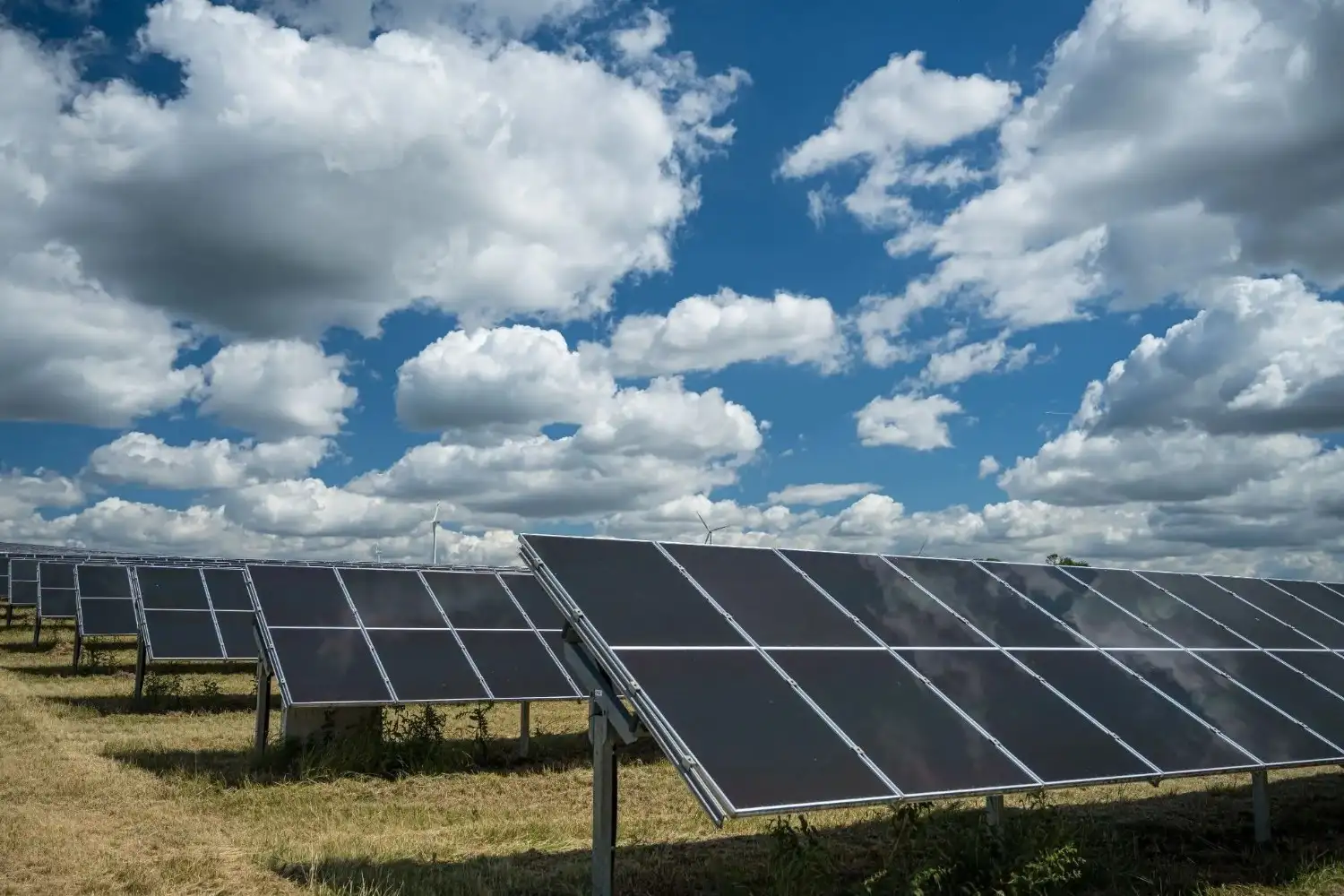
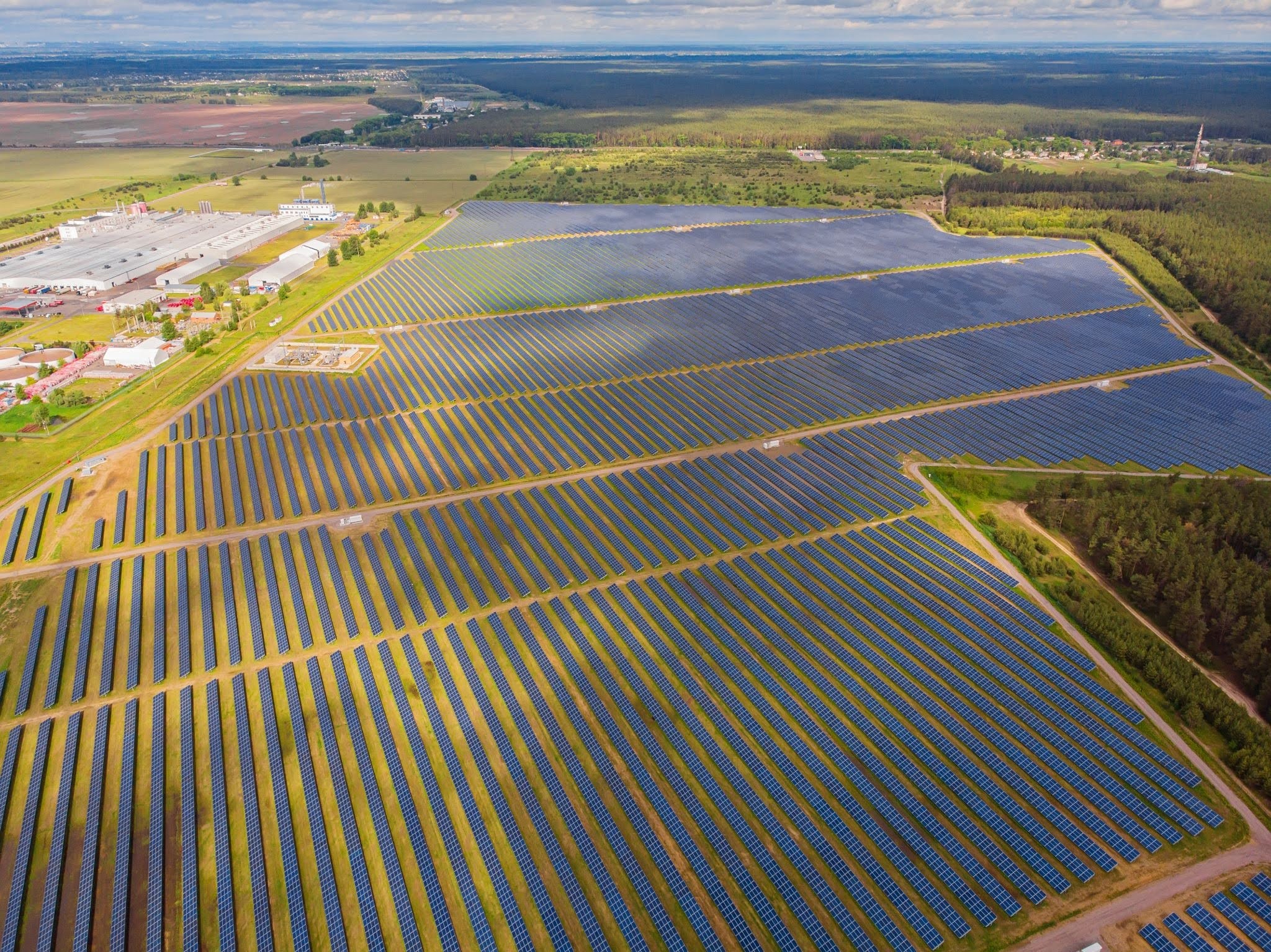
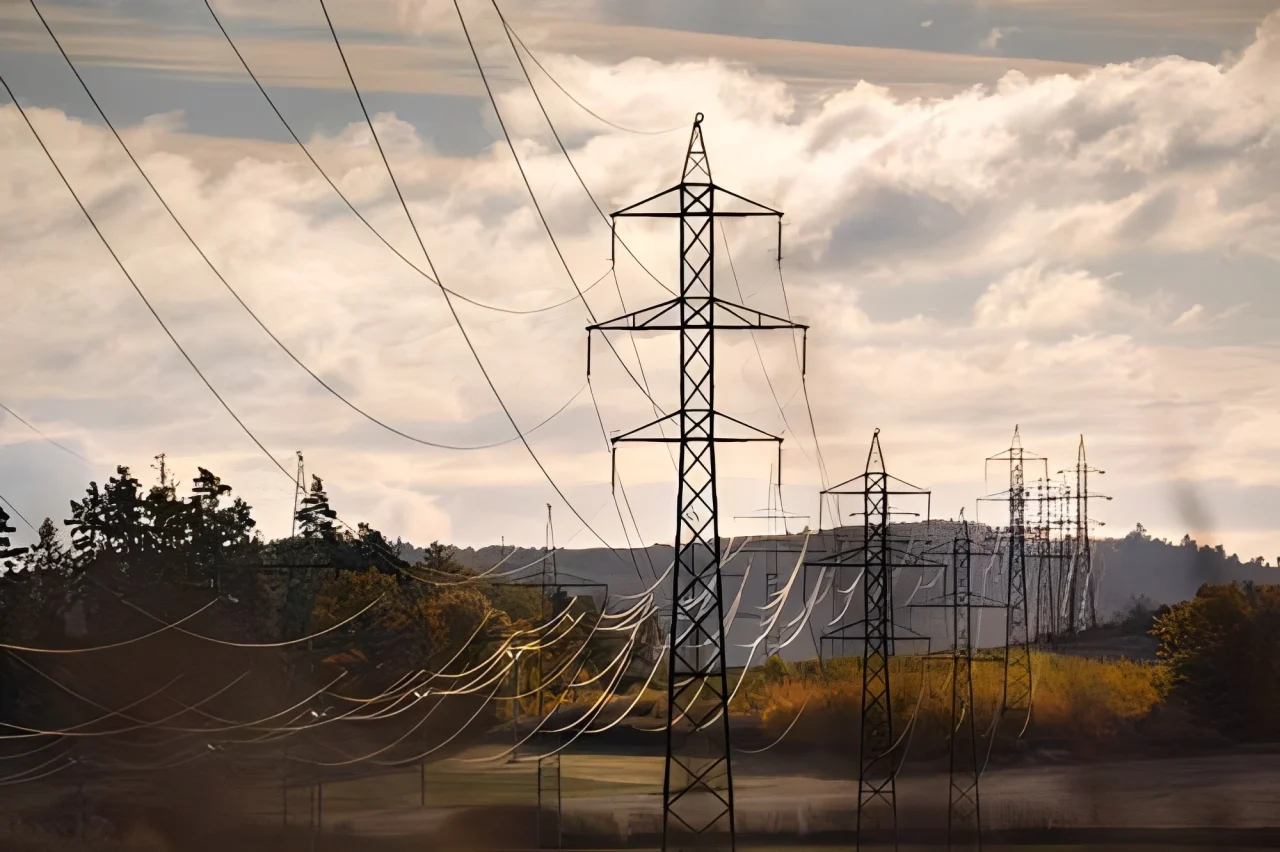
solar-pannel

Collaboration Will Shape India’s Energy Future

The development of a national grid that can withstand any kind of disruption is possible only through the cooperation of all the parties involved.

It is the responsibility of government agencies, utility companies, EPC firms, technology vendors, banks, regulators, and engineers to speed up the development of the power infrastructure by strengthening collaboration between them.

The Government of India is supporting this transformation through initiatives such as the Green Energy Corridor Programme, the National Electricity Plan (Transmission), the PM Gati Shakti National Master Plan, and the Revamped Distribution Sector Scheme (RDSS). These initiatives are helping modernize transmission and distribution networks, improve grid reliability, and encourage greater private sector participation in power infrastructure development.

If you are going for public-private partnerships, you get the advantage of the government’s funding, which opens up opportunities for technology providers and drives innovation.

With transmission infrastructure being planned to integrate over 500 GW of non-fossil fuel capacity by 2030 and more than 600 GW by 2032, continued investment and collaboration across the power sector will strengthen India’s energy security while supporting industrial growth and long-term sustainable development.

Long-Term Planning for Sustainable Growth

Megaprojects related to power infrastructure will usually be kept in functioning condition for tens of years.

Infrastructure that is able to cope with the future must have the following characteristics:

  • Extension of city areas
  • Expanding populations
  • Introduction of vehicles running only on electric power
  • Production of green hydrogen
  • Creation of smart cities in urban areas
  • Combining renewable energy with main grid supply
  • Shifting the focus in all sectors to the digital space
  • Demonstrating resistance to climate change

By developing long-term strategy it is also guaranteed that current investments still provide returns for generations to come in terms of benefits for human kind and the environment.

A strategic plan for the expansion of the infrastructure can decrease the cost in the whole life cycle, enhance efficiency and offer better flexibility.

Key Takeaways

  • Grid resilience India is essential for ensuring uninterrupted electricity supply and long-term economic growth.
  • Smart transmission systems and digital substations improve operational efficiency and reduce outages.
  • Renewable energy integration requires intelligent grid management and advanced storage technologies.
  • Grid hardening solutions help utilities prepare for climate-related disruptions and natural disasters.
  • Power grid infrastructure development strengthens national energy security while supporting industrial expansion.
  • Power system reliability engineering enhances asset performance, minimizes failures, and extends infrastructure life.
  • Electricity grid modernization enables India to build a flexible, sustainable, and future-ready power ecosystem.

Frequently Asked Questions (FAQs)

Q1. What is grid resilience?

The grid’s resilience is how it responds, recovers, and adapts to disruptions, without breaking the power supply continuity.

2. Why is Grid resilience India important?

India’s growing electricity demand, renewable energy expansion, and increasing climate risks make resilient power infrastructure essential for ensuring uninterrupted electricity and economic stability.

3. How does electricity grid modernization improve resilience?

Modernized grids use digital monitoring, automation, smart substations, and energy storage systems to improve reliability, reduce outages, and enhance operational efficiency.

4. What are grid hardening solutions?

Grid hardening solutions include engineering upgrades and advanced technologies designed to protect power infrastructure against extreme weather, equipment failures, and other disruptions.

Q5. What is the function of power system reliability engineering?

Through the development of the infrastructure, the use of power system reliability engineering, one can ensure its smooth operation, failure prevention, cost-effective maintenance, and continuous availability for years to come.

6. How does renewable energy affect grid resilience?

Renewable energy introduces variability into electricity generation. Smart grids, digital technologies, and energy storage systems help maintain stability while integrating renewable power efficiently.

Conclusion

India investing in the development of a resilient power grid is vital, not just for its present but also for the long term future. As electricity demand escalates and renewable energy is increasingly being adopted as the main power source in the country, the availability of resilient infrastructure will be the key factor in how well the country is able to support economic development, industrial progress, and sustainable development.

Everything from the modernization of power grids and the implementation of grid-hardening solutions to advanced digital substations and the field of power systems reliability engineering will ensure the continuous strengthening of India in its ability to provide energy that is reliable, safe, and environmentally friendly, both for now and in the coming decades.

At Hartek, we are committed to supporting India’s energy transition by delivering innovative EPC solutions, advanced substations, transmission infrastructure, and renewable energy integration projects. Through engineering excellence and cutting-edge technologies, we continue to contribute to building a smarter, stronger, and more resilient power ecosystem for the nation.
Why MNRE’s ALMM-II Extension is the “Breathing Room” India’s Solar Sector Needed

India’s solar industry has entered a defining phase. Over the past few years, the country has focused on developing a robust domestic manufacturing ecosystem through initiatives such as the Approved List of Models and Manufacturers (ALMM). The objective has always been clear: reduce import dependency, strengthen supply chain resilience, improve product quality, and accelerate the vision of an Atmanirbhar renewable energy ecosystem.

However, building a globally competitive manufacturing ecosystem requires more than ambitious policy announcements. It also demands practical implementation timelines that balance industry readiness with national goals.

The Ministry of New and Renewable Energy’s (MNRE) recent decision to extend the ALMM List-II exemption for net metering and open access projects until December 31, 2026, reflects exactly that balance. Rather than diluting India’s manufacturing ambitions, the extension provides the industry with much-needed operational flexibility while ensuring the long-term vision remains intact.

The extension offers the “breathing room” the industry needed, preventing immediate supply chain bottlenecks while allowing domestic solar cell manufacturers to scale production responsibly.

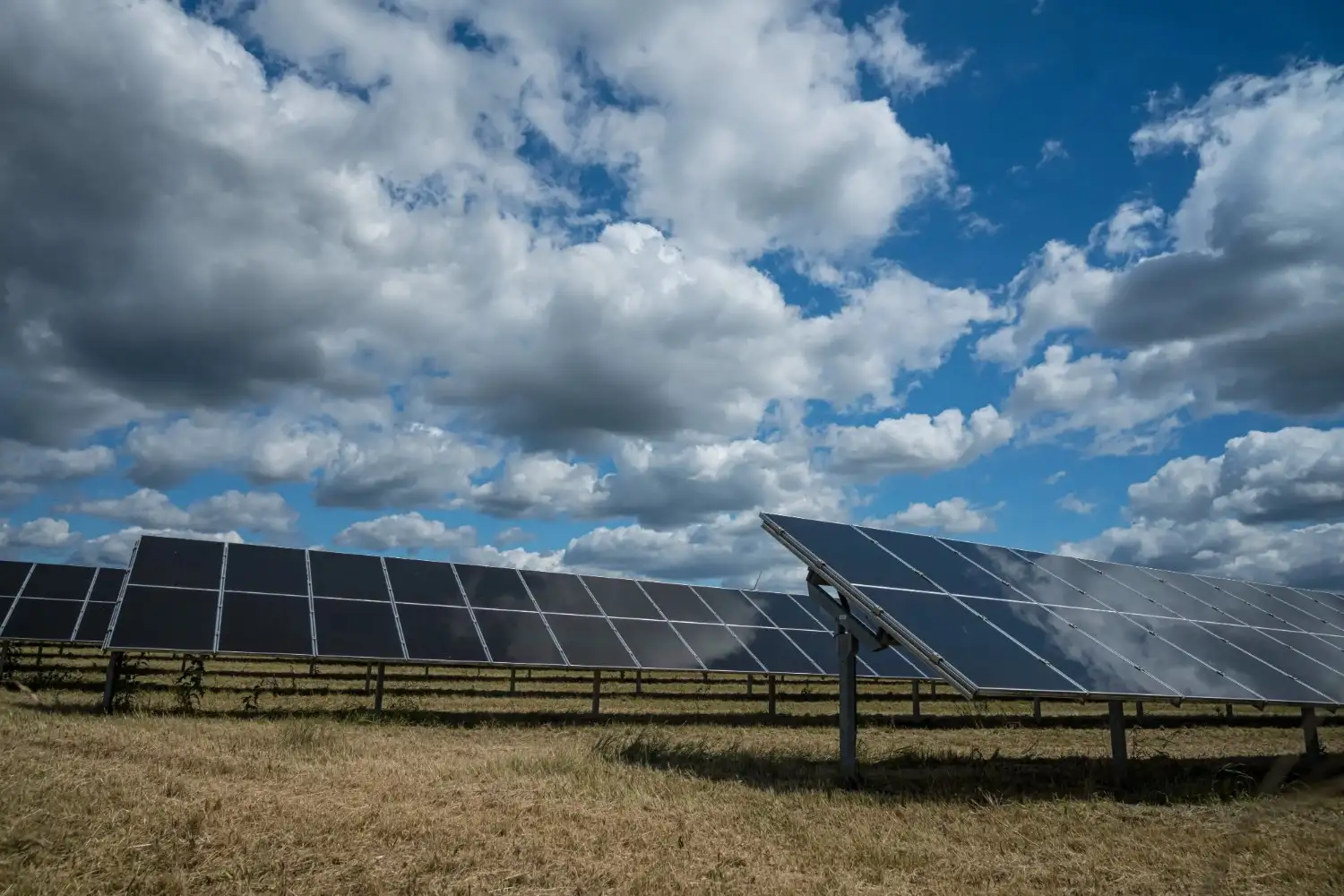
solar panel industry

Understanding the MNRE ALMM-II Extension

ALMM basically represents the quality check and domestic content requirements of the solar sector in the country.

Solar projects under ALMM List-I must use modules produced by the manufacturers listed in the approved models.

Solar cell products have become part of this system with ALMM List-II thus expanding and enhancing the domestic manufacturing supply chain.

The latest MNRE ALMM extension solar cells policy allows net metering and open access renewable energy projects to continue commissioning without mandatory ALMM List-II compliance until December 31, 2026. This limited extension does not change the government’s long-term commitment to domestic manufacturing but provides developers and manufacturers with additional time to transition smoothly.

Instead of creating disruption, the policy aims to maintain project momentum while domestic manufacturing capacity catches up with growing market demand.

The Lesson from ALMM List-I: Capacity Matters as Much as Policy

The country has witnessed the effects of supply-side bottlenecks while rolling out ALMM List-I.

Although domestic manufacturing received a boost after the policy was introduced, the narrow list of vendors who produced solar modules was unable to cope with the sudden surge in demand, resulting in a supply-demand gap.

Simarpreet Singh regards this experience as a valuable lesson for the industry.

In his words:

“Our experience with ALMM List-I showed that a limited approved-vendor base creates demand-supply asymmetries at scale. Companies at both ends of the value chain face procurement pressure. The fallout leads to multi-week delays of projects.”

However, the extension of the ALMM List-II exemption until December 2026 gives net metering and open access projects the breathing room they needed.

As Simarpreet Singh further added:

“The six months to implementation provide an adequate runway, provided enlisted cell capacity ramps up as projected and pricing stabilises through competition among approved manufacturers. The policy direction is right; execution discipline on both sides will eventually decide the outcome.”

In a few situations the delays in component availability from the manufacturers will cause the commissioning of the project to be postponed. The developers end up having to bear higher financing costs and the consumers also lose out on the energy saving.

However, this extension proves these objectives can be pursued simultaneously while still ensuring India’s manufacturing ambitions are not compromised by the current operational reality.

Why the Industry Needed This “Breathing Room”

“Breathing room” is a very accurate description of the relief the sector was eagerly hoping for. India’s solar demand keeps rising all across the three key areas viz. rooftop, commercial & industrial (C&I), and open access.

On the other hand, domestic solar cell production has seen an increase but still faces some difficulties during transition.

Not being able to get the exemption from using solar cells with imported materials would have caused the developers to run against problems such as:

  • Very few solar cells compliant with the use of domestically sourced materials
  • Higher procurement costs due to less supply
  • Longer durations to commission the projects
  • Increase in working capital requirements
  • Delays in financing and loan disbursements

By postponing mandatory compliance for eligible projects, the government has helped maintain installation momentum while reducing unnecessary supply chain stress.

Industry experts estimate that this decision could enable nearly 10 GW of solar connected to the grid by allowing pending projects to move toward commissioning without additional procurement bottlenecks.

This is particularly significant because project execution delays affect not only developers but also industrial consumers waiting to reduce electricity costs through renewable energy adoption.

A Six-Month Runway for Domestic Manufacturers

One of the biggest advantages of the extension is the additional time it provides domestic manufacturers.

Beyond merely erecting factories to produce solar cells, achieving a competitive level of solar cell manufacturing capacity is a very multifaceted endeavor. The manufacturer has at minimum to:

  • Bring production to new heights
  • Optimize the manufacturing process to have the quality consistent
  • Certification process completion
  • Catching rate of yield improvement
  • Making of supply chain relationships
  • Increase in logistics

Building such capacity takes time. Industry experts believe the six-month extension is sufficient if production expands as planned. Rather than delaying localization, the MNRE ALMM solar cell policy provides a practical transition period that supports manufacturing growth while ensuring uninterrupted renewable energy deployment.

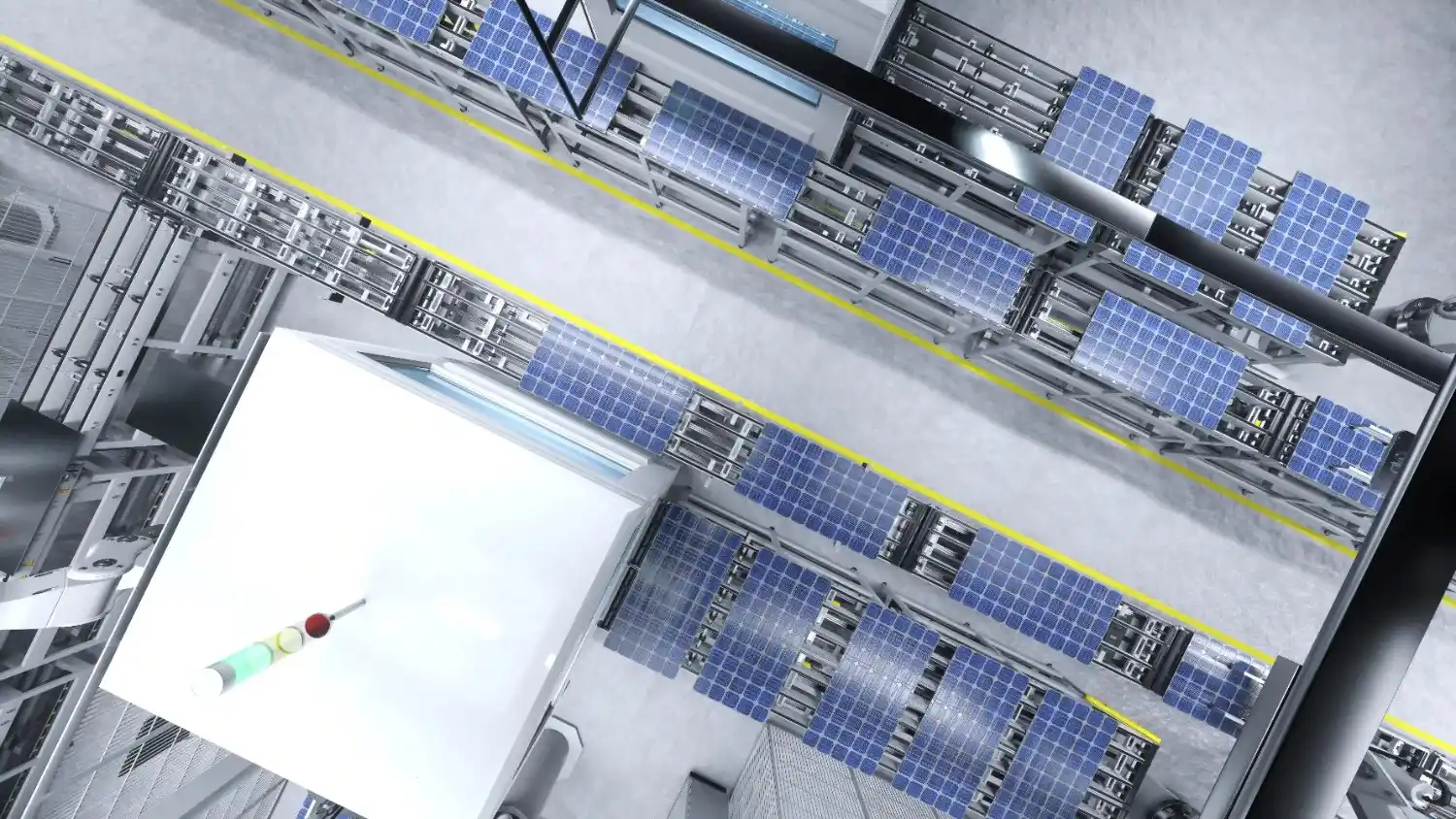
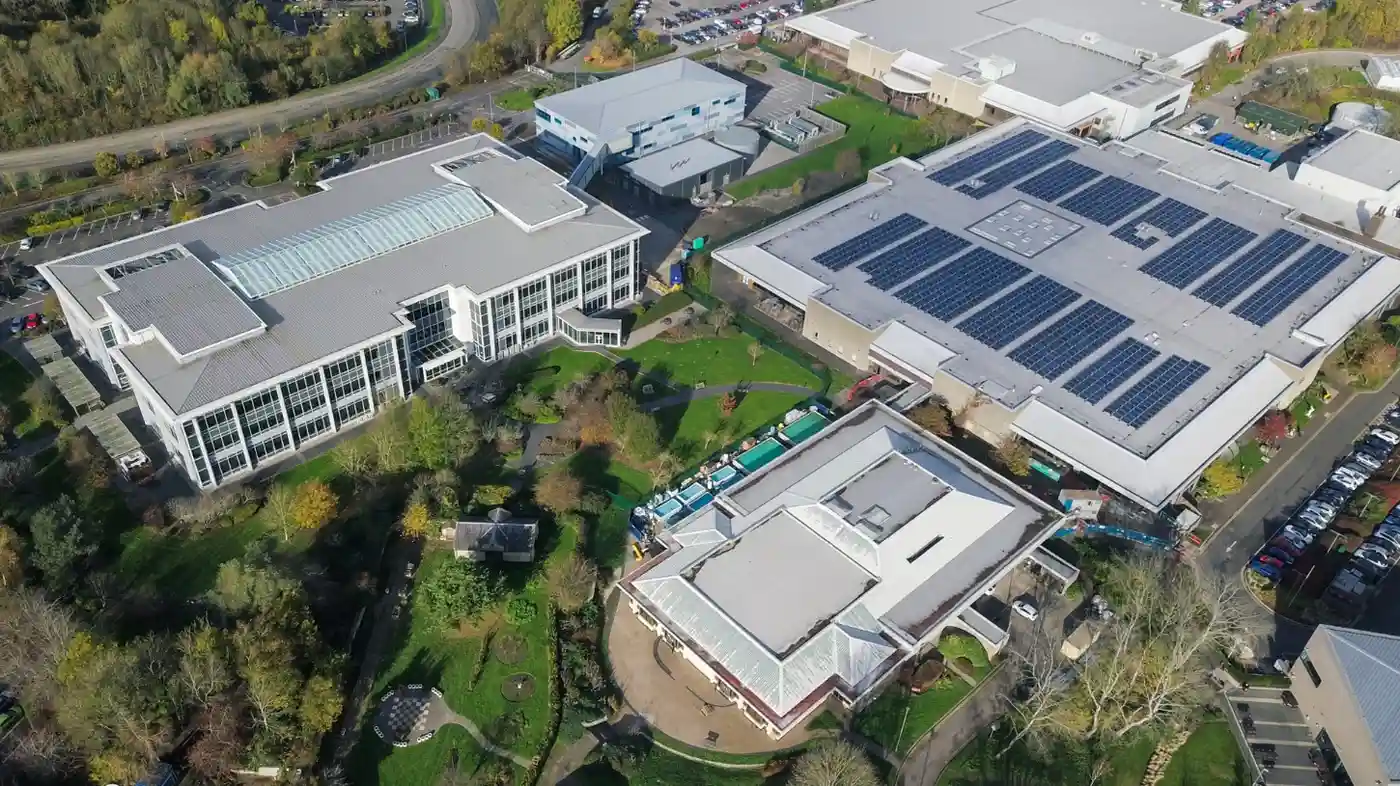
soalr panel manufecturing

Healthy Competition Will Help Stabilize Pricing

The other benefit of extending the period is that it is likely to stabilize prices as a matter of fact. Whenever there are shortages of supply while demand is high, prices naturally rise. In the case of solar, the price of the components will go up, and this will affect the following parties:

  • EPC contractors
  • Project developers
  • Commercial consumers
  • Industrial customers
  • Financial Institutions

Allowing additional time for more manufacturers to enter the approved vendor ecosystem increases competition.

  • Greater availability
  • Faster shipping dates
  • Lower procurement risk
  • Competitive pricing
  • More product innovation

The extension encourages a more balanced and stable supply/demand market structure that distributes demand among multiple suppliers, rather than the scenario where demand is concentrated in a couple of suppliers.

As more companies become certified by ALMM, pricing, through market competition instead of supply shortages, is expected to gradually reach a stable state and level.

Supporting India’s Manufacturing Vision Without Slowing Solar Growth

A few people who look at policies and are also called policy observers may sometimes see domestic manufacturers and rapid solar installation as conflicting goals. Yet the above is evidence that not only can both goals be reached without interference but it may even be a plus for the manufacturing sector if growth is also a factor while solar project development is underway.

Both of these aims, in fact, have to work hand in hand. Without increasing the pace of project installations India will not be able to meet its renewables target.

A similar approach for domestic energy is only possible, with a strong domestic industrial ecosystem that will support it over time. ALMM-II extension shows that the sequence of policies has to be taken into account.

While the government is implementing a staged approach, it has made a choice not to make the regulations too severe immediately before manufacturing capacity has been brought to the required levels.

Investor confidence is thus preserved and ongoing R&D and renewable energy investments are protected as a result.

Besides that, the extension is a demonstration that India is determined to:

  • Self-sufficiency in manufacturing
  • Resilience of supply chains
  • Quality solar components
  • Industrial activities that are environmentally sustainable

and all of that without creating unnecessary slowdowns in deployments.

What Developers Should Do During This Window

It is important to see the extension not as a license to delay further, but as an additional window of opportunity.

So developers can make better use of this window period to work on:

  • Entering long-term contracts for the supply of solar energy
  • Getting accurate sales forecasts
  • Sourcing raw materials before project starts with a view to getting the best terms
  • Becoming less dependent on the suppliers by getting more from the suppliers
  • Being updated about the list of manufacturers from the ALMM.

The need for the sector to have an honest discussion about the current status of manufacturers and the time required to onboard ALMM-qualified manufacturers is also emphasized. Combined with accurate procurement planning, these measures can make the transition to full compliance almost seamless.

The Role of EPC Expertise in Regulatory Compliance

Policies like ALMM-II only serve to further demonstrate that the significance of having the knowledge of various laws has increased all across the solar energy industry in India.

Project engineering and commissioning are no longer the dominant aspects of solar deployment. At the same time, it is just as essential and even more complicated to get the procurement right, get approval, and comply with documentation requirements and rules & regulations of the Government.

Organizations offering Solar EPC compliance and regulatory advisory services play an increasingly valuable role by helping developers navigate evolving regulatory frameworks while minimizing execution risks.

As India continues strengthening domestic manufacturing requirements, proactive compliance planning will become just as important as technical project execution.

Building a Stronger Domestic Manufacturing Ecosystem

To say the least, the overall goal of the ALMM policy is the same.

This policy is to support the creation of an indigenous production of solar products such as modules, cells, wafers and the supply chains that support them, in India.

This expansion also supports adjacent industries involved in Power distribution products manufacturing, creating additional employment opportunities while strengthening the country’s renewable energy infrastructure.

Therefore the decision to roll out the policy should be considered as another stage in the transition.

With the help of a practical implementation sequence, manufacturers are given time to develop long term, stable, production facilities and they are not made to just react to the short-term demand surge.

Overview of Main Findings

The latest MNRE ALMM extension for solar cells is more than a simple deadline extension, it is a pragmatic policy adjustment that aligns manufacturing ambitions with market realities.

India’s experience with ALMM List-I highlighted how a limited pool of approved vendors can create demand-supply imbalances, procurement pressures, and project delays. Learning from that experience, the government has provided the industry with the breathing room needed to avoid repeating those challenges while preserving the long-term vision of self-reliance.

The six-month extension offers developers the flexibility to complete pending projects, supports the addition of 10 GW of solar capacity to the grid, allows manufacturers to scale production, and creates the conditions for healthier competition and more stable pricing.

Ultimately, India’s renewable energy transition depends not only on ambitious policies but also on thoughtful execution. At Hartek Group, we believe the ALMM-II extension reflects that philosophy by addressing immediate industry needs while keeping the country firmly on course toward a stronger, more competitive, and self-reliant solar manufacturing future.

Power Infrastructure as a Strategic Asset: Safeguarding India’s Economic Stability

Energy security is essential for sustaining national stability. It ensures a reliable electricity supply even during periods of peak demand, natural disasters, equipment failures, and disruptions in fuel supply.

Modern infrastructure significantly enhances energy security by providing a diversified power supply and flexible systems that can respond quickly to various circumstances. Systems like digital monitoring, substation automation, advanced protection technologies, and smart transmission grid help minimize power cuts and enhance the performance of operations simultaneously.

Constructing strong infrastructure also leads to lessening the reliance on old-generation systems, often unable to meet rising electricity demand. Nowadays, instead of waiting for malfunctions and failures to arise, energy suppliers are mainly turning to predictive maintenance and continuous real time monitoring to prevent potential problems which could lead to customers dissatisfaction.

India’s ambitious development goals, including rapid urbanization, industrial expansion, electric mobility, and renewable energy deployment, require infrastructure that is designed not just for today’s challenges but for the opportunities of tomorrow. Investing in strategic power infrastructure is therefore an investment in India’s long-term economic stability.

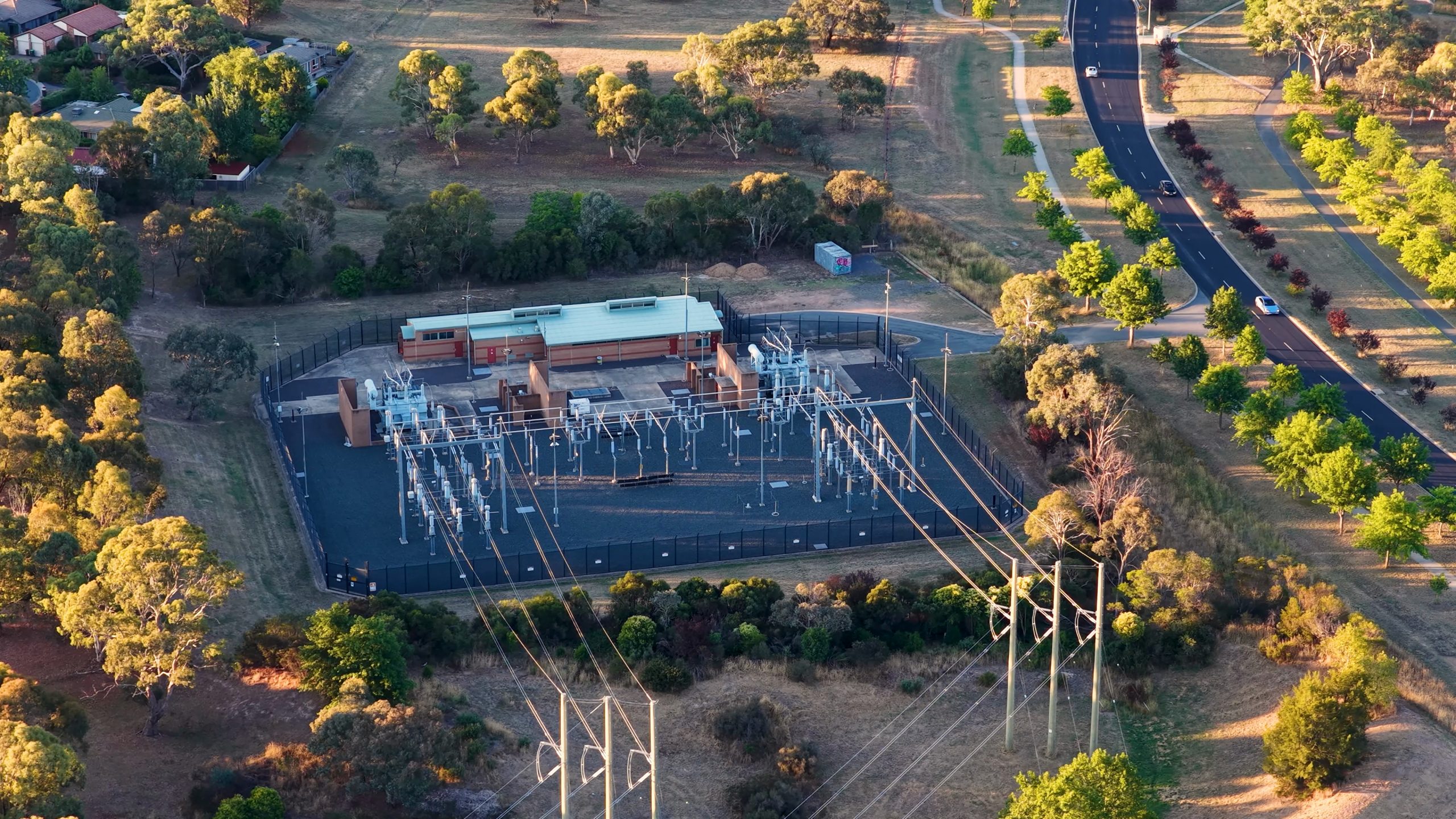
Power Infrastructure

Why Strategic Power Infrastructure Matters More Than Ever

India’s transition to clean energy is changing the electricity scenario of the country. At a huge scale, solar power complexes, windmills, hydroelectric generation centers, and energy storage facilities are being set up. However, getting clean energy is merely half of it.

Just as much significance is attributed to the system that carries renewable electricity from generation points to the end users who are spread all over the country.

Renewable sources are different from conventional power stations in that power they generate is not constant and can vary. Thus it is the role of a flexible and intelligent transmission system to keep the grid operational and stable.

Upgrading stations to meet higher standards of performance, large-scale transmission links, automated technologies and Battery Energy Storage Systems (BESS) are some of the ways that not only balance supply and demand but also ensure that renewable power is being used optimally without wastage.

For the renewable energy sector’s growth to keep up at a pace that is only going to increase over the years will depend on a transmission system that can handle ever-rising volumes of clean electricity while making it safe and reliable enough to the customers.

Infrastructure ready to face the future and be at the edge of technological advancement gives the opportunity for utilities to take advantage of as much renewable energy as they can while keeping the use of fossil fuels to a minimum.

Building Infrastructure That Supports Economic Growth

Better ways of planning, running, and taking care of power generation and supply is one main point to the digital revolution. A digital transformation in the power sector.

Utilizing tools such as AI, IoT, smart sensors, predictive maintenance systems, and remote monitoring allow grid and utility operators to carry out constant surveillance over infrastructure. Through this they can get important data that they can use to detect problems earlier than expected, plan maintenance schedules more effectively and improve asset performance through optimization.

A better digital substation enhances energy efficiency, strengthens system protection, enables rapid fault detection, and reduces maintenance requirements. With rising investment in the power sector in India, digital substations are becoming essential for building a modern and reliable power grid. 

Automation further improves operational efficiency by reducing the time required to restore services, minimizing power outages. To fully benefit from emerging technologies, India must develop a power infrastructure that is not only reliable but also flexible enough to meet future energy demands.

Reinforcing the Power Grid

Climate change has brought with it an increase in the number of weather extreme events. This has brought an increased need for power networks that would be able to withstand such weather events without failure and still be able to continue the flow of electricity.

For instance, heavy rainfall, flooding, cyclones, and heat waves can wreak havoc on utility networks. Often the old and conventional infrastructure would succumb under such conditions, leaving a prolonged blackout and causing a big loss to the economy.

Grid resilience primarily means the designing of power networks that can anticipate problems, suffer as little as possible, and recover promptly to full capacity.

Following are the key features of infrastructure that can endure disruptions:

  • Real-time monitoring solutions that are self-learning and self-adjusting
  • Protection systems that have multiple defense layers
  • Pathways that are capable of transmitting data over alternate routes
  • Engineering standards that are very high and consistent
  • Substation designs that are adaptable and flexible
  • Equipment capable of standing up to disasters
  • Electricity storage systems that are compatible with the power grid

If it integrates the aspect of being able to bounce back from challenges in infrastructure development, then the country will be better positioned to manage risks in energy operations and supply power all the time, be it urban or rural areas.

Strategic Power Infrastructure and Renewable Energy Integration

It is anticipated that India will benefit a lot through the development of the manufacturing sector. For example, such initiatives as “Make in India”, creating semiconductor manufacturing capabilities in India, manufacturing electric vehicles, and building industrial corridors rely heavily on stable power systems for their success.

Manufacturers who use automated production lines, robots, precision devices, and digitization in their operations need uninterrupted power supply even for a minute interruption of the power can translate into huge production losses and high operational costs.

India’s industries can benefit immensely from a stable and sustainable power supply that enables them to expand the business, establish new factories, and increase their productivity.

The continued renewable energy sector growth depends on a strong transmission network capable of integrating increasing volumes of clean electricity without compromising reliability. Future-ready infrastructure allows utilities to maximize renewable utilization while reducing dependence on fossil fuels.

solar pannel

Long-Term Infrastructure Planning Creates Sustainable Value

Many infrastructure projects last for several decades. Hence, the design should not only address the current electricity needs but also consider future changes in economy, technology, and environment.

In designing infrastructure, one would look at such future aspects as:

  • Rise in population
  • Growth of cities
  • Switch to electric vehicles
  • Development of the green hydrogen industry
  • Creation and development of smart cities
  • The blending of renewable energy
  • Advancement and use of digital technologies
  • Safety against climate change

Scalable infrastructure enables the power suppliers to meet the future demand without the hassle of upgrading very regularly to be expensive.

In addition to better performance, the long-haul planning helps to utilize the facilities optimally, cut maintenance costs, and prolong the life of the infrastructure, which in turn, brings added value for the utilities as well as the consumers.

Partnerships to Support India’s Infrastructure Development

World-class infrastructure development is a collaboration between several stakeholders such as state-run companies, utility providers, engineers, companies providing technical know-how, and private finance.

The government is also a major player, and one of the roles it plays is making policies that facilitate infrastructure through the establishment of a regulatory framework, the use of capital, and running infrastructure projects. Meanwhile, private sectors offer engineering know-how, technological breakthroughs, the capacity to implement and operate, to name a few.

If the public and the private sectors work together, it will result in the modernization of infrastructure at a faster pace while still making sure that the projects are finished in a cost-effective and environmentally friendly manner.

In the future development of India’s energy system through new technologies, joint efforts between the government and the private sector players will be indispensable in the attainment of the country’s development objectives and in improving the country’s electricity network as well.

Sustainability and Strategic Infrastructure Go Hand in Hand

Green growth has become the main motive behind infrastructure planning. Infrastructure is being designed today with energy efficiency at the center of everything with the idea of limiting environmental damage. There are different kinds of solutions such as intelligent substations, digital grid systems, and different types of energy storages being used to make the electricity distribution lines more environmentally-friendly while improving the performance of the systems.

Investing in clean and renewable resources like wind and solar also reduces carbon emissions, which helps to meet the country’s commitment at the COP26.

India can create a power system that is both economically and ecologically sustainable if we bring together the two sides with a shared vision for the environment while planning our infrastructure.

Hartek’s Contribution to India’s Energy Development

As India’s power industry continues its transformation, we at Hartek believe our engineering and design expertise will play a vital role in delivering the high-quality infrastructure the sector demands.

Over the years, we have contributed to strengthening India’s power sector through our expertise in Engineering, Procurement, and Construction (EPC), substations, transmission systems, and renewable energy integration. By partnering with industries, utilities, and government bodies, we help build a smarter, more resilient, and future-ready energy ecosystem through innovative and reliable infrastructure solutions.

Our commitment to engineering excellence, technological innovation, and sustainability drives every project we undertake. By delivering robust and efficient power infrastructure, we remain aligned with India’s vision of creating a future-ready electrical network that supports long-term economic growth and powers generations to come.

The Foundation of Future Growth

India’s economic future depends on the strength, reliability, and resilience of its electricity infrastructure. As industries expand, cities become smarter, and renewable energy adoption accelerates, strategic power infrastructure will continue to serve as the backbone of national development.

Investments in modern transmission systems, digital substations, resilient grids, and intelligent technologies are not simply infrastructure upgrades, they are strategic decisions that strengthen economic stability, improve energy security, and accelerate sustainable development.

By encouraging continuous investment in the power sector in India, strengthening energy infrastructure in India, and supporting renewable energy sector growth, the country can build an electricity ecosystem that remains reliable, efficient, and future-ready for generations to come.

At Hartek, we remain committed to playing a significant role in India’s energy transition by delivering innovative infrastructure solutions that power a smarter, more resilient, and sustainable future.

Key Takeaways

  • Strategic power infrastructure is fundamental to India’s economic growth, industrial development, and energy security.
  • Modern infrastructure enables efficient renewable energy integration while maintaining grid reliability.
  • Digital technologies such as AI, IoT, and predictive maintenance improve operational efficiency and reduce outages.
  • Increased investment in the power sector in India supports long-term industrial expansion and infrastructure modernization.
  • Strong energy infrastructure in India enhances business confidence, attracts investments, and strengthens critical services.
  • Continued renewable energy sector growth depends on resilient transmission networks and advanced substations.
  • Long-term infrastructure planning delivers sustainable economic, environmental, and operational benefits.

Frequently Asked Questions (FAQs)

1. What is strategic power infrastructure?

Strategic power infrastructure refers to the essential systems involved in electricity generation, transmission, distribution, substations, and digital grid management that support national economic growth, energy security, and long-term sustainability.

2. Why is strategic power infrastructure important for India’s economy?

Reliable infrastructure ensures uninterrupted electricity for industries, transportation, healthcare, digital services, and businesses, helping improve productivity, attract investments, and strengthen economic resilience.

3. How does power infrastructure support renewable energy?

Modern transmission systems, smart substations, and energy storage solutions enable renewable electricity from solar and wind projects to be efficiently integrated into the national grid while maintaining stability.

4. Why is investment in India’s power sector necessary?

Continuous investment in the power sector in India helps modernize ageing infrastructure, improve transmission efficiency, expand electricity access, integrate renewable energy, and meet rising demand from industries and urban development.

5. What role does digital technology play in modern power infrastructure?

Digital technologies such as AI, IoT, automation, and predictive analytics improve grid monitoring, reduce downtime, enhance maintenance efficiency, and strengthen overall system reliability.

6. How does resilient infrastructure contribute to energy security?

Resilient infrastructure minimizes disruptions caused by natural disasters, equipment failures, or demand fluctuations, ensuring continuous electricity supply to critical sectors and supporting national stability.

Built to Last: How Designing Strong Systems Drives National Resilience in Power Infrastructure

India’s rapid economic growth, expanding industries, and clean energy ambitions demand infrastructure built for the future, not just today’s needs. Power Infrastructure has become the backbone of national development, enabling reliable electricity, supporting industrial growth, and strengthening energy security in India. Building resilient systems today is essential to ensure sustainable progress and long-term economic stability.

The coming years demand nothing but robust infrastructure that will be capable, for both the present period and a long period after that, of meeting all the energy requirements in a way that does not negatively impact the climate. By enhancing grid resilience, we will be able to integrate renewables more effectively while at the same time, meeting India’s Nationally Determined Contribution (NDC) targets. This would allow India to transition towards a more sustainable system of production through long-term planning rather than a series of short-term patches.

Strong Systems Create Strong Nations

History has shown that nations thrive when they invest in systems built to last. Roads, railways, telecommunications, and energy networks become catalysts for long-term development only when they are designed with future demands in mind. The same principle applies to grid infrastructure.

Traditional infrastructure planning often focused on expanding capacity as demand increased. While expansion remains important, today’s energy landscape requires something more sophisticated. Modern energy systems must be flexible enough to integrate renewable energy, intelligent enough to respond to disruptions, and robust enough to withstand environmental and operational challenges.

This is where grid resilience becomes a strategic priority. Rather than simply restoring electricity after disruptions, resilient systems anticipate risks, minimize failures, and recover quickly while maintaining service continuity. Designing resilience into infrastructure from the outset reduces long-term operational costs, improves reliability, and protects national productivity.

Building resilient systems also strengthens energy security in India. Reliable electricity is the backbone of manufacturing, healthcare, transportation, digital services, and national defence. As electricity becomes central to every sector of the economy, resilient infrastructure becomes essential to protecting national interests.

Traditional infrastructure planning

Designing for the Next Three Decades, Not the Next Three Years

Infrastructure decisions made today will shape India’s energy landscape for generations. Transmission corridors, substations, digital control systems, and renewable integration projects are long-term investments expected to operate for decades.

Thinking and acting ahead when designing energy infrastructure is the real key. Reactive approach to planning does not take into consideration the changes that the future may be bringing along.

Thus, today’s infrastructure leaders should not focus only on immediate electricity deficits, but also they should prepare for future electricity demand, climate risks, technological progress, and changing patterns of consumption, etc.

As India is expanding the usage of electric vehicular transport, data centers, green hydrogen, and distributed energy production, power grids themselves will experience a radical change in their nature. Infrastructure built only according to current needs is likely to become obsolete much earlier than planned.

Infrastructure built with future considerations, such as scalability, digital intelligence, automation, and flexibility, will be future-ready. This approach enables utilities to adapt to evolving needs while minimizing costly and unnecessary upgrades. Gas Insulated Substations (GIS) are also becoming an essential part of future-ready infrastructure, particularly in densely populated urban areas where space is limited. Their compact design, high reliability, and lower maintenance requirements make them well-suited for supporting growing electricity demand while enhancing grid resilience and long-term operational efficiency.

This long-term mindset also directly supports India’s Nationally Determined Contribution by enabling greater renewable energy integration, improving energy efficiency, and reducing transmission losses. Infrastructure built with sustainability at its core creates lasting environmental and economic value.

Leadership Means Building Systems, Not Temporary Fixes

The real measure of being a successful infrastructure leader is not being able to solve the problems at hand quickly but in ensuring that future problems never become ones.

Admittedly, short-term fixes may quickly make operations resume, but rarely do they address the underlying issues related to network performance.

Progress of the society is ensured by investments into good planning, strong engineering standards, clever technologies, and asset management.

The transformation in the leadership approach in India’s power infrastructure has clearly reflected this change. Present day planners and engineers are more concerned with overall performance during the project lifespan. Moreover, they have come to the realization that even a little change in design specifications could result in a big difference in maintenance and operations in the long run.

Embedding grid resilience into every stage of planning creates infrastructure capable of adapting to uncertainty without compromising performance. Whether facing extreme weather events, rising electricity demand, or renewable energy variability, resilient systems continue to deliver reliable power with minimal disruption.

Equally important is strengthening energy security in India through diversified energy sources, intelligent transmission networks, and digitally connected infrastructure. Together, these investments create a power ecosystem capable of supporting economic growth while enhancing national resilience.

Why Power Infrastructure Is Becoming a Strategic National Asset

Our modern ways of life totally depend on continuous supply of electricity. Manufacturing sites, hospitals and healthcare departments, airports, financial centers, mass transport, communication, and computerized infrastructure are all operating based on this power supply.

As the share of electricity used in India’s economy is growing, electrical infrastructure is turning out to be the new key asset of the country’s economic strength. The quality of a grid system directly has a bearing on the levels of investment and production in the industry.

This is a huge development in fact, not only in the economy but also for climate change mitigation. For example, with the help of robust infrastructure, renewable energy integration and, therefore, the ability to move along the Nationally Determined Contribution path can be accelerated. Efficient transmission systems are the key to achieving reduced transmission losses, better utilization of the energy being supplied from renewable sources, and overall making the electricity supply process more sustainable.

At the same time, investments in grid resilience enhance the ability of power networks to withstand operational disruptions, making it possible to deliver the electricity reliably even during adverse conditions. When this is done in tandem with policies that promote energy security in India, we end up having the stability foundation necessary for long-term national growth.

Ultimately, nations are not defined by how quickly they build infrastructure, but by how well that infrastructure continues to perform over time. Designing systems that endure is what transforms infrastructure into lasting national strength.

Building Resilience Through Smarter Infrastructure

Building Resilience Through Smarter Infrastructure

The development of resilient power infrastructure isn’t just about equipping facilities with stronger, better materials, you also need system solutions to deal with ever-changing and unpredictable changes. India’s increasingly complex energy scene will demand that the country’s infrastructure can, without losing reliability, accommodate an increase in the amount of variable renewable energy that will come into its generation mix.

Therefore, besides more advanced grid infrastructure, there is a growing need for digital substations, monitoring devices, predictive maintenance techniques, and Battery Energy Storage Systems (BESS) integration. BESS enables excess renewable energy to be stored and dispatched during periods of high demand or generation variability, improving grid stability and reducing the risk of disruptions. The combination of these technologies helps grids become more reliable, less prone to sudden interruptions, and faster to recover when disruptions occur.

They also increase the energy security of the country through the fact that critical sectors, such as public services, industry and households, remain in operation despite extreme events.

Aligning Infrastructure with India’s Energy Vision

The clean energy agenda of India is about more than simply adding renewable capacity. To arrive at a future of sustainability, one has to construct grid infrastructure that is suitable and well planned enough for the transmission of clean electricity throughout the country while also keeping the balance of the system.

This is the reason why the Nationally Determined Contribution of the country which is all about lowering emissions level, increasing the share of renewable energy and promoting energy efficiency, and modern transmission, smart grid technologies, along with resilient infrastructure is an absolute necessity for the accomplishment of these national goals.

If India continues to do capital outlay on short-term capacity instead of investing for the long-term period, the country’s energy system will be stuck in the past. By the way, this type of infrastructure will never be supportive of sustainable growth as the technology and climate factors continue to evolve.

Leading Infrastructure: A Mandate

Beyond the technical details, it is important to have the right kind of leadership and vision in the area of infrastructure to make decisions that have consequences for decades, not only at present. The construction of robust and durable systems that meet the needs of the country in the long-term can be achieved only when the key players such as planners and policymakers, industry, engineering firms, and technology providers unite in the interest of a national vision.

The best infrastructure projects are the ones that manage to strike a balance between efficiency and performance on one hand and resilience, sustainability, and adaptability on the other.

All future-oriented infrastructure investments should aim at making Power Infrastructure stronger, grid resilience better, and energy security in India more guaranteed for our grandchildren and great-grandchildren.

The Future of Energy

The Future of Energy

Strong nations are built on strong systems. As India accelerates its energy transition and economic growth, the focus must shift from short-term fixes to designing infrastructure that remains reliable, efficient, and future-ready. Investing in a resilient energy system is not simply an engineering decision, it is a strategic commitment to national progress.

By embracing innovation, strengthening grid resilience, and supporting the country’s Nationally Determined Contribution, India can create an electricity ecosystem capable of meeting tomorrow’s challenges with confidence.

Organizations with deep expertise in engineering, transmission, substations, and sustainable energy solutions will play a vital role in this transformation. Hartek Group continues to contribute to India’s evolving energy landscape by delivering advanced Power Infrastructure solutions that enhance reliability, enable clean energy integration, and help build a stronger, more resilient future.

Key Takeaways

  • Designing resilience-oriented power infrastructure ensures long-term performance, efficiency, and robustness of the national system.
  • A strong, resilient grid minimizes power interruptions, supports cleaner energy systems, and improves overall power quality.
  • Future-oriented infrastructure development guarantees India a reliable and continuous energy supply, promoting both economic growth and sustainable development.
  • A forward-thinking and modern electrical infrastructure is not only one of many important factors, but probably the most decisive one in ensuring that India’s NDC targets and clean energy goals are successfully met.
  • Long-term planning and not short-term patching-up is the way to go for a resilient and adaptive power sector.

Frequently Asked Questions

1. Why is Power Infrastructure critical to national resilience?

Reliable Power Infrastructure ensures that essential manufacturing and services industries, as well as the overall economy, operate during and after natural or man-made disasters without electricity supply cuts.

2. What is grid resilience?

Grid resilience is the system’s capability of enduring, adapting to, and recovering rapidly from failures and disruptions while maintaining the quality of the electricity supply, i.e., not cutting out the supply too much, but rather minimizing and distributing the impacts.

3. In what ways does the Power Infrastructure assist in energy security in India?

It is precisely by way of the Power Infrastructure that a country like India can secure its energy supply, which means the country would not get stuck at the mercy of the supply chain at all, but it can still ensure that its industries and services run at the highest level.

4. What does India’s Nationally Determined Contribution (NDC) mean?

India’s NDC is a public declaration stating what the country will do at home in order to implement the global goal for the reduction of climate change emissions. This is part of the Paris Agreement.

5. Why should planning of the infrastructure be long-term in nature?

A long-term planning perspective of infrastructure enables not only reduced maintenance costs and operational expenses but also higher productivity levels, more energy resilience, and greater reliability from the supply side to match evolving consumer needs.

Securing the Nation’s Lifeline: Why Grid Resilience is India’s Most Critical Strategic Asset

India is expanding its energy horizon at a remarkable speed. Growing urbanization, industrial expansion, digitalization, and ambitious renewable energy targets are taking the demand for electricity to record levels. Although most of the discussions revolve around increasing solar parks, wind turbines, and battery storage capacity, one important aspect often overlooked is the reliability of the electric power grid.

Grid resilience is now not only a technical goal for utilities but has become a strategic priority for a nation’s economic development as well as energy security. A resilient grid is one that delivers electrical power even in the presence of weather-related disruptions, cyber-attacks, equipment breakdown, or abrupt changes in demand. In the context of India’s ambition to become a global manufacturing and clean energy hub, an upgraded power grid is indispensable for providing an uninterrupted power supply in industries, commercial establishments, and homes.

Did You Know? India’s peak power demand crossed 270 GW in 2025, highlighting the need for a stronger and more resilient electricity network. To support rising renewable energy capacity, the country is expanding Green Energy Corridors, deploying smart meters under the RDSS, and adopting AI-powered grid monitoring. These initiatives are accelerating grid modernization while improving reliability, efficiency, and energy security in India.

Understanding Grid Resilience

Resilient power grids can predict, absorb, mitigate, and adapt to the effects of a disruptive event while maintaining the continuity of the electricity supply with minimal downtime. Resilience is different from the traditional notion of grid reliability, as it focuses more on the adaptability of the system to external shocks and the efficient restoration of the system to its normal state.

The latest power grids face a wide variety of problems to tackle. The changing nature of renewables generation, the intermittency of electricity usage during the day, and more extreme weather due to climate change are just some of the challenges. To meet these changes, the grid has to be versatile, smart, and equipped with decision-making abilities for real-time operations.

For India, strengthening energy security in India begins with building resilient transmission and distribution infrastructure capable of supporting both today’s demand and tomorrow’s clean energy ambitions.

Why Grid Resilience Has Become a National Priority

India’s electricity sector is among the fastest-expanding ones in the world. The setting up of new industrial corridors, smart cities, electric vehicles, digital infrastructure, and data center developments are putting unprecedented loads on the national grid.

On the other hand, renewable energy generation is ramping up significantly. Large solar and wind projects are usually located at quite a distance from the major demand centers. Thus, to efficiently transmit this power while still keeping the system stable requires a state-of-the-art and resilient transmission grid network.

Without proper resilience, power systems can encounter the following problems:

  • Greater possibility of major blackouts
  • Sudden voltage and frequency variations
  • Congested transmission corridors
  • Hindered progress of renewable energy integration
  • Increased operation and maintenance expenses

Having a highly resilient grid significantly reduces these hazards and at the same time makes sure the power is delivered to consumers in a safe, efficient, and reliable manner.

The Growing Role of Renewable Energy

It is not enough for India to simply increase renewable electricity generation for it to be considered a successful clean energy transition. The nation also needs a way of moving that power from the generation locations to consumption centers without causing disruptions in the grid.

Solar photovoltaic systems produce electricity at their peak capacity only when there is solar radiation, and wind turbines’ energy generation depends on whether the condition of the wind is adequate. Maintaining grid balance is a must because these two types of energy generation cause fluctuations in frequency and voltage.

This is where grid modernization and Battery Energy Storage Systems (BESS) can make a significant difference. BESS stores surplus electricity generated during periods of high renewable output and releases it when generation declines or demand increases. By providing fast-response energy balancing, frequency regulation, peak shaving, and backup power, BESS enhances grid flexibility and reliability while enabling greater integration of variable renewable energy sources.

Furthermore, a strong transmission network, together with well-placed BESS, helps reduce renewable energy curtailment. Instead of allowing excess renewable electricity to go unused due to grid constraints or temporary oversupply, stored energy can be dispatched when required. This maximizes the utilization of clean energy, reduces wastage, and ensures that a greater share of renewable electricity reaches industries and households, accelerating India’s transition to a reliable, low-carbon energy future.

Climate Change Is Reshaping Power Infrastructure

Based on the utilities’ point of view, global warming and climate change have become a major source of concern and challenge. More electricity consumption derives from heat waves, rainfall disrupting the equipment, substation floods through transmission lines along corridors, and cyclones attacking infrastructures all these significantly cause changes to the availability of power.

The design of old power grids that have been in operation for several decades no longer fits the increased levels and more intense extent of extreme weather events.

To deal with these new situations, the utilities are turning towards investing in grid facilities that combine the following:

  • Transmission equipment capable of withstanding extreme weather
  • Substations designed to be impervious to floods
  • Fault detection systems enhanced by latest technologies
  • The ability to restore faults through automation
  • Maintenance carried out using a predictive methodology

Resilience-building is a long-term investment that results in effectively shortened restoration time and fewer industrial and community disruptions during emergencies.

Digital Technologies Are Transforming Grid Operations

Digital and smart technologies are the future of the Indian electricity grid.

A smart grid power system essentially consists of a blend of advanced communication technologies, sensors, automated control, and machine learning that allow continuous scrutiny of the power network’s condition.

While smart grids can do much more than just detect faults, conventional grids are largely reactive and lack the same level of functionality. Apart from instantly identifying faults, smart grids can automatically isolate the damaged areas after which power restoration can follow quickly; these are just some of the features of these new-age grids. 

The newest grid resilience is being reinforced by the following sorts of technologies:

Advanced Monitoring Systems

Being able to monitor grid conditions in real-time allows the power utilities to promptly detect signs of the equipment becoming overstressed and out of order. They are placed in the best possible position to monitor voltage irregularities, transmission line load exceedances, and other changes in the system that could potentially lead to issues.

Artificial Intelligence and Predictive Maintenance

AI-powered analytics help utilities forecast equipment failures based on historical performance, weather conditions, and operational data. Instead of relying on scheduled maintenance, assets can be serviced proactively, reducing unexpected outages and maintenance costs.

Digital Substations

These new substations use data and communications technologies to better integrate, monitor, and control the different pieces of electric power equipment. They also typically introduce greater agility through decentralization, quicker fault identification, and heightened cyber security compared to traditional substations.

Wide-Area Measurement Systems

Modern transmission networks use synchronized measurements across multiple locations to monitor grid stability continuously. These systems help operators make faster decisions during disturbances and prevent cascading failures.

power supply

Grid Resilience and India’s Economic Growth

A steady power supply is the basic requirement for the growth of the economy. Steel mills, metro rails stations, airports, hospitals, banks, communication networks, and data centers all rely on an uninterrupted supply of electricity.

Even when power is lost for just a short while, several adverse effects such as production stoppage, equipment damage, and operational loss might run up to millions.

As India positions itself as a global manufacturing destination, resilient power infrastructure becomes a competitive advantage. Investors increasingly evaluate infrastructure reliability before establishing large industrial facilities.

Some of the ways a resilient grid will support economic development are:

  • Driving up output levels in industries
  • Enhancing the faith of investors
  • Allowing higher reliance on renewable energy sources
  • Improving accessibility to electricity
  • Ensuring a more sustainable economy over the long run

Therefore, investing in grid resilience means equally investing in the competitiveness of the nation.

Engineering Tomorrow’s Power Grid 

The future power network will be significantly more dynamic than today’s grid. Instead of relying solely on centralized power generation, electricity will increasingly come from distributed renewable energy sources, battery storage systems, electric vehicles, and microgrids.

Managing this complex ecosystem requires continuous modernization of transmission and distribution infrastructure.

Utilities, policymakers, and engineering companies are collaborating to deploy advanced technologies that improve system flexibility, cybersecurity, operational efficiency, and resilience. Investments in high-capacity transmission corridors, intelligent substations, and digital grid management platforms are laying the foundation for a more secure and sustainable electricity ecosystem.

As India’s energy transition accelerates, grid resilience will remain at the center of every successful infrastructure project, ensuring the nation can deliver reliable, affordable, and clean electricity for decades to come.

Challenges to Building a Resilient Grid

Significant advancements have been made, however, developing a future-proof grid still involves addressing several technical as well as operational hurdles.

Aging Infrastructure

Due to the availability of funds and other such factors, many segments of the transmission and distribution networks that are being used today are those that were installed decades ago. With the increasing usage of electricity, the introduction of renewable energies, and the arrival of digital technologies, these facilities need to be upgraded on a regular basis to keep them efficient and dependable.

Integration of Renewable Energy

The fact that there are fluctuations in the weather conditions is at the root of the production of renewable energy being quite erratic. In order to ensure the stability of the grid while simultaneously balancing the solar and wind power, it becomes necessary to have a system of forecasting, automation, and flexible transmission at one’s disposal.

The Risks of Cybersecurity

Digital and smart grids come with a totally new set of challenges, especially with respect to their security vulnerability and cyber risks. A modern grid cannot be complete without one or more highly secure cyber systems, which is exactly why cybersecurity is now considered to be an indispensable element of grid resilience measures.

Rising Electricity Demand

India’s growing population, expanding industries, electric mobility, and digital economy continue to increase electricity consumption. Meeting this demand without compromising reliability requires substantial investments in grid modernization and intelligent power infrastructure.

Building a Smarter and More Resilient Grid

Power systems of the future should be able to adapt to whatever changes might happen in the physical environment and at the same time be resilient over a period of time. Both aspects can be explicitly supported by digital technologies and smart grids in a number of ways.

Indeed, utilities are already reaping benefits from improved operations and reduced costs thanks to a number of innovative technological advances getting rolled out across the grid:

  • Machine-learning tools to anticipate problems and detect impending power outages
  • IOT-based sensors for a full-fledged substation operation and asset monitoring
  • Digital replicas of the grid for assessment and forecasting computational capabilities
  • Decentralised battery Energy Storage Systems (BESS) for grid stabilisation and expansion
  • Flexible AC Transmission Systems (FACTS) and High Voltage Direct Current (HVDC) technologies for enhancing long-distance power transmission and stabilization of the power network.

Collectively, these innovative tools and technologies can be used by power systems to create a grid that is smarter, faster, and better capable of adapting to fluctuations in energy demand.

Resilient Grid

Driving Power Innovation

A resilient electricity grid is far more than an engineering achievement, it is a strategic national asset that supports economic growth, renewable energy integration, industrial development, and energy independence. As India’s power ecosystem becomes increasingly complex, strengthening transmission and distribution infrastructure will be essential to delivering reliable electricity under all operating conditions.

Organizations with deep expertise in power infrastructure, engineering excellence, and advanced grid technologies will play a significant role in this transformation. At Hartek Group , we continue to contribute to India’s evolving power landscape by delivering innovative solutions that strengthen grid resilience, enable renewable energy integration, and support the development of a smarter, more reliable, and future-ready electricity network.

Keytakeways

  • Grid resilience is essential for ensuring reliable electricity supply amid rising demand, renewable energy integration, and climate-related challenges.
  • A modern smart grid power system improves visibility, fault detection, operational efficiency, and faster power restoration.
  • Continuous grid modernization strengthens transmission infrastructure while supporting India’s long-term clean energy goals.
  • Investing in resilient infrastructure directly enhances energy security in India, industrial productivity, and economic growth.
  • Collaboration between policymakers, utilities, and experienced engineering companies is critical to building a future-ready national power grid.

Frequently Asked Questions

1. What is grid resilience?

Grid resilience is basically the power system’s capacity to continue working, deal with problems quickly, and get the power back to customers while minimizing the inconvenience to them.

2. Why is grid resilience important for India?

Adequate power is only one part of the equation. You also need to align it with reliable operations so that the use of renewables is enhanced, the critical power infrastructure is strengthened, hitting the point of energy security becomes easier, etc.

3. What is a smart grid power system?

A smart grid power system uses digital communication, automation, sensors, and AI to monitor, manage, and optimize electricity generation, transmission, and distribution in real time.

4. How does grid modernization improve power reliability?

With grid modernization making use of intelligent technologies, advanced monitoring, automation, and digital substations, outage occurrences are lowered, efficiency is improved, and recovery from interruptions is enabled further while becoming faster.

5. How does grid resilience support renewable energy?

A resilient grid effectively manages fluctuations from solar and wind power, ensuring clean energy is transmitted efficiently while maintaining system stability and reliability.