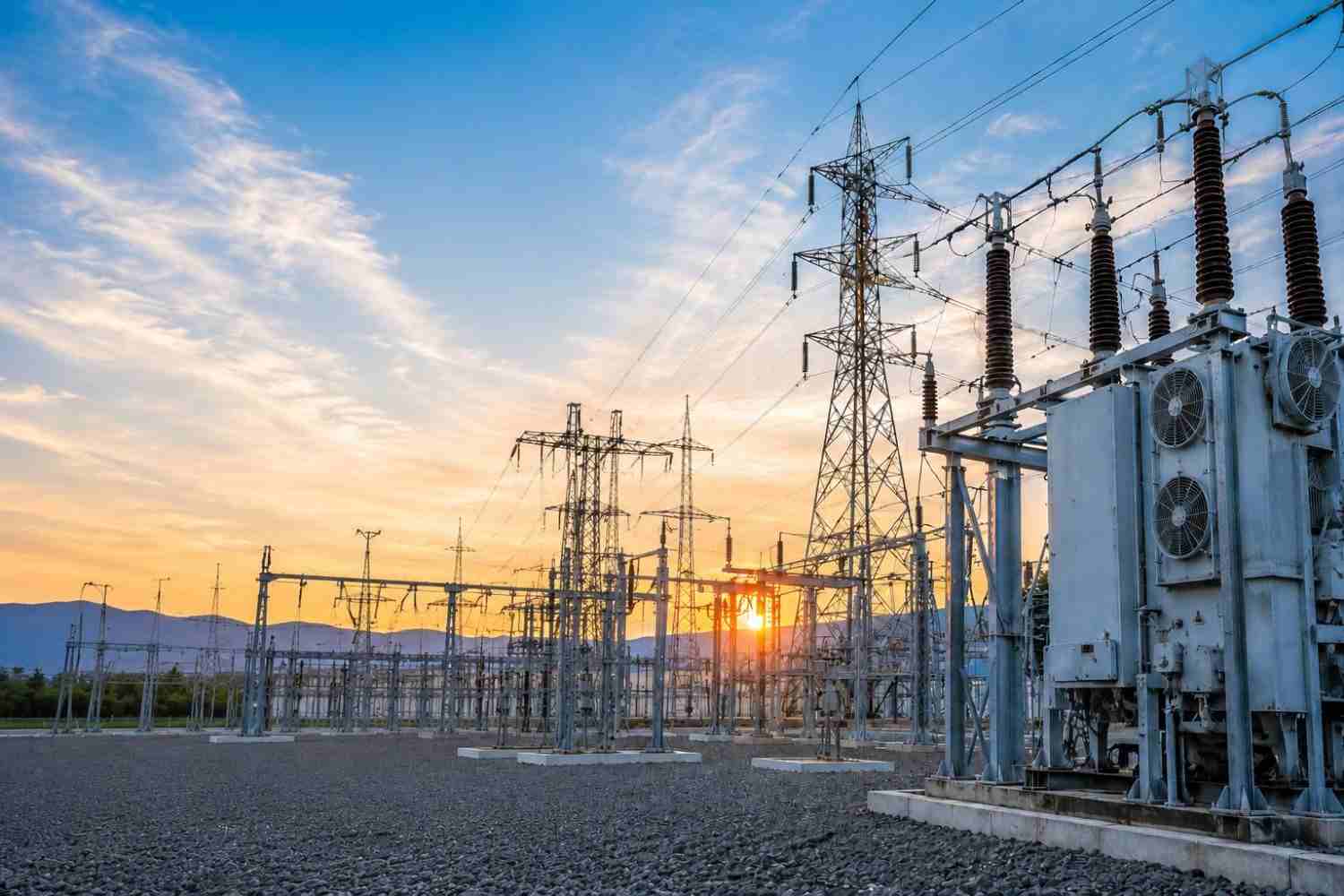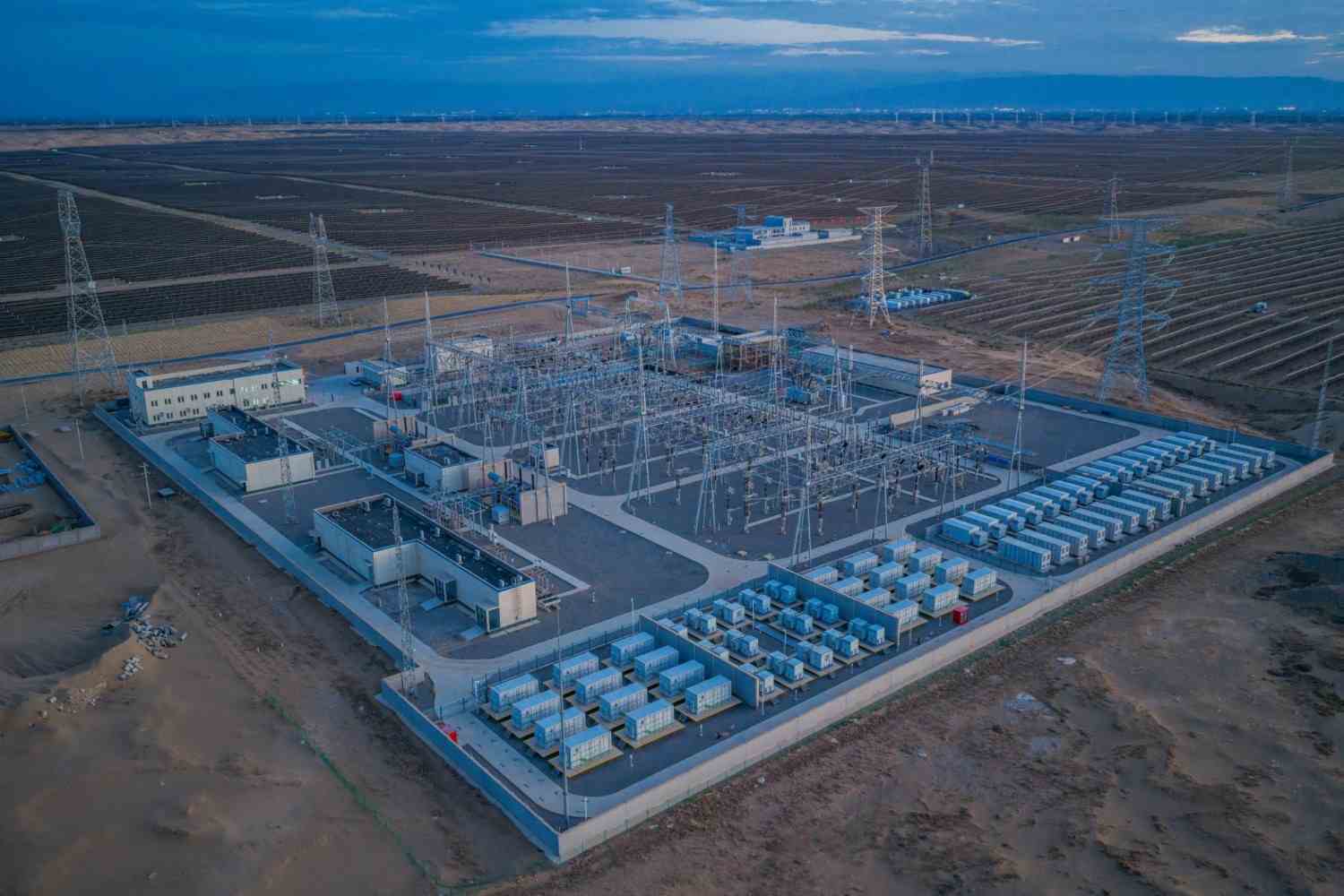
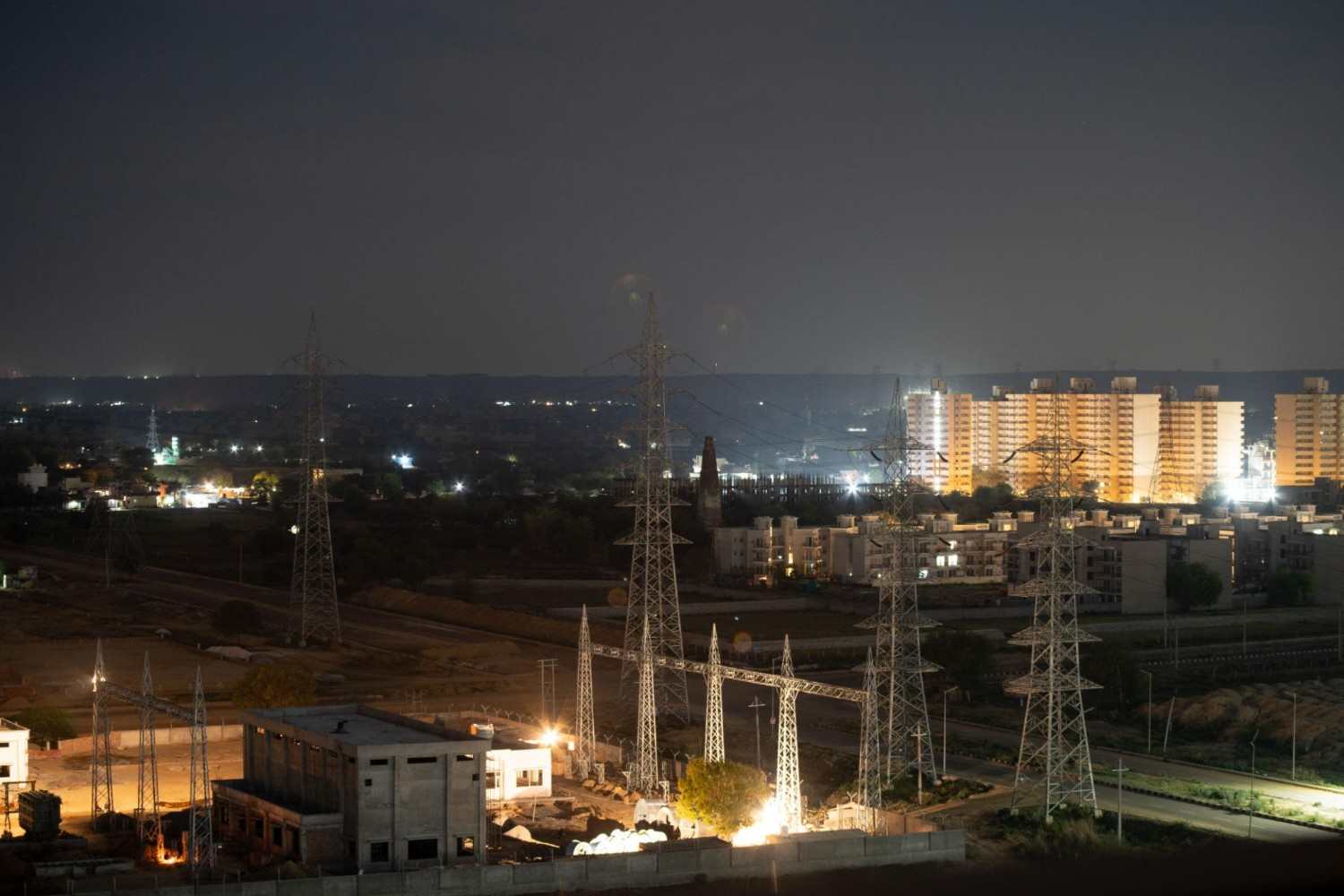
India is walking into the most consequential decade of its electricity history. The India power sector isn’t just about how much power gets generated anymore. It’s about three things moving in lockstep: wires that carry that power across states, batteries that hold onto it until it’s actually needed, and the people who can build and run all of it without things falling apart mid-project.
For years, the national conversation around energy centered on one metric: installed capacity. How many gigawatts of solar got commissioned this quarter, how many wind farms broke ground, how close the country crept toward its non-fossil fuel targets. That framing made sense when generation itself was the bottleneck. It no longer does. India has proven it can build generation capacity fast.
Did You Know? Under the National Electricity Plan (Transmission) 2023-2032, India’s transmission network is set to grow from roughly 4.85 lakh circuit kilometers to 6.48 lakh circuit kilometers, with transformation capacity nearly doubling from about 1,251 GVA to 2,342 GVA.
The Investment Thesis for the Next Ten Years
The government’s planning documents don’t leave much to the imagination. Peak electricity demand is expected to hit 458 GW by 2032, up from roughly 250 GW today. Data centers, electric mobility, industrial corridors, and plain old rising household use are all pushing that number higher. For the India power sector, that shift changes what counts as actual progress: capacity announcements alone no longer tell the full story
But meeting that demand isn’t just about bolting on more solar parks and wind farms. It calls for a coordinated build across three layers that have, historically, been planned as if they didn’t affect each other:
- Transmission networks that can actually move the power where it’s generated to where it’s consumed
- Storage systems that smooth out the gap between when renewables generate and when people use electricity
- A workforce large and skilled enough to build, commission, and operate all of it
For an investment thesis aimed at Tier-1 business readers, the takeaway is fairly blunt. Capital poured into generation alone, without matching investment in evacuation, storage, and skilled operations, risks sitting on stranded output. The sector’s next decade will reward capital that spreads across all three layers at once, not just the one making headlines this quarter.
Power Transmission Infrastructure in India: The Grid as Growth Enabler
Most of India’s renewable generation sits in resource-rich states like Gujarat, Rajasthan, Tamil Nadu, and Karnataka, often hundreds of kilometers from the industrial hubs and cities that actually consume the electricity. Without a grid built to move that power efficiently, a solar farm’s output becomes a stranded asset on somebody’s balance sheet rather than a revenue line.
Power transmission infrastructure in India is being scaled to close exactly this gap. A few numbers worth sitting with:
- Around 1,91,000 additional circuit kilometers of transmission lines planned between 2023 and 2032
- Roughly 1,270 GVA of new transformation capacity coming online over the same window
- Nine new HVDC links carrying a combined 33.25 GW, nearly doubling existing HVDC capacity
- Inter-regional transfer capacity rising from about 119 GW to 168 GW, letting surplus power in one region reach a deficit state elsewhere
This isn’t sitting on paper either. Between FY 2023-24 and FY 2025-26, India commissioned more than 35,000 circuit kilometers of transmission lines and added over 270,000 MVA of transformation capacity at 220 kV and above. That execution track record matters, because it’s exactly where EPC companies with deep high-voltage engineering experience find steady, long-cycle demand: substations built to survive extreme weather, digital monitoring baked in from day one, and grid infrastructure engineered up to 765 kV that can absorb variable renewable output without the whole system wobbling.
Energy Storage Capacity Expansion in India: From Pilot to Pillar
Energy storage capacity expansion in India has moved well past the pilot stage. The Central Electricity Authority projects the country will need roughly 60.63 GW of storage capacity, equivalent to about 336.4 GWh, by 2029-30, split between pumped hydro and battery energy storage systems.
To get there, the Ministry of Power’s Viability Gap Funding scheme has:
- Backed more than 43 GWh of BESS projects with an outlay near INR 9,160 crore
- Covered up to 40% of a project’s capital cost through the scheme
- Targeted a levelized cost of storage between INR 5.50 and INR 6.60 per kWh
Here’s why this connects back to transmission: well-placed storage assets take pressure off costly transmission upgrades by smoothing demand locally. Storage and transmission aren’t competing for the same rupee. They’re doing two halves of the same job.
Manufacturing and the Localization Imperative
A ten-year build of this scale can’t lean on imported transformers, switchgear, and battery cells indefinitely, and policy is starting to reflect that. The Ministry of Power now requires at least 20% indigenous content for BESS projects under the VGF scheme, which is a fairly clear signal about where things are headed.
Companies building real domestic capability in power distribution products, from vacuum circuit breaker panels to substation equipment, stand to benefit from both the policy push and the plain economics of dodging currency and supply-chain exposure on projects that run for years, not months. Next-generation manufacturing here isn’t really about churning out volume. It’s about precision components that can survive Indian field conditions: heat, dust, and monsoon flooding that would wreck lesser equipment.
Building a Skilled Workforce for India’s Power Sector
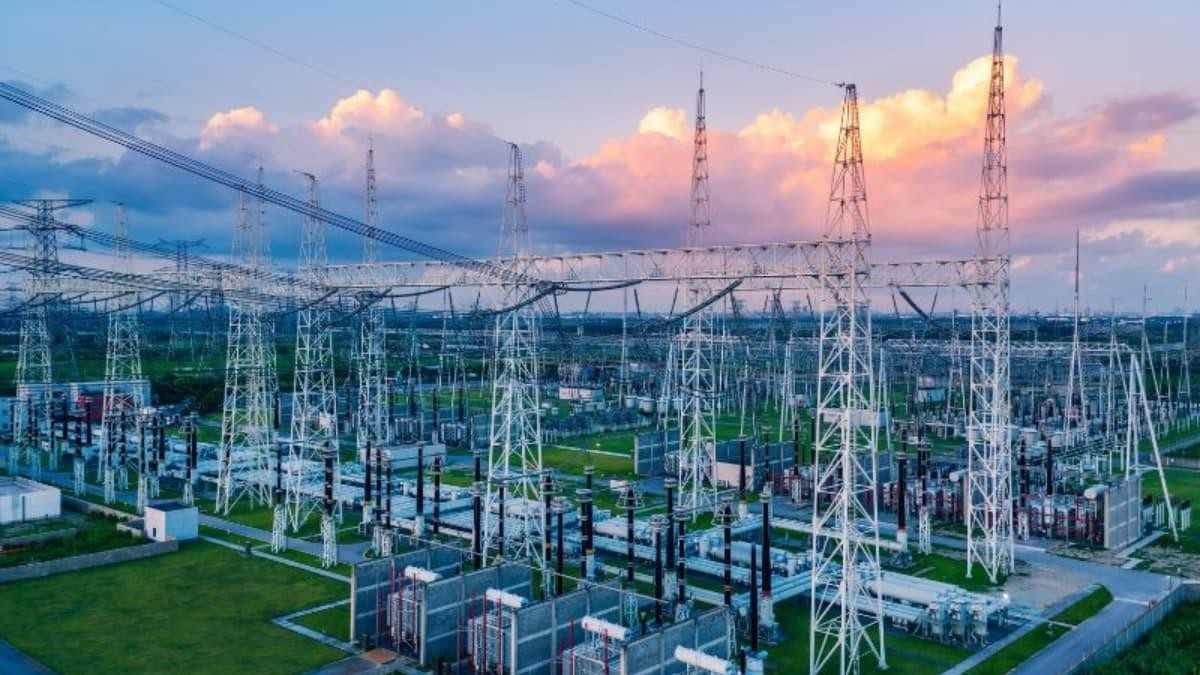
Capital moves faster than trained people can be produced, and this is the constraint investors scanning capacity-addition headlines for the India power sector tend to miss entirely. The International Energy Agency estimates the world will need over 1.5 million additional skilled transmission workers by 2030. Given the size of its own build-out, India will need a sizable chunk of that number just for itself.
A skilled workforce for India’s power sector covers a lot more ground than solar panel installers:
- HVDC technicians who can commission and maintain long-distance transmission links
- Substation engineers capable of managing 765 kV-class infrastructure
- Grid analysts running AI-based monitoring and forecasting systems
- Qualified welders and riggers for transmission tower construction
The Skill Council for Green Jobs estimates renewables alone could generate up to 1.7 million jobs by 2030, and the broader green economy is projected to support over 30 million jobs by 2047. The catch is that training providers keep flagging the same gaps: design engineering, project tendering, field surveying. These are precisely the skills needed to execute everything described above, and they’re not the kind of thing you fix with a three-month course.
Key Takeaways
- The India power sector needs transmission, storage, and workforce capacity to scale together, not one after another, to hit the 458 GW peak demand projected for 2032
- Power transmission infrastructure in India is targeted to reach 6.48 lakh circuit kilometers by 2032, backed by an INR 9.15 lakh crore investment plan
- Energy storage capacity expansion in India is projected to reach roughly 336 GWh by 2029-30, with government funding covering up to 40% of BESS project costs
- A skilled workforce for India’s power sector could top 1.7 million jobs in renewables alone by 2030, but practical training gaps remain a real execution risk
- Domestic manufacturing of transmission and storage equipment, pushed along by local content mandates, cuts supply-chain risk on long-cycle infrastructure bets
Why These Three Pillars Must Scale Together
Treating transmission, storage, and workforce as separate line items on a spreadsheet misreads how this sector actually works. A transmission corridor finished without trained substation staff just sits there, underused. A BESS project that clears viability gap funding but gets handed to an inexperienced contractor risks the kind of delays that erode investor patience fast. A manufacturing facility churning out distribution equipment without a matched pool of engineering talent can’t scale output no matter how much demand exists on paper.
It works the other way too, which is the more interesting part. Every new kilometer of transmission line creates demand for trained linemen and grid operators. Every gigawatt-hour of domestically built storage capacity creates demand for battery management system engineers. Every substation that gets commissioned on time strengthens the case for the next round of renewable capacity, because evacuation risk keeps falling. For an investment thesis, this is the argument for backing integrated players across the value chain rather than betting on a single segment and hoping the rest of the ecosystem catches up.
Risks Worth Watching
No infrastructure thesis comes without caveats, and this one has a few worth naming honestly:
- Execution risk on the National Electricity Plan’s timelines is real, given India’s track record with land acquisition delays and right-of-way disputes for transmission corridors
- BESS economics, while improving fast, still lean on continued policy support and falling global cell costs
- Skilling lag is structural. Academia typically takes several years to catch up with market demand, so shortages could persist even as capital deployment speeds up
None of these undercut the underlying demand story. But they’re worth weighing against it rather than assuming the timelines above play out exactly as planned.
India’s Power Infrastructure Is Ready for Its Next Investment Cycle!
India’s power story over the next decade won’t be decided by how many gigawatts of solar and wind get announced. It’ll be decided by whether the grid can move that power, whether storage can hold it steady, and whether there are enough trained hands to build and run the whole system without delays. Those three pieces reinforce each other, and betting on just one while ignoring the rest is how good capital ends up stuck on the sidelines.
At Hartek Group, three decades of building power infrastructure across the country, from 765 kV grid networks to 10+ GW of solar connected to the grid, have shown exactly where the real bottlenecks and real opportunities sit. If you’re evaluating where to place capital in India’s electrical decade, talk to a team that’s already built the substations, commissioned the solar plants, and trained the engineers doing the work. Get in touch with Hartek Group to explore where transmission, storage, and manufacturing partnerships make sense for your next move.
FAQs
- What’s driving demand growth in the India power sector through 2032?
Industrial output, electric mobility, data centers, and rising household consumption are pushing peak electricity demand toward 458 GW by 2032, per the National Electricity Plan.
- How much is India investing in transmission infrastructure?
The National Electricity Plan (Transmission) 2023-2032 sets aside roughly INR 9.15 lakh crore to expand the network to 6.48 lakh circuit kilometers and nearly double the transformation capacity.
- How big is India’s battery storage capacity target?
The Central Electricity Authority projects a storage requirement of about 336 GWh by 2029-30, split between battery energy storage and pumped hydro.
- Why does the power sector need more skilled workers right now?
Transmission, storage, and manufacturing projects need substation engineers, HVDC technicians, and grid analysts. The IEA estimates over 1.5 million skilled transmission workers will be needed globally by 2030, with India accounting for a large share.
- Do transmission and storage investments compete for the same capital?
Not really. Storage reduces strain on transmission corridors by smoothing local demand, while stronger transmission lets storage assets dispatch power more efficiently across regions. They work together.