
Beyond EPC: Building a Sustainable Ecosystem through Vocational Training in India

The infrastructure part of India’s story is often told in terms of megawatts generated, kilometers of road constructed and gigawatts of renewable energy capacity brought online. But one important question hardly ever begs for answers – who is actually going to build all of this?

With the country rushing to meet its 500GW renewable energy target, building out its transmission networks and developing its EPC industry for projects of an unprecedented scale, the workforce shortfall is emerging as one of the most serious challenges to infrastructure development in India. Trained technicians, licensed electricians, substation engineers and field construction personnel are in high demand and low supply at the very time the demand is skyrocketing.

This is where India’s vocational training comes in, not as a program of house-keeping but as a pillar of national growth-strategy. 

Did You Know? India is expected to require over 30 million additional skilled workers in the energy and infrastructure sector by 2030, according to the National Skill Development Corporation (NSDC). Yet current enrollment in formal vocational training in India covers only a fraction of this requirement. Bridging that gap is now a policy and industry priority, with government-industry partnerships emerging as the most effective model for scale.

Why the EPC Industry Cannot Grow Without Skilled Talent

The EPC (Engineering, Procurement, and Construction) industry in India is undergoing one of its most active growth cycles in history. Transmission infrastructure, solar parks, wind energy corridors, smart substations, and green hydrogen plants are all being planned or built simultaneously. Each of these projects demands a different layer of specialized workforce: civil laborers, high-voltage electricians, automation technicians, safety officers, and project supervisors.

The problem is that traditional engineering colleges and polytechnics are not producing talent at the speed or specificity that the EPC industry needs. A graduate with a three-year diploma may have theoretical knowledge but lack hands-on exposure to the kind of equipment and site conditions that real infrastructure projects demand.

Vocational training in India addresses this gap directly. Programs designed around job-specific competencies, real equipment, and field simulation give candidates the practical edge that classroom education alone cannot provide.

For the EPC industry, this is not a nice-to-have. It is the difference between project execution on schedule and costly delays that ripple across supply chains, budgets, and national energy targets.

Infrastructure Development in India: The Scale of the Opportunity

India’s infrastructure development ambitions are staggering in their scope. The National Infrastructure Pipeline of the government projects an investment of more than Rs 111 Lakh crore in energy, transport, water, and urban development and other sectors. Renewable energy makes up a large chunk, with solar, wind and hybrid projects needing thousands of new installs every year. 

Each installation site needs qualified personnel, and not just engineers at the top of the hierarchy. The actual build depends on certified cable jointers, transformer installation crews, erection supervisors, earthing specialists, and metering technicians. These roles cannot be filled from a pool of untrained workers, regardless of their enthusiasm or availability.

Vocational training in India targeted at the infrastructure and energy sector creates a direct pipeline of job-ready workers who can be deployed on EPC projects from day one. When this pipeline functions well, infrastructure development in India becomes faster, safer, and more cost-efficient.

At Hartek Group, we believe that workforce development is essential to the future of India’s power and infrastructure sector.
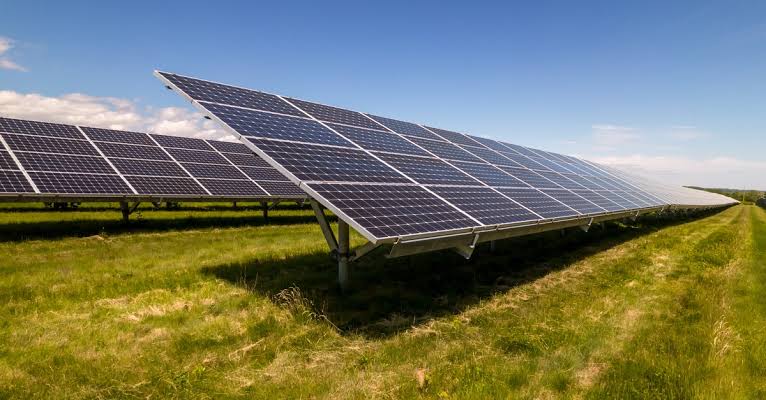
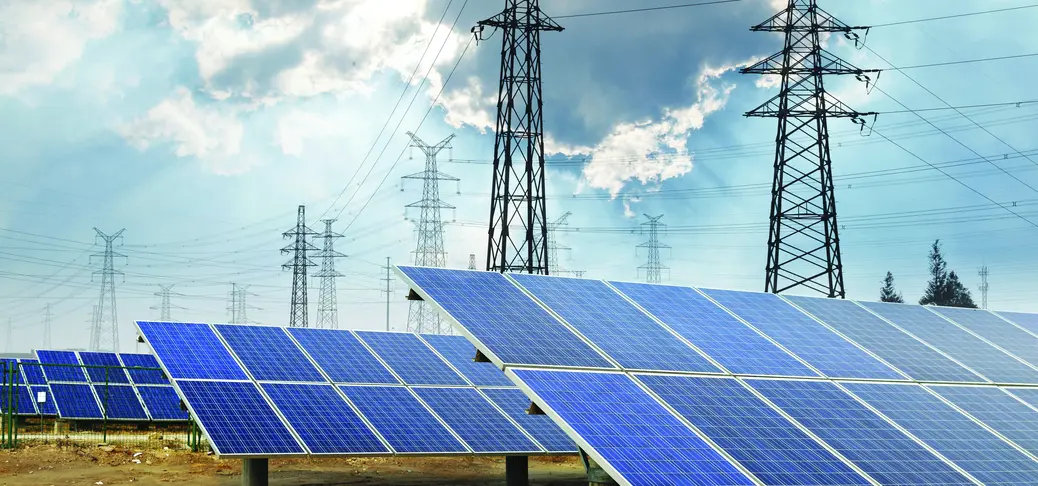
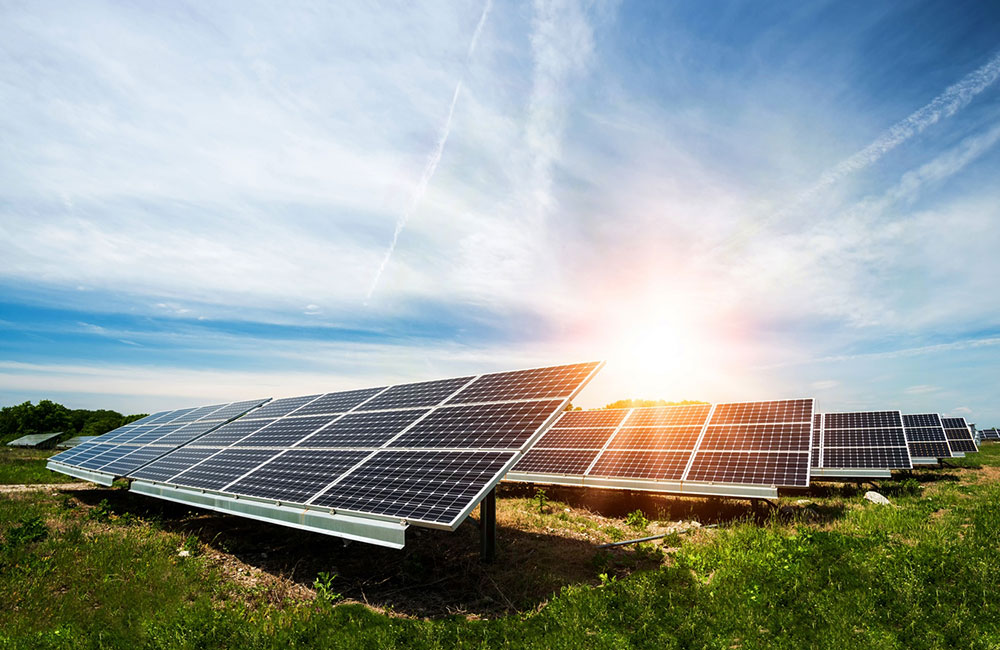
solar panel

Emerging Industries and Required Skills: A Widening Gap

The energy transition is not simply an expansion of what India already does. It is creating entirely new categories of work that require entirely new skill sets. These are the emerging industries and required skills that training institutions and employers must now plan for:

Solar PV Installation and Maintenance: With India targeting 280GW of solar capacity, thousands of workers need training in panel mounting, inverter wiring, string configuration, and preventive maintenance. These are not generic electrical skills. They require structured vocational training in India built around solar-specific competencies.

High-Voltage Substation Operations: As the country builds out its 400kV and 765kV transmission network, demand for trained substation operators, protection engineers, and control room technicians is rising sharply. The EPC industry cannot execute these projects at speed without a trained bench of specialists.

Battery Energy Storage Systems (BESS): Battery storage is becoming central to grid stability. Handling battery modules, managing thermal systems, and integrating storage with grid control software are among the emerging industries and required skills that very few training programs currently address.

Green Hydrogen Infrastructure: India’s National Green Hydrogen Mission projects significant growth in electrolyzer installation, piping systems, and hydrogen storage. This is an entirely new field requiring purpose-built vocational curricula.

Digital Grid Technologies: Modern substations use SCADA systems, IoT sensors, and AI-enabled fault detection. Workers managing these systems need a combination of electrical knowledge and digital fluency that traditional trade training does not cover.

Without structured investment in vocational training in India, the workforce for these emerging categories will not materialize at the pace infrastructure development in India requires.

How the Hartek Skill Lab Is Closing the Gap

At Hartek, our Skill Lab is a practical, industry-aligned training facility designed to build competency in exactly the areas where the EPC industry needs it most. The programs we offer are not generic. They are mapped to real job roles in high-voltage substation construction, power transformer handling, grid automation, and electrical safety.

What sets this model apart is the combination of theory and practice. Trainees work with actual equipment in simulated site environments, building the hands-on confidence that sets a skilled worker apart from one who only knows the textbook. The curriculum is aligned with sector skill council standards, ensuring that certifications are recognized across the industry.

The results reflect the effectiveness of this approach. The Hartek Skill Lab equips trainees with the technical skills and hands-on experience needed to support transmission and substation infrastructure projects that are critical to India’s clean energy future.

Driving Growth Through Workforce Development

What makes our approach distinctive is that we view workforce development not as a CSR activity, but as a business and national imperative. When vocational training is aligned with EPC industry needs and delivered at scale, the benefits reach everyone.

Companies get a trained workforce they can deploy without expensive on-the-job remediation. Workers get certifications and placements that translate to stable, well-paying careers. And infrastructure development in India accelerates because the human resource constraint, often the silent bottleneck in large project delivery, is systematically addressed.

This is the kind of corporate impact that aligns with Business Today’s recognition of companies building both economic and social value. It also reflects the understanding that India’s 500GW renewable target is not a generation problem. It is a workforce problem as much as it is an engineering one.

Key Takeaways

  • Vocational training in India is no longer peripheral to national development. It is central to whether infrastructure targets are met or missed.
  • The EPC industry faces a structural talent shortage across technical roles, and formal degree programs are not closing the gap fast enough.
  • Infrastructure development in India at scale requires certified, job-ready workers in solar, high-voltage systems, storage, and digital grid operations.
  • Emerging industries and required skills in the energy sector include battery storage, green hydrogen, and AI-enabled grid management, and training programs must evolve to match.
  • Building 500GW of renewable capacity is ultimately a people challenge as much as an engineering one.
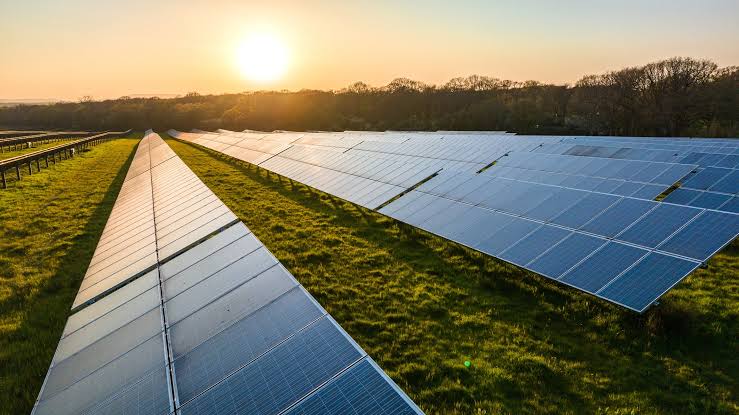
top solar epc companies in india

Building a Workforce That Matches India’s Ambitions

India’s infrastructure development story will ultimately be written by the people who build it. Every transmission line, solar park, and smart substation depends on workers who know what they are doing, who have trained on real equipment, and who can perform to the safety and quality standards that large-scale EPC industry projects demand.

As emerging industries and required skills continue to evolve, driven by renewable energy, storage, digital grids, and green hydrogen, we recognize that the companies and institutions that invest in workforce development today will define the quality of India’s energy transition tomorrow.

At Hartek, that investment is already underway. The trainees placing themselves on substation sites, the communities gaining economic access, and the projects running on schedule because skilled workers show up ready, these are the real metrics of a 500 GW future.

FAQs: Vocational Training in India for the EPC and Infrastructure Sector

1. What is vocational training in India, and why does it matter for the energy sector?

Vocational training in India is structured as competency-based rather than theory based programs of study that train workers for specific roles in the job rather than academic jobs. In energy and EPC, it’s important because these projects require workers who know, at a minimum impeccable general education simply doesn’t cover, that’s what you need.

2. How does the EPC industry benefit from structured vocational programs?

The EPC industry benefits by gaining access to workers who are certified, job-ready, and familiar with actual site conditions. This reduces onboarding time, improves safety compliance, and helps projects run on schedule, which is critical for large infrastructure development in India.

3. What are the emerging industries and required skills most in demand right now?

Some of the emerging industries and skills to look out for should include, solar PV installation, high voltage substation operation, managing battery storage systems, green hydrogen infrastructure, and digital grid technologies such as SCADAs, and IOT based monitoring systems.

4. What does the Hartek Skill Lab offer that traditional training programs do not?

The Hartek Skill Lab offers industry-ready, hands-on training aligned with real EPC project requirements. Trainees gain practical experience on actual equipment in simulated site conditions and earn industry-recognized certifications, helping them build careers in India’s infrastructure and energy sectors.

5. How does workforce development connect to India’s 500GW renewable energy target?

Meeting the 500GW target requires not just solar panels and wind turbines, but the skilled people to install, connect, operate, and maintain them. Vocational training in India that is specifically aligned with the EPC industry and infrastructure development is the mechanism that turns an ambitious target into an achievable outcome.
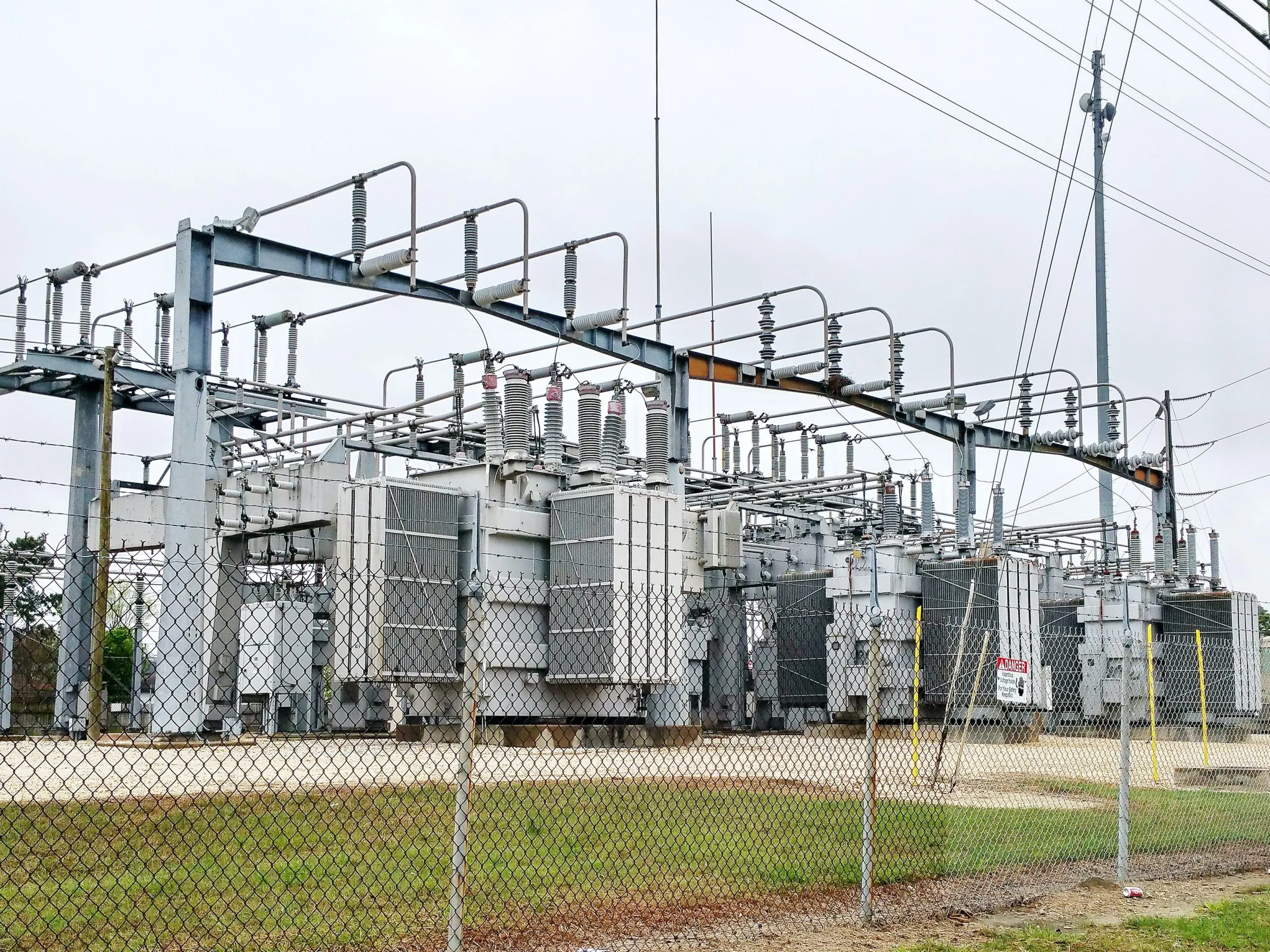
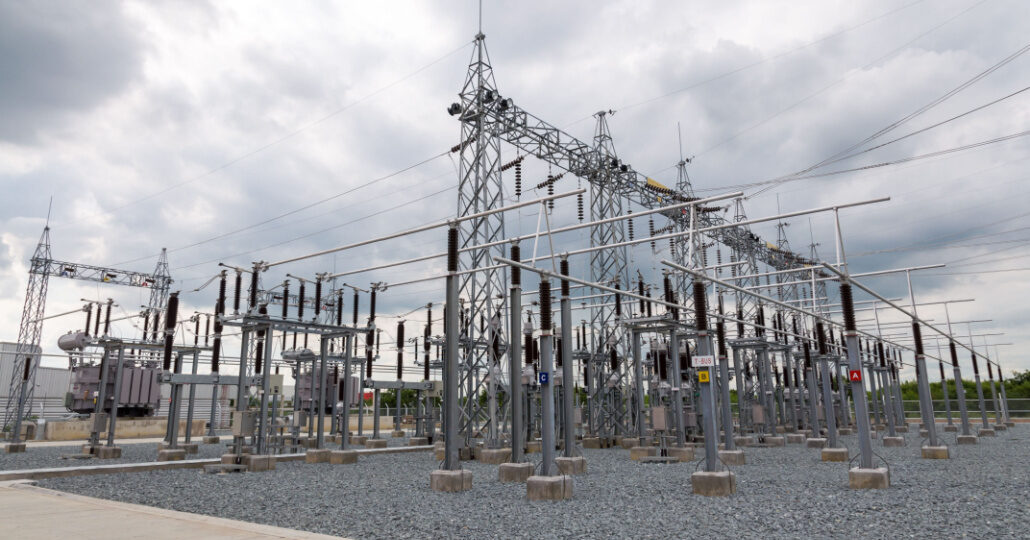
Engineering for Net Zero: What It Takes to Build a 765kV Nation

India’s energy transition is generally evaluated through the lens of the country’s renewable energy targets, solar power installations, battery storage systems, and green hydrogen ambitions. However, moving power effectively and reliably to industries, cities and consumers, which is the primary challenge behind every megawatt of clean energy produced, is not always a visible issue.

While India sets a path toward net-zero and pushing growth at the same time, the transmission network is undergoing an unprecedented change. A 765 kV substation forms the foundation of the modern grid infrastructure, and is an essential component of this change that not only supports bulk power transfer but also improves grid stability and assists in the integration of renewable energy on a large scale.

Building a 765kV network is not merely an engineering achievement. It is a national imperative that will determine how effectively India can meet rising electricity demand while maintaining reliability, affordability, and sustainability.

Did You Know? India’s transmission sector is entering one of its largest expansion phases ever. According to recent industry projections, the country plans to add thousands of circuit kilometers of new interstate transmission capacity by the end of the decade to support renewable energy integration and rising electricity demand.”

The National Electricity Plan also highlights significant investments in high-capacity corridors, with the 765 kV substation in India network expected to play a central role in evacuating renewable power and strengthening grid reliability. As India moves toward its clean energy targets, ultra-high-voltage infrastructure is becoming one of the most strategic components of the country’s energy infrastructure in India.

Why 765kV Infrastructure Matters More Than Ever

India’s power demand continues to grow alongside industrial expansion, urbanization, electrification of transport, and the rapid rise of digital infrastructure. Data centers, manufacturing hubs, metro networks, EV charging corridors, and renewable energy projects all require a stronger transmission backbone.

We cannot rely on traditional transmission systems which were designed when generation sources were concentrated near demand centers. In the new energy landscape, which is a fundamental departure from the past, renewable energy resources are frequently located at a considerable distance from the main consumption areas, thereby creating the need for high-capacity power transfer over long distances.

This is where the 765 kV transmission line becomes essential. By working at such ultra-high voltage levels, power utilities are able to transmit huge quantities of electricity over long distances while the electrical energy losses due to transmission are kept to the minimum. This leads to higher efficiency, better reliability, and lower overall system costs.

For a country planning large increments in renewable energy over the coming decade, physically such infrastructure is not merely optional it forms the very basis of everything.

The Engineering Complexity Behind a 765kV Nation

Using ultra-high-voltage transmission has definite advantages, but the process of bringing these projects to fruition poses the greatest puzzles for the power engineering discipline.

A 765 kV substation today is a complex system in each and every respect as compared with a conventional substation. Design, procurement, construction and commissioning phases all necessitate highly trained personnel and adherence to very strict quality norms.

Some of the main engineering issues are:

1. Advanced System Design

At 765kV, the minimum air distances between live and grounded conductive parts, insulation design and coordination, fault detection and clearance as well as handling of the exposure to the alternating electromagnetic field will need to be considered. It will be necessary to design for:

  • Extremely high fault currents
  • Dynamic grid conditions
  • Renewable energy intermittency
  • Voltage fluctuations
  • Reactive power management

Faults in design can lead to long-term system reliability problems.

energy infrastructure in india

2. Large-Scale Equipment Integration

Status of 765kV stocks is very advanced and sophisticated level equipment such as:

  • Power transformers
  • Gas-insulated switchgear
  • Circuit breakers
  • Protection systems
  • Control and automation systems
  • Reactive compensation equipment

It requires a focused understanding of the underlying principles of each type of equipment and comprehensive project management skills to ensure seamless integration.

3. Execution Across Challenging Terrains

The construction of a 765 kV transmission line frequently involves traversing forests, mountains, rivers, agricultural land, and densely populated regions.

It is vital that teams handle:

  • Right-of-way issues
  • Environmental approvals
  • Land acquisition challenges
  • Heavy equipment transportation logistics
  • Rigorous safety standards

While actually implementing the projects, the staff should have a very high level of proficiency so as to not disrupt the project timelines.

The Critical Role of 765kV Infrastructure in Renewable Energy Integration

India’s clean energy drive very much hinges on the readiness of transmission.

Mostly, large-scale solar and wind projects are set up where natural resources are abundant and not near consumption centers. Power sources like those in Rajasthan, Gujarat, Ladakh, or offshore wind, will have to be efficiently transmitted to industrial and urban areas.

The three-phase 765 kV transmission line network is the backbone that connects renewable energy hubs with the national grid.

The lack of sufficient transmission capabilities will lead to:

  • Renewable energy being forced to go unused.
  • Grid congestions showing up more often.
  • Power evacuation problems arising.
  • The cost of energy is increasing.

As renewables installations keep increasing, the requirement for a powerful 765 kV substation in India continues to grow tremendously.

Building Grid Resilience for the Next Decade

The power grid of the future will undergo drastic changes and become more and more complex.

While conventional power systems depended on stable and predictable generation, modern power grids would have to be resilient to changes due to fluctuating renewable energy sources and at the same time remain capable of 24/7 power supply.

Some of the new-age transmission infrastructure features are as follows:

  • Digital substations
  • Real-time monitoring systems
  • Predictive maintenance technologies
  • Advanced protection schemes
  • AI-enabled grid analytics
  • Remote asset management platforms

The evolution of the 765 kV substation in India is therefore not limited to physical infrastructure alone. It increasingly involves intelligent systems that improve visibility, reliability, and operational efficiency.

With these new developments, India is on the path of establishing a network that is not only smarter, but also more resilient and well-equipped to facilitate long-term energy goals.

Why Only a Few Players Can Execute 765kV Projects at Scale

There are quite a number of companies taking part in power infrastructure projects but only a handful of companies can claim that they have the technical prowess, vast execution experience and end-to-end capability to undertake 765kV projects.

Delivery requires deep skills in:

  • Engineering and design
  • Procurement management
  • High-voltage testing
  • Grid integration
  • Automation systems
  • Safety compliance
  • Project execution

The heavy scale and complexity present big challenges even for the most capable EPCs.

Therefore, major EPC contracting organizations with proven track records in delivering largescale transmission and substation projects continue to play a key role in evolving energy infrastructure in India.

As demand for power expands and renewable energy gets integrated more and more, engineering capability will become the main factor in project delivery results.

765 kv transmission line

Building the Blueprint for a Net-Zero Future

Net zero path is often thought of as one involving renewable generation capacity, yet generation alone is not likely to transform the energy landscape.

Transmission networks that are reliable, resilient and ready for the future are equally important.

Every solar park, wind power installation, battery storage plant, industrial corridor and smart city relies on the seamless movement of electricity. The success of India’s energy transition depends substantially on the ability to move power across different regions both safely and efficiently.

Supported by top-notch 765 kV transmission line network and substation infrastructure, the country is laying the groundwork for growth and sustainable development.

At Hartek Group, our expertise in power systems, transmission infrastructure, and grid connectivity enables us to contribute to this transformation. Through advanced engineering, quality execution, and a commitment to innovation, we continue supporting the development of modern energy infrastructure in India that powers industries, communities, and future generations.

As India moves toward becoming a global economic and energy powerhouse, the journey to a net-zero future will increasingly depend on the strength of the networks built today.

Key Takeaways

  • 765 kV substation is a vital element for India to support power demand and renewable energy growth ambitions simultaneously.
  • An efficient and robust long distance power transfer through 765 kV transmission line network is essential to reduce power lost in transmission.
  • Widening and deepening of the 765 kV substation in India landscape are crucial steps to keep the grid reliable and integrate more renewable energy.
  • Modern ultra-high-voltage infrastructures, on the other hand, are becoming a significant part of India’s future power infrastructure.
  • Engineering prowess and Execution efficiency will be the main determinants of project outcomes especially in case of complex 765kV projects carried out at a national scale.

FAQs about 765kV Substation

1. What is a 765kV substation?

A 765 kV substation is a high voltage electrical plant that is meant to transmit and distribute large quantities of power efficiently across long distances and at the same time support grid stability and reliability.

2. Why is a 765 kV transmission line regarded as important?

The 765 kV transmission line enables significant bulk power transfer but its main virtue is that it permits power transport over long distances with minimum transmission losses. It is best suited for the supply of electricity to remotely located areas as well as the generation of renewable energy.

3. How does 765 kV substation in India promote the use of renewable energy?

A 765 kV substation in India is where power generated from large solar and wind projects is evacuated and integrated into the national grid. This assists energy delivery to demand centers efficiently and economically.

4. What are the biggest challenges in building 765kV infrastructure?

Design complexity, the challenge of integrating high-voltage equipment, land and environmental clearance issues, managing logistics, safety standards all of these are major challenges in building 765kV substation and transmission lines.

5. Why is energy infrastructure in India becoming more and more important?

As industrialization, urbanization, electrification, and digitalization accelerate, robust infrastructure is essential to ensure reliable power supply, economic growth, and the successful achievement of net-zero goals.

Decarbonizing the Last Mile: The Future of Smart Power Distribution

India’s energy sector is witnessing one of the most dramatic changes in the country’s history. The rise of rooftop solar installations in residential areas, the speed-up in electric vehicle (EV) uptake, and consumers turning into energy producers are changing the notion of the conventional electricity grid.

In the past, power was supplied in a single direction, i.e., from the power station to the end-user. Nevertheless, power distribution concepts are not simply based on a linear flow of the power anymore. For example, with the help of solar panels, households are producing their own electrical energy and storing it in EV batteries. Apart from this, the customers are becoming producers as well as consumers of the energy.

This transformation not only brings new benefits and opportunities but also new challenges to utilities and other service providers of the network, whose role is to ensure the efficient operation of the power distribution system. To keep up with this development, electrical networks were smartened, made more adaptable and capable of even handling the backward flow of electricity.

India’s last mile electricity delivery is becoming the strongest link to the energy puzzle as the country reaches for net-zero goals and steps up its clean energy transition.

“Did You Know? India’s renewable energy capacity has crossed 230 GW, with solar energy contributing the largest share of new additions. Simultaneously, smart metering deployments under national power reforms continue to expand across states, accelerating the digitalisation of electricity networks and enabling smarter energy management for consumers and utilities alike. This rapid transformation is making intelligent power distribution infrastructure more important than ever before.”

The Changing Dynamics of Power Distribution

The design of distribution networks in the past was based on the assumption of the demand for energy being predictable and mainly linear. Historically, power was generated by few large centrally located power plants and transmitted through substations, transformers and feeders to consumers.

However, the present energy landscape has changed drastically.

A number of developments have been changing the distribution market, such as:

  • The upsurge in rooftop solar panel installation in residential areas.
  • The set-up of the infrastructure for electric vehicle (EV) charging is very fast and extensive.
  • Increasing use of battery energy storage systems.
  • Higher consumption of electricity due to smart home features.
  • Distributed renewable generation is becoming a regular feature of the landscape of cities and towns.

These changes call for a completely different model, one that can accommodate the flow of electricity in both directions to and from the customers.

This means for distribution companies and other service providers changing to new and upgraded gear, making the networks digital, and the use of intelligent monitoring systems that can really balance fluctuations in energy flow in the most efficient manner.

The Rise of Two-Way Power Flow

The emergence of the power flow of bidirectionality is the biggest change of the modern electricity systems.

For instance, when a residential solar system works more electricity that its owner needs, this energy can be fed into the grid and sold. One day in the future, vehicle-to-grid (V2G) technologies will turn EVs into mobile energy storages that will be able to supply power to the grid during the peak times of demand.

This completely changes the way in which a power distribution system is operated.

The networks will have to:

  • Keep track of electricity generation at the level of the consumer.
  • Deal with changes in voltage.
  • Dynamically balance the load.
  • Stop grid congestion.
  • Make sure that reliability and safety are maintained.

Extensive use of renewables without smart infrastructure might lead to distribution networks of the local areas getting unstable.

Therefore, Power Distribution Products (PDPs) of high-tech are crucial for this.

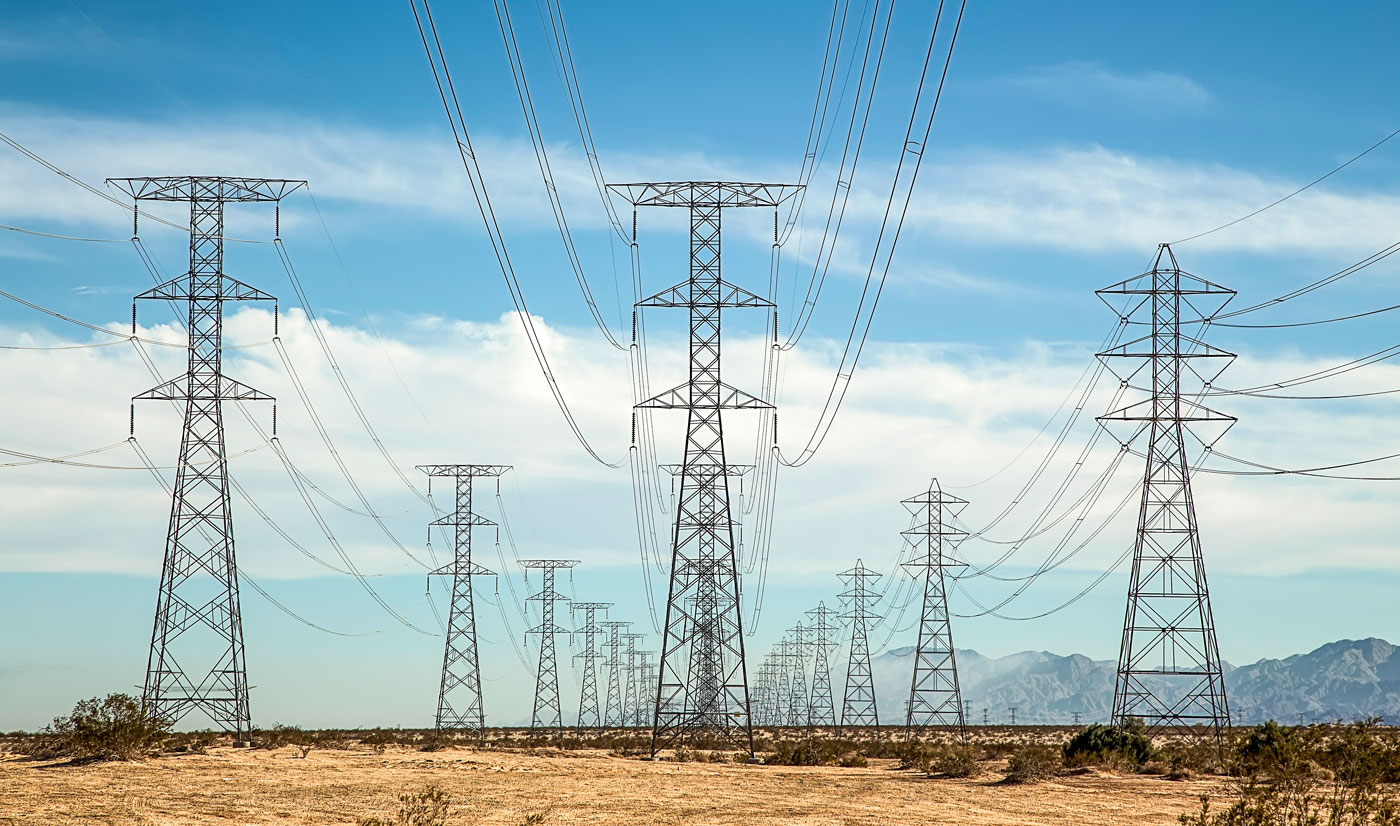
Symmetrical powerline towers in the Yuha Desert of Southern California.

How Hartek’s Power Distribution Products Are Evolving

As the energy landscape becomes increasingly decentralized, Hartek continues to strengthen its Power Distribution Products portfolio to address the evolving requirements of modern electricity networks, ensuring enhanced reliability, efficiency, and adaptability for future-ready power distribution systems.

Hartek is leveraging its extensive expertise in power systems, renewables integration, and grid infrastructure to lay the groundwork for future energy networks.

Basic electrical distribution functions are not the only ones nowadays that these PDP solutions can perform.

In the near future, distribution infrastructure is supposed to be able to:

  • Bidirectional energy flow.
  • Provide real-time monitoring capability.
  • Be equipped with smart metering integration.
  • Offer enhanced grid protection features.
  • Support renewable energy connectivity.
  • Be capable of supporting emerging energy applications, including EV charging infrastructure.
  • Perform load balancing and optimisation.

Having solar rooftops and EV charging become widely adopted, Hartek’s vision is heading towards enabling smarter and more resilient power distribution networks capable of supporting future energy challenges.

Smart Grid Technology: The Backbone of Decentralised Energy

The future of energy distribution will be driven by smart grid technology.

Unlike conventional grids, smart grids use digital communication, sensors, automation, and analytics to optimise electricity delivery.

Key benefits include:

1. Real-Time Visibility

Utilities gain instant access to network performance data, helping identify faults, outages, and power quality issues before they escalate.

2. Better Renewable Integration

Solar generation is inherently variable. Smart systems can automatically balance supply and demand to maintain grid stability.

3. Improved Reliability

Predictive maintenance and automated fault detection reduce downtime and improve service continuity.

4. Efficient EV Charging Management

As EV adoption grows, intelligent charging systems can prevent local transformer overloads by distributing charging demand more effectively.

The combination of smart grid technology and advanced distribution infrastructure will be critical to supporting India’s growing energy needs.

5. Smart Metering Expansion

The widespread deployment of smart meters enables accurate, real-time energy consumption monitoring for both utilities and consumers. Smart metering improves billing accuracy, enhances demand-side management, and supports more efficient energy usage across the network.

6. Cybersecurity: Securing the Digital Grid

As power distribution networks become increasingly digital and interconnected, cybersecurity plays a critical role in protecting grid infrastructure. Advanced security systems help safeguard data, prevent unauthorized access, and ensure the reliable operation of smart grid technologies.

The combination of smart grid technology and advanced distribution infrastructure will be critical to supporting India’s growing energy needs.

EV Charging: A New Challenge for Distribution Networks

India’s electric mobility journey is gathering momentum. As hundreds of millions of EVs are hitting Indian roads, radically changing the pattern of electricity demand.

Home-based EV charging brings with it several issues:

  • It results in the rise of the peak demand.
  • There will be transformer loading.
  • The issue of the congestion of the local networks will also arise.
  • Voltage management becomes more and more complex.

In fact, with the possibility of bidirectional EV charging in the future, vehicles can even power homes or the grid. New global developments in charging platforms are designed to have two-way power flow capability and intelligent energy management features.

This means the future power distribution system must be capable of managing both energy consumption and energy injection at the consumer level.

For Hartek and similar infrastructure providers, it’s a big opening to work on the next generation distribution solutions that will back India’s electrified mobility ecosystem.

Supporting India’s Clean Energy Transition

India has set itself some very challenging renewable energy goals and is opening up its solar and wind generating capacity at an unprecedented rate.

But just generating the power cannot help meet decarbonisation targets.

The clean energy transition will succeed only if renewable power can be distributed efficiently and reliably.

There are many aspects of the challenge at the distribution level:

  • Renewable generation is increasingly decentralised.
  • Energy demand patterns today show less predictability.
  • More and more grid flexibility is needed.
  • Consumers are becoming players in energy markets.

The smart distribution systems are connecting the renewable electricity generators with the consumers who use power.

It turns out that spending on renewing distribution has become as vital as investment in renewable generation.

Why Innovation Will Define the Next Growth Phase

Generating electricity will be just one of the things that the next ten years will be about.

It will also be about:

  • Managing distributed energy resources.
  • Enabling flexible consumption.
  • Supporting EV ecosystems.
  • Improving grid resilience.
  • Enhancing energy efficiency.
  • Reducing carbon emissions.

India’s story of innovation and growth is becoming increasingly connected with that of technology-enabled infrastructure being a major driver of economic progress.

Those companies that succeed in blending engineering with digital intelligence will be the ones setting the stage for the future of the country’s energy.

Hartek’s continued focus on renewable integration, grid modernisation, and advanced Power Distribution Products positions it to contribute meaningfully to this transformation. With over 10 GW of solar connectivity experience and extensive substation expertise, the company remains an active participant in India’s evolving energy ecosystem.

Power Distribution System

Conclusion

The future of power distribution is no longer about delivering electricity from one point to another. It is about creating an intelligent, responsive, and resilient network capable of supporting decentralised energy generation, EV charging, and renewable integration.

The final mile of power delivery, as India moves towards a sustainable energy future, will indeed become the seat of innovation.

By means of wiser infrastructure, digital technologies, and Power Distribution Products ready for the future, the industry is helping the creation of a cleaner and more connected energy ecosystem.

The road to the successful clean energy transition depends not only on the quantity of renewable energy India produces but also on the efficiency with which it distributes, manages, and optimises the energy for every consumer.

Key Takeaways

  • Power distribution networks should develop to support bidirectional energy flows resulting from solar and electric vehicle ecosystems.
  • Smart grid technology enables real-time monitoring, automation, and improved grid reliability.
  • Modern power distribution systems are becoming critical for renewable energy integration.
  • EV charging infrastructure is creating new requirements for intelligent distribution management.
  • Advanced Power Distribution Products will play a central role in India’s ongoing clean energy transition.

Frequently Asked Questions (FAQs)

1. What is two-way power flow in electricity networks?

Two-way power flow allows consumers to both consume and supply electricity. This typically occurs through rooftop solar systems and future vehicle-to-grid technologies.

2. Why is smart grid technology important for India?

Smart grid technology helps improve reliability, integrate renewable energy, reduce outages, and optimise electricity distribution through digital monitoring and automation.

3. How do EVs impact the power distribution system?

Large-scale EV adoption increases electricity demand and requires smarter distribution infrastructure to manage charging loads without affecting grid stability.

4. What role do Power Distribution Products play in renewable integration?

Power Distribution Products help regulate, monitor, and safely distribute electricity while supporting renewable energy sources and bidirectional power flows.

5. How does power distribution support the clean energy transition?

Efficient power distribution ensures renewable energy generated from solar and wind projects reaches consumers reliably, making decarbonisation goals achievable.

The Next Capex Cycle: Why Power Infrastructure is India’s Economic Moat

India is entering a defining economic decade. As manufacturing scales up, digital infrastructure expands, urbanization accelerates, and clean energy adoption gains momentum, the power infrastructure sector is emerging as a critical foundation for sustained economic growth.

For a long time, the discussion around infrastructure was mostly about roads, ports, and railways. However, a power infrastructure capable of meeting the needs of industries, cities, data centers, electric vehicles, and renewable energy is going to be the key to the next chapter of India’s growth story. This is why power infrastructure is gaining recognition as India’s economic moat or a source of competitiveness and sustained GDP growth through a strong competitive advantage.

As the country moves toward its Vision 2030 goals, investment in power sector in India is expected to become one of the most important drivers of economic expansion. The companies building transmission networks, substations, renewable integration systems, and grid modernization projects today will play a critical role in shaping tomorrow’s economy.

Did You Know? According to recent industry estimates, India’s grid and transmission infrastructure pipeline has expanded to nearly ₹9 trillion, driven by record power demand, renewable energy additions, and the need for stronger transmission networks. Peak electricity demand has already touched approximately 270 GW, highlighting the scale of infrastructure required to support future growth.”

Why Infrastructure Capex Is Becoming India’s Growth Engine

In the past, the consumption and services sectors contributed majorly to India’s GDP growth. But to get India to the developed economy status, focus on infrastructure investment will be expanded.

That is precisely what the government’s persistent focus on capital expenditure implies. They are even reaching new highs with infrastructure investments where transport, energy, logistics, and industrial corridors have been given the most significant allocations. Infrastructure-led growth has been shown as a strategic priority for the next decade through recent budget announcements as well.

Out of all infrastructure categories, power is particularly significant because reliable electricity is a fundamental necessity for every economic activity. Manufacturing plants require power without any interruptions. Data centers depend on grid connectivity that is stable. Metro networks, airports, EV charging stations, and industrial parks cannot operate efficiently without a resilient electrical backbone.

This makes energy infrastructure in India more than a utility sector, it becomes an economic multiplier that enables growth across every industry.

The 2030 Vision: Powering India’s Next Economic Leap

India’s aspirations to grow its economy by 2030 go hand in hand with its energy ambitions. On one hand, it pushes for a 500 GW non-fossil fuel capacity target while on the other, it prepares for a substantial increase in electricity demand resulting from industrialization, electrification and digital adoption. The government’s forecast shows non-fossil power capacity continuing to expand rapidly even after 2030, which is a clear indication of the scale of transformation.

However, adding generation capacity alone is not enough.

The real challenge lies in:

  • Building transmission networks to evacuate renewable power.
  • Strengthening substations for grid stability.
  • Modernizing distribution infrastructure.
  • Integrating energy storage systems.
  • Managing fluctuating renewable generation efficiently.

This is where the next capex cycle becomes particularly important. Unlike previous infrastructure booms focused primarily on physical transportation assets, the upcoming cycle will involve large-scale investments across the entire electrical value chain.

Why Power Infrastructure Creates a Sustainable Economic Moat

An economic moat can be defined as a long-lasting competitive advantage that is hard to imitate. India’s power infrastructure, in many ways, fits this description.

1. Enabling Manufacturing Growth

Their set of industrial development programs has been supported by reliable electrical supplies. When global manufacturers rank potential production hubs, they find power quality, grid reliability, and energy costs to be some of the main deciding factors. In fact, good power infrastructure mitigates operational risks and increases industrial competitiveness. As manufacturing clusters spread throughout the country, they will spur the need for substations, transmission lines, switchyards, and grid connectivity.

investment in power sector in india

2. Supporting Renewable Energy Expansion

The renewable energy sector growth story is impossible without transmission growth. Solar and wind farm developments usually exist at distances far removed from consumer centers.

Therefore, the energy produced in resource-rich areas must be transmitted accurately to the main consumption hubs of the cities and industries. Hence, one must make substantial commitments in the area of:

  • High-voltage transmission corridors
  • Grid balancing infrastructure
  • Renewable energy pooling stations
  • Smart monitoring systems
  • Advanced substations

One cannot quite utilize the renewable generation capacity in its entirety without these investments.

3. Meeting Rising Power Demand

The trajectory of India’s need for electricity continues its upward curve.

International energy assessment reports indicate significant increases in national peak loads over the past decade as a result of the rising demand for cooling, increased industrial activity and spread of electricity access.

There are some newly emerging demand drivers, for instance:

  • Electric vehicles
  • Data centers
  • Green hydrogen production
  • Advanced manufacturing
  • Urban infrastructure
  • Digital services

Power infrastructure is an indispensable element in the ability of all these sectors to reach their full potential.

4. Attracting Long-Term Capital

Investment in the power sector in India is turning into a big-ticket item for institutional investors, sovereign funds, pension funds, and those focusing on infrastructure capital. This is because infrastructure investors have been eyeing power assets as pretty good long-term opportunities.

The policy moves recently made by the government, are in fact preparing the private capital to be unlocked in the infrastructure creation sector through mechanisms such as asset monetization programs and transmission expansion plans.

Additionally, the government has introduced Inter-State Transmission System (ISTS) exemptions, which allow certain renewable energy projects to connect to the interstate transmission network without paying transmission charges for a specified period. This move is aimed at encouraging large-scale renewable energy development, reducing project costs, and attracting long-term investments by improving the viability and bankability of power projects. The ISTS exemptions, therefore, provide another incentive for institutional investors and infrastructure-focused funds to channel capital into India’s power sector.

As a result, investment in power sector in India is becoming a major theme for institutional investors, sovereign funds, pension funds, and infrastructure-focused capital.

The Transmission Revolution: The Hidden Growth Story

Renewable energy facilities have been grabbing the headlines but when it comes to investment opportunities in the entire energy ecosystem, transmission infrastructure is on its way to becoming one of the really big players.

According to industry sources, India is gearing up for a huge transmission expansion involving new transmission lines, substations, and grid modernization initiatives that will be worth a significantly high amount over the coming years. 

The reasons are really quite simple:

  • The generation of renewable energy is increasingly happening everywhere rather than in a few concentrated spots.
  • The geographical spread of demand centres is also a factor.
  • The resilience of the grid is one of the things the authorities are working on.
  • There is an uptick in inter-regional power transfers.
  • Growing digitization of power networks has elevated the importance of Cyber-Physical Grid Security, driving investments in secure communication systems, real-time monitoring, and protection against both cyber and physical threats.

Transmission infrastructure is therefore evolving from a support function into a strategic growth driver, serving as the backbone for renewable integration, energy security, grid reliability, and the development of a smarter, more resilient power system.

Power Infrastructure and Capital Markets: The Emerging Narrative

Capital markets are starting to look at this opportunity in a structural way rather than simply as something cyclical.

Power infrastructure, unlike consumer goods sectors that are dependent on consumer confidence, has the advantage of having a clear visibility of demand spread over many decades. Besides, the combination of policy support, industrial growth, renewable expansion, and electrification leads to an investment cycle of longer duration rather than a short-term boom.

This is the main reason why companies involved in transmission, substations, switchgear, grid modernization, and renewable integration are keeping the focus of investors heightened.

Infrastructure investment will continue to be a major contributor to GDP formation, employment creation, industrial productivity enhancement, and energy security in India as the country gets closer and closer to achieving its Vision 2030 goals.

Building the Foundation for India’s Energy Future

It won’t be just how much power India can generate, but more so how well India can transmit, manage, and deliver that power will define India’s next phase of growth story.

Reliable energy infrastructure in India will determine whether renewable targets are achieved, manufacturing competitiveness improves, and digital growth remains sustainable. This transformation requires engineering excellence, execution capabilities, and deep expertise across the power value chain.

energy infrastructure in india

Thus, at the start of this historic capex cycle in India, organizations with proven expertise in substations, transmission systems, grid connectivity, and renewable EPC execution will play a vital role in shaping the country’s future. At Hartek Group, we are proud to contribute to this transformation through our work in power systems, renewable energy integration, and transmission infrastructure. By building resilient and efficient energy networks, we are helping support India’s long-term economic ambitions and growing energy needs.

As infrastructure investment continues to be a key driver of GDP growth through 2030 and beyond, we remain committed to delivering the electrical backbone that will power the nation’s future and enable sustainable development at scale.

Key Takeaways

  • Power infrastructure is becoming the foundation of India’s next economic growth cycle.
  • India’s increasing need for electricity is generating unprecedented opportunities in the transmission and grid modernization industries.
  • The expansion of renewable energy is dependent almost entirely on the availability of appropriate transmission and substation infrastructure.
  • The surge in investment in India’s power sector is attracting an influx of long-term institutional capital.
  • Through infrastructure-led growth, power networks will establish themselves as a strategic economic moat even through 2030.

Frequently Asked Questions (FAQs)

1. Why is power infrastructure considered India’s economic moat?

Through power infrastructure India supports all significant sectors of its economy, manufacturing, transportation, digital services and renewable energy. Robust electric networks create long-term competitive advantages that are very difficult to copy.

2. How does investment in the power sector in India contribute to GDP growth?

Investment in infrastructure will create jobs, provide stimulus for the industrial sector, improve productivity and attract more private investment. Together, these factors constitute higher overall output and GDP expansion.

3. What is driving renewable energy sector growth in India?

Accelerating renewable energy adoption in India has been propelled by government targets, decreasing renewable energy cost, energy security considerations, and growing sustainability commitments of corporations.

4. Why is transmission infrastructure becoming so important?

Because renewable energy projects are usually located away from demand centers. The transmission infrastructure ensures that power delivery is done efficiently while maintaining grid reliability and stability.

5. What role will power infrastructure play in India’s 2030 vision?

Without power infrastructure, industrial growth, renewable energy integration, digital transformation, urban development, and electrification will not be possible. This is why it is seen as one of the most critical pillars of the country’s development agenda.