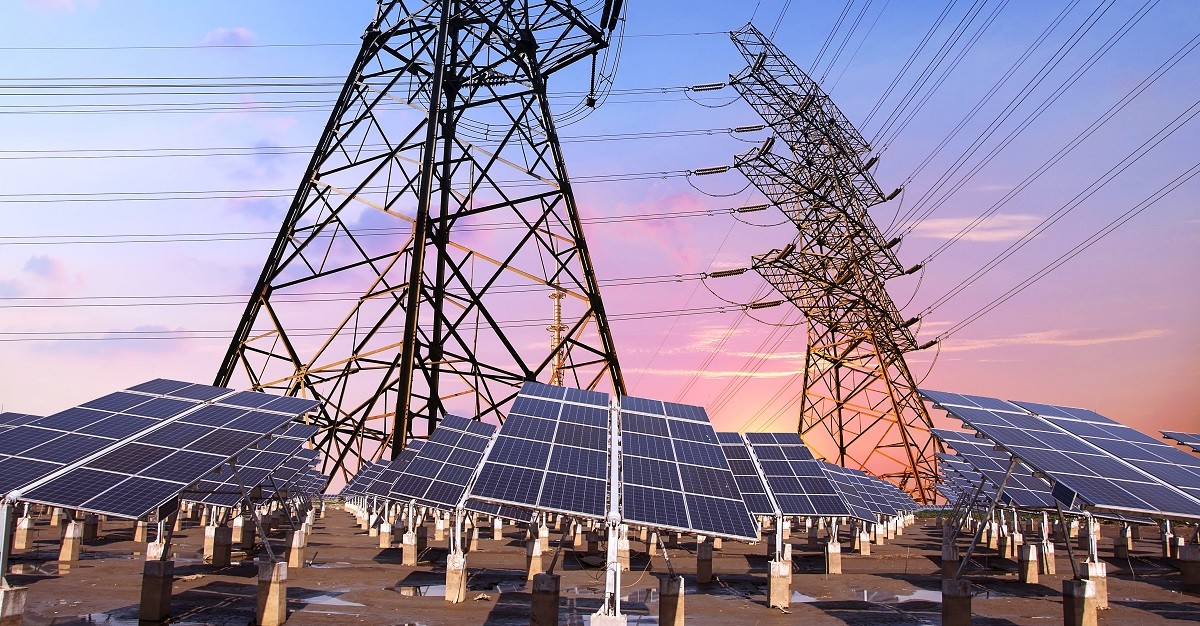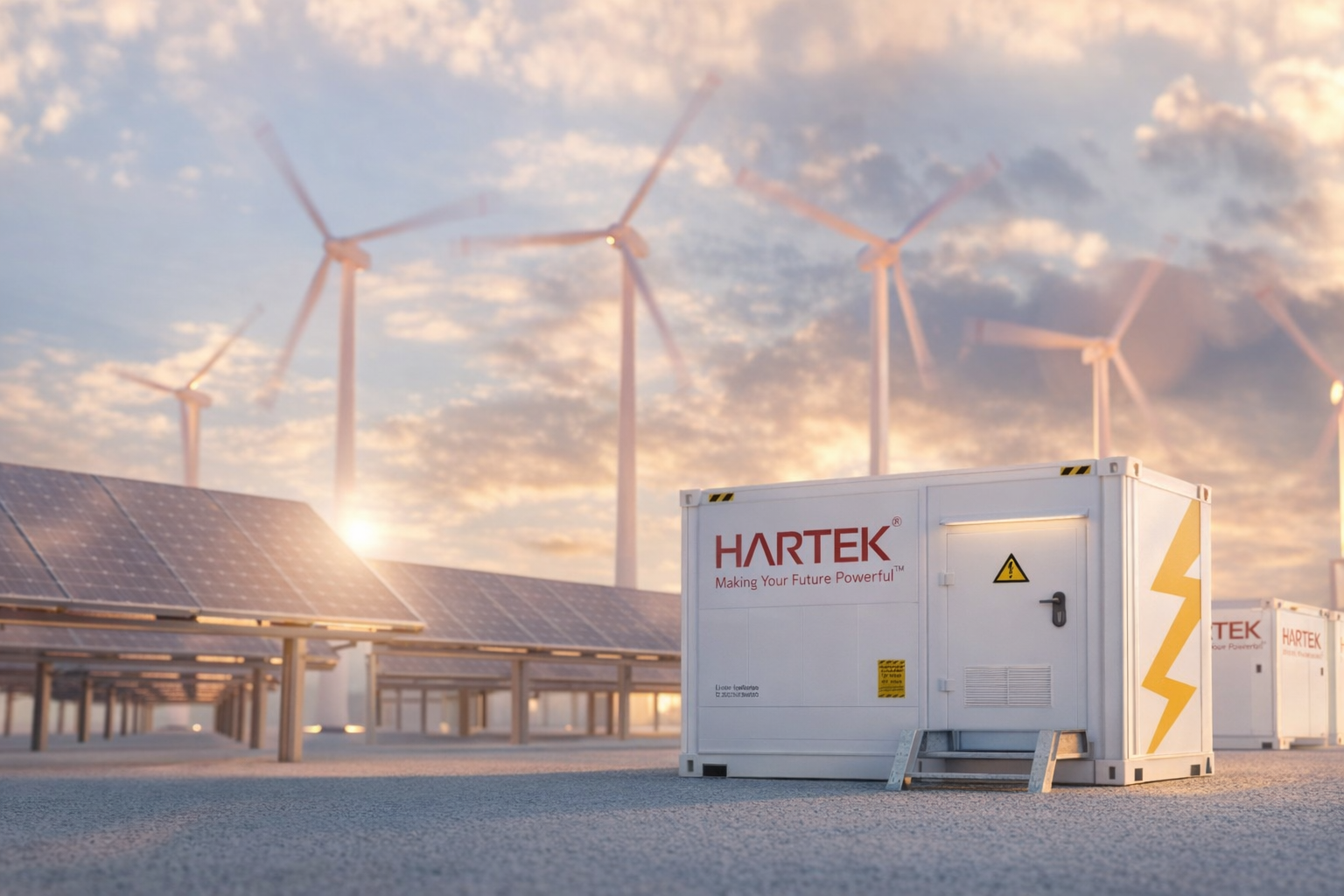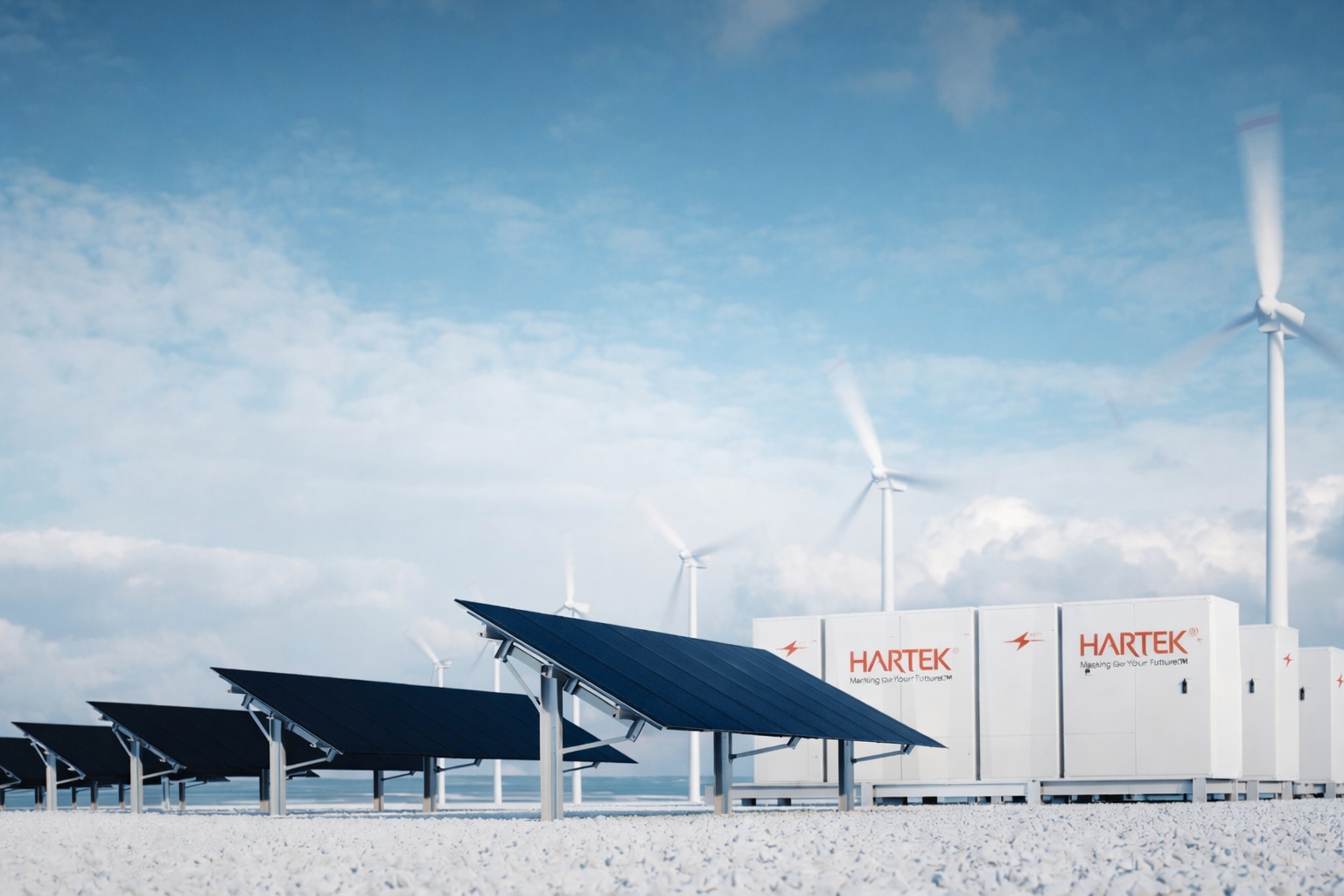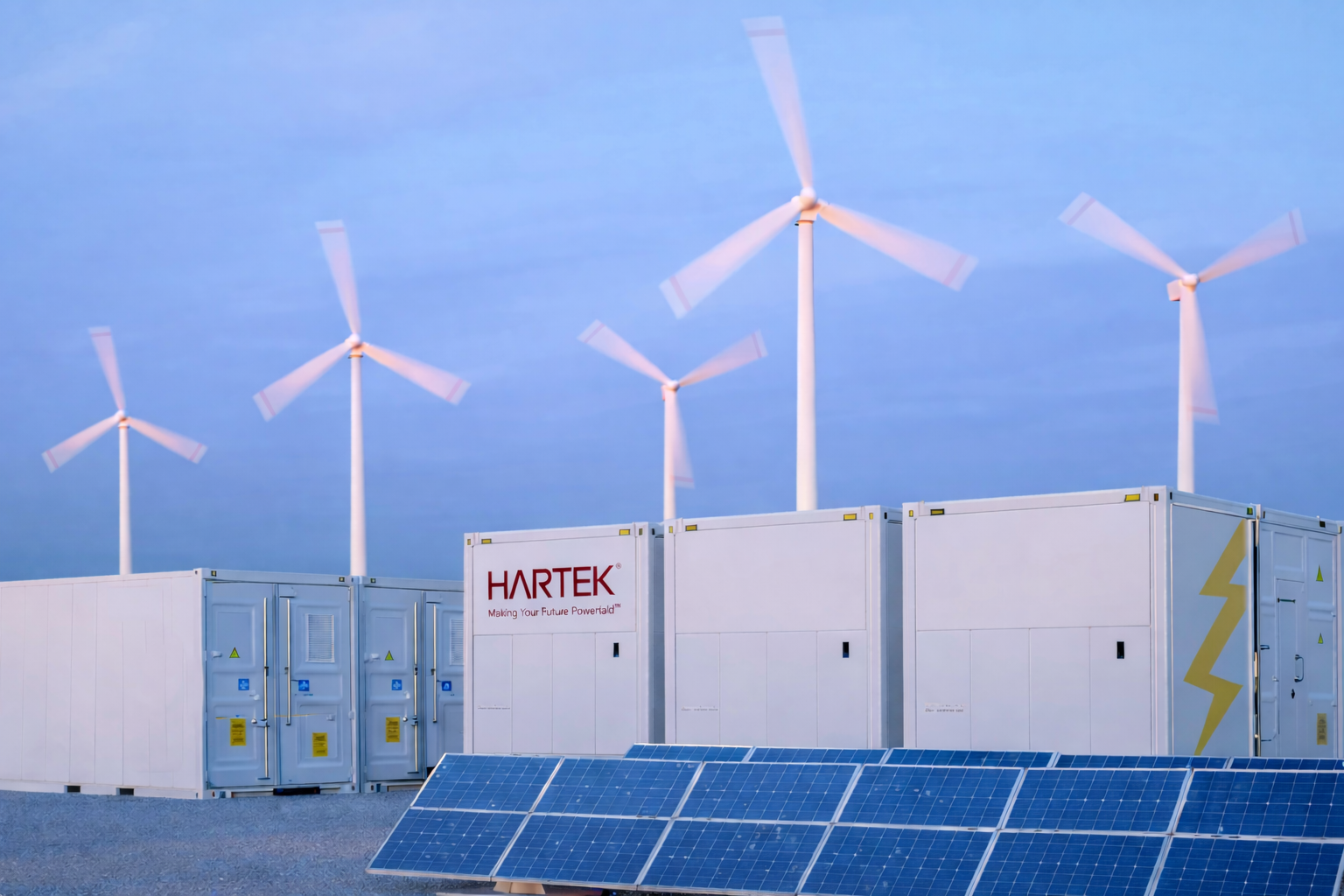

For decades, “baseload power” meant coal and nuclear plants running around the clock, but that idea is starting to look outdated. Leadership summits across the power sector keep circling back to one theme this year: the evolution of energy storage. Right in the middle of that shift sit utility-scale energy storage systems, stepping into a job once reserved for thermal plants, delivering steady power that keeps the grid on an even keel rather than just topping it up when things get tight. It’s not some far-off possibility, either. It’s already happening across substations, industrial parks, and renewable-heavy states, where large batteries soak up surplus solar and wind, then let it go the instant the grid actually calls for it.
Did You Know? According to the India Energy Storage Alliance, India’s operational battery storage capacity is expected to jump from roughly 507 MWh in 2025 to nearly 5 GWh by the end of 2026, close to a tenfold increase in a single year.
From Peak Shaving to Baseload Support: A Fundamental Shift
Batteries entered India’s power sector as a simple quick-fix for evening peak loads, but they have rapidly matured into the backbone of grid stability. Utilities leaned on them to trim demand spikes for a few hours each evening while thermal plants carried the rest of the load. That narrow role has since expanded quite a bit, and storage assets now take on jobs that used to belong exclusively to large synchronous generators:
- Frequency regulation, keeping grid frequency within safe operating limits
- Voltage support during sudden shifts in load or generation
- Black-start capability, helping restart sections of the grid after an outage
- Firm power dispatch on a scheduled, predictable basis
This shift matters because India’s renewable capacity has already crossed 250 GW, and the country is chasing a 500 GW non-fossil target by 2030. Solar and wind are the cheapest sources of new generation these days, but neither shows up on demand.
Solar output falls off a cliff right after sunset, at the exact moment evening demand starts climbing, a mismatch most engineers just call the duck curve. Left unaddressed, that gap gets absorbed either by curtailing clean power or by ramping up costlier thermal plants. Storage removes that trade-off almost entirely, banking midday solar surplus and releasing it through the evening ramp, acting, in effect, like a firm and dispatchable resource that behaves a lot like baseload.
How Utility-Scale Energy Storage Systems Are Engineered for Reliability
Three technological shifts explain why utility-scale energy storage systems now hold up well enough to anchor grid stability instead of merely assisting it.
Improved battery chemistry and thermal management
Lithium-ion setups, LFP (lithium iron phosphate) chemistry in particular, now dominate new grid-scale projects in India because they offer longer cycle life, steadier thermal behavior, and lower fire risk than the older NMC-based designs. Advanced liquid and air cooling keeps cell temperatures within a tight band, which stretches out asset life and slows degradation.
Smarter battery management systems (BMS) and grid-forming inverters
Today’s BMS platforms lean on real-time analytics to balance individual cell voltages, forecast state of health, and catch anomalies before they turn into failures. Grid-forming inverters, a fairly new category of power electronics, let batteries set their own voltage and frequency references, which comes in handy for supporting stability even in weak-grid pockets with limited synchronous generation.
Longer duration and hybrid configurations
Early BESS projects offered just one to two hours of storage, fine for short-term balancing but not nearly enough for a full evening peak. Newer projects are being built for four hours or more, and a growing share get paired with solar or wind under Firm and Dispatchable Renewable Energy (FDRE) tenders, which require developers to guarantee a fixed output profile no matter the weather.
Why Battery Energy Storage Grid Reliability Comes Down to Response Speed
How fast and how precisely a system can react really decides battery energy storage grid reliability, more than anything else on the list. Thermal plants take minutes to ramp; batteries respond in milliseconds. That gap in speed is exactly what makes them so good at smoothing the second-by-second swings caused by clouds drifting over a solar farm or a sudden dip in wind speed. At the system level, this speed advantage shows up in a few concrete ways:
- Fewer frequency deviations across the network
- Less reliance on costly spinning reserves
- Lower curtailment of renewable output
Per the National Electricity Plan, India will need roughly 82 GWh of storage capacity, split between pumped hydro and BESS, by FY 2026-27, a number that climbs sharply as renewable penetration deepens through the next decade. Whether that trajectory holds really depends on batteries continuing to prove themselves reliable, not just fast.
Scaling Up: Why Grid-Scale Battery Storage in India Is Accelerating
Past the pilot phase entirely, grid-scale battery storage in India has moved into full commercial rollout. The project pipeline already tops 90 GWh, built on a wave of tenders issued over the past year alone, with major installations coming online in Gujarat, Rajasthan, and Maharashtra. Government support has pushed this along too:
- Viability Gap Funding schemes earmarking capital for tens of gigawatt-hours of new capacity
- An extended waiver on inter-state transmission charges for storage projects
- Union Budget incentives for domestic lithium-ion cell and BESS component manufacturing
This scaling matters to grid planners for a practical reason. Storage placed at the right nodes eases pressure on transmission corridors, cuts the waiting time for new renewable projects trying to connect, and pushes back the need for costly transmission upgrades. As more capacity lands through 2026 and beyond, storage is turning into core grid infrastructure rather than a supporting technology on the side.

Where BESS for Grid Stability and Peak Demand Adds the Most Value
During India’s summer and pre-monsoon months, when air-conditioning load pushes demand well past 270 GW nationally, BESS for grid stability and peak demand management shows its worth most clearly. Utilities increasingly lean on storage during those narrow evening windows, when solar has already dropped off but cooling load is still high, sidestepping the need to fire up expensive, carbon-heavy peaker plants.
Beyond peak demand alone, storage is proving its worth for critical infrastructure that simply can’t afford downtime, including:
- Data centres running continuous, high-value compute loads
- Metro rail systems that depend on uninterrupted traction power
- Industrial clusters where even a momentary outage means lost production
These facilities are increasingly building battery backup into their power architecture from day one, not bolting it on later as an emergency measure but treating it as a planned layer of resilience.
What the Summit Conversations Are Really About
Having sat through more than a few of these power infrastructure discussions, one pattern really stands out: the conversation at leadership summits has shifted from “should we invest in storage” to “how fast can we deploy it safely.” The engineering questions on the table now cover interconnection standards, cell-level safety protocols, and folding storage into existing substation infrastructure, not whether the technology works. That change is itself the clearest sign storage has crossed over from experimental to essential.
At Hartek Group, that shift plays out directly in project conversations. Our New Energy business unit works with BESS technology to help clients store surplus renewable power and release it precisely when demand rises or generation dips, treating storage as a built-in part of grid design rather than something tacked on afterwards. As more of India’s generation mix leans on variable renewables, that kind of embedded thinking is becoming standard practice, not a point of differentiation.
Common Mistakes When Planning Storage Projects
- Sizing for single-use peak support: Designing a system around one narrow use case leaves revenue on the table from frequency regulation and other grid services the same asset could provide.
- Skipping thermal management planning for hot climates: High-ambient-temperature sites need cooling designed in from the start, not patched in after early degradation shows up.
- Treating grid interconnection studies as an afterthought: Leaving this until late in the project timeline tends to cause delays and expensive redesigns that could’ve been avoided.
- Underestimating duration requirements: Sizing for a one or two-hour discharge window when the actual evening peak runs longer leaves the system unable to deliver when it matters most.
- Overlooking safety protocols at the cell level: Cutting corners here to save on upfront cost is a common but risky shortcut, especially as project sizes keep growing.
Powering India’s Next Phase of Energy Growth!
The shift from peak-shaving add-on to full baseload partner is already underway, and India’s grid doesn’t have the luxury of catching up gradually. Renewable capacity keeps expanding, peak demand keeps setting new records, and the ability to turn cheap daytime generation into dependable evening power is becoming core infrastructure rather than a nice-to-have. For utilities, industrial operators, and infrastructure owners planning their next power investment, the window to get sizing, thermal management, and interconnection right the first time is narrower than it looks.
At Hartek Group, our New Energy team works alongside clients to plan and deliver BESS projects built for the grid India is becoming, not the one it was five years ago. If your organization is weighing how storage fits into its power strategy, get in touch with our team to talk through what a reliable, future-ready storage plan looks like for your site.
Key Takeaways
- Peak-shaving tools are giving way to genuine baseload support, with utility-scale energy storage systems now absorbing surplus renewable generation and dispatching it on demand.
- Advances in battery chemistry, grid-forming inverters, and longer-duration configurations are what make large batteries reliable buffers against generation swings.
- Response times measured in milliseconds mean large batteries smooth frequency and voltage fluctuations far faster than thermal plants ever could.
- Backed by Viability Gap Funding, transmission charge waivers, and a fast-growing project pipeline, India’s storage build-out has moved well past the pilot stage.
- Storage is proving most valuable during summer evening peaks and for critical infrastructure that simply can’t tolerate outages.
FAQs
- What is a large-scale grid battery installation called?
These are big battery installations, typically several megawatts to hundreds of megawatts in capacity, connected directly to the transmission or distribution grid to store and dispatch electricity for grid balancing, peak management, and renewable integration.
- How does battery storage improve grid reliability?
Batteries respond within milliseconds to frequency and voltage changes, smoothing fluctuations from renewable generation and cutting the risk of outages far faster than conventional thermal plants can react.
- Why is India investing heavily in grid-scale battery storage?
Rising renewable capacity, a national 500 GW non-fossil target, and climbing peak demand have made storage essential for keeping solar and wind power usable around the clock instead of curtailed whenever generation and demand don’t line up.
- Can battery storage really replace baseload power plants?
Storage doesn’t generate new electricity, but when it’s paired with renewables and sized for longer duration, it can deliver firm, dispatchable power on a schedule that closely mimics baseload behavior.
- What makes modern BESS projects more reliable than earlier systems?
Improved lithium-ion chemistries, advanced battery management systems, grid-forming inverters, and longer discharge durations have meaningfully boosted the safety, lifespan, and dependability of today’s projects.