The Backbone of Growth: Why Substations Define India’s Infra Success

Infrastructure in India is no longer just about developing roads, ports, and railways; it is increasingly being powered by electricity. Power substations, a critical and often ignored element, are at the heart of this transformation. As India races towards becoming a $5 trillion economy, power substations are emerging as silent growth facilitators, forming the nucleus of power grid infrastructure, enabling efficient power transmission, and fortifying the overall power infrastructure.

At Hartek Group, we’ve spent years delivering some of the most complex substation projects across India. Through this journey, one thing has become increasingly clear to us: substations are no longer just equipment yards, they have evolved into the true backbone of national growth. As highlighted in a recent ET Infra feature on India’s power sector, substations have quietly become a cornerstone of the nation’s grid, playing a vital role in strengthening power infrastructure in India.

DID YOU KNOW? India is expected to add around 1.9 lakh circuit kilometres of transmission lines and substantial new substation capacity by 2031–32, highlighting the central role of transmission infrastructure in supporting its growing renewable energy capacity and electricity demand.”

The Strategic Importance of Power Substations

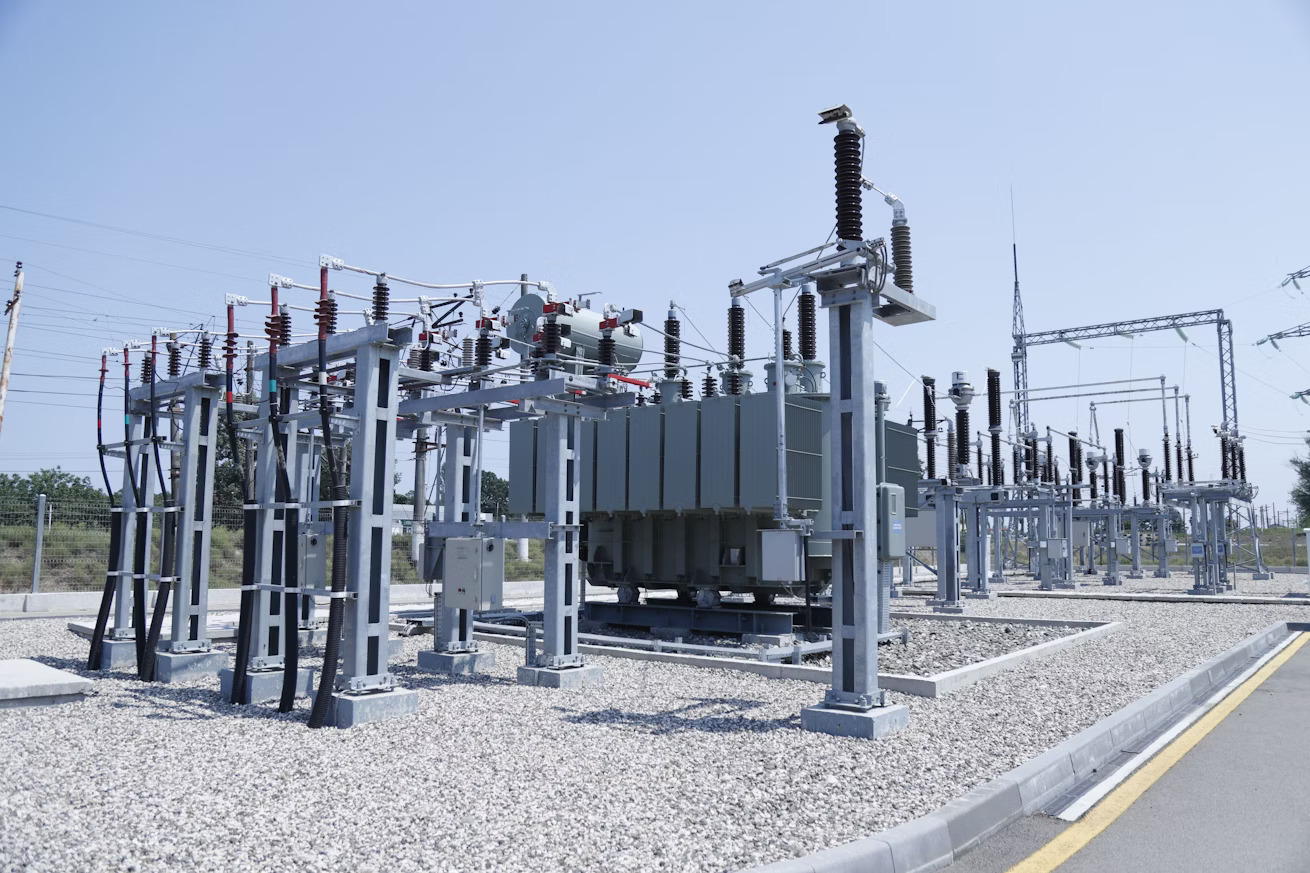
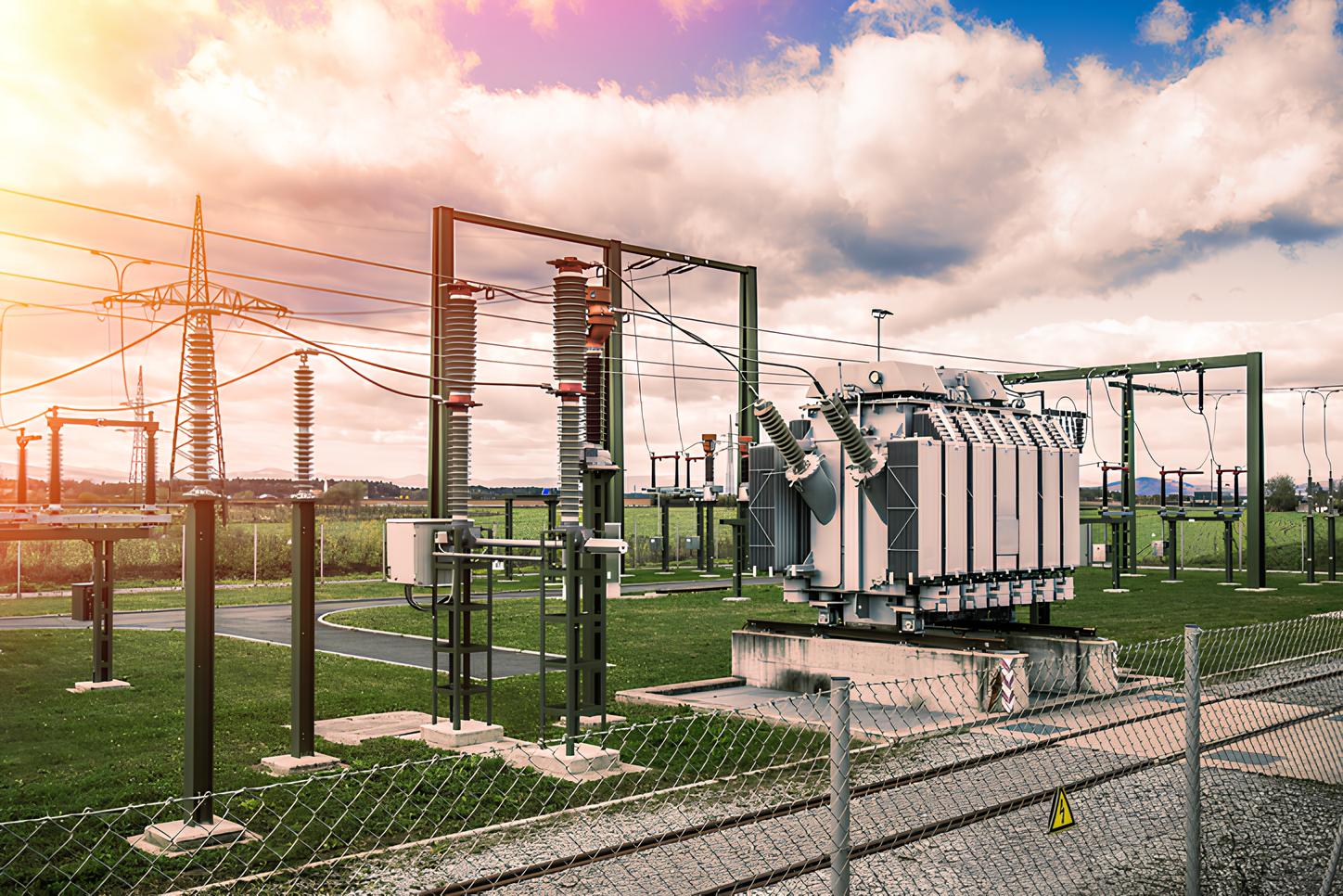
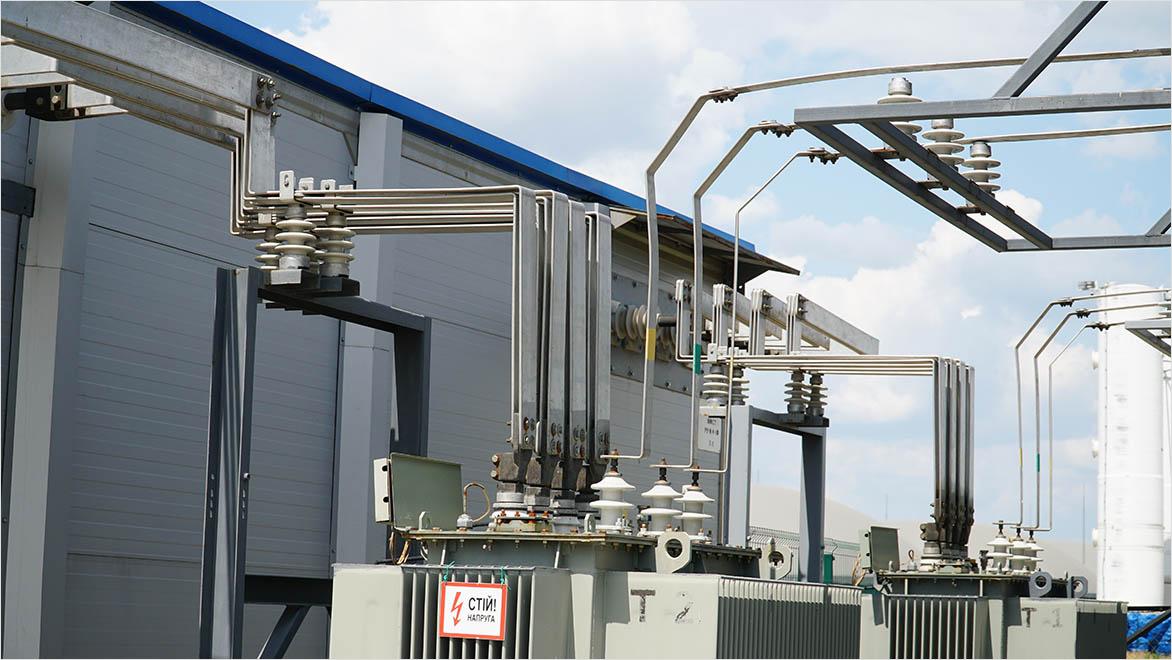
Besides a point in the grid, a power substation is an important node where changes are made to electricity: converting, controlling, and distributing it. Without substations, the path of electricity, from its generation to the consumption by end users, would be very inefficient, unstable, and unreliable.

Substations may have the following roles as per the Indian scenario where demand is continuously increasing in the urban, industrial, and rural sectors:

  • Voltage stabilization for long-distance transmission
  • Uneven load distribution among different regions
  • Grid’s operational stability and fault location
  • Renewable energy sources integration

As the national expansion of power grid infrastructure continues, for example, the development of EHV substations is one among many factors leading to a rise in their level of sophistication.

Why Substations Are the New Backbone of Infrastructure

Turning substations into the backbone of infrastructure is more than just a buzz phrase. It is actually a reflection of what happens structurally. Let us list some of our points:

1. Rising Demand Requires Stronger Nodes

Electrical power consumption in India is on the rise, notably due to industrialisation, import and use of digital devices and general electrification. A powerful network of properly functioning power substations allows handling of this ever-increasing demand without interruptions in supply.

2. Renewable Energy Integration

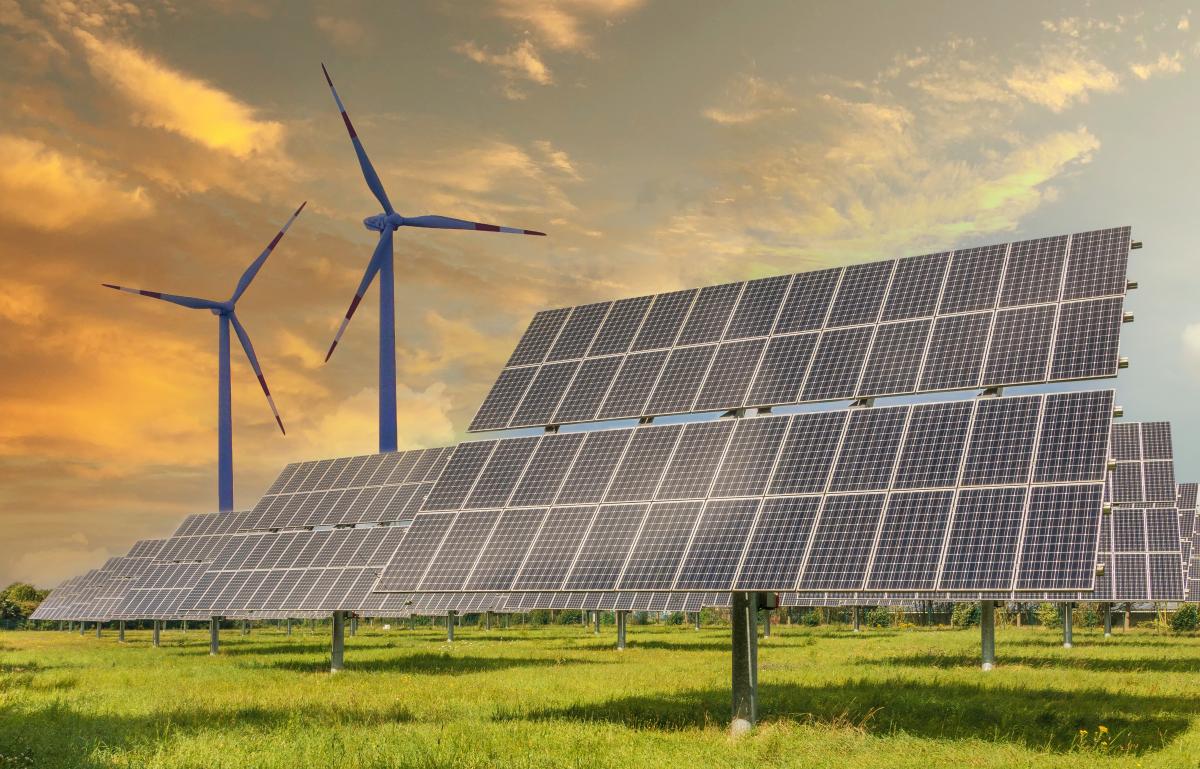
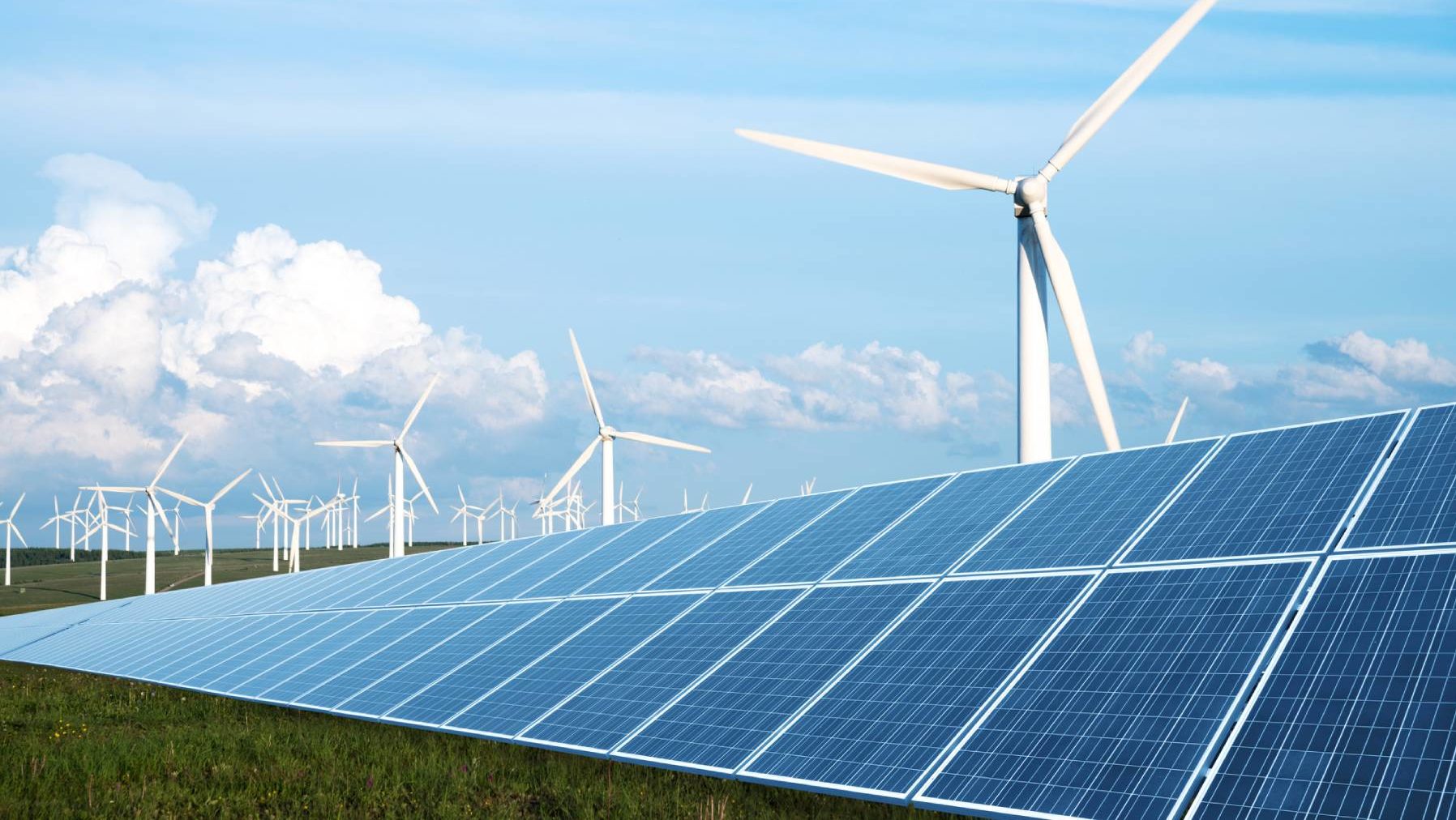
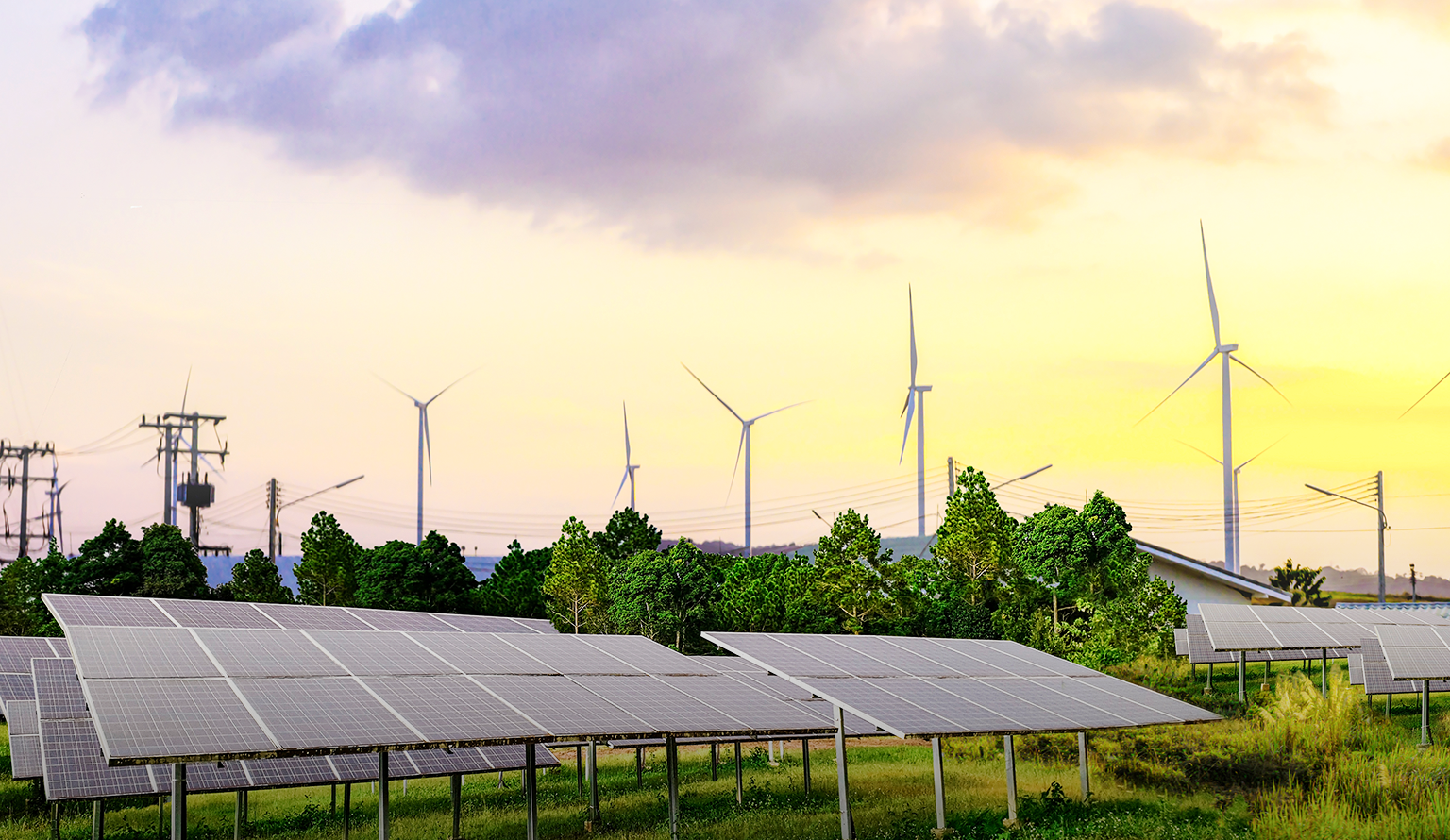
Meeting India’s clean energy target of solar and wind would imply changing the grid depending on the output of the power source, which can vary. Substations are the key in incorporating these energy sources while making power transmission adaptable and reliable.

3. Urbanisation and Smart Cities

The supply of electricity gets highly demanding when urban areas and smart cities expand. One of the most essential infrastructures that guarantees that power is supplied without breaks, even in the highest density areas, is substations.

4. Grid Modernisation

Modern substations not only perform their function but have become digitized and automated. This transformation is a necessity if we are to have power infrastructures that are capable of handling the future.

The Role of EHV Substations in National Growth

Extra High Voltage (EHV) substations are playing a huge role in India’s infrastructure development. Handling of large power capacity and long-distance transmission are their key functions.

Nevertheless, carrying out EHV projects entails quite a few things. Some of them are:

  • Cutting-edge engineering expertise
  • Accurate execution
  • Closely following the safety and quality regulations
  • Thorough knowledge of grid behaviour

At Hartek Group, our strength lies in executing complex EHV substation projects with efficiency and reliability. This capability is not just about building infrastructure, it is about enabling growth, powering industries, and supporting national ambitions.

Execution Excellence: The Real Differentiator

Apart from being merely directives and blueprints, infrastructural maps and policies are those which if executed in a timely manner can move economic progress towards the desired end. The case of substations, however, has execution as a principle cornerstone given the technical intricacies and the large-scale nature of the work involved.

A major part of execution success are as follows:

Punctuality in Project Completion

Postponement of substation projects is capable of resulting in the interference with whole transmission networks. Handling of a project in an on-time manner should be capable of ensuring that the substation can easily be integrated into the grid.

Quality and Safety

Regulatory measures in the high-voltage zone have to be resulting in one of the strictest enforcement of the global safety standards.

Scalability

Substations have to be fit to structurally support the growth of demand and the supply of new technologies on the planet.

At Hartek Group, we focus on delivering projects that are not only technically sound but also aligned with long-term infrastructure goals.

engineering procurement and construction company

Reinforcing India’s Power Grid Infrastructure

Power infrastructure in India is evolving rapidly to keep pace with the country’s growth and changing energy demands. Substations serve as critical nodes that seamlessly connect generation, transmission, and distribution, linking all three segments of the power system.

Enhancing Reliability

If the network of substations is well-lined all over, the chances of power failures will be lower, and continuous power supply will be maintained.

Minimizing Transmission Losses

Substations with optimal performance will allow power transmission losses to be kept at a minimum level, thereby enhancing overall system efficiency.

Backing Renewable Energy Corridors

Specially designed substations are being developed to support renewable energy corridors, enabling large-scale integration of clean power. Increasingly, these are complemented by Battery Energy Storage Systems (BESS) to enhance grid stability and ensure reliable energy flow.

How Substations Are Linked to Economic Growth

Electricity supply with no outage allowed is the basic infrastructure in order for any type of economic development to take place. From factories to data centers, every sector depends on electricity supply without any interruptions.

A solid power substation network is a key part of:

  • Manufacturing output
  • Expansion of IT infrastructure
  • Enhancing the appeal of investments
  • Regional development

Thus, substations can be regarded as more than just electrical properties, they are nevertheless economic facilitators.

Challenges in Substation Development

Despite their critical role, the development of substations faces the following challenges:

Land Acquisition

Land acquisition for large substations particularly in highly populated areas can be complex.

Technical Complexity

EHV substations need very specialised skills and the latest technology is a must.

Integration with Legacy Systems

Modern substations must seamlessly integrate with existing grid infrastructure.

Skilled Workforce

Execution demands highly skilled engineers and technicians.

Combining innovation, familiarity with the local context, and skillful execution are the prerequisites for success in overcoming the challenges, where the Hartek Group has continued to provide substantial contributions.

India’s Substations: The Road Ahead

The future of power infrastructure in India will be defined by how effectively substations evolve. Key trends include:

Digital Substations

Automation and real-time monitoring will enhance efficiency and reliability.

Smart Grid Integration

Substations will play a central role in enabling smart grid technologies.

Green Substations

Sustainability will drive eco-friendly designs and technologies. Gas Insulated Substations (GIS) are gaining importance for their compact size and strong resistance to environmental conditions, supporting greener infrastructure.

Decentralized Energy Systems

With the rise of distributed energy resources, substations will need to handle more complex energy flows.

top solar epc companies in india

A Connected Vision for India’s Growth

The story of India’s rise is fundamentally tied to its ability to supply uninterrupted electricity. Substations as the backbone of power grid infrastructure hold the key to this dream

At Hartek Group, our belief is that establishing strong, efficient, and future-ready substations is not merely about the infrastructure; it is about building the nation. Our commitment and track record in implementing complex EHV projects put us among the important contributors to India’s infrastructure success story.

Keytakeways

  • Power substations are gradually becoming the backbone of India’s infrastructure growth.
  • Strong power grid infrastructure is a must for reliable power transmission.
  • EHV substations support the transfer of large volumes of energy and enhance grid stability.
  • Execution excellence plays a pivotal role in infrastructure development.
  • Power substations directly influence and support economic growth and industrial expansion.

Frequently Asked Questions

Q.1. Why are power substations important in India?

Power substations are responsible for efficient transmission and distribution of electricity. They are vital in maintaining grid stability and meeting the rising energy demand.

Q.2. How do substations support renewable energy?

Substations enable the integration of solar and wind energy into the grid. They help manage variability and ensure consistent power supply.

Q.3. What is an EHV substation?

An EHV substation operates at very high voltage levels for long-distance transmission. It plays a critical role in handling large-scale power loads.

Q.4. How does power grid infrastructure impact economic growth?

The presence of solid and reliable power infrastructure forms the basic support and enables various sectors including industrial, digital services, and urban development to carry out their activities smoothly. Such infrastructure has a direct relation with productivity and investment.

Q.5. What role does Hartek Group play in this sector?

Hartek Group is known for its proficiency in carrying out substation projects, especially in EHV environments. It plays a role in strengthening India’s power infrastructure and supporting national growth.

Energy Security: Why the Narrative is Shifting from Fuel to Electricity

India’s energy journey is undergoing a fundamental transformation.  For decades, energy security was largely defined by access to fuel, coal reserves, oil imports, and gas supply chains. Today, that narrative is evolving rapidly. The focus is no longer just about having fuel, but about ensuring reliable, uninterrupted electricity reaches every corner of the country.

At Hartek Group, we see this shift as a defining moment in India’s energy evolution. Power generation, transmission and distribution infrastructure, grid resilience, and execution excellence are now more critical than ever.

The change is purposeful and deliberate. It mirrors the transformation of India’s economy, widespread electrification, and heavier reliance on the digitized and industrial ecosystems which necessitate continuous power supply. As recently disclosed in various industry analyses and leadership talks, electrification is a key driver of energy policies in India whereas the reliability of electricity has been identified as the main pillar of energy security in India.

“Did You Know? India’s electricity demand is expected to grow at an average of around 6–6.5% annually through 2030, making it one of the fastest-growing power markets globally. At the same time, the country has already achieved over 44% of its installed power capacity from non-fossil sources, accelerating the shift toward clean energy and increasing the need for strong grid reliability.”

The Changing Meaning of Energy Security

Originally, energy security was about having enough fuel to operate industries and transport systems. But these days, its meaning has become much broader.

Energy security currently entails the following:

  • Continuous electrification of industrial and household sectors
  • Strengthening of power transmission and distribution
  • Expansion of green energy generation and its connection to the grid
  • Energy management through smart systems that handle supply and demand

Because of the significant progress India has made, the electricity sector is becoming the backbone of all economic activities. Manufacturing facilities, data centers, and smart cities are just a few examples that highlight the growing dependence on reliable power. Any disruption in electricity supply is no longer trivial, it directly impacts productivity and growth.

Why Electricity is the New Energy Currency

1. Electrification is Accelerating Across Sectors

Wherever you look in India, electrification is taking place on a huge scale. Physical transport modes like EVs and railways along with industry and rural infrastructure are increasingly powered by electricity. It results not only in higher electricity consumption but also in greater criticality.

2. Renewable Energy is Reshaping Supply

The expansion of solar power projects in India is redefining how energy is generated. In effect, renewables, being weather-dependent, create a need for a strong, stable grid. Apart from this, another system, BESS (Battery energy storage systems), is playing a key role in the energy transition, with a range of applications and benefits for the economy, society, and the environment. BESS uses batteries to store the electricity produced by generation plants and make it available when required. 

3. Digital Economy Demands Reliability

Power is indispensable for the operation of data centers, telecommunication, and IT services. Even power outages of short duration can lead to financial losses that further illustrate the need for a grid that is always up.

4. Decentralized Energy Systems Are Growing

The proliferation of rooftop solar, microgrids, and distributed energy resources create new complexities. Managing these requires advanced smart grid energy management solutions.

control and relay panel in substation

The Role of Power Transmission & Distribution

If electricity generation is the source, then power transmission and distribution serve as the channel to supply the energy to the final point of use with minimum loss. A strong grid is the platform on which electricity-centric energy security stands.

Strengthening the Grid

India is investing heavily in transmission corridors to move electricity from renewable-rich regions to demand centres. This reduces bottlenecks and improves efficiency.

Reducing Losses

Modernization of the distribution network will minimize technical and commercial losses and at the same time ensure reliable electricity supply, focusing especially on densely populated and industrially active areas.

Enabling Renewable Integration

Grid modernization is perhaps the most important element of enabling a system whereby variable renewable energy sources including solar and wind can be integrated with the grid without impacting the stability of the power system.

Smart Grids: The Intelligence Behind Energy Security

Due to a complex and ever-changing energy landscape, conventional power grids are inadequate to meet the requirements. The compounding of a smart grid energy management system is therefore necessary.

Smart grids offer:

  • Continuous real-time tracing of electricity
  • Rapid automatic fault notification and resolution
  • Maintenance based on forecasting to prevent disruptions
  • Efficient load balancing during peak demand

A Smart Grid System transforms electricity networks into intelligent systems that can adapt dynamically, ensuring stability even with fluctuating renewable inputs.

Execution Matters: The Role of EPC Players

It is true that strategies and plans guide us towards the target but actual doing leads to the realization. The greater number of infrastructure projects has served to emphasize the value of knowledgeable epc contractors in India.

Hartek Group, with its keen understanding of the power systems and processes for installing renewables, is one of the leading contributors to India’s changing energy environment in India.

The scope of work of EPC contractors which includes being:

  • On schedule delivery of projects
  • Quality assurance, health, safety, environment (QHSE)
  • Infrastructure development for scalability

Today, the top solar epc companies in India are not just building projects, they are shaping the future of energy reliability by enabling seamless integration of generation and grid systems.

Solar Power Projects and Energy Independence

The significant proliferation of solar power projects in India has become the mainstay for the reduction of the country’s fuel import dependence. Solar energy being a clean and infinitely available source of energy, can address the supply deficit problem brought about by rising demand.

Energy security as such is not ensured by solar generation alone. Abundant solar resources without a stable grid and storage system will fail to offer uninterrupted supply.

This is why the focus is shifting: From “how much energy we generate” to “how reliably we deliver electricity.”

Challenges in the Transition

Changing the focal point of energy security and tilting towards electricity is full of promises on one hand but also presents some problems on the other:

Intermittency of Renewables

As the input in terms of solar and wind is not steady, grid management will have to incorporate storage solutions and take up the challenge of unpredictability.

Infrastructure Gaps

Parts of India’s distribution grid are still to be modernized to a large extent.

Rising Demand

Continuous migration of population to urban areas and the rising level of industrial production have pushed demand for electricity to unprecedented levels.

Need for Skilled Execution

Large-scale infrastructure requires specialized knowledge, which enhances even more the pivotal roles of EPC contractors.

How India is Responding

India is bravely confronting these problems by:

  • Making investment in transmission and distribution sector
  • Promotion of smart grid technologies
  • Increasing renewable energy capacity
  • Policy focus on electrification and self-reliance

It is obvious that the focus is becoming a reliable electricity supply being the foundation of energy security India.

Building a Resilient and Future-Ready Power Ecosystem

Enhancing the development of energy security will imply the creation of a resilient power system that is widely available and technologically advanced. Among the steps to consider are that of:

  • Development of transmission network to a high degree
  • Smart grids empowered by digital technology
  • Green energy integration effortlessly
  • Accelerated and effective project execution

At Hartek Group, we are making a significant contribution by delivering advanced power solutions that are not only efficient but also environmentally responsible, while actively promoting the green energy sector through robust infrastructure development.

EPC companies in India

Key Takeaways

  • Energy security is shifting from fuel availability to electricity reliability.
  • Strong Power transmission & distribution is essential for uninterrupted supply.
  • Smart grid energy management is key to handling modern energy demands.
  • Solar power projects in India are driving sustainability but need grid support.
  • Execution excellence by EPC players ensures timely and efficient infrastructure development.

Conclusion

India’s energy story is entering a new phase, one where electricity, not fuel, defines security. The shift reflects a deeper transformation driven by electrification, renewable growth, and digitalization.

At Hartek Group, we believe ensuring reliable electricity is not just a technical goal, it is a national priority. With continued investment in infrastructure, adoption of smart technologies, and strong execution capabilities, India is well-positioned to build a future where energy security is defined by resilience, reliability, and sustainability.

FAQs about Energy security in India

1. What does energy security mean today?

Energy security today revolves around ensuring that electricity supply is secure, reliable, and uninterrupted rather than just focusing on securing fuel resources.

2. Why is electricity becoming central to energy security in India?

As more and more sectors such as industry, transport, and the digital economy get electrified, the reliability of electricity becomes a direct factor for economic growth.

3. How do smart grids improve energy security?

Smart grids use digital technologies for monitoring and managing electricity flow. This leads to reduced power outages and improved operational efficiency.

4. What role do EPC contractors play in the energy sector?

EPC contractors are responsible for the complete execution of projects thereby ensuring that build of the infrastructure is done efficiently and on time.

5. How do solar power projects contribute to energy security?

Solar projects reduce dependence on fossil fuels and imports; however, they need strong grid systems to provide stable power delivery.

Energy is the Growth Engine: What FY26 Taught Us About India’s Future

The India growth story has always been closely linked to its success in producing, distributing, and managing energy. As we reflect on FY26, one thing is clear, energy is no longer just a supporting sector; it is the backbone of growth, resilience, and future readiness. Whether it is promoting renewable penetration, enhancing infrastructure or harnessing digital technologies, the energy sector in India is defining the development path for the nation and developing solar power projects in India is a big part in that.

At Hartek Group, we have witnessed this transformation firsthand. As a company deeply involved in delivering advanced power solutions, we are actively contributing to building a stronger, smarter, and more sustainable energy ecosystem.

Did You Know? According to the International Energy Agency (IEA), India is expected to account for the largest absolute increase in global energy demand through 2035 in its Stated Policies Scenario, surpassing the rise seen in China during a comparable stage of its development. This growth is driven by rapid industrialization, urbanization, and electrification. In FY25–FY26 alone, India also witnessed one of the fastest expansions in renewable energy capacity globally.

FY26: A Defining Year for Energy-Led Growth

FY26 has driven home a powerful message: energy infrastructure is economic infrastructure. All sectors, including manufacturing and digital services, rely on stable power.

1. Renewable Energy Took Center Stage — Alongside a Strong Coal Backbone

FY26 highlighted a clear reality: while India’s renewable push is accelerating, coal remains essential to meeting rising power demand.

Large-scale solar projects, hybrid systems, and decentralized solutions are expanding rapidly, reducing import dependence and advancing sustainability goals.

At the same time, coal continues to anchor the energy mix, with IEA projecting ~60 GW of new coal capacity by 2030 and over 15% growth in coal-based generation, ensuring reliable baseload power.

This reflects a balanced approach: scaling clean energy while maintaining energy security

2. Execution Became the Differentiator

The results didn’t just increase the investment. Progress was defined by the on-time completion of substations, transmission lines, and grid infrastructure. This is exactly where seasoned epc contractors in India came to the rescue to prevent any bottle necks in the execution phase, speedy movement of projects from blueprint to actuality.

3. Grid Modernization Gained Momentum

The trend for implementing a smart grid system is now a need. As the integration of renewables increases, traditional grids are no longer adequate. Smart grids offer real-time monitoring, predictive maintenance, and effective load balancing to maintain reliability during peak demand.

4. Infra Investments Scaled New Heights

Transmission and distribution system strengthen work was in advance in the FY26. Having a strong grid means that if energy is produced in one part of the country, it can be efficiently run across the rest of the country.

5. Energy Security Became A Strategic Priority

Global uncertainties augmented the significance of self-reliance. India’s energy policy is now geared towards diversification, domestic generation, and renewables development. 

The Role of EPC and Execution Excellence

India’s energy aspirations are not going to be met without powerful execution. The role of top solar epc companies in India has transformed from mere project delivery to complete infrastructure development.

Design, engineering, procurement and commissioning, EPC players are organising the delivery of projects in a manner that ensures efficiency and sustainability. The growing scale of solar installations and grid upgrades have made execution know-how more valuable than ever.

At the Hartek Group, we are proud to be part of this change. What we build is not just infrastructure, we build reliability, scalability, and long term performance. 

epc company in india

Building a Future-Ready Power Ecosystem

Strengthening Transmission and Distribution

A strong power grid underpins all power resilience. Transmission lines are being built out to allow power to flow freely between regions, reducing bottlenecks, and lost energy.

Large-Scale Integration of Renewable Energy

The amount of solar and wind capacity is increasing and integrating on the grid is complicated. Stability needs to be preserved with new technologies and intelligent systems.

Digital Transformation Through Smart Grids

With a Smart Grid System the utility can dynamically manage the demand, immediately identify faults and make energy use more efficient. This digital layer is critical and for the energy of the future.

Faster Project Execution

Speed is paramount. If the infrastructure projects are delayed, the production can slow down the economic growth. Effective implementation means that supply is able to respond to demand. 

How We at Hartek Group Are Driving Impact

As India moves toward a more dynamic energy future, we at Hartek Group are committed to enabling this transition through innovation, quality, and execution excellence.

Delivering Advanced Power Solutions

From the industrial, trading to the utility, Hartek develops and implements dependable power solutions for the quickly changing requirements.

Strengthening Power Infrastructure

We are upgrading transmission and distribution systems, as we stabilize and optimize electricity delivery from one region to another.

Enabling Renewable Growth

Our work on a major solar power project in India bolsters the country’s clean energy goals and helps lessen its dependence on fossil fuels.

Driving Execution Excellence

Our track record of timely and quality without compromise execution delivery makes us among most trusted EPC contractors in India, for whom the growth of Indian infrastructure is synonymous with our growth.

Future-Proofing Energy Systems

By integrating digital technologies and supporting smart infrastructure, we are helping build a resilient and adaptive energy ecosystem.

Global Dynamics and Their Influence on India

FY26 also highlighted how global events impact domestic energy systems. Supply chain disruptions, fuel price volatility, and geopolitical tensions have reshaped energy strategies worldwide.

For India, this has led to:

These changes aren’t just temporary perturbations, they signal a long-term reshaping of the energy landscape.

enginering epc companies

The Road Ahead: Key Lessons for India’s Energy Future

1. Infrastructure is Imperative

Growth is not sustainable without a robust infrastructure.

  1. Renewable Energy is the Base

Clean energy will ultimately fuel energy independence and sustainability.

  1. Execution Defines Success

Planning matters, but it is execution which drives the results.

  1. Technology is the Enabler

Smart grids, automation and digital solutions will be the future.

  1. Collaboration Drives Scale

Progress will be accelerated through industry collaboration and public-private partnerships. 

Keytakeways:

  • Energy infrastructure is the backbone of India’s economic growth.
  • Renewable energy is driving the evolving energy independence with solar growth.
  • Strong execution from EPC players is the key for on time delivery of projects.
  • Smart grid technology is required to manage the energy use of tomorrow.
  • Strategic planning and investment will set the strength of India’s energy security. 

Conclusion

FY26 has demonstrated that energy is not merely a sector but the bedrock of India’s growth. Growth and challenges are coming that way, and they will all be focused on building robust infrastructure, renewable adoption, and execution excellence.

At Hartek Group, we are proud to be part of this journey. By delivering reliable power solutions and supporting the expansion of renewable and grid infrastructure, we are helping shape a future where energy drives progress, resilience, and sustainability for India.

The road ahead is ambitious, but with the right strategy, innovation, and execution, India understands the endgame and is well on its way to becoming a global energy leader.

FAQs about Solar Energy for India’s Future

1. Why is the Energy Sector the Growth Engine of India?

Energy is the foundation of all industries, whether manufacturing or digital services. A sturdy electricity supply directly affects productivity, economic growth, and national development.

2. How Important Is Solar Energy for India’s Future?

Solar energy reduces dependence on imports and supports sustainability goals. Large-scale solar power projects in India initiatives are key to achieving energy security.

3. How do EPC Contractors Contribute to the Energy Sector?

EPC contractors manage the entire project execution for infrastructure is more efficient. We at Hartek Group focus on precision, speed, and reliability in every project we undertake.

4. What Is a Smart Grid System and Its Significance?

A Smart Grid System uses digital technology to monitor and manage electricity flow. It improves efficiency, reduces outages, and supports renewable integration.

5. What is the Vision of Hartek Group in Supporting India’s Energy Future?

We at Hartek Group are delivering advanced power solutions, strengthening infrastructure, and enabling renewable integration, helping to create a resilient and future-ready energy ecosystem. 

How Global Conflicts Are Impacting the Energy Sector And What It Means for India

India’s energy ecosystem is closely linked to global trends, making it highly sensitive to geopolitical developments. In recent years, rising global tensions, ranging from wars and trade disputes to regional conflicts, have significantly impacted energy markets worldwide. These disruptions are not limited to oil and natural gas supplies but extend across the entire value chain, influencing logistics, pricing, and infrastructure development. As a result, the energy sector in India is facing increasing pressure to adapt to these global uncertainties. For a country that depends heavily on energy imports, such shifts present both challenges and opportunities.

In this blog, we explore how global conflicts are impacting energy markets worldwide and what this means for India’s power ecosystem. We examine the effects on infrastructure, shifting investment patterns, and grid resilience, while highlighting how we, at Hartek Group, are strengthening and future-proofing the industry.

Did you know? According to the International Energy Agency (IEA), emerging and developing economies account for over 80% of global energy demand growth, with India recording the second-largest increase in energy demand globally in 2024, exceeding the total increase of all advanced economies combined.” 

Source: https://www.iea.org/reports/global-energy-review-2025/key-findings

Understanding the Impact of Conflicts on Global Energy Systems

Global wars have bred volatility in various sectors, and energy is no exception. Large-scale hostilities in energy regions can impede oil and gas production, shipments, and can lead to price volatility.

Such as strain in oil-rich areas or sanctions on an exporting country triggering an abrupt supply deficit. This compels the importing nations to find other suppliers, most of the times they come at higher expenses. And similarly, the interruption of shipping lanes, such as critical maritime chokepoints, can hold up deliveries of fuel and drive up the costs of transportation.

Beyond fossil fuels, conflicts also affect the supply chains of critical components used in renewable energy systems, such as solar panels, wind turbines, and battery storage technologies. While some of these technologies depend on rare earth materials and globally concentrated manufacturing hubs, others rely more on widely available resources. Nevertheless, trade restrictions and political instability can disrupt supply chains across the renewable energy sector.

Energy Price Spikes in an Unstable Global Supply Network

Among the most immediate effects of global wars, is the increase in cost of fuel. Prices of crude oil, natural gas, and coal are prone to geopolitical-driven spikes, and these have a direct effect on the cost of electricity generation.

For India, this means:

  • Higher import bills
  • Increased cost of power generation
  • Pressure on tariffs and subsidies

Power-sector companies also are having their equipment supplies disrupted, which is hindering infrastructure projects and raising capital expenditures. This can delay the growth of the power transmission system, which is essential to keep the lights on across the country. 

India’s Energy Reality in a Volatile Global Environment

India’s energy landscape is deeply connected to global markets, which means international conflicts can quickly influence domestic conditions. As supply chains tighten and fuel prices fluctuate, the energy sector in India is being forced to adapt at a faster pace than ever before.

top solar epc companies in india

1. Rising Uncertainty in the Availability of Energy

India, which imports a significant portion of its oil and gas, has been vulnerable to disruptions in global supply chains. Conflicts can delay shipments, limit exports, or reroute trade flows, resulting in less predictable access to fuel.

2. Cost Pressure on Power Generation

An abrupt rise in fuel prices raises the cost of electricity generation. This leaves power sector companies, particularly those reliant on traditional sources of energy, under pressure when their financial viability and route to pricing is challenged.

3. Push Towards Energy Independence

So we can see the global turmoil and India therefore focusing on them to build home capabilities. Increasingly attention is turning to energy-self sufficiency through renewable energy which is more sustainable and non polluting energy.

4. Enhancing Power Flow Across Areas

Effective power delivery is essential in uncertain times. A good transmission system will guarantee a reliable electricity flow even when the sources of generation are unstable.

5. Rapid Development Availability of Clean Energy Solutions

India, in a bid to insulate itself from global fuel vagaries, is deploying more of renewable energy systems and less of coal-fired power. Solar and wind power are now emerging as the key to the nation’s strategy for long-term security. 

Building a Future-Ready Power Ecosystem

Infrastructure has a critical role in energy security in an era of unpredictable global dynamics. Reinforcing the infrastructure of the power grid is vital for the growth of energy sector in India.

Scaling Up Grid Capacity and Market Reach

An efficient and robust interconnected grid facilitates regional movement of electricity. Increasing transmission capacity minimizes losses and guarantees constant supply.

Enhancing Vital Power Nodes

Modern substations with digital technologies enable higher operational efficiency and least downtime. These upgrades are critical for stability in the power distribution.

Seamless Smart Energy Management

Smart grid applications deliver real-time information about energy consumption and the performance of the system. They also facilitate more informed decisions and allow for the inclusion of renewable energy technologies within the grid.

Ensuring Timely Infrastructure Rollout

In the energy industry, it’s all about speed. The quicker completion of projects allows for the building of infrastructure to keep up with demand, making the system less susceptible to shocks delivered from abroad. 

Driving Impact Through Infrastructure Excellence

As India’s energy sector evolves, we are playing a crucial role in shaping its future. At Hartek Group, we are driving this transformation through our strong emphasis on quality, innovation, and timely delivery.

Delivering Advanced Power Solutions

At Hartek Group, we develop and install reliable power solutions to meet the rapidly evolving needs of industry, commerce, and utilities.

Strengthening Transmission and Distribution System

Through the enhancement of the power transmission system, the firm is building a more stable, efficient electricity grid.

Backing Clean Energy Growth

Making sustainable power more attainable Hartek is active in providing solutions for the integration of renewable energy systems.

Ensuring Execution Efficiency

The pace of project delivery is another focal point to ensure the timely development of critical infrastructure. 

Preparing India’s Energy Sector for the Future

To navigate ongoing global challenges, India must focus on long-term resilience and strategic growth. The future of the energy sector will depend on proactive planning and continuous innovation.

Strengthening Core Infrastructure

A strong transmission and distribution network investment will certainly pave the way for future expansion.

medium voltage panel

Broadening the Renewable Energy Base

A greater adoption of renewable energy systems will also reduce import reliance and it will align with the environmental targets.

Developing Resilient Energy Systems

A complex and reliable power transmission system will allow India to hedge these risks and ensure the stability of supply.

Promoting Innovation and Technology Uptake

An energy storage, digital grid,and automation revolution could improve efficiency and reliability within every segment of the industry.

Developing Enabling Policy Environments

Transparent and comprehensive policies will help to bring a continuous flow of investment and growth into the Indian energy sector. 

Key Takeaways

  • Global geopolitical tensions cause severe interruptions in the supply chain for energy and the prices of fuel across the globe.
  • India’s reliance on imports renders its energy sector vulnerable to geopolitical changes.
  • Reinforcing the power transmission system is an imperative for energy stability.
  • Renewable energy systems play a major role in reducing dependence on imported fuels.
  • Smart infrastructure, and execution that is efficient are needed for a resilient energy future. 

In conclusion, global conflicts are reshaping the energy landscape in unprecedented ways. For India, these challenges underscore the importance of resilience, innovation, and strategic planning. By strengthening infrastructure, accelerating the adoption of renewable energy, and empowering power sector companies like ours, India can transform these challenges into opportunities and move toward a secure, sustainable energy future.

FAQs about Energy Sector in India​

1. Does Indian energy sector feel squeeze from geopolitical tensions?

Supply disruptions and increases in fuel prices emanating from global tension risk impacting India immediately through energy imports and power costs.

2. Why is India focusing on renewable energy systems?

Renewable energy promotes energy security as it mitigates reliance on imports.

3. What contributions do power sector firms make under such extreme global conditions?

They keep the lights on, they control costs, and they invest to make the system stable.

4. It is power transmission system have much important to this respect?

Strong transmission ensures an effective distribution of electricity and mitigates the impact of any potential disruption in supply.

5. What should India do to bring its energy sector together?

Changes in policy and planning India’s changes might be in the direction of more energy infrastructure, more renewables, more smart grid technology, more energy policy.