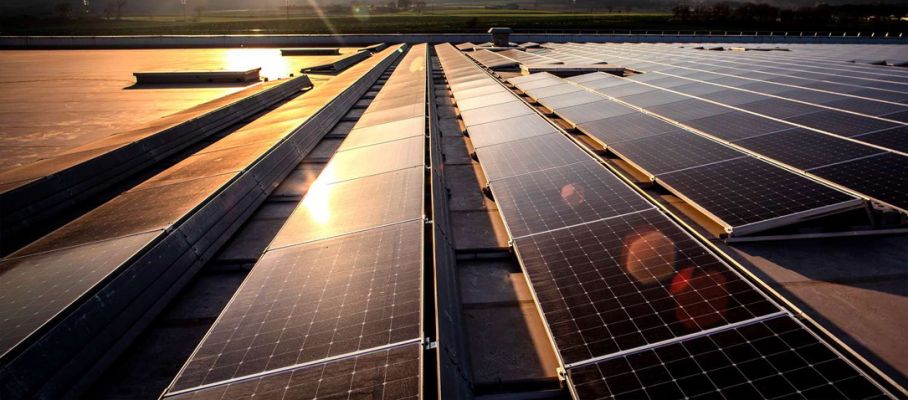
The Role of EPC Companies in Delivering Budget-Funded Power Projects

India’s power sector is witnessing a radical change as the government is backing the sectors through massive spending, setting renewable energy targets, and promoting large-scale infrastructure upgrades. Budget-funded power projects have become a vital tool for the government to ensure energy security, improve the quality of power, and facilitate the transition to green energy. At the heart of these projects are EPC solar companies, which play a decisive role in translating policy intent and public funding into operational power assets.

The Government of India has made a significant increase in allocations for renewable energy, grid modernisation, and electrification in recent Union Budgets. These investments focus not only on power generation but also on transmission infrastructure, substations, residential solar rooftops, and integrated renewable energy systems. Delivering such complex, time-bound, and publicly funded projects requires strong engineering capabilities, a deep understanding of regulatory frameworks, and world-class execution, hallmarks of leading Solar Rooftop EPC companies in India.

Hartek Group has been actively engaged in several budget-funded renewable energy projects across India. With strong expertise in engineering and power distribution, along with a thorough understanding of regulatory compliance, the organisation is helping transform the government’s vision into on-ground reality.

“Did You Know? India plans to invest over ₹9 lakh crore in power generation, transmission, and distribution infrastructure by 2030, with a major share allocated to renewable energy projects and grid modernisation. (Source: Ministry of Power, Government of India )”

Key Takeaways

  • Budget-funded power projects depend heavily on EPC solar companies which ensure faultless execution from design to commissioning.
  • Solar rooftop EPC companies in India play a critical role in decentralised renewable energy deployment for public infrastructure.
  • Strong EPC execution capability improves the reliability and efficiency of renewable energy projects as well as electric power distribution networks.
  • Compliance, transparency, and financial discipline  form the foundation of successful government-funded power projects.
  • Experienced EPC partners help transform public money into high-quality, future-ready energy infrastructure.

Understanding Budget-Funded Power Projects in India

Budget-funded power projects denote the projects carried out wholly or partially with the help of central or state government budgets. On occasion, the projects are also co-financed by international development partners. Such projects may be broadly categorised into the following areas:

  • Utility-scale solar power plants
  • Solar rooftop installations for public buildings
  • Power substations and transmission lines
  • Rural and urban electrification programmes
  • Grid strengthening and smart distribution networks

Compared to the private-sector projects, these projects have stricter schedules, transparent procurement processes, and more detailed compliance frameworks. EPC solar companies must deliver to the public’s expectation and ensure that their investments become reliable, long-term energy infrastructure.

Why EPC Companies Are Central to Budget-Funded Projects

The term EPC stands for Engineering, Procurement, and Construction. These types of projects are often associated with government tenders and publicly funded initiatives, as the EPC model provides a single point of accountability. Top-ranked EPC solar companies take complete responsibility for a project, from design to commissioning, ensuring accountability, cost control, and quality assurance.

End-to-End Engineering Expertise

Projects that are funded by the government require a very clear design that complies with local codes, safety regulations, and all sorts of standards. To ensure that their projects fulfill the requirements of both present and future power they carry out detailed studies, system design and load analysis.

Apart from this, the companies achieve this by means of implementations such as optimal plant layout, inverter selection, evacuation planning, and integration with existing electric power distribution networks.

Transparent and Compliant Procurement

The procurement process in such projects should strictly adhere to all government rules and regulations, the terms of the tender, and quality checkpoints. Solar rooftop EPC companies in India have the most experienced vendor pools that can comply with all the requirements of domestic content, technical specifications, and financial scrutiny.

Good procurement practices also help to keep projects on schedule and prevent cost overruns and deficits in quality, these are risks that society projects generally face when they are made. 
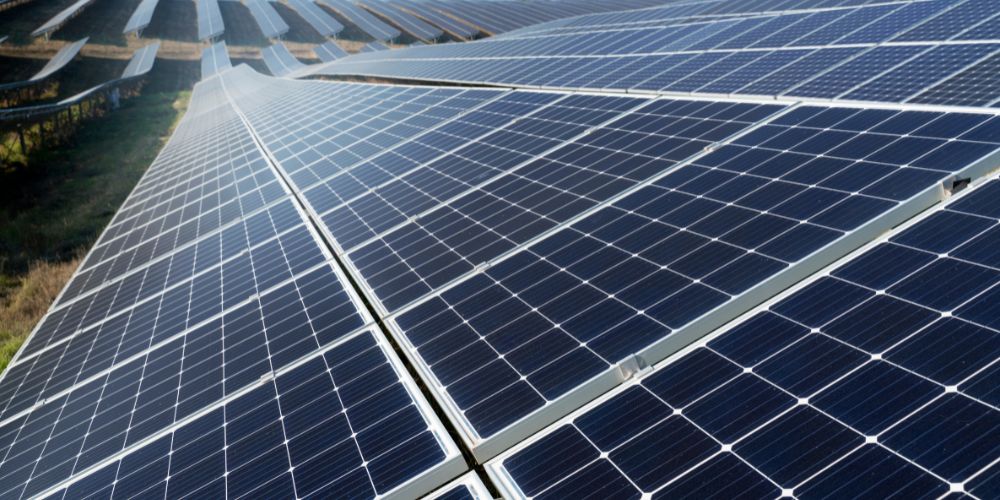
substation epc contractors in india

Precision Construction and Timely Execution

This is the area where the EPC companies really prove their skills; it is the work execution part. Government-funded renewable energy projects have fixed deadlines that are associated with policy targets or financial disbursements.

To help projects meet their deadlines, leading EPC solar companies use advanced project management techniques, have the right workforce, and practice safety-conscious methods of construction.

Strengthening Renewable Energy Projects Through EPC Execution

Increasingly, India’s renewable energy sector is becoming the major face of budget-funded power projects in the country, with the involvement of EPC companies being extremely crucial in the spread of clean energy.

Utility-Scale Renewable Energy Projects

Government-supported large solar power plant projects need EPC companies to have advanced execution capabilities such as being able to prepare the land, make the project ready for the network, and dealing with high-voltage infrastructure.

Solar Rooftop EPC for Public Infrastructure

Solar rooftop EPC companies are busy rendering support to the government through different programmes like rooftop solar for railways, airports, educational institutions, and healthcare facilities. Apart from making major savings in their energy bills these projects also contribute to the national sustainability goals.

Grid and Electric Power Distribution Upgrades

One of the major focuses of a budget-funded power project can be strengthening a power distribution network so that losses can be reduced and the overall reliability can be improved. EPC companies are the ones who will design and implement power substations, transmission lines, and smart grid solutions to increase the total system efficiency.

Regulatory and Financial Discipline in Public Projects

One of the biggest challenges in budget-funded projects is compliance with regulatory, financial, and audit requirements. EPC solar companies must ensure:

  • Adherence to CEA, MNRE, and DISCOM guidelines
  • Implementation of all safety and environmental regulations
  • Transparent reporting and proper documentation
  • Timely and efficient utilization of the funds allocated

Strong governance systems and public sector project experience are the key to handling all these complexities.

The Strategic Advantage of Experienced EPC Solar Companies

Leading EPC solar companies in budget-funded power projects stand out not only because of their technical competence but also because of their strategic awareness. These companies are aware of how renewable energy projects, electric power distribution, and policy frameworks relate to each other.

By adopting an integrated approach, the organisation stays aligned with government initiatives while delivering long-term value to utilities, industries, and communities. By combining engineering excellence with sustainability goals, Hartek Group plays a key role in facilitating India’s clean energy transition.
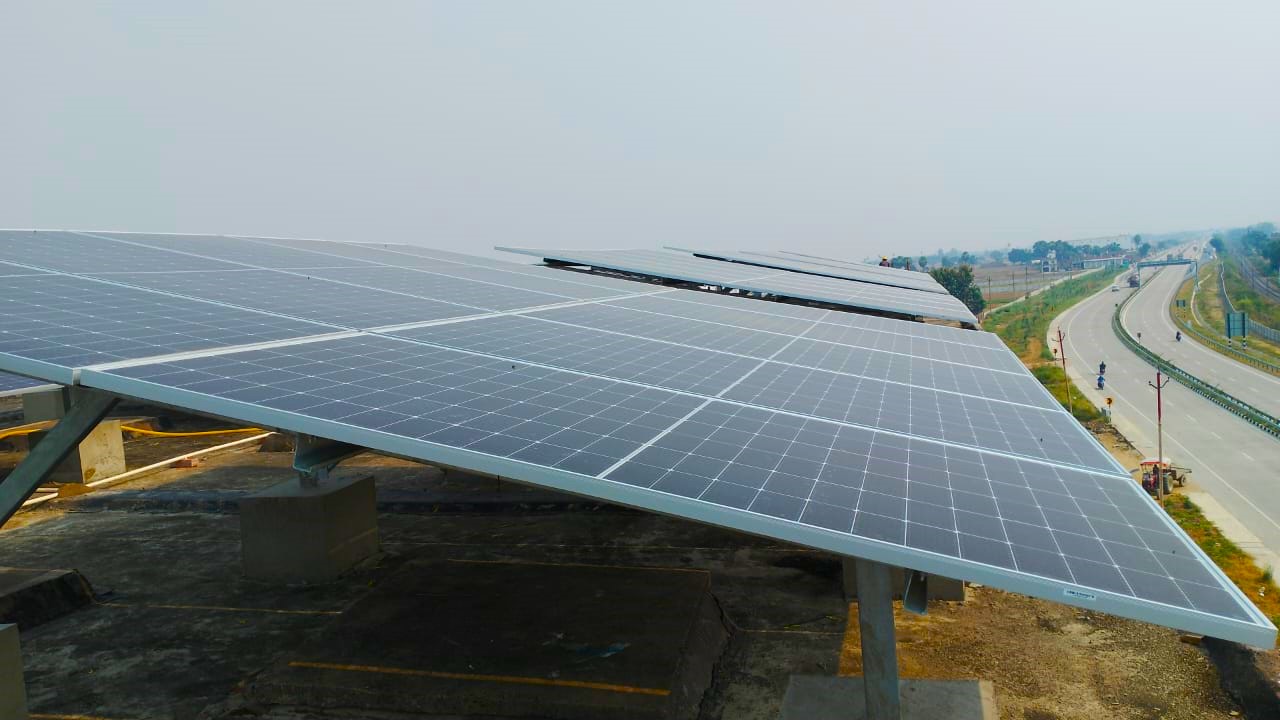
medium voltage switchboard

Shaping India’s Power Infrastructure Through EPC Excellence

Since India is in a hurry to meet its renewable energy and infrastructure targets, the role of capable EPC solar companies will become more and more important. Budget-funded power projects require more than just building, they call for engineering mastery, regulatory savvy, and a deep commitment to national development.

Hartek Group acknowledges its role in India’s energy narrative. Through top-notch execution, innovative solutions, and sustainability-oriented practices, the organisation is committed to delivering power projects that elevate industries, energise communities, and support a cleaner energy future.

Frequently Asked Questions (FAQs)

1. What is the role of EPC solar companies in budget-funded power projects?

EPC solar companies handle the engineering, procurement, and construction of government-funded power projects, ensuring they are completed on time, within budget, and in compliance with regulations.

2. Why are EPC companies important for renewable energy projects?

Renewable energy projects require precise design, grid integration, and regulatory compliance, all of which are efficiently handled by experienced EPC companies.

3. How do Solar rooftop EPC companies in India support government initiatives?

They run rooftop solar installations on government buildings which lead to energy cost reduction and help to decentralised clean power generation.

4. What kind of challenges do EPC companies face in budget-funded projects?

Common challenges include strict compliance requirements, tight timelines, coordination with multiple stakeholders, and financial accountability.

5. What effect does EPC execution have on electric power distribution?

Well-executed EPC projects improve grid stability, reduce losses, and enhance the overall efficiency of electric power distribution systems.
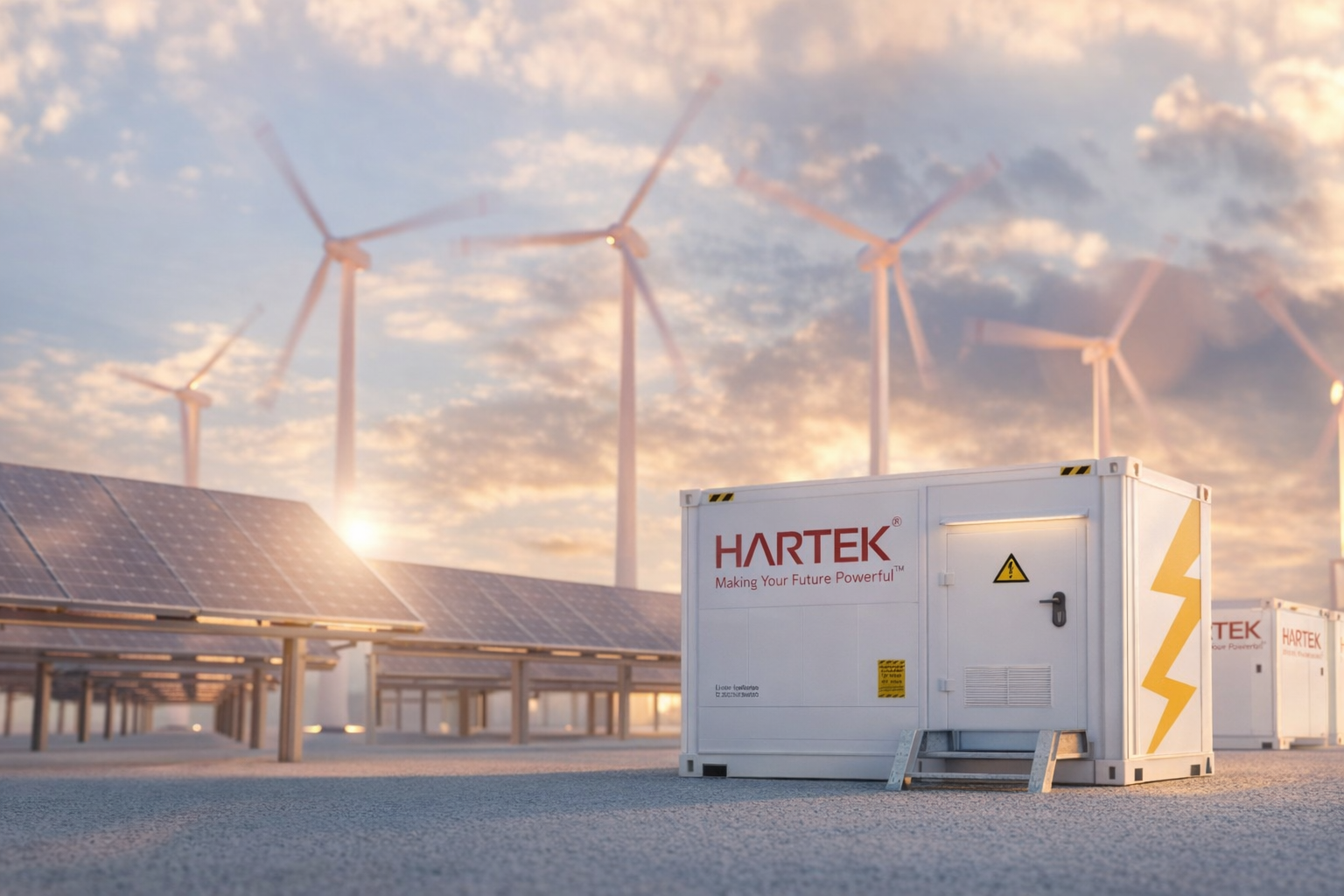
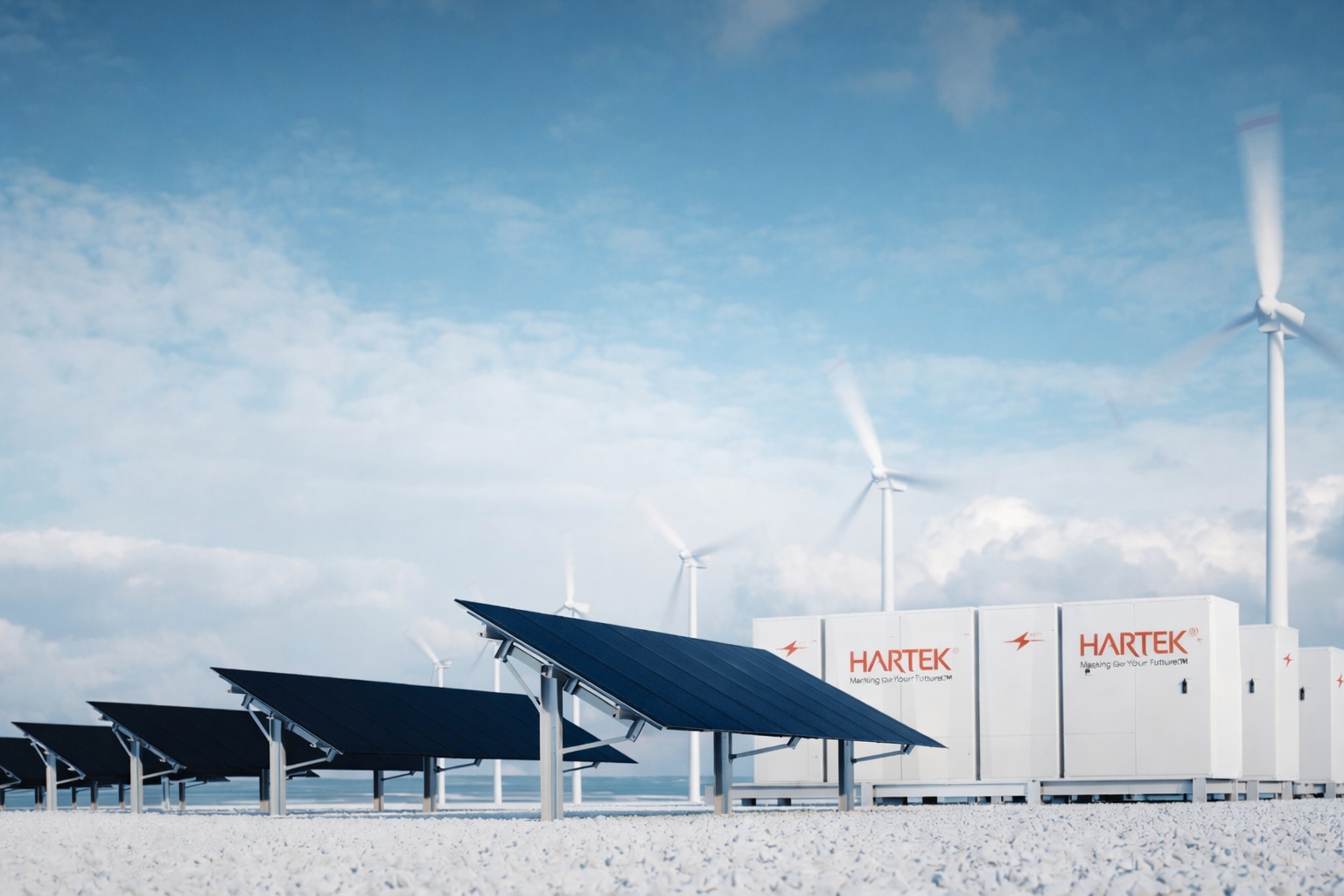
Budget​‍​‌‍​‍‌ 2026: Big Boost to Solar and Battery Storage in India

In the Union Budget 2026–27, Finance Minister Nirmala Sitharaman restated India’s commitment to a clean energy transition, placing solar power at the center. Aligned with the Viksit Bharat vision, the Budget continues to support clean energy as a key driver of economic and infrastructure growth, strengthening India’s evolving solar energy model. With higher capital spending and targeted incentives for domestic manufacturing, energy storage, and grid upgrades, the Budget lays the foundation for a stronger and more resilient renewable energy ecosystem, keeping solar and storage at the core of India’s long-term power strategy.

For developers, industries, utilities, and major EPC companies in India, such as Hartek Group, this Budget sends a clear message: solar power and energy storage will remain at the core of the country’s long-term growth and energy transition strategy.

“Did You Know? India is among the world’s fastest-growing solar markets, and studies suggest that integrating solar power with smart grid technologies can reduce transmission losses by up to 30%, significantly improving efficiency and grid reliability. (Source)”

Key Takeaways

  • Budget 2026 strongly reinforces India’s solar-led clean energy strategy.
  • Increased capital expenditures (capex) and renewable allocations enhance long-term investment confidence.
  • The solar energy model remains central to achieving 50% non-fossil capacity before 2030.
  • A ₹1,000 crore VGF for BESS will accelerate the adoption of 24/7 clean power.
  • ₹599.99 crore allocation for Green Energy Corridors will strengthen renewable power evacuation and grid integration.
  • ₹20,000 crore commitment over five years for CCUS highlights India’s broader, multi-sector decarbonisation strategy.
  • Support for domestic manufacturing strengthens India’s renewable supply chain.
  • Experienced EPC companies are critical for reliable, grid-ready solar deployment.

Union Budget 2026–27: Reinforcing India’s Clean Energy Direction

The Union Budget 2026–27 signals the government’s continued push toward a clean energy–led growth path, with a strong emphasis on solar power. One of the key highlights is the increase in overall capital expenditure to ₹12.21 lakh crore, a move that strengthens long-term investment confidence across infrastructure, power, and renewable energy sectors.

Renewable energy received higher allocations under several schemes, with a primary focus on accelerating deployment and strengthening domestic manufacturing. This two-pronged strategy ensures that India not only adds new solar capacity but also builds a robust local supply chain to support long-term growth.

In addition, the Budget allocated ₹599.99 crore for Green Energy Corridors, a critical enabler for renewable power evacuation. These corridors will ease grid congestion and ensure efficient integration of solar energy into India’s power system.

One of the flagship programmes, the PM Surya Ghar Muft Bijli Yojana, received a funding boost of nearly 29%, reflecting the government’s strong intent to promote rooftop solar adoption across households. This initiative is expected to bring solar power to millions of homes, reducing electricity bills while also lowering dependence on conventional power sources.

Solar Energy Model: The Backbone of India’s Non-Fossil Ambition

The solar energy model will be a key driver in achieving India’s renewable energy ambitions. Being scalable, cost-effective, and rapidly deployable, solar power will contribute significantly to India’s target of reaching 50% non-fossil fuel electricity capacity well before 2030.

The solar sector has come a long way over the past decade, from being an alternative energy source to becoming a primary power solution. With a mix of utility-scale solar parks, industrial captive plants, and rooftop installations, the entire ecosystem of power generation and consumption is undergoing a fundamental transformation.

However, scaling alone will not address all challenges. The future of solar energy will depend heavily on effective grid integration, robust energy storage solutions, and high-quality project execution. At this stage, experienced solar EPC contractors and power infrastructure experts are essential to delivering reliable and long-lasting projects. Solar installation company in India

Strengthening Domestic Manufacturing Through Policy Support

Budget 2026 introduced targeted fiscal measures aimed at improving cost competitiveness and encouraging indigenous manufacturing across the renewable value chain.

A key highlight is the basic customs duty (BCD) exemption on capital goods used for manufacturing Lithium-Ion cells for Battery Energy Storage Systems (BESS). This step is expected to significantly boost India’s energy storage ecosystem by reducing project costs and encouraging large-scale domestic production.

Furthermore, a customs duty exemption was announced on sodium antimonate, a crucial raw material in solar glass manufacturing. Domestic solar module manufacturers stand to benefit from this move through lower input costs and it will also help India become more self-reliant in solar components production.

Reflecting on these developments, Hartek Singh, CMD, Hartek Group, stated:

“We welcome the government’s support for new energy – the basic customs duty (BCD) exemption on capital goods used for manufacturing Lithium-Ion Cells for Battery Energy Storage Systems, which will strengthen India’s energy storage ecosystem. The exemption of customs duty on sodium antimonate for solar glass manufacturing is a timely step that will support domestic solar manufacturing, lower costs, and reinforce India’s clean energy transition.”

Battery Energy Storage Systems (BESS): Enabling 24/7 Clean Power

The Budget 2026–27 announcement that is most likely to have the biggest impact is the sharp rise in Viability Gap Funding (VGF) for Battery Energy Storage Systems to ₹1,000 crore, representing a nine-fold jump.

Battery storage is no longer optional, it is essential for the next phase of renewable growth. Solar energy generation, being intermittent, needs battery storage solutions to be able to utilize the excess energy generated during the day for periods when there is no sunlight.

This major storage investment will:

  • Improve grid stability and reliability
  • Support large-scale solar and hybrid projects
  • Enable round-the-clock clean energy for industries and utilities
  • Reduce dependence on fossil-fuel-based peaking power

For every big solar energy project in India, correlating the battery will become a strategic decision rather than a matter of choice.

India’s Solar Expansion and the Role of Top EPC Companies in India

With the rapid increase in solar capacity, the quality of execution turns into a defining feature separating average from high performers. This is where the top EPC companies in India play a critical role.

A solar energy project in India today involves more than installing panels. It requires:

  • Advanced tools for engineering systems and designs
  • Grid integration and evacuation planning
  • Compliance with evolving regulatory frameworks
  • Long-term performance optimisation

Top-tier EPC contractors ensure that the projects are on schedule, they are connected to the grid without issues, and over the 25+ year life cycle the performance will still be efficient.

Alongside renewables and storage, the Union Budget 2026–27 also commits ₹20,000 crore over the next five years for Carbon Capture, Utilisation and Storage (CCUS). This investment underlines the government’s intent to address emissions from hard-to-abate sectors such as cement, steel, refining, and thermal power.

Smart Grids and Renewable Energy Systems: The Missing Link

To increase the share of renewables, India’s traditional power grids will need to transform into smart, adaptable, and resilient networks. When integrated with smart grids, renewable energy systems offer advantages such as real-time monitoring, demand balancing, and faster fault resolution.

Smart grids help address the challenge of solar variability, enabling the grid to absorb larger volumes of clean power without compromising overall reliability.

Hartek’s Role in India’s Clean Energy Transition

The Group operates at the intersection of solar EPC execution and advanced power infrastructure. With deep expertise in solar projects, substations, and smart grid solutions, it delivers seamless, future-ready renewable energy systems.

By bridging solar generation with robust grid integration and storage readiness, the company serves as a trusted partner for industries, utilities, and developers seeking alignment with India’s clean energy goals while ensuring long-term operational reliability.

Electric power distribution

Turning Budget Vision into High-ROI Reality

India’s clean energy future is no longer a distant vision; it is being actively built today. With the solar energy model at the core, battery storage acting as a critical enabler, and strong policy backing from Budget 2026, the momentum toward a sustainable power ecosystem is accelerating.

However, capitalizing on these new incentives requires navigating complex grid integration challenges and ensuring seamless execution. Backed by deep expertise in Solar EPC in India, power systems, and smart grids, Hartek Group ensures your infrastructure is not just compliant, but profitable. We help developers and industries maximize their Commercial Solar ROI by turning policy intent into reliable, on-ground impact.

Frequently Asked Questions (FAQs)

1. What is the significance of Budget 2026 for the solar energy sector?

The Budget 2026 apart from increasing funding also supports domestic manufacturing and strengthens energy storage, thereby establishing an excellent growth environment for solar energy projects in India.

2. In what ways is battery storage beneficial to solar power? 

Battery Energy Storage Systems conserve surplus solar energy and release it during non-sunlight hours, thus ensuring grid stability and providing clean electricity all day long.

3. How do top EPC companies in India contribute to renewable growth?

By ensuring proper project design, efficient execution, seamless grid integration and long-term asset performance, they lay the foundation for a successful and large-scale renewable deployment.

4. How do Renewable Energy systems gain from smart grids? 

Smart grids enable better monitoring, demand balancing, and fault management, allowing higher renewable penetration without affecting reliability.

5. How does Hartek help India to make a transition to clean energy?

Hartek delivers integrated solar EPC, power infrastructure, and smart grid solutions that support scalable, reliable, and future-ready renewable energy systems.

What Factors Contributed to lndia’s 14.2% Increase in Renewable Energy and 30% Surge in Solar Power?

India’s renewable energy sector is on track for growth, a steep trajectory, one can say. How? With a 14.2% increase in installed capacity of renewable energy in India and a significant 30% rise in solar power in the last year. 

All these have been because of various factors such as government initiatives, technological advancements, private sector investments, and improvements in infrastructure. These driving forces are not only assisting India in getting closer to its renewable energy targets but also placing the country in a position of being a global leader in clean energy. 

Let’s explore the exact key factors that had a huge part in India’s renewable energy success! 

Government Support: A Driving Force Behind Renewable Energy Growth 

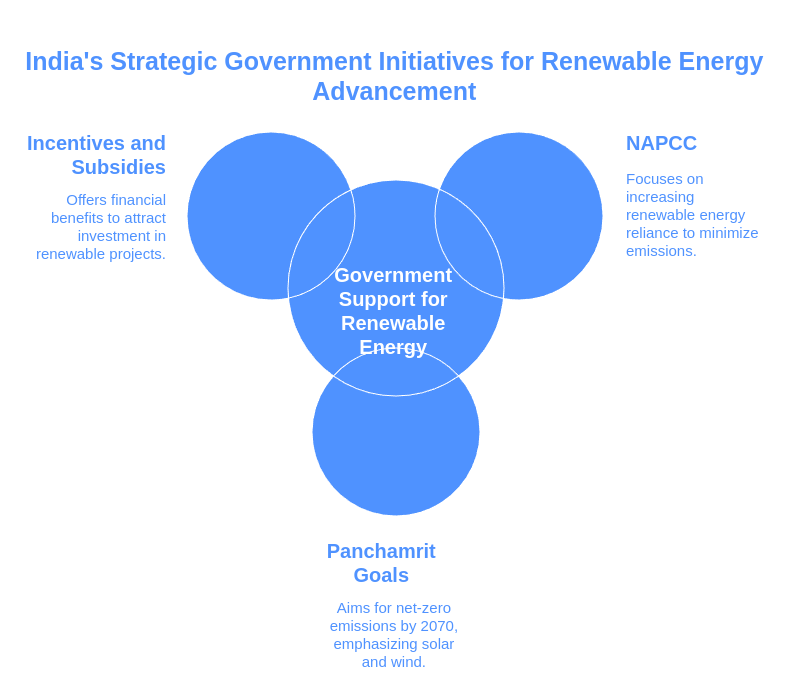
The Indian government has played a pivotal role in pushing the renewable energy agenda forward. With ambitious renewable energy targets and strategic policies, India is making great strides toward achieving its clean energy goals. 

  • National Action Plan on Climate Change (NAPCC): This plan focuses more on increasing India’s reliance on renewable energy to minimize carbon emissions and enhance sustainability. 
  • Panchamrit Goals: The government’s commitment toward reaching net-zero emissions by 2070. Its primary emphasis will be on solar and wind energy. 
  • Attractive incentives and subsidies: India has lucrative incentives, subsidies, and attractive tariff schemes for domestic and international investors who invest in solar and wind power projects. 

Government Support for Solar Power Surge

      Key policies include: 

      • Production-Linked Incentive (PLI) Scheme for solar equipment manufacturing. 
      • Renewable Purchase Obligations (RPO) requiring states and utilities to source a portion of energy from renewables. 
      • Special focus on solar power installations to boost clean energy capacity. 

          Technological Advancements: Fueling Solar and Wind Energy Expansion 

          India’s reliance on fossil fuels has decreased. Additionally, its solar power capacity has increased thanks to technological advancements. Solar energy has gained popularity in recent years due to its increased affordability and efficiency. 

          • Falling Solar Costs: The cost per watt of solar energy has dropped significantly, making it more affordable for both consumers and businesses. 
          • Improved Solar Panel Efficiency: New technologies have made solar panels more efficient, enabling better energy generation even under less-than-ideal weather conditions. 
          • Energy Storage Solutions: The development of battery storage technologies has allowed solar power to be stored and used during non-sunny hours, ensuring a more reliable energy supply. 

              Private Sector Investment: Powering the Renewable Energy Boom 

              Private sector investment has played a crucial role in India’s success in renewable energy. Several Indian and international companies are now investing in solar and wind energy projects that are resulting in an increasing the installed capacity of renewable energy in India. 

              • Key players in the market: Leading firms such as Hartek, Adani Green Energy, Tata Power, and ReNew Power have invested heavily in renewable energy projects across India. 
              • International Investments: Foreign companies are also contributing to India’s renewable energy boom, providing both capital and expertise. 
              • Green Bonds: These financial instruments are being used to raise funds for sustainable projects, including solar and wind energy installations. 

                  Infrastructure Development: Connecting Renewable Energy to the Grid 

                  Strong infrastructure is essential for harnessing renewable energy efficiently. For solar and wind energy to be successfully integrated into the grid, significant investment in transmission and distribution infrastructure is required. 

                  • Smart Grids: These ensure improved reliability of electricity supply and accommodate decentralized renewable sources. 
                  • Battery Storage Systems: These store the surplus daytime solar production during the day and supply to the system at low sun generation hours or at high demand times. 
                  • Grid Modernization: This facilitates integrating more seamlessly renewable sources onto the grid with upgraded power grids, minimizing energy loss while also raising power supply delivery efficiencies. 

                      Environmental and Economic Factors: Driving the Transition to Clean Energy 

                      India’s transition to renewable energy is driven not only by environmental concerns but also by economic factors. The growing demand for clean energy is partly a response to global climate change initiatives and India’s desire to reduce its carbon footprint. 

                      • Climate Change Mitigation: India’s commitment to the Paris Agreement drives its focus on increasing renewable energy sources. 
                      • Energy Security: Reducing dependence on imported fossil fuels is critical for India’s energy independence and long-term economic stability. 
                      • Job Creation: The renewable energy sector is rapidly expanding, creating thousands of jobs in the manufacturing, installation, and maintenance of solar and wind energy systems. 

                          Hartek’s Role in India’s Renewable Energy Growth 

                          As the renewable and solar energy uses in India continues to expand, companies like Hartek are playing a crucial role in enabling the country’s green energy transition. Hartek, a leading provider of end-to-end electrical engineering solutions, is actively contributing to the renewable energy sector through: 

                          • Comprehensive EPC Services: Hartek offers Engineering, Procurement, and Construction (EPC) services for both solar and wind energy projects, ensuring efficient and timely installation. 
                          • Solar Power Plant Solutions: Hartek has been involved in the construction of large-scale solar power plants, such as the INR 474 Crore solar energy project in Rajasthan, helping increase India’s solar power capacity. 
                          • Grid Integration: By providing advanced grid management solutions, Hartek is contributing to the seamless integration of renewable energy sources into India’s power grid. 
                          • Innovative Technological Solutions: Hartek leverages cutting-edge technologies to ensure that renewable energy projects are executed with high efficiency and minimal environmental impact. 

                                Hartek’s expertise and commitment to the renewable energy sector are helping India meet its renewable energy targets and achieve a greener future. 

                                Conclusion: A Green Future for India’s Energy Sector 

                                The 14.2% increase in India’s renewable energy installed capacity and 30% surge in solar power are not just numbers—they represent the country’s growing commitment to clean, sustainable energy. 

                                Companies like Hartek are integral to this transformation. With their expertise in EPC services, solar power plant solutions, and grid integration, Hartek is helping India move closer to its renewable energy targets. By continuing to innovate and support the renewable energy sector, Hartek is contributing to the country’s journey towards a cleaner, greener future. 

                                Given the renewable energy potential in India, the nation is primed to expand its green energy capacity even further. India’s renewable energy journey has just begun, and with sustained effort, the nation is poised to lead the global transition to a sustainable energy future. 

                                Frequently Asked Questions

                                1. What is driving the growth of solar power in India?
                                  Government policies, private investments, and technological advancements have fueled a 30% rise in India’s solar power capacity in the past year.

                                2. How is the Indian government supporting solar power expansion?
                                  India offers incentives, subsidies, and policies like the PLI scheme and Renewable Purchase Obligations (RPO) to boost solar power adoption.

                                3. What role does Hartek play in India’s solar energy sector?
                                  Hartek provides EPC services, grid integration, and solar power plant solutions, contributing to India’s increasing solar energy capacity.

                                4. How does solar power contribute to India’s energy security?
                                  By reducing dependence on fossil fuels and imports, solar power strengthens India’s energy independence and long-term sustainability.

                                5. What are the economic benefits of investing in solar power?
                                  Solar energy investments create jobs, lower electricity costs, and support local industries, driving India’s transition to a green economy.

                                Advantages of Rooftop Solar Installation

                                The emergence of renewable energy due to the increased concern of climate change and the burden to achieve sustainable development goals pushes India to be one of the leading nations that have adopted pollution-free energy production to decrease its carbon footprints. One of the crucial sources of maximum renewable energy generation is solar energy.

                                Moreover, India, being a tropical nation, receives surplus sunlight that can be the source to generate electricity. This electricity will not only benefit economic growth but also decrease the carbon footprint. The source of clean energy has many other advantages, described below.  

                                Advantages of Rooftop Solar Panel installation

                                The main benefit of installing a rooftop solar panel is its cost-effectiveness. The tariff rates are much cheaper than conventional electricity. Rooftop solar installations are becoming increasingly affordable in many residential areas of India, reaching grid parity. Building owners can benefit from these installations by significantly reducing their electricity bills. With rooftop panels supplying electricity to buildings, the need to rely on grid power is reduced, leading to substantial savings on energy costs. It’s an excellent way to promote sustainability while enjoying renewable energy’s financial advantages.

                                •  Safe and secure investment– Due to the fluctuation in electricity prices from time to time, it is challenging to calculate the expenditure on electricity for the selected period. However, this is different from the case of solar rooftops. The prices are almost stable and can be calculated easily. This feature makes it a secure investment.
                                •  Increased access to energy– After the “SAUBHAGYA” scheme by the government of India, many rural households got electricity connections, but some areas were without electricity. To avail of this universal electrification, easy access to electricity is provided. This will provide a reliable energy source and prevent the harmful effects caused by using diesel generators while delivering electricity. Solar rooftops are Eco-friendly, and their operational cost is also stable.
                                •  Assistance from the Government- The government of India provides subsidies to the people for installing solar rooftop panels. Moreover, the government offers tax credits for residential and commercial installations. According to MNRE, around 30% of the installation cost is provided to the installer as a subsidy to promote solar energy.
                                •  Reduces the carbon footprint– The generation of solar energy is through direct sunlight, thus posing less chance of pollution in comparison to the conventional source of energy. Unlike the generators, they don’t produce noise pollution, and there is no emission of harmful gases, reducing the carbon footprint.
                                •  Green energy– Adopting eco-friendly items is in trend these days. All consumers, whether residential or commercial, are willing to contribute towards preserving the environment and adopting environment-friendly investments.
                                •  Low maintenance cost– The main feature that accentuates the vitality of the solar rooftops is their low maintenance cost. If installed by an eminent company, it has a service life of over 30 years.
                                •  Ideal for the Indian climate– Solar panels harness energy directly from the sun, and India is situated at a tropical location, receiving ample sunlight. Hence, this point makes India a suitable player for solar energy generation.
                                • Applications of solar power– Apart from electricity generation, solar power has various other purposes too. It can be used to run electric generators and heat water.
                                •  No issue for extra space– One of the most significant advantages of solar rooftop installation is that there is no need for additional space. It can be installed on any type of roof. There is no need to buy extra land for its installation. Further, these rooftops protect the roofs of the commercial and residential areas.

                                 Conclusion 

                                Rooftop solar systems offer more than just electricity generation. They can also heat water and provide warm air for buildings and institutions. In India, where sunlight is abundant throughout the day due to its tropical climate, rooftop solar installation has become a convenient and reliable renewable energy source. While the initial installation cost may raise concerns, various options are now available to the public to help reduce this burden.

                                To unlock the incredible benefits of solar energy, selecting the right solar energy company is crucial. Choose a technologically advanced and professionally managed Solar Company that provides turnkey and capital expenditure-free energy solutions. They should cater to many customers, including homeowners, business owners, government institutes, and commercial establishments. Hartek Group has successfully deployed numerous rooftop solar plants across India and has gained a reputation for using top-notch equipment, delivering flawless installations, and providing exceptional after-sales services. 

                                Frequently Asked Questions

                                1. Why is rooftop solar a good investment?
                                Rooftop solar is a cost-effective, stable investment that reduces electricity bills, offers government subsidies, and has low maintenance costs with a lifespan of 30+ years.

                                2. How does rooftop solar reduce carbon footprints?
                                Solar panels generate electricity directly from sunlight, producing no harmful emissions or noise pollution, making them an eco-friendly alternative to conventional energy.

                                3. What government subsidies are available for rooftop solar in India?
                                The Indian government provides subsidies of up to 30% for solar panel installation through MNRE, along with tax credits for residential and commercial setups.

                                4. Can rooftop solar panels be installed on any type of building?
                                Yes, rooftop solar panels can be installed on residential, commercial, and industrial buildings without requiring additional land, making them space-efficient.

                                5. What are the additional benefits of rooftop solar apart from electricity?
                                Beyond electricity generation, rooftop solar can be used for water heating, running electric generators, and providing warm air for buildings and institutions.