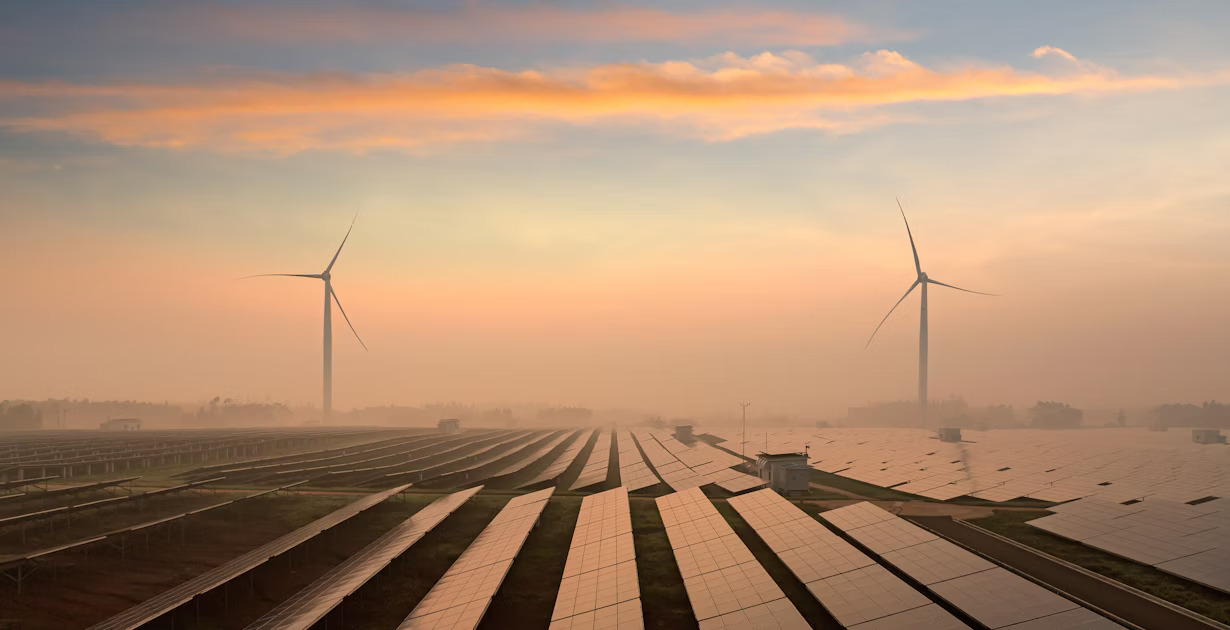
The Rise of Smart Renewable Energy Systems in India’s Power Transition

India’s energy sector is changing in a big way, mainly because of the need to reduce carbon emissions and improve energy security. The demand for electricity is steadily rising, and the penetration of solar and wind power is becoming a reality across many states, reflecting the broader renewable energy trends 2025 shaping the nation’s power landscape. 

This momentum is evident from a series of ambitious national plans, including the 500 GW renewable energy capacity target, which clearly signals a shift toward smart renewable energy systems. India is now moving toward advanced smart energy systems powered by digitalisation, automation, data intelligence, and modern grid technologies, all of which are shaping a more resilient, efficient, and flexible energy framework for the country.

The spreading of renewable energy projects has been quite the trend in the different states, so attention now is more on the efficient usage and intelligent management of the generated energy. Smart systems are the ones that fill the gap between unstable sources of energy and the request for a continuous and reliable supply of energy. Hartek Group, being a major player in India’s renewable and grid infrastructure sector, is still entering the picture to warm up this transition by delivering intelligent, future-ready renewable energy solutions that raise the level of reliability, efficiency, and grid stability.

India’s Renewables Boom: Why Smart Systems Are Becoming Essential

Throughout the past 10 years, India has positioned itself as one of the leaders worldwide in the adoption of renewable energy solutions. The growth of solar parks, wind farms, hybrid projects, and green hydrogen facilities is very rapid. Nevertheless, large-scale deployment brings about issues such as fluctuating power generation, grid overcrowding, forecasting uncertainties, and the requirement of advanced protection systems.

To overcome these complexities, developers, utilities, and EPC companies are now embracing smart Renewable Energy SCADA, automation tools, and AI-driven technologies that enable:

  • Higher efficiency and improved energy output
  • Better grid stability and synchronisation
  • Real-time monitoring and automated controls
  • Faster response during faults or fluctuations
  • Reduced operational costs and human dependency

Basically, smart systems are converting renewable power plants into intelligent energy ecosystems that can dynamically interact with the rest of the system.

Key Components Driving the Shift Towards Smart Renewable Energy Systems

1. Intelligent Monitoring & SCADA Integration

Digital SCADA (Supervisory Control and Data Acquisition) systems have become the nerve centers for the control of modern renewable energy projects. These platforms provide:

  • On-the-spot monitoring of generation and performance
  • Automated alerts in case of faults or errors
  • Remote operations and control
  • Decisions based on data

Whether it is a solar plant, wind farm, or hybrid installation, SCADA ensures seamless operations by giving operators full visibility of plant behaviour.

2. Smart Inverters and Digital Switchgear

The once conventionally used inverters and switchgear are being overhauled by the newer intelligent variations which can offer advanced functions such as:

  • Grid-support capabilities
  • Voltage and frequency regulation
  • Fault ride-through features
  • Automated fault isolation

These innovations improve plant performance and ensure smoother integration with national grids, especially as Smart Grid Solutions India gains prominence.

3. Energy Storage and Hybrid Controls

Battery Energy Storage Systems (BESS) are gradually becoming the most indispensable component in the green transition of India. The role of smart controllers in this is to help the storage be in sync with the solar and wind generation, thus making it possible to:

  • Peak load shifting
  • Emission of pure power in uncertain periods
  • Provision of electricity during power cuts
  • Energy dispatch being planned more efficiently

As hybrid solar-wind-storage systems grow, Energy Storage Systems (BESS) will play an increasingly critical role in grid reliability and renewable integration.

4. Predictive Analytics and AI-Based Forecasting

Intelligent renewable energy systems employ technologies such as artificial intelligence, IoT sensors, and machine learning, to achieve the following:

  • Predicting the efficiency of a power plant
  • Estimating solar irradiation and wind speeds
  • Creating a schedule for maintenance to reduce downtime
  • Setting the highest output possible according to the needs of the grid

Therefore, this leads to a more stable power supply with far fewer operational losses.
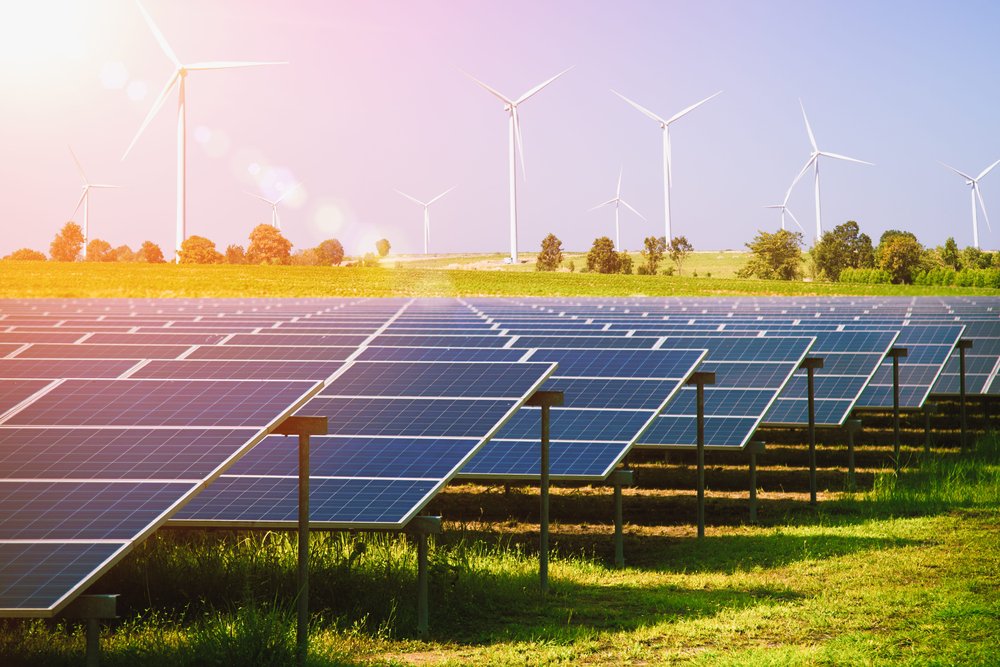
renewable energy projects

Smart Renewable Energy Systems and India’s Grid Modernisation

As India’s renewable energy portfolio expands at a breakneck pace, grid synchronization management has simultaneously become a more intricate issue. The grid, therefore, has to be endowed with a higher degree of flexibility and intelligence as a result of the unpredictable nature of solar and wind generation.

Smart Renewable Energy systems improve the power grid through the following measures:

1. Enhancing Grid Resilience

Mechanised relay panels, smart substations, as well as digital guard systems, are the main things, which among other functions that they perform, also bring about prompt location of faults in the electric grid, their fast isolation, and subsequent restoration.

2. Supporting Renewable Energy Scheduling

Advanced forecasting and scheduling tools help utilities maintain grid discipline and avoid penalties, while aligning with emerging Renewable energy trends 2025.

3. Facilitating Distributed Energy Resources (DER)

Things like small-scale (or residential) solar photovoltaic systems, battery-powered vehicles, and self-sufficient solar setups are the ones, which through the means of the advanced grid technology can be very effectively managed.

4. Strengthening Renewable Grid Integration

Smart transformers, digital CRPs, and automation tools help manage variable power flows without compromising stability. These technologies also complement modern Power Distribution Solutions adopted across India.

Role of Solar Installation Companies in India in Advancing Smart Systems

A modern Solar installation company in India no longer limits itself to deploying panels and inverters. Today’s leading players manage:

  • Smart SCADA-enabled solar plants
  • Advanced grid-synchronisation
  • Digital substation design
  • Energy storage integration
  • Real-time plant performance optimisation

As more and more people demand long-term and trustworthy solutions, companies that are strong in engineering and have good digital skills are the ones that will have the most competitive advantage.

Smart Renewable Energy Systems: The Future of India’s Energy Security

The success of the Indian initiative toward energy self-reliance by 2047 largely depends on how well the solar, wind, and hybrid projects are managed. Smart Renewable Energy solutions will keep on being the agents of change to this end by:

  • Allowing the green energy share to reach extremely high levels.
  • Helping to keep the plants in good working order and increasing uptime.
  • Reducing the risks involved in daily activities.
  • Giving the assurance of cost savings over a long period.
  • Contributing to the future-readiness of energy infrastructure.

India’s transition to a cleaner energy future is closely linked to the country’s adoption of smart technologies, from advanced substations to AI-enabled forecasting.
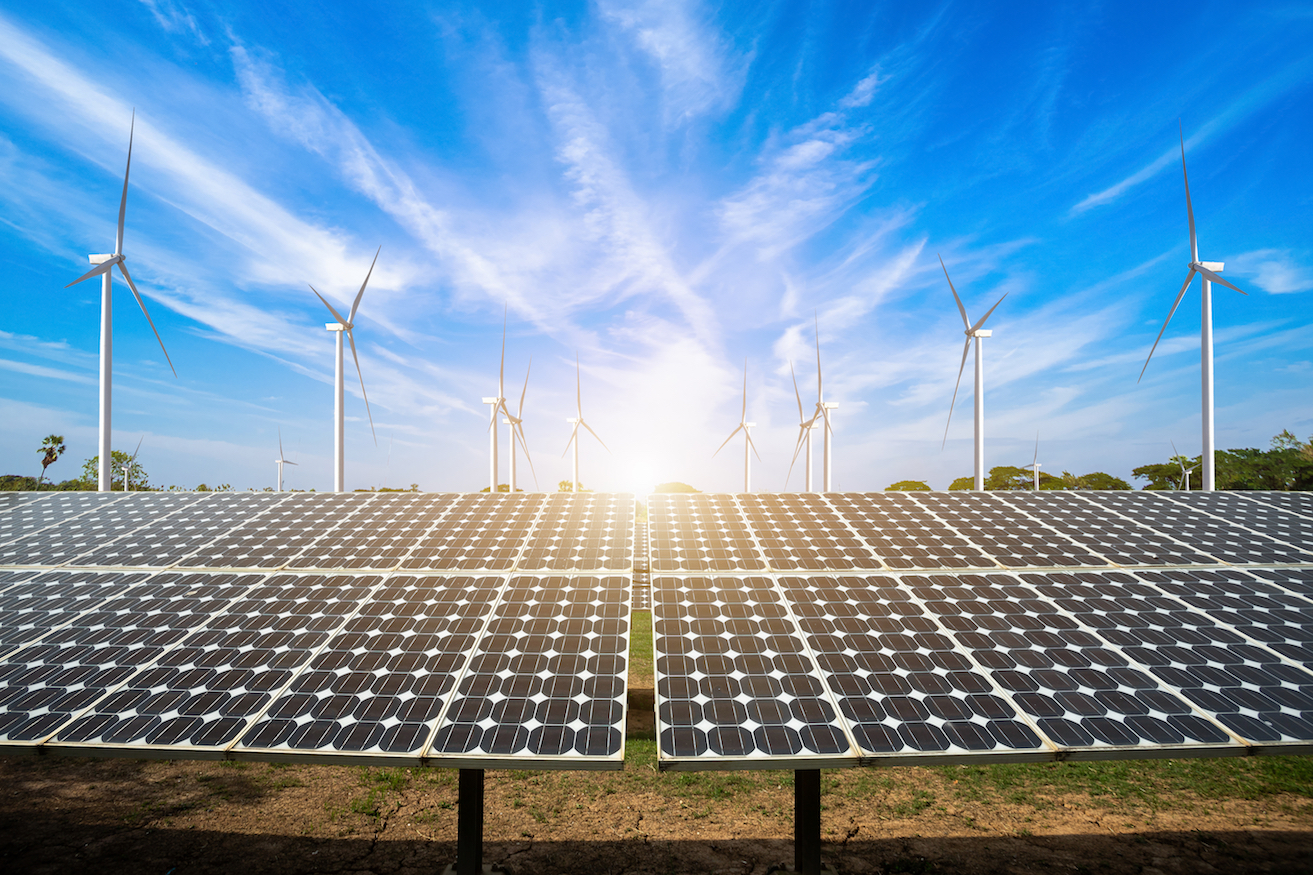
Solar installation company in India

Conclusion

The rise of smart renewable energy systems is a turning point for India’s power industry. India is shifting its focus from merely establishing renewable energy projects to creating smarter, interconnected, digitally-advanced systems that make power delivery stable, reliable, and efficient. India is on the right track to building a strong and intelligent energy ecosystem with the help of robust policy initiatives, technological innovations, and the advent of capable EPC and solar engineering companies.

As demand grows for automation, grid stability, and intelligent control, the future belongs to smart renewable solutions that combine sustainability with technological excellence. By driving this shift with cutting-edge capabilities and domain expertise, Hartek Group continues to support India’s renewable transition and contribute to a cleaner, smarter, and more resilient power future.

Frequently Asked Questions (FAQ)

1. What are smart renewable energy systems?

These are the advanced energy solutions that integrate renewables with digital monitoring, automation, smart controls, and data analytics to enhance efficiency and reliability.

2. Why are smart systems necessary for solar and wind projects?

They help manage power fluctuations, optimise generation, reduce downtime, and improve grid synchronisation, making renewable energy more dependable.

3. How does SCADA enhance the efficiency of renewable plants?

SCADA is offering real-time tracking, automated alerts, remote control, and data-driven decision-making, which is leading to enhanced operational efficiency.

4. Are energy storage systems indispensable to renewable sources?

Certainly, as storage units remove the barrier of intermittency, allow the peak-load management, and guarantee the continued supply of electricity during the low-generation periods.

5. How are Solar installation companies in India implementing smart technologies?

Modern solar companies now deploy intelligent monitoring, hybrid controls, automation-enabled substations, and grid-synchronisation solutions to make projects more efficient and future-ready.
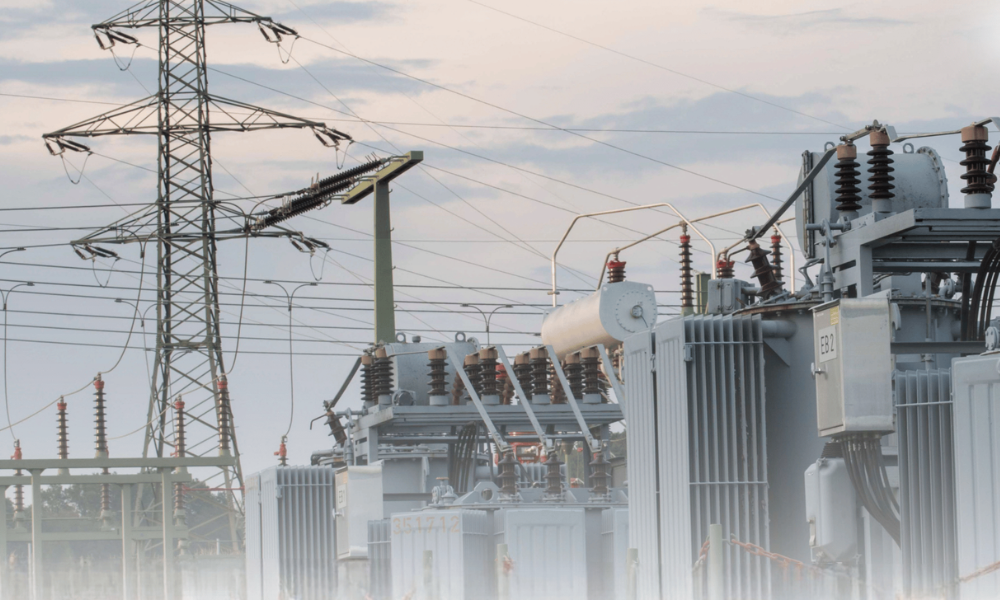
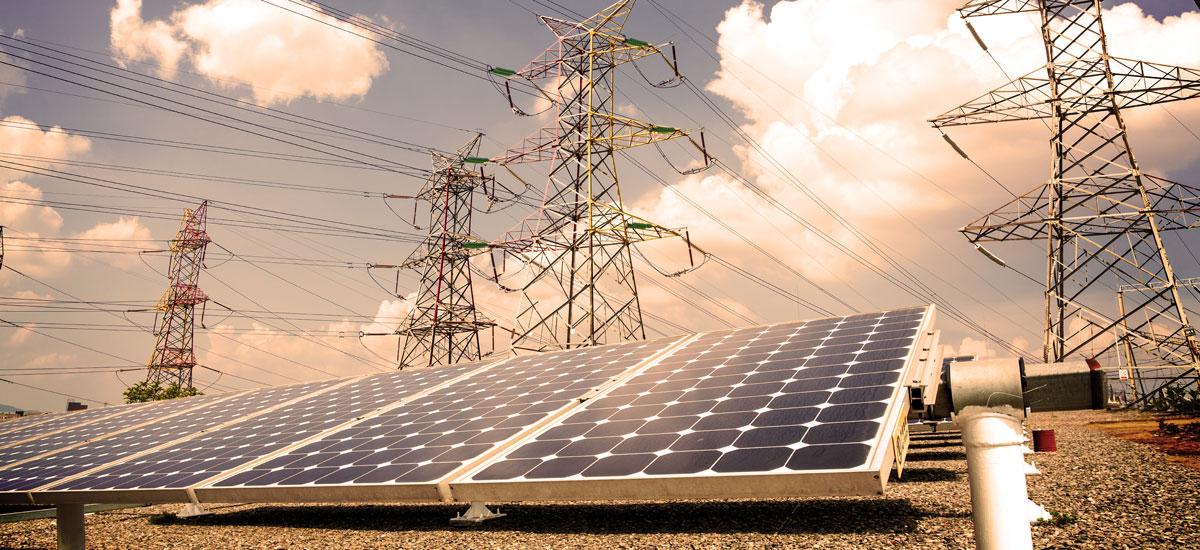
Integrating 175 GW Renewable Energy into India’s Electric Grid

India is on a mission to transform its energy sector. It aims to install 175 gigawatts (GW) of renewable energy (RE) capacity by 2022, including 100 GW of solar and 60 GW of wind. This move is part of India’s commitment to reduce greenhouse gas emissions and improve energy security.

To shed light on this complex landscape, a comprehensive study titled “Greening the Grid: Pathways to Integrate 175 Gigawatts of Renewable Energy into India’s Electric Grid” was conducted. It was led by the National Renewable Energy Laboratory (NREL) and other partners. 

renewable energy projects

This study utilised advanced weather and power system modelling to explore operational impacts. The researchers ran different scenarios and crunched lots of data. They got some valuable insights into how the grid would handle all this new energy.

One cool thing they found was that India’s grid is more flexible than we thought. Even though renewable energy can be unpredictable, the grid can handle it pretty well with the right strategies. This means we might only need to spend a little money on new technology or upgrades to make it work.

Although, different states in India must work together and share resources. By teaming up, we can make the most of the renewable energy available all over the country. This not only helps us use energy better but also makes the grid stronger and more resilient.

However, integrating this much renewable energy into the electric grid can take time and effort. It comes with challenges, like handling the ups and downs in energy production. This makes sure the grid stays stable and reliable. 

Challenges and Opportunities

Adding a lot of renewable energy to the grid brings up some tricky problems. Renewable energy sources, like solar and wind, depend on the weather, which can be unpredictable. This means the amount of energy they produce can change. To deal with this, we need the grid to be flexible and able to balance supply and demand quickly.

To tackle these challenges, experts did an extensive study called “Greening the Grid: Pathways to Integrate 175 Gigawatts of Renewable Energy into India’s Electric Grid.” This study looked at different ways to make the grid work well with lots of renewable energy.

Key Findings and Recommendations

The study “Greening the Grid: Pathways to Integrate 175 Gigawatts of Renewable Energy into India’s Electric Grid” made a fascinating discovery about India’s power system. It’s surprisingly flexible despite its heavy reliance on coal. This flexibility is like a hidden superpower that allows the grid to handle the fluctuations in renewable energy production. This doesn’t need extensive upgrades or fancy new technology.

Think of it like this: when the sun isn’t shining, or the wind isn’t blowing, renewable energy production drops. But instead of the grid freaking out, it can adjust by ramping up other sources of power, like coal or gas. This flexibility means we can handle the unpredictable nature of renewable energy without breaking a sweat.

But the study didn’t stop there. It also came up with some intelligent ideas to make the grid even better at handling renewable energy. One of the most incredible ideas is regional coordination. For example, let’s say it’s a cloudy day in one state, so solar power production drops. Instead of that state having to rely on expensive backup power, it could get some extra energy from a neighbouring state where the sun is shining bright. 

By implementing these strategies, India can supercharge its transition to renewable energy and pave the way for a cleaner, more sustainable future. We can harness the power of renewable energy to create a brighter tomorrow for everyone.

Benefits of Renewable Energy Integration

Adding more renewable energy to the smart grid is more than reasonable for the environment. It has other benefits, too. Using less coal and gas means we can save money on fuel and cut down on pollution. Plus, it helps more people get access to clean and affordable electricity, which is a win for everyone.

The Role of the Hartek Group

Companies like Hartek Group are playing a big part in India’s renewable energy journey. Hartek Group is an Engineering, Procurement & Construction (EPC) company that helps build renewable energy projects. They’ve connected almost 7 GW of solar power to the grid.

Hartek Solar, a division of the Hartek Group, specialises in the design, engineering, and installation of industrial, residential, commercial, and floating solar rooftop systems. With over 80 MWp of rooftop solar installed across the country, Hartek Solar is one of India’s top rooftop solar installers. Hartek Solar also built North India’s largest floating solar plant in Chandigarh.

Hartek Group doesn’t just install solar panels. They also make sure the electricity flows smoothly and efficiently. By teaming up with global leaders, they bring top-notch technology to their projects.

Conclusion

India’s ambitious goal of achieving 175 gigawatts of renewable energy capacity is more than just a challenge. It’s a monumental opportunity to redefine the nation’s energy landscape. Studies like “Greening the Grid” serve as guiding lights. They light up the pathways to overcome obstacles and unlock the immense benefits of renewable energy adoption.

By leveraging the insights from such studies and collaborating with industry leaders like the Hartek Group, India has the potential to revolutionise its energy sector. Together, we can pave the way for a cleaner, more reliable, and more affordable energy future for every Indian citizen. 

This journey is about more than just meeting targets. It’s about building a sustainable legacy that will benefit generations to come. Let’s seize this opportunity, unite our efforts, and embark on a transformative journey toward a brighter and more sustainable tomorrow.

FAQ’s:-

1. What is India’s renewable energy target?
India aims to install 175 GW of renewable energy capacity, including 100 GW of solar and 60 GW of wind.

2. What challenges does India face in integrating renewable energy?
Key challenges include managing energy fluctuations, grid stability, and coordinating between different states.

3. How can India’s grid handle renewable energy variations?
Studies show India’s grid is flexible and can balance supply and demand by optimizing existing infrastructure.

4. What role does Hartek Group play in India’s renewable energy sector?
Hartek Group contributes by building solar projects, integrating 7 GW of solar power into the grid, and pioneering rooftop solar.

5. What are the benefits of renewable energy integration?
It reduces reliance on fossil fuels, lowers pollution, improves energy access, and makes electricity more affordable.

India’s Top Renewable Energy Companies to Watch In 2024

Renewable energy companies are emerging as key players, driving innovation, sustainability, and economic growth. As we navigate through 2024, India’s renewable energy sector is witnessing significant momentum.

As of 2022, India ranked fourth globally in installed renewable energy capacity, boasting over 100 GW of solar and wind power combined. India is projected to become the largest growth market for energy by 2040, with renewables accounting for 49% of the country’s total energy consumption (REN21 Renewables 2022 Global Status Report).

Renewable Energy Industry is propelled by the efforts of companies at the forefront of this transition. Let’s dive deeper into the profiles of these top renewable companies to watch in 2024

India’s Top Renewable Energy Companies

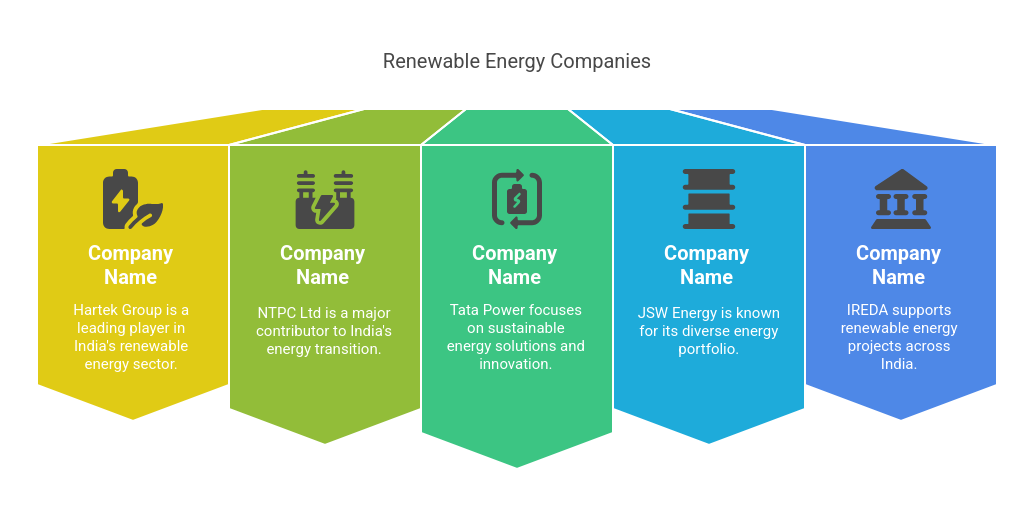
1. Hartek Group

Hartek Group has firmly established itself as a front-runner in India’s renewable energy sector. The company showcase its prowess in solar, wind, and now, green hydrogen solutions. It is renowned for its specialisation in solar and wind energy solutions. The company has left an indelible mark with its successful execution of numerous projects spanning the nation.

At the heart of Hartek Group’s success lies its robust portfolio of project engineering, procurement, and construction (EPC) services. Renowned for reliability and expertise, the company excels in delivering renewable energy solutions. They meet the highest standards of quality and efficiency.

Hartek has an unwavering commitment to innovation and sustainability. The EPC company continues to play a pivotal role in driving India’s renewable energy revolution. Through its pioneering efforts in solar, wind, and now green hydrogen, the company remains at the forefront of shaping a cleaner, greener, and more prosperous tomorrow.

2. NTPC Ltd

NTPC Ltd, India’s largest power utility, has been actively diversifying its energy mix towards renewables. With a strategic focus on wind and solar power projects, NTPC is making significant strides in clean energy generation.

Leveraging its extensive infrastructure and technological capabilities, the company aims to accelerate the acceptance of renewable energy. It also ensures energy security and affordability for the nation.

3. Tata Power

Tata Power is a subsidiary of the esteemed Tata Group. It has emerged as a key player in India’s renewable energy transition. With a multi-pronged approach encompassing solar, wind, and hydroelectric power projects, Tata Power is committed to sustainable development and environmental stewardship.

The company’s emphasis on innovation and community engagement underscores its dedication to creating a greener future for India.

4. JSW Energy

JSW Energy is actively pursuing opportunities in the renewable energy sector. This is a part of its strategic expansion plans. With a focus on solar and hydroelectric power projects, the company is leveraging its expertise in project development and execution.

It actively contributes to India’s renewable energy goals. JSW Energy’s emphasis on operational efficiency and sustainability aligns with its vision of becoming a leading player in the clean energy space.

5. Indian Renewable Energy Development Agency Ltd (IREDA)

IREDA plays a pivotal role in facilitating the growth of renewable energy projects in India through financial support and advisory services. As a specialised financial institution, IREDA provides a range of financial products tailored to meet the needs of renewable energy developers and investors.

By catalysing investments and promoting technological innovation, IREDA is instrumental in driving the expansion of India’s renewable energy sector.

Conclusion

India’s renewable energy sector is undergoing a paradigm shift. The Indian government has set a target of achieving 450 GW of renewable energy capacity by 2030, comprising 280 GW of solar power and 140 GW of wind power, signalling a significant opportunity for growth and investment in the sector.

To explore innovative renewable energy solutions, contact Hartek Group – your trusted partner in sustainable energy.

Companies are not only driving the transition towards sustainable energy but also fostering economic development, job creation, and environmental conservation. With ambitious targets set by the government and a conducive policy environment, India is poised to emerge as a global leader in renewable energy in the years to come.

FAQ’s:-

1. Which are the top renewable energy companies in India?
The top companies include Hartek Group, NTPC Ltd, Tata Power, JSW Energy, and IREDA.
2. Why is renewable energy important for India’s future?
Renewable energy ensures sustainability, reduces carbon emissions, and supports economic growth.
3. What role does Hartek Group play in renewable energy?
Hartek Group specializes in solar, wind, and green hydrogen solutions, leading India’s clean energy transition.
4. How is India promoting renewable energy adoption?
India aims to achieve 450 GW of renewable energy capacity by 2030 through policy support and investments.
5. What are the benefits of investing in renewable energy?
Investing in renewable energy leads to lower costs, energy security, job creation, and environmental sustainability.

Hartek Group Applauds Government’s Interim Budget 2024, Paving the Way for Renewable Energy Revolution

In a resounding endorsement of renewable energy, India’s recent budget has unveiled a robust financial framework, positioning the country at the forefront of sustainable and clean energy initiatives. Let’s explore the key highlights and their implications for India’s renewable energy landscape.

1. A Strategic Shift in Solar Power (Grid) Sector:

The allocation of over Rs 11,500 crore for Solar Power (Grid) projects is a transformative step towards harnessing the immense potential of solar energy. Notably, the budget earmarks Rs 10,000 crore for the fiscal year 2024-25, marking a remarkable 110% surge from the revised estimates of Rs 4,757 crore. This significant investment reflects the government’s acknowledgment of solar power as a key element in achieving the nation’s energy goals. Hartek Group remains committed to driving this transition by delivering cutting-edge solar infrastructure and smart energy solutions.

renewable energy in India

2. Solar Rooftop takes the Limelight:

Through rooftop solarization, 10 million households will be enabled to obtain up to 300 units free electricity every month. This is expected to yield savings of up to Rs 15,000 to Rs 18,000 annually for households from free solar electricity.

3. National Green Hydrogen Mission Gains Momentum:

A standout feature is the five-fold surge in budgetary allocation for the National Green Hydrogen Mission, reaching Rs 600 crore for the fiscal year 2024-25. This mission, launched in 2023 with an initial outlay of 19,744 Cr, aims to position India as a global hub for manufacturing clean energy. The increased funding underscores the government’s commitment to promoting green hydrogen as a crucial component of India’s energy transition.

4. Wind Power Sector Receives a Boost:

The budget allocates Rs 930 crore for the wind power sector in the fiscal year 2024-25. While this may seem modest, the 1.5% increase from the previous year’s allocation signifies the government’s dedication to maintaining a diversified renewable energy portfolio. Wind power’s role in the overall energy mix is recognized, ensuring a holistic approach to sustainable energy generation. Strategic allocation of Viability Gap Funding for harnessing offshore Wind Energy with an initial capacity of 1GW aligns with the overall vision of sustainable growth. 

5. Comprehensive Measures for Achieving Net-Zero by 2070:

The budget outlines key measures to achieve net-zero by 2070, emphasizing offshore wind energy potential, coal gasification, liquefaction capacity, and a significant push for electric vehicles (EVs). The focus on rooftop solarization, enabling 10 million households to obtain free electricity monthly, showcases a commitment to making renewable energy accessible and beneficial for the masses.

6. Reinforcing Self-Sufficiency for Natural Gas:

Budget set to establish coal gasification and liquefaction capacity by 100 MT by 2030. This move is expected to reduce India’s dependence on imports of natural gas, methanol and ammonia, in a push towards cleaner fuel alternatives. 

7. Holistic Approach to Environmental Sustainability:

The budget goes beyond financial allocations by promoting a holistic approach to environmental sustainability. Financial assistance for biomass aggregation machinery, innovative bio-manufacturing schemes, and mandatory blending of compressed biogas underscore India’s dedication to cleaner fuels and reduced carbon emissions.

These investments will catalyze a series of Innovations and attract both domestic and international investors to further consolidate India’s position as a global leader in renewable energy and set a precedent for other economies to follow suit for climate change.

As the government sets the stage for a cleaner and greener future, the Hartek Group stands ready to play a pivotal role in realizing the shared vision of a sustainable and resilient energy landscape for India. The increased financial support for solar, hydrogen, and wind projects signifies a positive step towards achieving a more sustainable and environmentally conscious future.

FAQ’s:-

1. How does India’s budget support renewable energy?
India’s budget increases funding for solar, wind, and hydrogen projects, promoting clean energy and sustainability.

2. What is the impact of rooftop solarization on households?
Rooftop solarization allows 10 million households to get up to 300 units of free electricity per month, saving ₹15,000-₹18,000 annually.

3. What is the National Green Hydrogen Mission?
It’s an initiative with a ₹600 crore allocation to position India as a global leader in clean hydrogen production.

4. How does the budget promote wind energy?
₹930 crore has been allocated to wind power, including funding for offshore wind projects to diversify India’s renewable energy sources.

5. How will India achieve net-zero emissions by 2070?
The budget emphasizes offshore wind, EVs, coal gasification, and biofuel initiatives to reduce carbon emissions and promote sustainability.