Strategies for State-Level Decarbonization of the Electricity Grid

Climate change is posing a critical threat to the Indian economy, and the signs of it are already visible. Some of these include heat stress, reduced freshwater supply, intense tropical cyclones, soil drying, rising sea levels, and more. However, this alarming situation caused by global warming across India is also creating an opportunity to scale up the economy. This is possible through the emergence of new industries and technologies aimed at decarbonisation, development, deployment, and large-scale manufacturing.

In this article, you will gain a clear understanding of state-level electricity grid decarbonisation initiatives across India. So, read on till the end!

Policy Decisions and Implementations by India for Deep Decarbonisation

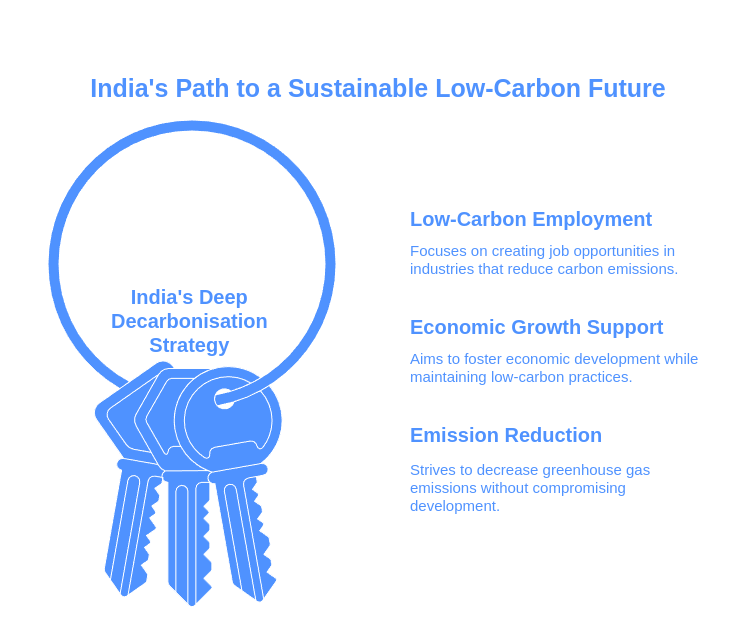
India is working towards achieving a low-carbon economy and is currently implementing three key state-level strategies for this purpose:

  • Providing employment in low-carbon sectors

  • Supporting low-carbon economic growth

  • Reducing greenhouse gas emissions without hindering development goals

Creating jobs in the green sector is one of the most effective strategies among these. India has introduced policies in several states to encourage the transition of workers from coal mining to energy sectors, green jobs, or lighter industries.

Through these efforts, India has achieved more competitive electricity rates by increasing the use of renewable energy and reducing carbon emissions. While this has helped in supporting low-carbon economic growth to some extent, several outdated policies still need to be eliminated at both state and national levels to accelerate the pace of decarbonisation.

As per available data, there are more than 150 national-level policies that, instead of discouraging, actually encourage greenhouse gas emissions. Stringent policy changes are necessary to curb carbon emissions at a faster rate in India.

Policy for Deep Decarbonisation

Modifications to Existing Policies

India’s efforts towards electricity grid decarbonisation can be strengthened through several approaches. However, certain changes in existing policies are essential. The country needs to implement a well-structured sequence of diverse climate policies to restore economic stability, which would help achieve:

  • Strong economic growth

  • Job creation

  • Significant reduction in emissions

Once these policy changes are implemented, emissions will be controlled, beginning at the state level. Over time, it is estimated that India will generate tens of millions of employment opportunities while simultaneously boosting economic growth. If the right policies are enforced, greenhouse gas emissions can be reduced by at least two-thirds before mid-century (2050).

India’s State-Level Electricity Grid Decarbonisation Plans

Implementing state-level policies for decarbonising electricity grids presents several challenges, primarily due to limitations in state-wise authority. States must coordinate with multiple overlapping institutions and agencies to execute these plans effectively.

New policies are being introduced to replace outdated ones, with the aim of developing innovative strategies to prioritise electricity grid decarbonisation. These strategies include:

1. Retiring Coal Plants

Power providers are being encouraged to systematically retire coal plants while investing in distribution and transmission infrastructure to enhance demand response. Additionally, storage capacity needs to be doubled from Business-As-Usual (BAU) projections to 450 GW by 2050.

These measures will make India’s electricity grids more flexible and better prepared to run on renewable energy in the future.

2. Generating Carbon-Free Electricity

A carbon-free electricity standard must be implemented to ensure that 90% of the country’s electricity is sourced from non-fossil fuel sources by 2050. This target is 20% higher than the current trajectory, which aims for 70% renewable energy usage under BAU projections.

3. Subsidising Expensive Technologies

Another important strategy is to provide subsidies for expensive technologies that support decarbonisation. However, as these technologies become cost-competitive in the long run, subsidies should be gradually reduced.

Conclusion

This article provides a clear understanding of how India and its states are implementing policies to accelerate electricity grid decarbonisation. Additionally, the country is taking significant steps to transform the transport and industrial sectors, contributing towards achieving the overall decarbonisation goal by 2050.

Frequently Asked Questions

1. What is decarbonisation, and why is it important for India?
Decarbonisation refers to reducing carbon emissions by shifting to renewable energy. It is crucial for India to combat climate change and ensure sustainable growth.

2. How is India implementing state-level decarbonisation policies?
India is retiring coal plants, expanding renewable energy storage, setting carbon-free electricity targets, and subsidizing green technologies to reduce emissions.

3. What challenges does India face in electricity grid decarbonisation?
Challenges include state-wise policy limitations, coordination between agencies, high costs of renewable infrastructure, and managing coal plant retirements.

4. How will decarbonisation impact job creation in India?
Decarbonisation will create millions of green jobs by transitioning workers from coal industries to renewable energy, manufacturing, and lighter industries.

5. What is India’s goal for renewable energy adoption by 2050?
India aims to generate 90% of its electricity from non-fossil fuel sources by 2050, exceeding the current projection of 70% under the Business-As-Usual scenario.

Role of Artificial Intelligence in Advancing Green Hydrogen Production

The hyped intersection between AI and green hydrogen is all set to shape the need for sustainability. With the strong potential to improve the pathway for producing and consuming energy, green hydrogen and AI are proving to be a powerful duo. 

The modern world is in ultimate need of suppressing excessive greenhouse gas emissions and reducing the rate of carbon emissions as well. Therefore, the use of AI for green hydrogen production is helping the world win over a sustainable future. 

In this article, you shall learn about the applications of AI in the production of green hydrogen and how it is helping promote a sustainable future. 

What is Green Hydrogen Production?

The production of green hydrogen by using the electrolysis method upon water, alongside renewable energy sources, is considered an ideal alternative to fossil fuels. You can now expect it to be used in diverse applications, such as power generation, transportation, and industrial processes. 

It offers a versatile & clean energy carrier that helps decarbonise diverse economic sectors. But, the production of green hydrogen still remains energy-intensive and expensive, which is one of the biggest challenges in its wide-scale adoption. Thus, this is the arena where AI steps in! 

How is AI Helpful in Green Hydrogen Production?

AI or Artificial Intelligence brings up the potential to improve green hydrogen production, distribution, and storage. Thus, the entire process becomes cost-effective and astoundingly efficient. 

With the ability to utilise the power of machine learning and advanced algorithms, AI is helping identify ideal locations to support renewable energy installations. The AI algorithms take topography, infrastructure, and weather patterns into account for the same. 

As a result, green hydrogen production will be approached at the lowest possible expenses, which will maximise the ROI for your specific projects around renewable energy. Furthermore, there are diverse applications of AI in the field of green hydrogen production, which you shall learn in the following section. 

What are the Different AI Applications in Green Hydrogen Production?

Some of the applications of using AI for advancing green hydrogen production are:

  • Forecasting of Renewable Energy

Among the critical challenges associated with green hydrogen production, the intermittent nature of all renewable energy sources is quite worrisome. However, with AI algorithms, it is now possible to forecast the availability of various renewable energy sources. Thus, it will help in optimising the overall hydrogen production. 

  • Proper Energy Management

AI integration with energy management solutions will help optimise hydrogen-based production on demand by considering the availability of various renewable energy sources. Thus, it helps lower the overall production cost, making green hydrogen more competitive with that of fossil fuels. 

  • Fault Diagnosis & Detection

AI is ideally used to detect or diagnose potential faults within the green hydrogen production process. With this technology, you can help identify the root cause of the problem and take ideal actions to prevent any possible downtime. 

  • Process Optimisation

As you know, the green hydrogen production process consists of many complex attributes. However, using AI can help optimise those complexities through better predictability and controllability of the parameters that might affect the hydrogen or yield quality. It shall further help in reducing the rate of energy consumption and scaling the production efficiency. 

Benefits of AI Being Used for Green Hydrogen Production

Now that you are aware of the applications of AI in green hydrogen production let’s get an insight into some of the benefits associated with this duo:

  • Cost Reduction

Upon optimising the overall production process for green hydrogen with the use of AI, energy consumption will be reduced, which will reduce the overall cost of production. 

  • Better Sustainability

More efficient production of green hydrogen will help reduce greenhouse gas emissions, contributing to a better sustainable future. AI will encourage the adoption of green hydrogen over fossil fuels to make it possible. 

  • Enhanced Efficiency

The entire production process of green hydrogen will be optimised by AI, which will promote better efficiency and lower energy consumption.

Conclusion

AI has the utmost potential to be the biggest contributor to optimising the production of green hydrogen. This shall make green hydrogen more competitive than the existing systems, intending to achieve sustainability goals worldwide. 

HARTEK is an expert organisation that has been promoting the use of technology in energy management systems for a long time. We have been leveraging the potential of AI to streamline the production of green hydrogen to support the world’s demand for sustainability. 

How Indian Rooftop Solar Panel Manufacturers Are Driving Global Growth?

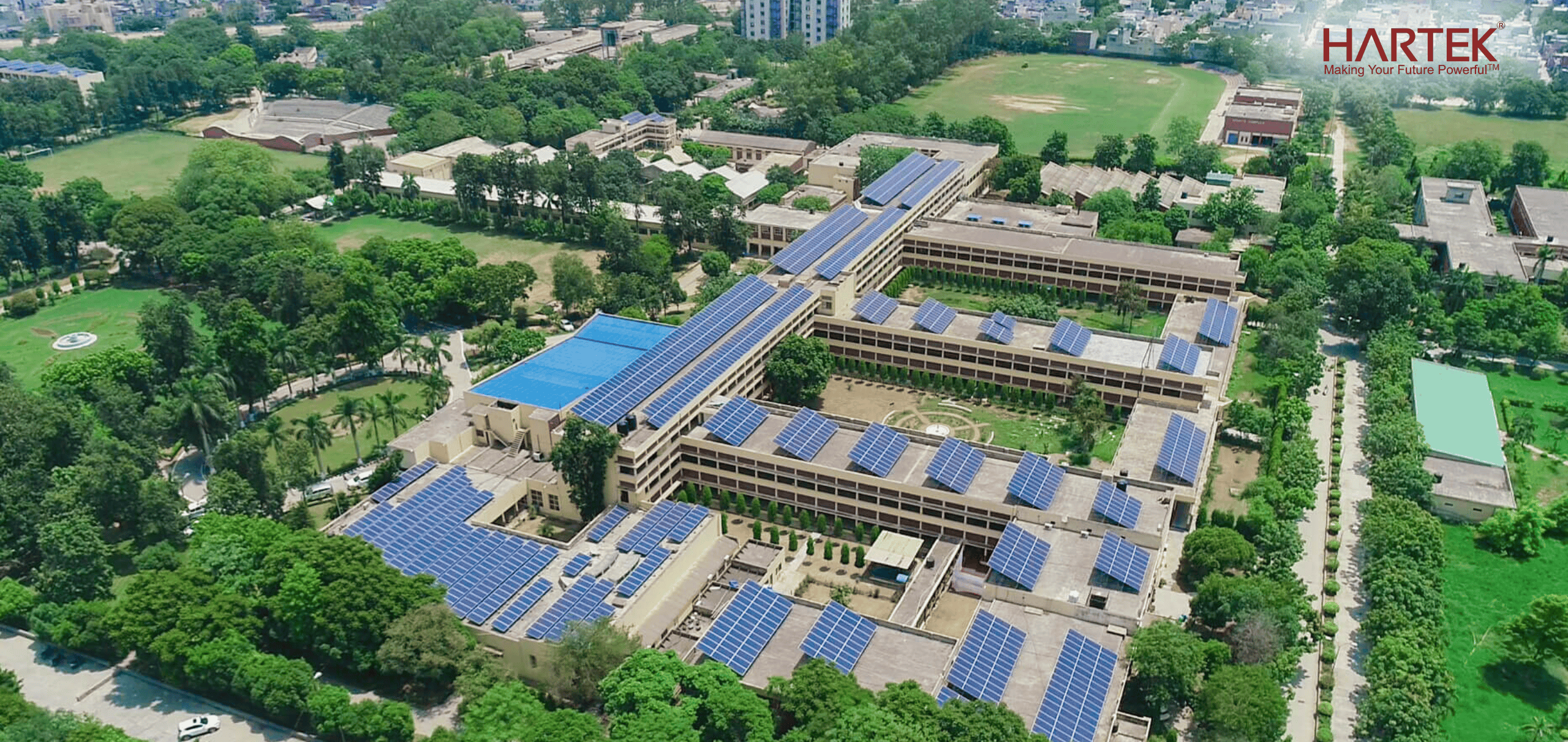
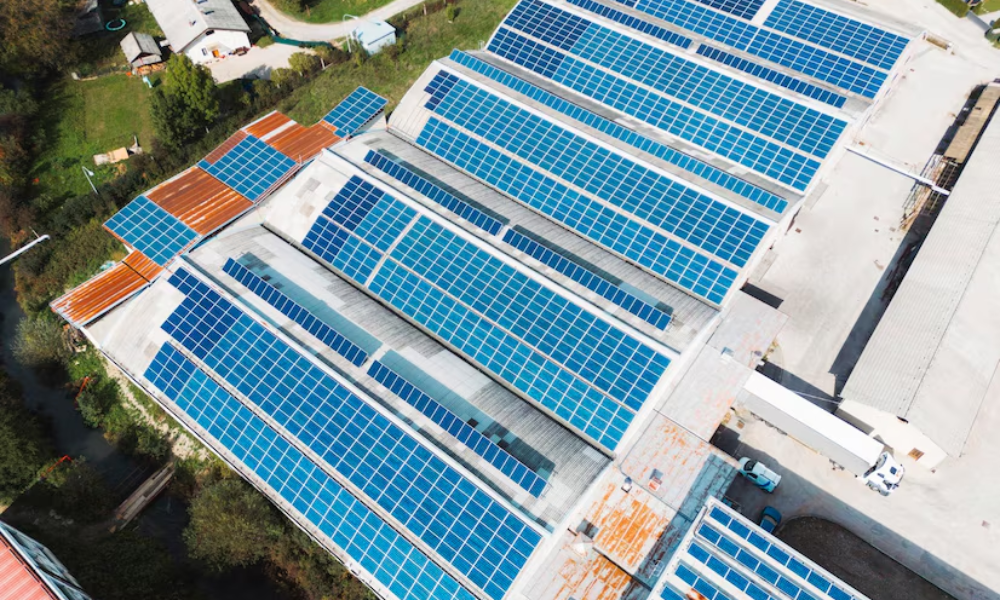
After years of conceptualization, the rooftop solar power sector of India is now all set to drive action. In the window of six months till May 2023, more than 1000 MW capacity of rooftop solar power has been added, which is a remarkable figure. This proves the upward rise of the rooftop solar manufacturing sector. 

India is now successfully the global leader in the renewable energy industry. Not just in 2023, but in the past few years, the installation of solar panels over the roof has experienced immense growth and revolution. Hartek Group has been at the forefront of this transformation, driving innovation and delivering cutting-edge solar solutions. Following that, modern ways are now being used in order to generate or consume energy.

In this article, you shall get a clear insight into several factors that explain the expansion of the rooftop solar industry in India and how manufacturers are putting in efforts to drive global growth around it. 

How India Became the Most Affordable Solar Power Producer?

Across the globe, renewable energy is considered the technology for promoting new capacity of power generation. Solar power production in India is now the lowest cost in the world, reflecting a substantial shift towards the use of renewable energy that is boosting the energy transformation sector globally.

Rooftop solar panel manufacturers in India have figured out that it is quite cheaper to build or run solar farms than to run coal-fired plants. The benefits associated with the use of renewable energy are also profound, which is one of the biggest motivators for India and the world to continue the trend of using it. 

The carbon emission reduction goals are to be met with this initiative, creating a barrier against climate change. India, being a thriving economy, will definitely see increased consumption of power in the future. Therefore, the country is now inclined towards investing in developing alternative energy forms to create a proper balance between sustainability in the environment and support needed for economic growth. 

Knowing this, the Government of India encouraged the idea of introducing solar power in 2010. And that helped the industry boom impeccably in a very short time window. Thus, India holds the title of being the cheapest solar energy producer. In the year 2010, the overall installed capacity of solar power was a mere 10 MW, and by 2016, the total installed solar power capacity was 6000 MW. 

But, as of 2023, achieving a 1000MW installation took just 6 months time. These numbers are evidence of how focused India is towards encouraging rooftop solar power installations. This has been made possible by the positive responses from all the rooftop solar panel manufacturers, contributing to the whopping growth of this sector on a global scale. 

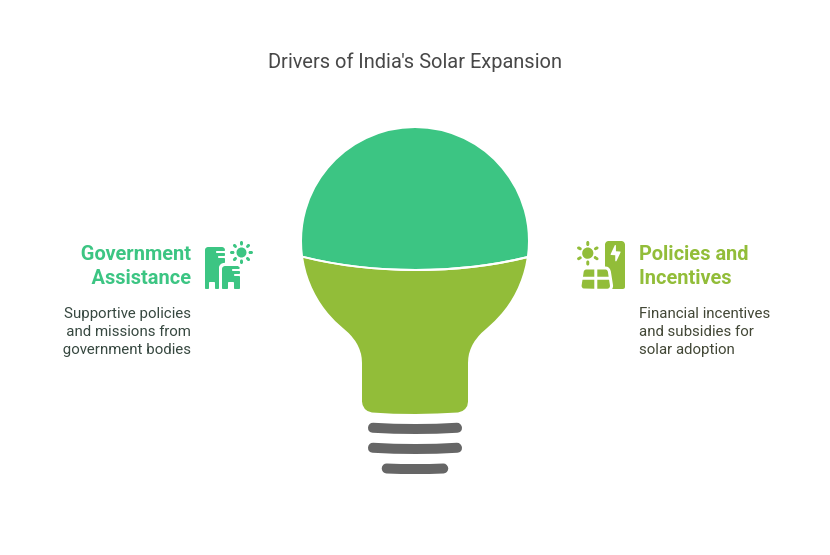
What’s Driving Indian Rooftop Solar Panel Manufacturers’ Global Expansion?solar Expansion

Some of the factors that have helped the Indian rooftop solar panel manufacturers contribute to the growth & expansion of the industry on a global scale are:

1. Government’s Assistance

Indian Government bodies, such as MNRE (Ministry of New and Renewable Energy) and SECI (Solar Energy Corporation of India), have played a role in helping India grow exponentially in the solar energy sector. 

Aggressive targets were set, and policy implementations were encouraged for the rooftop solar manufacturers to put in considerable effort. Various missions were launched by the Central Government to promote the faster adoption of solar power, and even the state governments came in to support this accelerated growth.

2. Policies and Incentives

The incentives and subsidies issued by the Government since the introduction of this technology in the nation in 2010 have been considered instrumental for the manufacturers and consumers to adopt the use of solar energy. 

Since then, the top segments in the solar power industry that have seen immense growth include open-access solar farms, utility-scale, and rooftop solar plants. To boost the growth of this sector, the Government also permitted excise duty and customs duty benefits. 

Conclusion

There is no doubt about how important energy storage will be in the forthcoming times, and the Indian solar market will continue to be the cheapest power producer, irrespective of all the challenges. The manufacturers and energy providers are working tirelessly to remove all the bottlenecks at state, national, and even global levels.

To explore reliable solar solutions, contact Hartek Group – your trusted partner in renewable energy.

HARTEK, being one of the top 3 manufacturers of Rooftop solar panels, has been making it possible for people to install and leverage solar power, even in the most remote areas or locations. We have the best technicians and engineers onboard to ensure quality solar installations on priority. To know more, connect with us right away!

FAQ’s:-

1. What makes India a global leader in rooftop solar panels?
India leads due to affordable production costs, government support, and rapid capacity expansion, making it a top rooftop solar panel manufacturer.
2. Why is solar power in India cheaper than coal power?
Solar farms are more cost-effective to build and run than coal plants, reducing overall energy costs and promoting sustainable power generation.
3. How has the Indian government supported rooftop solar growth?
The Indian government offers subsidies, tax incentives, and policy support, boosting rooftop solar panel manufacturing and adoption.
4. What are the benefits of rooftop solar power?
Rooftop solar reduces electricity bills, lowers carbon footprints, and promotes energy independence with sustainable power generation.
5. Why choose Hartek Group for rooftop solar installation?
Hartek Group offers expert rooftop solar panel installation with top-quality equipment, ensuring reliable and efficient solar solutions.

Importance of High-Voltage Substations in Our Modern World

All modern infrastructure, private households, industry, and other facilities of the 21st century demand the use of immense electrical energy. And this rising demand for complex power transmission is attended by high-voltage substations. They play a major role in meeting this demand reliably and safely. 

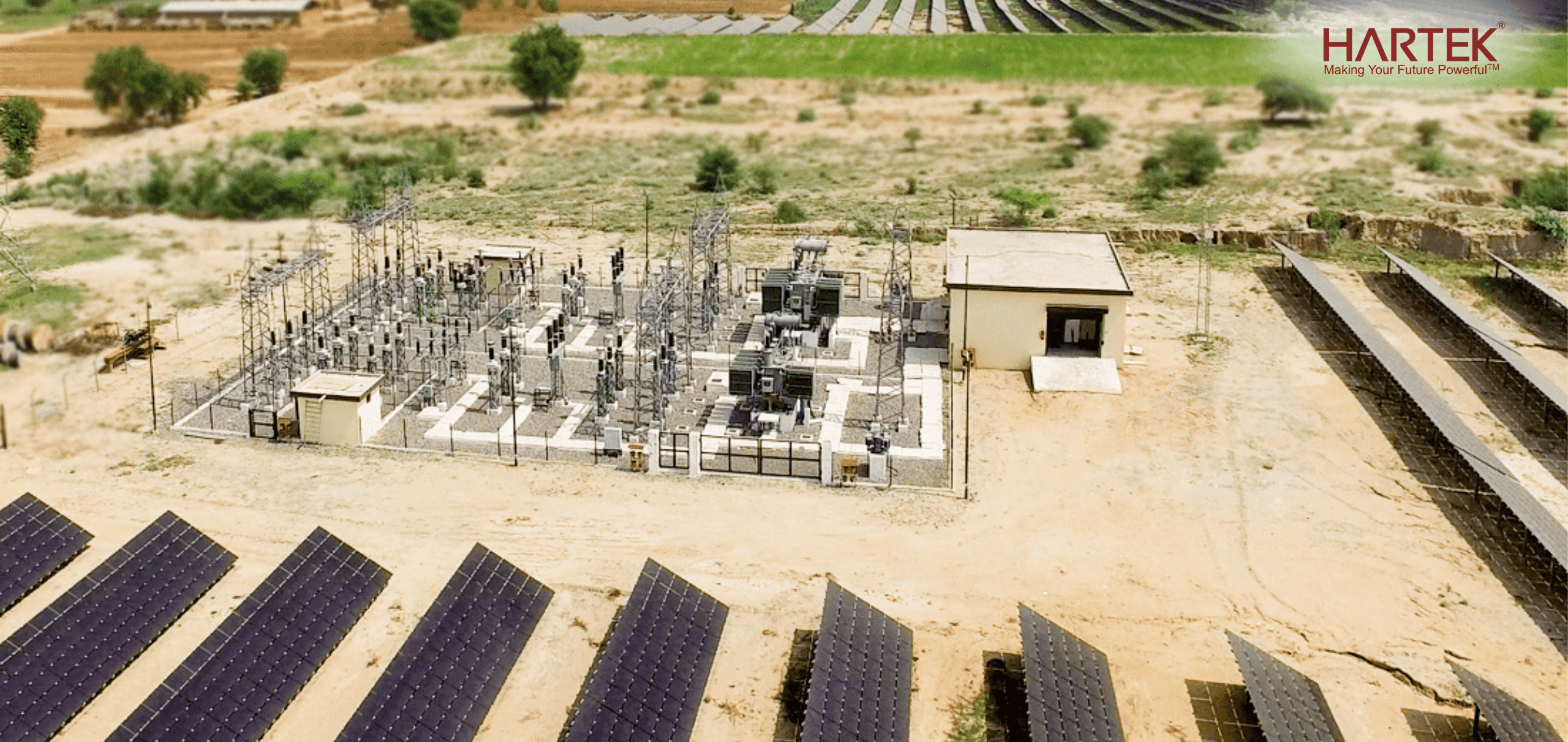
An Electrical Substation is destined to be installed in order to set up appropriate levels of voltage for the production, conversion, regulation, and distribution of electricity. When they are adopted to execute high-voltage applications, they take charge of assisting the world in attaining impeccable benefits. 

In this post, you will get a deep insight into the importance of high-voltage substations in the modern world. 

How do the Substations Work?

A high-voltage substation or electric system infrastructure is meant to switch equipment, circuits, and generators in/out of the system. It is also required for changing the Alternating Current voltages from one specified level to another and changing the AC to DC or vice versa. 

The major role of the substations is to convert electricity into diverse voltages. It is essential to make sure that the electricity can be potentially transmitted all across the country, specifically into buildings, businesses, and homes. 

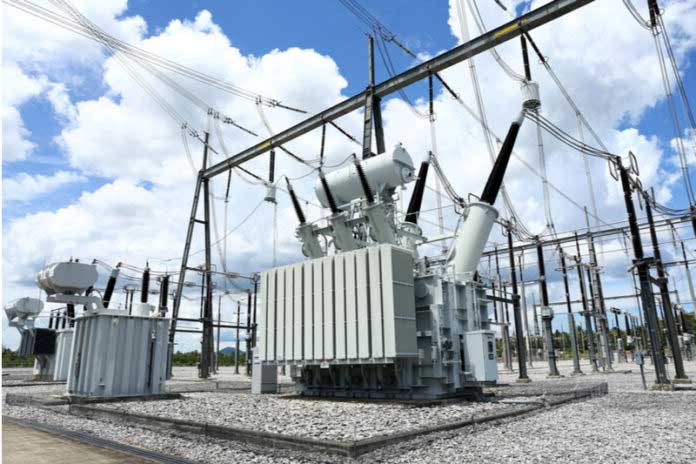
The substations, technically the high-voltage utility hubs, consist of specialist equipment that allows the electricity voltage to undergo transformation. As per the demands and supply, the voltage will either be stepped up or stepped down with the use of transformers. 

The transformers are accountable as the powerhouse for substations, as they handle the transfer of electrical energy with the use of magnetic field changes. They have wire coils, probably two or more. Thus, the difference in the count of coil wraps around the core of the transformer is what would affect the voltage change. 

Thus, this is what allows the voltage to either rise or drop, depending on the needs. The high-voltage substation transformers follow the same working approach but deal with escalated voltage on priority. Considering that, these substations can fulfil diverse purposes with the rate of voltage conversions. 

Why are High-Voltage Substations important?

Some of the benefits that express the importance of high-voltage substations in a more proficient manner are:

1. Reduction in the Power Loss Rate

All the power obtained from traditional sources, such as coal-fired facilities, is produced in locations that are far away from the main cities. Such power plants are constructed in areas that are highly rich in specific resources for creating the required power. But that comes up with the need for transporting this power across long distances before being utilised. 

The use of high-voltage substations for transmitting power eradicates this problem. It is because, as the voltage is high, the amount of power loss during the transmission will be reduced. You must know that wires of all sizes come with specific levels of resistance, especially aluminium or copper wires. 

Over great distances, when these wires come to use, the level of resistance multiplies exponentially, and the power loss rate increases. Therefore, setting high-voltage substations for transmitting power is one of the efficient ways to reduce the rate of losses. Scaling the voltage of electricity implies that you can reduce the current, and the equal rate of power can then be transmitted with fewer losses. 

2. Lowered Infrastructure Expenses

As you know, the size of transmission cables used in power production facilities is directly proportional to the rate of current intended to pass through them. In such cases, when the power is intended to be transmitted at escalated currents, bigger-sized wires are required. But, with the setup of high-voltage substations, the size of the cables required for transmitting will be smaller, as low currents are intended to pass through them. 

When the power is being transmitted across farther distances, somewhere around 100 or 1000 km, the cabling costs gradually increase, which adds up to the overall cost of transformers for substations. So, the required size of the cabling matters a lot when you tend to look out for ways to minimise the overall infrastructure expenses.

Setting up high-voltage substations and making use of thinner wire gauges will turn out to be more reasonable for all the infrastructure suppliers and power producers. Not only that, but the end-consumers who intend to avail themselves of affordable electricity will also find it an ideal decision. 

Conclusion

This is a clear depiction of how high-voltage substations have helped energy providers improve their supply of power and electricity to the modern world. HARTEK is one of the top service providers that can help you install 400+ HV & EHV substations to attend to your power distribution projects all across your respective country. 

Connect with us today to know more about how we blend in technology, platform, and process together to deliver you an astounding high-voltage substation. 

FAQs about High-Voltage Substations

1. What is a high-voltage substation?
A high-voltage substation transforms electricity to suitable voltages for safe transmission and distribution.

2. How do high-voltage substations reduce power loss?
They increase voltage and reduce current, which minimizes energy loss during long-distance transmission.

3. Why are transformers essential in substations?
Transformers adjust voltage levels by using coil configurations to step up or step down electricity.

4. How do substations lower infrastructure costs?
Higher voltage transmission requires thinner wires, reducing the cost of cables and overall setup.

5. Where are high-voltage substations typically used?
They’re used in industries, cities, and remote power plants for efficient electricity distribution.

Guidelines for Sustaining Rooftop Solar Systems: Maintenance and Care Strategies for Durability

Adopting solar energy as a source of clean energy is not the only thing. After installation, the process for maintenance and care is the point of concern. Efficiency comes with the up-keeping of the system. Hence, proper maintenance and care are important to consider when installing rooftop solar pannels. Furthermore, it is the responsibility of a solar installation company in India to inform you regarding all the tips and tricks for the maintenance of solar panels after installation.

Fortunately, this maintenance cost problem can be solved with a minimum cost of less than INR 1000-3000. Unlike other machines, solar panels are easy to clean due to the accessible components of the solar panel system. The process of lubrication and the stubborn rust won’t be there in this rooftop system.  

Keeping this in mind, we have sorted some tips for maintaining the solar panels efficiently in their working condition.   

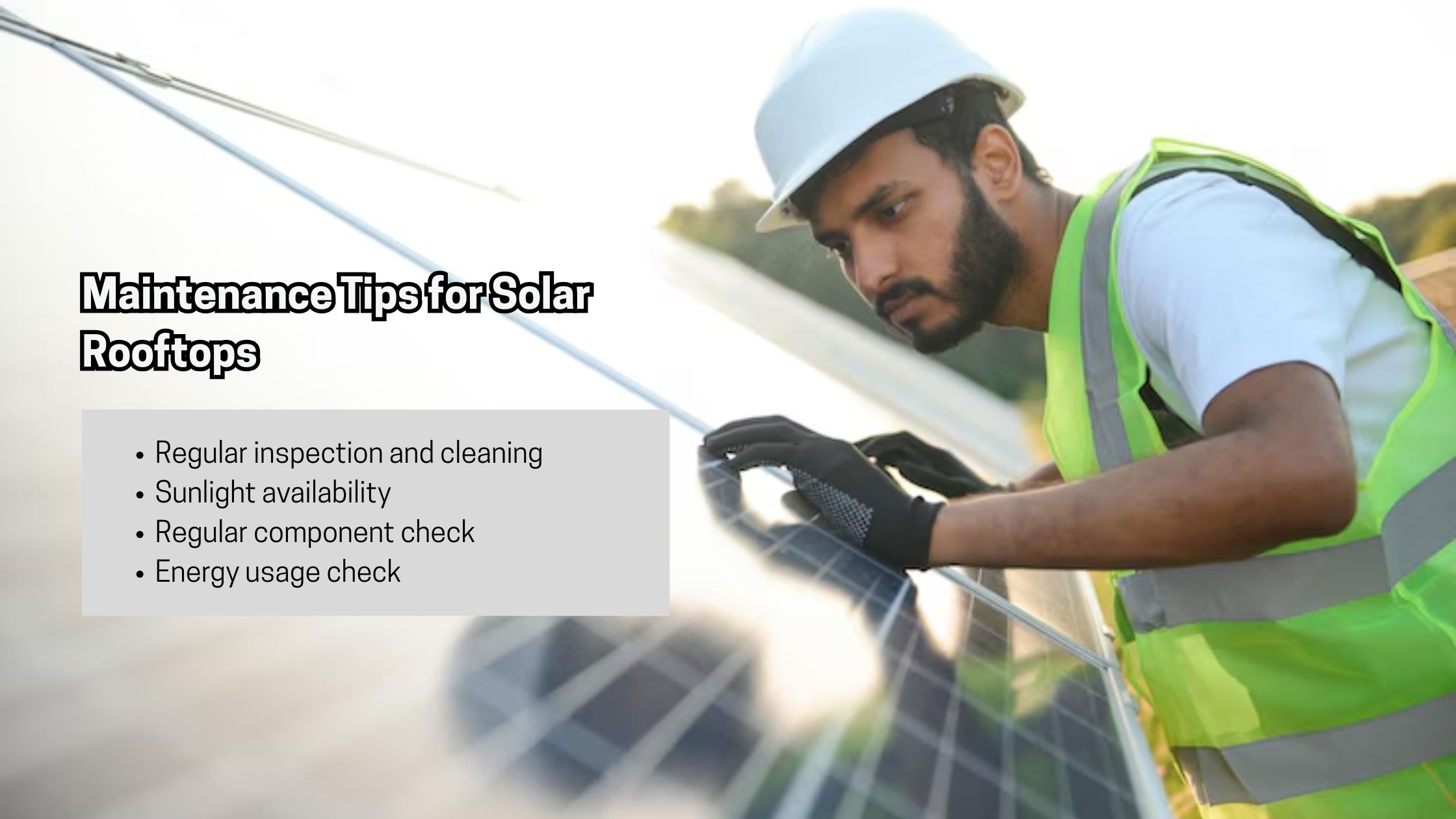
Maintenance Tips for Solar Rooftops

Every machinery in commercial and industrial areas needs proper care and maintenance. The care not only increases the device’s shelf life but also improves its efficiency. The same goes for solar rooftops, and it has also some tips to be followed. Those tips will be provided to you by the solar installation company in India you have selected for your offices, which will brief you on the tips. In general, some basic and simple steps are detailed below, with which you can keep your solar panels in great condition and ensure they continue generating power efficiently.

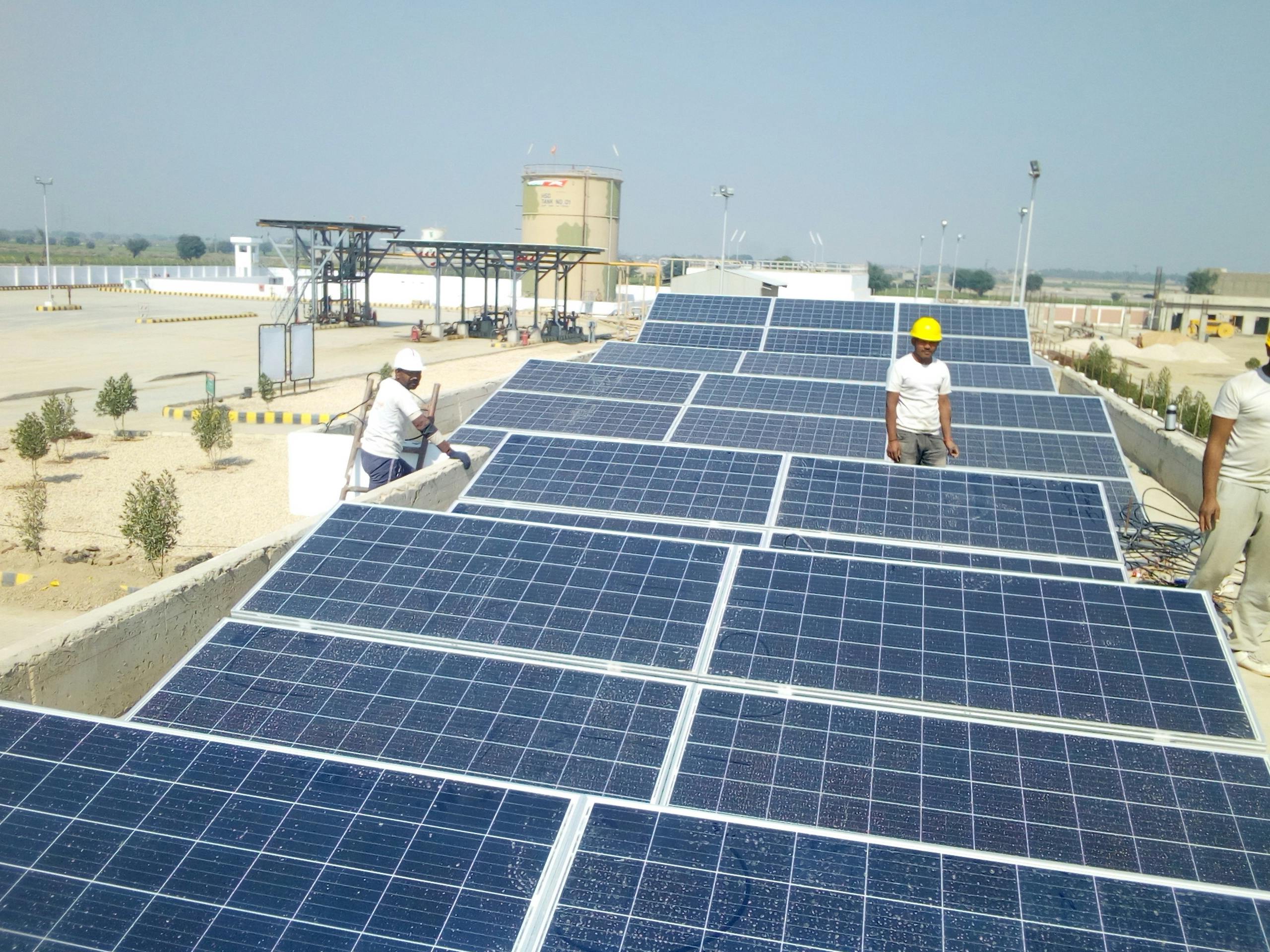
Rooftop solar

Regular inspection and cleaning: Check your solar panels often for dirt, debris, or damage. Clean them to maintain their performance. Use a soft cloth to remove dust, leaves, or snow from the panels. Avoid using detergents, as they can cause streaks. Instead, mix a little rubbing alcohol with water to remove oily residue or stubborn dirt.

Sunlight availability: Make sure your solar panels are installed in a location with maximum sun exposure. Over time, trees or buildings may grow and create shade. You can extend their lifespan by keeping the panels in a spot with the best sunlight orientation.

Regular component check: While cleaning your panels, inspect the wiring, components, and mounting rack. Look for signs of water damage, leaks, or drainage issues. Also, check for missing bolts, broken glass, or frayed wiring. If you notice any problems, contact your solar installer right away. It’s important to let a trained professional handle any repairs.

Energy usage check: Install an energy monitor to keep track of your system’s performance. It provides data on a website or smartphone app. Check the production totals of each solar panel to identify any panels that aren’t generating electricity. If you notice a significant drop in production, contact your solar panel installer for an inspection.

There is a frequency to check the PV (photo voltaic) modules after installation. Have a look and follow the rules while maintaining the system.

Maintenance work frequency
Ensuring the cleanliness of the system Daily 
Ensuring power generation Daily 
Inspection of the PV modules 15 days
Checking all the connections Six months
Checking output voltage Six months

Conclusion

Although solar panels have a long-life span, maintenance is required to ensure longevity. You can’t just ignore the system after installation. Make sure that solar installation company in India have regular follow-ups. For proper functioning in residential and industrial rooftops, keep a steady record of the rooftop from your end, too.

By following the above maintenance tips for Solar rooftops, you can ensure your solar system lasts longer and operates efficiently. Going solar is an excellent choice as it provides clean electricity, saves on your electricity bills, and generally requires minimal maintenance. Hence, opt for it but with full responsibility. Partner with Hartek Group for expert solar solutions and reliable rooftop system maintenance—power your future, the smart and sustainable way.

FAQs

1. Why is maintenance important for rooftop solar systems?
Regular maintenance ensures optimal performance, longer lifespan, and helps detect issues early to avoid energy losses or costly repairs.

2. How often should I clean my solar panels?
Clean your panels daily or as needed to remove dust and debris. Regular cleaning helps maintain maximum energy efficiency.

3. What components need regular inspection?
Inspect PV modules, wiring, mounting racks, and connections every 15 days to six months for signs of wear, damage, or electrical issues.

4. How can I monitor my rooftop solar system’s performance?
Use an energy monitor or app to track output. A sudden drop in energy production may indicate a malfunction or maintenance need.

5. Can rooftop solar systems be maintained at low cost?
Yes, basic cleaning and inspections cost as little as INR 1000–3000 annually and don’t require complex procedures, making it budget-friendly.

Choosing the Right Solar Installation Company in India: Factors to Consider

In this era of clean energy, it is the right time to go for solar energy as a conventional source rather than merely an alternative. This shift brings a sense of responsibility towards society in contributing towards a cleaner environment. Also, it has been observed that many advancements have been made in the solar industry. With time, the number of solar installation companies in India has increased from a few to many, offering reliable and innovative solutions for both residential and commercial needs.

Several companies are not just getting into this field; they are developing innovative ideas that include minimal-cost equipment, lifetime maintenance facilities, etc. These features create difficulty for the customers to choose the best installer in India.  

The guidance and expertise of a reliable solar installation company in India can make all the difference in helping you make the right decisions while selecting the installer best suited for your requirements. They can provide the correct direction and assistance throughout the process. By choosing a reputable solar company, you can have peace of mind knowing that you are in capable hands. They will help you assess your energy requirements, determine the best placement and direction for your solar panels, and guide you through any necessary paperwork or permits. 

Before diving into solar installation, collaborate with a trustworthy solar company in India. Therefore, some important factors to consider while selecting an installer for your needs are summarised below.

How to Choose the Right Solar Installation Company?

Right Solar Installation Company

1. Check for quality of products and services

Quality should always be the priority over the quantity of the services the company is offering. It is recommended to choose tier-1 PV modules; every component should be from a well-known brand. It is essential to review the warranties and assurances the installation company provides. Few installers offer installation guarantees in addition to product warranties, sometimes with restrictions like the Defect Liability Period, etc. Numerous Solar EPC businesses offer all-inclusive services. These include feasibility assessments, reports, design, and engineering. Some additional services are procurement and supply, installation and commissioning, permits and approvals, service and support, and financing alternatives. Do not forget that a solar power installation has a 25-year lifespan approximately. Therefore, utilising only high-grade materials and performing quality installations is crucial.

2. Regular visits

Always ask any solar firm you contact whether they will listen to your demands and objectives. The provider must next send an experienced installer to your office4 or industrial area for the installation process to assess the general view of the area where the solar panel will be installed.

Is he giving you enough time to comprehend the details, or is he merely showing up casually and showing little interest in you or the requirements for solar panels on your roofs? Whether it is commercial or residential.  Ensure all the answers to your questions are answered correctly.

3. Check previous record

Make sure that the solar installation company in India you choose discloses their previous solar projects and then try to identify the results. Besides the previous ones, ask the installer about any recent projects and ask for the details if they have done any extraordinary projects. This will make you more confident about the company, and there will be no second thoughts while sharing all the details with an eminent company. 

4. Inspect the Engineering Expertise

When it comes to selecting a solar installer, it’s crucial to consider the team’s background and engineering expertise. A reputable solar installer typically has certifications and memberships demonstrating their commitment to quality and reliability.

One of the certifications to look for is MCS accreditation, which ensures that the installer has met the Renewable Energy Assurance Limited (REAL) standards or the Solar Trade Association (STA). 

5. Customer reviews

Customer feedback is a fantastic way to gain insights about a company’s work. You can take a sneak peek at the company’s reviews on platforms like Google and Facebook to see what others have to say. Don’t hesitate to ask questions, as you’re the one investing. Select the installer after self-satisfaction only.

6. Maintenance and warranty policies of the company

When it comes to solar panels, a wide range of options in the market, each with warranties ranging from 25 to 30 years, are available.

These warranties play a crucial role in protecting your investment and ensuring predictability. In addition, having a reliable maintenance plan is essential to ensure your solar system’s longevity and optimal performance.

Companies like Hartek Group are known for their systematic methods, lifetime service, zero compromise to service and excellent maintenance facilities, making them a great choice for investing in solar energy. 

Conclusion

In conclusion, paying attention to a company’s values, ethics, goals, and mission statement is important as it can give you valuable insights about the company and its treatment of its clients.

Beware of installers who try to pressure you into purchasing their products unnecessarily. Reputable and quality-oriented brands will never engage in such tactics. So, it’s essential to stay smart and make informed choices when selecting a solar installation company in India.

While discounts may seem attractive initially, it’s crucial to consider the long-term costs and implications. Hartek group’s team of experts is here to assist you to ensure you receive honest and unbiased suggestions. Feel free to connect with us today; we’ll happily provide you the assistance you need.

FAQ’s:-

1. What should I look for in a solar installation company in India?
Look for quality products, engineering expertise, customer reviews, and reliable warranties when choosing a solar installation company.
2. How do I verify the credibility of a solar company?
Check their previous projects, certifications (like MCS accreditation), and customer feedback on platforms like Google and Facebook.
3. Why are regular site visits important for solar installation?
Regular visits ensure accurate area assessment, proper installation planning, and tailored solutions based on your specific energy needs.
4. What is the typical warranty period for solar panels in India?
Most solar panels come with a warranty of 25 to 30 years, covering performance and material defects for long-term reliability.
5. Why choose Hartek Group for solar installation in India?
Hartek Group offers lifetime service, top-quality products, expert engineering, and excellent maintenance facilities, ensuring reliable solar solutions.

EPC Companies in India: A Commitment to Innovation

  • 3D Printing:
    EPC contractors are now leveraging the potential of 3D printing, which is still in its initial stage. There have been some prototype constructions or developments done with the concept of printing concrete. 
  • AR & VR:
    The use of AR & VR technology has helped the EPC companies set up site visits without the need for actually being present at the location. Determining the operability or constructability of the site before starting with the operations is now easy with this technology. 

Growth of EPC Companies in Pursuit of Boosting Innovation

Beyond these technological solutions that are already in practice, some of the other advancements that are in the pipeline to be used soon by the EPC sector are automation, digitization, Building Information Modelling, and others. 

EPC companies have made up their mind to develop smarter and leaner organisations. With the ideal government support for innovation in the Indian EPC industry, the companies are restructuring their operational approaches with a clear focus on technology and customers. Every business intends to achieve its specific goals by adopting the latest technologies and their associated solutions. 

The use of these technologies, such as AR & VR, 3D Printing and Drones, has already disrupted the standard value chain. These shifts in the adoption of modern solutions are already noticeable among the EPC players, and this shall continue to grow. It is very evident that all of these pervasive tech advancements will demand modern ways of running tests or simulation scenarios.

Good Governance of the EPC Companies Has Helped Them Gain Competitive Edge

Sound governance is fast becoming an essential building block in the changing environment around EPC companies. There has been an indication of a competitive advantage of companies that promote transparent, ethical, and responsible decision-making processes. These practices build trust with stakeholders, and they make certain that projects are completed ethically and on time. Leading EPC contractors intertwine the principles of good governance with the complexities of engineering procurement and, in doing so, define the industry standard as well as promote innovative approaches that serve clients better, helping them to create a niche in the competitive market environment.

What are the Benefits Associated with Hiring an EPC Contractor?

With the ideology of boosting innovations in the construction sector, Engineering Procurement Construction companies are providing numerous benefits to clients or customers in terms of flexibility, reliability and other aspects. Some of those benefits are:

  • Customers, clients or businesses will have to spend minimal time or resources on the project, as they don’t have to stress any aspect of the construction project. It is the EPC contractor who would be responsible for sourcing materials, planning the project, executing it and delivering you the final output. 
  • With EPC companies, you can get a single team of experts and won’t have to deal with multiple contractors for diverse aspects of a construction project. Moreover, having just a single team would reduce the additional expenses. 
  • Completion deadlines can be ensured or fixed easily when you have dedicated EPC experts backing your project. Everything will depend on the single company, and they will ensure they comply with all the contract rules or compensate for anything that goes wrong. 
  • EPC modality is something that allows you to have better control over risks, as there are just fewer resources or processes involved in getting your project started and supervised. 
  • Handing out the operations and maintenance tasks to the same EPC company that developed the project is a winning strategy. It is because, as they are aware of their own installations with utmost precision, they would find it easier to prevent or solve any kind of unforeseen events. 

Conclusion

This is a clear depiction of how EPC companies have been the core contributors to boosting innovations in the construction world. Not only that, but they have been helping businesses or clients with utmost proficiency to get done with their projects on time, without any risks or disruptions in the entire process. 

At HARTEK, we are dedicated to offering astounding EPC services and are extending our working efficiency by adopting newer technologies. Following that, we have adopted ways to help businesses, clients or the nation in terms of infrastructure and economic development. We have been in this industry for quite a while and have been putting immense effort on our end to positively scale the reputation of this sector. 

To learn more about our proficiency in the EPC domain, come connect with us right away! 

Frequently Asked Questions

1. What are EPC companies, and how do they function?
EPC (Engineering, Procurement, and Construction) companies handle entire projects from planning to execution, providing a single-source solution for construction needs.

2. How are EPC companies driving innovation in construction?
EPC companies adopt cutting-edge technologies like AR, VR, drones, 3D printing, and automation to improve efficiency, safety, and project management.

3. What are the benefits of hiring an EPC contractor?
EPC contractors streamline projects by reducing costs, ensuring timely delivery, minimizing risks, and handling all aspects of construction under one contract.

4. How does good governance impact EPC companies?
Transparent and ethical decision-making helps EPC companies build trust, gain a competitive edge, and ensure compliance with regulations for smooth project execution.

5. What is the future of EPC companies in India?
With government support and rapid tech adoption, EPC companies will continue to drive urbanization, infrastructure growth, and economic development in India.

  • Drones:
    The robotic arms being used in the process of site inspections and for conducting repetitive tasks have reduced the requirement of human labourers to risk their lives while conducting them. 
  • 3D Printing:
    EPC contractors are now leveraging the potential of 3D printing, which is still in its initial stage. There have been some prototype constructions or developments done with the concept of printing concrete. 
  • AR & VR:
    The use of AR & VR technology has helped the EPC companies set up site visits without the need for actually being present at the location. Determining the operability or constructability of the site before starting with the operations is now easy with this technology. 

Growth of EPC Companies in Pursuit of Boosting Innovation

Beyond these technological solutions that are already in practice, some of the other advancements that are in the pipeline to be used soon by the EPC sector are automation, digitization, Building Information Modelling, and others. 

EPC companies have made up their mind to develop smarter and leaner organisations. With the ideal government support for innovation in the Indian EPC industry, the companies are restructuring their operational approaches with a clear focus on technology and customers. Every business intends to achieve its specific goals by adopting the latest technologies and their associated solutions. 

The use of these technologies, such as AR & VR, 3D Printing and Drones, has already disrupted the standard value chain. These shifts in the adoption of modern solutions are already noticeable among the EPC players, and this shall continue to grow. It is very evident that all of these pervasive tech advancements will demand modern ways of running tests or simulation scenarios.

Good Governance of the EPC Companies Has Helped Them Gain Competitive Edge

Sound governance is fast becoming an essential building block in the changing environment around EPC companies. There has been an indication of a competitive advantage of companies that promote transparent, ethical, and responsible decision-making processes. These practices build trust with stakeholders, and they make certain that projects are completed ethically and on time. Leading EPC contractors intertwine the principles of good governance with the complexities of engineering procurement and, in doing so, define the industry standard as well as promote innovative approaches that serve clients better, helping them to create a niche in the competitive market environment.

What are the Benefits Associated with Hiring an EPC Contractor?

With the ideology of boosting innovations in the construction sector, Engineering Procurement Construction companies are providing numerous benefits to clients or customers in terms of flexibility, reliability and other aspects. Some of those benefits are:

  • Customers, clients or businesses will have to spend minimal time or resources on the project, as they don’t have to stress any aspect of the construction project. It is the EPC contractor who would be responsible for sourcing materials, planning the project, executing it and delivering you the final output. 
  • With EPC companies, you can get a single team of experts and won’t have to deal with multiple contractors for diverse aspects of a construction project. Moreover, having just a single team would reduce the additional expenses. 
  • Completion deadlines can be ensured or fixed easily when you have dedicated EPC experts backing your project. Everything will depend on the single company, and they will ensure they comply with all the contract rules or compensate for anything that goes wrong. 
  • EPC modality is something that allows you to have better control over risks, as there are just fewer resources or processes involved in getting your project started and supervised. 
  • Handing out the operations and maintenance tasks to the same EPC company that developed the project is a winning strategy. It is because, as they are aware of their own installations with utmost precision, they would find it easier to prevent or solve any kind of unforeseen events. 

Conclusion

This is a clear depiction of how EPC companies have been the core contributors to boosting innovations in the construction world. Not only that, but they have been helping businesses or clients with utmost proficiency to get done with their projects on time, without any risks or disruptions in the entire process. 

At HARTEK, we are dedicated to offering astounding EPC services and are extending our working efficiency by adopting newer technologies. Following that, we have adopted ways to help businesses, clients or the nation in terms of infrastructure and economic development. We have been in this industry for quite a while and have been putting immense effort on our end to positively scale the reputation of this sector. 

To learn more about our proficiency in the EPC domain, come connect with us right away! 

Frequently Asked Questions

1. What are EPC companies, and how do they function?
EPC (Engineering, Procurement, and Construction) companies handle entire projects from planning to execution, providing a single-source solution for construction needs.

2. How are EPC companies driving innovation in construction?
EPC companies adopt cutting-edge technologies like AR, VR, drones, 3D printing, and automation to improve efficiency, safety, and project management.

3. What are the benefits of hiring an EPC contractor?
EPC contractors streamline projects by reducing costs, ensuring timely delivery, minimizing risks, and handling all aspects of construction under one contract.

4. How does good governance impact EPC companies?
Transparent and ethical decision-making helps EPC companies build trust, gain a competitive edge, and ensure compliance with regulations for smooth project execution.

5. What is the future of EPC companies in India?
With government support and rapid tech adoption, EPC companies will continue to drive urbanization, infrastructure growth, and economic development in India.

On a global note, construction is considerably the second largest industry. Construction comes alongside procurement and engineering as default inclusions, which makes the EPC sector an important part of it. With technological advancements over time, the EPC sector buckled up and assisted the construction industry in India to support urbanisation and innovative infrastructure projects. 

Innovation in the Indian EPC industry has always aligned with the ability of the key players to adopt recent developments at an immensely fast rate. The top EPC companies have pledged to support innovation in the future and bring in more development proficiencies to the infrastructure projects of India. 

With this, let’s dive deeper into understanding what would be the future of EPC companies in the pathway of booming innovation. 

Technological Growth of EPC Companies in Pursuit of Boosting Innovation

The scope of sustainable innovation in the Indian EPC industry is strongly reliant on technological evolutions in the past decade. Some of the latest technologies that the EPC companies are using on priority in the modern era are:

  • Drones:
    The robotic arms being used in the process of site inspections and for conducting repetitive tasks have reduced the requirement of human labourers to risk their lives while conducting them. 
  • 3D Printing:
    EPC contractors are now leveraging the potential of 3D printing, which is still in its initial stage. There have been some prototype constructions or developments done with the concept of printing concrete. 
  • AR & VR:
    The use of AR & VR technology has helped the EPC companies set up site visits without the need for actually being present at the location. Determining the operability or constructability of the site before starting with the operations is now easy with this technology. 

Growth of EPC Companies in Pursuit of Boosting Innovation

Beyond these technological solutions that are already in practice, some of the other advancements that are in the pipeline to be used soon by the EPC sector are automation, digitization, Building Information Modelling, and others. 

EPC companies have made up their mind to develop smarter and leaner organisations. With the ideal government support for innovation in the Indian EPC industry, the companies are restructuring their operational approaches with a clear focus on technology and customers. Every business intends to achieve its specific goals by adopting the latest technologies and their associated solutions. 

The use of these technologies, such as AR & VR, 3D Printing and Drones, has already disrupted the standard value chain. These shifts in the adoption of modern solutions are already noticeable among the EPC players, and this shall continue to grow. It is very evident that all of these pervasive tech advancements will demand modern ways of running tests or simulation scenarios.

Good Governance of the EPC Companies Has Helped Them Gain Competitive Edge

Sound governance is fast becoming an essential building block in the changing environment around EPC companies. There has been an indication of a competitive advantage of companies that promote transparent, ethical, and responsible decision-making processes. These practices build trust with stakeholders, and they make certain that projects are completed ethically and on time. Leading EPC contractors intertwine the principles of good governance with the complexities of engineering procurement and, in doing so, define the industry standard as well as promote innovative approaches that serve clients better, helping them to create a niche in the competitive market environment.

What are the Benefits Associated with Hiring an EPC Contractor?

With the ideology of boosting innovations in the construction sector, Engineering Procurement Construction companies are providing numerous benefits to clients or customers in terms of flexibility, reliability and other aspects. Some of those benefits are:

  • Customers, clients or businesses will have to spend minimal time or resources on the project, as they don’t have to stress any aspect of the construction project. It is the EPC contractor who would be responsible for sourcing materials, planning the project, executing it and delivering you the final output. 
  • With EPC companies, you can get a single team of experts and won’t have to deal with multiple contractors for diverse aspects of a construction project. Moreover, having just a single team would reduce the additional expenses. 
  • Completion deadlines can be ensured or fixed easily when you have dedicated EPC experts backing your project. Everything will depend on the single company, and they will ensure they comply with all the contract rules or compensate for anything that goes wrong. 
  • EPC modality is something that allows you to have better control over risks, as there are just fewer resources or processes involved in getting your project started and supervised. 
  • Handing out the operations and maintenance tasks to the same EPC company that developed the project is a winning strategy. It is because, as they are aware of their own installations with utmost precision, they would find it easier to prevent or solve any kind of unforeseen events. 

Conclusion

This is a clear depiction of how EPC companies have been the core contributors to boosting innovations in the construction world. Not only that, but they have been helping businesses or clients with utmost proficiency to get done with their projects on time, without any risks or disruptions in the entire process. 

At HARTEK, we are dedicated to offering astounding EPC services and are extending our working efficiency by adopting newer technologies. Following that, we have adopted ways to help businesses, clients or the nation in terms of infrastructure and economic development. We have been in this industry for quite a while and have been putting immense effort on our end to positively scale the reputation of this sector. 

To learn more about our proficiency in the EPC domain, come connect with us right away! 

Frequently Asked Questions

1. What are EPC companies, and how do they function?
EPC (Engineering, Procurement, and Construction) companies handle entire projects from planning to execution, providing a single-source solution for construction needs.

2. How are EPC companies driving innovation in construction?
EPC companies adopt cutting-edge technologies like AR, VR, drones, 3D printing, and automation to improve efficiency, safety, and project management.

3. What are the benefits of hiring an EPC contractor?
EPC contractors streamline projects by reducing costs, ensuring timely delivery, minimizing risks, and handling all aspects of construction under one contract.

4. How does good governance impact EPC companies?
Transparent and ethical decision-making helps EPC companies build trust, gain a competitive edge, and ensure compliance with regulations for smooth project execution.

5. What is the future of EPC companies in India?
With government support and rapid tech adoption, EPC companies will continue to drive urbanization, infrastructure growth, and economic development in India.

Comprehensive Guide About India’s Top EPC Companies

At the forefront of the rapidly growing infrastructure in nations worldwide is India, proudly standing tall. The driving force behind this progress is our EPC (Engineering, Procurement, and Construction) company, which expertly navigates the meticulous planning, design, procurement, and execution of large-scale projects in multiple sectors. Our corporation is not only viable commercially but has also led to innovation and sustainable development. To ensure India’s infrastructure development meets international standards, it is important to comprehend the role of EPC companies. Our comprehensive guide will explore the capacities, accomplishments, and milestones of India’s top EPC enterprises.

Factors to Consider When Choosing an EPC Company

epc companies

1. Expertise and Experience:

You must check for a record of success they have with projects concerning your specific industry, as well as other related sectors, when choosing an EPC company. Avoid working with a company that is not experienced enough and find out if such a company has completed similar projects before, and it shows if they will be able to handle your project effectively. This can help in the analysis of gaining multifaceted benefits of working with an EPC company.

2. Financial Stability:

EPC projects often involve significant investments, so it is vital to choose a financially stable company. Assess their financial track record by reviewing their annual reports, balance sheets, and credit ratings. We can also check the financial track records on platforms like Google Finance, Trade Brains and Screener.

3. Technology and Innovation:

The engineering and construction industry around the world is in a constant state of evolution due to the speedy development and introduction of new technologies. To ensure efficiency in project management, it is crucial for your chosen EPC firm to prioritize R&D and technological advancements. By doing this, unnecessary steps in the process can be eliminated.

4. Safety Standards:

Safety should always be a top priority when considering how to choose the right EPC company for your project. Assess their safety procedures, employee training procedures, accidental records on previous projects, and compliance with local regulations to make sure that they prioritize safety at every stage of the project.

5. Project Management Capabilities:

Efficient project management can make all the difference in successful completion within budget and timeline constraints. Check if the prospective EPC firm has experienced project managers who can effectively plan resources, manage risks, communicate progress updates promptly and resolve issues promptly.

6 . Sustainability Initiatives:

Today, the concept of sustainability is critical to decision-making in all sectors and industries concerned with protecting and preserving our modern, environmentally conscious society. It is important you identify a vendor company that engages in sustainability in its operations, such as employing environmentally friendly materials and energy-efficient solutions, in order for your values to be aligned.

Considering these factors will help you make an informed decision when choosing an EPC company for your upcoming project.

Challenges Faced by EPC Companies in India

top epc companies in india

1. Land Acquisition Issues: Another difficulty that EPC organizations experience is acquiring land for their projects. This is because getting appropriate land could take long and costly time. 

2. Skilled Labor Shortage: Even though many people do work in our country, it is not easy to access competency-based workers that are required by the EPC firms in India. Specialized skills of professionals, such as engineers or constructors, are usually in short supply for most projects.

3. Project Delays: Indian construction is plagued by delays brought about by diverse reasons, including substandard facilities, scarce resources, climatic conditions, and transport challenges. Such delays affect EPC companies’ schedules and cost performance.

4. Cost Overruns: Managing costs effectively is crucial for any project’s success, but it becomes even more challenging when unexpected cost overruns occur due to factors beyond an EPC company’s control, like inflation or fluctuating material prices.

5. Technological Advancements: Keeping up with rapidly evolving technologies can also pose challenges for EPC companies in India who need to invest in state-of-the-art equipment & adopt new construction techniques to stay competitive while maintaining high-quality standards.

6. Environmental Concerns: With increasing awareness about sustainability practices around the world, EPC companies have started facing Challenges related to environmental concerns like waste management, air and water pollution, and resource depletion.

These include complying with strict environmental guidelines by government agencies that may lead to penalties for disobedience or non-compliance.

However, successful EPC companies can overcome these challenges by forming close working relationships with local partners that include government departments that provide support to investors in their areas, carrying out intensive R&D programs to create advanced products and services as well and applying innovations that increase efficiency and profitability. If EPC firms are ready to address these challenges in a straight way, it will surely be beneficial for India’s booming infrastructure industry.

Conclusion

Looking ahead into the future of India’s EPC industry holds vast potential. With ongoing government initiatives such as the “Make in India” campaign promoting domestic manufacturing capabilities, combined with increased investments in infrastructure projects – there are ample prospects for further expansion.

The top EPC companies in India play a vital role in shaping national progress by delivering cutting-edge solutions across diverse sectors. Their expertise, coupled with technological advancements, will continue driving sustainable development while overcoming challenges along the way.

So, whether you are considering embarking on a large-scale infrastructure project or seeking innovative engineering solutions – partnering with one of the top EPC companies in India can have your path towards success!

FAQs about About India’s Top EPC Companies

1. What is the role of EPC companies in Distributed Power Generation?
EPC companies design, build, and manage infrastructure for distributed power systems, helping decentralize energy generation across India.

2. What factors should I consider when choosing an EPC company?
Check for experience, financial stability, safety standards, project management skills, technological innovation, and sustainability practices.

3. What challenges do EPC companies in India face?
Key challenges include land acquisition delays, labor shortages, cost overruns, project delays, environmental regulations, and rapid tech changes.

4. How do EPC companies support sustainability in power projects?
Leading EPC firms integrate green materials, energy-efficient designs, and clean technologies into their projects to support sustainable development.

5. Can EPC companies handle solar or renewable energy installations?
Yes, many top EPC companies like Hartek Group specialize in renewable energy and distributed power generation, offering end-to-end solar EPC solutions.

Ultimate Guide to Rooftop Solar Systems: Benefits, Installation, and Savings

Solar energy is a highly abundant and readily accessible power source for humans. In fact, it is believed by some researchers that if we harness all the energy from the sun in just one hour, it can be a way forward to fulfil the energy needs of a country’s population for an entire year. The advancements in technology over the past decade have made capturing solar energy more cost-effective and efficient. 

However, one of the main setbacks for solar energy use is the requirement for a significant amount of space. Thankfully, there is a solution to this problem. We can easily overcome the space constraint by utilizing the idle roof space of commercial, industrial, and residential buildings. A reputable Rooftop Solar Company in India can solve this space issue because they have expertise in calculating the area and installing the solar panels as per the area available.

Need for Roof Top Solar Systems

Millions of homes with idle rooftops in India’s urban and rural areas receive ample sunlight throughout the day. These rooftops present an excellent opportunity to harness the energy from the sun and utilise it as a replacement for electricity. Hartek Group empowers homeowners to transform their rooftops into energy sources, helping them generate their own power and contribute to India’s progress in achieving the Sustainable Development Goals.

By utilizing the power of the sun, you can not only reduce your dependence on traditional energy sources but also contribute to a cleaner and more sustainable future. So, let’s dive into the article and discover how rooftop solar systems can help you generate your own power and move India closer to achieving its sustainable development goals.

What is a Solar Roof Top System?

A Solar Rooftop System is a type of solar power system that involves installing solar panels on the roofs of buildings, including commercial, industrial, and residential structures. This process helps generate clean, environment-friendly energy without emitting pollution or harmful gases. Contrary to what some may think, utilizing rooftop solar power is simple enough, and anyone with a suitable rooftop can generate their own solar energy.

Solar Roof Top System

Benefits of Rooftop Solar System

The adoption of solar rooftop panels by many industrialists and households in India is on the rise, alongside large-scale installations that account for nearly 87% of solar power generation in the country (source- National portal for rooftop solar). Recognizing this significant growth, the Ministry of New and Renewable Energy (MNRE) has targeted achieving 40 GW of rooftop solar power through the National Solar Mission of India. (source- pib.gov.in)

Here are some of the benefits of a solar rooftop system:

1. Cost savings: Installing rooftop solar panels for homes offers significant savings. Rooftop solar tariff rates are much cheaper than the industrial and commercial tariff rates. In many residential sectors in India, rooftop solar installations are achieving grid parity, allowing building owners to save money on their electricity bills by purchasing less electricity from the grid.
2. Secure investment: Solar rooftops provide a secure investment as the cost of generating electricity can be easily calculated. Unlike traditional electricity prices that fluctuate, the price of power generated by solar rooftops remains consistent. This allows individuals to calculate the cost of generating electricity for the next ten years, providing stability and predictability.
3. Increased access to energy: Solar energy is a cost-effective source of electricity, particularly in areas with insufficient and unreliable power supply. Many people in rural and urban areas still rely on alternatives like diesel generators, which are expensive and cause harm to health and the environment. Rooftop solar panels offer a sustainable solution that reduces operating costs and provides consistent access to electricity.
4. Reduced carbon footprints: Solar panels generate electricity from sunlight, significantly reducing carbon footprints compared to traditional energy sources. They operate silently and emit fewer harmful gases, making them environmentally friendly. Rooftop solar systems play a crucial role in the fight against climate change by providing an effective source of clean energy.
5. Low maintenance cost: Rooftop solar panels require minimal maintenance and have a service life of over 20 years if properly maintained. This low maintenance cost adds to their overall value and makes them a reliable long-term investment.
6. Perfect for India: India is geographically well-suited for solar energy. The country receives abundant tropical sunlight in most regions. With over 300 bright days and clear skies each year, India has ideal conditions for harnessing solar energy. This makes solar power a particularly advantageous and viable option for the country.
7. Easy installation: Solar rooftop systems can be easily installed on the roofs of commercial and residential buildings, requiring minimal land or space. This makes solar energy a practical and sustainable solution. Additionally, installing solar cells can increase the resale value of a property, providing an added benefit.

Challenges of Installing a Rooftop Solar System In India

  • Issues in varied solar policies in different states- Some states allow the RESCO (renewable energy service company model) for rooftop solar panels. At the same time, some states deny this model.
  • Lack of interest by DISCOMs- DISCOMs fear losing their best-paying customers as they are not sure about the growth of rooftop solar without restrictions. 
  • Issues in credit facility- A significant portion of credit facility lies undeployed with the banks.
  • Taxation issues- Duty inversion is the main challenge to the indigenous solar PV industries. 
  • Lack of awareness- The general public of India needs to be made aware of the subsidies offered by the government, or they find the princess too cumbersome. 

These challenges are not a concern if you have one of the top 3 rooftop solar company in India taking over your project. With the experience of over 30 years and positive feedback from our valuable clients, we are keen to serve for a better future.

Despite the challenges, we have solutions for these problems. This is with our experience and top clientele records. Solutions for these challenges provided by the government of India are: 

  • Financial incentives and various subsidies by the government. 
  • Awareness campaigns for the public.
  • Decreasing the cost of solar panels and promoting technological advancements. 

Rooftop Solar Installation process

The installation process for a rooftop solar system typically involves four steps:

1. Mount installation: The first step is to place brackets on the roof to hold the solar panels securely. It’s important to consider the installation orientation of the panels for optimal energy absorption. In many countries, installing the panels facing north and slightly inclined at an angle of 18-36 degrees is recommended. Using a solar tracker can also help increase energy conversion efficiency.

2. Solar panel installation and electrical wiring: The solar panels are fixed onto the brackets in this step. Universal connectors like MC4 are commonly used for their compatibility with different types of solar panels. The panels can be wired in two ways: series or parallel. 

3. Connecting the components: This step involves connecting the solar panels to the inverter. The inverter is then connected to the solar cell input and the grid to generate electricity. Finally, the inverter is connected to the grid.

4. Starting the solar inverter: In the final stage, the main inverter switch of the building is turned on. Most inverters have a digital display that shows detailed information about the rooftop solar production and usage data.

These steps outline the basic process of installing a rooftop solar system, allowing you to harness the sun’s power and generate clean energy for your building.

Maintenance 

Maintaining solar panels is quite simple and straightforward. Although they don’t have any moving parts, it’s still important to ensure they are clean and free from obstructions. To keep them in top shape, it’s recommended to have your solar system checked once a year for dust. And if you have installed that panel from a leading rooftop company in India, you don’t have to worry about the service. Our personnel will take care of the maintenance and care portion as we have a lifetime service facility for our valuable clients.    

Remember, the main goal is to keep your solar panels clean and unobstructed, allowing them to absorb sunlight effectively and generate clean, renewable energy for your residential and commercial space.

Factors to Consider While Selecting Rooftop Solar Company in India

When choosing the best rooftop solar system for your home, consider the following factors:

  • Certifications: Opt for solar panels from a company that is BIS (Bureau of Indian Standards) certified to ensure quality and reliability and follow all the regulations of MNRE.

  • Inverter efficiency: The inverter’s efficiency directly impacts the power output and savings of the system. Look for high inverter efficiency to maximize the benefits.

  • Type of panels: Consider the space on your rooftop and choose between monocrystalline and polycrystalline panels. Monocrystalline panels are more efficient and expensive, so assess your space and budget before deciding.

  • Cost: While cost is a factor, prioritize quality, warranty periods, installation, and equipment quality over choosing the cheapest option. Inferior components may save money initially but can impact efficiency and reliability in the long run.

With the above factors in mind, you can choose the best rooftop solar system for your residential or industrial setup from the best rooftop solar company in India.

In summary, solar power offers low running costs, reduced greenhouse gas emissions, low maintenance costs, suitability for India’s climate, and easy installation. For reliable solar solutions, contact Hartek Group – your trusted partner in renewable energy. These benefits make solar energy an attractive and beneficial choice for both industrial and non-industrial consumers, and that too by a reputable company.

FAQ’s:-

1. What is a Rooftop Solar System?
A Rooftop Solar System is a setup where solar panels are installed on building roofs to generate electricity using sunlight, reducing reliance on the grid.
2. How does a Rooftop Solar System save money?
It reduces electricity bills by generating free solar power, and with government subsidies, the installation cost becomes more affordable.
3. What are the benefits of installing a Rooftop Solar System?
It lowers energy costs, reduces carbon footprints, requires minimal maintenance, and increases property value while ensuring energy security.
4. Is my rooftop suitable for a Rooftop Solar System?
Most rooftops are suitable, but factors like space, sunlight exposure, and panel type determine efficiency. A solar expert can assess your roof.
5. How long do Rooftop Solar Systems last?
With proper maintenance, a rooftop solar system can last 20–25 years, offering long-term savings and sustainable energy solutions.

Benefits of working with an EPC company

The potential of any successful project cannot be realized without effective and efficient expert management. An engineering, procurement, and construction (EPC) company comes into play there. An EPC company can be very instrumental in a large infrastructure project or even in improving your operations. In this blog post, we shall discuss some of the advantages that a business can gain from engaging an EPC firm in any industry whatsoever. Cost-effectiveness, efficient project management, and access to advanced technologies and resources. Prepare for what success lies in collaborating with an EPC company. Therefore, moving on to the benefits you stand to gain by collaborating with these specialists in the respective field. 

What is an EPC company, and what do they do?

An EPC company, short for Engineering, Procurement, and Construction, is a comprehensive service provider that offers end-to-end solutions for various projects. They play a pivotal role in managing the entire project lifecycle – from concept design to construction and commissioning. 

With their expertise in engineering disciplines and vast industry knowledge, engineering, procurement, and construction companies bring together diverse teams of professionals who specialize in different areas such as civil engineering, electrical engineering, mechanical engineering, and more. This multidisciplinary approach ensures that every aspect of the project is meticulously planned and executed.

The procurement aspect involves sourcing materials and equipment required for the project at competitive prices without compromising on quality. From negotiating with suppliers to ensuring timely delivery of materials to the construction site – an EPC company handles it all.

When it comes to construction management, an EPC company takes charge of overseeing the actual implementation of the project. They coordinate with contractors and subcontractors while adhering to strict timelines and safety standards.

In essence, an EPC company acts as a single point of contact responsible for managing all aspects of a project – from design optimization to cost control – resulting in streamlined operations throughout the entire process. Their aim is to deliver projects efficiently while minimizing risks and maximizing value for their clients.

How does working with an EPC company benefit businesses?

Cost-effectiveness and efficiency

Cost-effectiveness and efficiency are two key benefits of working with an EPC company. By entrusting your project to professionals who have expertise in engineering, procurement, and construction, you can achieve significant cost savings without compromising on quality.

One of the ways that leading EPC companies in India help businesses save costs is through their extensive network of suppliers and contractors. They have established relationships with trusted vendors, enabling them to negotiate better prices for materials and services. This translates into lower costs for the client.

Moreover, EPC companies are skilled at optimizing project schedules and resource allocation. They carefully plan each phase of the project to ensure smooth execution within the stipulated time frame. Their experience allows them to identify potential bottlenecks early on and take proactive measures to avoid delays.

Streamlined project management

Streamlined project management is one of the key benefits of working with an EPC company. With their expertise in handling complex projects, these companies are adept at ensuring that every aspect of the project runs smoothly and efficiently.

One way they achieve this is through effective planning and organization. EPC companies have a systematic approach to project management, which includes defining clear objectives, setting realistic timelines, and allocating resources effectively. This helps to minimize delays and keep the project on track.

Another aspect of streamlined project management is effective communication. EPC companies understand the importance of regular communication between all stakeholders involved in the project – from clients to contractors to suppliers. They ensure that everyone has access to relevant information, updates, and instructions throughout the entire process.

Expertise and experience in diverse industries

When it comes to working with an EPC company in India for power, one of the key benefits is their expertise and experience in diverse industries. These companies have a deep understanding of various sectors, ranging from oil and gas to power generation, infrastructure development to renewable energy.

With their extensive knowledge and exposure to different industries, EPC companies bring valuable insights and best practices that can greatly benefit businesses. They are equipped with the skills and know-how necessary to navigate complex projects within specific sectors. This means they can provide tailored solutions that meet industry-specific requirements and regulations.

Access to advanced technology and resources

Access to advanced technology and resources is another significant benefit of working with an EPC company. These companies are constantly investing in the latest technologies, tools, and equipment to stay at the forefront of their industry. By partnering with an EPC company, businesses gain access to these cutting-edge technologies and sustainable development processes without having to make substantial investments themselves.

One advantage of this access is improved efficiency. Advanced technology can help streamline processes and increase productivity. For example, EPC services often utilize sophisticated project management software that allows for real-time collaboration and tracking of tasks. This not only speeds up project timelines but also ensures better communication and coordination among team members.

Furthermore, EPC companies in India for infrastructure often have well-established relationships with engineering firms and manufacturers around the world. This enables them to source high-quality equipment at competitive prices for their clients’ projects.

Conclusion

Collaborating with us, an EPC company in India with a commitment to innovation is undoubtedly advantageous for any business looking for comprehensive support throughout the entire project lifecycle. The combination of cost-effectiveness through consolidated contracting arrangements alongside streamlined project management practices ensures successful outcomes while allowing organizations to focus on what they do best – growing their core business activities!