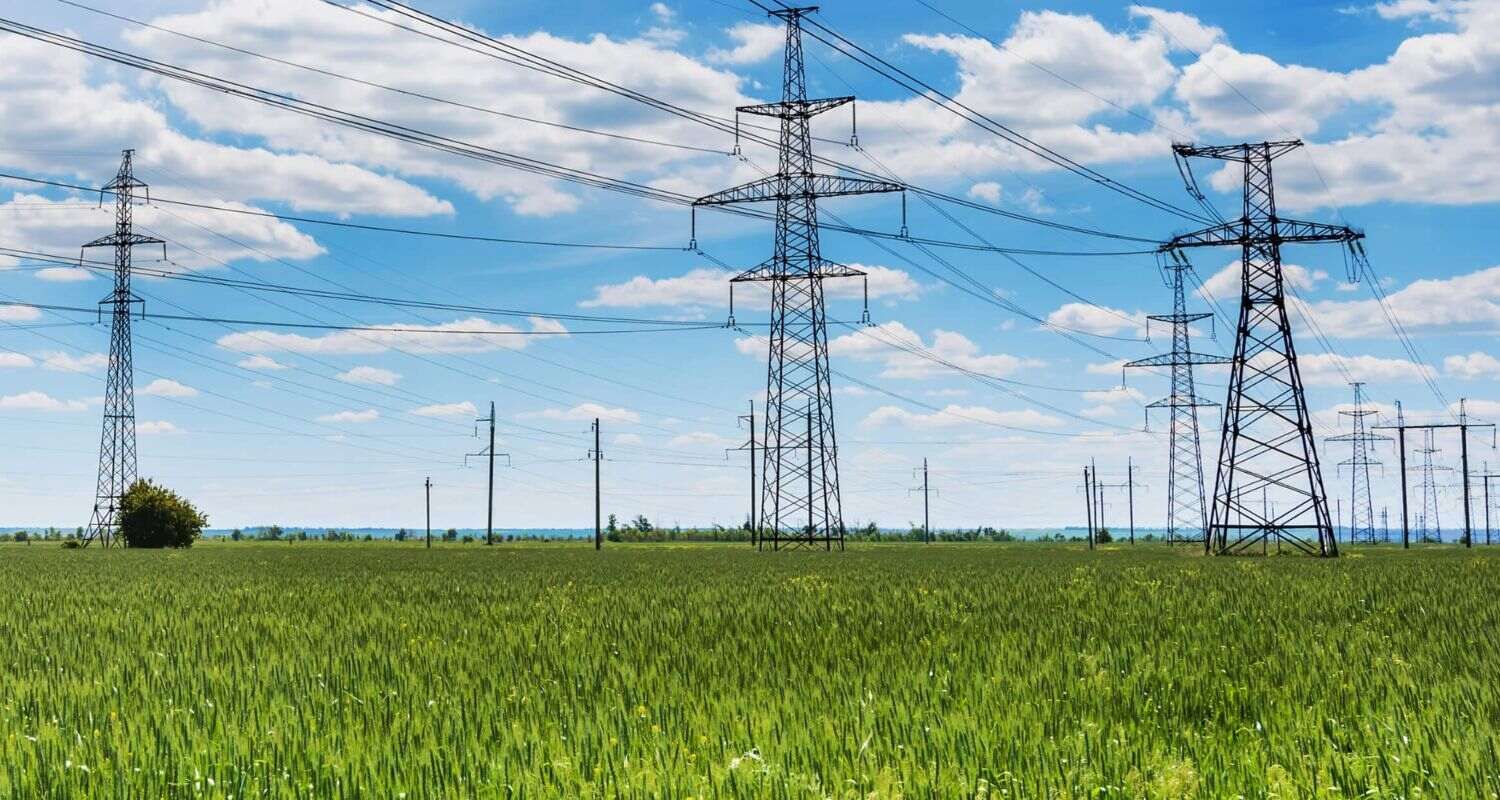
Reimagining​‍​‌‍​‍‌ Electric Power Distribution for a Smarter, Greener Future

India is undergoing a major transformation in the way electric power is generated, transmitted, and consumed. As the country changes rapidly towards urbanisation, renewable energy, electric mobility, and digitalisation, the key element of this change, the electric power distribution system, has to change as well, in fact, at the same speed. Traditionally, power flowed only one way, from generation plants to consumers. But today, with renewable energy generators, prosumers, and distributed energy resources coming into the picture, the grid must be far more flexible, intelligent, and resilient.

The future of electric power distribution extends beyond the reliable delivery of energy; it involves building a digital, environmentally friendly, and interconnected system. The transition is indispensable for India to meet the increasing energy demand while complying with environmental agreements.

“Did you know? Smart grid technologies can significantly reduce transmission and distribution (T&D) losses – studies suggest smart grids could cut energy losses by up to 20% by optimizing real-time monitoring, load management, and automated controls compared to traditional grids.(Source)”

In this transformation, leading Power Transmission & Distribution players and major power transmission companies in India are adopting modern technologies, reimagining business models, and creating frameworks for more efficient energy delivery. Hartek Group, as one of the key innovators in this space, continues to contribute to this evolution through advanced engineering and future-ready solutions. 

Let’s explore how the future grid is being shaped and what it means for India’s smarter and greener tomorrow.

Transition from Traditional Grids to Smart Distribution Networks

Electric distribution networks have been designed for predictability for a long time. However, the present grid is met with a fluctuating supply of renewables, multifaceted consumer loads and variable energy patterns. The situation is pushing utilities and power transmission companies to accept the idea of smart grids.

A smart electric power distribution system embraces the use of digital technologies, real-time monitoring instruments, and automated controls. The devices installed in the systems can help utilities to decrease energy theft, improve load management and even predict faults. As India has a target to cut transmission and distribution losses drastically, smart grids will be an essential factor in achieving overall energy efficiency.

Integration of Renewable Energy and Distributed Generation

India’s mission for renewable energy is scaling up fast making solar and wind major contributors of the energy mix. Nonetheless, renewable energy sources cause power supply to be more inconsistent. Therefore, distribution networks have to be very flexible in order to adjust to this transition.

Modern electric power distribution systems integrate distributed energy resources (DERs) such as rooftop solar, small wind turbines, battery storage, and microgrids. These DERs not only assist the grid to remain stable but also alleviate the peak load problem and decentralize the power generation process. Power distribution companies are gradually taking digital platforms as their new investment which makes energy flow visible in real-time and thus easy renewable integration.

Automation and Digitalisation: The Backbone of Future Distribution

Automation is turning into one of the essential elements of the smarter grid revolution. The core infrastructure in both power transmission and distribution networks is being upgraded through cutting-edge electronic equipment like SCADA, IoT sensors, AI-driven analytics, and an automated fault detection system.

The primary digital innovations that pave the way for the future include:

  • Advanced Metering Infrastructure (AMI) 

Smart meters are able to give real-time information, they improve the accuracy of billing, and also allow the users to better control their consumption.

  • Internet of Things (IoT) elements 

IoT sensors that are appropriately fitted on transformers, lines, and substations enable the prediction of maintenance thereby reducing the time when the system is down and improving the reliability of the system.

  • AI and machine learning 

Predictive analytics provide utilities with the ability to anticipate demand, locate anomalies, and intervene before serious problems occur.

All these strides equip the Indian power grid with more transparency, reliability and make it future-ready.
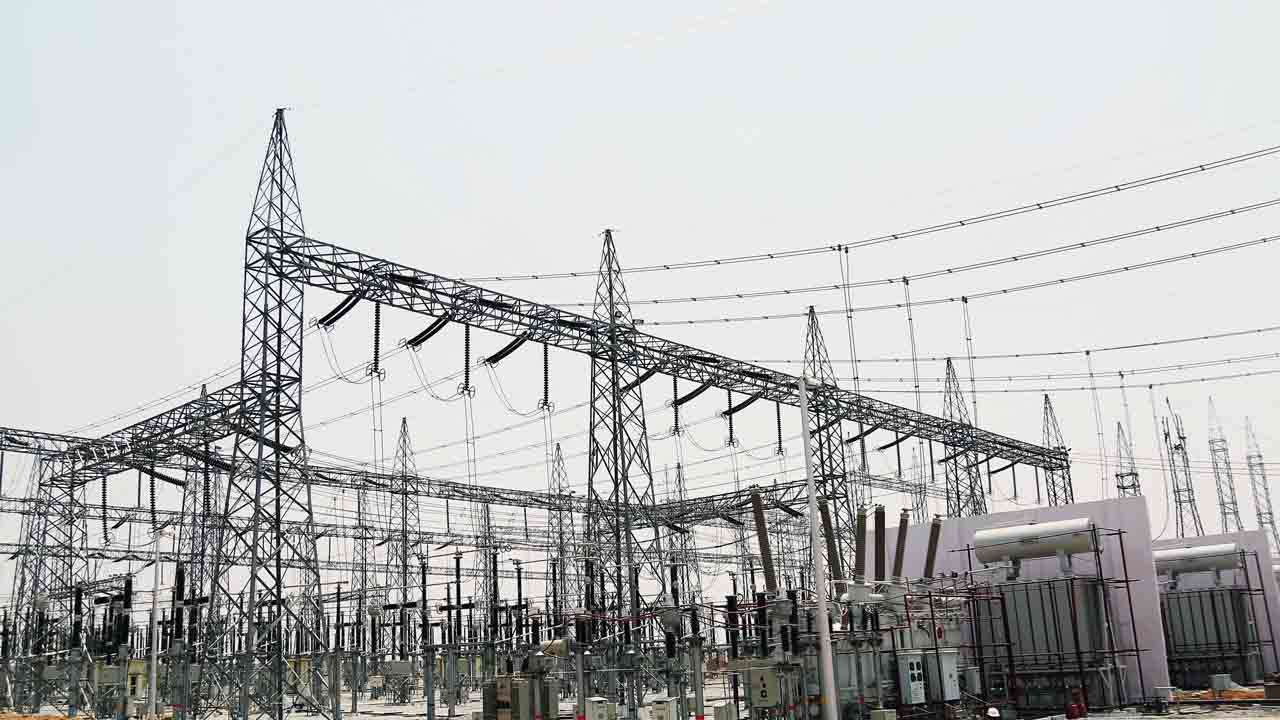
Top Rooftop Solar EPC companies in India

Strengthening Grid Resilience and Reliability

Grid resilience becomes even more important taking into account the varying climate conditions in India – cyclones, extreme heat, and torrential rains. Contemporary power transmission companies in India are heavily investing in disaster-resilient infrastructures that guarantee the supply of power even during calamities.

Methods like laying cables underground, using digital relays, redundant power paths and advanced protection systems are collectively working to raise the level of reliability. Furthermore, rapid fault identification together with self-healing networks greatly shorten the time during which the consumer experiences a power outage thus increasing the client base satisfaction equally from beautifying the industrial and residential sectors.

The Growing Role of Energy Storage

Energy storage will be the foundation of the next-generation electric power distribution to be turned into reality. As more and more renewable energy sources are being installed, we need storage to buffer the fluctuations in the energy market. Simply put, storage devices like lithium-ion batteries, pumped storage, and big battery banks are the answer to the balancing act.

Battery energy storage systems (BESS):

  • Enable the provision of power in the times of blackouts
  • Keep excess renewable energy
  • Make CO2 emitting peaker plants less usable, thus aiding in carbon emissions reduction
  • Give utilities the opportunity to solve the peak demand problem in an efficient manner

When integrated with energy storage, power distribution grids become a strong force in the promotion of clean, reliable, and efficient power use.

Empowering Consumers Through Smart Technologies

The energy of the future is not just a story about energy companies; rather, it is the story of consumers who are empowered and willing to take part in the energy ecosystem. The emergence of prosumers, who both produce and consume energy, is fundamentally changing the way distribution systems work.

By means of features such as energy consumption in real time, smart appliances, home automation, and electric vehicle (EV) charging integration, consumers will become more energy-aware and more environmentally-friendly. On top of that, smart tariffs and demand response programmes will help energy-saving approaches to be adopted more widely as well as the grid being more lightly loaded.

The Contribution of Leading Power Transmission Companies

Top-notch power transmission companies in India are the leaders setting the pace for this change by working on state-of-the-art infrastructures, substation automation, renewable integration projects, and building the grid for the next level of cross-country power evacuation. Their combined effort is providing a reliable delivery of electricity from the source of production to the final users.

The innovation and expertise of the leading power transmission companies in India are playing a vital role in shaping the Indian energy future as the demand for high-quality, uninterrupted power grows rapidly across industries, commercial establishments, and households.

Towards a Greener and More Sustainable Power Landscape

One of the major reasons for the massive energy-transformation in India is the concern for sustainability. In addition to carbon emission reduction and promotion of green technologies, electric power distribution systems have to be compatible with global best practices.
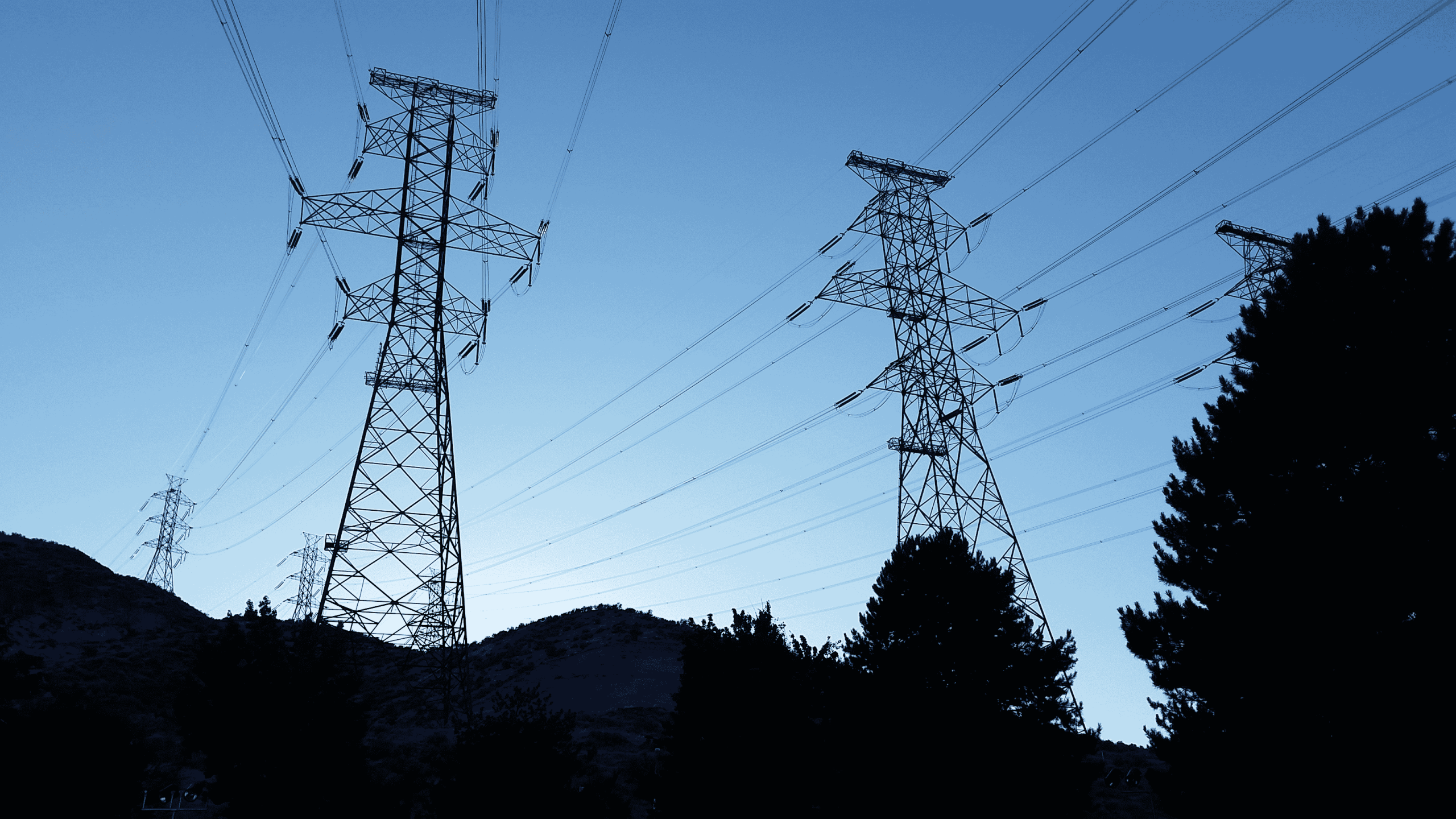
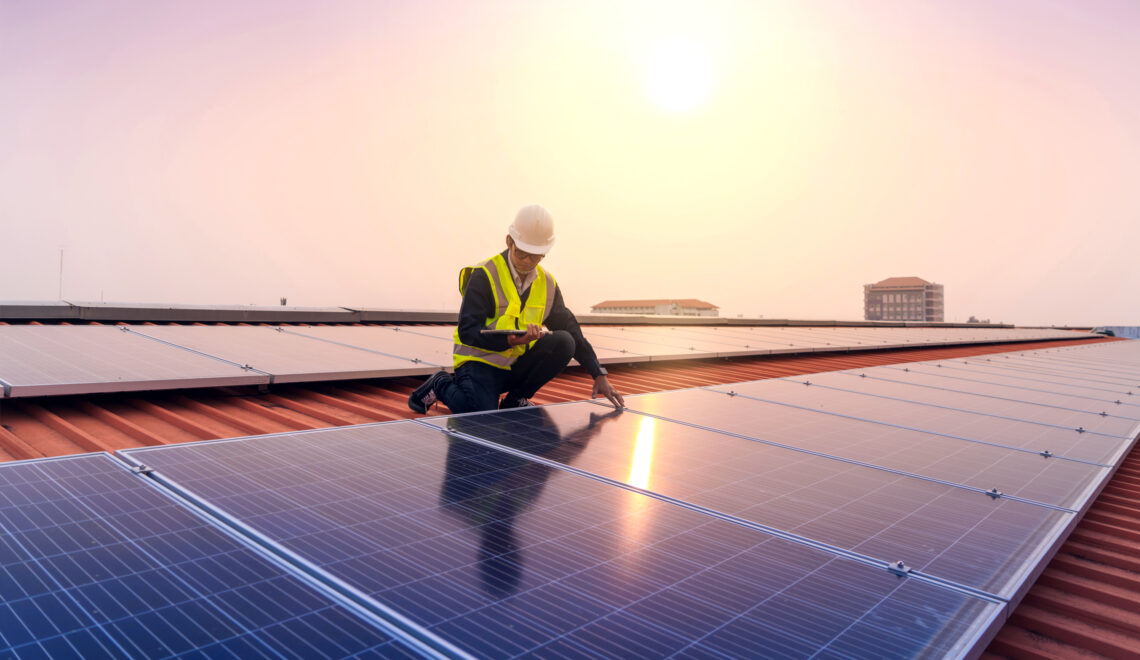
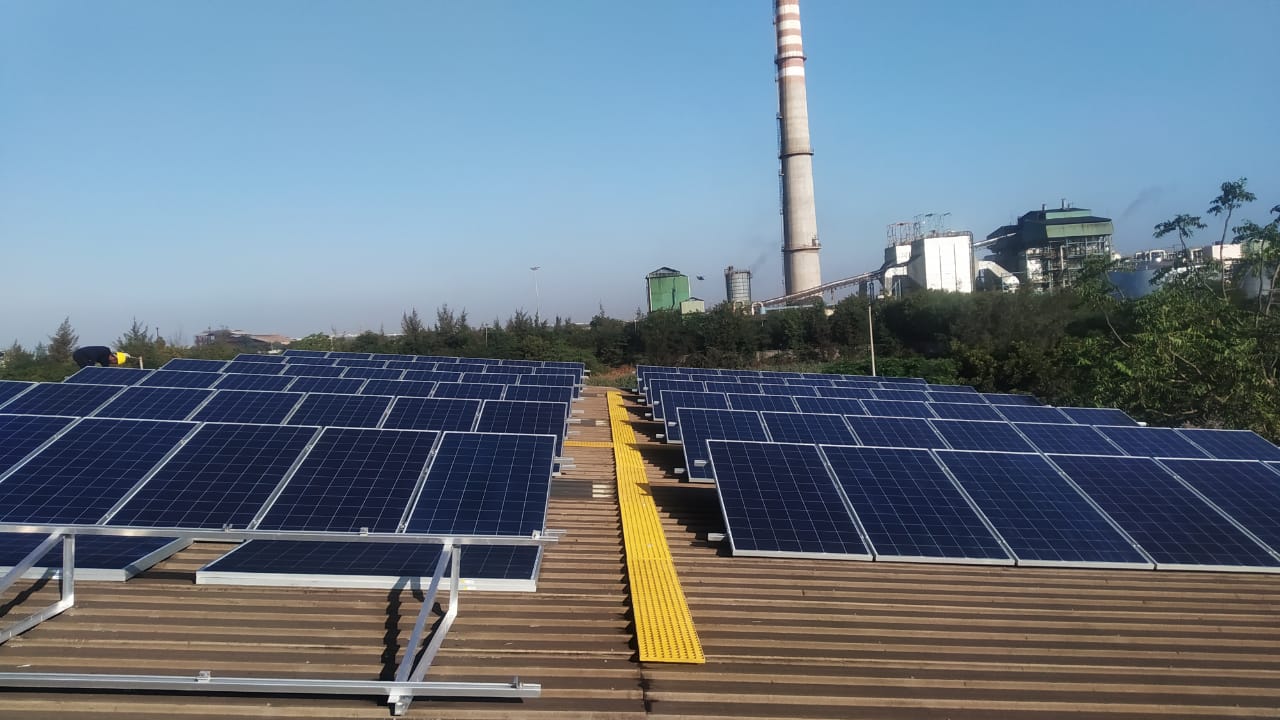
installing rooftop solar panels

Some of the key sustainability points are:

  • Increasing the proportion of energy from renewable sources.
  • Supporting the widespread use of electric vehicles (EVs).
  • Enhancing energy efficiency in transmission and distribution.
  • Using digital tools to save energy and to make the user more aware of his/her energy consumption.
  • Building carbon-neutral substations.

A sustainable distribution network guarantees that India’s growing needs will be met in an environmentally friendly way and are in line with global climate commitments.

Choosing the Right Partner for India’s Solar Future

Reshaping electric power distribution is a must if we want to have a cleaner, smarter, and more resilient energy future. To answer the challenges brought by rapid urbanisation, a rising electricity demand and the need for clean energy, India is in dire need of an advanced distribution infrastructure that is powered by automation, renewable integration, digital technologies, and is robust.

As leading Power Transmission & Distribution players and advanced power transmission companies in India continue to innovate, the country is well on its way to creating a future-ready power ecosystem that is efficient, sustainable, and consumer-centric.

India’s energy journey is evolving, and the next decade will redefine how power is delivered to millions across the nation. With committed industry leaders such as HARTEK GROUP driving innovation and strengthening the grid, the nation is poised to achieve a smarter and more resilient power landscape.

Frequently Asked Questions (FAQs)

1. What is electric power distribution?

Electric power distribution is the last stage of the whole power delivery system when the electricity is delivered from substations to end-users such as households, industries, and commercial establishments.

2. Why is smart grid technology important for India?

Smart grids are very efficient, have fewer losses, and are friendly to renewables integration, and more reliable as they operate automatically and are monitored in real-time.

3. How do power transmission companies support modern distribution networks?

The top power transmission companies in India energize the entire system by erecting a strong network, introducing digital technologies, and facilitating renewable energy evacuation thereby stabilizing the grid as a whole.

4. What is the role of renewable energy in future power distribution?

Renewables are a real green solution as they reduce CO2 emissions and call for more advanced distribution systems for the smooth integration.

5. How can consumers benefit from smart meters?

Smart meters provide real-time usage insights, accurate billing, and help consumers manage their energy consumption efficiently.
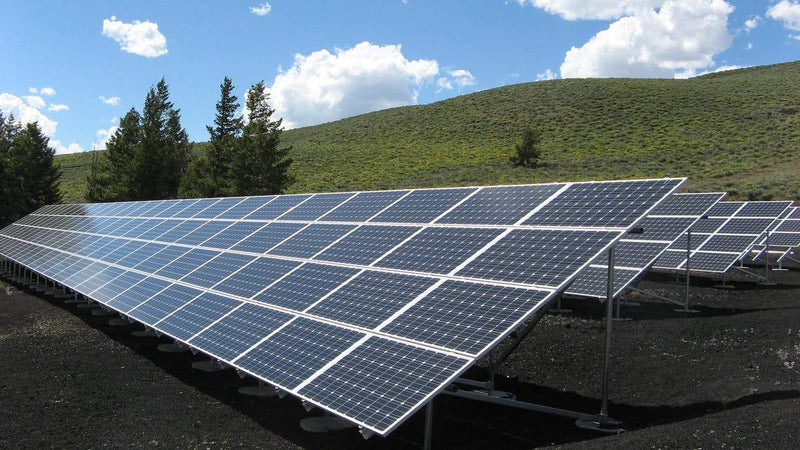
Best Solar EPC Company in India: Key Qualities That Define True Expertise

The renewable energy landscape in India is changing rapidly with a lot of innovations. With the whole world watching, India is moving towards a goal of generating 500 GW of energy from renewable sources by 2030. As a result, the demand for Solar EPC companies in India has skyrocketed. The question of who is the best solar EPC company is therefore vital for the success of projects, the long-term performance and achieving the maximum return on investment.

There are hundreds of solar EPC contractors in the market from which one can choose. However, what really distinguishes a leading solar EPC company is this. This article digs into the attributes, resources, and skills that set the best EPC providers apart, like the Hartek Group, and how those factors are instrumental in shaping the future of clean energy in India.

“Did you know? India’s installed renewable energy capacity has tripled over the last decade and reached over 230 GW, with solar power leading the growth. The country is firmly on track to achieve its ambitious goal of 500 GW of renewable capacity by 2030, highlighting why capable Solar EPC companies are critical for delivery, execution, and long-term performance. (Source)”

What Does an EPC Company Do? A Quick Overview

It is necessary to understand the EPC model before recognizing the best players in the game.

Solar EPC (Engineering, Procurement, and Construction) company is the one that:

  • Engineers & designs the solar plant
  • Procures the high-quality components
  • Constructs & commissions
  • Maintains, monitors, and performance optimises

With a good EPC partner, the plant will be able to deliver the expected production of energy throughout its lifespan which is usually 25 years or more. An EPC partner thus is the main factor that directly influences project efficiency, safety, and long-term financial savings in the case of heavy solar investments by businesses and utilities.

Key Qualities That Define the Best Solar EPC Company in India

1. Proven Expertise Across Utility-Scale and Industrial Projects

Experience is the first and most critical differentiator.
The best solar EPC companies in India bring:

  • An extensive portfolio of Utility-Scale Solar Projects
  • Proven experience in rooftop, ground-mounted, and hybrid systems
  • Facility expertise in high-capacity substations and grid integration
  • In-depth knowledge of regulatory compliance

Technical accuracy, on-ground realization ability, and strong vendor relations are what the handling of multi-megawatt projects call for. The companies which are able to consistently accomplish these projects timely and within budget deserve to be recognized as leaders of the sector.

2. Solid Engineering and Design Skill

The engineering stage is mostly responsible for the solar plant’s efficiency for its whole life. First-rate EPC companies commit to:

  • Quite accurate site evaluation through modern surveying instruments
  • Fully functional plant layout for optimum generation
  • Usage of most efficient solar modules and inverters
  • Top-notch SCADA and monitoring systems
  • Structural design that is sturdy against wind, corrosion, and temperature changes

Technically advanced design means more output, less degradation, and greater asset performance, which are the main reasons enterprises choose experienced EPC partners.

3. Transparent and Quality-Focused Procurement

Procurement is the main factor that determines project cost and quality in the long term. The best solar EPC companies commit to:

  • Long-term relationships with bankable module, inverter, and BOS manufacturers
  • Strict quality control during production and delivery
  • Transparency in procurement to prevent hidden costs
  • Selection of components that meet Indian and international quality standards

On the condition of the use of A-grade components with authentic certification in a project, the plant will be functioning optimally for decades, which will not only reduce the breakdowns but also increase the returns.

4. Excellence of Execution and On-Site Safety

To build a solar plant will require large-scale civil, mechanical, and electrical works. The proficiency of an EPC company on-site is shown through:

  • Project management processes that are well planned out
  • Manpower that is skilled and execution teams that are trained
  • Following national and international safety standards
  • Commissioning on time without quality being compromised

In particular, a truly leading solar EPC company has the capacity to handle difficult terrains, tight schedules, and large-capacity installations simultaneously with the observance of strict safety measures.

Solar installation company in India

5. Performance Guarantees and Long-Term O&M Support

Solar energy is a long-term investment that spans over 25 years and thus the decision of choosing an EPC provider offering a performance guarantee over a long period becomes an absolute must.

Some of the main expectations will be:

  • Specified generation levels
  • State-of-the-art monitoring systems allowing real-time performance data updates
  • Preventive maintenance and prompt repairs
  • Quick fault detection and resolution
  • Regular inspections and cleaning routines

The companies giving reliable O&M support are the ones that let the plant perform at its peak capacity for a long time and thus assure better returns for the customer.

6. Experience with Solar PPA in India

Nowadays many commercial and industrial consumers would rather go for the Solar PPA (Power Purchase Agreement) model than capital expenditure upfront. The best EPC companies can be:

  • Corporate PPA facilitators
  • Group captive model providers
  • Third-party open-access solar project developers
  • Structured finance solution providers

In order to facilitate easy PPA transactions, one needs to be thoroughly knowledgeable about policy frameworks, DISCOM regulations, and open-access rules that vary from state to state. An EPC company with specialised PPA expertise is a great help for customers looking for a solar solution without CAPEX.

7. Cost Transparency and Familiarity with Solar Installation Costs in India

Solar installation cost in India is dependent on several factors such as project size, technology choice, site conditions, and the quality of components. Top EPC companies keep transparency in:

  • Material costs and details
  • Construction and structural needs
  • Electrical design and BoS components
  • Installation, testing, and commissioning fees

They help the clients understand the cost breakdowns without additional charges that are kept secret, thus decision-making is facilitated and financial planning becomes more efficient.

8. Following India’s Renewable Energy Goals

By the year 2030, India intends to have a total renewable energy capacity of 500 GW. Accordingly, top EPC companies are:

  • Implementing projects that are ready to be connected to the grid and meet the requirements of recent policies.
  • Complying with ALMM (Approved List of Models and Manufacturers) where necessary.
  • Facilitating the addition of solar capacity in utilities.
  • Encouraging the adoption of solar for the C & I sector through next-gen solutions.

Companies that are actively involved in making India’s renewable energy vision come true gain industry credibility by default.

Why the Right EPC Partner Is So Important

The choice of the best solar EPC company in India has a direct influence on the following:

Project Timelines

Delays in projects bring in losses financially and energy-saving opportunities that could have been missed.

Plant Performance

An EPC of high quality is a guarantee for increased generation and stable output over the years.

Compliance and Safety

Top companies strictly follow safety, quality, and regulatory requirements with no compromise.

Cost Efficiency

Well-organized design and procurement lead to the lowering of the cost per unit of energy (LCOE).

Ease of Ownership

A well-established O&M support system offers the plant owner comfort throughout the plant’s life cycle.

leading solar epc company

How Leading Solar EPC Companies Support India’s Renewable Future

There is rapid growth in the Indian solar market in the following segments:

  • Industrial and commercial rooftop solar
  • Utility-scale solar parks
  • Hybrid solar + storage projects
  • Green hydrogen-ready infrastructure
  • High-voltage substations and grid connectivity

India’s journey to the 500 GW target is therefore highly dependent on EPC companies that not only have engineering accuracy but also have the skills for execution. Their role is beyond mere installation, they are the ones who help in policy-making, technology innovating, and safety and quality standard-setting.

Final Thoughts

In a competitive and rapidly evolving market, choosing the best solar EPC company is a decision that impacts your project’s financial, technical, and operational success for decades. A company that brings engineering strength, transparent procurement, robust execution, and long-term reliability truly qualifies as a leading solar EPC company.

Whether you are looking to set up a rooftop solar system, ground-mounted plant, or develop Utility-Scale Solar Projects, partnering with a trusted and experienced Solar EPC company in India ensures maximum value, superior plant performance, and uninterrupted clean energy for years to come.

As the need for automation, grid stability, and intelligent control increases, the future will be smart renewable solutions that are sustainable and technologically excellent at the same time. By being the one to lead this change with state-of-the-art capabilities and domain expertise, Hartek Group continues to support India’s renewable transition and contribute to a cleaner, smarter, and more resilient power future.

FAQs

1. What is the best solar EPC company in India?

Companies with strong engineering, quality procurement, and reliable execution, such as Hartek Group, are often considered among the top choices.

2. What is a Solar PPA and how does it benefit companies?

A Solar PPA is a model under which consumers purchase solar power at a fixed tariff without having to invest in the plant. This makes the cost per unit of power cheaper for industries.

3. What causes the overall cost of a solar plant?

The total cost would depend on the capacity of the plant, the conditions of the site, the selection of components, and the requirements for the electrical infrastructure.

4. How do leading EPC companies maintain long-term performance?

By providing strong O&M support, continuous monitoring, preventive maintenance, and guaranteed performance, they ensure performance in the long run.

5. What are the reasons that make utility-scale projects important for India’s renewable growth?

They enable rapid capacity addition, support grid stability, and play a major role in meeting national clean energy goals.

The Rise of Smart Renewable Energy Systems in India’s Power Transition

India’s energy sector is changing in a big way, mainly because of the need to reduce carbon emissions and improve energy security. The demand for electricity is steadily rising, and the penetration of solar and wind power is becoming a reality across many states, reflecting the broader renewable energy trends 2025 shaping the nation’s power landscape. 

This momentum is evident from a series of ambitious national plans, including the 500 GW renewable energy capacity target, which clearly signals a shift toward smart renewable energy systems. India is now moving toward advanced smart energy systems powered by digitalisation, automation, data intelligence, and modern grid technologies, all of which are shaping a more resilient, efficient, and flexible energy framework for the country.

“Did you know? India’s smart grid and digital energy initiatives could help integrate over 450 GW of renewable energy into the national grid by enabling real-time monitoring, advanced forecasting, and automated grid balancing – making large-scale solar and wind deployment both reliable and cost-effective.”(Source)

The spreading of renewable energy projects has been quite the trend in the different states, so attention now is more on the efficient usage and intelligent management of the generated energy. Smart systems are the ones that fill the gap between unstable sources of energy and the request for a continuous and reliable supply of energy. Hartek Group, being a major player in India’s renewable and grid infrastructure sector, is still entering the picture to warm up this transition by delivering intelligent, future-ready renewable energy solutions that raise the level of reliability, efficiency, and grid stability.

India’s Renewables Boom: Why Smart Systems Are Becoming Essential

Throughout the past 10 years, India has positioned itself as one of the leaders worldwide in the adoption of renewable energy solutions. The growth of solar parks, wind farms, hybrid projects, and green hydrogen facilities is very rapid. Nevertheless, large-scale deployment brings about issues such as fluctuating power generation, grid overcrowding, forecasting uncertainties, and the requirement of advanced protection systems.

To overcome these complexities, developers, utilities, and EPC companies are now embracing smart Renewable Energy SCADA, automation tools, and AI-driven technologies that enable:

  • Higher efficiency and improved energy output
  • Better grid stability and synchronisation
  • Real-time monitoring and automated controls
  • Faster response during faults or fluctuations
  • Reduced operational costs and human dependency

Basically, smart systems are converting renewable power plants into intelligent energy ecosystems that can dynamically interact with the rest of the system.

Key Components Driving the Shift Towards Smart Renewable Energy Systems

1. Intelligent Monitoring & SCADA Integration

Digital SCADA (Supervisory Control and Data Acquisition) systems have become the nerve centers for the control of modern renewable energy projects. These platforms provide:

  • On-the-spot monitoring of generation and performance
  • Automated alerts in case of faults or errors
  • Remote operations and control
  • Decisions based on data

Whether it is a solar plant, wind farm, or hybrid installation, SCADA ensures seamless operations by giving operators full visibility of plant behaviour.

2. Smart Inverters and Digital Switchgear

The once conventionally used inverters and switchgear are being overhauled by the newer intelligent variations which can offer advanced functions such as:

  • Grid-support capabilities
  • Voltage and frequency regulation
  • Fault ride-through features
  • Automated fault isolation

These innovations improve plant performance and ensure smoother integration with national grids, especially as Smart Grid Solutions India gains prominence.

3. Energy Storage and Hybrid Controls

Battery Energy Storage Systems (BESS) are gradually becoming the most indispensable component in the green transition of India. The role of smart controllers in this is to help the storage be in sync with the solar and wind generation, thus making it possible to:

  • Peak load shifting
  • Emission of pure power in uncertain periods
  • Provision of electricity during power cuts
  • Energy dispatch being planned more efficiently

As hybrid solar-wind-storage systems grow, Energy Storage Systems (BESS) will play an increasingly critical role in grid reliability and renewable integration.

4. Predictive Analytics and AI-Based Forecasting

Intelligent renewable energy systems employ technologies such as artificial intelligence, IoT sensors, and machine learning, to achieve the following:

  • Predicting the efficiency of a power plant
  • Estimating solar irradiation and wind speeds
  • Creating a schedule for maintenance to reduce downtime
  • Setting the highest output possible according to the needs of the grid

Therefore, this leads to a more stable power supply with far fewer operational losses.

renewable energy projects

Smart Renewable Energy Systems and India’s Grid Modernisation

As India’s renewable energy portfolio expands at a breakneck pace, grid synchronization management has simultaneously become a more intricate issue. The grid, therefore, has to be endowed with a higher degree of flexibility and intelligence as a result of the unpredictable nature of solar and wind generation.

Smart Renewable Energy systems improve the power grid through the following measures:

1. Enhancing Grid Resilience

Mechanised relay panels, smart substations, as well as digital guard systems, are the main things, which among other functions that they perform, also bring about prompt location of faults in the electric grid, their fast isolation, and subsequent restoration.

2. Supporting Renewable Energy Scheduling

Advanced forecasting and scheduling tools help utilities maintain grid discipline and avoid penalties, while aligning with emerging Renewable energy trends 2025.

3. Facilitating Distributed Energy Resources (DER)

Things like small-scale (or residential) solar photovoltaic systems, battery-powered vehicles, and self-sufficient solar setups are the ones, which through the means of the advanced grid technology can be very effectively managed.

4. Strengthening Renewable Grid Integration

Smart transformers, digital CRPs, and automation tools help manage variable power flows without compromising stability. These technologies also complement modern Power Distribution Solutions adopted across India.

Role of Solar Installation Companies in India in Advancing Smart Systems

A modern Solar installation company in India no longer limits itself to deploying panels and inverters. Today’s leading players manage:

  • Smart SCADA-enabled solar plants
  • Advanced grid-synchronisation
  • Digital substation design
  • Energy storage integration
  • Real-time plant performance optimisation

As more and more people demand long-term and trustworthy solutions, companies that are strong in engineering and have good digital skills are the ones that will have the most competitive advantage.

Smart Renewable Energy Systems: The Future of India’s Energy Security

The success of the Indian initiative toward energy self-reliance by 2047 largely depends on how well the solar, wind, and hybrid projects are managed. Smart Renewable Energy solutions will keep on being the agents of change to this end by:

  • Allowing the green energy share to reach extremely high levels.
  • Helping to keep the plants in good working order and increasing uptime.
  • Reducing the risks involved in daily activities.
  • Giving the assurance of cost savings over a long period.
  • Contributing to the future-readiness of energy infrastructure.

India’s transition to a cleaner energy future is closely linked to the country’s adoption of smart technologies, from advanced substations to AI-enabled forecasting.

Solar installation company in India

Conclusion

The rise of smart renewable energy systems is a turning point for India’s power industry. India is shifting its focus from merely establishing renewable energy projects to creating smarter, interconnected, digitally-advanced systems that make power delivery stable, reliable, and efficient. India is on the right track to building a strong and intelligent energy ecosystem with the help of robust policy initiatives, technological innovations, and the advent of capable EPC and solar engineering companies.

As demand grows for automation, grid stability, and intelligent control, the future belongs to smart renewable solutions that combine sustainability with technological excellence. By driving this shift with cutting-edge capabilities and domain expertise, Hartek Group continues to support India’s renewable transition and contribute to a cleaner, smarter, and more resilient power future.

Frequently Asked Questions (FAQ)

1. What are smart renewable energy systems?

These are the advanced energy solutions that integrate renewables with digital monitoring, automation, smart controls, and data analytics to enhance efficiency and reliability.

2. Why are smart systems necessary for solar and wind projects?

They help manage power fluctuations, optimise generation, reduce downtime, and improve grid synchronisation, making renewable energy more dependable.

3. How does SCADA enhance the efficiency of renewable plants?

SCADA is offering real-time tracking, automated alerts, remote control, and data-driven decision-making, which is leading to enhanced operational efficiency.

4. Are energy storage systems indispensable to renewable sources?

Certainly, as storage units remove the barrier of intermittency, allow the peak-load management, and guarantee the continued supply of electricity during the low-generation periods.

5. How are Solar installation companies in India implementing smart technologies?

Modern solar companies now deploy intelligent monitoring, hybrid controls, automation-enabled substations, and grid-synchronisation solutions to make projects more efficient and future-ready.